
1. Search Result
Search Result
Results for "

chronic myeloid leukemia

" in MedChemExpress (MCE) Product Catalog:

121

Inhibitors & Agonists

4

Fluorescent Dyes

4

Biochemical Assay Reagents

2

Peptides

4

Inhibitory Antibodies

12

Natural
Products

3

Isotope-Labeled Compounds

1

Click Chemistry

1

Oligonucleotides

1

GMP Molecules

Targets Recommended:
Cat. No. Product Name Target Research Areas Chemical Structure
  • HY-Y1103
    Iron(II) sulfate heptahydrate, 99%
    1 Publications Verification

    Ferrous sulfate heptahydrate, 99%

    Environmental Pollutants Biochemical Assay Reagents Cardiovascular Disease Cancer
    Iron(II) sulfate heptahydrate, 99% (Ferrous sulfate heptahydrate, 99%) is an orally active iron salt. Iron(II) sulfate heptahydrate, 99% replaces iron found in hemoglobin and myoglobin, allowing for the transportation of oxygen via hemoglobin. Iron(II) sulfate heptahydrate, 99% is mainly used for the prevention of iron-deficiency anemia. Iron(II) sulfate heptahydrate, 99% also has anti-tumor effects on chronic myeloid leukemia and breast cancer .
    Iron(II) sulfate heptahydrate, 99%
  • HY-15728
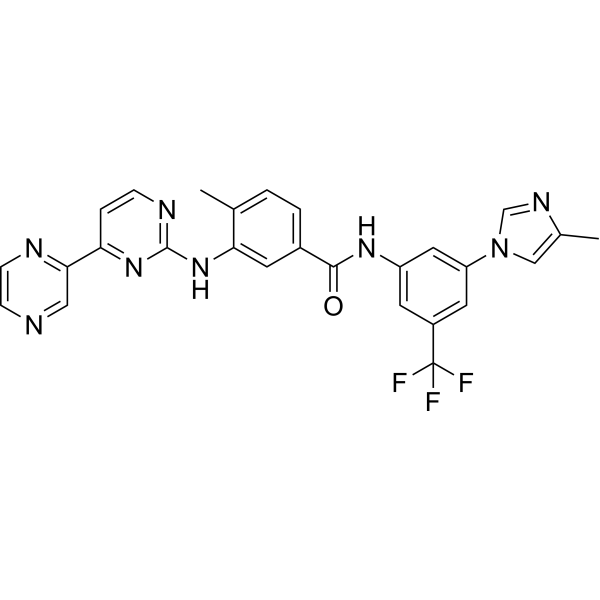
    Radotinib
    1 Publications Verification

    IY-5511

    Bcr-Abl Apoptosis STAT JAK Prion Protein Infection Neurological Disease Cancer
    Radotinib (IY-5511) is an orally active and BBB-permeable selective tyrosine kinase Bcr-Abl1 inhibitor with an IC50 of 34 nM. Radotinib has anti-prion and anti-tumor activities. Radotinib can inhibit the proliferation, induce cell cycle arrest and apoptosis of tumor cells . Radotinib can be used in the research of cancer such as chronic myeloid leukemia and multiple myeloma, as well as neurodegenerative diseases such as prion diseases .
    Radotinib
  • HY-10395
    PD173955
    1 Publications Verification

    Bcr-Abl Src Cancer
    PD173955 is an orally active inhibitor of Src (IC50= 22 nM), Yes, Abl, ATP and MAP kinases. PD173955 can effectively prevent the mitotic process and has anticancer activity .
    PD173955
  • HY-148813
    AK-2292
    2 Publications Verification

    PROTACs STAT Cancer
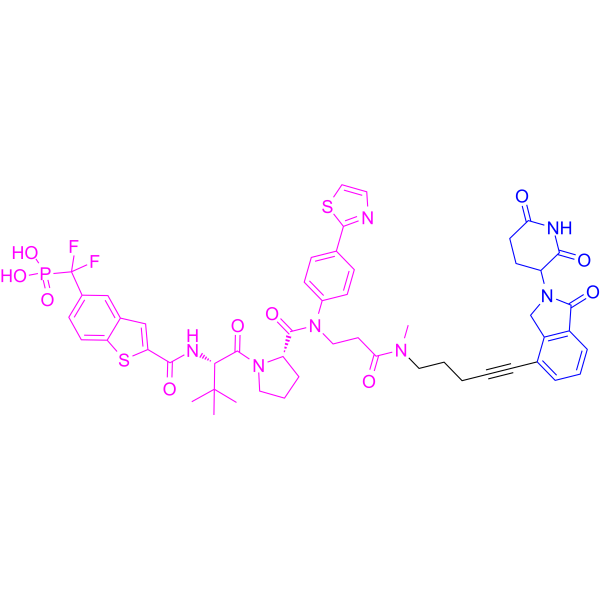
    AK-2292 is a potent and selective STAT5 PROTAC degrader, with a DC50 of 0.10 μM. AK-2292 induces degradation of STAT5A/B proteins in vitro and in vivo. AK-2292 can induce tumor regression in acute myeloid leukemia and chronic myeloid leukemia xenograft mouse models . AK-2292 is a click chemistry reagent, it contains an Alkyne group and can undergo copper-catalyzed azide-alkyne cycloaddition (CuAAc) with molecules containing Azide groups.
    AK-2292
  • HY-N0559
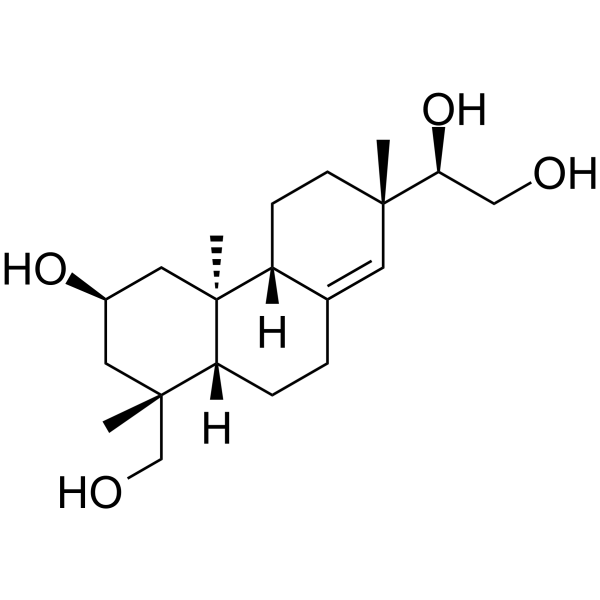
    Kirenol
    1 Publications Verification

    Casein Kinase Apoptosis AMPK Akt NF-κB TGF-beta/Smad Cardiovascular Disease Neurological Disease Metabolic Disease Inflammation/Immunology Cancer
    Kirenol is a diterpenoid compound, an orally active apoptosis inducer and signaling pathway regulator, with a Kd value of 5.47 μM against the target CK2. Kirenol promotes the cleavage of Bid into tBid, regulates the protein levels/phosphorylation of Bax, Bcl-2, p53 and p21, and induces caspase-independent apoptosis, S-phase cell cycle arrest, ROS accumulation and cytotoxicity in cancer cells. Kirenol activates the CK2/AKT and AMPK-mTOR-ULK1 pathways, inhibits the signaling of NF-κB, TGF-β/Smads and NLRP3 inflammasome, and regulates the GSK3β, BMP and Wnt/β-catenin pathways. Kirenol induces autophagy, mitophagy and osteoblast differentiation, promotes mitochondrial fusion, and exerts antioxidant, anti-inflammatory, antifibrotic, renoprotective, cardioprotective, neuroprotective and analgesic effects. Kirenol is applicable to research related to chronic myeloid leukemia, ischemic stroke, diabetic nephropathy, heart failure, acute lung injury and osteoporosis .
    Kirenol
  • HY-Y1103A

    Ferrous sulfate heptahydrate, for cell culture, 99%

    Environmental Pollutants Biochemical Assay Reagents Cardiovascular Disease Cancer
    Iron(II) sulfate heptahydrate, for cell culture, 99% (Ferrous sulfate heptahydrate, for cell culture, 99%) is an orally active iron salt. Iron(II) sulfate heptahydrate, for cell culture, 99% replaces iron found in hemoglobin and myoglobin, allowing for the transportation of oxygen via hemoglobin. Iron(II) sulfate heptahydrate, for cell culture, 99% is mainly used for the prevention of iron-deficiency anemia. Iron(II) sulfate heptahydrate, for cell culture, 99% also has anti-tumor effects on chronic myeloid leukemia and breast cancer .
    Iron(II) sulfate heptahydrate, for cell culture, 99%
  • HY-P99488

    JSP-191; AMG-191

    c-Kit Inflammation/Immunology Cancer
    Briquilimab (JSP-191 or AMG-191) is a humanized IgG1 monoclonal antibody that binds human CD117 (c-Kit). Briquilimab blocks the interaction between CD117 receptor and stem cell factor on various CD117 expressing tissues. Briquilimab can lead to inhibition of SCF/c-Kit signaling and MC apoptosis. Briquilimab is a non-toxic approach to target and deplete HSC, enabling blood and immune reconstitution with minimal toxicity with the other agents being used for transient immune suppression to prevent immunologic rejection. Briquilimab can be used in various disease research such as severe combined immunodeficiency (SCID), myelodyplastic syndromes (MDS), acute myeloid leukemia (AML), chronic spontaneous urticarial (CSU), chronic inducible urticarial (CIndU) and asthema .
    Briquilimab
  • HY-137460
    Vodobatinib
    2 Publications Verification

    K0706

    Bcr-Abl Cancer
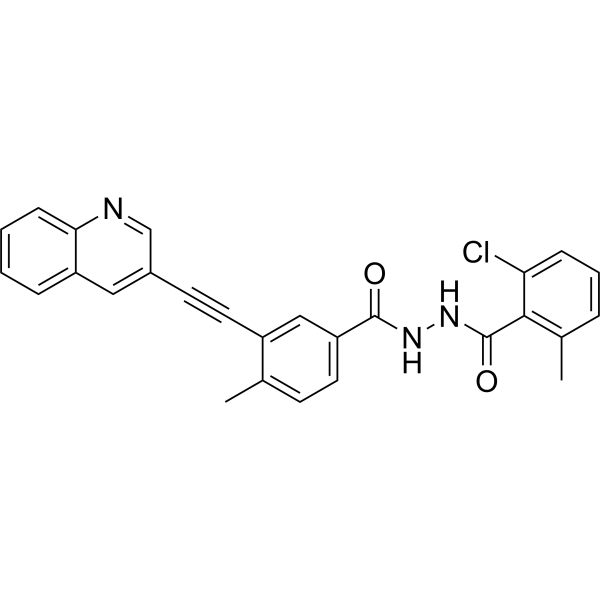
    Vodobatinib (K0706) is a potent, third generation and orally active Bcr-Abl1 tyrosine kinase inhibitor with an IC50 of 7 nM. Vodobatinib exhibits activity against most BCR-ABL1 point mutants, and has no activity against BCR-ABL1T315I. Vodobatinib can be used for chronic myeloid leukemia (CML) research . Vodobatinib is a click chemistry reagent, it contains an Alkyne group and can undergo copper-catalyzed azide-alkyne cycloaddition (CuAAc) with molecules containing Azide groups.
    Vodobatinib
  • HY-G0017
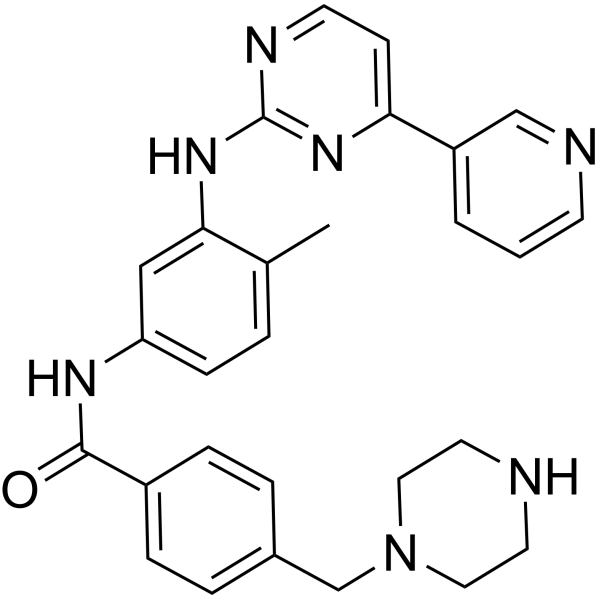
    N-Desmethyl imatinib
    1 Publications Verification

    Norimatinib; Imatinib metabolite N-Desmethyl imatinib; CGP 74588

    Drug Metabolite P-glycoprotein Apoptosis Neurological Disease Cancer
    N‑Desmethyl imatinib (Norimatinib) is an active metabolite of Imatinib (HY-15463), a selective c‑Abl inhibitor, and a substrate of P‑glycoprotein. N-Desmethyl imatinib binds to the c-Abl catalytic domain to prevent substrate phosphorylation, inhibits c-Abl-mediated α-synuclein activation and downstream inflammatory signaling pathways. N-Desmethyl imatinib induces apoptosis in K562 human leukemia cells. N-Desmethyl imatinib shows significantly elevated plasma levels in gastrointestinal stromal tumor (GIST) models with mild SARS-CoV-2 infection. N-Desmethyl imatinib can be used for the research of Parkinson’s disease, gastrointestinal stromal tumor, and chronic myeloid leukemia .
    N-Desmethyl imatinib
  • HY-148394
    UCK2 Inhibitor-1
    2 Publications Verification

    DNA/RNA Synthesis Cancer
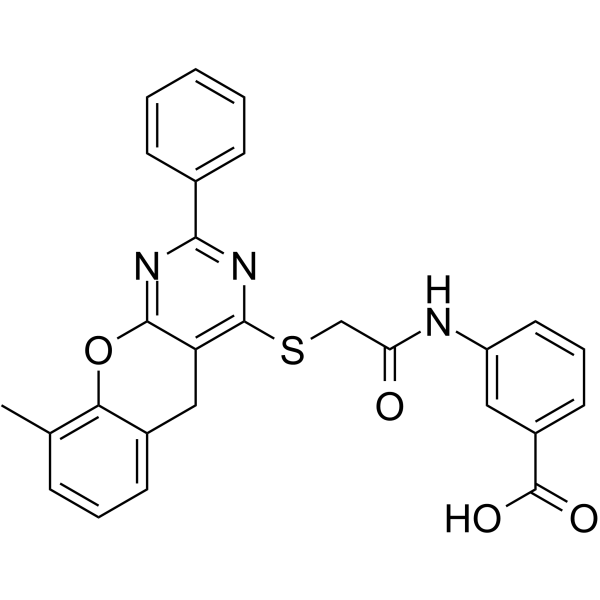
    UCK2 Inhibitor-1 (Compound 20874830-2) is a non-competitive UCK2 inhibitor with an IC50 of 4.7 μM. UCK2 Inhibitor-1 acts as a non-competitive inhibitor against uridine and ATP, and functionally inhibits the enzymatic activity of UCK2. UCK2 Inhibitor-1 suppresses the uridine salvage pathway. UCK2 Inhibitor-1 can be used in chronic myeloid leukemia research .
    UCK2 Inhibitor-1
  • HY-101985
    BV02
    3 Publications Verification

    Bacterial PARP Caspase Apoptosis Autophagy Akt Infection Neurological Disease Inflammation/Immunology
    BV02 is a 14-3-3 inhibitor and an antibacterial agent. BV02 enhances the cleavage of PARP and caspase-3. BV02 induces Apoptosis, Autophagy, and enhances Akt activation. BV02 has anti-B. melitensis infection and epilepsy-promoting effects. BV02 can also be used in colitis research.
    BV02
  • HY-13468
    KW-2478
    4 Publications Verification

    HSP Apoptosis Bcr-Abl p38 MAPK CDK STAT Cancer
    KW-2478 is an HSP90 inhibitor (IC50 = 3.8 nM). KW-2478 inhibits the growth and induces apoptosis in chronic myeloid leukemia (CML) cells and liver cancer cells. KW-2478 weakens the BCR/ABL and MAPK signaling pathways, leading to increased p27 and p21 expression and decreased cyclin B1 expression. KW-2478 downregulates STAT3 expression. KW-2478 may be used in research on cancers such as CML and liver cancer .
    KW-2478
  • HY-118144

    Src Bcr-Abl p38 MAPK Cancer
    PD166326 is an orally active tyrosine kinase inhibitor with a IC50 of 8 nM against abl tyrosine kinase and a IC50 of 6 nM against src tyrosine kinase. PD166326 blocks Bcr/Abl kinase activity. PD166326 inhibits Bcr/Abl-dependent proliferation and cell cycle progression. PD166326 reduces peripheral blood granulocytosis, alleviates splenomegaly and prolongs survival in a mouse model of chronic myeloid leukemia. PD166326 can be used in research related to chronic myeloid leukemia .
    PD166326
  • HY-175451

    Molecular Glues Src Infection Cancer
    MRT-10350 (Compound 2) is a cereblon-based HCK molecular glue degrader. MRT-10350 can be used for cancers like chronic myeloid leukemia and HIV-1 infections research .
    MRT-10350
  • HY-108894

    Ferroptosis Reactive Oxygen Species (ROS) Cardiovascular Disease Inflammation/Immunology Cancer
    Ferumoxytol is an FDA-approved ultrasmall superparamagnetic iron oxide preparation and iron replacement agent that exerts selective activity against leukemia cells with low ferroportin expression. Ferumoxytol increases intracellular iron levels, induces reactive oxygen species (ROS) production via the Fenton reaction, and triggers oxidative stress and cell death. Ferumoxytol reduces disease burden in mouse models and patient-derived leukemia models. As an MRI contrast agent, Ferumoxytol enables imaging of vascular lesions, tumors and lymph nodes. Ferumoxytol can be used in research related to acute myeloid leukemia and blast-phase chronic myeloid leukemia .
    Ferumoxytol
  • HY-123159

    Aurora Kinase Cancer
    AKI603 is an inhibitor of Aurora kinase A (AurA), with an IC50 of 12.3 nM. AKI603 is developed to overcome resistance mediated by BCR-ABL-T315I mutation. AKI603 exhibits strong anti-proliferative activity in leukemic cells .
    AKI603
  • HY-Y0030

    3-hydroxypyridine-2-carboxylic acid

    Biochemical Assay Reagents Drug Intermediate Infection Cancer
    3-Hydroxypicolinic acid is a heterocyclic carboxylic acid ligand and cytotoxin, with a MIC90 of >25 μg/mL against Mycobacterium tuberculosis H37Rv. 3-Hydroxypicolinic acid inhibits the growth of cancer cells and normal fibroblasts. 3-Hydroxypicolinic acid is applicable to research related to chronic myeloid leukemia, human lung adenocarcinoma, and tuberculosis .
    3-Hydroxypicolinic acid
  • HY-P99272
    Ulocuplumab
    1 Publications Verification

    BMS 936564; MDX 1338; Anti-Human CXCR4 Recombinant Antibody

    CXCR Cancer
    Ulocuplumab (Anti-Human CXCR4 Recombinant Antibody/BMS-936564/MDX1338) is a fully human IgG4 anti-CXCR4 antibody. Ulocuplumab induces apoptosis and inhibits CXCL12 mediated CXCR4 activation-migration of chronic lymphocytic leukemia (CLL). Ulocuplumab exhibits antitumor activity in established tumors including acute myeloid leukemia (AML), non-Hodgkin lymphoma (NHL), and multiple myeloma xenograft models .
    Ulocuplumab
  • HY-103275

    NSC 680410

    Bcr-Abl Apoptosis Cancer
    Adaphostin (NSC 680410), the adamantyl ester of AG957, is a potent p210 bcr/abl inhibitor (IC50=14 μM). Adaphostin induces apoptosis in T-lymphoblastic human leukemia cell lines (IC50 ranging from 17 to 216 nM). Adaphostin has significant and selective activity against chronic and acute myeloid leukemia cells. Adaphostin increased the level of reactive oxygen species (ROS) within CLL B cells .
    Adaphostin
  • HY-125834

    PROTACs Bcr-Abl Apoptosis STAT JAK Cancer
    GMB-475 is a potent BCR-ABL1 PROTAC based on Von Hippel-Lindau (VHL). GMB-475 targets the nutmeg pocket of ABL1 in an ectopic manner and degrades BCR-ABL1 protein through the ubiquitin proteasome pathway. GMB-475 inhibits the proliferation of human K562 cells and mouse Ba/F3 cells, and is used for the study of chronic myeloid leukemia. (Blue: VHL ligand (HY-125845); Black: Linker; Pink: BCR-ABL1 ligand (HY-11007)) .
    GMB-475
  • HY-19527
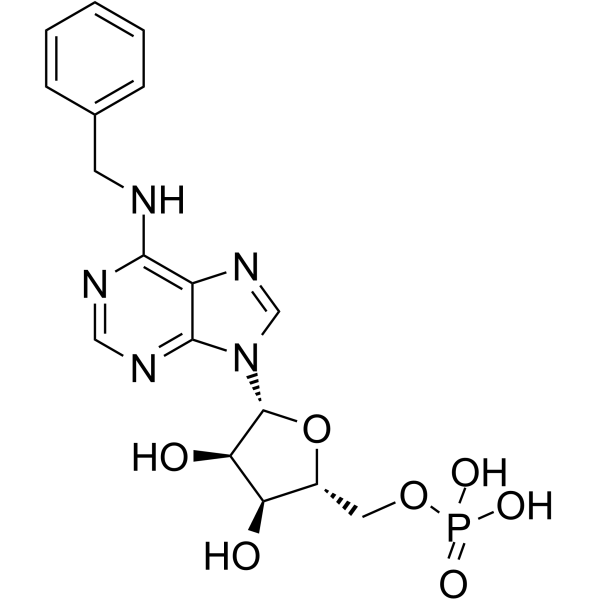
    IST5-002
    1 Publications Verification

    N6-Benzyladenosine-5'-phosphate

    STAT Apoptosis Cancer
    IST5-002, a potent Stat5a/b inhibitor, selectively inhibits transcriptional activity of Stat5a/b (IC50s: 1.5 μM for Stat5a, 3.5 μM for Stat5b). IST5-002 inducs cell apoptotic and death of prostate cancer cells and chronic myeloid leukemia (CML) cells. IST5-002 can be used in the research of prostate cancer and chronic myeloid leukemia (CML) .
    IST5-002
  • HY-160528
    IBG3
    1 Publications Verification

    Epigenetic Reader Domain Molecular Glues Cancer
    IBG3 is a Molecular glue degrader targeting BRD2 and BRD4, with DC50 values of 8.6 pM and 6.7 pM, respectively. IBG3 binds simultaneously to the tandem bromodomains of BRD2/BRD4, induces intramolecular conformational changes, enhances the affinity of BRD2/BRD4 for DCAF16, and promotes ubiquitination and degradation. IBG3 is applicable to the research of chronic myeloid leukemia .
    IBG3
  • HY-152036A

    PROTACs Bcr-Abl Cancer
    SIAIS100 TFA is a potent BCR-ABL PROTAC degrader with an DC50 value of 2.7 nM. SIAIS100 TFA can be used to research chronic myeloid leukemia (CML) .
    SIAIS100 TFA
  • HY-N11011

    NF-κB STAT PERK JNK p38 MAPK PGE synthase Interleukin Related TNF Receptor COX Inflammation/Immunology Cancer
    Withaphysalin A is a withanolide compound with anti-inflammatory and antioxidant activities. Withaphysalin A inhibits LPS (HY-D1056)-induced nuclear translocation of NF-κB p65, as well as phosphorylation of STAT3, ERK, JNK and p38 MAPK. Withaphysalin A upregulates the expression of HO-1. Withaphysalin A inhibits LPS-induced production of NO, PGE2, IL-1β, IL-6 and TNF-α. Withaphysalin A downregulates LPS-induced expression of iNOS and COX-2. Withaphysalin A interacts with B-cell activating factor protein (BAFF) to exert inhibitory effects. Withaphysalin A exhibits ELOVL6 inhibitory activity. Withaphysalin A can be used in the research of inflammatory diseases, nephrotic syndrome and chronic myeloid leukemia .
    Withaphysalin A
  • HY-139147

    ASN05260065

    Src Infection Cancer
    iHCK-37 (ASN05260065) is a potent and specific Hck inhibitor with a Ki value of 0.22 μM. iHCK-37 blocks HIV-1 viral replication with an EC50 value of 12.9 μM. iHCK-37 is used for chronic myeloid leukemia (CML) research .
    iHCK-37
  • HY-173008

    Apoptosis YTHDF Cancer
    YTHDF2-IN-1 (Compound CK-75) is a selective YTHDF2 inhibitor (Kd = 26.2 μM). YTHDF2-IN-1 binds to a small hydrophobic pocket on the YTH domain of YTHDF2, disrupting the interaction between YTHDF2 and m 6A-modified RNA. YTHDF2-IN-1 induces cell cycle arrest and Apoptosis. YTHDF2-IN-1 is applicable to research on chronic myeloid leukemia, colon cancer and choriocarcinoma .
    YTHDF2-IN-1
  • HY-170859

    PROTACs Casein Kinase Cancer
    AH078 is a PROTAC-based CK1δ/ε degrader (DC50=0.55 μM, Dmax=70%) that lacks subtype selectivity between CK1δ and CK1ε. AH078 induces target protein degradation either by recruiting the CUL4-CRBN E3 ligase complex and proteasome, or via the VHL- and ubiquitin-dependent pathway. AH078 also exhibits selectivity for CK1α, and is widely applicable to research related to colon cancer, pancreatic cancer, breast cancer, ovarian cancer, chronic lymphocytic leukemia, acute myeloid leukemia, glioma, and metastatic breast adenocarcinoma .
    AH078
  • HY-160952

    CPX 351; Daunorubicin-Cytarabine Liposome

    Liposome Drug Derivative Cardiovascular Disease Cancer
    Cytarabine-daunorubicin (CPX 351) is a Liposomal formulation prepared from Cytarabine (HY-13605) and Daunorubicin (HY-13062A) at a fixed synergistic molar ratio of 5:1. Cytarabine-daunorubicin improves secondary acute myeloid leukemia. Cytarabine-daunorubicin can be used in research related to secondary acute myeloid leukemia, high-risk myelodysplastic syndrome, and chronic myelomonocytic leukemia .
    Cytarabine-daunorubicin
  • HY-12083

    Bcr-Abl Cancer
    PPY-A is a potent T315I mutant and wild-type Abl kinases inhibitor with IC50s of 9 and 20 nM, respectively. PPY-A inhibits Ba?F3 cells transformed with wild-type Abl and Abl T315I mutantl with IC50s of 390 and 180 nM, respectively. PPY-A can be used for the research of chronic myeloid leukemia (CML) .
    PPY-A
  • HY-162008

    HSP Bcl-2 Family Cancer
    S1g-10 is a Hsp70/Bim inhibitor, and shows antitumor activity in chronic myeloid leukemia cells .
    S1g-10
  • HY-N0117AR

    (Z)-Couroupitine B (Standard); (Z)-Indigo red (Standard); (Z)-Indigopurpurin (Standard)

    Reference Standards Apoptosis Cancer
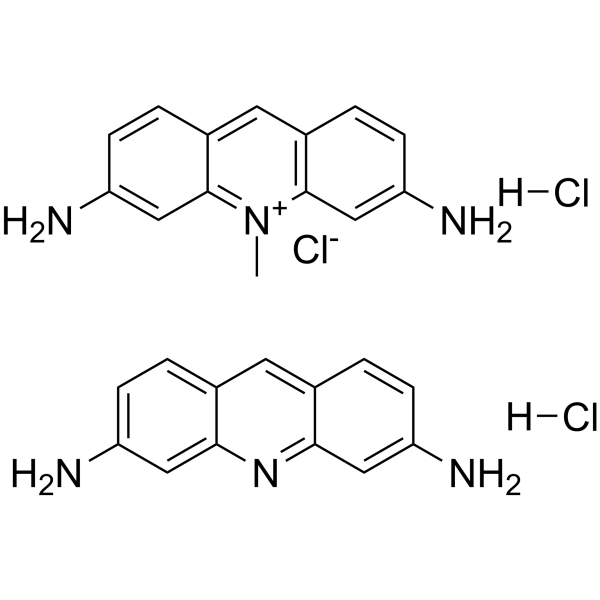
    (Z)-Indirubin (Standard) is the analytical standard of (Z)-Indirubin (HY-N0117A). (Z)-Indirubin is an isomer of Indirubin (HY-N0117). Indirubin is a bisindole alkaloid with significant anticancer activity against chronic myeloid leukemia.
    (Z)-Indirubin (Standard)
  • HY-78216

    Biochemical Assay Reagents Cancer
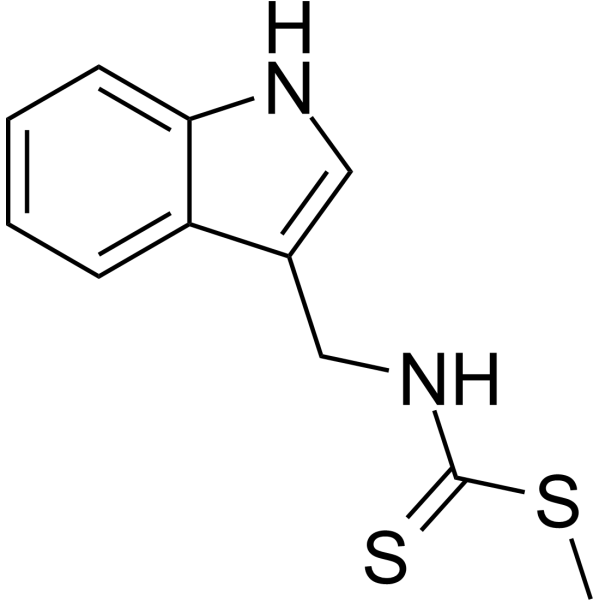
    2-Thiooxamic acid ethyl ester is an organic compound containing thiocarbonyl and ethyl ester groups. 2-Thiooxamic acid ethyl ester can be used in the study of cancer (such as chronic myeloid leukemia, breast cancer, etc.) .
    2-Thiooxamic acid ethyl ester
  • HY-163854

    HSP Bcl-2 Family Apoptosis Cancer
    HSP70-IN-6 (Compound JL-15) is an inhibitor of Hsp70-Bim protein-protein interaction (PPI) (IC50: 70 nM). HSP70-IN-6 induces apoptosis in chronic myeloid leukemia (CML) cells, with EC50s of 0.43 μM(BV173), 0.88 μM (K562), 0.19 μM (K562-R3) .
    HSP70-IN-6
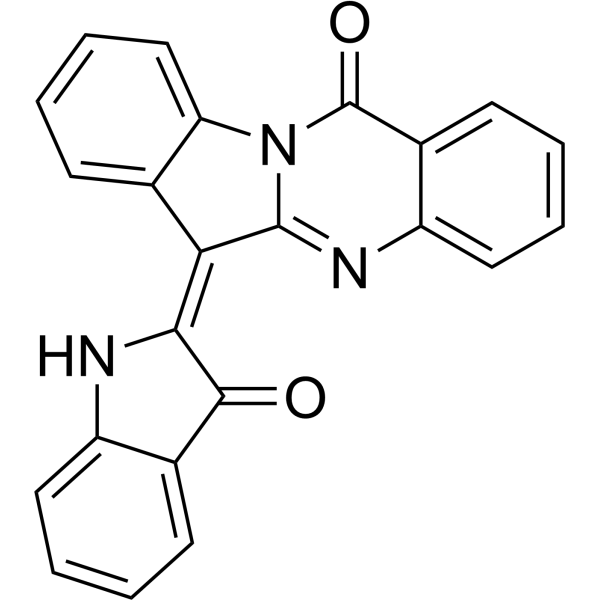
  • HY-W749874
    Qingdainone
    1 Publications Verification

    Ser/Thr Protease Inflammation/Immunology Cancer
    Qingdainone is a quinazoline alkaloid and also a TMPRSS2 inhibitor. Qingdainone can be isolated from Strobilanthes cusia. Qingdainone exhibits anti-tumor and anti-inflammatory activities. Qingdainone can be used in studies related to chronic myeloid leukemia .
    Qingdainone
  • HY-177332

    TAM Receptor SARS-CoV Akt Infection Cancer
    SLC-391 is an orally active AXL kinase inhibitor with an IC50 of 9.6 nM against AXL kinase. SLC-391 inhibits Gas6-induced AXL-dependent phosphorylation of Akt. SLC-391 inhibits SARS-CoV-2 infection, entry and replication in cells. SLC-391 suppresses cancer cell proliferation. SLC-391 inhibits tumor growth in mouse solid tumor xenograft models. SLC-391 can be used for the research of COVID-19, influenza virus infection, triple-negative breast cancer, chronic myeloid leukemia and non-small cell lung cancer .
    SLC-391
  • HY-152036

    PROTACs Bcr-Abl Cancer
    SIAIS100 is a potent BCR-ABL PROTAC degrader with an DC50 value of 2.7 nM. SIAIS100 can be used to research chronic myeloid leukemia (CML) .
    SIAIS100
  • HY-120997

    Berbamine p-nitrobenzoate

    Calmodulin Myosin Phosphodiesterase (PDE) Cardiovascular Disease Cancer
    E6 Berbamine (Berbamine p-nitrobenzoate) is a potent calmodulin (CaM) antagonist. E6 Berbamine inhibits the activities of calmodulin-dependent myosin light chain kinase (MLCK) and phosphodiesterase (PDE). E6 Berbamine exhibits anti-leukemic activity. E6 Berbamine can be used in research related to cardiovascular abnormalities and chronic myeloid leukemia .
    E6 Berbamine
  • HY-174221

    IMPDH HDAC Cancer
    IMPDH II/HDAC1-IN-1 (Compound C12) is an orally active, selective dual IMPDH II/HDAC1 inhibitor, with an IC50 of 84.69 nM against hIMPDH II and an IC50 of 81.75 nM against HDAC1. IMPDH II/HDAC1-IN-1 inhibits the proliferation of chronic myeloid leukemia cells. IMPDH II/HDAC1-IN-1 can be used for the research of chronic myeloid leukemia .
    IMPDH II/HDAC1-IN-1
  • HY-175437

    Molecular Glues Src Bcr-Abl Inflammation/Immunology Cancer
    MRT-7612 (Compound 4) is a cereblon-based tyrosine kinases molecular glue degrader. MRT-7612 significantly induces HCK and LYN degradation, with week efficacy on LCK. MRT-7612 can be used for cancers like chronic myeloid leukemia, autoimmune and chronic inflammatory diseases research .
    MRT-7612
  • HY-13468A

    HSP Apoptosis Bcr-Abl p38 MAPK CDK STAT Cancer
    KW-2478 hydrochloride is an HSP90 inhibitor (IC50 = 3.8 nM). KW-2478 hydrochloride inhibits the growth and induces apoptosis in chronic myeloid leukemia (CML) cells and liver cancer cells. KW-2478 hydrochloride weakens the BCR/ABL and MAPK signaling pathways, leading to increased p27 and p21 expression and decreased cyclin B1 expression. KW-2478 hydrochloride downregulates STAT3 expression. KW-2478 hydrochloride may be used in research on cancers such as CML and liver cancer .
    KW-2478 hydrochloride
  • HY-10364

    Bcr-Abl Cancer
    AP24163 is a BCR-ABL kinase inhibitor. AP24163 inhibits wild-type (native) BCR-ABL and BCR-ABL-T315I with IC50 values of 7 nM and 511 nM, respectively. AP24163 can be used in the research of chronic myeloid leukemia (CML) .
    AP24163
  • HY-145904

    PDGFR FLT3 Cancer
    PDGFRα/FLT3-ITD-IN-3 (Compound 18d) is a potent inhibitor of PDGFRα/FLT3 with IC50s of 0.153 and 0.004 μM, respectively. PDGFRα/FLT3-ITD-IN-3 has the potential for the research of acute myeloid leukemia or chronic eosinophilic leukemia .
    PDGFRα/FLT3-ITD-IN-3
  • HY-145903

    PDGFR FLT3 Cancer
    PDGFRα/FLT3-ITD-IN-2 (Compound 13d) is a potent inhibitor of PDGFRα/FLT3 with IC50s of more than 20 and 1.654 μM, respectively. PDGFRα/FLT3-ITD-IN-2 has the potential for the research of acute myeloid leukemia or chronic eosinophilic leukemia .
    PDGFRα/FLT3-ITD-IN-2
  • HY-145902

    PDGFR FLT3 Cancer
    PDGFRα/FLT3-ITD-IN-1 (Compound 12d) is a potent inhibitor of PDGFRα/FLT3 with IC50s of more than 0.036 and 0.003 μM, respectively. PDGFRα/FLT3-ITD-IN-1 has the potential for the research of acute myeloid leukemia or chronic eosinophilic leukemia .
    PDGFRα/FLT3-ITD-IN-1
  • HY-179247

    Bcr-Abl Cancer
    BCR-ABL1-IN-2 (compound 8) is a potent BCR-ABL1 tyrosine kinase inhibitor. BCR-ABL1-IN-2 exhibits activity in Imatinib (HY-15463) resistant K562/DOX cells with LC50 of 5.29 μM. BCR-ABL1-IN-2 shows no significant toxicity in nontumor cells. BCR-ABL1-IN-2 can be used for chronic myeloid leukemia research .
    BCR-ABL1-IN-2
  • HY-171146

    FLT3 Bcr-Abl RET PDGFR MNK Cancer
    HSN748 is a Ponatinib (HY-12047) analogue and a multikinase inhibitor. HSN748 has inhibitory activity on FLT3, ABL1, RET, PDGFRα/β, MNK1, MNK2 and other kinases. HSN748 can inhibit the growth of chronic myeloid leukemia and acute myeloid leukemia cell lines and can be used in the study of leukemia .
    HSN748
  • HY-119398

    Amyloid-β Cholinesterase (ChE) Apoptosis Neurological Disease Cancer
    Lanuginosine is an alkaloid. Lanuginosine can be isolated from the stems of Xylopia laevigata (Annonaceae) and the leaves of Magnolia grandiflora. Lanuginosine induces Apoptosis. Lanuginosine inhibits AChE (IC50: 10.9 μM). Lanuginosine inhibits aggregation. Lanuginosine exhibits anticancer activity against hepatocellular carcinoma, human promyelocytic leukemia, human chronic myeloid leukemia, melanoma, and brain tumors. Lanuginosine can be used in the research of Alzheimer's disease .
    Lanuginosine
  • HY-168983

    Bcl-2 Family Cancer
    Lonitoclax is a B-cell lymphoma 2 (Bcl-2) inhibitor. Lonitoclax has comparable anti-tumor efficacy to Venetoclax (HY-15531) in both B cell and myeloid malignancy models. Lonitoclax is promising for research of relapsed or refractory chronic lymphocytic leukemia (CLL), small lymphocytic lymphoma, and certain low-grade lymphomas .
    Lonitoclax
  • HY-125090

    Aurora Kinase c-Myc Bcr-Abl Histone Methyltransferase Apoptosis Cancer
    PHA-680626 is an effective inhibitor of the interaction between Aurora-A and N-Myc. PHA-680626 inhibits kinase activity of AURKA and Bcr-Abl, and induces N-Myc degradation. PHA-680626 decreases phosphorylation of CrkL and histone H3. PHA-680626 shows anti-proliferative and pro-apoptotic activity on Imatinib (HY-15463)-resistant chronic myeloid leukemia cell lines and primary CD34+ cells .
    PHA-680626
  • HY-176269

    Bcr-Abl ERK STAT PARP Caspase Apoptosis Cancer
    VS1150 (Compound 11) is a BCR-ABL-targeting phosphorylation-inducing chimeric small molecule (PHICS). VS1150 significantly inhibits oncogenic kinase BCR-ABL signaling by inducing inhibitory phosphorylation at its Y253 (EC50: 69 nM), subsequently triggering cell apoptosis. VS1150 also inhibits other oncogenic ABL fusions and drug-resistant mutants like T315I. VS1150 can be used for chronic myeloid leukemia (CML) and other ABL fusion-driven cancers research .
    VS1150

Inquiry Online

Your information is safe with us. * Required Fields.

Salutation


Country or Region *

Applicant Name *


Organization Name *

Department *


Email Address *


Product Name *

Cat. No.


Requested quantity *

Phone Number *


Remarks

Inquiry Online

Inquiry Information

Product Name:
Cat. No.:
Quantity:
MCE Japan Authorized Agent:

