


1. Search Result
Search Result
Results for "

cortical

" in MedChemExpress (MCE) Product Catalog:

246

Inhibitors & Agonists

3

Fluorescent Dye

2

Biochemical Assay Reagents

23

Peptides

3

MCE Kits

1

Inhibitory Antibodies

46

Natural
Products

1

Recombinant Proteins

8

Isotope-Labeled Compounds

3

Click Chemistry

2

Oligonucleotides

Cat. No. Product Name Target Research Areas Chemical Structure
  • HY-10396
    Emricasan
    Maximum Cited Publications
    52 Publications Verification

    PF 03491390; IDN-6556

    Caspase Flavivirus Infection Neurological Disease Cancer
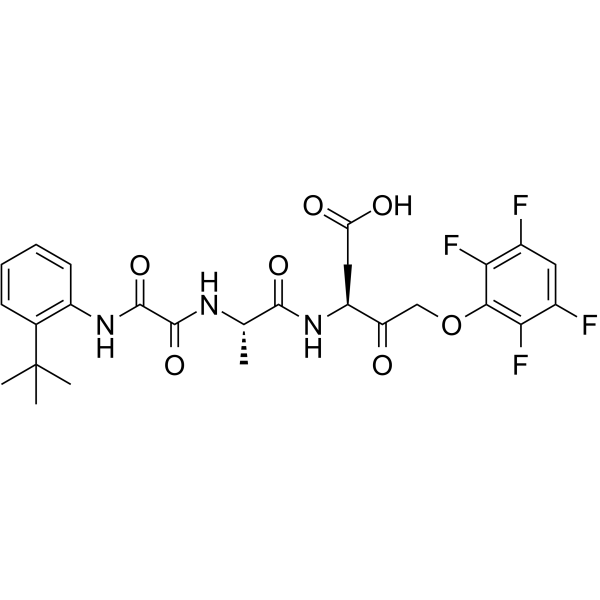
    Emricasan (PF 03491390) is an orally active and irreversible pan-caspase inhibitor. Emricasan inhibits Zika virus (ZIKV)-induced increases in caspase-3 activity and protected human cortical neural progenitors .
    Emricasan
  • HY-B1176

    7-Dehydroestrone

    Estrogen Receptor/ERR Endocrinology
    Equilin (7-Dehydroestrone) is an important member of the large group of oestrogenic substances and is chemically related to menformon (oestrone). Equilin increases the growth of cortical neurons via an NMDA receptor-dependent mechanism .
    Equilin
  • HY-P0198
    Neuropeptide Y (human,rat,mouse)
    3 Publications Verification

    Neuropeptide Y (29-64), amide

    Neuropeptide Y Receptor Neurological Disease Endocrinology
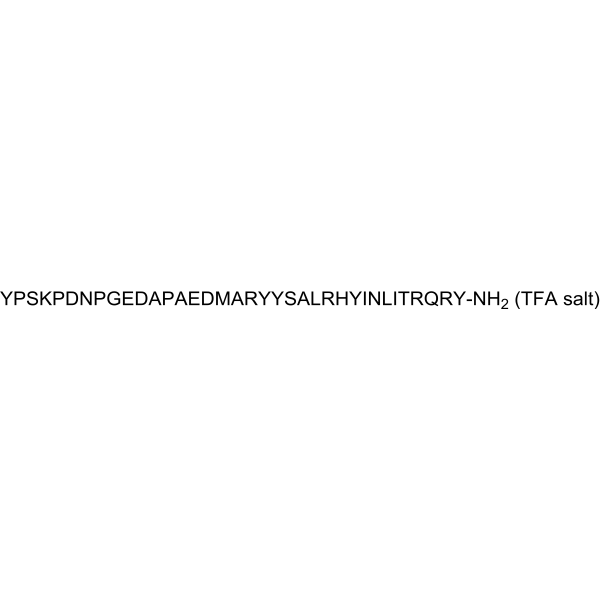
    Neuropeptide Y (human,rat,mouse) is involved in Alzheimer's disease (AD) and protects rat cortical neurons against β-Amyloid toxicity.
    Neuropeptide Y (human,rat,mouse)
  • HY-108742
    Abaloparatide
    3 Publications Verification

    BA 058; BIM 44058

    PTHR Arrestin Metabolic Disease Cancer
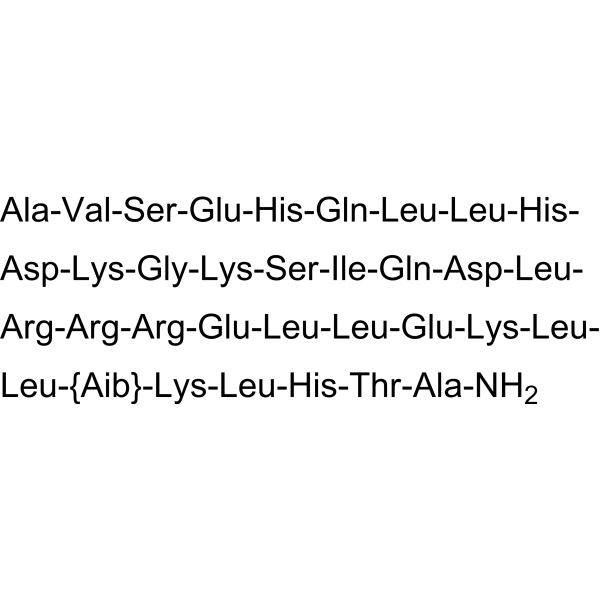
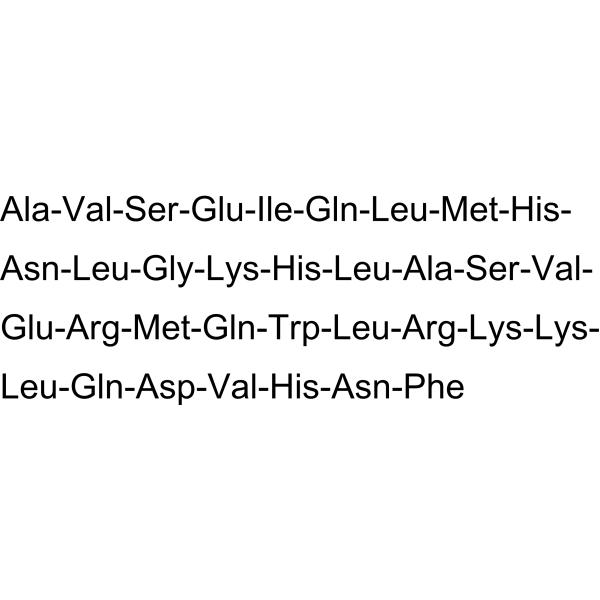
    Abaloparatide (BA 058) is a parathyroid hormone receptor 1 (PTHR1) analog. Abaloparatide also is a selective PTHR1 activator. Abaloparatide enhances Gs/cAMP signaling and β-arrestin recruitment. Abaloparatide enhances bone formation and cortical structure in mice. Abaloparatide has the potential for the research of osteoporosis .
    Abaloparatide
  • HY-N1163

    (-)-Tetrahydroalstonine

    Adrenergic Receptor Atg8/LC3 Akt mTOR Neurological Disease Endocrinology
    Tetrahydroalstonine ((-)-Tetrahydroalstonine) is an indole alkaloid and a selective α₂-adrenergic receptor antagonist. Tetrahydroalstonine exhibits certain neuroprotective effects. Tetrahydroalstonine can regulate autophagy-lysosomal function by activating the Akt/mTOR pathway, significantly reducing OGD/R-induced primary cortical neuronal injury .
    Tetrahydroalstonine
  • HY-117743
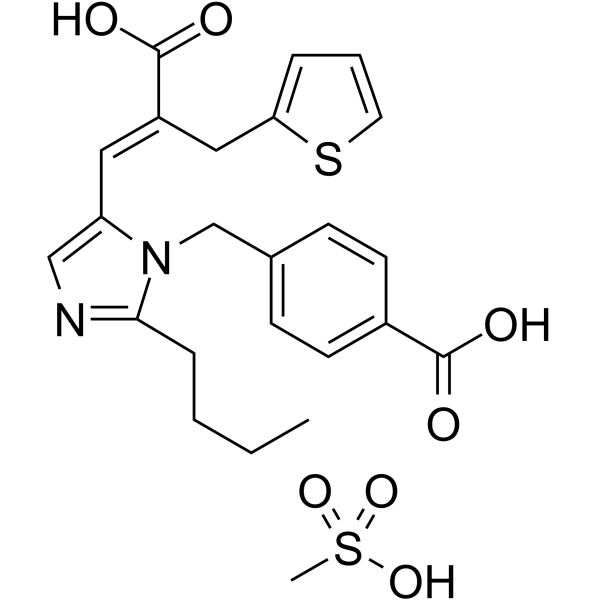
    Eprosartan
    4 Publications Verification

    SKF-108566J free base

    Angiotensin Receptor Cardiovascular Disease
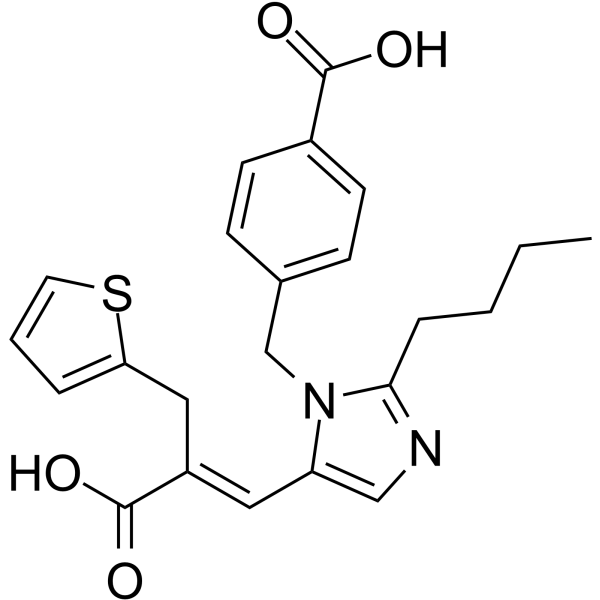
    Eprosartan (SKF-108566J free base) is a selective, competitive, nonpeptid and orally active angiotensin II receptor antagonist, used as an antihypertensive. Eprosartan binds angiotensin II receptor with IC50s of 9.2 nM and 3.9 nM in rat and human adrenal cortical membranes, respectively .
    Eprosartan
  • HY-B0553
    Methazolamide
    4 Publications Verification

    L584601

    Carbonic Anhydrase Apoptosis Reactive Oxygen Species (ROS) Caspase Cardiovascular Disease Neurological Disease Inflammation/Immunology Cancer
    Methazolamide (L584601) is a BBB-penetrable and orally active carbonic anhydrase inhibitor, with a Ki of 14 nM for human carbonic anhydrase II. Methazolamide can reduce intraocular pressure and has a neuroprotective effect, being able to inhibit neuronal apoptosis. Methazolamide can be used in the research of ophthalmic diseases such as glaucoma and cerebrovascular diseases such as subarachnoid hemorrhage .
    Methazolamide
  • HY-15834A
    Eprosartan mesylate
    4 Publications Verification

    SKF-108566J

    Angiotensin Receptor Cardiovascular Disease Endocrinology
    Eprosartan mesylate (SKF-108566J) is a selective, competitive, nonpeptid and orally active angiotensin II receptor antagonist, used as an antihypertensive. Eprosartan mesylate binds angiotensin II receptor with IC50s of 9.2 nM and 3.9 nM in rat and human adrenal cortical membranes, respectively .
    Eprosartan mesylate
  • HY-123076
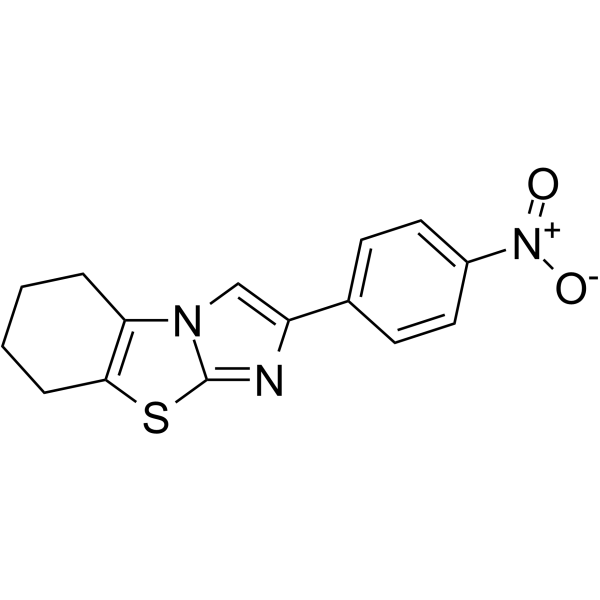
    Pifithrin-α, p-Nitro, Cyclic
    4 Publications Verification

    PFN-α

    MDM-2/p53 Neurological Disease
    Pifithrin-α, p-Nitro, Cyclic (PFN-α) is cell-permeable and active-form p53 inhibitor. Pifithrin-α, p-Nitro, Cyclic is one order magnitude more active than Pifithrin-α in protecting cortical neurons exposed to Etoposide (ED50=30 nM). Pifithrin-α, p-Nitro, Cyclic behaves as a p53 posttranscriptional activity inhibitor. Pifithrin-α, p-Nitro, Cyclic do not prevent p53 phosphorylation on the S15 residue .
    Pifithrin-α, p-Nitro, Cyclic
  • HY-162351

    Emopamil Binding Protein Metabolic Disease
    EBP-IN-1 is an orally active, blood-brain barrier-permeable inhibitor of emopamil binding protein (EBP). EBP-IN-1 has an IC50 of 8.2 μM against human ERG potassium channels (in CHO background). By inhibiting the sterol isomerase activity of EBP, EBP-IN-1 causes the accumulation of Zymostenol (HY-113345), and exhibits strong target binding in the brain after repeated administration in rodents. EBP-IN-1 also promotes oligodendrocyte formation in human cortical organoids and can be used in research related to multiple sclerosis .
    EBP-IN-1
  • HY-148907

    CaMK MEK Mixed Lineage Kinase RIP kinase Tau Protein Neurological Disease
    CS640 (Compound 19) is a chemical probe and a calmodulin-dependent kinase inhibitor. CS640 inhibits CaMK1D, CaMK1B, CaMK1A, CaMK1G, MEK5, RIPK4, mLK3 and PIP5K1, with IC50 values of 8, 3, 1, 1, 25 nM, 5.69, 2.75 and 11.2 μM, respectively. CS640 blocks Aβ-induced hyperphosphorylation of tau protein at the Thr181 site, but fails to protect primary mouse cortical neurons from Aβ-induced toxic damage. CS640 is applicable to research related to Alzheimer's disease .
    CS640
  • HY-N2488
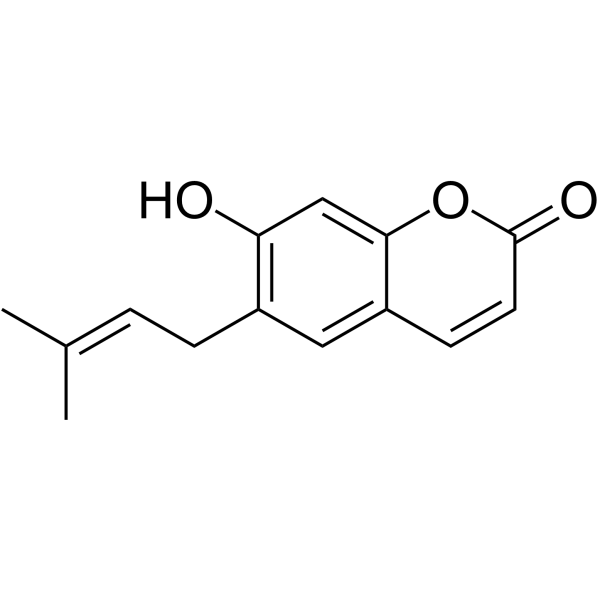
    Demethylsuberosin
    4 Publications Verification

    7-Demethylsuberosin

    Calcium Channel NO Synthase Cardiovascular Disease Neurological Disease Inflammation/Immunology
    Demethylsuberosin (7-Demethylsuberosin) is a coumarin compound found in Angelica gigas Nakai. Demethylsuberosin exerts antihypertensive effects by inhibiting the L-type CaV1.2 channel. Demethylsuberosin has antioxidant and anti-inflammatory activities. Demethylsuberosin also exhibits neuroprotective activities against glutamate-induced toxicity in primary cultured rat cortical cells .
    Demethylsuberosin
  • HY-N0307

    Bcl-2 Family NF-κB DNA/RNA Synthesis Apoptosis Cardiovascular Disease Neurological Disease
    Ciwujianoside B is an orally active, blood-brain barrier penetrable radioprotective agent and memory enhancer. Ciwujianoside B reduces radiation-induced DNA damage, cell cycle arrest and apoptosis, downregulates NF-κB and the Bax/Bcl-2 ratio, and enhances the proliferative capacity of bone marrow cells. Ciwujianoside B enhances object recognition memory in normal mice and induces dendritic extension in primary cultured cortical neurons. Ciwujianoside B can be used in studies related to hematopoietic system radiation injury and memory enhancement .
    Ciwujianoside B
  • HY-N0695
    Schisantherin B
    1 Publications Verification

    Gomisin-B; Wuweizi ester-B; Schisantherin-B

    PI3K Akt mTOR GSK-3 Tau Protein TNF Receptor Interleukin Related Apoptosis Neurological Disease Inflammation/Immunology
    Schisantherin B (Gomisin-B) is a lignan compound and one of the active components of Schisandra chinensis. Schisantherin B activates the PI3K/AKT signaling pathway, restores the activity of GSK3β, and reduces the hyperphosphorylation of tau protein in hippocampal and cerebral cortical tissues. Schisantherin B upregulates the level of GLT-1, decreases the expression of pro-inflammatory cytokines TNF-α/IL-1β/IL-6, upregulates the expression of IL-10, and inhibits cell apoptosis. Schisantherin B is applicable to the research of spinal cord injury, Alzheimer's disease and depression .
    Schisantherin B
  • HY-160229

    R-1075 sodium

    Toll-like Receptor (TLR) MyD88 Caspase Reactive Oxygen Species (ROS) Autophagy Pyroptosis HIV Infection Neurological Disease
    ssRNA40 sodium (R-1075 sodium) is a single-stranded RNA40 derived from HIV-1. ssRNA40 sodium activates the TLR7, TLR8, TLR2, RIG-I, MDA5, MyD88, Caspase-3, IRE1α, NLRP3 inflammasome and IRF7 signaling pathways. ssRNA40 sodium alters mRNA expression in neutrophils, induces pro-inflammatory cytokines, ROS, autophagy (autophagy), pyroptosis (pyroptosis), neuronal death, neurodegeneration, aggregate formation and NK cell activation. ssRNA40 sodium activates the expression of CD62L, CD11b, CD69, MX1, OAS1, ATG7, LC3B and XBP1 in immune cell and neuronal populations. ssRNA40 sodium causes cortical neuron loss and axonal damage in mice in a TLR7-dependent manner. ssRNA40 sodium can be used in research on HIV-1 infection, neurodegeneration, COVID-19 and HIV-associated neurological disorders .
    ssRNA40 sodium
  • HY-137557

    APN1607; PM-PBB3

    Tau Protein Neurological Disease
    Florzolotau (APN1607) is a positron emission tomography (PET) ligand that can be used for the detection of Alzheimer's disease (AD) and other tau proteinopathies. Its binding sites are located in the β-sheet of paired helical filaments (PHFs) and straight filaments (SFs) of tau protein, as well as in the C-shaped cavity of SFs. In addition, APN-1607 binds to intraneuronal inclusions in Alzheimer's disease (AD), primary age-related tauopathy (PART) and posterior cortical atrophy (PCA). Florzolotau shows promise for PET imaging studies of neurological disorders, particularly tau proteinopathies .
    Florzolotau
  • HY-141867

    Z-Phe-Phe-FMK

    Cathepsin MEK Caspase DNA/RNA Synthesis Apoptosis Cardiovascular Disease Neurological Disease
    Z-FF-FMK (Z-Phe-Phe-FMK) is a cell-permeable, irreversible, and cysteine protease inhibitor targeting cathepsin-L. Z-FF-FMK inhibits angiotensin II-induced MEK activation in vascular walls, aortic medial remodeling, blood pressure elevation, and upregulation of cystatin C in aortic walls. Z-FF-FMK prevents β-amyloid-mediated caspase-3 activation, poly (ADP-ribose) polymerase cleavage, DNA fragmentation, and apoptosis of cortical neurons (apoptosis). Z-FF-FMK can be used in research related to hypertension and Alzheimer's disease .
    Z-FF-FMK
  • HY-120017

    MD-370503

    Monoamine Oxidase Neurological Disease
    Befloxatone (MD-370503) is an orally active, selective and reversible inhibitor of Monoamine Oxidase A (MAO-A) (IC50=4 nM). Befloxatone increases the tissue level of monoamine, striatal dopamine and cortical norepinephrine. Befloxatone has antidepressant potential .
    Befloxatone
  • HY-101321A

    Itk Neurological Disease
    Immepip dihydrobromide is a H3 agonist. Immepip dihydrobromide can reduce cortical histamine release. Immepip dihydrobromide can be used for the research of neurological diseases .
    Immepip dihydrobromide
  • HY-P2279
    Parathyroid hormone (1-34) (rat)
    2 Publications Verification

    Thyroid Hormone Receptor Metabolic Disease Endocrinology
    Parathyroid hormone (1-34) (rat) is a parathyroid hormone. Parathyroid hormone (1-34) (rat) improves both cortical and cancellous bone structure. Parathyroid hormone (1-34) (rat) can be used for the research of osteoporosis .
    Parathyroid hormone (1-34) (rat)
  • HY-18663
    CP-465022
    1 Publications Verification

    iGluR Neurological Disease
    CP-465022 is a potent, and selective noncompetitive AMPA receptor antagonist with anticonvulsant activity. CP-465022 is against Kainate-induced response with an IC50 of 25 nM in rat cortical neurons. CP-465022 provides a new tool to investigate the role of AMPA receptors in physiological and pathophysiological processes .
    CP-465022
  • HY-131034
    LP-922056
    1 Publications Verification

    Wnt Others
    LP-922056 is an orally active, highly potent Notum Pectinacetylesterase inhibitor with EC50s of 21 nM, 55 nM in human and mouse cellular assay, respectively. LP-922056 significantly increases midshaft femur cortical bone thickness in mice and rats .
    LP-922056
  • HY-N8249

    nAChR Interleukin Related Inflammation/Immunology
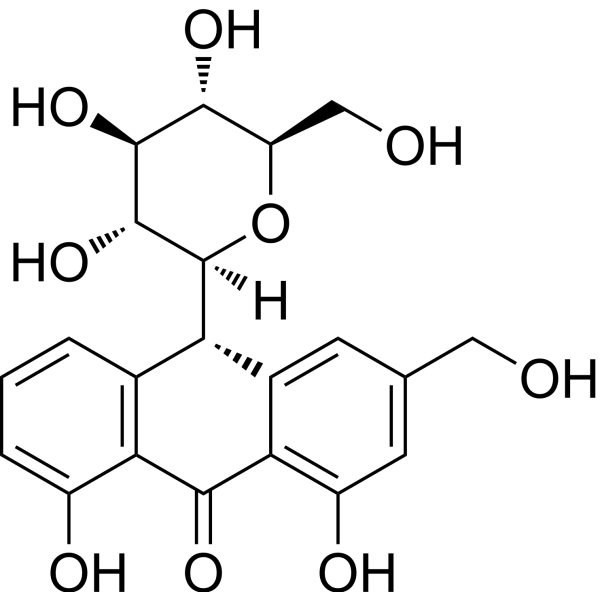
    Cynandione A is an acetophenone that can be isolated from Cynanchum Wilfordii Radix. Cynandione A protects hepatocytes and cortical neurons from toxicity and improves neurological deficits in a rat model of cerebral ischemia. On the other hand, cynandione A has significant anti-inflammatory effects and inhibits inflammation by activating macrophage α7 nAChR and IL-10 expression .
    Cynandione A
  • HY-P0198A
    Neuropeptide Y (human,rat,mouse) TFA
    3 Publications Verification

    Neuropeptide Y Receptor Neurological Disease Endocrinology
    Neuropeptide Y (human) TFA is involved in Alzheimer's disease (AD) and protects rat cortical neurons against β-Amyloid toxicity.
    Neuropeptide Y (human,rat,mouse) TFA
  • HY-108742A
    Abaloparatide TFA
    3 Publications Verification

    BA 058 TFA; BIM 44058 TFA

    Arrestin PTHR Metabolic Disease Endocrinology Cancer
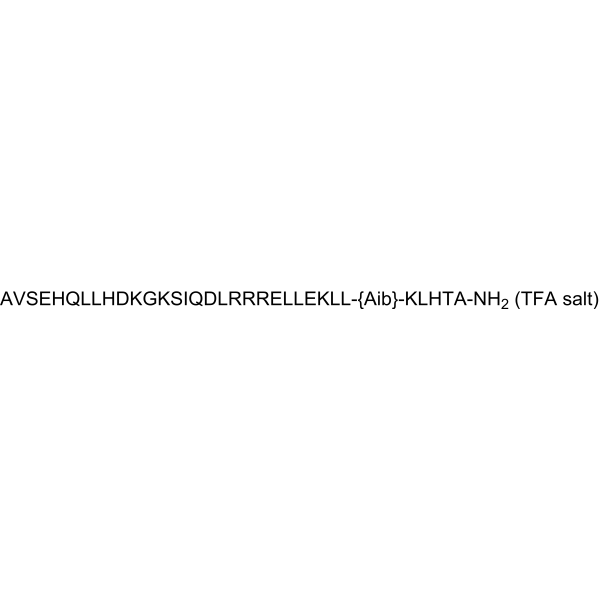
    Abaloparatide TFA (BA 058 TFA) is a parathyroid hormone receptor 1 (PTHR1) analogue. Abaloparatide TFA also is a selective PTHR1 activator. Abaloparatide TFA enhances Gs/cAMP signaling and β-arrestin recruitment. Abaloparatide TFA enhances bone formation and cortical structure in mice. Abaloparatide TFA has the potential for the research of osteoporosis .
    Abaloparatide TFA
  • HY-101321

    Histamine Receptor Neurological Disease
    Immepip is a H3 agonist. Immepip can reduce cortical histamine release. Immepip can be used for the research of neurological diseases .
    Immepip
  • HY-125062

    Glucosilsteviol

    GLUT Metabolic Disease
    Steviolmonoside (Glucosilsteviol) is a structural analogue of steviol. Steviolmonoside decreases glucose production and inhibits oxygen uptake in rat renal cortical tubules .
    Steviolmonoside
  • HY-N13742

    Dihydrohonokiol

    GABA Receptor Neurological Disease
    Dihydrohonokiol B (Dihydrohonokiol) is an anxiolytic agent. Dihydrohonokiol B can reduce the neurotoxicity induced by amyloid β protein by stimulating the GABAC receptor. Dihydrohonokiol B can be used in the research of neurodegenerative diseases such as Alzheimer's disease .
    Dihydrohonokiol B
  • HY-120079
    MSN-125
    4 Publications Verification

    Bcl-2 Family Apoptosis Cancer
    MSN-125 is a potent Bax and Bak oligomerization inhibitor. MSN-125 prevents mitochondrial outer membrane permeabilization (MOMP) with an IC50 of 4 μM. MSN-125 potently inhibits Bax/Bak-mediated apoptosis in HCT-116, BMK Cells, and primary cortical neurons, protects primary neurons against glutamate excitotoxicity .
    MSN-125
  • HY-12294

    NVP-AAM077

    Caspase Apoptosis iGluR Neurological Disease
    PEAQX (NVP-AAM077) is an orally active and selective NMDA antagonist, with IC50 values of 270 nM and 29.6 μM for hNMDAR 1A/2A and hNMDAR 1A/2B, respectively. PEAQX can promote the activation of caspase-3 and induce cell apoptosis in cortical striatal slice cultures .
    PEAQX
  • HY-124304

    LOE-908

    TRP Channel SARS-CoV Neurological Disease
    Pinokalant is a broad-spectrum and non-selectivecation channel inhibitor. Pinokalant significantly reduces cortical infarct volume. Pinokalant o improves the metabolic and electrophysiologic status of the ischemic penumbra. Pinokalant reduces lesion size on magnetic resonance images in the acute phase following middle cerebral artery occlusion in rats. Pinokalant has the potential for the research of stroke. Pinokalant also shows anti-SARS-CoV-2 activity .
    Pinokalant
  • HY-103502
    CGP7930
    1 Publications Verification

    GABA Receptor Neurological Disease
    CGP7930 (3-(3’,5’-Di-tert-butyl-4’-hydroxy) phenyl-2, 2-dimethylpropanol) is a positive metabotropic GABAB receptor allosteric modulator. CGP7930 enhances the inhibitory effect of l-baclofen on the oscillatory activity of cultured cortical neurons .
    CGP7930
  • HY-167709

    20.25-Diazacholesterol

    Xanthine Oxidase Neurological Disease
    Azacosterol (20.25-Diazacholesterol), also known as Diazasterol, acts as a DHCR24 inhibitor and initiates a cascade of reactions in cortical neurons after being administered orally or via intraperitoneal injection.
    Azacosterol
  • HY-139008

    Glutathione Peroxidase Others
    RC363 is a novel probucol analog with the activity to protect mouse hippocampal cells and primary cortical neurons from glutamate-induced oxidative cell death (ferroptosis) and increase glutathione peroxidase (GPx) 1 levels and activity.
    RC363
  • HY-100547

    iGluR Neurological Disease
    IEM-1754, a dicationic adamantane derivative, is a potent blocker of open channels of native ionotropic glutamate receptors including quisqualate-sensitive receptors in insect muscles, NMDAR in cultured rat cortical neurons, and AMPAR in freshly isolated hippocampal cells. IEM-1754 shows anticonvulsant potency in vivo .
    IEM-1754
  • HY-177888

    Biochemical Assay Reagents Endocrinology
    Lc2Cer(d18:1, 22:0) is a lactosylceramide containing d18:1, C22:0 ceramides. Lc2Cer(d18:1, 22:0) can be used for renal cortical epithelial cell research .
    Lc2Cer(d18:1, 22:0)
  • HY-103133

    5-HT Receptor Neurological Disease
    WAY 208466 dihydrochloride is a potent and selective 5-HT6 receptor agonist (EC50=7.3 nM for the human 5-HT6 receptor). WAY-208466 dihydrochloride elevates cortical GABA levels in rat frontal cortex . WAY 208466 dihydrochloride exhibits antidepressant and anxiolytic-like effects .
    WAY208466 dihydrochloride
  • HY-P2279A
    Parathyroid hormone (1-34) (rat) acetate
    2 Publications Verification

    Thyroid Hormone Receptor Metabolic Disease Endocrinology
    Parathyroid hormone (1-34) (rat) (acetate) is a parathyroid hormone. Parathyroid hormone (1-34) (rat) improves both cortical and cancellous bone structure. Parathyroid hormone (1-34) (rat) can be used for the research of osteoporosis .
    Parathyroid hormone (1-34) (rat) acetate
  • HY-119615

    Adrenergic Receptor Neurological Disease Endocrinology
    Mezilamine is a potent antidopaminergic agent. Mezilamine induces a concentration dependent increase in the electrically stimulated overflow of 3H-noradrenaline from rat cortical slices, without affecting the basal overflow. Mezilamine acts as a presynaptic α-adrenoceptor antagonist and a postsynaptic α-adrenoceptor agonist .
    Mezilamine
  • HY-106969A

    Glycine Receptor (GlyR) iGluR Cardiovascular Disease Neurological Disease
    ZD 9379 sodium is a competitive glycine/NMDA receptor antagonist, with an IC50 value of 75 nM (glutamate site). ZD 9379 sodium selectively antagonizes the glycine binding site (GlyB site) on the NMDA receptor, inhibiting the binding of glycine to the NMDA receptor and alleviating excitotoxicity. ZD 9379 sodium reduces the frequency of cortical spreading depression (SDs), alleviates energy depletion in the ischemic penumbra, and delays the expansion of infarction. ZD 9379 sodium reduces the infarct volume and improves neurological function in mouse models. ZD 9379 sodium can be used in studies of acute ischemic stroke, etc .
    ZD 9379 sodium
  • HY-N1450

    Phospholipase Cancer
    Aristolochic acid C is a derivative of Aristolochic acid. Aristolochic acid is a phospholipase A2 (PLA2) inhibitor, which disrupts cortical microtubule arrays and root growth in Arabidopsis .
    Aristolochic acid C
  • HY-137447

    IRL752

    Dopamine Receptor Cholinesterase (ChE) Adrenergic Receptor Neurological Disease
    Pirepemat (IRL752) is a corticalpreferring catecholamine- and cognition-promoting agent. Pirepemat (IRL752) is used for the study of Parkinson's disease . IRL752 is a selective enhancer of cortical dopamine, acetylcholine and norepinephrine .
    Pirepemat
  • HY-N16452

    Fungal Infection Neurological Disease
    Asperindole F is an indole-diterpene alkaloid that can be isolated from the coral-associated fungi Aspergillus candidus. Asperindole F exhibits no significant regulatory activity in the model of primary cultured cortical neuronal hyperexcitation .
    Asperindole F
  • HY-P1293

    iGluR Neurological Disease
    Conantokin G, a 17-amino-acid peptide, is a potent, selective and competitive antagonist of N-methyl-D-aspartate (NMDA) receptors. Conantokin G inhibits NMDA-evoked currents in murine cortical neurons with an IC50 of 480 nM. Conantokin G has neuroprotective properties .
    Conantokin G
  • HY-10396A

    (2R,3S)-PF 03491390; (2R,3S)-IDN-6556

    Caspase Flavivirus Infection Neurological Disease Cancer
    (2R,3S)-Emricasan ((2R,3S)-PF 03491390) is an isomer of Emricasan (HY-10396). Emricasan is an orally active and irreversible pan-caspase inhibitor. Emricasan inhibits Zika virus (ZIKV)-induced increases in caspase-3 activity and protected human cortical neural progenitors .
    (2R,3S)-Emricasan
  • HY-114978

    mGluR PERK Neurological Disease
    VU0424465 is a potent and partial PAM (positive allosteric modulator)-agonist for mGlu5 mediated iCa 2+ mobilization. VU0424465 exhibits high affinity at MPEP allosteric binding site, with a Ki value of 11.8 nM. VU0424465 is also a agonist for pERK1/2 in cortical neurons .
    VU0424465
  • HY-106245

    Phosphodiesterase (PDE) Neurological Disease
    HT-0712 is a Phosphodiesterase Type 4 (PDE4) inhibitor. HT-0712 enhances rehabilitation-dependent motor recovery and cortical reorganization after focal cortical ischemia .
    HT-0712
  • HY-N5126

    Others Neurological Disease
    Juncusol, a phenanthrenoid found in Juncus setchuenensis, possesses anxiolytic effect. Juncusol is associated with metabolic changes in cortical serotonin/dopamine levels in Mice .
    Juncusol
  • HY-103578

    Androgen Receptor Cancer
    S-40503 is an orally active and selective androgen receptor modulator. S-40503 significantly increases the bone mineral density (BMD) and biomechanical strength of femoral cortical bone .
    S-40503
  • HY-139012

    Ferroptosis Glutathione Peroxidase Others
    RC574 is a novel probucol analog with the activity to protect mouse hippocampal cells and primary cortical neurons from glutamate-induced oxidative cell death (ferroptosis) and increase glutathione peroxidase (GPx) 1 levels and activity.
    RC574

Inquiry Online

Your information is safe with us. * Required Fields.

Salutation


Country or Region *

Applicant Name *


Organization Name *

Department *


Email Address *


Product Name *

Cat. No.


Requested quantity *

Phone Number *


Remarks

Inquiry Online

Inquiry Information

Product Name:
Cat. No.:
Quantity:
MCE Japan Authorized Agent:

