
1. Search Result
Search Result
Pathways Recommended: Stem Cell/Wnt Cell Cycle/DNA Damage
Results for "

dopaminergic cells

" in MedChemExpress (MCE) Product Catalog:

35

Inhibitors & Agonists

1

Fluorescent Dyes

3

Biochemical Assay Reagents

1

Peptides

11

Natural
Products

3

Isotope-Labeled Compounds

1

Oligonucleotides

1

GMP Molecules

Cat. No. Product Name Target Research Areas Chemical Structure
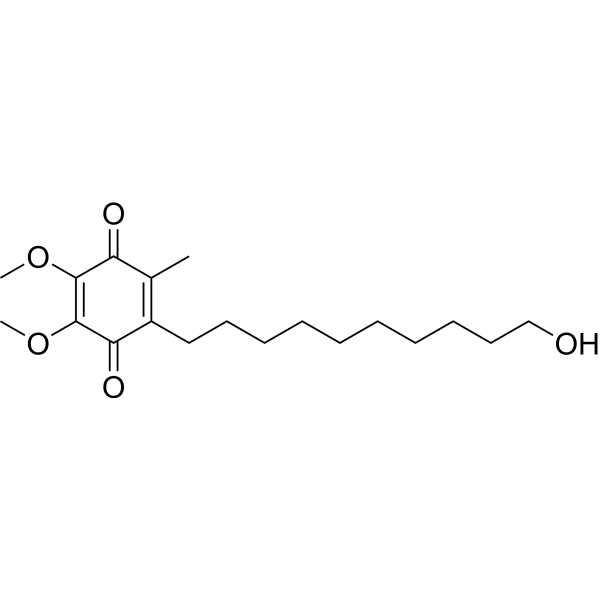
  • HY-N0303
    Idebenone
    Maximum Cited Publications
    10 Publications Verification

    Mitochondrial Metabolism Apoptosis Neurological Disease
    Idebenone, a well-appreciated mitochondrial protectant, exhibits protective efficacy against neurotoxicity and can be used for the research of Alzheimer's disease, Huntington's disease. Idebenone (oxidised form) has a dose-dependent inhibitory effect on the enzymatic metabolism of arachidonic acid in astroglial homogenates (IC50=16.65 μM) . Idebenone, a coenzyme Q10 analog and an antioxidant, induces apoptotic cell death in the human dopaminergic neuroblastoma SHSY-5Y cells . Idebenone quickly crosses the blood-brain barrier.
    Idebenone
  • HY-W016498
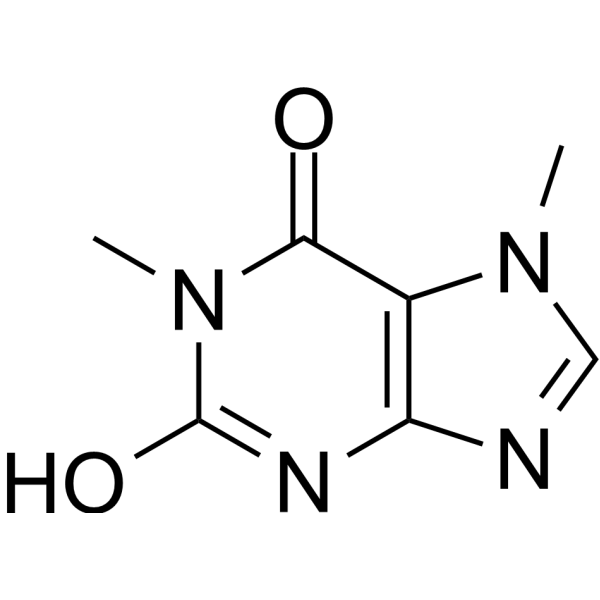
    Paraxanthine
    2 Publications Verification

    Drug Metabolite Endogenous Metabolite Neurological Disease
    Paraxanthine, a caffeine metabolite, provides protection against Dopaminergic cell death via stimulation of Ryanodine Receptor Channels.
    Paraxanthine
  • HY-121252

    α-synuclein Apoptosis Drug Metabolite Neurological Disease
    Dopal is a metabolite and aldehyde neurotoxin of Dopamine (HY-B0451). Dopal exhibits cytotoxicity, induces α-synuclein oligomerization and aggregation, and is closely associated with the pathogenesis of Parkinson's disease. Dopal can be used in research related to Parkinson's disease .
    Dopal
  • HY-126436A

    L-Ornithine homopolymer hydrobromide (MW 30000-70000)

    Biochemical Assay Reagents Neurological Disease
    Poly-L-ornithine hydrobromide (MW 30000-70000) is a poly-lysine derivative with a molecular weight of 30000-70000. Poly-L-ornithine hydrobromide (MW 30000-70000) binds to the surface of cell culture vessels through positively charged amino acid residues to form a coating that promotes cell adhesion and provides cells with a matrix environment required for growth. Poly-L-ornithine hydrobromide (MW 30000-70000) is used as a coating agent in cell culture and can be used for the study of primary culture of neurons (such as dopaminergic neurons and oligodendrocytes) .
    Poly-L-ornithine hydrobromide (MW 30000-70000)
  • HY-107413

    BMS-649

    RAR/RXR Tyrosine Hydroxylase Cancer
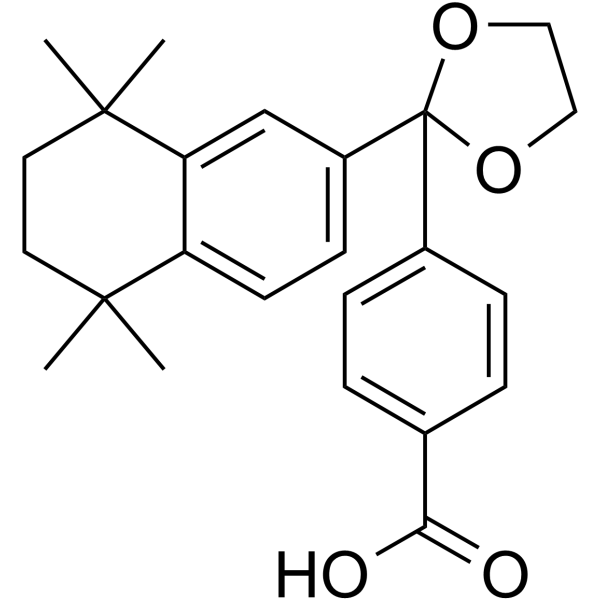
    SR11237 (BMS-649) GMP is SR11237 (HY-107413) produced by using GMP guidelines. GMP small molecules works appropriately as an auxiliary reagent for cell therapy manufacture. SR11237 is a RXR activator and lipid metabolism regulator that promotes the differentiation of induced neural stem cells into dopaminergic (TH-positive) neurons. SR11237 induces transcriptional regulation of lipogenic genes and cholesterol transporters, increases glycosaminoglycan release, and elevates total cellular triglyceride levels. SR11237 promotes heterodimerization of RXR with Nurr1, thereby enhancing tyrosine hydroxylase expression and facilitating dopamine release. SR11237 produces a synergistic effect when used in combination with bFGF/EGF. SR11237 is mainly used in studies related to osteoarthritis and Parkinson's disease .
    SR11237
  • HY-121362

    Bacterial Endogenous Metabolite TrxR Infection Neurological Disease Inflammation/Immunology Cancer
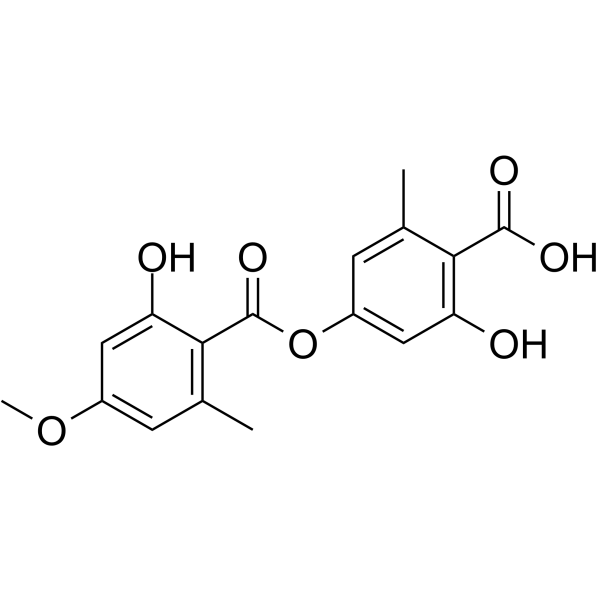
    Evernic Acid is an orally active thioredoxin reductase 1 (TrxR1) inhibitor and antiproliferative agent. Evernic Acid inhibits the proliferation and migration of human breast cancer cells. Evernic Acid blocks the NF-κB pathway by inhibiting p65 nuclear translocation and IκBα phosphorylation, thereby suppressing downstream inflammatory mediators. Evernic Acid acts as an antioxidant, anti-inflammatory agent and neuroprotective agent, protects neurons from cell death, mitochondrial dysfunction and oxidative stress damage, reduces astrocyte activation, and ameliorates dopaminergic neuron loss and neuroinflammation. Evernic Acid inhibits enoyl reductases FabI and FabZ of Plasmodium falciparum. Evernic Acid downregulates the expression of lasB and rhlA genes in Pseudomonas aeruginosa, inhibits quorum sensing and biofilm formation, and exerts antibacterial activity against Gram-positive bacteria, Gram-negative bacteria and fungi. Evernic Acid is applicable to research related to breast cancer, Parkinson's disease, bacterial infections and fungal infections .
    Evernic Acid
  • HY-135470
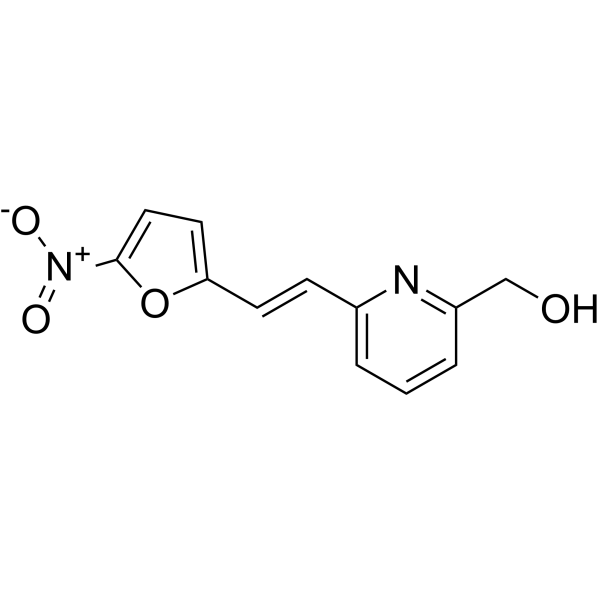
    Nifurpirinol
    1 Publications Verification

    P-7138

    Bacterial Infection
    Nifurpirinol (P-7138) is a selective prosubstrate of bacterial nitroreductase (NTR). NTR catalyzes the reduction of nifurpirinol to generate cytotoxic metabolites that induce apoptosis in target cells. Nifurpirinol selectively ablates NTR-expressing cells such as pancreatic β cells, osteoblasts, dopaminergic neurons, and podocytes in transgenic zebrafish models. Nifurpirinol can be used in regeneration studies and disease modeling such as focal segmental glomerulosclerosis (FSGS) .
    Nifurpirinol
  • HY-175328

    ACSL Family Ferroptosis Neurological Disease Cancer
    LIBX-A403 is a potent, selective and reversible ACSL4 inhibitor with a human IC50 of 0.049 μM and a Kd of 0.29 μM. LIBX-A403 binds in the ACSL4 fatty acid pocket in an ATP-dependent manner. LIBX-A403 prevents cell ferroptosis. LIBX-A403 can be used for the researches of cancer and parkinson's disease .
    LIBX-A403
  • HY-14608R

    Reference Standards Endogenous Metabolite iGluR Ferroptosis Apoptosis Neurological Disease
    L-Glutamic acid (Standard) is the analytical standard of L-Glutamic acid. This product is intended for research and analytical applications. L-Glutamic acid is an excitatory amino acid neurotransmitter that acts as an agonist for all subtypes of glutamate receptors (metabolic rhodophylline, NMDA, and AMPA). L-Glutamic acid has an agonist effect on the release of DA from dopaminergic nerve endings. L-Glutamic acid can be used in the study of neurological diseases . IC50 & Target:DA . In Vitro: L-Glutamic acid (120, 500, 750, 1000 mg/dL) can reduce the harmful effect of lithium on the embryonic development of Xenopus Xenopus .
    L-Glutamic acid (2, 5, 10, 20 mM, 24-48 h) can induce neuroexcitotoxicity in neuroblastoma .
    In Vivo: L-Glutamic acid (3 g/kg, subcutaneous injection) can promote excitotoxic degeneration of retinal ganglion cells in mice .
    L-Glutamic acid (750 mg/kg, intraperitoneal injection) can reduce and inhibit oxidative stress induced by chlorpyrifos (CPF) in rats .
    L-Glutamic acid (Standard)
  • HY-B0927

    (-)-β-Hydrastine; (1R,9S)-β-Hydrastine

    Tyrosine Hydroxylase Dopamine Receptor OAT Neurological Disease
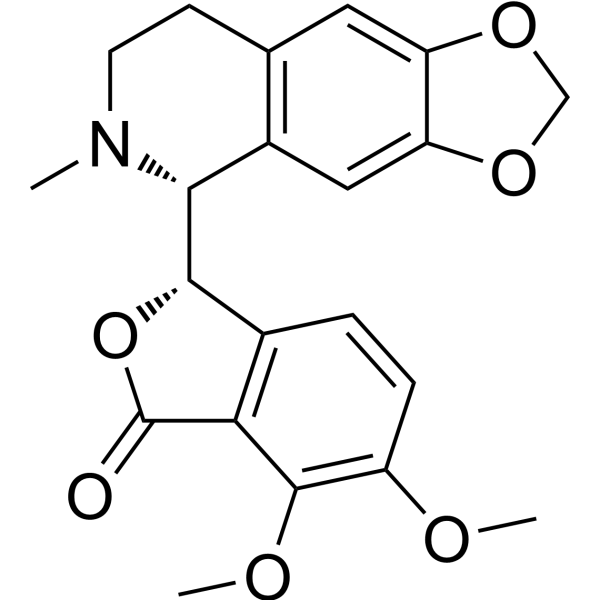
    Hydrastine ((-)-β-Hydrastine; (1R,9S)-β-Hydrastine) is a selective competitive inhibitor of tyrosine hydroxylase (TH), inhibiting dopamine biosynthesis (IC50=20.7 μM, PC12 cells). Hydrastine also inhibits the organic cation transporter OCT1 (IC50=6.6 μM). Hydrastine may cause neuronal toxicity through mitochondrial dysfunction rather than oxidative stress damage, and can aggravate cell apoptosis when combined with L-DOPA. Hydrastine can be used to study Parkinson's disease-related dopaminergic neuronal damage .
    Hydrastine
  • HY-N0381
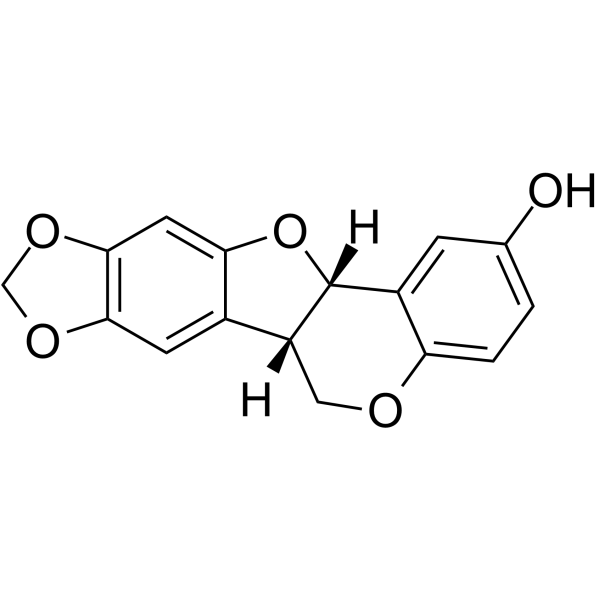
    Maackiain
    1 Publications Verification

    DL-​Maackiain

    Keap1-Nrf2 p38 MAPK NOD-like Receptor (NLR) NF-κB mTOR Monoamine Oxidase Nuclear Factor of activated T Cells (NFAT) PKC Apoptosis Pyroptosis Autophagy Dengue Virus Infection Neurological Disease Metabolic Disease
    Maackiain (DL-Maackiain) is an orally active multi-target inhibitor with anti-tumor activity and neuroprotective effects. Maackiain activates the AMPK, NLRP3 and Nrf2/HO-1 pathways, and inhibits key targets such as NF-κB, mTOR, MAO-B, NFATc1 and PKCδ, thereby precisely regulating processes including apoptosis, autophagy and pyroptosis. Maackiain also effectively inhibits microglial activation, osteoclast formation, and proliferation and invasion of tumor cells, and protects dopaminergic neurons from damage. Maackiain is applicable to the research of various diseases such as Alzheimer's disease, osteoporosis, sepsis and dengue fever 。
    Maackiain
  • HY-122958

    α-synuclein Neurological Disease
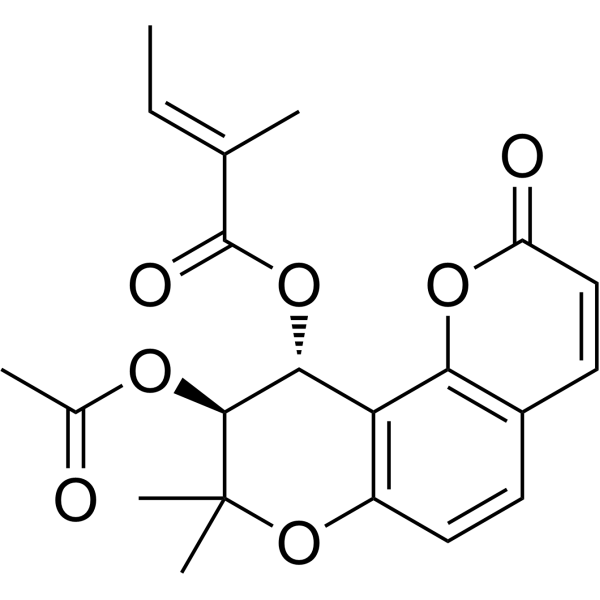
    Peucedanocoumarin III is an α-synuclein fiber depolymerizer with blood-brain barrier permeability. Peucedanocoumarin III depolymerizes β-sheet aggregate structures, promotes aggregate clearance, inhibits β23-induced cytotoxicity, blocks the formation of Lewy body-like inclusions, and prevents dopaminergic neuron loss. Peucedanocoumarin III can be used in studies related to Parkinson's disease .
    Peucedanocoumarin III
  • HY-171705

    Keap1-Nrf2 AMPK JNK IKK p38 MAPK NO Synthase α-synuclein Interleukin Related Neurological Disease
    KMS99220 is an orally active, blood-brain barrier-permeable activator of the Nrf2 inhibitory protein Keap-1. KMS99220 enhances the activity of AMPK, activates the Nrf2 signaling pathway, and reduces the phosphorylation of IκB, nuclear translocation of NFκB, as well as the phosphorylation levels of JNK, IKK and p38 MAPK via HO-1. KMS99220 binds to Keap1 to trigger the nuclear translocation of Nrf2, induces the expression of HO-1, NQO1, GCLC, GCLM and proteasome subunits; enhances proteasomal enzymatic activity; inhibits iNOS expression, nitric oxide production and IL-1β generation; attenuates microglial activation; reduces α-synuclein aggregation; and prevents dopaminergic neuron degeneration and motor dysfunction. KMS99220 prevents the degeneration of dopaminergic neurons in the substantia nigra, induces the expression of Nrf2 downstream target genes, and effectively ameliorates associated motor dysfunction in a mouse model of Parkinson's disease. KMS99220 is applicable to research related to Parkinson's disease .
    KMS99220
  • HY-W016498S1

    Isotope-Labeled Compounds Endogenous Metabolite Neurological Disease
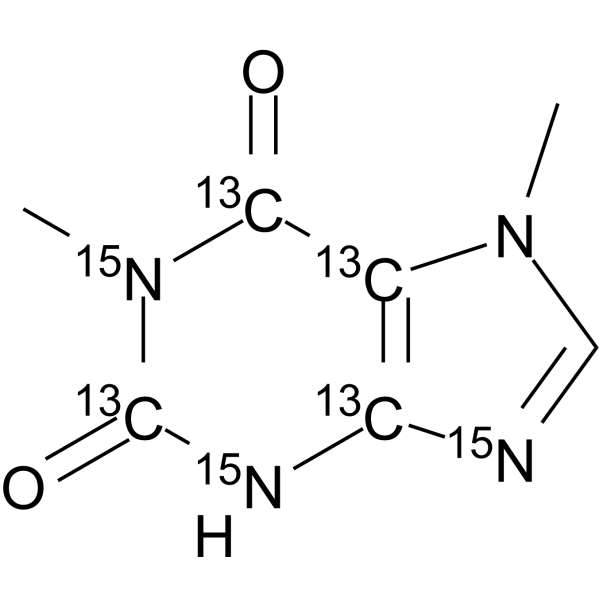
    Paraxanthine- 13C4, 15N3 is the 13C-labeled and 15N-labeled Paraxanthine. Paraxanthine, a caffeine metabolite, provides protection against Dopaminergic cell death via stimulation of Ryanodine Receptor Channels.
    Paraxanthine-13C4,15N3
  • HY-P10019

    NLY01

    GCGR Neurological Disease Inflammation/Immunology
    Pegsebrenatide (NLY01) is a blood-brain barrier-penetrant GLP-1R agonist. Pegsebrenatide alleviates retinal inflammation and neuronal death secondary to ocular hypertension . Pegsebrenatide significantly delays onset and reduces disease severity in experimental autoimmune encephalomyelitis . Pegsebrenatide inhibits the formation of A1 reactive astrocytes in nerve cells and reduces the loss of retinal ganglion cells and dopaminergic neurons. Pegsebrenatide exerts neuroprotective effects in a mouse model of Parkinson's disease by directly preventing microglia-mediated conversion of astrocytes to the A1 neurotoxic phenotype. Pegsebrenatide can be used for research on glaucoma, Parkinson's disease, and multiple sclerosis .
    Pegsebrenatide
  • HY-W016498S

    Isotope-Labeled Compounds Endogenous Metabolite Neurological Disease
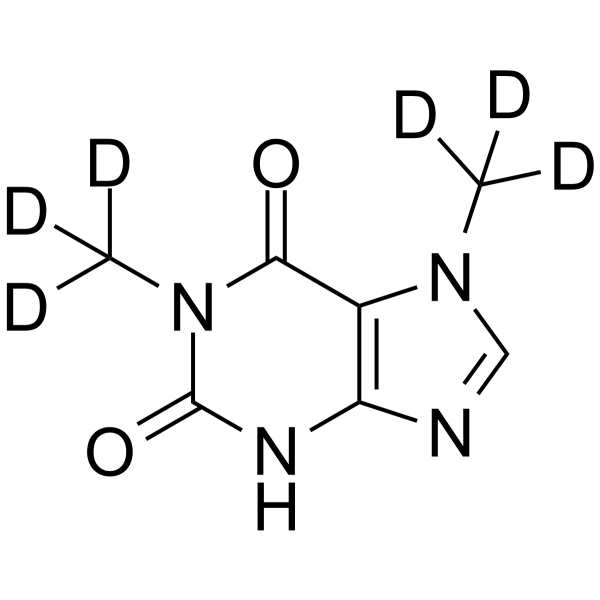
    Paraxanthine-d6 is the deuterium labeled Paraxanthine. Paraxanthine, a caffeine metabolite, provides protection against Dopaminergic cell death via stimulation of Ryanodine Receptor Channels.
    Paraxanthine-d6
  • HY-W016498R

    Drug Metabolite Reference Standards Endogenous Metabolite Neurological Disease
    Paraxanthine (Standard) is the analytical standard of Paraxanthine. This product is intended for research and analytical applications. Paraxanthine, a caffeine metabolite, provides protection against Dopaminergic cell death via stimulation of Ryanodine Receptor Channels.
    Paraxanthine (Standard)
  • HY-145848

    Estrogen Receptor/ERR Neurological Disease
    ERRγ agonist-1 is a potent ERRγ agonist. ERRγ agonist-1 increases transcriptional activities of ERRγ. ERRγ agonist-1 has the potential for the research of neuropsychological disorders .
    ERRγ agonist-1
  • HY-W002438

    Biochemical Assay Reagents Endogenous Metabolite OAT Ferroptosis Neurological Disease Metabolic Disease
    6-Hydroxyindole is an orally active, endogenous long-acting OATP1B1 inhibitor. 6-Hydroxyindole does not alter the cell surface expression or subcellular localization of OATP1B1. 6-Hydroxyindole protects cells against Ferroptosis. 6-Hydroxyindole possesses intrinsic radical-trapping antioxidant activity. 6-Hydroxyindole serves as a component of oxidative hair dyes. 6-Hydroxyindole can be used in research related to renal failure and neurodegenerative diseases .
    6-Hydroxyindole
  • HY-W777283

    Isotope-Labeled Compounds Apoptosis Mitochondrial Metabolism Neurological Disease
    Idebenone- 13C,d3 is the deuterium labeled and 13C-labeled Idebenone (HY-N0303). Idebenone, a well-appreciated mitochondrial protectant, exhibits protective efficacy against neurotoxicity and can be used for the research of Alzheimer's disease, Huntington's disease. Idebenone (oxidised form) has a dose-dependent inhibitory effect on the enzymatic metabolism of arachidonic acid in astroglial homogenates (IC50=16.65 μM) . Idebenone, a coenzyme Q10 analog and an antioxidant, induces apoptotic cell death in the human dopaminergic neuroblastoma SHSY-5Y cells . Idebenone quickly crosses the blood-brain barrier.
    Idebenone-13C,d3
  • HY-N0303R

    Reference Standards Mitochondrial Metabolism Apoptosis Neurological Disease
    Idebenone (Standard) is the analytical standard of Idebenone. This product is intended for research and analytical applications. Idebenone, a well-appreciated mitochondrial protectant, exhibits protective efficacy against neurotoxicity and can be used for the research of Alzheimer's disease, Huntington's disease. Idebenone (oxidised form) has a dose-dependent inhibitory effect on the enzymatic metabolism of arachidonic acid in astroglial homogenates (IC50=16.65 μM) . Idebenone, a coenzyme Q10 analog and an antioxidant, induces apoptotic cell death in the human dopaminergic neuroblastoma SHSY-5Y cells . Idebenone quickly crosses the blood-brain barrier.
    Idebenone (Standard)
  • HY-150038

    NBS-1120

    NF-κB Apoptosis Neurological Disease Cancer
    NOSH-aspirin (NBS-1120) is an orally active hybrid molecule that releases nitric oxide and hydrogen sulfide. NOSH-aspirin inhibits pancreatic cancer cell proliferation and induces apoptosis. NOSH-aspirin inhibits cancer cell growth and suppresses NF-κB and FoxM1 in a mouse model of pancreatic cancer. NOSH-aspirin also alleviates motor deficits and dopaminergic neuron degeneration in a rat model of Parkinson's disease. NOSH-aspirin reduces neuroinflammation caused by microglial and astrocytic activation. NOSH-aspirin can be used in research on cancers such as pancreatic cancer and neurological diseases such as Parkinson's disease .
    NOSH-aspirin
  • HY-119857

    SIRT2 Inhibitor,Inactive Control

    Sirtuin Neurological Disease
    AGK7 is a potent inhibitor of sirtuin 2 (SIRT2). AGK7 rescues alpha-synuclein toxicity and modified inclusion morphology in a cellular model of Parkinson's disease. AGK7 protects against dopaminergic cell death both in vitro and in a Drosophila model of Parkinson's disease .
    AGK7
  • HY-174571

    mRNA Neurological Disease
    Human NEUROG2 mRNA encodes a neural-specific basic helix-loop-helix (bHLH) transcription factor that can specify a neuronal fate on ectodermal cells. NEUROG2 plays a role in the differentiation and survival of midbrain dopaminergic neurons.
    Human NEUROG2 mRNA
  • HY-N12657

    Others Neurological Disease
    Retinestatin, a new polyol polyketide, can protect SH-SY5Y dopaminergic cells from MPP + (HY-W008719)-induced cytotoxicity. Retinestatin shows neuroprotective effects in an in vitro model of Parkinson’s disease .
    Retinestatin
  • HY-135470R

    P-7138 (Standard)

    Reference Standards Bacterial Infection
    Nifurpirinol (P-7138) (Standard) is the analytical standard of Nifurpirinol (HY-135470). This product is intended for research and analytical applications. Nifurpirinol (P-7138) is a selective prosubstrate of bacterial nitroreductase (NTR). NTR catalyzes the reduction of nifurpirinol to generate cytotoxic metabolites that induce apoptosis in target cells. Nifurpirinol selectively ablates NTR-expressing cells such as pancreatic β cells, osteoblasts, dopaminergic neurons, and podocytes in transgenic zebrafish models. Nifurpirinol can be used in regeneration studies and disease modeling such as focal segmental glomerulosclerosis (FSGS) .
    Nifurpirinol (Standard)
  • HY-B0927R

    (-)-β-Hydrastine (Standard); (1R,9S)-β-Hydrastine (Standard)

    Reference Standards Tyrosine Hydroxylase Dopamine Receptor OAT Others
    Hydrastine (Standard) is the analytical standard of Hydrastine (HY-B0927). This product is intended for research and analytical applications. Hydrastine ((-)-β-Hydrastine; (1R,9S)-β-Hydrastine) is a selective competitive inhibitor of tyrosine hydroxylase (TH), inhibiting dopamine biosynthesis (IC50=20.7 μM, PC12 cells). Hydrastine also inhibits the organic cation transporter OCT1 (IC50=6.6 μM). Hydrastine may cause neuronal toxicity through mitochondrial dysfunction rather than oxidative stress damage, and can aggravate cell apoptosis when combined with L-DOPA. Hydrastine can be used to study Parkinson's disease-related dopaminergic neuronal damage .
    Hydrastine (Standard)
  • HY-119612

    XCT

    Nuclear Hormone Receptor 4A/NR4A RAR/RXR Neurological Disease
    XCT0135908 (XCT) is a selective Nurr1-RXRα activator with an EC50 value of 0.3 μM in human dopaminergic SH-SY5Y cells. XCT0135908 protects dopaminergic cells against the Parkinson’s disease-related toxin MPP +. XCT0135908 can be used for the research of Parkinson’s disease .
    XCT0135908
  • HY-180976

    PROTACs α-synuclein Neurological Disease
    Arg-PEG1-Tαsyn is an α-syn PROTAC degrader with a DC50 of 0.28 μM in U251 cells. Arg-PEG1-Tαsyn employs the amino acid arginine (Arg) as the E3 ligase UBR1 ligand and a benzothiazole-aniline variant as the warhead for α-syn. Arg-PEG1-Tαsyn significantly reduces α-syn aggregates and improves the dopaminergic neuronal impairment and the locomotion with safety profile in vivo.Arg-PEG1-Tαsyn shows the high degradation effect in mammalian cells for both wild-type α-syn and the α-syn (A53T) mutant. Arg-PEG1-Tαsyn can be used for Parkinson’s disease research .
    Arg-PEG1-Tαsyn
  • HY-181942

    HDAC Microtubule/Tubulin Neurological Disease
    HDAC6-IN-77 is a highly selective HDAC6 inhibitor with an IC50 of 7.0 nM.HDAC6-IN-77 induces neurite outgrowth.HDAC6-IN-77 exerts neuroprotective activity.HDAC6-IN-77 shows no significant toxicity on dopaminergic cells.HDAC6-IN-77 can be used for the research of Alzheimer's disease .
    HDAC6-IN-77
  • HY-182401

    ERK Akt Neurological Disease
    NS-417 free base is an ERK1, ERK2, and Akt kinase activator with neuroprotective, neurite outgrowth potentiating, and dopaminergic cell population enhancing activity. NS-417 free base enhances activation of ERK1, ERK2, and Akt kinase via growth factor stimulation. NS-417 free base rescues cells from growth factor withdrawal-induced death, stimulates neurite outgrowth, increases tyrosine hydroxylase-positive cell counts, and displays neurotrophic-like activity in in vitro models. NS-417 free base can be used for the research of parkinson’s disease .
    NS-417 free base
  • HY-107413G

    RAR/RXR Tyrosine Hydroxylase Neurological Disease Inflammation/Immunology
    SR11237 GMP is SR11237 (HY-107413) produced by using GMP guidelines. GMP small molecules works appropriately as an auxiliary reagent for cell therapy manufacture. SR11237 is a RXR activator and lipid metabolism regulator that promotes the differentiation of induced neural stem cells into dopaminergic (TH-positive) neurons. SR11237 induces transcriptional regulation of lipogenic genes and cholesterol transporters, increases glycosaminoglycan release, and elevates total cellular triglyceride levels. SR11237 promotes heterodimerization of RXR with Nurr1, thereby enhancing tyrosine hydroxylase expression and facilitating dopamine release. SR11237 produces a synergistic effect when used in combination with bFGF/EGF. SR11237 is mainly used in studies related to osteoarthritis and Parkinson's disease .
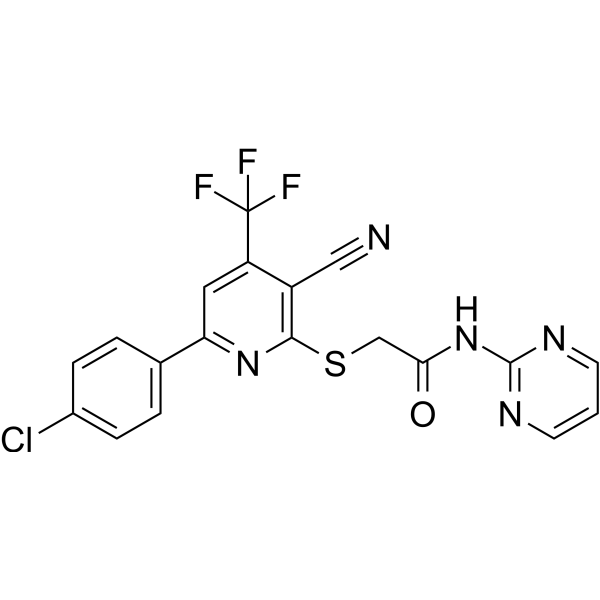
    SR11237
  • HY-181665

    Ferroptosis Glutathione Peroxidase Reactive Oxygen Species (ROS) Apoptosis Neurological Disease
    Ferroptosis-IN-23 is an inhibitor of ferroptosis. Ferroptosis-IN-23 exerts a synergistic effect by simultaneously activating Steap4 and glutathione peroxidase 4 (GPX4), thereby maintaining iron metabolism homeostasis. Ferroptosis-IN-23 reverses neuronal ferroptosis and inhibits lipid ROS accumulation in cells. Ferroptosis-IN-23 inhibits ferroptosis in zebrafish, alleviates neuronal apoptosis, ROS accumulation, and dopaminergic neuron damage in a zebrafish model of Parkinson's disease. Ferroptosis-IN-23 can be used for research on Parkinson's disease .
    Ferroptosis-IN-23
  • HY-182893

    α-synuclein Reactive Oxygen Species (ROS) Tyrosine Hydroxylase Neurological Disease
    SK-129 is a blood-brain barrier-permeable inhibitor of α-synuclein (αS) oligomers with a Kd of 221 nM. SK-129 preferentially binds to neurotoxic αS oligomers over physiological αS monomers, inhibits αS aggregation, blocks the interaction and co-aggregation of αS with tau protein, and prevents the maturation of αS-tau condensates into amyloid aggregates. SK-129 reduces ROS production, rescues dopaminergic neuron degeneration, improves motor function, restores endogenous dopamine synthesis, increases the number of Tyrosine Hydroxylase-positive neurons, prevents brain histopathological changes, alleviates neuroinflammation, and improves survival rates in relevant models. SK-129 can be used in research related to Parkinson's disease (PD) and Lewy body dementia (LBD) .
    SK-129
  • HY-107413R

    BMS-649 (Standard)

    Reference Standards RAR/RXR Tyrosine Hydroxylase Neurological Disease Inflammation/Immunology
    SR11237 (Standard) is the analytical standard of SR11237 (HY-107413). This product is intended for research and analytical applications. SR11237 is a RXR activator and lipid metabolism regulator that promotes the differentiation of induced neural stem cells into dopaminergic (TH-positive) neurons. SR11237 induces transcriptional regulation of lipogenic genes and cholesterol transporters, increases glycosaminoglycan release, and elevates total cellular triglyceride levels. SR11237 promotes heterodimerization of RXR with Nurr1, thereby enhancing tyrosine hydroxylase expression and facilitating dopamine release. SR11237 produces a synergistic effect when used in combination with bFGF/EGF. SR11237 is mainly used in studies related to osteoarthritis and Parkinson's disease .
    SR11237 (Standard)

Inquiry Online

Your information is safe with us. * Required Fields.

Salutation


Country or Region *

Applicant Name *


Organization Name *

Department *


Email Address *


Product Name *

Cat. No.


Requested quantity *

Phone Number *


Remarks

Inquiry Online

Inquiry Information

Product Name:
Cat. No.:
Quantity:
MCE Japan Authorized Agent:

