

14817 Results for "

endothelial cell and platelet coculture systems

" in MedChemExpress (MCE) Product Catalog:
Products (14817)

14817 Results for "endothelial cell and platelet coculture systems" in MCE Product Catalog:

4206
4206 Publications Verification
Cat. No.: HY-K0301

Cell Counting Kit-8 (CCK-8) allows sensitive colorimetric assays for the determination of cell viability in cell proliferation and cytotoxicity assays.The 5 mL volume is defined as the base specification. All larger sizes correspond to incremental volumes of this base.

loading...
    loading...
645
645 Cited Publications
Cat. No.: HY-100523
CAS No.: 846557-71-9
Purity:  99.96%
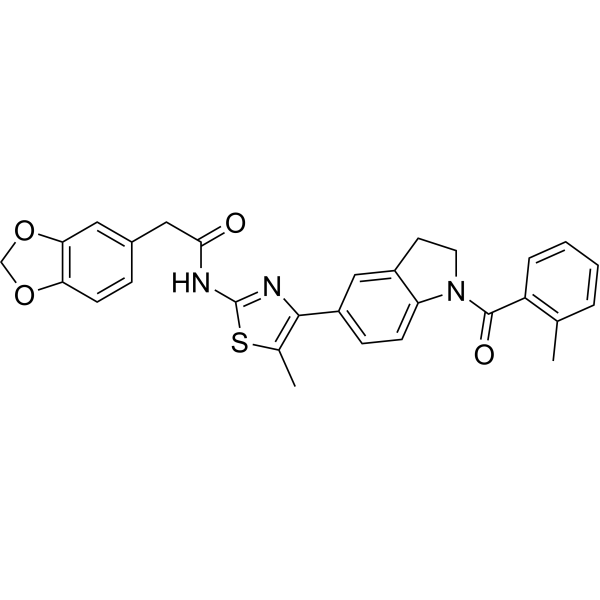
ML385 is a potent and selective Nrf2 inhibitor with an IC50 of 1.9 μM. ML385 directly binds to the Neh1 domain of NRF2, interferes with the binding of the MAFG-NRF2 protein complex to the antioxidant response element (ARE) DNA sequence, thereby blocking the expression of downstream target genes of NRF2. ML385 can be used in studies related to adult T-cell leukemia, breast cancer, myocardial ischemia/reperfusion injury, non-small cell lung cancer, esophageal squamous cell carcinoma, head and neck squamous cell carcinoma, and lung squamous cell carcinoma .
loading...
    loading...
331
331 Cited Publications
Cat. No.: HY-D1055
CAS No.: 1003197-00-9
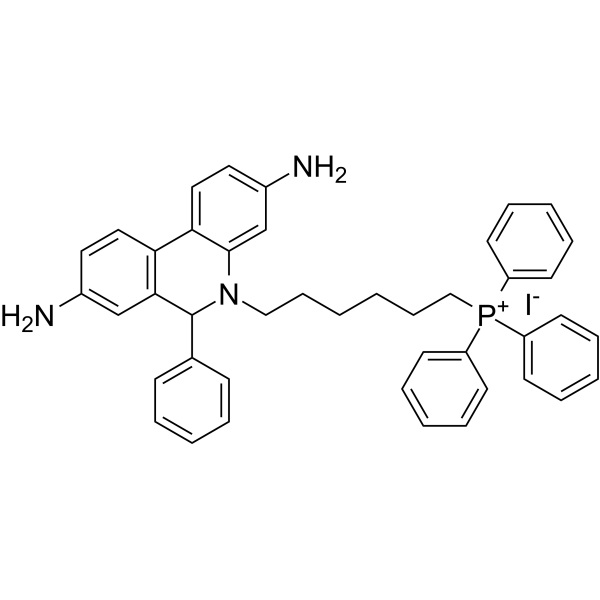
MitoSOX Red is a live cell fluorescent probe that specifically targets mitochondria and is cell membrane permeable. MitoSOX Red enters mitochondria and is oxidized by superoxide but not by other ROS or RNS generating systems. The oxidized MitoSOX Red then binds to nucleic acids in mitochondria/nucleus, producing strong red fluorescence. MitoSOX Red can be used as a fluorescent indicator to specifically detect superoxide. In addition, superoxide dismutase (SOD) can prevent the oxidation of MitoSOX Red.
Excitation/emission wavelength: 510/580 nm.
loading...
    loading...
281
281 Cited Publications
Cat. No.: HY-50856
CAS No.: 941678-49-5
Synonyms: INCB18424
Research Areas:  

Cancer

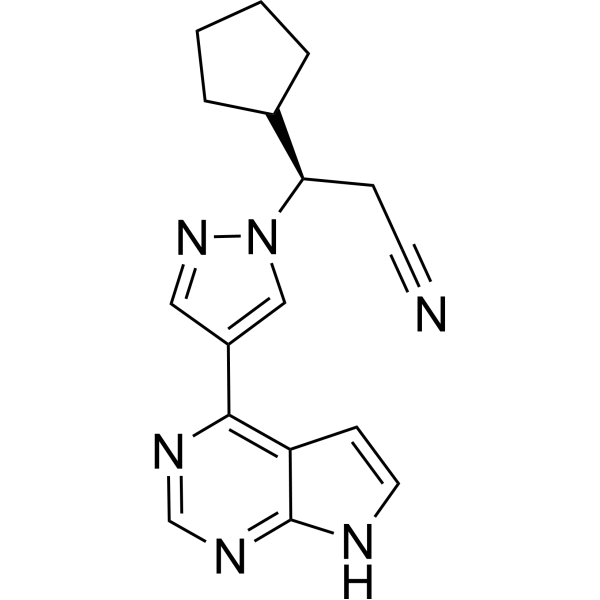
Ruxolitinib (INCB18424) is an orally active and selective JAK1/2 inhibitor with IC50s of 3.3 nM and 2.8 nM in cell-free assays, and has 130-fold selectivity for JAK1/2 over JAK3 . Ruxolitinib induces autophagy and kills tumor cells through toxic mitophagy .
loading...
    loading...
270
270 Cited Publications
Cat. No.: HY-P0175
CAS No.: 1236188-16-1
Synonyms: 740YPDGFR; PDGFR 740Y-P
Target:  

PI3K Autophagy

Research Areas:  

Cancer

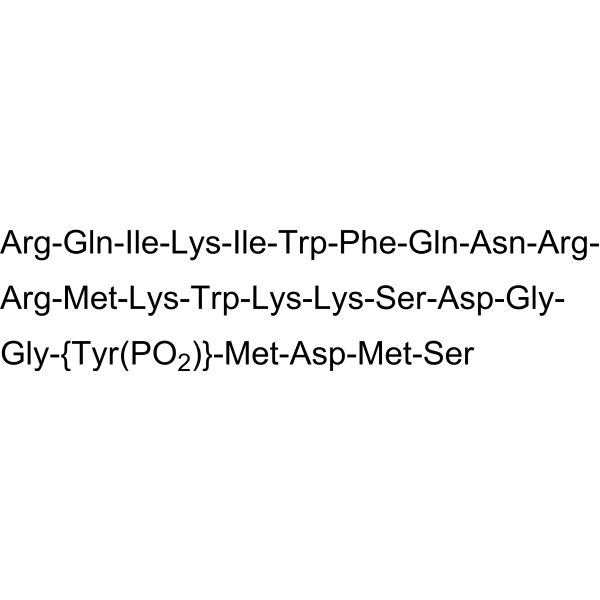
740 Y-P (740YPDGFR; PDGFR 740Y-P) is a potent and cell-permeable PI3K activator. 740 Y-P readily binds GST fusion proteins containing both the N- and C- terminal SH2 domains of p85 but fails to bind GST alone .
loading...
    loading...
266
266 Cited Publications
Cat. No.: HY-K0207

MCE Anti-Flag Magnetic Beads are used for immunoprecipitation (IP) of specific Flag-tagged (DYKDDDDK) proteins expressed in bacterial and mammalian cells and in vitro expression systems, and also suitable for Co-immunoprecipitation and purification of Flag-tagged protein. The 1 mL is defined as the base specification. All larger sizes correspond to incremental volumes of this base.

loading...
    loading...
263
263 Cited Publications
Cat. No.: HY-12726
CAS No.: 950455-15-9
Purity:  99.70%
Target:  

Ferroptosis

Research Areas:  

Cancer

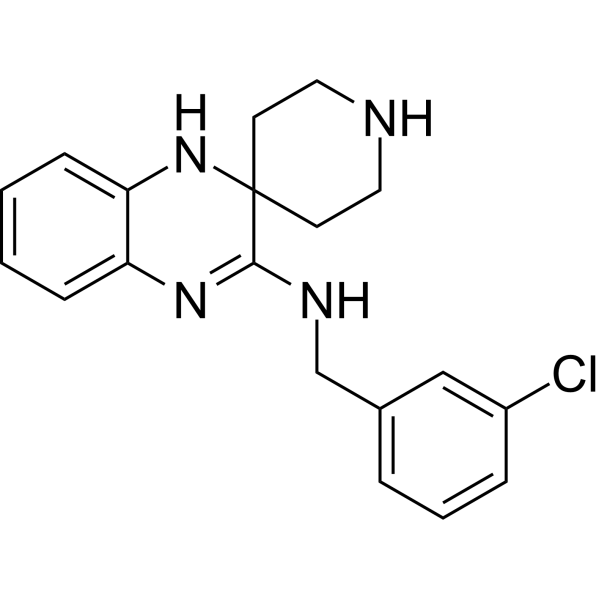
Liproxstatin-1 is a potent ferroptosis inhibitor and inhibits ferroptotic cell death (IC50=22 nM) .
loading...
    loading...
263
263 Cited Publications
Cat. No.: HY-12726A
CAS No.: 2250025-95-5
Purity:  99.31%
Target:  

Ferroptosis

Research Areas:  

Cancer

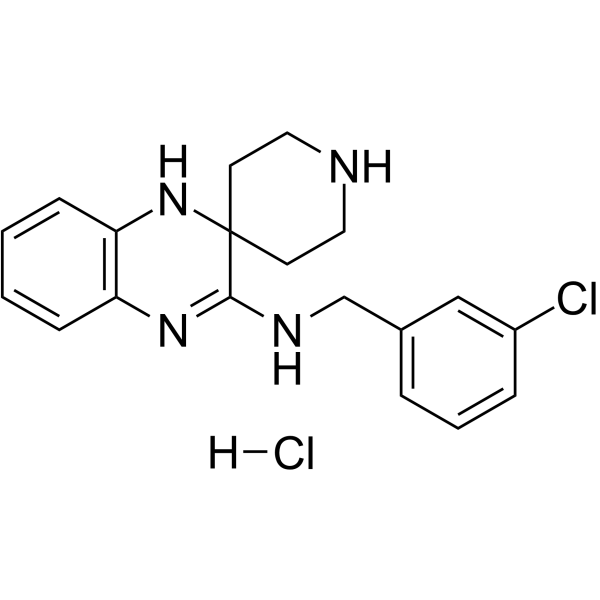
Liproxstatin-1 hydrochloride is a potent ferroptosis inhibitor and inhibits ferroptotic cell death (IC50=22 nM) .
loading...
    loading...
261
261 Cited Publications
Cat. No.: HY-K1001

MCE RIPA Lysis Buffer is one of the most reliable buffers used to lyse cells from both cultured cells and tissues.

loading...
    loading...
259
259 Cited Publications
Cat. No.: HY-13948
CAS No.: 4474-91-3
Purity:  99.98%
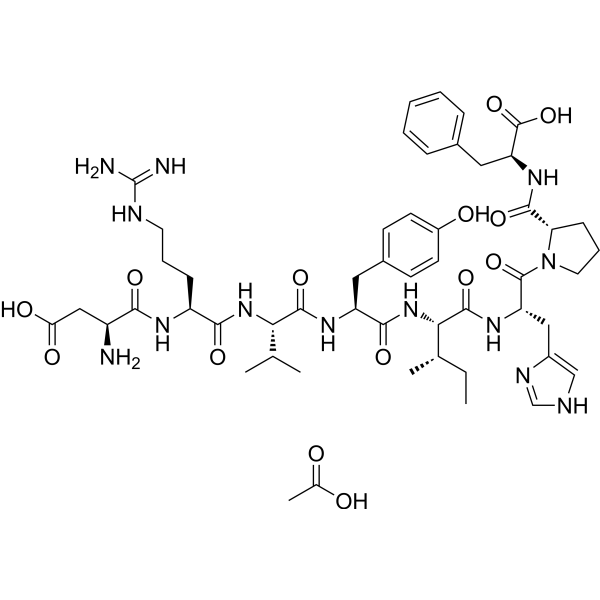
Synonyms: Angiotensin II; Ang II; DRVYIHPF
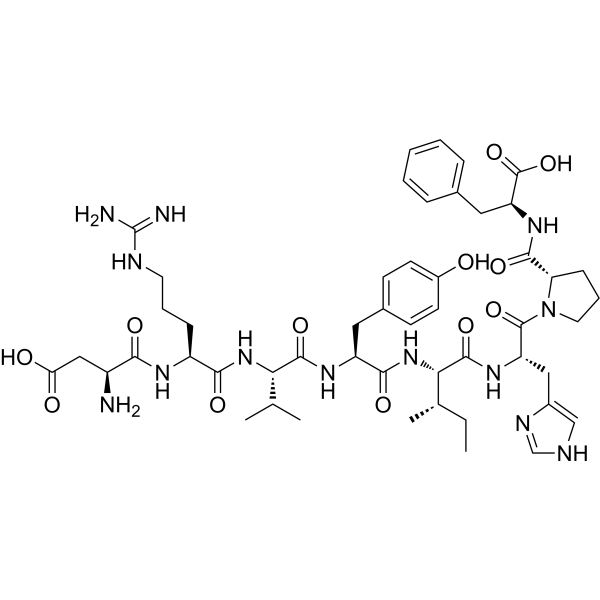
Angiotensin II (Angiotensin II) is a vasoconstrictor and a major bioactive peptide of the renin/angiotensin system. Angiotensin II human plays a central role in regulating human blood pressure, which is mainly mediated by interactions between Angiotensin II and the G-protein-coupled receptors (GPCRs) Angiotensin II type 1 receptor (AT1R) and Angiotensin II type 2 receptor (AT2R). Angiotensin II human stimulates sympathetic nervous stimulation, increases aldosterone biosynthesis and renal actions. Angiotensin II human induces growth of vascular smooth muscle cells, increases collagen type I and III synthesis in fibroblasts, leading to thickening of the vascular wall and myocardium, and fibrosis. Angiotensin II human also induces apoptosis. Angiotensin II induces capillary formation from endothelial cells via the LOX-1 dependent redox-sensitive pathway .
loading...
    loading...
259
259 Cited Publications
Cat. No.: HY-13948A
CAS No.: 68521-88-0
Purity:  99.62%
Synonyms: Angiotensin II acetate; Ang II acetate; DRVYIHPF acetate
Angiotensin II human (Angiotensin II) acetate is a vasoconstrictor and a major bioactive peptide of the renin/angiotensin system. Angiotensin II human acetate plays a central role in regulating human blood pressure, which is mainly mediated by interactions between Angiotensin II and the G-protein-coupled receptors (GPCRs) Angiotensin II type 1 receptor (AT1R) and Angiotensin II type 2 receptor (AT2R). Angiotensin II human acetate stimulates sympathetic nervous stimulation, increases aldosterone biosynthesis and renal actions. Angiotensin II human acetate induces growth of vascular smooth muscle cells, increases collagen type I and III synthesis in fibroblasts, leading to thickening of the vascular wall and myocardium, and fibrosis. Angiotensin II human acetate also induces apoptosis. Angiotensin II human acetate induces capillary formation from endothelial cells via the LOX-1 dependent redox-sensitive pathway .
loading...
    loading...
259
259 Cited Publications
Cat. No.: HY-13948B
CAS No.: 2761969-44-0
Purity:  98.84%
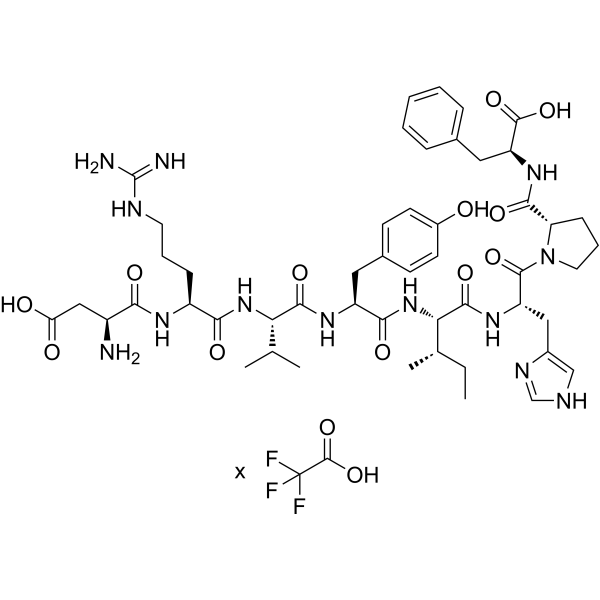
Synonyms: Angiotensin II TFA; Ang II TFA; DRVYIHPF TFA
Angiotensin II human (Angiotensin II) TFA is a vasoconstrictor and a major bioactive peptide of the renin/angiotensin system. Angiotensin II human TFA plays a central role in regulating human blood pressure, which is mainly mediated by interactions between Angiotensin II and the G-protein-coupled receptors (GPCRs) Angiotensin II type 1 receptor (AT1R) and Angiotensin II type 2 receptor (AT2R). Angiotensin II human TFA stimulates sympathetic nervous stimulation, increases aldosterone biosynthesis and renal actions. Angiotensin II human TFA induces growth of vascular smooth muscle cells, increases collagen type I and III synthesis in fibroblasts, leading to thickening of the vascular wall and myocardium, and fibrosis. Angiotensin II human TFA also induces apoptosis. Angiotensin II human TFA induces capillary formation from endothelial cells via the LOX-1 dependent redox-sensitive pathway .
loading...
    loading...
259
259 Cited Publications
Cat. No.: HY-50767
CAS No.: 571190-30-2
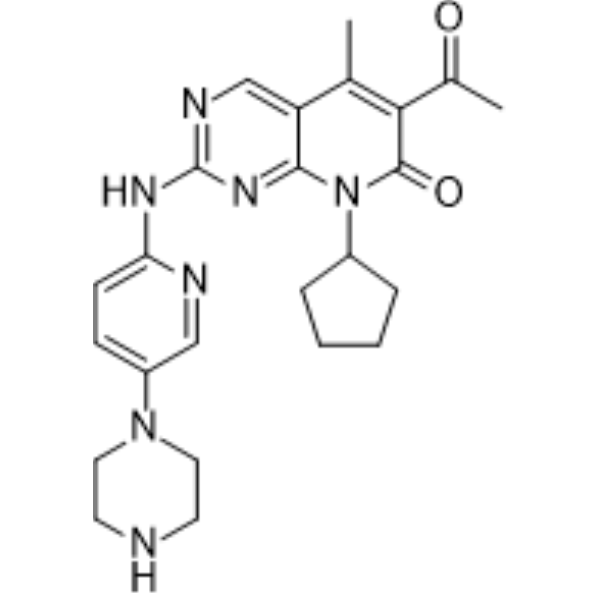
Synonyms: PD 0332991
Target:  

CDK

Research Areas:  

Cancer

Palbociclib (PD 0332991) is an orally active selective CDK4 and CDK6 inhibitor with IC50 values of 11 and 16 nM, respectively. Palbociclib has potent anti-proliferative activity and induces cell cycle arrest in cancer cells, which can be used in the research of HR-positive and HER2-negative breast cancer and hepatocellular carcinoma .
loading...
    loading...
239
239 Cited Publications
Cat. No.: HY-50767C
CAS No.: 571189-11-2
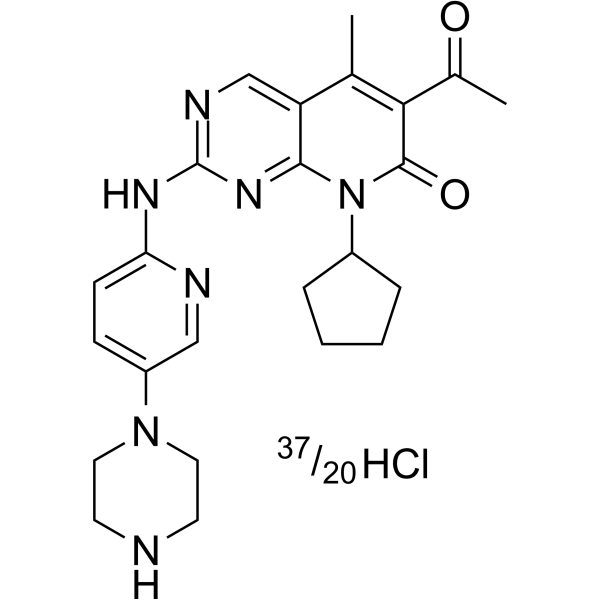
Synonyms: PD-0332991 hydrochloride
Target:  

CDK

Research Areas:  

Cancer

Palbociclib (PD 0332991) hydrochloride is an orally active selective CDK4 and CDK6 inhibitor with IC50 values of 11 and 16 nM, respectively. Palbociclib hydrochloride has potent anti-proliferative activity and induces cell cycle arrest in cancer cells. Palbociclib hydrochloride can be used in the research of HR-positive and HER2-negative breast cancer and hepatocellular carcinoma .
loading...
    loading...
233
233 Cited Publications
Cat. No.: HY-15371
CAS No.: 66575-29-9
Purity:  98.95%
Synonyms: Coleonol; Colforsin; HL 362
Forskolin (Coleonol) is a potent adenylate cyclase activator with an IC50 of 41 nM and an EC50 of 0.5 μM for type I adenylyl cyclase . Forskolin is also an inducer of intracellular cAMP formation . Forskolin induces differentiation of various cell types and activates pregnane X receptor (PXR) and FXR . Forskolin exerts a inotropic effect on the heart, and has platelet antiaggregatory and antihypertensive actions. Forskolin also induces autophagy .
loading...
    loading...
228
228 Cited Publications
Cat. No.: HY-K0208

MCE Streptavidin Magnetic Beads provide a fast and convenient method for numerous applications, including purification of proteins and nucleic acids, protein interaction studies, immunoprecipitation, immunoassays, pull-down and cell isolation. The 1 mL is defined as the base specification. All larger sizes correspond to incremental volumes of this base.

loading...
    loading...
223
223 Cited Publications
Cat. No.: HY-50895
CAS No.: 184475-35-2
Synonyms: ZD1839
Target:  

EGFR Autophagy Apoptosis

Research Areas:  

Infection Metabolic Disease Cancer

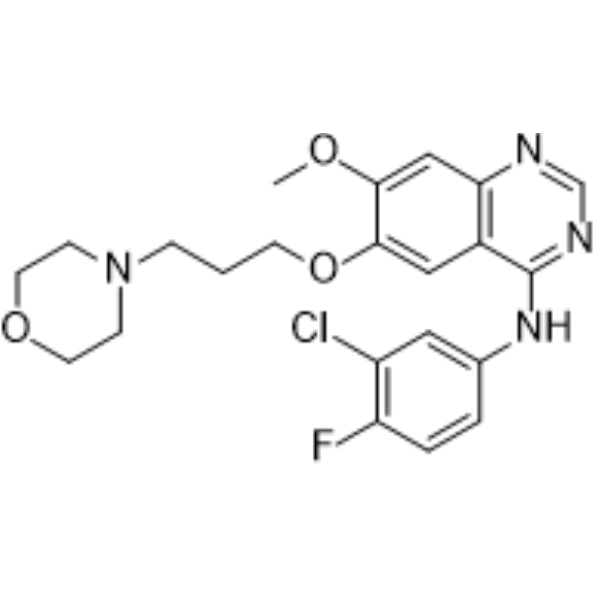
Gefitinib (ZD1839) is a potent, selective and orally active EGFR tyrosine kinase inhibitor with an IC50 of 33 nM. Gefitinib selectively inhibits EGF-stimulated tumor cell growth (IC50 of 54 nM) and that blocks EGF-stimulated EGFR autophosphorylation in tumor cells. Gefitinib also induces autophagy and cell apoptosis, which can be used for cancer related research, such as Lung cancer and breast cancer .
loading...
    loading...
223
223 Cited Publications
Cat. No.: HY-50895A
CAS No.: 184475-55-6
Synonyms: ZD-1839 hydrochloride
Target:  

EGFR

Research Areas:  

Cancer

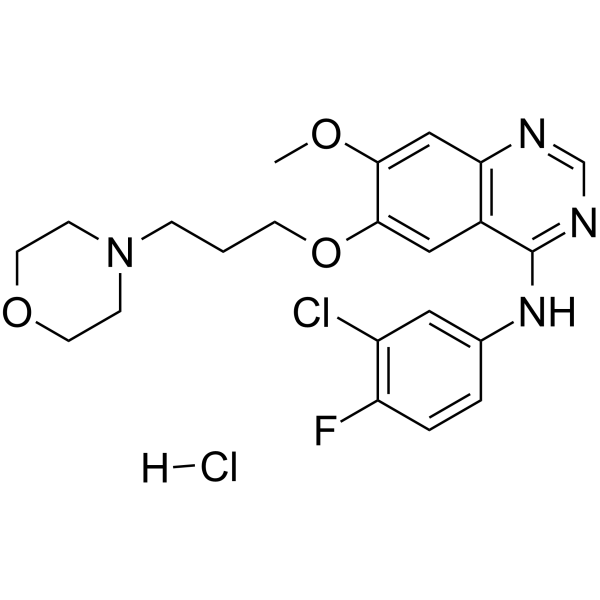
Gefitinib hydrochloride (ZD1839 hydrochloride) is a potent, selective and orally active EGFR tyrosine kinase inhibitor with an IC50 of 33 nM. Gefitinib hydrochloride selectively inhibits EGF-stimulated tumor cell growth (IC50 of 54 nM) and that blocks EGF-stimulated EGFR autophosphorylation in tumor cells. Gefitinib hydrochloride also induces autophagy. Gefitinib hydrochloride has antitumour activity .
loading...
    loading...
208
208 Cited Publications
Cat. No.: HY-17364
CAS No.: 85622-93-1
Synonyms: NSC 362856; CCRG 81045; TMZ
Research Areas:  

Cancer

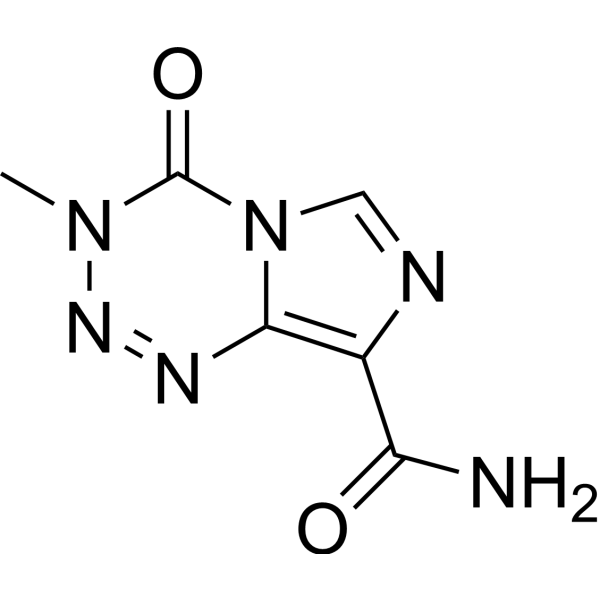
Temozolomide (NSC 362856) is an oral active DNA alkylating agent that crosses the blood-brain barrier. Temozolomide is also a proautophagic and proapoptotic agent. Temozolomide is effective against tumor cells that are characterized by low levels of O6-alkylguanine DNA alkyltransferase (OGAT) and a functional mismatch repair system. Temozolomide has antitumor and antiangiogenic effects .
loading...
    loading...
197
197 Cited Publications
Cat. No.: HY-W008923
CAS No.: 17086-28-1
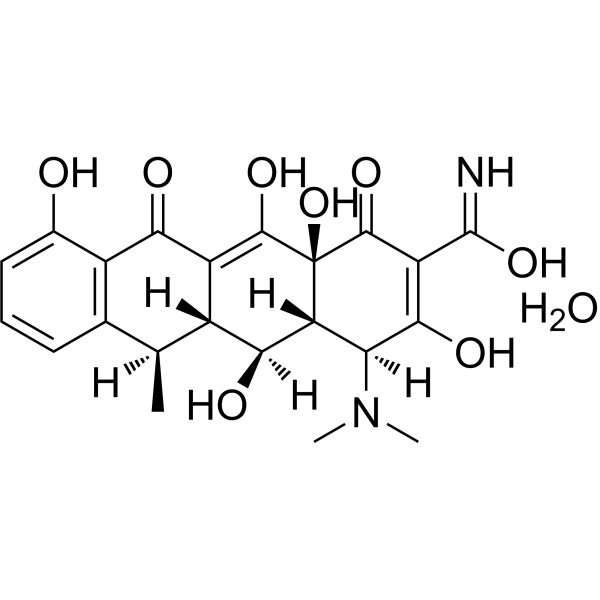
Doxycycline monohydrate is an orally active highly lipophilic, tissue-permeable MMP inhibitor with broad-spectrum antibacterial activity. Doxycycline monohydrate is also a semi-synthetic antibiotic with chelating properties, which blocks bacterial protein synthesis and inhibits extracellular matrix degradation through interactions with zinc and calcium atoms. Doxycycline monohydrate also inhibits mitochondrial biogenesis, translation, and the expression of respiratory chain proteins. Doxycycline monohydrate induces apoptosis, inhibits autophagy and EMT, downregulates stem cell markers, and activates the PI3K-AKT pathway, thereby effectively inhibiting the viability and proliferation of cancer cells such as breast cancer cells. Doxycycline monohydrate also promotes the survival and self-renewal of embryonic stem cells and neural stem cells, and reduces the frequency of medium changes in culture. Doxycycline monohydrate has been applied in studies related to breast cancer, prostate cancer, bladder cancer, and other cancers .
loading...
    loading...

