


41 Results for "

epidermoid carcinoma cells

" in MedChemExpress (MCE) Product Catalog:
Products (41)

41 Results for "epidermoid carcinoma cells" in MCE Product Catalog:

1
1 Cited Publications
Cat. No.: HY-132259
CAS No.: 1585973-65-4
Purity:  99.73%
Synonyms: ABT-414
Research Areas:  

Cancer

Depatuxizumab mafodotin (ABT-414) is an antibody-drug conjugate (ADC). Depatuxizumab mafodotin specifically targets the epidermal growth factor receptor (EGFR). Depatuxizumab mafodotin can be used in the study of glioma, head and neck squamous cell carcinoma, non-small cell lung cancer, epidermoid carcinoma of the skin, and squamous cell carcinoma of the tongue .
loading...
    loading...
1
1 Cited Publications
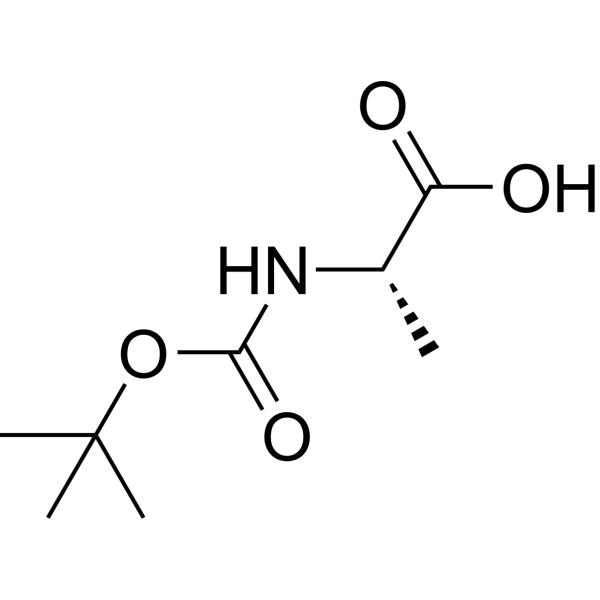
Cat. No.: HY-41121
CAS No.: 15761-38-3
Synonyms: Boc-Ala-OH
Research Areas:  

Cancer

Boc-L-Ala-OH (Boc-Ala-OH) is a single N-protected amino acid ligand and a protected L-alanine derivative. Boc-L-Ala-OH promotes Pd (II)-catalyzed enantioselective C-H alkenylation and kinetic resolution. Boc-L-Ala-OH serves as a coupling reagent for the synthesis of liver-targeted glycogen phosphorylase inhibitors and P6A metabolites, and also acts as a negative control in synthesis studies of betulinic acid amino acid esters. Boc-L-Ala-OH is applicable to research on epidermoid squamous cell carcinoma .
loading...
    loading...
Cat. No.: HY-145729
CAS No.: 1402357-06-5
Purity:  97.96%
Synonyms: AZD9150
Target:  

STAT Apoptosis

Research Areas:  

Cancer

Danvatirsen (AZD9150) is an antisense oligonucleotide targeting STAT3. Danvatirsen reduces the viability and promotes apoptosis of leukemia cell lines. Danvatirsen inhibits the expression of endogenous STAT3 and its downstream target genes, and reduces the proliferation and tumorigenicity of neuroblastoma and lymphoma cells. Danvatirsen inhibited tumor growth in mouse models of neuroblastoma, lymphoma, and non-small cell lung cancer. Danvatirsen achieves STAT3 mRNA and protein depletion in a mouse model of epidermoid carcinoma. Danvatirsen can be used in research related to lymphoma, myelodysplastic syndrome, acute myeloid leukemia, neuroblastoma and non-small cell lung cancer .
loading...
    loading...
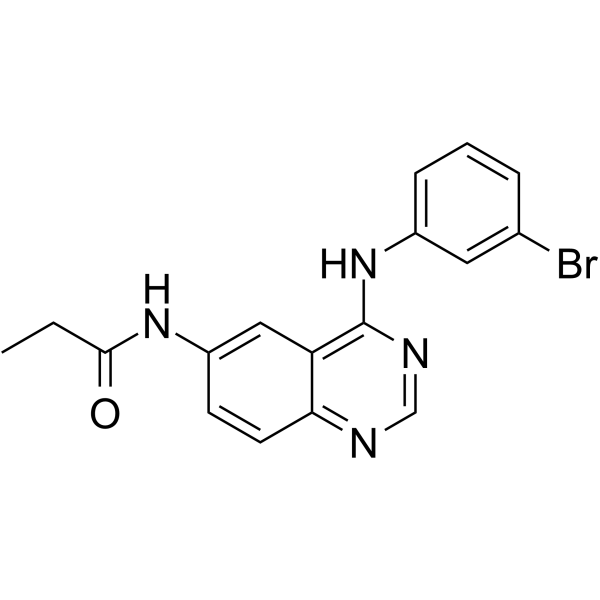
Cat. No.: HY-112411
CAS No.: 216163-53-0
Purity:  98.35%
PD 174265 is a highly selective, reversible EGFR/ErbB2 tyrosine kinase inhibitor (IC50=0.45 nM) and cell differentiation inducer. By blocking receptor autophosphorylation and the downstream ERK signaling pathway (with an IC50 of 0.45 μM for full-length ERK), PD 174265 effectively inhibits tumor growth and exhibits antitumor activity without obvious toxicity in in vivo models. PD 174265 drives oligodendrocyte precursor cells to switch from a proliferative state to a differentiated state, significantly upregulates the expression of myelin proteins such as CNP, PLP and MBP, and induces neurite branching. PD 174265 shows no inhibitory effect on other kinases including insulin, PDGF and basic FGF receptors, and serves as a crucial tool molecule for investigating the treatment of human epidermoid carcinoma and the mechanism of myelin repair in multiple sclerosis .
loading...
    loading...
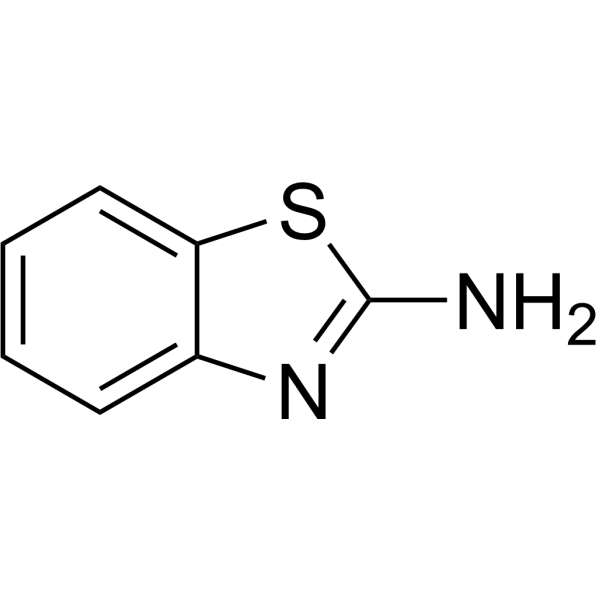
Cat. No.: HY-W017424
CAS No.: 136-95-8
2-Aminobenzothiazole acts as a caspase 3/7 activator, an anticancer cytotoxic agent, and also exhibits neurotoxicity. 2-Aminobenzothiazole drives the apoptotic pathway by activating caspase 3/7, induces mitochondrial inner membrane depolarization, and triggers both early and late apoptosis via a caspase-dependent pathway. In zebrafish models, 2-Aminobenzothiazole induces oxidative damage in brain tissues and inhibits genes related to GABA and 5-HT synthesis pathways. Long-term exposure to 2-Aminobenzothiazole impairs motor ability, social behavior, anxiety-like state and cognitive function. 2-Aminobenzothiazole can be used in studies of human laryngeal carcinoma and related neurotoxicity .
loading...
    loading...
Cat. No.: HY-145729A
Purity:  97.96%
Synonyms: AZD9150 sodium
Target:  

STAT Apoptosis

Research Areas:  

Cancer

Danvatirsen sodium (AZD9150 sodium) is an antisense oligonucleotide targeting STAT3. Danvatirsen sodium reduces the viability and promotes apoptosis of leukemia cell lines. Danvatirsen sodium inhibits the expression of endogenous STAT3 and its downstream target genes, and reduces the proliferation and tumorigenicity of neuroblastoma and lymphoma cells. Danvatirsen sodium inhibited tumor growth in mouse models of neuroblastoma, lymphoma, and non-small cell lung cancer. Danvatirsen sodium achieves STAT3 mRNA and protein depletion in a mouse model of epidermoid carcinoma. Danvatirsen sodium can be used in research related to lymphoma, myelodysplastic syndrome, acute myeloid leukemia, neuroblastoma and non-small cell lung cancer .
loading...
    loading...
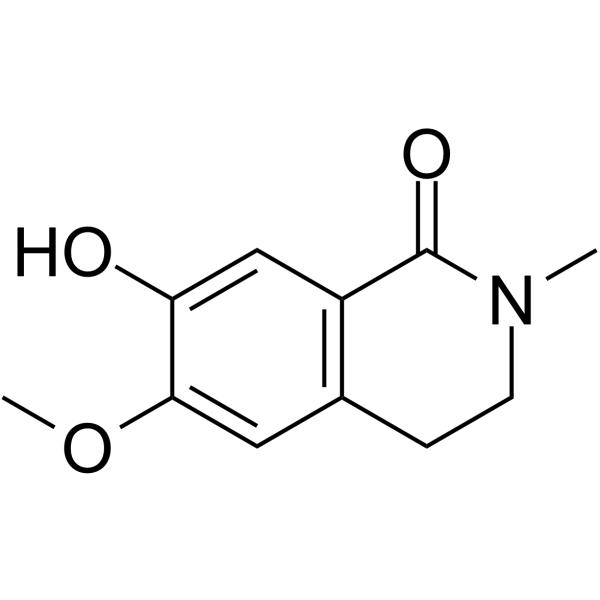
Cat. No.: HY-N8420
CAS No.: 21796-15-6
Thalifoline is an isoquinoline alkaloid. Thalifoline exerts cytotoxic effects on cancer cells. Thalifoline inhibits the growth of Fusarium oxysporum f. sp. lycopersici. Thalifoline can be used in research related to lung adenocarcinoma, colon cancer, oral epidermoid carcinoma, and fungal infections .
loading...
    loading...
Cat. No.: HY-D2170
AF488 streptavidin is a fluorescently labeled streptavidin. AF488 streptavidin is a streptavidin conjugated to Alexa Fluor 488, with 4 fluorophores per protein molecule, enabling stoichiometric fluorescent labeling of cell surface targets. AF488 streptavidin can form a complex with biotinylated E07 aptamer to stain cells expressing EGFR, and the staining is reversible after treatment with mA9 detoxifying oligonucleotides (Ex/Em = 470/520 nm) .
loading...
    loading...
Cat. No.: HY-W278867
CAS No.: 21956-56-9
Synonyms: trans-Pinosylvin dimethyl ether
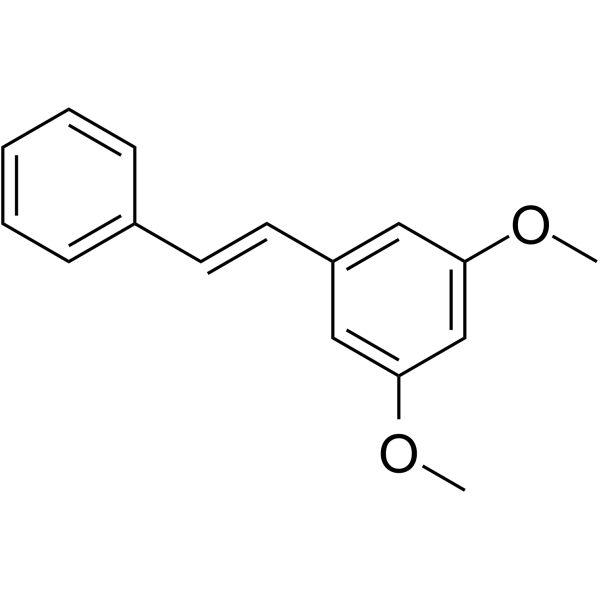
trans-3,5-Dimethoxystilbene (trans-Pinosylvin dimethyl ether) is a natural stilbenoid metabolite. trans-3,5-Dimethoxystilbene acts as an acetylcholinesterase inhibitor with a IC50 of 9 μM against Electrophorus electricus acetylcholinesterase. trans-3,5-Dimethoxystilbene binds to acetylcholinesterase and blocks acetylcholine hydrolysis, thereby increasing acetylcholine levels in the cholinergic synaptic cleft. trans-3,5-Dimethoxystilbene can be used in the research of neurodegenerative diseases such as Alzheimer's disease .
loading...
    loading...
Cat. No.: HY-121255
CAS No.: 482-22-4
Purity:  ≥99.0%
Synonyms: (R)-Cryptopleurine; NSC 19912
Target:  

TMV

Research Areas:  

Cancer

(–)-Cryptopleurine is an alkaloid that has been found in Lauraceae and has diverse biological activities. It inhibits the growth of human A375 melanoma, A431 epidermoid carcinoma, A549 lung, MES-SA uterine sarcoma, and MCF-7 breast cancer cells (IC50=3 nM for all).2 (–)-Cryptopleurine inhibits hypoxia-induced gene expression in a hypoxia response element (HRE) reporter assay (IC50=8.7 nM).3 (–)-Cryptopleurine (500 μg/mL) prevents lesion formation in tobacco (N. tabacum) plants infected with tobacco mosaic virus (TMV). It also inhibits protein synthesis by yeast and mammalian ribosomes.
loading...
    loading...
Cat. No.: HY-120420
CAS No.: 167695-87-6
N4Py is a bleomycin-mimetic pentadentate ligand that targets intracellular FeII and reversibly chelates a variety of transition metals. N4Py chelates induce apoptosis through two pathways: DNA cleavage via ROS generation and XIAP downregulation via ZnII chelation, with only FeII/FeIII-N4Py exhibiting potent DNA cleavage activity. The folate conjugate of N4Py targets folate receptors, can be intracellularly cleaved, and selectively kills FR-positive cancer cells. N4Py can be used in research on various cancers including nasopharyngeal epidermoid carcinoma, ovarian cancer, and mammary adenocarcinoma .
loading...
    loading...
Cat. No.: HY-N1261
CAS No.: 905929-95-5
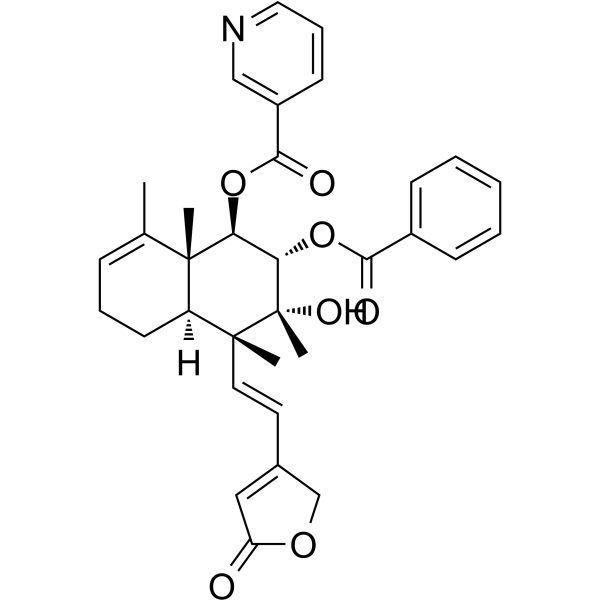
Scutebarbatine B shows significant cytotoxic activities against three human cancer lines, namely, HONE-1 nasopharyngeal, KB oral epidermoid carcinoma, and HT29 colorectal carcinoma cells, with IC50 values in the range 3.5-8.1 mM [1]<
loading...
    loading...
Cat. No.: HY-N15199
CAS No.: 87164-31-6
Schisanlactone A is a natural triterpenoid compound. Schisanlactone A has moderate cytotoxicity, with its IC50 value being 63.3 μM against KB cells. Schisanlactone A does not possess antibacterial or tyrosinase inhibitory activities. Schisanlactone A can be used for the study of oral epidermoid carcinoma .
loading...
    loading...
Cat. No.: HY-178118
CAS No.: 3024292-21-2
Target:  

PROTACs PDI

Research Areas:  

Cancer

PROTAC PDIA1 degrader 1 is a PDIA1 PROTAC degrader with a DC50 of 29.71 μM. PROTAC PDIA1 degrader 1 induces proteasome-dependent PDIA1 degradation via recruiting E3 ligase, ubiquitination and proteasomal degradation processes. PROTAC PDIA1 degrader 1 exhibits anticancer activity against breast cancer and epidermoid carcinoma. PROTAC PDIA1 degrader 1 can be used for the research of breast cancer and epidermoid carcinoma .
loading...
    loading...
Cat. No.: HY-N2779
CAS No.: 883859-83-4
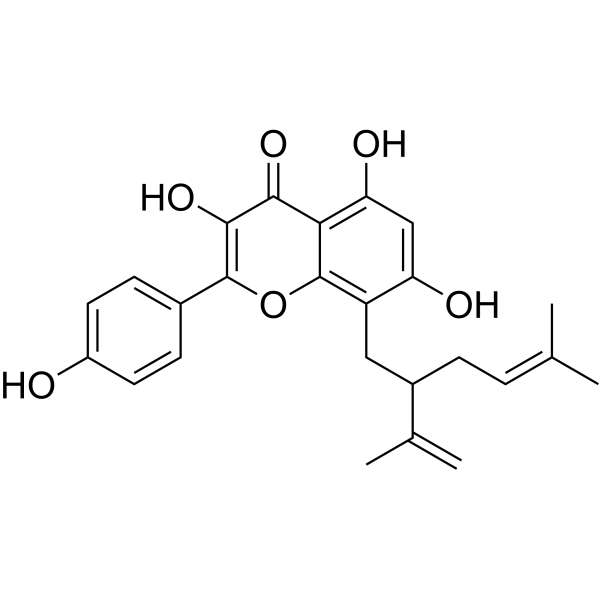
8-Lavandulylkaempferol is a flavonoid that can be isolated from Sophora flaWescens. 8-Lavandulylkaempferol exhibits cytotoxic activity against the KB epidermoid carcinoma cell line with an IC50 of 15.1 μg/mL .
loading...
    loading...
Cat. No.: HY-N8394
CAS No.: 6750-25-0
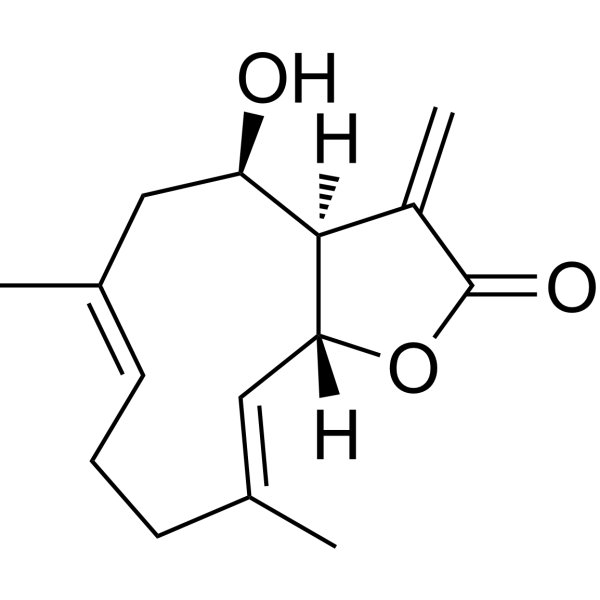
Eupatolide is an antitumor agent that can be isolated from Eupatorium formosanum. Eupatolide has cytotoxic activity and inhibits human epidermoid carcinoma of larynx cell growth in vitro .
loading...
    loading...
Cat. No.: HY-N10206
CAS No.: 1319729-88-8
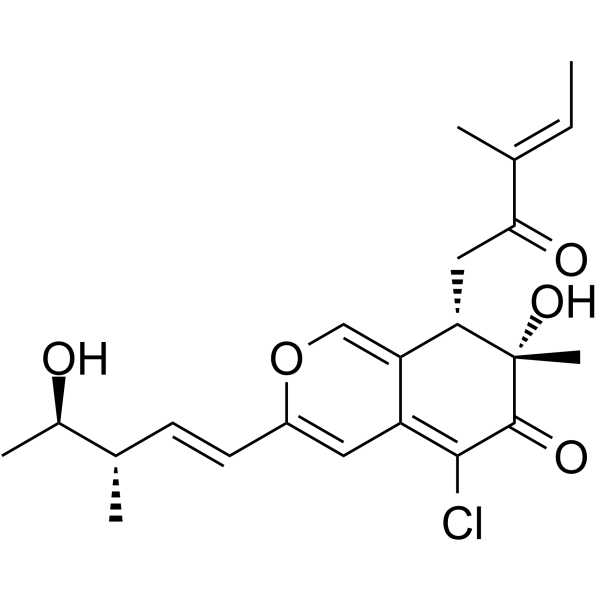
11-epi-Chaetomugilin I is a metabolite found in Chaetomium globosum. 11-epi-Chaetomugilin I exhibits significant cytotoxic activity against the murine P388 leukemia cell line, the human HL-60 leukemia cell line, the murine L1210 leukemia cell line, and the human KB epidermoid carcinoma cell line .
loading...
    loading...
Cat. No.: HY-P11173
CAS No.: 2493968-50-4
Research Areas:  

Cancer

Cr-ACP1 is an anti-cancerous peptide. Cr-ACP1 binds to DNA, inducing cell cycle arrest in the G0-G1 phase, leading to the initiation of Apoptosis mechanisms. Cr-ACP1 exhibits anticancer effects against colon cancer and epidermoid carcinoma .
loading...
    loading...
Cat. No.: HY-168113
Target:  

Drug Derivative

Research Areas:  

Cancer

Antiproliferative agent-60 (compound 8c) is a 11-Azaartemisinin derivative with superior anticancer activities. Antiproliferative agent-60 shows IC50 values of 7.7 μM, 42.5 μM, and 15.5 μM for epidermoid carcinoma (KB), HepG2, and A549 cells, respectively. Antiproliferative agent-60 exhibits significant tumor selectivity, up to 32-fold higher compared to Hek293 normal cells .
loading...
    loading...
Cat. No.: HY-N1183
CAS No.: 265120-00-1
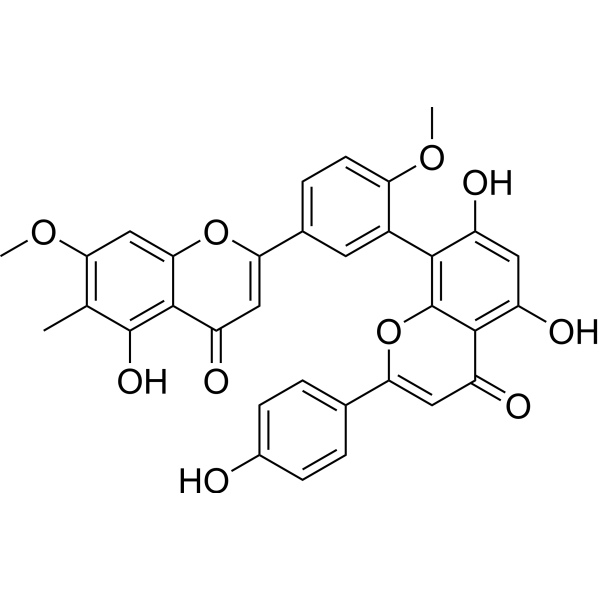
Taiwanhomoflavone A is a C-methylated biflavone, that can be isolated from the stem of Cephalotaxus wilsoniana. Taiwanhomoflavone-A shows anticancer activity .
loading...
    loading...

