

Search Result
Results for "
foamability
" in MedChemExpress (MCE) Product Catalog:
11
Biochemical Assay Reagents
2
Isotope-Labeled Compounds
| Cat. No. |
Product Name |
Target |
Research Areas |
Chemical Structure |
-
- HY-W099535
-
|
|
Biochemical Assay Reagents
|
Others
|
|
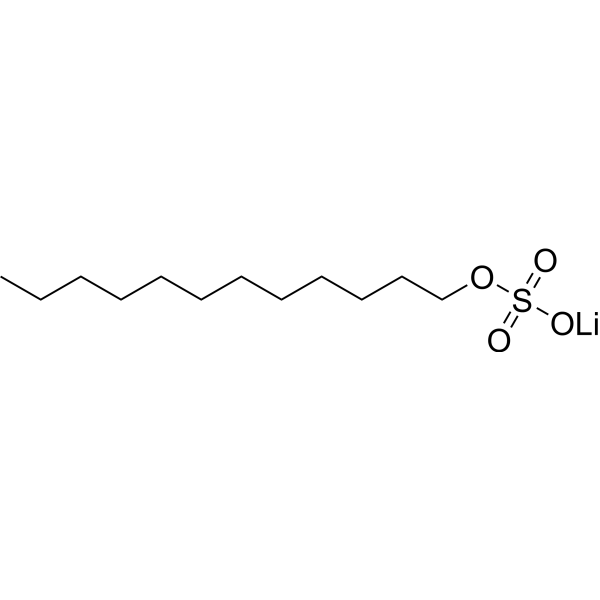
Lithium dodecyl sulfate is an anionic hydrocarbon surfactant with both surface tension reduction and interfacial adsorption capabilities. Lithium dodecyl sulfate induces low surface viscosity; it forms micelles in aqueous solutions through entropy-driven (low temperature) and enthalpy-driven (high temperature) mechanisms. When acting synergistically with tetrabutylammonium bromide, Lithium dodecyl sulfate exhibits cloud point behavior due to micelle aggregation and phase separation. Lithium dodecyl sulfate can form an adsorption layer at the air-water interface with quantifiable surface excess and minimum area per molecule, and it has higher equilibrium surface tension and foamability compared to other dodecyl sulfate counterion variants. The foam stability of Lithium dodecyl sulfate above its critical micelle concentration is low, and its dynamic surface tension pattern changes dynamically with bubble frequency .
|
-
-
- HY-P99646
-
|
MEDI6570
|
LOX-1
|
Metabolic Disease
Inflammation/Immunology
|
|
Gocdacimab (MEDI6570) is a fully human IgG1 monoclonal antibody inhibitor targeting the lectin-like oxidized low-density lipoprotein receptor LOX-1. By binding to LOX-1 and blocking its function, gocdacimab effectively reduces the level of free soluble LOX-1, thereby inhibiting key pathological processes such as lipid accumulation, foam cell formation, and vascular wall inflammation. Gocdacimab can interfere with atherosclerosis-related mechanisms, and it is used for research on atherosclerosis, and type 2 diabetes mellitus .
|
-
-
- HY-N8290
-
-
-
- HY-W015600
-
|
Orthocetamol
|
Ferroptosis
Glutathione Peroxidase
Reactive Oxygen Species (ROS)
LDLR
|
Cardiovascular Disease
Inflammation/Immunology
|
|
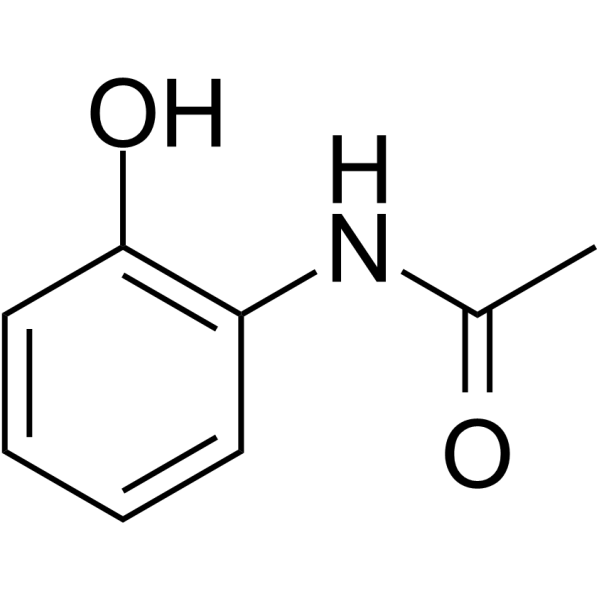
2-Acetamidophenol (Orthocetamol) is a regulator that targets ferroptosis and glutathione metabolic pathways, is the ortho-regioisomer of Paracetamol (HY-66005). 2-Acetamidophenol has anti-atherosclerotic activity, and inhibiting total cholesterol (TC) and triglyceride (TG) in a zebrafish hyperlipidemia model with IC50s for 30 μM and 40 μM, respectively. 2-Acetamidophenol upregulates the expression of glutathione synthesis-related genes (such as GCLC, GCLM, GSS) and iron ion transport genes (such as FPN1, FTH), reduces the accumulation of intracellular reactive oxygen species (ROS) and ferrous ions (Fe 2+), and enhances the activity of glutathione peroxidase GPX4, thereby inhibiting macrophage phagocytosis of oxidized low-density lipoprotein (ox-LDL) and foam cell formation .
|
-
-
- HY-173230
-
|
|
ATP-binding cassette (ABC) transporters
LXR
|
Cardiovascular Disease
|
|
ABCA1 inducer 2 is a non-lipotropic ABCA1 inducer. ABCA1 inducer 2 upregulates the expression of ABCA1 by targeting the LXR pathway. ABCA1 inducer 2 can reduce ox-LDL-induced lipid accumulation and thus inhibit foam cell formation. ABCA1 inducer 2 has anti-atherosclerotic potential .
|
-
-
- HY-107635
-
TMN355
1 Publications Verification
|
Cyclophilin
|
Cardiovascular Disease
|
|
TMN355 is a potent chemical cyclophilin A inhibitor and reduces foam cell formation and cytokine secretion. TMN355 is used for atherosclerosis .
|
-
-
- HY-W133920
-
|
PPG 2000
|
Environmental Pollutants
Biochemical Assay Reagents
|
Others
|
|
Polypropylene glycol 2000 (PPG 2000) is a polyether produced by ring-opening polymerization of propylene oxide. Polypropylene glycol 2000 has low toxicity, and acts as a dispersant for leather finishing materials, as well as a surfactant and wetting agent for pharmaceutical preparations .
|
-
-
- HY-B0655
-
|
SQ26991
|
Angiotensin-converting Enzyme (ACE)
Reactive Oxygen Species (ROS)
|
Cardiovascular Disease
|
|
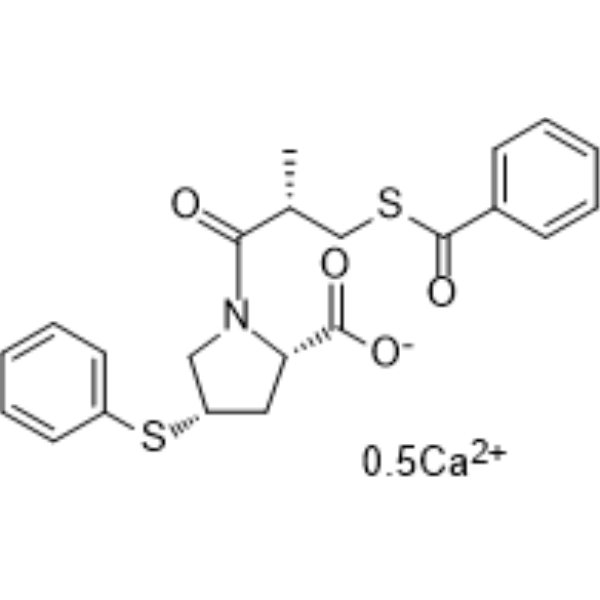
Zofenopril Calcium (SQ26991) is an orally active angiotensin-converting enzyme (ACE) inhibitor with antioxidant activity and cardioprotective effects. Zofenopril Calcium reduces ROS production and GSH consumption and helps inhibit foam cell formation, thus slowing the progression of atherosclerosis. Zofenopril Calcium prevents cardiac damage caused by chronic Doxorubicin (HY-15142A) .
|
-
-
- HY-W250186
-
|
Teterdecyl dimethyl amine oxide; Myristyldimethylamine N-oxide
|
Environmental Pollutants
Biochemical Assay Reagents
|
Others
|
|
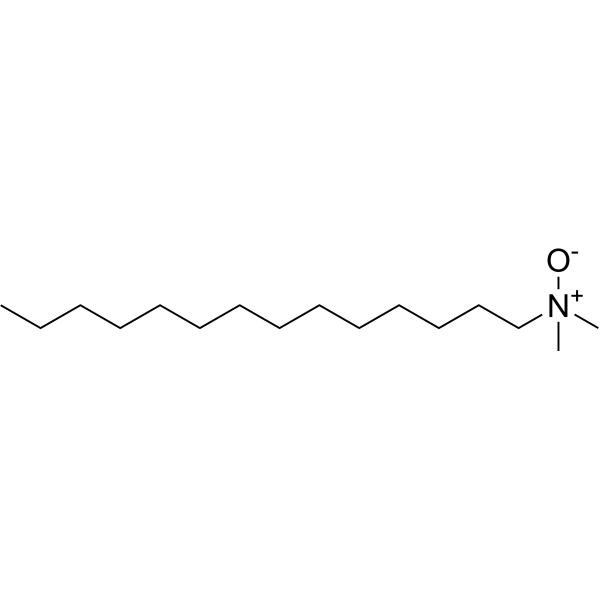
Myristyl dimethylamine oxide is a cationic surfactant belonging to the family of amine oxides. It is commonly used as a foam booster, thickener and conditioning agent in a variety of personal care and household cleaning products. Myristyl dimethylamine oxide has several properties suitable for these applications, including the ability to reduce surface tension, increase viscosity and provide antistatic properties. In addition, it can be used as a raw material for the production of other surfactants and specialty chemicals.
|
-
-
- HY-W040055
-
|
D-(+)-Neopterin; D-erythro-Neopterin
|
NF-κB
PPAR
ERK
Raf
Src
|
Cardiovascular Disease
Inflammation/Immunology
|
|
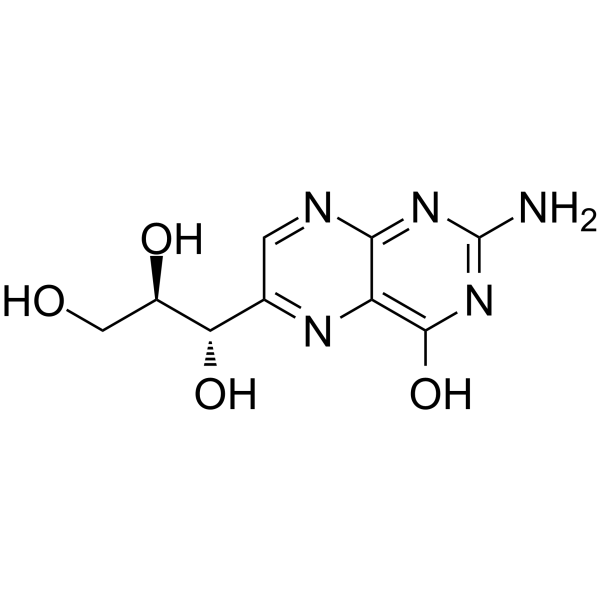
Neopterin is an immune system activator metabolized by GTP and can be produced by activated macrophages. Neopterin has the potential to resist vascular inflammation and atherosclerosis. Neopterin inhibits the phosphorylation of NF-κB and promotes the expression of PPAR-γ, thereby suppressing the inflammatory response of vascular endothelial cells, reducing the formation of macrophage foam cells, and regulating the migration and proliferation of vascular smooth muscle cells. Neopterin can be used in research fields such as cardiovascular diseases (such as atherosclerosis), inflammation-related diseases and tumor immunomonitoring .
|
-
-
- HY-P99125
-
|
|
Fc Receptor (FcR)
|
Cardiovascular Disease
Inflammation/Immunology
|
|
Anti-Mouse CD16/CD32 Antibody (2.4G2) is an anti-mouse CD16/CD32 IgG2b monoclonal antibody. Anti-Mouse CD16/CD32 Antibody (2.4G2) can block Fcγ receptor-mediated immune responses. Anti-Mouse CD16/CD32 Antibody (2.4G2) can block the combination of CD16 and FcγRs to reduce the production of foam cells. Anti-Mouse CD16/CD32 Antibody (2.4G2) can be used for researches on atherosclerosis and autoimmune hematological disorders .
|
-
-
- HY-W392173
-
-
-
- HY-107396
-
|
|
Acyltransferase
|
Cardiovascular Disease
|
|
YM-750 is a potent acyl-CoA:cholesterol acyltransferase (ACAT) inhibitor (IC50=0.18 μM). ACAT catalyzes the formation of cholesteryl esters from cholesterol and long-chain fatty-acyl-coenzyme A .
|
-
-
- HY-N10788
-
|
|
Acyltransferase
|
Inflammation/Immunology
|
|
Pomonic acid is an acyl-coenzyme A: cholesterol acyltransferase (ACAT) inhibitor. Pomonic acid reduces the esterification of free cholesterol to cholesteryl esters and the accumulation of intracellular cholesteryl esters. Pomonic acid can be used in the research of atherosclerosis .
|
-
-
- HY-W250170
-
|
Octyldecyl glucoside
|
Environmental Pollutants
Biochemical Assay Reagents
|
Others
|
|
Decyl glucoside is a mild nonionic surfactant. Decyl glucoside can be derived from renewable raw materials such as glucose and fatty alcohols from coconut oil or palm kernel oil. Decyl glucoside is known for its excellent foaming and cleaning properties.
|
-
-
- HY-W099575
-
|
|
Biochemical Assay Reagents
|
Others
|
|
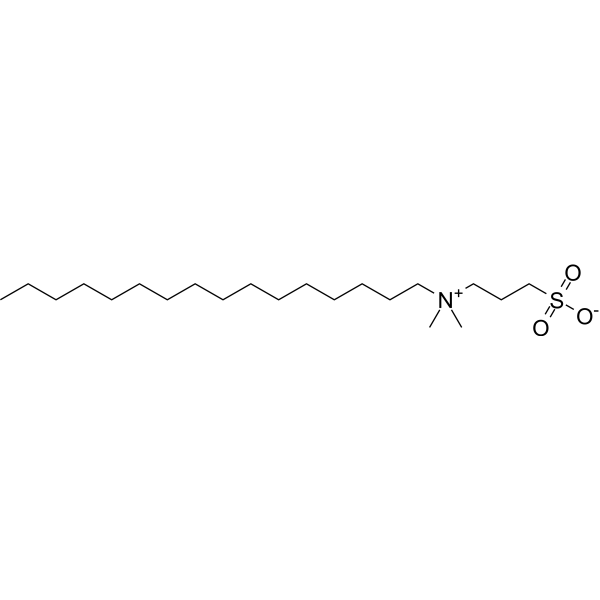
3-(Hexadecyldimethylammonio)propane-1-sulfonate is an organic compound belonging to the class of sulfonates. It is a quaternary ammonium surfactant commonly used in various industrial and laboratory applications such as the production of detergents, personal care products and pharmaceuticals. 3-(Hexadecyldimethylammonio)propane-1-sulfonate is surface active and can be used as an emulsifier, foaming agent and wetting agent. In addition, it is used as a solubilizer in protein purification and as a surfactant in chromatography.
|
-
-
- HY-120078
-
|
|
Phospholipase
|
|
|
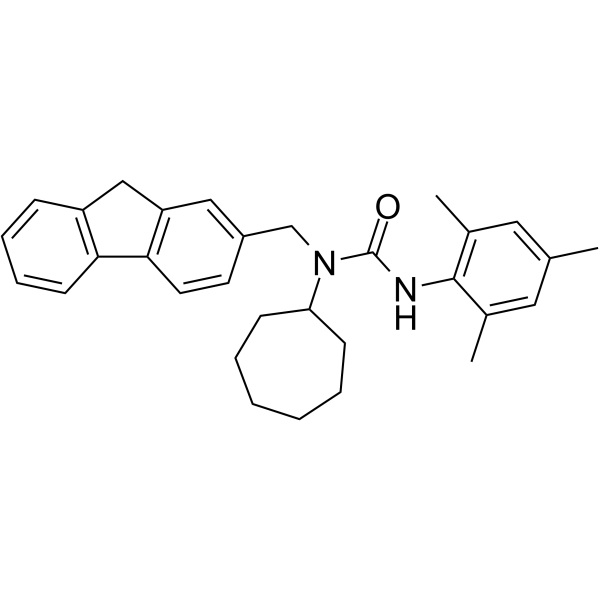
AZD2716 is a selective sPLA2 (secretory phospholipase A2) inhibitor. AZD2716 significantly reduces the production of pro-inflammatory lipids by inhibiting sPLA2-IIa (IC50 = 10 nM), sPLA2-V (IC50 = 40 nM), and sPLA2-X (IC50 = 400 nM), thereby decreasing macrophage activation and foam cell formation. AZD2716 is promising for studying mechanisms related to atherosclerosis and inflammatory diseases associated with sPLA2 .
|
-
-
- HY-W015600R
-
|
Orthocetamol (Standard)
|
Reference Standards
Ferroptosis
Glutathione Peroxidase
Reactive Oxygen Species (ROS)
LDLR
|
Cardiovascular Disease
Inflammation/Immunology
|
|
2-Acetamidophenol (Standard) is the analytical standard of 2-Acetamidophenol. This product is intended for research and analytical applications. 2-Acetamidophenol (Orthocetamol) is a regulator that targets ferroptosis and glutathione metabolic pathways, is the ortho-regioisomer of Paracetamol (HY-66005). 2-Acetamidophenol has anti-atherosclerotic activity, and inhibiting total cholesterol (TC) and triglyceride (TG) in a zebrafish hyperlipidemia model with IC50s for 30 μM and 40 μM, respectively. 2-Acetamidophenol upregulates the expression of glutathione synthesis-related genes (such as GCLC, GCLM, GSS) and iron ion transport genes (such as FPN1, FTH), reduces the accumulation of intracellular reactive oxygen species (ROS) and ferrous ions (Fe 2+), and enhances the activity of glutathione peroxidase GPX4, thereby inhibiting macrophage phagocytosis of oxidized low-density lipoprotein (ox-LDL) and foam cell formation .
|
-
-
- HY-D1005K
-
-
-
- HY-W099642
-
|
Trimethyl-n-octylammonium bromide
|
Biochemical Assay Reagents
|
Others
|
|
Trimethyloctylammonium bromide (TOAB) is used as a surfactant and phase transfer catalyst in various chemical reactions. TOAB can be used in the synthesis of nanomaterials due to its ability to selectively transfer ions across interfaces and as a surfactant in the production of emulsions and foams. It is valued for its amphiphilic properties, which allow it to interact with water and oils, stabilizing and dispersing mixtures.
|
-
-
- HY-P2624A
-
|
|
PAK
|
Metabolic Disease
|
|
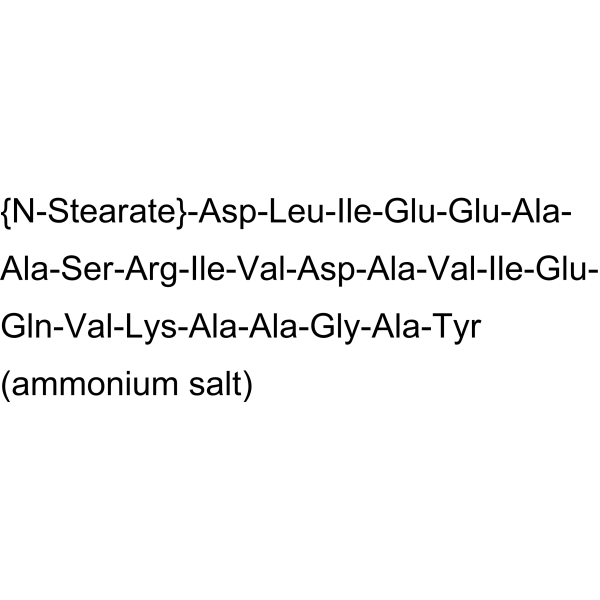
st-Ht31 ammonium is a membrane-permeable peptide inhibitor of?protein kinase A (PKA) anchoring. st-Ht31 ammonium induces robust cholesterol/phospholipid efflux. st-Ht31 ammonium completely reverses foam cell formation and restores the metabolic health of macrophage .
|
-
-
- HY-W051391
-
|
Me3TACN
|
Biochemical Assay Reagents
|
Others
|
|
1,4,7-Trimethyl-1,4,7-triazonane, also known as TMT or trimethylenetris(aziridine), is a cyclic organic compound. TMT is commonly used as a crosslinking agent and a precursor for polymer and resin synthesis. In addition, it is used as a stabilizer in the production of polyurethane foam and as a curing agent for epoxy resins. Due to its high reactivity and stability, TMT is considered to be a versatile and efficient reagent in various applications.
|
-
-
- HY-W015600S
-
|
Orthocetamol-d3
|
Isotope-Labeled Compounds
Ferroptosis
Glutathione Peroxidase
Reactive Oxygen Species (ROS)
LDLR
|
Cardiovascular Disease
Inflammation/Immunology
|
|
2-Acetamidophenol-d3 (Orthocetamol-d3) is the deuterium labeled 2-Acetamidophenol (HY-W015600). 2-Acetamidophenol (Orthocetamol) is a regulator that targets ferroptosis and glutathione metabolic pathways, is the ortho-regioisomer of Paracetamol (HY-66005). 2-Acetamidophenol has anti-atherosclerotic activity, and inhibiting total cholesterol (TC) and triglyceride (TG) in a zebrafish hyperlipidemia model with IC50s for 30 μM and 40 μM, respectively. 2-Acetamidophenol upregulates the expression of glutathione synthesis-related genes (such as GCLC, GCLM, GSS) and iron ion transport genes (such as FPN1, FTH), reduces the accumulation of intracellular reactive oxygen species (ROS) and ferrous ions (Fe2+), and enhances the activity of glutathione peroxidase GPX4, thereby inhibiting macrophage phagocytosis of oxidized low-density lipoprotein (ox-LDL) and foam cell formation .
|
-
-
- HY-P2624
-
|
|
PAK
|
Metabolic Disease
|
|
st-Ht31 is a membrane-permeable peptide inhibitor of protein kinase A (PKA) anchoring. st-Ht31 induces robust cholesterol/phospholipid efflux. st-Ht31 completely reverses foam cell formation and restores the metabolic health of macrophage .
|
-
-
- HY-D1005J
-
-
-
- HY-W612975
-
|
|
Parasite
|
Others
|
|
4-Dodecylmorpholine (DMP) is a surfactant with antimalarial activity. It can be used as a hydrophilic enzyme detergent and is commonly used as an extraction collector in reverse foam preparation processes .
|
-
-
- HY-164070
-
|
|
Biochemical Assay Reagents
|
Others
|
|
Dextran Hydroxypropyltrimonium Chloride is a cationic polymer with excellent antistatic, moisturizing, film-forming, foam-stabilizing and emulsifying abilities. Dextran Hydroxypropyltrimonium Chloride can be used in the research of pharmaceuticals and cosmetics .
|
-
-
- HY-W143948
-
|
NFDHA; Perfluoro-3,6-dioxaheptanoic acid
|
Environmental Pollutants
|
Others
|
|
Nonafluoro-3,6-dioxaheptanoic acid (NFDHA) is a component of the aqueous film-forming foam FN-3. Nonafluoro-3,6-dioxaheptanoic acid is mainly distributed and transported in water. Nonafluoro-3,6-dioxaheptanoic acid is considered as an environmental contaminant in watersheds .
|
-
-
- HY-W791754
-
|
|
NF-κB
|
Cardiovascular Disease
|
|
Paeonolsilate (sodium) can inhibit ox-LDL-induced macrophage foam cell formation and inflammation in atherosclerosis. Paeonolsilate (sodium) inhibits NF-κB activation and oxidative stress response induced by ox-LDL. Paeonolsilate (sodium) can be studied in anti-atherosclerosis research .
|
-
-
- HY-133847
-
|
Laurylamidopropyldimethylamine oxide
|
Endogenous Metabolite
|
Others
|
|
LAPAO (Laurylamidopropyldimethylamine oxide) is an amphoteric surfactant with good biocompatibility and surface activity. LAPAO can be used as a detergent and foam enhancer for personal care and household cleaning products. LAPAO is stable at different pH values and can effectively remove dirt and grease. LAPAO also has a conditioning effect and is suitable for use in skin care and hair care products .
|
-
-
- HY-185104
-
|
|
LXR
|
Cardiovascular Disease
|
|
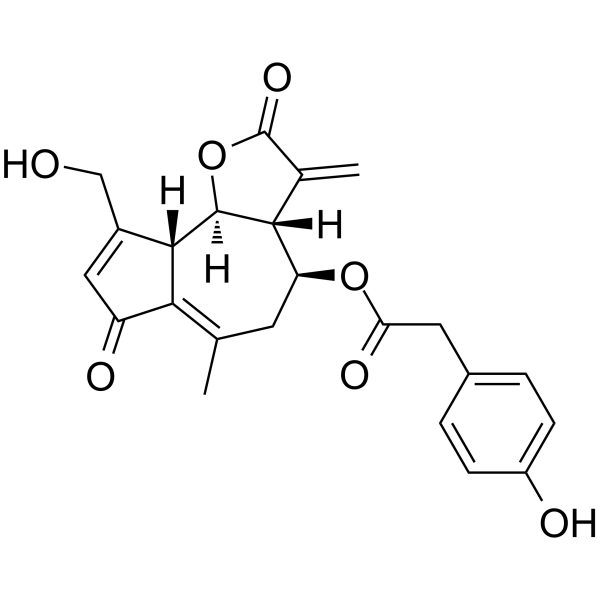
Ginsenoside C-K hexapropionate ester (Structure 2) is a selective agonist of LXRα, with no significant activation effect on LXRβ. Ginsenoside C-K hexapropionate ester upregulates the expression of downstream genes such as ABCA1 by activating LXRα, promoting reverse cholesterol transport, and reducing lipid deposition in macrophage-derived foam cells. It can be used in the research of atherosclerosis. Ginsenoside C-K hexapropionate ester is a derivative synthesized from ginsenoside Compound K, an active metabolite of Panax notoginseng saponins, by modification with propionic anhydride .
|
-
-
- HY-126460
-
|
|
Biochemical Assay Reagents
Bacterial
|
Infection
Others
|
|
Myristoyl glutamic acid is a myristoyl glutamic acid. Myristoyl glutamic acid is an amino acid surfactant, which can be used as cleansers, foaming agents in the cosmetic industry. Myristoyl glutamic acid shows a slight antibacterial effect .
|
-
-
- HY-D2275
-
-
-
- HY-105583
-
|
|
Drug Derivative
|
Others
|
|
Cloforex (Frenapyl) is an orally effective amphetamine-type anorexic and a precursor to Clophentermine. Cloforex can be used to induce foam cell accumulation in rats .
|
-
-
- HY-106938
-
|
WAY-ACA 147
|
Acyltransferase
|
Cardiovascular Disease
Metabolic Disease
|
|
Eldacimibe is an ACAT2 inhibitor. Eldacimibe can lower plasma cholesterol levels by blocking cholesterol absorption and can prevent macrophages from turning into foam cells. Eldacimibe can be used in the study of cardiovascular diseases (atherosclerosis), endocrine and metabolic diseases (hypercholesterolemia) .
|
-
-
- HY-126607
-
|
|
Others
|
Others
|
|
Sericic acid (compound 7) is a triterpenoid obtained from the methanol extract of blackberry (Rubus allegheniensis Port.) fruit .
|
-
-
- HY-N18262
-
|
|
Biochemical Assay Reagents
|
Others
|
|
Humulinone is a foam-enhancing agent. Humulinone interacts with Protein Z, with a binding constant of 1.64 × 10 5 M -1. Humulinone improves the foamability, foam stability and foam texture of Protein Z. Humulinone can be used in beer research .
|
-
-
- HY-N19042
-
|
|
Bacterial
|
Others
|
|
Sapindus mokorossi extract, derived from the fruit of the soapberry tree, possesses cleansing, antioxidant, and anti-inflammatory properties. Its main active ingredient is saponin, a natural surfactant that aids in foam formation and provides gentle cleansing.
|
-
-
- HY-107635R
-
|
|
Cyclophilin
Reference Standards
|
Cardiovascular Disease
|
|
TMN355 (Standard) is the analytical standard of TMN355 (HY-107635). This product is intended for research and analytical applications. TMN355 is a potent chemical cyclophilin A inhibitor and reduces foam cell formation and cytoKine secretion. TMN355 is used for atherosclerosis .
|
-
-
- HY-107396R
-
|
|
Reference Standards
Acyltransferase
|
Cardiovascular Disease
|
|
YM-750 (Standard) is the analytical standard of YM-750 (HY-107396). This product is intended for research and analytical applications. YM-750 is a potent acyl-CoA:cholesterol acyltransferase (ACAT) inhibitor (IC50=0.18 μM). ACAT catalyzes the formation of cholesteryl esters from cholesterol and long-chain fatty-acyl-coenzyme A .
|
-
-
- HY-W714323
-
|
Teterdecyl dimethyl amine oxide-d6; Myristyldimethylamine N-oxide-d6
|
Isotope-Labeled Compounds
Biochemical Assay Reagents
|
Others
|
|
Myristyl dimethylamine oxide-d6 (Teterdecyl dimethyl amine oxide-d6) is the deuterium labeled Myristyl dimethylamine oxide (HY-W250186). Myristyl dimethylamine oxide is a cationic surfactant belonging to the family of amine oxides. It is commonly used as a foam booster, thickener and conditioning agent in a variety of personal care and household cleaning products. Myristyl dimethylamine oxide has several properties suitable for these applications, including the ability to reduce surface tension, increase viscosity and provide antistatic properties. In addition, it can be used as a raw material for the production of other surfactants and specialty chemicals.
|
-
-
- HY-W683900A
-
|
|
Biochemical Assay Reagents
|
Others
|
|
(S)-3-Hydroxy-2-palmitamidopropanoic acid (sodium) (Compound C16Ser) is a serinate surfactants. (S)-3-Hydroxy-2-palmitamidopropanoic acid (sodium) can be used to study the effect of fatty acyl chain length on the foam properties. (S)-3-Hydroxy-2-palmitamidopropanoic acid (sodium) has the longer acyl chain, which enhances the intermolecular interaction, thereby facilitating a compact adsorption film at the interface. (S)-3-Hydroxy-2-palmitamidopropanoic acid (sodium) exhibits higher interfacial activity and forms more stable interfacial films under stronger intermolecular interaction .
|
-
-
- HY-181509
-
-
-
- HY-N18066
-
|
|
Drug Derivative
Acyltransferase
NF-κB
PPAR
Fatty Acid Synthase (FASN)
Keap1-Nrf2
|
Cardiovascular Disease
Metabolic Disease
Inflammation/Immunology
|
|
Esculeogenin A is the sapogenol of tomato saponin Esculeoside A (HY-N18067). Esculeogenin A is an orally active hepatoprotective, hypolipidemic, and antioxidant agent. Esculeogenin A regulates molecular targets like PPARα, SREBP1, Nrf2, NF-κB, ACAT1/ACAT2 to promote hepatic fatty acid oxidation, suppress de novo lipogenesis, enhance antioxidant defense, and inhibit inflammation. Esculeogenin A improves liver function, alleviates hyperlipidemia, and inhibits hepatic steatosis and foam cell formation, preventing nonalcoholic fatty liver disease in high-fat-diet-fed rats and reducing atherosclerotic lesions in apoE-deficient mice. Esculeogenin A can be used for the research of nonalcoholic fatty liver disease, atherosclerosis, and hyperlipidemia .
|
-
-
- HY-D3170
-
|
|
Fluorescent Dye
γ-Glutamyl Transferase (GGT)
|
Inflammation/Immunology
|
|
C-HBrO-GGT is a sequence-activated two-photon fluorescent probe. C-HBrO-GGT exhibits sequential fluorescence activation properties: it generates fluorescence in response to hypobromous acid only after being hydrolytically activated by γ-glutamyl transpeptidase. C-HBrO-GGT enables verification of the voltage-gated chloride channel (CLC-1)-HBrO-catalase (CAT)-GGT signaling pathway at the cellular level. C-HBrO-GGT can serve as a tool to indicate the precise location of mature atherosclerotic plaques and provide early warning of plaque formation. C-HBrO-GGT is applicable to relevant research on atherosclerosis .
|
-
-
- HY-P991947
-
|
AFS98; TG3003
|
c-Fms
|
Inflammation/Immunology
|
|
ELB041 (AFS98) is a rat monoclonal anti-murine c-fms antibody (IgG2a). AFS98 inhibits M-CSF–dependent colony formation and cell growth by blocking the binding of M-CSF to its receptor. AFS98 prevents development of fatty streaks in ApoE-deficient mice. ELB041 can be used for the research of atherosclerosis .
|
-
| Cat. No. |
Product Name |
Type |
-
- HY-D3170
-
|
|
Fluorescent Dye
|
|
C-HBrO-GGT is a sequence-activated two-photon fluorescent probe. C-HBrO-GGT exhibits sequential fluorescence activation properties: it generates fluorescence in response to hypobromous acid only after being hydrolytically activated by γ-glutamyl transpeptidase. C-HBrO-GGT enables verification of the voltage-gated chloride channel (CLC-1)-HBrO-catalase (CAT)-GGT signaling pathway at the cellular level. C-HBrO-GGT can serve as a tool to indicate the precise location of mature atherosclerotic plaques and provide early warning of plaque formation. C-HBrO-GGT is applicable to relevant research on atherosclerosis .
|
| Cat. No. |
Product Name |
Type |
-
- HY-W099535
-
|
|
Biochemical Assay Reagents
|
|
Lithium dodecyl sulfate is an anionic hydrocarbon surfactant with both surface tension reduction and interfacial adsorption capabilities. Lithium dodecyl sulfate induces low surface viscosity; it forms micelles in aqueous solutions through entropy-driven (low temperature) and enthalpy-driven (high temperature) mechanisms. When acting synergistically with tetrabutylammonium bromide, Lithium dodecyl sulfate exhibits cloud point behavior due to micelle aggregation and phase separation. Lithium dodecyl sulfate can form an adsorption layer at the air-water interface with quantifiable surface excess and minimum area per molecule, and it has higher equilibrium surface tension and foamability compared to other dodecyl sulfate counterion variants. The foam stability of Lithium dodecyl sulfate above its critical micelle concentration is low, and its dynamic surface tension pattern changes dynamically with bubble frequency .
|
-
- HY-W133920
-
|
PPG 2000
|
Biochemical Assay Reagents
|
|
Polypropylene glycol 2000 (PPG 2000) is a polyether produced by ring-opening polymerization of propylene oxide. Polypropylene glycol 2000 has low toxicity, and acts as a dispersant for leather finishing materials, as well as a surfactant and wetting agent for pharmaceutical preparations .
|
-
- HY-W250186
-
|
Teterdecyl dimethyl amine oxide; Myristyldimethylamine N-oxide
|
Biochemical Assay Reagents
|
|
Myristyl dimethylamine oxide is a cationic surfactant belonging to the family of amine oxides. It is commonly used as a foam booster, thickener and conditioning agent in a variety of personal care and household cleaning products. Myristyl dimethylamine oxide has several properties suitable for these applications, including the ability to reduce surface tension, increase viscosity and provide antistatic properties. In addition, it can be used as a raw material for the production of other surfactants and specialty chemicals.
|
-
- HY-W392173
-
|
|
Biochemical Assay Reagents
|
|
Lauryl glucoside (50% in water) is a non-ionic surfactant with high cleansing ability, high foaming ability and low cost .
|
-
- HY-W250170
-
|
Octyldecyl glucoside
|
Biochemical Assay Reagents
|
|
Decyl glucoside is a mild nonionic surfactant. Decyl glucoside can be derived from renewable raw materials such as glucose and fatty alcohols from coconut oil or palm kernel oil. Decyl glucoside is known for its excellent foaming and cleaning properties.
|
-
- HY-W099575
-
|
|
Biochemical Assay Reagents
|
|
3-(Hexadecyldimethylammonio)propane-1-sulfonate is an organic compound belonging to the class of sulfonates. It is a quaternary ammonium surfactant commonly used in various industrial and laboratory applications such as the production of detergents, personal care products and pharmaceuticals. 3-(Hexadecyldimethylammonio)propane-1-sulfonate is surface active and can be used as an emulsifier, foaming agent and wetting agent. In addition, it is used as a solubilizer in protein purification and as a surfactant in chromatography.
|
-
- HY-D1005K
-
|
|
Biochemical Assay Reagents
|
|
Poloxamer L64 is used to formulate low-foaming, high-detergent detergents and can also be used as a pesticide emulsifier .
|
-
- HY-W099642
-
|
Trimethyl-n-octylammonium bromide
|
Biochemical Assay Reagents
|
|
Trimethyloctylammonium bromide (TOAB) is used as a surfactant and phase transfer catalyst in various chemical reactions. TOAB can be used in the synthesis of nanomaterials due to its ability to selectively transfer ions across interfaces and as a surfactant in the production of emulsions and foams. It is valued for its amphiphilic properties, which allow it to interact with water and oils, stabilizing and dispersing mixtures.
|
-
- HY-W051391
-
|
Me3TACN
|
Biochemical Assay Reagents
|
|
1,4,7-Trimethyl-1,4,7-triazonane, also known as TMT or trimethylenetris(aziridine), is a cyclic organic compound. TMT is commonly used as a crosslinking agent and a precursor for polymer and resin synthesis. In addition, it is used as a stabilizer in the production of polyurethane foam and as a curing agent for epoxy resins. Due to its high reactivity and stability, TMT is considered to be a versatile and efficient reagent in various applications.
|
-
- HY-D1005J
-
|
|
Biochemical Assay Reagents
|
|
Poloxamer L62 is used to formulate low-foaming, high-detergent detergents and can also be used as a pesticide emulsifier .
|
-
- HY-D2275
-
| Cat. No. |
Product Name |
Target |
Research Area |
-
- HY-P2624A
-
|
|
PAK
|
Metabolic Disease
|
|
st-Ht31 ammonium is a membrane-permeable peptide inhibitor of?protein kinase A (PKA) anchoring. st-Ht31 ammonium induces robust cholesterol/phospholipid efflux. st-Ht31 ammonium completely reverses foam cell formation and restores the metabolic health of macrophage .
|
-
- HY-P2624
-
|
|
PAK
|
Metabolic Disease
|
|
st-Ht31 is a membrane-permeable peptide inhibitor of protein kinase A (PKA) anchoring. st-Ht31 induces robust cholesterol/phospholipid efflux. st-Ht31 completely reverses foam cell formation and restores the metabolic health of macrophage .
|
| Cat. No. |
Product Name |
Target |
Research Area |
Image |
-
- HY-P99646
-
|
MEDI6570
|
LOX-1
|
Metabolic Disease
Inflammation/Immunology
|
|
Gocdacimab (MEDI6570) is a fully human IgG1 monoclonal antibody inhibitor targeting the lectin-like oxidized low-density lipoprotein receptor LOX-1. By binding to LOX-1 and blocking its function, gocdacimab effectively reduces the level of free soluble LOX-1, thereby inhibiting key pathological processes such as lipid accumulation, foam cell formation, and vascular wall inflammation. Gocdacimab can interfere with atherosclerosis-related mechanisms, and it is used for research on atherosclerosis, and type 2 diabetes mellitus .
|
-
(5)
-
- HY-P99125
-
|
|
Fc Receptor (FcR)
|
Cardiovascular Disease
Inflammation/Immunology
|
|
Anti-Mouse CD16/CD32 Antibody (2.4G2) is an anti-mouse CD16/CD32 IgG2b monoclonal antibody. Anti-Mouse CD16/CD32 Antibody (2.4G2) can block Fcγ receptor-mediated immune responses. Anti-Mouse CD16/CD32 Antibody (2.4G2) can block the combination of CD16 and FcγRs to reduce the production of foam cells. Anti-Mouse CD16/CD32 Antibody (2.4G2) can be used for researches on atherosclerosis and autoimmune hematological disorders .
|
-
(5)
-
- HY-P991947
-
|
AFS98; TG3003
|
c-Fms
|
Inflammation/Immunology
|
|
ELB041 (AFS98) is a rat monoclonal anti-murine c-fms antibody (IgG2a). AFS98 inhibits M-CSF–dependent colony formation and cell growth by blocking the binding of M-CSF to its receptor. AFS98 prevents development of fatty streaks in ApoE-deficient mice. ELB041 can be used for the research of atherosclerosis .
|
-
(5)
| Cat. No. |
Product Name |
Category |
Target |
Chemical Structure |
-
- HY-N8290
-
-
-
- HY-W040055
-
|
D-(+)-Neopterin; D-erythro-Neopterin
|
Natural Products
Classification of Application Fields
Endogenous metabolite
Inflammation/Immunology
Disease Research Fields
Source Classification
|
NF-κB
PPAR
ERK
Raf
Src
|
|
Neopterin is an immune system activator metabolized by GTP and can be produced by activated macrophages. Neopterin has the potential to resist vascular inflammation and atherosclerosis. Neopterin inhibits the phosphorylation of NF-κB and promotes the expression of PPAR-γ, thereby suppressing the inflammatory response of vascular endothelial cells, reducing the formation of macrophage foam cells, and regulating the migration and proliferation of vascular smooth muscle cells. Neopterin can be used in research fields such as cardiovascular diseases (such as atherosclerosis), inflammation-related diseases and tumor immunomonitoring .
|
-
-
- HY-N10788
-
-
-
- HY-126607
-
-
-
- HY-N18262
-
-
-
- HY-N19042
-
|
|
Structural Classification
Extract
|
Bacterial
|
|
Sapindus mokorossi extract, derived from the fruit of the soapberry tree, possesses cleansing, antioxidant, and anti-inflammatory properties. Its main active ingredient is saponin, a natural surfactant that aids in foam formation and provides gentle cleansing.
|
-
-
- HY-N18066
-
|
|
Structural Classification
Solanum lycopersicum L.
Solanaceae
Plants
Steroids
Source Classification
|
Drug Derivative
Acyltransferase
NF-κB
PPAR
Fatty Acid Synthase (FASN)
Keap1-Nrf2
|
|
Esculeogenin A is the sapogenol of tomato saponin Esculeoside A (HY-N18067). Esculeogenin A is an orally active hepatoprotective, hypolipidemic, and antioxidant agent. Esculeogenin A regulates molecular targets like PPARα, SREBP1, Nrf2, NF-κB, ACAT1/ACAT2 to promote hepatic fatty acid oxidation, suppress de novo lipogenesis, enhance antioxidant defense, and inhibit inflammation. Esculeogenin A improves liver function, alleviates hyperlipidemia, and inhibits hepatic steatosis and foam cell formation, preventing nonalcoholic fatty liver disease in high-fat-diet-fed rats and reducing atherosclerotic lesions in apoE-deficient mice. Esculeogenin A can be used for the research of nonalcoholic fatty liver disease, atherosclerosis, and hyperlipidemia .
|
-
| Cat. No. |
Product Name |
Chemical Structure |
-
- HY-W015600S
-
|
|
|
2-Acetamidophenol-d3 (Orthocetamol-d3) is the deuterium labeled 2-Acetamidophenol (HY-W015600). 2-Acetamidophenol (Orthocetamol) is a regulator that targets ferroptosis and glutathione metabolic pathways, is the ortho-regioisomer of Paracetamol (HY-66005). 2-Acetamidophenol has anti-atherosclerotic activity, and inhibiting total cholesterol (TC) and triglyceride (TG) in a zebrafish hyperlipidemia model with IC50s for 30 μM and 40 μM, respectively. 2-Acetamidophenol upregulates the expression of glutathione synthesis-related genes (such as GCLC, GCLM, GSS) and iron ion transport genes (such as FPN1, FTH), reduces the accumulation of intracellular reactive oxygen species (ROS) and ferrous ions (Fe2+), and enhances the activity of glutathione peroxidase GPX4, thereby inhibiting macrophage phagocytosis of oxidized low-density lipoprotein (ox-LDL) and foam cell formation .
|
-
-
- HY-W714323
-
|
|
|
Myristyl dimethylamine oxide-d6 (Teterdecyl dimethyl amine oxide-d6) is the deuterium labeled Myristyl dimethylamine oxide (HY-W250186). Myristyl dimethylamine oxide is a cationic surfactant belonging to the family of amine oxides. It is commonly used as a foam booster, thickener and conditioning agent in a variety of personal care and household cleaning products. Myristyl dimethylamine oxide has several properties suitable for these applications, including the ability to reduce surface tension, increase viscosity and provide antistatic properties. In addition, it can be used as a raw material for the production of other surfactants and specialty chemicals.
|
-
Your information is safe with us. * Required Fields.
Inquiry Information
- Product Name:
- Cat. No.:
- Quantity:
- MCE Japan Authorized Agent:

