

224 Results for "

free radical scavenging activity

" in MedChemExpress (MCE) Product Catalog:
Products (224)

224 Results for "free radical scavenging activity" in MCE Product Catalog:

387
387 Publications Verification
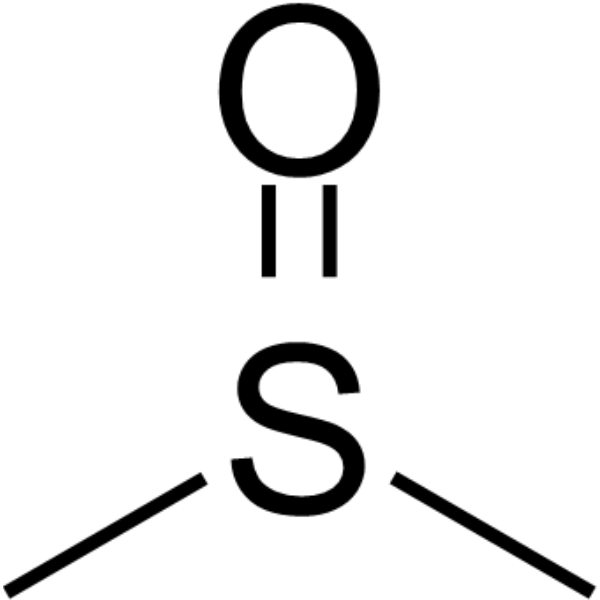
Cat. No.: HY-Y0320
CAS No.: 67-68-5
Synonyms: DMSO, meets analytical specification of Ch.P.
Dimethyl sulfoxide (DMSO), meets analytical specification of Ch.P. is an aprotic solvent that dissolves polar and non-polar compounds, including water-insoluble therapeutic and toxic agents. Dimethyl sulfoxide (DMSO) has a strong affinity for water and can rapidly penetrate or enhance the penetration of other substances into biological membranes. Dimethyl sulfoxide also has potential free radical scavenging and anticholinesterase effects and may affect coagulation activity. Dimethyl sulfoxide also induces histamine release from mast cells but is thought to have low systemic toxicity. Dimethyl sulfoxide also exhibits antifreeze and antibacterial properties .
MCE provides Dimethyl sulfoxide that complies with the inspection standards (Ch.P) of Part 4 of the Chinese Pharmacopoeia (2020 Edition). Amicrobic, low endotoxin, can be used in various biochemical experiments such as drug dissolution.
loading...
    loading...
61
61 Cited Publications
Cat. No.: HY-Y0320C
CAS No.: 67-68-5
Synonyms: DMSO
Dimethyl sulfoxide (DMSO) is an aprotic solvent that can dissolve water-insoluble therapeutic and toxic agents. Dimethyl sulfoxide (DMSO) has a strong affinity for water and has the ability to rapidly penetrate or enhance the penetration of other substances through biological membranes. Dimethyl sulfoxide also has potential free radical scavenging and anticholinesterase effects and may affect coagulation activity. Dimethyl sulfoxide also induces histamine release from mast cells but is thought to have low systemic toxicity .
Low endotoxin, can be used in various biochemical experiments such as drug dissolution.
loading...
    loading...
51
51 Cited Publications
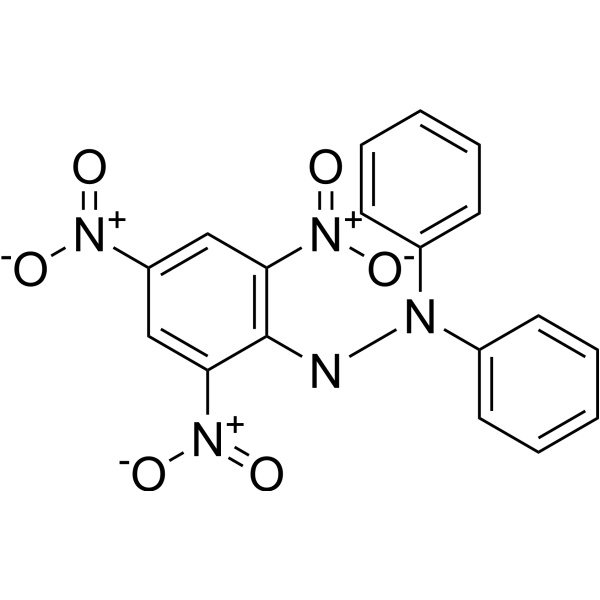
Cat. No.: HY-112053
CAS No.: 1898-66-4
Purity:  98.77%
Synonyms: 2,2-Diphenyl-1-picrylhydrazyl
DPPH (2,2-Diphenyl-1-picrylhydrazyl) is a stable free radical that can be used to measure the radical scavenging activity of antioxidants. The odd electron of nitrogen atom in DPPH is reduced by receiving a hydrogen atom from antioxidants to the corresponding hydrazine. DPPH method may be utilized in aqueous and nonpolar organic solvents and can be used to examine both hydrophilic and lipophilic antioxidants .
loading...
    loading...
5
5 Cited Publications
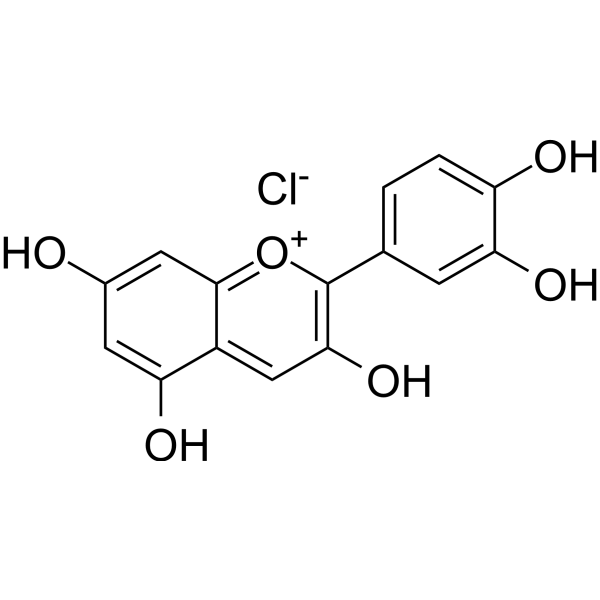
Cat. No.: HY-N0499
CAS No.: 528-58-5
Synonyms: IdB 1027
Cyanidin Chloride (IdB 1027) is an orally active antioxidant and enzyme inhibitor. Cyanidin Chloride has IC50 values of 90 μM and 60 μM against PGHS-1 and PGHS-2, respectively. Cyanidin Chloride exhibits excellent antioxidant and anti-inflammatory activities, scavenges free radicals, inhibits lipid peroxidation, and protects DNA from cleavage. Cyanidin Chloride can be used in the research of inflammatory diseases .
loading...
    loading...
4
4 Cited Publications
Cat. No.: HY-N7075
CAS No.: 9005-80-5
Inulin is an orally active prebiotic targeting the intestinal microbiota, selectively promoting the proliferation and activity of beneficial bacteria such as bifidobacteria and lactic acid bacteria, and playing a role in regulating the intestinal microecology. The functions of Inulin include: Fermentation by probiotics in the colon to produce short-chain fatty acids (such as butyrate and propionate), lowering the intestinal pH and inhibiting the overgrowth of harmful bacteria; Enhancing the intestinal barrier function and reducing endotoxin translocation; Directly scavenging free radicals (such as superoxide free radicals, hydroxyl free radicals) and activating antioxidant enzymes (SOD, CAT) to reduce oxidative stress. Inulin can also be used in the study of intestinal diseases (constipation, IBD), metabolic syndrome (diabetes, obesity) and liver damage by regulating glucose and lipid metabolism (such as reducing triglycerides, improving insulin sensitivity) and immune response (enhancing NK cell activity, inhibiting inflammatory factors)[1][2][3][4].
loading...
    loading...
3
3 Cited Publications
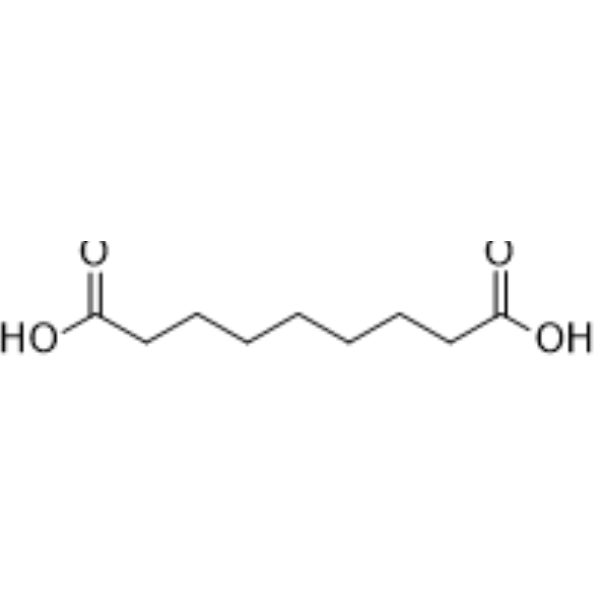
Cat. No.: HY-B0704
CAS No.: 123-99-9
Synonyms: Nonanedioic acid
Azelaic acid is a nine-carbon dicarboxylic acid. Azelaic acid has antimicrobial activity against Propionibacterium acnes and Staphylococcus epidermidis through inhibition of microbial cellular prorein synthesis. Azelaic acid has hypopigmentation action resulting from its ability to scavenge free radicals .
loading...
    loading...
3
3 Cited Publications
Cat. No.: HY-128463
CAS No.: 3376-24-7
Purity:  99.94%
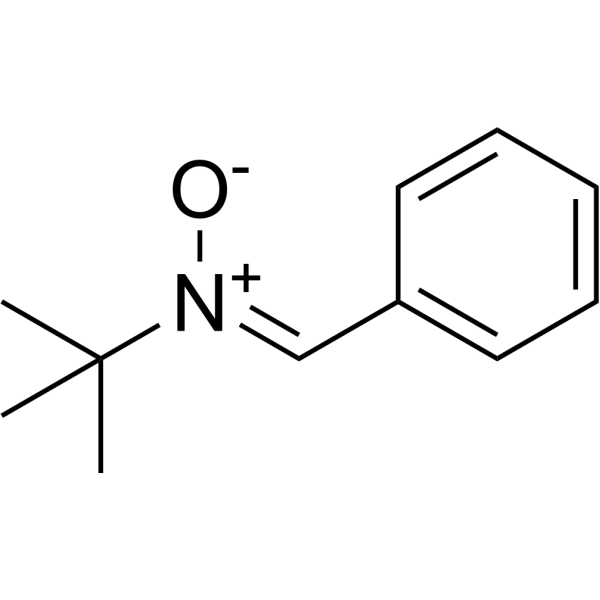
N-tert-Butyl-α-phenylnitrone is a nitrone-based free radical scavenger that forms nitroxide spin adducts. N-tert-Butyl-α-phenylnitrone inhibits COX2 catalytic activity. N-tert-Butyl-α-phenylnitrone has potent ROS scavenging, anti-inflammatory, neuroprotective, anti-aging and anti-diabetic activities, and can penetrate the blood-brain barrier .
loading...
    loading...
2
2 Cited Publications
Cat. No.: HY-N1417
CAS No.: 533-31-3
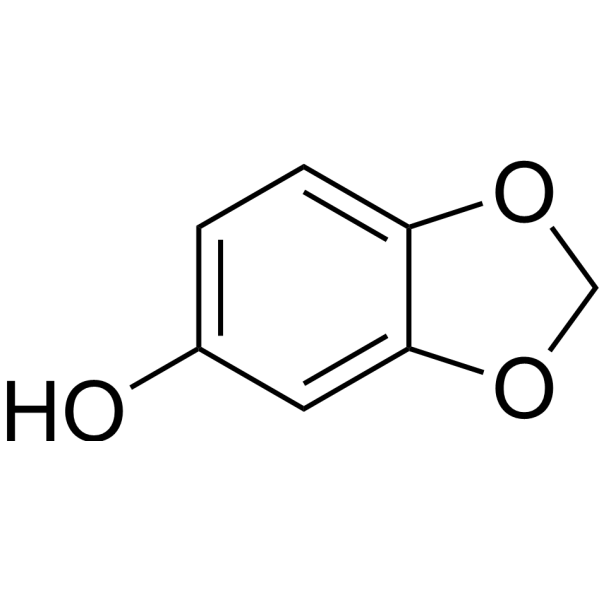
Sesamol is a constituent of sesame oil. Sesamol shows a free radical scavenging activity. Sesamol shows an IC50=5.95±0.56 μg/mL in the DPPH assay. Anti-oxidant activities . Anticancer activities .
loading...
    loading...
2
2 Cited Publications
Cat. No.: HY-N2443
CAS No.: 22153-44-2
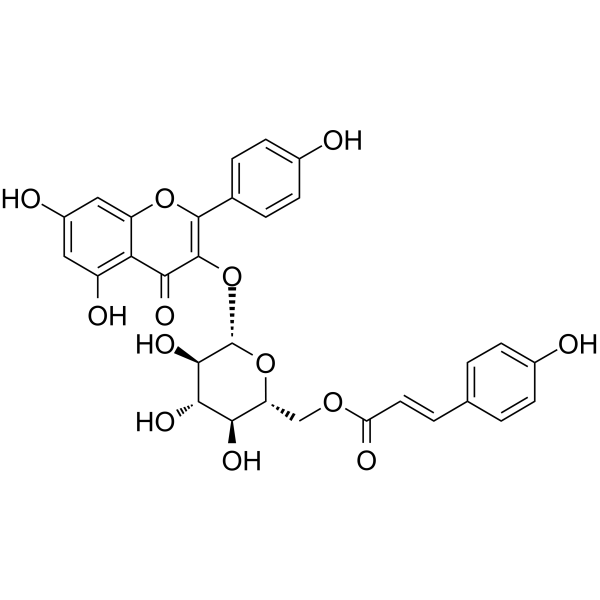
Tribuloside is a flavonoid and PDE4 inhibitor (IC50: 6 μM). Tribuloside exhibits antibacterial and antioxidant activities, capable of scavenging DPPH free radicals. Tribuloside also promotes melanogenesis. Tribuloside can be used in the research of hypopigmentary diseases, sun protection, and inflammatory diseases such as acute lung injury .
loading...
    loading...
2
2 Cited Publications
Cat. No.: HY-100768
CAS No.: 148081-72-5
Purity:  99.89%
Synonyms: 1-O-hexyl-2,3,5-trimethylhydroquinone; HX-1171; BTT-105
Research Areas:  

Cancer

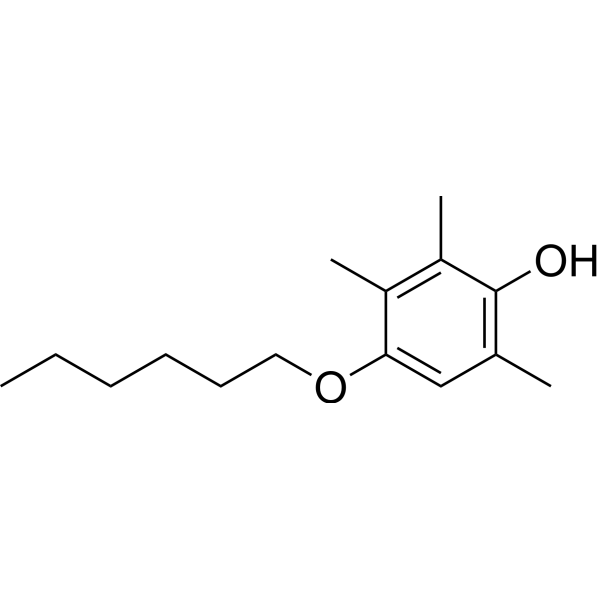
HTHQ (1-O-hexyl-2,3,5-trimethylhydroquinone) is a potent lipophilic phenolic antioxidant. HTHQ has considerable anti-oxidative activity by directly reacting with reactive oxygen species (ROS) and scavenging ROS to form more stable free radicals .
loading...
    loading...
2
2 Cited Publications
Cat. No.: HY-N2473
CAS No.: 94367-42-7
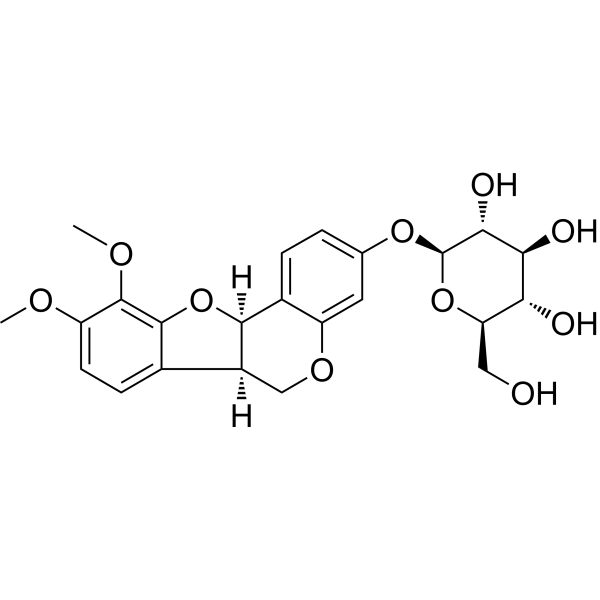
Methylnissolin-3-O-glucoside is a flavonoid glycoside derivative of Methylnissolin (HY-N2484). Methylnissolin-3-O-glucoside is isolated from plants of the genus Astragalus (Leguminosae). Methylnissolin-3-O-glucoside effectively induces the expression of AKT/Nrf2 and its downstream target genes HO-1 and NQO1. Methylnissolin-3-O-glucoside inhibits TNF-α-induced phosphorylation of MEK and ERK . Methylnissolin-3-O-glucoside exhibits free radical scavenging activity. Methylnissolin-3-O-glucoside inhibits cell proliferation and cell migration. Methylnissolin-3-O-glucoside is used in research on esophageal squamous cell carcinoma .
loading...
    loading...
2
2 Cited Publications
Cat. No.: HY-N0493
CAS No.: 520-12-7
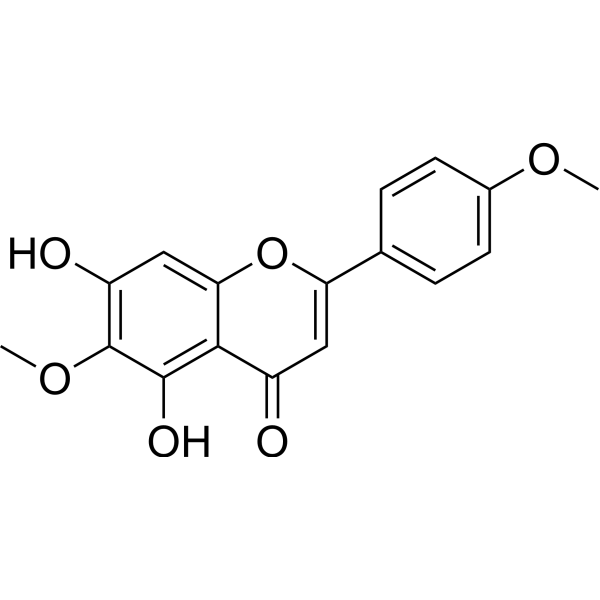
Pectolinarigenin is an orally active dual inhibitor of COX-2/5-LOX with anti-inflammatory, antioxidant, antitumor and neuroprotective activities. Pectolinarigenin exerts neuroprotective and anti-inflammatory effects on astrocyte inflammation via the NFκB and MAPK pathways. Pectolinarigenin inhibits LPS-induced phosphorylation of ERK1/2, N-FκB and p38MAPK, directly inhibits the enzymatic activity or binding of COX-2, 5-LOX and HIF-1α, and reduces the level of XIAP. Pectolinarigenin modifies Keap1 to promote nuclear accumulation of Nrf2, induces ARE-mediated antioxidant enzyme expression, and possesses direct free radical scavenging activity. Pectolinarigenin reduces the release of NO, proinflammatory mediators and leukotrienes, and increases the level of IL-10. Pectolinarigenin induces G2/M cell cycle arrest, apoptosis (Apoptosis) and autophagy (Autophagy) via the PI3K/AKT/mTOR signaling pathway. Pectolinarigenin reduces renal crystal deposition and inhibits melanin synthesis. Pectolinarigenin inhibits inflammation and alleviates allergy in mouse models of inflammation. Pectolinarigenin alleviates renal injury, inflammation and oxidative stress in mice by inhibiting HIF-1α activity. Pectolinarigenin can be used for the research of neurodegenerative diseases, inflammatory/allergic diseases, calcium oxalate nephrocalcinosis, gastric cancer, melasma, post-inflammatory diseases and chloasma .
loading...
    loading...
1
1 Cited Publications
Cat. No.: HY-P1934A
CAS No.: 3705-26-8
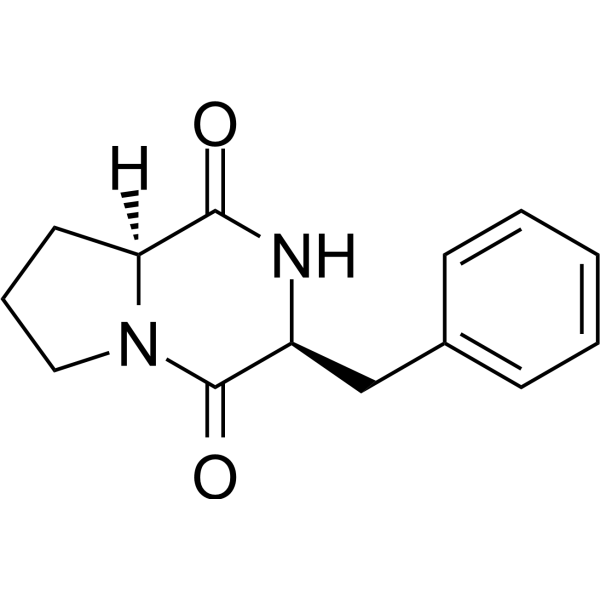
Cyclo(L-Phe-L-Pro), isolated from Pseudomonas fluorescens and Pseudomonas alcaligenes cell-free culture supernatants is an antifungal cyclic dipeptide . Cyclo(L-Phe-L-Pro) inhibits IFN-β production by interfering with retinoic-acid-inducible gene-I (RIG-I) activation . Cyclo(L-Phe-L-Pro) exhibits free-radical scavenging activity with the IC50 of 24 µM in the DPPH assay .
loading...
    loading...
1
1 Cited Publications
Cat. No.: HY-139827
CAS No.: 68341-09-3
Purity:  99.83%
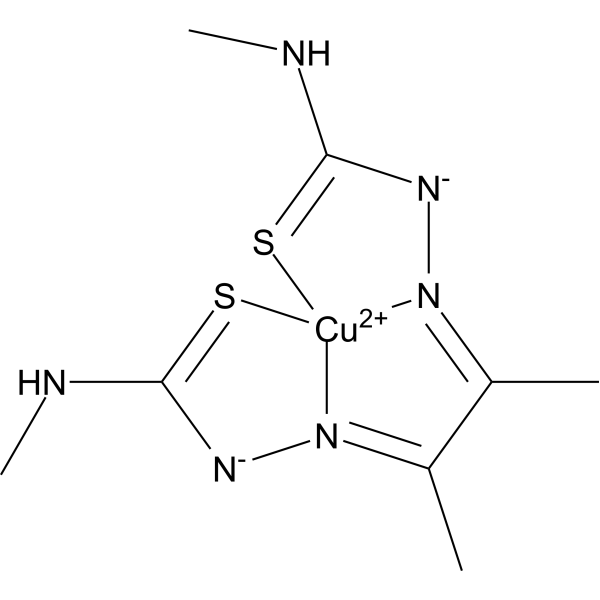
CuATSM is a copper complex that scavenges free radicals, inhibits lipid peroxidation and ferroptosis. CuATSM exhibits antioxidant, anti-inflammatory and neuroprotective activities .
loading...
    loading...
1
1 Cited Publications
Cat. No.: HY-N3220
CAS No.: 15648-86-9
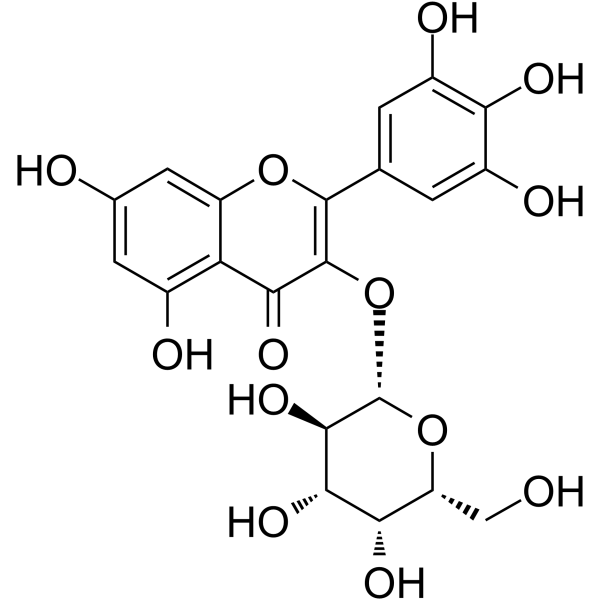
Myricetin 3-O-galactoside inhibits xanthine oxidase (XO) activity, lipid peroxidation and scavenges the free radical. Myricetin 3-O-galactoside inhibits lipid peroxidation with an IC50 of 160 μg/mL. Antioxidant activity .
loading...
    loading...
1
1 Cited Publications
Cat. No.: HY-N0513
CAS No.: 22255-40-9
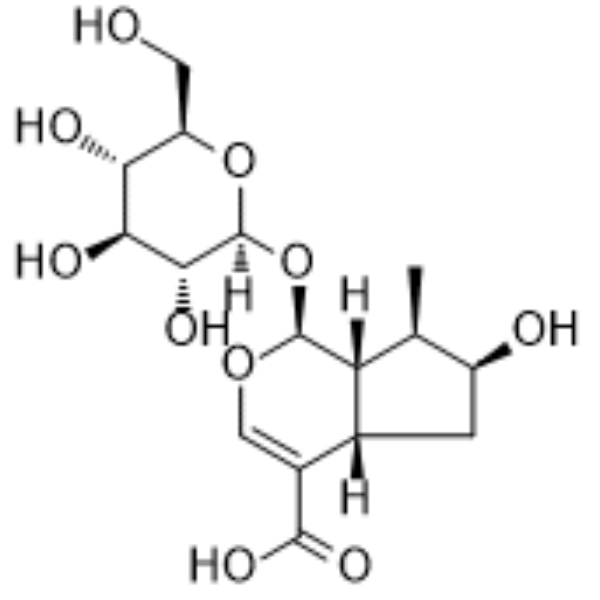
Loganic acid is an iridoid isolated from cornelian cherry fruits. Loganic acid inhibits NF-κB signaling pathway, activates Nrf2 signaling pathway, exhibits anti-inflammatory activity. Loganic acid can modulate diet-induced atherosclerosis and redox status. Loganic acid has strong free radical scavenging activity and remarkable cyto-protective effect against heavy metal mediated toxicity. Loganic acid is orally active .
loading...
    loading...
1
1 Cited Publications
Cat. No.: HY-113474
CAS No.: 775-01-9
Purity:  98.56%
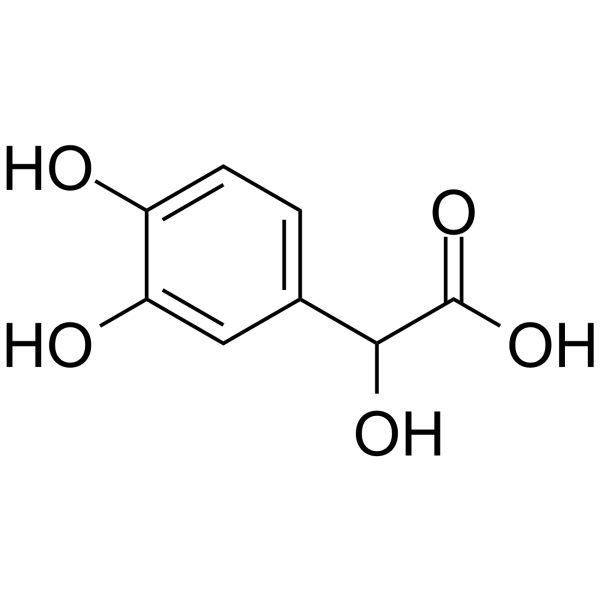
3,4‑Dihydroxymandelic acid is a metabolite of Norepinephrine (HY-13715) with free radical scavenging and antioxidant activities. 3,4-Dihydroxymandelic acid acts as a chemoattractant for enterohaemorrhagic Escherichia coli (EHEC), regulates virulence gene expression and bacterial adhesion to intestinal epithelial cells in a QseC-dependent manner, and targets EHEC to preferred infection sites. 3,4‑Dihydroxymandelic acid can be used in studies related to oxidative stress and enterohaemorrhagic Escherichia coli infection .
loading...
    loading...
1
1 Cited Publications
Cat. No.: HY-N6958
CAS No.: 562043-82-7
Synonyms: AA-2βG
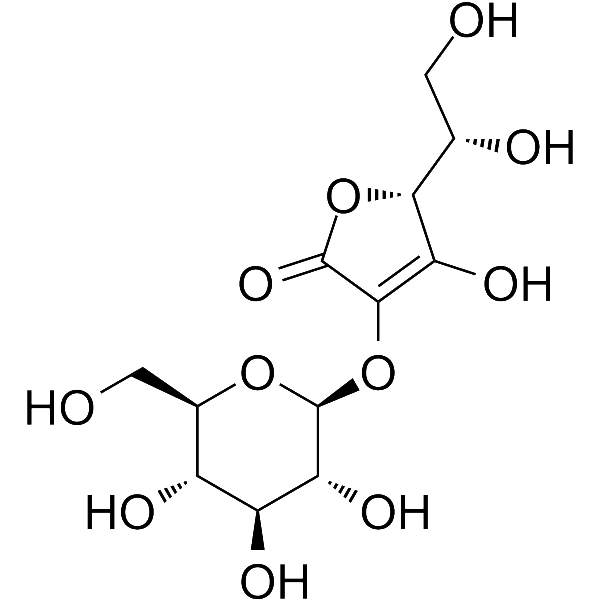
2-O-β-D-Glucopyranosyl-L-ascorbic acid (AA-2βG) is an orally active vitamin C derivative. 2-O-β-D-Glucopyranosyl-L-ascorbic acid exhibits multiple activities including antioxidant, anti-tumor and immunomodulatory effects. 2-O-β-D-Glucopyranosyl-L-ascorbic acid mediates tumor cell apoptosis, induces cell cycle arrest, scavenges free radicals and eliminates oxidative stress. 2-O-β-D-Glucopyranosyl-L-ascorbic acid can be used in studies related to cancer, inflammation and immunity .
loading...
    loading...
1
1 Cited Publications
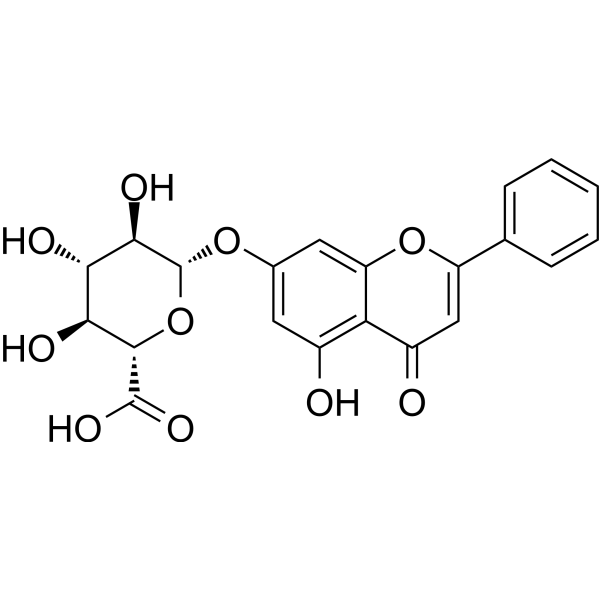
Cat. No.: HY-N2376
CAS No.: 35775-49-6
Chrysin-7-O-glucuronide is a flavonoid found in Scutellaria baicalensis. Chrysin-7-O-glucuronide inhibits α-glucosidase and α-amylase with IC50 values of 612.13 and 980.73 μg/mL. Chrysin-7-O-glucuronide suppresses NF-κB signaling activity. Chrysin-7-O-glucuronide scavenges free radicals, acts as a tight junction protector, and mitigates intestinal mucosal barrier injury. Chrysin-7-O-glucuronide can be used for the research of type 2 diabetes and severe acute pancreatitis-induced intestinal mucosal barrier injury .
loading...
    loading...
1
1 Cited Publications
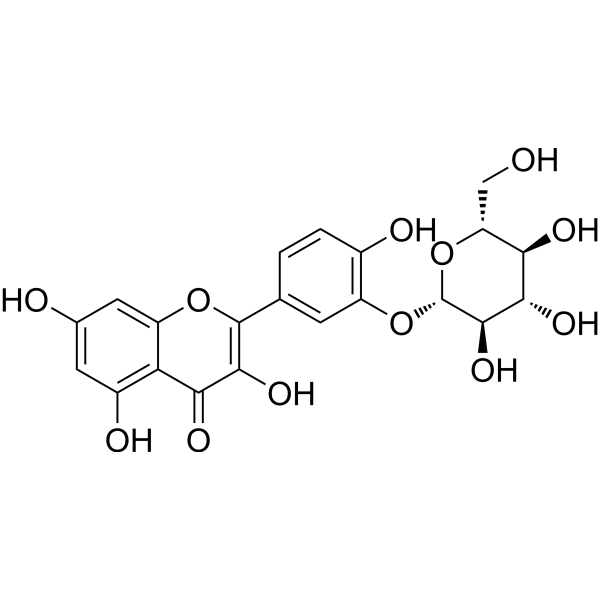
Cat. No.: HY-N12445
CAS No.: 19254-30-9
Quercetin-3'-O-glucoside is an orally active flavonoid glycoside. Quercetin-3'-O-glucoside reduces liver glucose-6-phosphatase activity, alters serum insulin and glucose levels, and regulates the activities of antioxidant enzymes in the liver and kidney. Quercetin-3'-O-glucoside inhibits DNA topoisomerase II, induces S-phase cell cycle arrest and caspase-3-mediated apoptosis in hepatocellular carcinoma cells. Quercetin-3'-O-glucoside selectively inhibits EGFR-mediated signaling pathways targeting AKT, ERK1/2, FAK and MEK1/2. Quercetin-3'-O-glucoside inhibits growth factor-induced migration and invasion in pancreatic cancer cells. Quercetin-3'-O-glucoside exerts free radical scavenging effects. Quercetin-3'-O-glucoside is applicable to research related to pancreatic cancer, diabetes, hepatocellular carcinoma and malignant tumors .
loading...
    loading...

