1. Search Result
Search Result
Results for "

gastric ulcer research

" in MedChemExpress (MCE) Product Catalog:

94

Inhibitors & Agonists

4

Biochemical Assay Reagents

1

Peptides

11

Natural
Products

4

Isotope-Labeled Compounds

Cat. No. 상품명 Target 연구분야 Chemical Structure
  • HY-14289
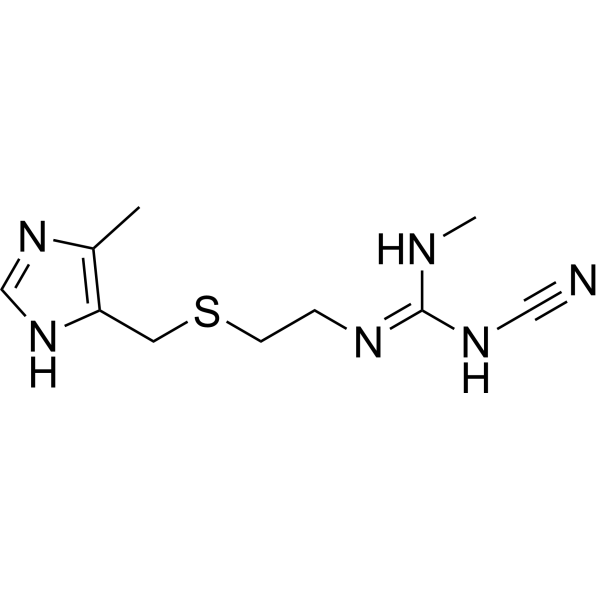
    Cimetidine
    Maximum Cited Publications
    6 Publications Verification

    SKF-92334

    Histamine Receptor Bacterial Cardiovascular Disease Infection Neurological Disease Metabolic Disease Cancer
    Cimetidine (SKF-92334) is an orally active, inverse and BBB-permeable histamine H2 receptor antagonist with a Ki of 0.6 μM. Cimetidine is a gastric acid reducer, and can be used for duodenal and gastric ulcers research. Cimetidine has anti-cancer and anti-inflammatory activity .
    Cimetidine
  • HY-15295
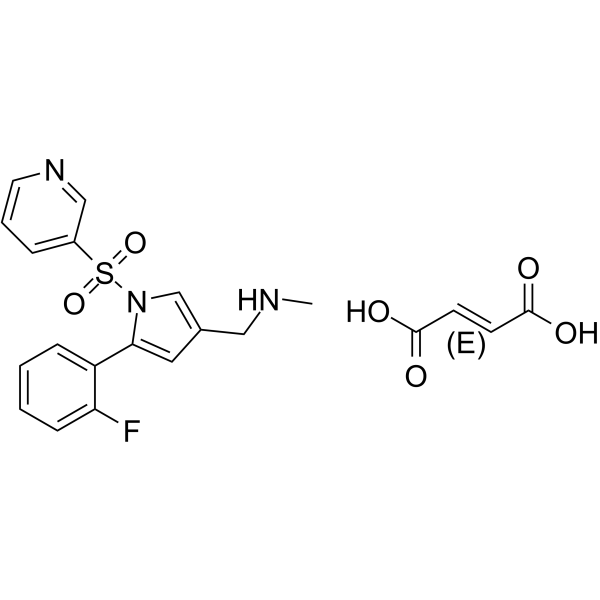
    Vonoprazan Fumarate
    Maximum Cited Publications
    6 Publications Verification

    TAK-438

    Proton Pump Metabolic Disease Cancer
    Vonoprazan Fumarate (TAK-438), a proton pump inhibitor (PPI), is a potent and orally active potassium-competitive acid blocker (P-CAB), with antisecretory activity. Vonoprazan Fumarate inhibits H +,K +-ATPase activity in porcine gastric microsomes with an IC50 of 19 nM at pH 6.5. Vonoprazan Fumarate is developed for the research of acid-related diseases, such as gastroesophageal reflux disease and peptic ulcer disease .
    Vonoprazan Fumarate
  • HY-126389

    Environmental Pollutants Endogenous Metabolite Fungal NF-κB Biochemical Assay Reagents Infection Inflammation/Immunology
    Chitin, from crab carapace (powder),biomedical research grade is a long-chain polymer of N-acetylglucosamine with β-(1-4) linkages. Chitin, from crab carapace (powder),biomedical research grade is found in the exoskeleton of crabs. Chitin, from crab carapace (powder),biomedical research grade inhibits the activation of NF-κB p65, alters the translocation of NF-κB p65 to the nucleus, and interacts with the cell wall of Candida species. Chitin, from crab carapace (powder),biomedical research grade exerts antifungal and anti-inflammatory effects. Chitin, from crab carapace (powder),biomedical research grade can be used in the research of gastric ulcer and candidiasis .
    Chitin, from crab carapace (powder),biomedical research grade
  • HY-100007
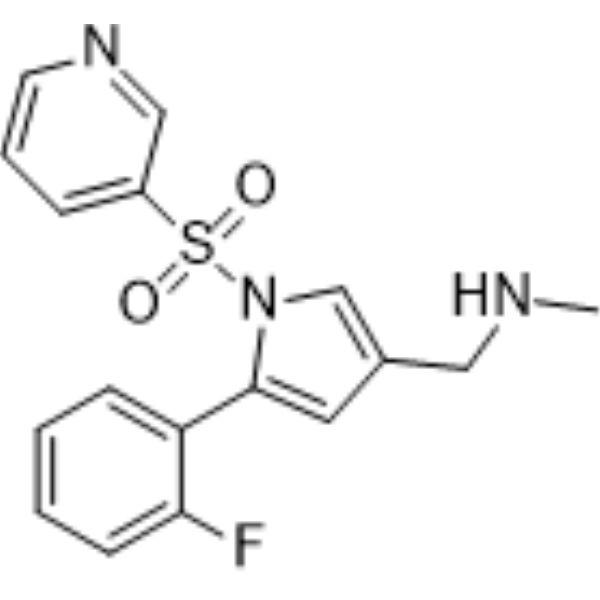
    Vonoprazan
    Maximum Cited Publications
    6 Publications Verification

    TAK-438 free base

    Proton Pump Bacterial Endocrinology Cancer
    Vonoprazan (TAK-438 free base), a proton pump inhibitor (PPI), is a potent and orally active potassium-competitive acid blocker (P-CAB), with antisecretory activity. Vonoprazan inhibits H +,K +-ATPase activity in porcine gastric microsomes with an IC50 of 19 nM at pH 6.5. Vonoprazan is developed for the research of acid-related diseases, such as gastroesophageal reflux disease and peptic ulcer disease. Vonoprazan can be used for eradication of Helicobacter pylori .
    Vonoprazan
  • HY-N0340
    Scopolamine butylbromide
    1 Publications Verification

    Hyoscine butylbromide; (-)-Scopolamine butylbromide; Butylscopolamine bromide

    mAChR Neurological Disease Inflammation/Immunology
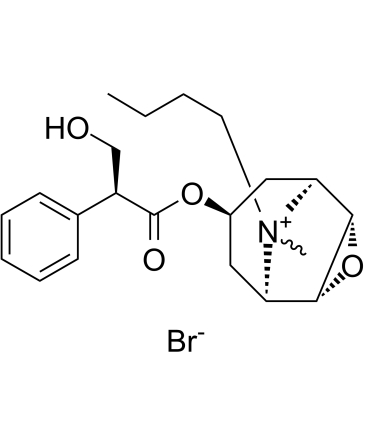
    Scopolamine butylbromide (Hyoscine butylbromide) is an orally active anticholinergic agent and spasmolytic. Scopolamine butylbromide binds with high affinity to rat cardiac M2 (Ki 83 nmol/L), hM2 (Ki 233 nmol/L), rat intestinal M3 (Ki 290 nmol/L) and hM3 (Ki 643 nmol/L) muscarinic receptors. Scopolamine butylbromide exerts a dose-dependent antagonistic effect on Carbachol-induced gastrointestinal smooth muscle spasm. Scopolamine butylbromide can be used for the research of abdominal colic and pain associated with gastrointestinal spasm, functional abdominal pain, chronic gastropathy and gastric ulcer .
    Scopolamine butylbromide
  • HY-17037
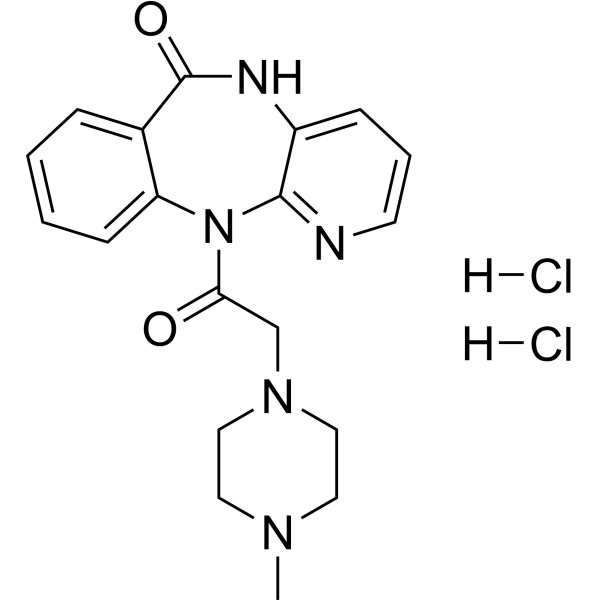
    Pirenzepine dihydrochloride
    5 Publications Verification

    LS 519; Pirenzepin dihydrochloride; Gastrozepin dihydrochloride

    mAChR Metabolic Disease Cancer
    Pirenzepine (LS 519) dihydrochloride is a selective M1 mAChR (muscarinic acetylcholine receptor) antagonist, with poor penetration of the blood-brain barrier. Pirenzepine dihydrochloride reduces gastric acid secretion and reduces muscle spasm, can be used in peptic ulcers research. Pirenzepine dihydrochloride shows anti-proliferative activity to cancer cells .
    Pirenzepine dihydrochloride
  • HY-105174A

    JAK FAK Neurological Disease Metabolic Disease
    BPC 157 acetate is an orally active peptide. BPC 157 acetate exhibits multiple activities such as promoting wound healing, tendon healing, neuroprotection, and gastrointestinal protection. BPC 157 acetate can be used in the research of tendon injury, burn, gastric ulcer, and neurological diseases .
    BPC 157 acetate
  • HY-17037A
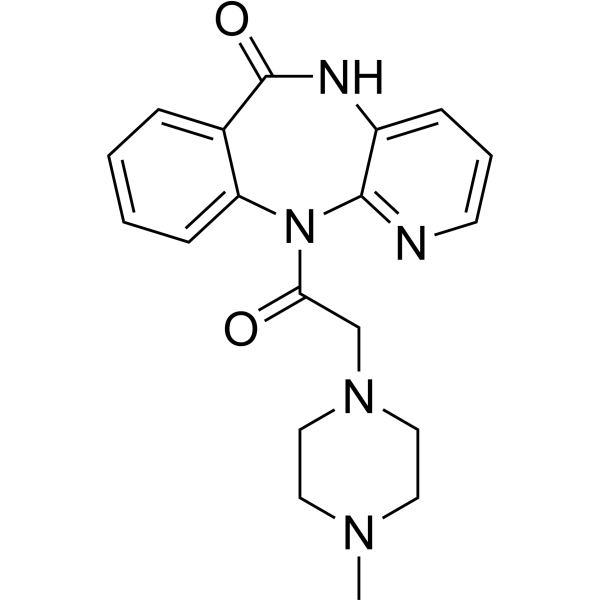
    Pirenzepine
    5 Publications Verification

    LS 519 free base; Pirenzepin; Gastrozepin

    mAChR Metabolic Disease Cancer
    Pirenzepine (LS 519 free base) is a selective M1 mAChR (muscarinic acetylcholine receptor) antagonist, with poor penetration of the blood-brain barrier. Pirenzepine reduces gastric acid secretion and reduces muscle spasm, can be used in peptic ulcers research. Pirenzepine shows anti-proliferative activity to cancer cells .
    Pirenzepine
  • HY-B0327
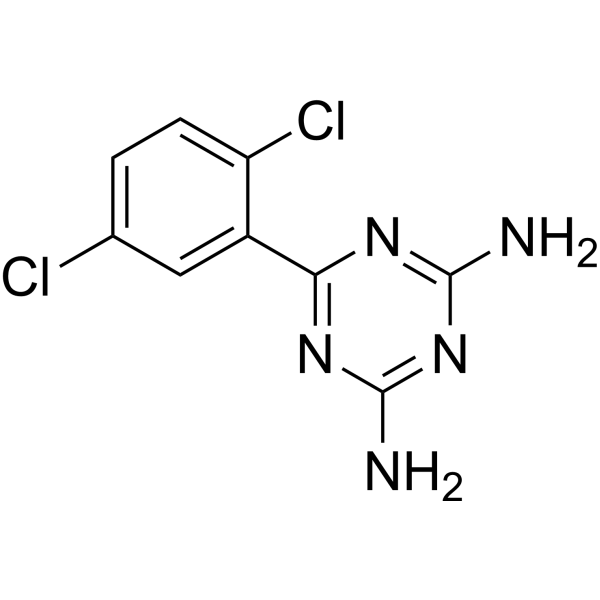
    Irsogladine
    3 Publications Verification

    Dicloguamine

    Phosphodiesterase (PDE) NF-κB AP-1 TRP Channel Interleukin Related Inflammation/Immunology Cancer
    Irsogladine (Dicloguamine) is an orally active gastric mucosal protective agent. Irsogladine inhibits breast cancer recurrence and lung metastasis in nude mice . Irsogladine inhibits the transcriptional activities of NF-κB and AP-1, suppresses the activities of PDE and PDE4 to elevate intracellular cAMP levels, and activates TRPV1 and KATP channels. Irsogladine enhances iNOS expression, NO production, and the activation of cAMP-responsive elements. Irsogladine inhibits the development and progression of intestinal polyps in Apc-mutant mice. Irsogladine alleviates oxidative stress, increases gastric mucosal blood flow, and stimulates the production of endogenous prostaglandins. Irsogladine promotes insulin secretion in MIN6 cells. Irsogladine inhibits tumor angiogenesis, cancer cell proliferation, and the production of proinflammatory cytokines. Irsogladine exerts protective effects on astrocytes in ethanol/hydrochloric acid-induced gastric ulcers in mice. Irsogladine prevents colitis in IL-10 gene-deficient mice by reducing the production of IL-12 and IL-23. Irsogladine upregulates gap junction intercellular communication in pancreatic cancer cells via the PKA pathway. Irsogladine is applicable to research related to breast cancer, intestinal polyposis, gastric ulcer, spontaneous colitis, glioma, liver cancer, and pancreatic cancer [5][6] .
    Irsogladine
  • HY-126389B

    Endogenous Metabolite NF-κB Fungal Infection Inflammation/Immunology
    Chitin, from shrimp shells (chitinase substrate) serves as a substrate for chitinase. Chitin, from shrimp shells (chitinase substrate) is a long-chain polymer of N-acetylglucosamine with β-(1-4) linkages. Chitin, from shrimp shells (chitinase substrate) is found in the exoskeleton of crabs. Chitin, from shrimp shells (chitinase substrate) inhibits the activation of NF-κB p65, alters the translocation of NF-κB p65 to the nucleus, and interacts with the cell wall of Candida species. Chitin, from shrimp shells (chitinase substrate) exerts antifungal and anti-inflammatory effects. Chitin, from shrimp shells (chitinase substrate) can be used in the research of gastric ulcer and candidiasis .
    Chitin, from shrimp shells (chitinase substrate)
  • HY-B0310
    Nizatidine
    2 Publications Verification

    Histamine Receptor Cardiovascular Disease Inflammation/Immunology Endocrinology Cancer
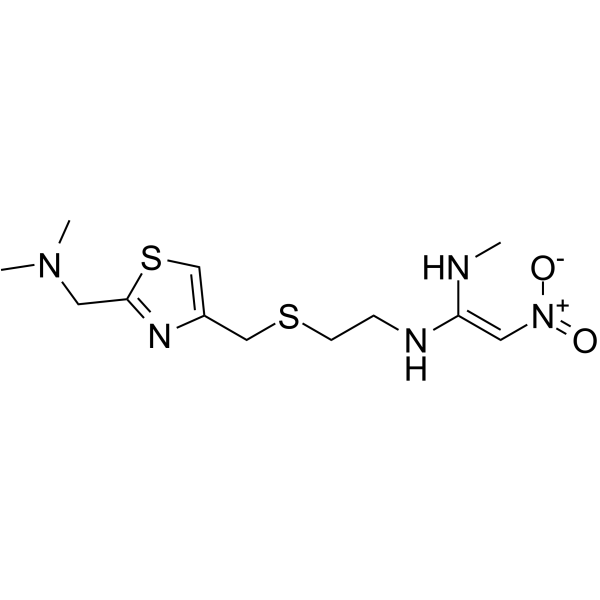
    Nizatidine is a potent and orally active histamine H2 receptor antagonist, can be used for the research of stomach and intestines ulcers. Nizatidine works by decreasing the secretion of gastric acid the stomach makes and prevent ulcers from coming back after they have healed in animal models .
    Nizatidine
  • HY-N7067
    Revaprazan hydrochloride
    2 Publications Verification

    Proton Pump Bacterial COX NF-κB ERK Akt Infection Inflammation/Immunology
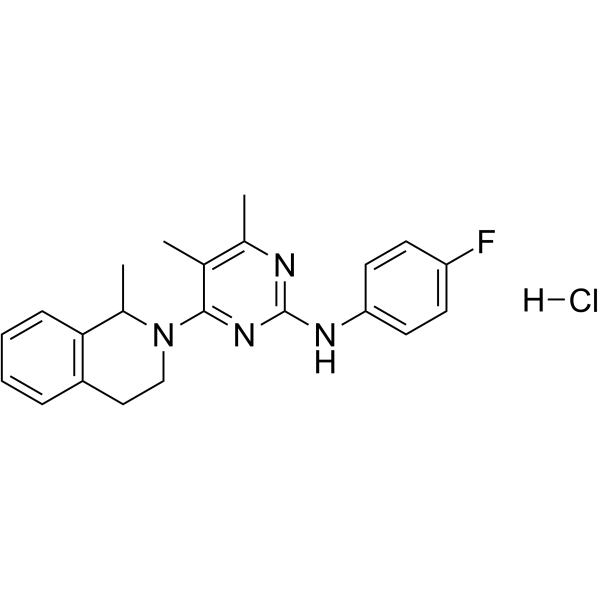
    Revaprazan hydrochloride is reversible proton pump inhibitor. Revaprazan hydrochloride can inhibit gastric acid secretion and protect gastric mucosa. Revaprazan hydrochloride can inhibit IkappaB-alpha degradation as well as Akt inactivation, resulting in attenuation of H. pylori-induced COX-2 expression. Revaprazan hydrochloride can be used for the researches of infection and inflammmation, such as H. pylori-infected gastric inflammation and gastric ulcer .
    Revaprazan hydrochloride
  • HY-W013331
    Deoxyartemisinin
    1 Publications Verification

    2-Deoxyartemisinin

    TNF Receptor Neurological Disease Inflammation/Immunology
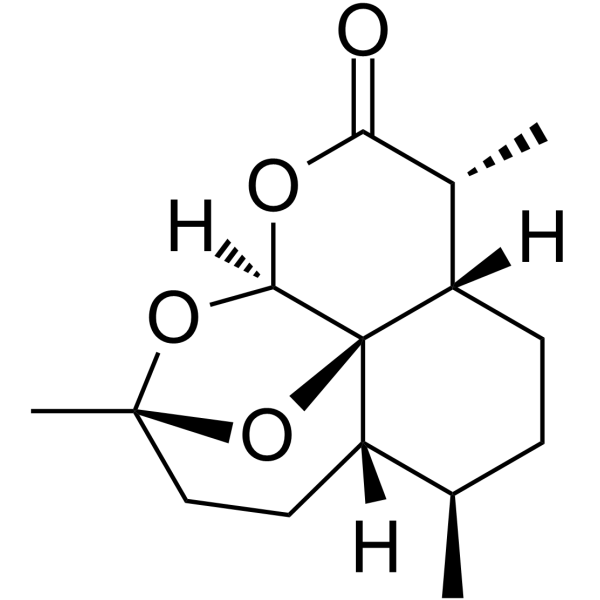
    Deoxyartemisinin (2-Deoxyartemisinin) is an orally active anti-inflammatory and analgesic agent. Deoxyartemisinin selectively reduces the level of the pro-inflammatory cytokine TNF-α. Deoxyartemisinin alleviates neuropathic pain, inflammatory pain, and croton oil-induced ear edema.\nDeoxyartemisinin exerts an analgesic effect against thermal stimulation. Deoxyartemisinin has anti-ulcer activity. Deoxyartemisinin can be used in research related to inflammatory diseases, pain, and gastric ulcers .
    Deoxyartemisinin
  • HY-N3031

    Bacterial Apoptosis Bcl-2 Family MDM-2/p53 Glutathione Peroxidase SOD TNF Receptor Interleukin Related Infection Inflammation/Immunology
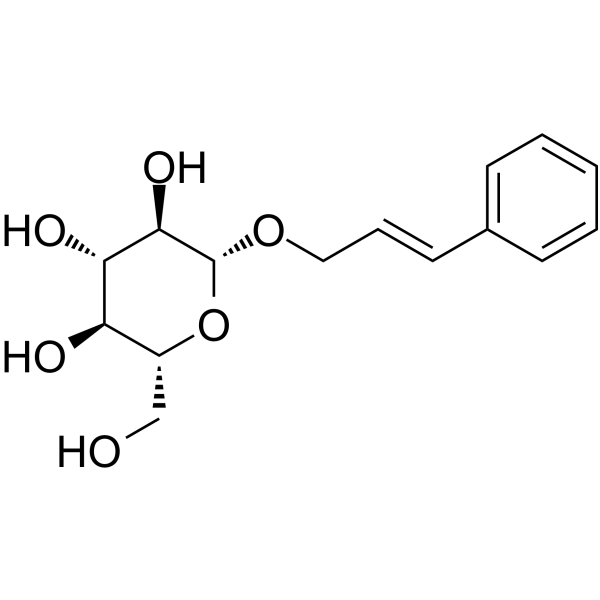
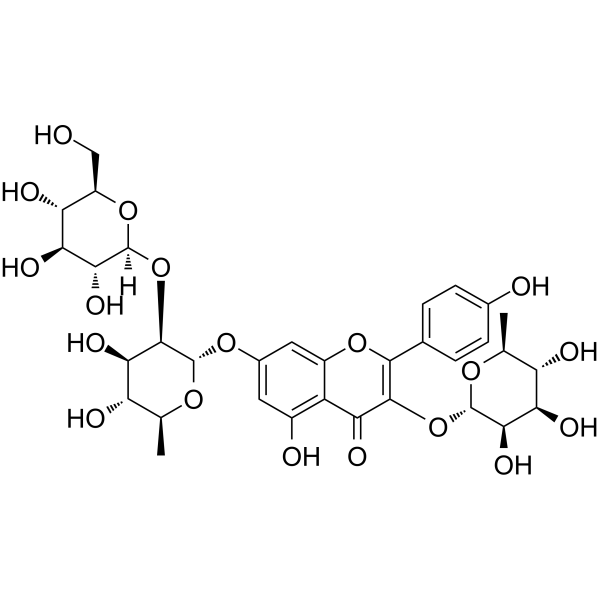
    Grosvenorine is an orally active flavonoid glycoside found in S. grosvenorii. Grosvenorine exhibits antibacterial, antioxidant and antiinflammation activities. Grosvenorine can induce apoptosis and increases anti-apoptotic Bcl-2 protein expression and reduces pro-apoptotic P53 protein expression in gastric tissues. Grosvenorine enhances mucin/glycoprotein secretion, regulates gastric pH, and reduces gastric lesion incidence.Grosvenorine increases glutathione peroxidase, catalase, and SOD levels, reduces lipid peroxidation (MDA), and lowers TNF-α and IL-6 levels. Grosvenorine can be used for the researches of bacterial infection and Gastric ulcer .
    Grosvenorine
  • HY-B1820
    Zinc sulphate
    1 Publications Verification

    Environmental Pollutants Biochemical Assay Reagents Glutathione Reductase (GR) Tyrosinase Metabolic Disease Inflammation/Immunology
    Zinc sulphate is an orally active inhibitor of tyrosinase and glutathione reductase. Zinc sulphate enhances the activity of dopachrome tautomerase. Zinc sulphate delays anagen-related eumelanin production, induces hair hypopigmentation in mice, and accelerates wound healing. Zinc sulphate can be used in research related to benign gastric ulcers. Zinc sulphate can be used in research related to rheumatoid arthritis .
    Zinc sulphate
  • HY-10797
    CJ-42794
    4 Publications Verification

    CJ-042794

    Prostaglandin Receptor Inflammation/Immunology Endocrinology
    CJ-42794 (CJ-042794) is a potent, orally active, selective prostaglandin E receptor 4 (EP4) antagonist with an IC50 value of 10 nM, which is 200-fold more selective than EP1, EP2 and EP3. CJ-42794 can be used in research of gastric ulcers .
    CJ-42794
  • HY-N7515

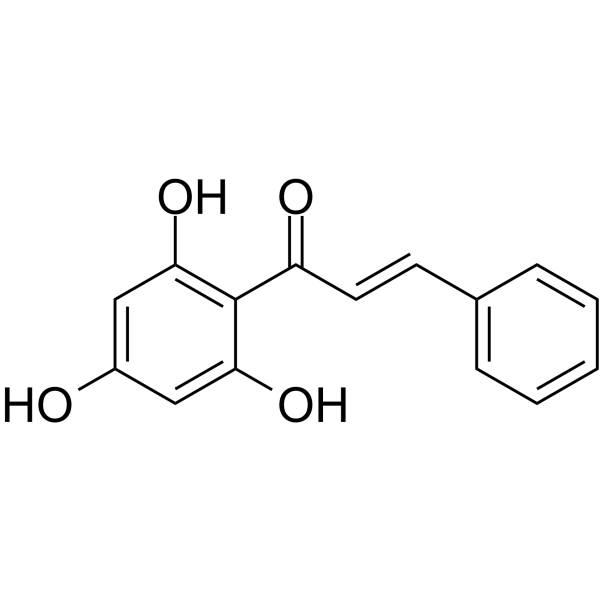
    2',4',6'-Trihydroxychalcone

    Bacterial AMPK Infection Metabolic Disease Inflammation/Immunology
    Pinocembrin chalcone (2',4',6'-Trihydroxychalcone) is an antibacterial compound from Helichrysum Trilineatum. Pinocembrin chalcone facilitates AMP-activated protein kinase (AMPK) activation, improves glucose tolerance, increases muscle FAO and reduces fat accumulation in the liver and skeletal muscles in high-fat diet-induced (HFD) diabetic mice. Pinocembrin chalcone is promising for research of gastric ulcers and diabetes .
    Pinocembrin chalcone
  • HY-101664

    IY-81149

    Proton Pump TOPK Inflammation/Immunology Cancer
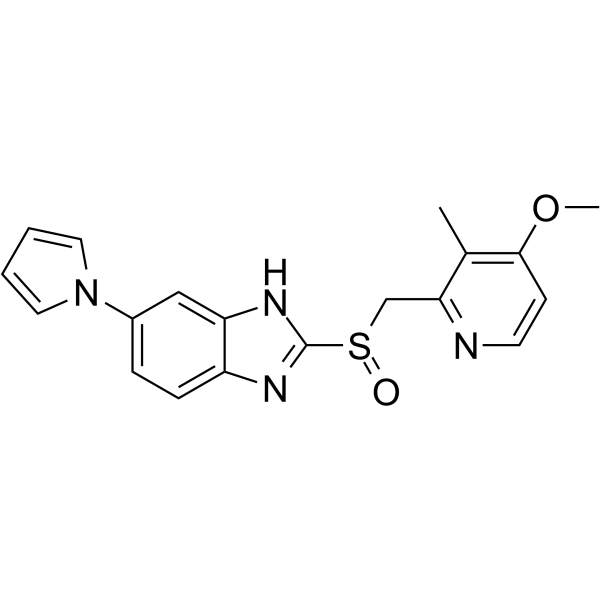
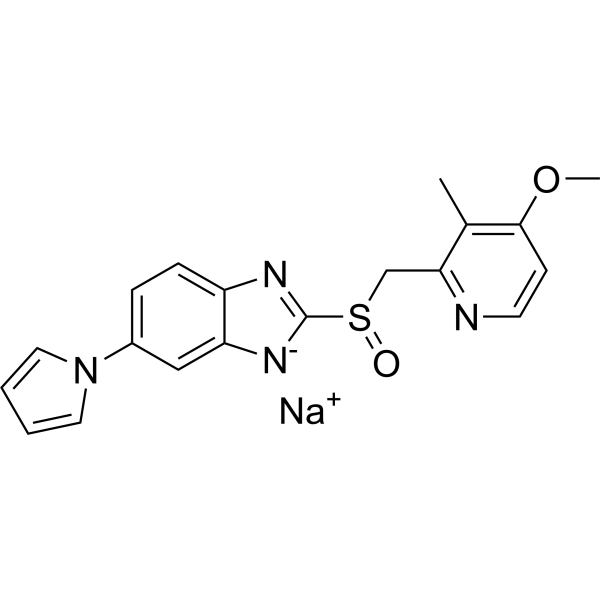
    Ilaprazole (IY-81149) is an orally active proton pump inhibitor. Ilaprazole irreversibly inhibits H +/K +-ATPase in a dose-dependent manner with an IC50 of pump inhibitory activity of 6 μM in rabbit parietal cell preparation. Ilaprazole is used for the research of gastric ulcers. Ilaprazole is also a potent TOPK (T-lymphokine-activated killer cell-originated protein kinase) inhibitor .
    Ilaprazole
  • HY-B2145

    IY-81149 sodium

    Proton Pump TOPK Inflammation/Immunology Cancer
    Ilaprazole (IY-81149) sodium is an orally active proton pump inhibitor. Ilaprazole sodium irreversibly inhibits H +/K +-ATPase in a dose-dependent manner with an IC50 of 6 μM in rabbit parietal cell preparation. Ilaprazole sodium is used for the research of gastric ulcers. Ilaprazole sodium is also a potent TOPK (T-lymphokine-activated killer cell-originated protein kinase) inhibitor .
    Ilaprazole sodium
  • HY-B0305A

    HOE 760

    Histamine Receptor Metabolic Disease Inflammation/Immunology Cancer
    Roxatidine Acetate Hydrochloride is a potent, selective, competitive and orally active histamine H2-receptor antagonist. Roxatidine Acetate Hydrochloride has antisecretory potency against gastric acid secretion. Roxatidine Acetate Hydrochloride can also suppress inflammatory responses and can be used for gastric and duodenal ulcers research. Roxatidine Acetate Hydrochloride has antitumor activity .
    Roxatidine Acetate Hydrochloride
  • HY-165131

    Delta-7-avenasterol

    Prostaglandin Receptor COX Inflammation/Immunology
    Δ7-Avenasterol (Delta-7-avenasterol) is a phytosterol that binds to prostaglandin E2 receptor (prostaglandin E2 receptor) and cyclooxygenase-2 (COX-2). Δ7-Avenasterol is applicable to research related to gastric ulcer, anti-inflammation and antioxidation .
    Δ7-Avenasterol
  • HY-N12717

    PAK FASTK HSP p38 MAPK NF-κB NO Synthase COX HSV Caspase TNF Receptor Fungal Apoptosis Infection Inflammation/Immunology Cancer
    Casuarinin is an orally active antiproliferative, anti-inflammatory, antifungal, virucidal and gastroprotective agent. Casuarinin upregulates the expression of p21/WAF1, Fas/APO‑1, mFasL, sFasL and HSP‑70, arrests cell cycle, induces apoptosis and inhibits cancer cell proliferation. Casuarinin inhibits TNF‑α-induced phosphorylation of MAPK and activation of NF‑κB, downregulates the expression of iNOS, NF‑κB, COX‑2 and ICAM‑1, and reduces the production of proinflammatory mediators. Casuarinin attenuates ethanol-induced activation of caspase‑3 and elevation of TNF‑α, inhibits the growth of Candida albicans, and inhibits HSV‑2. Casuarinin can be used in research related to mammary adenocarcinoma, inflammatory skin diseases, gastric ulcers, candidiasis and herpes simplex virus infections .
    Casuarinin
  • HY-B2191R

    Guaiazulenesulfonate sodium (Standard)

    Drug Derivative Reference Standards Inflammation/Immunology
    Sodium gualenate (Standard) is the analytical standard of Sodium gualenate. This product is intended for research and analytical applications. Sodium gualenate (Guaiazulenesulfonate sodium) is a hydrophilic derivative of guaiazulene with excellent anti-inflammatory and wound-healing effects mainly used for the treatment of duodenal ulcer, gastric ulcer and gastritis.
    Sodium gualenate (Standard)
  • HY-122762

    DV-1006

    Ser/Thr Protease Inflammation/Immunology
    Cetraxate hydrochloride (DV-1006), an orally active anti-ulcer agent with mucosal protective effects, can be used for gastric ulcers research . Cetraxate hydrochloride is a potent acrosomal proteinase acrosin inhibitor with a Ki and an IC50 of 0.94 μM and 3.3 μM, respectively .
    Cetraxate hydrochloride
  • HY-105656

    Hydrocortisone 21-phosphate sodium; Cortisol 21-phosphate sodium

    Phosphatase Infection
    Hydrocortisone phosphate sodium is a soft steroid with low anti-inflammatory properties and a short duration of action. Hydrocortisone phosphate sodium can be used for the research for several ocular conditions and gastric ulcers .
    Hydrocortisone phosphate sodium
  • HY-120314

    Apoptosis Caspase Endogenous Metabolite Inflammation/Immunology
    GEA 3162 is an orally active compound that acts as a NO/ONOO⁻ donor. GEA 3162 significantly inhibits the activation of human polymorphonuclear leukocytes (PMNs) through the cGMP pathway, inhibits the release of inflammatory mediators, and exerts anti-inflammatory and protective effects. GEA 3162 induces apoptosis of neutrophils and bone marrow cells by activating caspase-2/3/8/9 through the ONOO⁻ pathway. GEA 3162 has a bidirectional effect in the rat gastric ulcer model: at low doses, it significantly reduces gastric mucosal damage, while at high doses, it aggravates the ulcer area. GEA 3162 can be used for research on inflammatory conditions such as gastric ulcers .
    GEA 3162
  • HY-14289R

    SKF-92334 (Standard)

    Reference Standards Histamine Receptor Bacterial Endocrinology Cancer
    Cimetidine (Standard) is the analytical standard of Cimetidine. This product is intended for research and analytical applications. Cimetidine (SKF-92334) is an orally active and inverse histamine H2 receptor antagonist with a Ki of 0.6 μM. Cimetidine is a gastric acid reducer, and can be used for duodenal and gastric ulcers research. Cimetidine has anti-cancer and anti-inflammatory activity .
    Cimetidine (Standard)
  • HY-137941

    Histamine Receptor Caspase NF-κB p38 MAPK Inflammation/Immunology
    Roxatidine is an active metabolite of Roxatidine acetate hydrochloride, is an orally active histamine H2-receptor antagonist. Roxatidine, an anti-ulcer agent, suppresses histamine release (thus inhibiting proton secretion) and inhibits the production of VEGF-1, an important marker of inflammation and angiogenesis. Anti-allergic inflammatory effect. Roxatidine is promising for research of gastric and duodenal ulcers .
    Roxatidine
  • HY-100007A
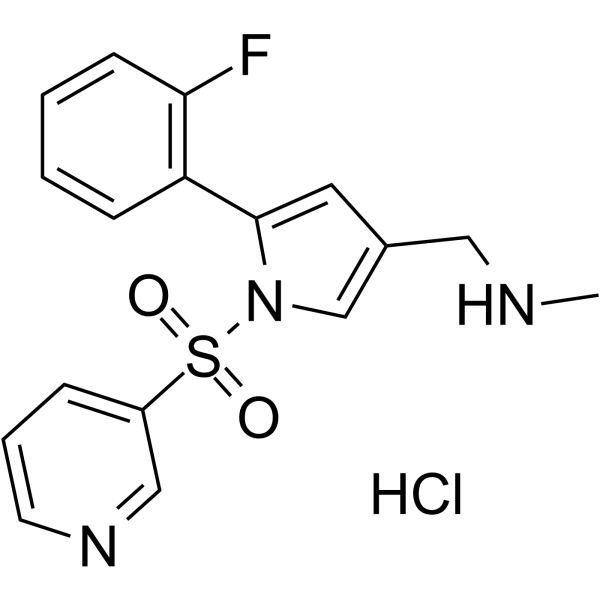
    Vonoprazan hydrochloride
    Maximum Cited Publications
    6 Publications Verification

    TAK-438 hydrochloride

    Proton Pump Bacterial Infection Endocrinology Cancer
    Vonoprazan hydrochloride, a proton pump inhibitor (PPI), is a potent and orally active potassium-competitive acid blocker (P-CAB), with antisecretory activity. Vonoprazan hydrochloride inhibits H +,K +-ATPase activity in porcine gastric microsomes with an IC50 of 19 nM at pH 6.5. Vonoprazan hydrochloride is developed for the research of acid-related diseases, such as gastroesophageal reflux disease and peptic ulcer disease. Vonoprazan hydrochloride can be used for eradication of Helicobacter pylori .
    Vonoprazan hydrochloride
  • HY-126389C

    Endogenous Metabolite NF-κB Fungal Infection Inflammation/Immunology
    Chitin, from crab carapace is a long-chain polymer of N-acetylglucosamine with β-(1-4) linkages. Chitin, from crab carapace is found in the exoskeleton of crabs. Chitin, from crab carapace inhibits the activation of NF-κB p65, alters the translocation of NF-κB p65 to the nucleus, and interacts with the cell wall of Candida species. Chitin, from crab carapace exerts antifungal and anti-inflammatory effects. Chitin, from crab carapace can be used in the research of gastric ulcer and candidiasis .
    Chitin, from crab carapace
  • HY-12761

    Cannabinoid Receptor Cardiovascular Disease Others Neurological Disease Metabolic Disease Inflammation/Immunology Cancer
    A-836339 is a selective CB2 receptor agonist, with Ki values of 0.4 nM and 0.8 nM in humans and rats, respectively. A-836339 exhibits multiple effects such as analgesia, gastric protection, anti-inflammation, and antioxidant activity. A-836339 produces antinociceptive and analgesic activities by activating CB2 receptors in the dorsal root ganglia and spinal cord. A-836339 can also exert gastric protective effects through anti-inflammatory mechanisms (reducing TNF-α and IL-1β) and antioxidant mechanisms (enhancing the activities of CAT and SOD, and reducing H2O2). Radioactively labeled A-836339 can serve as a CB2-specific radioligand for autoradiography and PET imaging. A-836339 can be used in research on inflammatory pain, neuropathic pain, gastric ulcers, cerebral ischemia, etc .
    A-836339
  • HY-121851

    SB 641257

    Proton Pump Bacterial COX NF-κB ERK Akt Infection Inflammation/Immunology
    Revaprazan (SB 641257) is reversible proton pump inhibitor. Revaprazan can inhibit gastric acid secretion and protect gastric mucosa. Revaprazan can inhibit IkappaB-alpha degradation as well as Akt inactivation, resulting in attenuation of H. pylori-induced COX-2 expression. Revaprazan can be used for the researches of infection and inflammmation, such as H. pylori-infected gastric inflammation and gastric ulcer .
    Revaprazan
  • HY-127072

    Antibiotic Bacterial Infection Inflammation/Immunology Cancer
    Amicoumacin A is an orally active antibiotic. Amicoumacin A targets bacterial ribosomes and inhibits bacterial translation by stabilizing the interaction between mRNA and ribosomes. Amicoumacin A induces cancer cell death by targeting eukaryotic ribosomes. Amicoumacin A exhibits anti-inflammatory and anti-ulcer activities, inhibits carrageenan-induced paw edema, and prevents stress-induced gastric ulcers. Amicoumacin A inhibits the growth of Gram-positive bacteria, Salmonella spp., Shigella spp., Helicobacter pylori, and methicillin-resistant Staphylococcus aureus. Amicoumacin A can be used in the research of lung cancer, breast cancer, bacterial infections, inflammatory edema and gastric ulcers [2] .
    Amicoumacin A
  • HY-B1109R

    Acecainide (Standard); NAPA (Standard)

    Reference Standards Potassium Channel Drug Metabolite Cardiovascular Disease
    Cimetidine (hydrochloride) (Standard) is the analytical standard of Cimetidine (hydrochloride). This product is intended for research and analytical applications. Cimetidine (SKF-92334) hydrochloride is an orally active and inverse histamine H2 receptor antagonist with a Ki of 0.6 μM. Cimetidine hydrochloride is a gastric acid reducer, and can be used for duodenal and gastric ulcers research. Cimetidine hydrochloride has anti-cancer and anti-inflammatory activity .
    N-Acetylprocainamide (Standard)
  • HY-116198

    15-PGDH Metabolic Disease
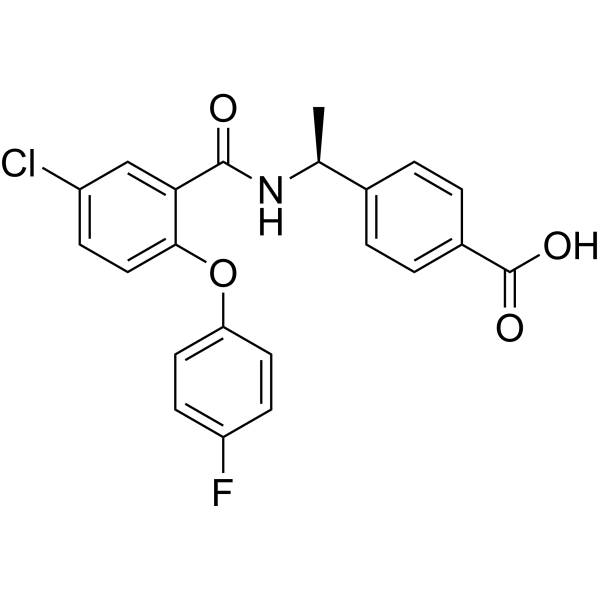
    15-PGDH-IN-2 (Compound 2) is a 15-PGDH inhibitor with an IC50 value of 0.274 nM. 15-PGDH-IN-2 can be used in research on hair loss, bone formation, gastric ulcer healing, and dermal wound healing .
    15-PGDH-IN-2
  • HY-126389A

    Endogenous Metabolite NF-κB Fungal Infection Inflammation/Immunology
    Chitin, from shrimp shells (powder) is a long-chain polymer of N-acetylglucosamine with β-(1-4) linkages. Chitin, from shrimp shells (powder) is found in the exoskeleton of crabs. Chitin, from shrimp shells (powder) inhibits the activation of NF-κB p65, alters the translocation of NF-κB p65 to the nucleus, and interacts with the cell wall of Candida species. Chitin, from shrimp shells (powder) exerts antifungal and anti-inflammatory effects. Chitin, from shrimp shells (powder) can be used in the research of gastric ulcer and candidiasis .
    Chitin, from shrimp shells (powder)
  • HY-101646

    HOE-731

    Proton Pump Inflammation/Immunology
    Saviprazole (HOE-731) is a H +,K +-ATPase inhibitor. Saviprazole inhibits gastric acid secretion. Saviprazole inhibits histamine- and dbcAMP-stimulated [ 14C]aminopyrine uptake, dbcAMP-induced oxygen consumption. Saviprazole can be used in research related to gastrointestinal diseases, such as gastric ulcers and acid reflux .
    Saviprazole
  • HY-15295R

    TAK-438 (Standard)

    Proton Pump Reference Standards Metabolic Disease Cancer
    Vonoprazan (Fumarate) (Standard) is the analytical standard of Vonoprazan (Fumarate). This product is intended for research and analytical applications. Vonoprazan Fumarate (TAK-438), a proton pump inhibitor (PPI), is a potent and orally active potassium-competitive acid blocker (P-CAB), with antisecretory activity. Vonoprazan Fumarate inhibits H+,K+-ATPase activity in porcine gastric microsomes with an IC50 of 19 nM at pH 6.5. Vonoprazan Fumarate is developed for the research of acid-related diseases, such as gastroesophageal reflux disease and peptic ulcer disease .
    Vonoprazan Fumarate (Standard)
  • HY-W017158R

    Reference Standards Endogenous Metabolite Endocrinology
    Melilotic acid (Standard) is an analytical standard for Melilotic acid (HY-W017158). This product is intended for research and analytical applications. Melilotic acid (3-(2-hydroxyphenyl)-propanoic acid) is an orally active compound. Melilotic acid can be isolated from the bark of Chinese cinnamon. Melilotic acid has a significant inhibitory effect on gastric ulcers induced by serotonin (HY-B1473A), phenylbutazone (HY-B0230), ethanoyl, and water immersion stress .
    Melilotic acid (Standard)
  • HY-126751

    Na+/K+ ATPase Metabolic Disease
    DBM-819 is a reversible inhibitor of H⁺/K⁺-ATPase (H +/K +-ATPase), with an IC50 value of 5 μM. DBM-819 can reversibly block gastric acid secretion by inhibiting the proton pump in the gastric mucosa. It shows significant protective effects against duodenal ulcers induced by Cysteamine (HY-77591), gastric ulcers induced by Indomethacin (HY-14397), and gastric ulcers induced by Aspirin (HY-14654), with EC50 values of 6, 3.1, and 4 mg/kg respectively. DBM-819 can be used in ulcer prevention research .
    DBM-819
  • HY-75424A

    Proton Pump Inflammation/Immunology
    2-(Trifluoromethyl)cinnamic acid is a cinnamic acid derivative that inhibits the proton pump (H +/K +-ATPase), thereby reducing gastric acid secretion. 2-(Trifluoromethyl)cinnamic acid also improves delayed gastric emptying and can be used in research on gastric diseases such as acute gastritis and gastric ulcers .
    2-(Trifluoromethyl)cinnamic acid
  • HY-106550

    RS 84135

    Prostaglandin Receptor Endocrinology
    Enprostil (RS 84135) is a prostaglandin E2 derivative. Enprostil can inhibit amogastrin-stimulated gastric acid secretion, as well as reducing the secretion of pepsin. Enprostil can also serve as an antiulcer agent, used for research of duodenal or gastric ulcers .
    Enprostil
  • HY-B0310S

    Isotope-Labeled Compounds Histamine Receptor Inflammation/Immunology Endocrinology Cancer
    Nizatidine-d3 is the deuterium labeled Nizatidine. Nizatidine is a potent and orally active histamine H2 receptor antagonist, can be used for the research of stomach?and?intestines ulcers. Nizatidine works by decreasing the secretion of gastric?acid the stomach makes and prevent ulcers from coming back after they have healed in animal models .
    Nizatidine-d3
  • HY-124742

    Na+/K+ ATPase Others
    AR-HO47108 is an orally active reversible Na+/K+ ATPase inhibitor. AR-HO47108 reversibly blocks the final step of gastric acid secretion by competitively binding to the potassium ion binding site of the Na+/K+ ATPase in the gastric wall cells. AR-HO47108 can be used for research on diseases related to excessive gastric acid secretion, such as peptic ulcers .
    AR-HO47108
  • HY-B0360R

    COX Reference Standards Inflammation/Immunology Cancer
    Rebamipide (Standard) is the analytical standard of Rebamipide. This product is intended for research and analytical applications. Rebamipide (OPC12759) is an orally active gastroprotective agent that enhances the production of endogenous PGs (especially intragastric PGE2) by inducing COX-2 expression, thereby protecting the gastric mucosa from injury. Rebamipide exerts anti-proliferative activity against gastric cancer cells. Rebamipide can be used in studies of mucosal protection, gastroduodenal ulcer, gastritis and gastric cancer .
    Rebamipide (Standard)
  • HY-19133

    EF-4040

    Na+/K+ ATPase Myosin PKA Metabolic Disease
    ME-3407 (EF-4040) is a H +-K +-ATPase redistribution disruptor and myosin light chain kinase (MLCK) and protein kinase A inhibitor. ME-3407 blocks gastric acid secretion and aminopyrine accumulation by inhibiting microsomal-to-apical membrane redistribution of H +-K +-ATPase and suppressing MLCK-mediated myosin light chain phosphorylation. ME-3407 is promising for research of peptic ulcer .
    ME 3407
  • HY-G0007R

    Omeprazole sulphone (Standard)

    Reference Standards Drug Metabolite Cytochrome P450 Aryl Hydrocarbon Receptor Infection Cancer
    Omeprazole sulfone (Standard) is the analytical standard of Omeprazole sulfone. This product is intended for research and analytical applications. Omeprazole sulfone (Omeprazole sulphone) is one of the major circulating metabolites of Omeprazole (HY-B0113) in vivo, and belongs to class 4 non-mutagenic impurities. Omeprazole sulfone does not bind to the aryl hydrocarbon receptor (AhR), nor does it induce the expression of CYP1A1 or CYP1A2. However, Omeprazole sulfone promotes the migration of gastric epithelial cells under basal conditions and reverses the inhibitory effect of Indomethacin (HY-14397) on cell migration. Omeprazole sulfone does not promote cell proliferation, nor does it upregulate COX-2 expression or activate signaling pathways such as ERK, P38 MAPK and PI3K. Omeprazole sulfone maintains basal ulcer healing under non-acid-dependent conditions and can be used in studies related to gastric ulcer repair .
    Omeprazole sulfone (Standard)
  • HY-Z3421S

    Isotope-Labeled Compounds Others
    Vonoprazan-d3 fumarate is the deuterium labeled Vonoprazan fumarate (HY-15295). Vonoprazan Fumarate (TAK-438), a proton pump inhibitor (PPI), is a potent and orally active potassium-competitive acid blocker (P-CAB), with antisecretory activity. Vonoprazan Fumarate inhibits H+,K+-ATPase activity in porcine gastric microsomes with an IC50 of 19 nM at pH 6.5. Vonoprazan Fumarate is developed for the research of acid-related diseases, such as gastroesophageal reflux disease and peptic ulcer disease .
    Vonoprazan-d3 fumarate
  • HY-100007R

    TAK-438 (Standard)

    Reference Standards Proton Pump Bacterial Endocrinology
    Vonoprazan (Standard) is the analytical standard of Vonoprazan. This product is intended for research and analytical applications. Vonoprazan (TAK-438 free base), a proton pump inhibitor (PPI), is a potent and orally active potassium-competitive acid blocker (P-CAB), with antisecretory activity. Vonoprazan inhibits H +,K +-ATPase activity in porcine gastric microsomes with an IC50 of 19 nM at pH 6.5. Vonoprazan is developed for the research of acid-related diseases, such as gastroesophageal reflux disease and peptic ulcer disease. Vonoprazan can be used for eradication of Helicobacter pylori .
    Vonoprazan (Standard)
  • HY-170957

    Lipoxygenase NO Synthase Inflammation/Immunology
    5-LOX/NO-IN-1 (Compound 7e) is a 5-LOX and NO release inhibitor. 5-LOX/NO-IN-1 shows an IC50 of 2.833 μM for 5-LOX. 5-LOX/NO-IN-1 has anti-inflammatory effects .
    5-LOX/NO-IN-1

온라인 문의

Your information is safe with us. * Required Fields.

호칭


Country or Region *

고객명 *


회사명 *

Department *


메일주소 *


상품명 *

Cat. No.


Requested quantity *

전화번호 *


비고

온라인 문의

Inquiry Information

상품명:
Cat. No.:
수량:
MCE Japan Authorized Agent:

