65 Results for "

hepatocyte apoptosis

" in MedChemExpress (MCE) Product Catalog:
Products (65)

65 Results for "hepatocyte apoptosis" in MCE Product Catalog:

45
45 Publications Verification
Cat. No.: HY-19543
CAS No.: 14907-98-3
Synonyms: NSC 172924
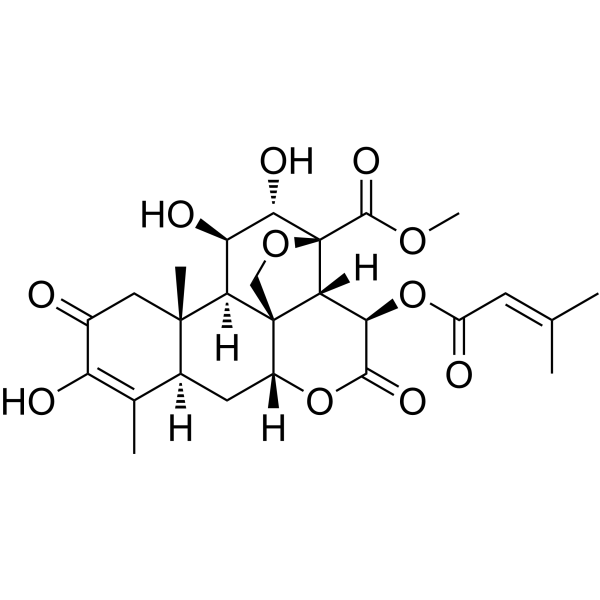
Brusatol (NSC 172924) is a unique inhibitor of the Nrf2 pathway that sensitizes a broad spectrum of cancer cells to Cisplatin and other chemotherapeutic agents. Brusatol enhances the efficacy of chemotherapy by inhibiting the Nrf2-mediated defense mechanism. Brusatol can be developed into an adjuvant chemotherapeutic agent . Brusatol increases cellular apoptosis .
loading...
    loading...
9
9 Cited Publications
Cat. No.: HY-N2334
CAS No.: 640-79-9
Synonyms: Chenodeoxycholylglycine
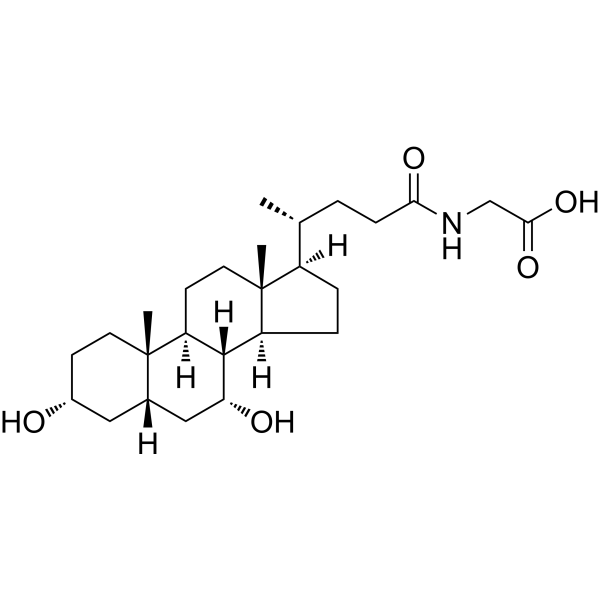
Glycochenodeoxycholic acid (Chenodeoxycholylglycine) is a relatively toxic bile salt generated in the liver from chenodeoxycholic acid and glycine. Glycochenodeoxycholic acid inhibits Autophagosome formation and impairs lysosomal function by inhibiting lysosomal proteolysis and increasing lysosomal pH in human normal liver cells, leading to the Apoptosis of human hepatocyte cells. Glycochenodeoxycholic acid induces stemness and chemoresistance via activating STAT3 signaling pathway in hepatocellular carcinoma cells (HCC). Glycochenodeoxycholic acid is promising for research in the field of cholestasis desease, hepatocellular carcinoma and primary sclerosing cholangitis (PSC) .
loading...
    loading...
9
9 Cited Publications
Cat. No.: HY-N2334A
CAS No.: 16564-43-5
Synonyms: Chenodeoxycholylglycine sodium salt; Sodium glycochenodeoxycholate
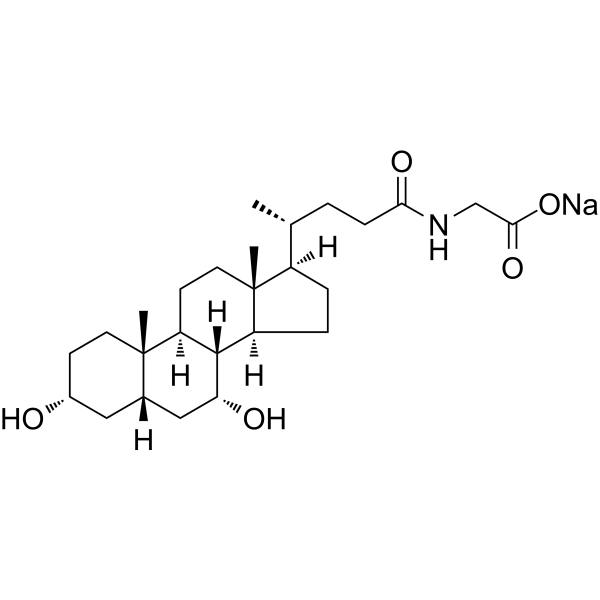
Glycochenodeoxycholic acid sodium salt (Sodium glycochenodeoxycholate) is a relatively toxic bile salt generated in the liver from chenodeoxycholic acid and glycine. Glycochenodeoxycholic acid sodium salt inhibits Autophagosome formation and impairs lysosomal function by inhibiting lysosomal proteolysis and increasing lysosomal pH in human normal liver cells, leading to the Apoptosis of human hepatocyte cells. Glycochenodeoxycholic acid sodium salt induces stemness and chemoresistance via activating STAT3 signaling pathway in hepatocellular carcinoma cells (HCC). Glycochenodeoxycholic acid sodium salt is promising for research in the field of cholestasis desease, hepatocellular carcinoma and primary sclerosing cholangitis (PSC) .
loading...
    loading...
6
6 Cited Publications
Cat. No.: HY-N9933
CAS No.: 25696-60-0
Synonyms: TβMCA
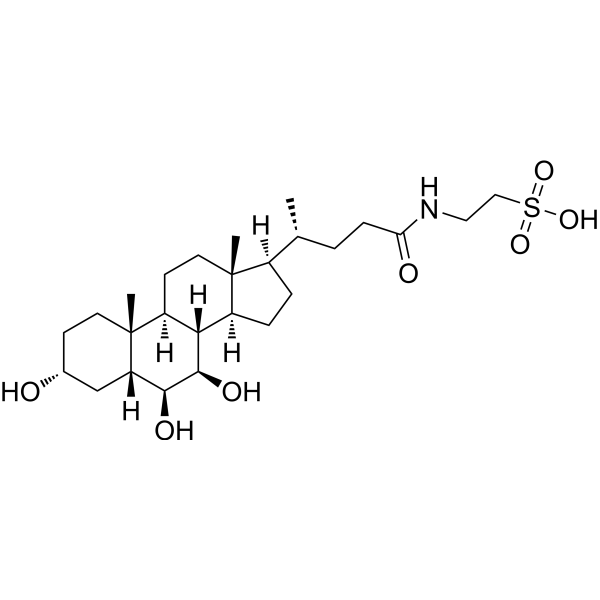
Tauro-β-muricholic acid (TβMCA) is an orally active trihydroxylated bile acid and a competitive, reversible FXR antagonist (IC50=40 μM). Tauro-β-muricholic acid inhibits bile acid-induced hepatocyte apoptosis by maintaining mitochondrial membrane potential, while simultaneously inhibiting intestinal FXR signaling, affecting bile acid synthesis, hepatic lipid metabolism, and insulin sensitivity. Accumulation of tauro-β-muricholic acid disrupts metabolic homeostasis, promoting cancer stem cell proliferation and tumor progression. The mechanisms of tauro-β-muricholic acid involve two aspects: first, inhibiting the translocation of the pro-apoptotic protein Bax to mitochondria and maintaining mitochondrial membrane potential (MMP); and second, blocking the FXR signaling pathway to regulate bile acid metabolism, reduce serum ceramide production, and downregulate the hepatic SREBP1C/CIDEA pathway. Tauro-β-muricholic acid possesses anti-hepatocyte apoptosis, bile acid homeostasis regulation, and liver fat accumulation reduction properties, and also functions as a biomarker, making it useful in the study of diseases such as bile acid metabolism disorders, non-alcoholic fatty liver disease, colorectal cancer, and liver fibrosis .
loading...
    loading...
6
6 Cited Publications
Cat. No.: HY-113308
CAS No.: 516-90-5
Purity:  98.06%
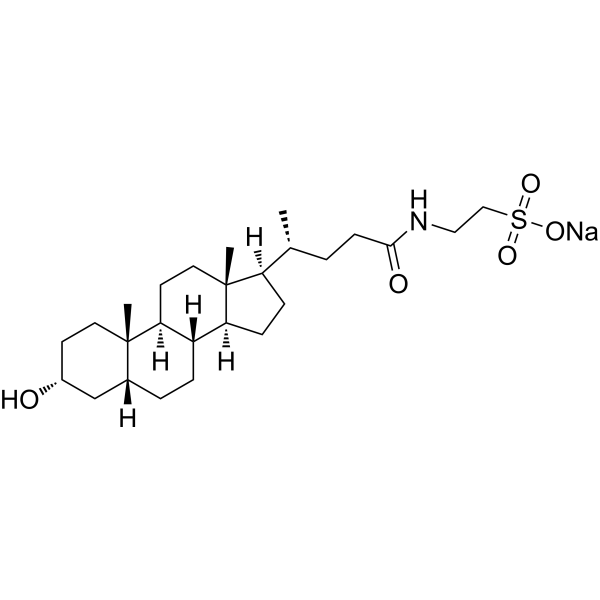
Taurolithocholic acid is an orally active bile acid and antiviral agent. Taurolithocholic acid upregulates FADS2 by activating the TGR5-PI3K/AKT-SREBP2 signaling axis, inhibits SFTSV-induced ferroptosis (Ferroptosis), viral replication and viral entry of HBV/HDV, while reducing the release of IL-1β, lipid ROS and LDH. While exerting antiviral protective effects, Taurolithocholic acid also stimulates the recycling of hepatocellular membrane transporters, impairs canalicular bile acid secretion function, and induces hepatocyte cholestasis, apoptosis and acute hepatocellular injury. Taurolithocholic acid serves as an experimental model compound for hepatocellular cholestasis. At concentrations ≤200 μM, Taurolithocholic acid shows no cytotoxicity and does not activate the interferon pathway. Taurolithocholic acid not only protects mice from lethal SFTSV infection but also is suitable for studies related to severe fever with thrombocytopenia syndrome and cholestasis .
loading...
    loading...
6
6 Cited Publications
Cat. No.: HY-113308A
CAS No.: 6042-32-6
Purity:  99.81%
Taurolithocholic acid sodium salt is an orally active bile acid and antiviral agent. Taurolithocholic acid sodium salt upregulates FADS2 by activating the TGR5-PI3K/AKT-SREBP2 signaling axis, inhibits SFTSV-induced ferroptosis, viral replication and viral entry of HBV/HDV, while reducing the release of IL-1β, lipid ROS and LDH. While exerting antiviral protective effects, Taurolithocholic acid sodium salt also stimulates the recycling of hepatocellular membrane transporters, impairs canalicular bile acid secretion function, and induces hepatocyte cholestasis, apoptosis and acute hepatocellular injury. Taurolithocholic acid sodium salt serves as an experimental model compound for hepatocellular cholestasis. At concentrations ≤200 μM, Taurolithocholic acid sodium salt shows no cytotoxicity and does not activate the interferon pathway. Taurolithocholic acid sodium salt not only protects mice from lethal SFTSV infection but also is suitable for studies related to severe fever with thrombocytopenia syndrome and cholestasis .
loading...
    loading...
4
4 Cited Publications
Cat. No.: HY-14674
CAS No.: 383432-38-0
Purity:  98.72%
Research Areas:  

Infection Cancer

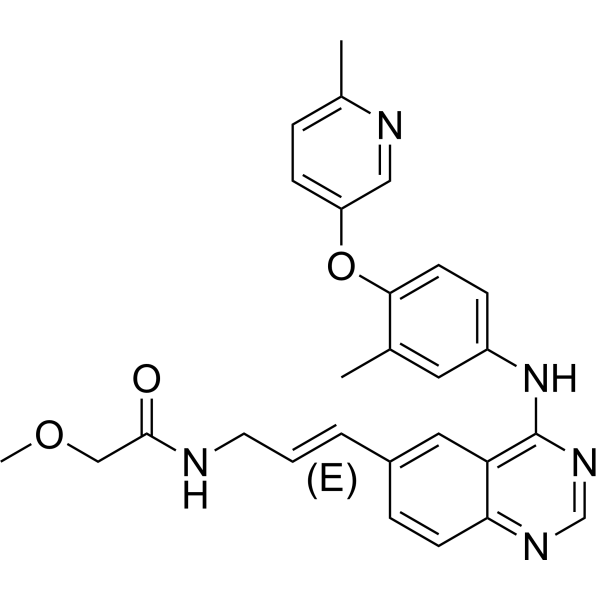
CP-724714 is an orally active and selective HER2 tyrosine kinase inhibitor with an IC50 of 10 nM. CP-724714 inhibits HER2 receptor autophosphorylation and blocks the downstream Ras-Raf-Mek-Erk signaling pathway, thereby inducing cell cycle arrest and apoptosis in tumor cells. CP-724714 exhibits antiviral activity and inhibits various porcine diarrheal coronaviruses, including SADS-CoV (IC50 of 0.91 μM). CP-724714 is an inhibitor of the hepatic transport receptors OATP1B1/MDR1/BSEP, and can enter hepatocytes via active uptake and trigger the accumulation of drugs and bile acids within hepatocytes. CP-724714 can be used in research related to HER2-overexpressing breast cancer and porcine diarrheal coronavirus infection .
loading...
    loading...
2
2 Cited Publications
Cat. No.: HY-N0912
CAS No.: 81720-08-3
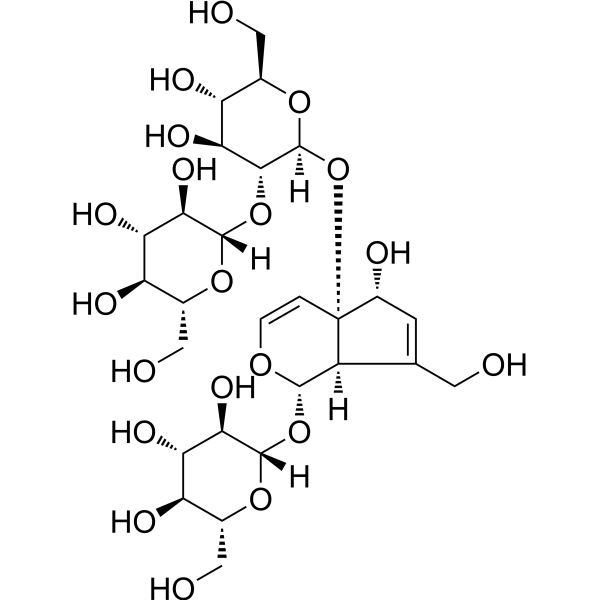
Rehmannioside D is an orally active Sirt7 modulator. Rehmannioside D upregulates Sirt7 expression, inhibits the level of acetylated p53, and blocks the activation of the p53 signaling pathway. Rehmannioside D alleviates liver injury, inflammatory response, collagen deposition and hepatocyte apoptosis. Rehmannioside D is applicable to research related to liver fibrosis .
loading...
    loading...
1
1 Cited Publications
Cat. No.: HY-N0310
CAS No.: 51330-27-9
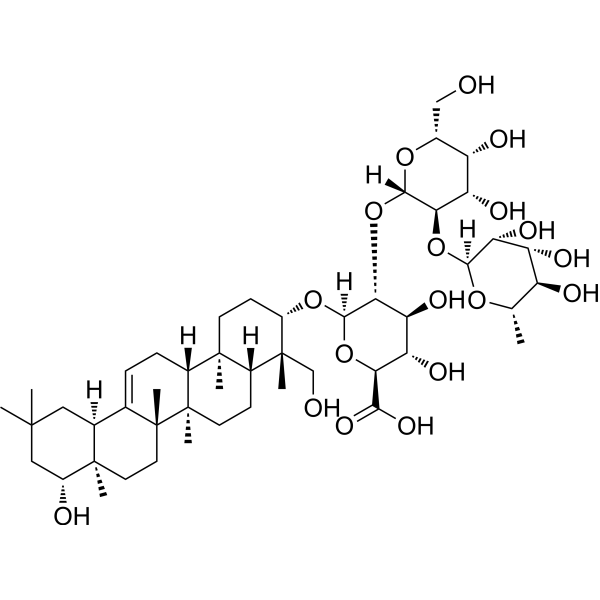
Soyasaponin Bb is an orally active, covalent inducer of heme oxygenase HO-1 and an inhibitor of aldose reductase AKR1B1. Soyasaponin Bb can regulate oxidative stress pathways, enhance antioxidant capacity, reduce reactive oxygen species (ROS) generation, and inhibit lipid peroxidation and hepatocyte apoptosis. Soyasaponin Bb improves alcohol-induced hepatocyte membrane damage and liver function abnormalities, and improves Scopolamine (HY-N0296)-induced memory impairment. Soyasaponin Bb has antioxidant, hepatoprotective, and neuroprotective activities .
loading...
    loading...
1
1 Cited Publications
Cat. No.: HY-123581
CAS No.: 81810-66-4
Purity:  98.00%
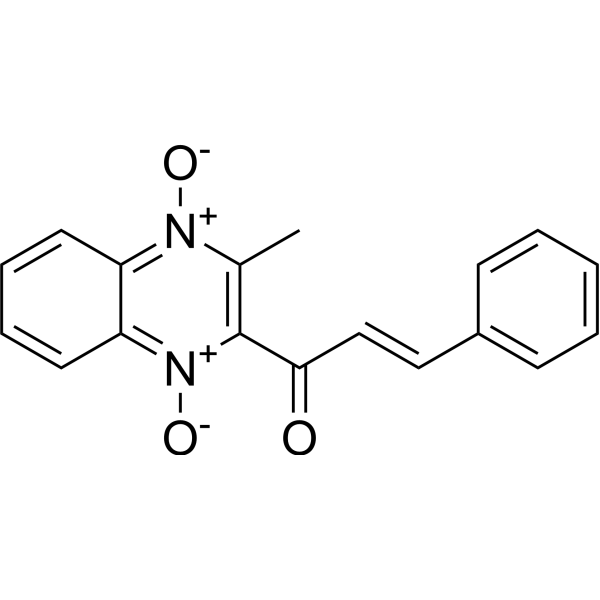
Quinocetone is an orally active animal feed additive used to increase the meat production of livestock and poultry. Quinocetone exhibits antibacterial activity against a variety of pathogenic microorganisms. Quinocetone exhibits tissue-specific (liver, lymphocyte) toxicity. Quinocetone induces autophagy in cells through the ATF6/DAPK1 pathway. Quinocetone activates the NF-κB and iNOS pathways, leading to cell apoptosis, hepatocyte vacuolar degeneration and fibrosis. Quinocetone can inhibit Nrf2/HO-1 and induce the generation of reactive oxygen species (ROS), leading to oxidative stress and DNA damage .
loading...
    loading...
1
1 Cited Publications
Cat. No.: HY-113308S1
CAS No.: 2410279-96-6
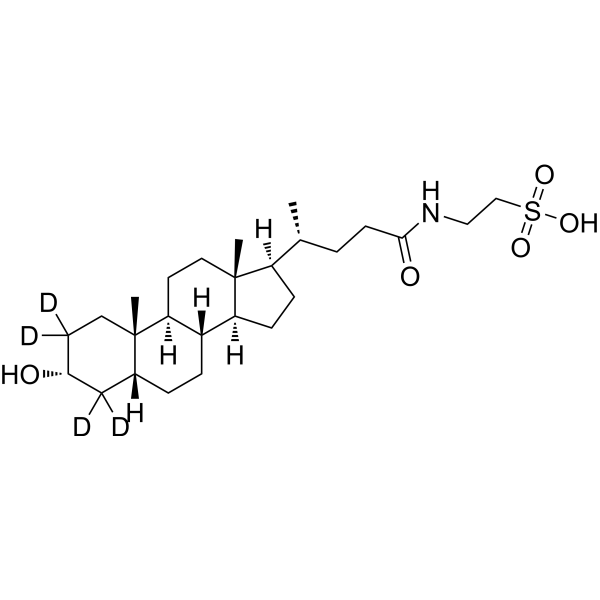
Taurolithocholic acid-d4 is deuterium labeled Taurolithocholic acid. Taurolithocholic acid is an orally active bile acid and antiviral agent. Taurolithocholic acid upregulates FADS2 by activating the TGR5-PI3K/AKT-SREBP2 signaling axis, inhibits SFTSV-induced ferroptosis, viral replication and viral entry of HBV/HDV, while reducing the release of IL-1β, lipid ROS and LDH. While exerting antiviral protective effects, Taurolithocholic acid also stimulates the recycling of hepatocellular membrane transporters, impairs canalicular bile acid secretion function, and induces hepatocyte cholestasis, apoptosis and acute hepatocellular injury. Taurolithocholic acid serves as an experimental model compound for hepatocellular cholestasis. At concentrations ≤200 μM, Taurolithocholic acid shows no cytotoxicity and does not activate the interferon pathway. Taurolithocholic acid not only protects mice from lethal SFTSV infection but also is suitable for studies related to severe fever with thrombocytopenia syndrome and cholestasis .
loading...
    loading...
1
1 Cited Publications
Cat. No.: HY-113308AS
CAS No.: 2410279-97-7
Purity:  99.4%
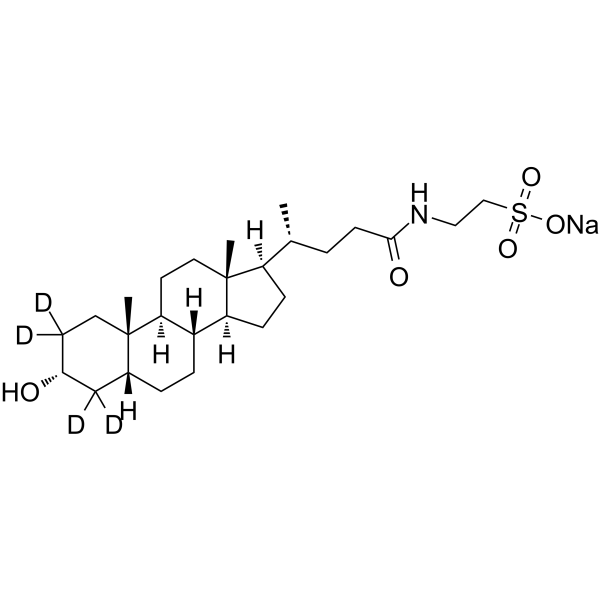
Taurolithocholic acid-d4 (sodium) is the deuterium labeled Taurolithocholic acid (sodium salt). Taurolithocholic acid sodium is an orally active bile acid and antiviral agent. Taurolithocholic acid sodium upregulates FADS2 by activating the TGR5-PI3K/AKT-SREBP2 signaling axis, inhibits SFTSV-induced ferroptosis, viral replication and viral entry of HBV/HDV, while reducing the release of IL-1β, lipid ROS and LDH. While exerting antiviral protective effects, Taurolithocholic acid sodium also stimulates the recycling of hepatocellular membrane transporters, impairs canalicular bile acid secretion function, and induces hepatocyte cholestasis, apoptosis and acute hepatocellular injury. Taurolithocholic acid sodium serves as an experimental model compound for hepatocellular cholestasis. At concentrations ≤200 μM, Taurolithocholic acid sodium shows no cytotoxicity and does not activate the interferon pathway. Taurolithocholic acid sodium not only protects mice from lethal SFTSV infection but also is suitable for studies related to severe fever with thrombocytopenia syndrome and cholestasis .
loading...
    loading...
Cat. No.: HY-B0766
CAS No.: 118159-48-1
Synonyms: SY801
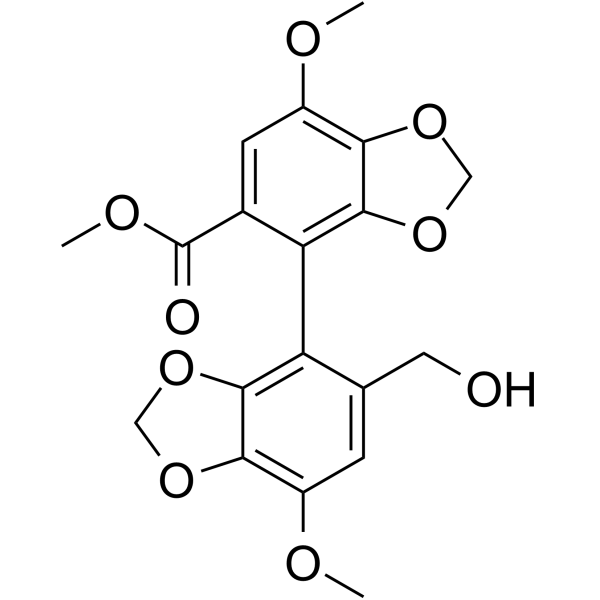
Bicyclol (SY801) is an orally active derivative of the traditional Chinese medicine Schisandra chinensis, which has antiviral, anti-inflammatory, immunomodulatory, antioxidant, anti-steatosis, anti-fibrotic and anti-tumor activities. Bicyclol regulates the expression of heat shock proteins and plays an anti-apoptosis role in hepatocytes. Bicyclol reduces the activation of NF-κB and the levels of inflammatory factors in hepatocytes infected with hepatitis C virus (HCV) by inhibiting the activation of the ROS-MAPK-NF-κB pathway, and prevents ferroptosis in acute liver injury. Bicyclol can change the expression of Mdr-1, GSH/GST and Bcl-2, increase the intracellular concentration of anticancer drugs, and sensitize drug-resistant cells to anticancer drugs. Bicyclol inhibits the proliferation of human malignant hepatoma cells by regulating the PI3K/AKT pathway and the Ras/Raf/MEK/ERK pathway. Bicyclol can be used in the study of chronic hepatitis, acute liver injury, nonalcoholic fatty liver disease, liver fibrosis and hepatocellular carcinoma .
loading...
    loading...
Cat. No.: HY-W587530
CAS No.: 2393-61-5
Synonyms: 6-Ketolithocholic acid
Research Areas:  

Endocrinology

6-Oxolithocholic acid is a bile acid metabolite derived from Lithocholic acid (HY-B0172). 6-Oxolithocholic acid has high cytotoxicity and can induce apoptosis, especially in hepatocytes. 6-Oxolithocholic acid can participate in the regulation of bile acid metabolism and synthesis and affect the metabolic pathway of cholesterol. 6-Oxolithocholic acid can be used to study the role of bile acids in health and disease, especially in the context of digestive and liver diseases .
loading...
    loading...
Cat. No.: HY-Y0651
CAS No.: 7757-83-7
Sodium sulfite is an inorganic salt used as an antioxidant and preservative. Sodium sulfite is also used in sulfonation and sulfomethylation reactions. Sodium sulfite can also be used as a bleaching agent, desulfurizer, and dechlorinator. Sodium sulfite inhibits hepatocyte proliferation, promotes hepatocyte apoptosis and necrosis, and impairs mitochondrial integrity. Sodium sulfite induces superoxide anion production, primes neutrophils for enhanced superoxide anion generation, and induces neutrophil gene expression. Sodium sulfite can be used in studies related to pulmonary inflammation and gastric tissue injury .
loading...
    loading...
Cat. No.: HY-B0822
CAS No.: 120068-37-3
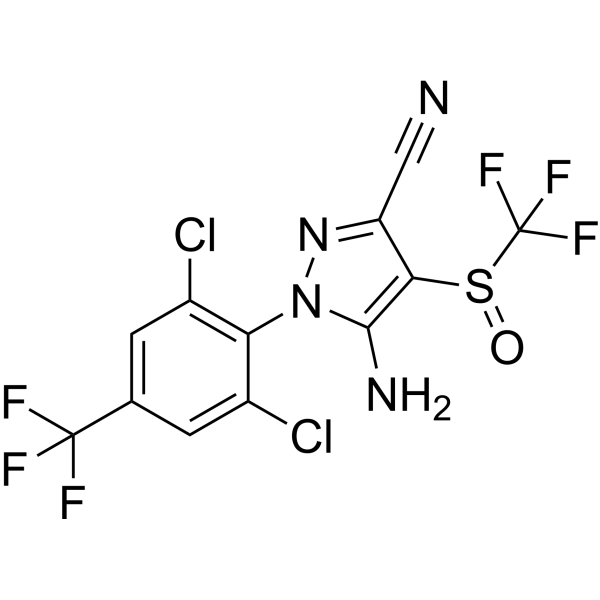
Fipronil is a broad-spectrum insecticide effective against Lepidoptera species as well as thrips, locusts, ants, cockroaches, fleas and ticks. Fipronil selectively inhibits GABA receptor with IC50s of 30 nM and 1600 nM for cockroach and rat GABA receptors, respectively. Glutamate-gated chloride channels (GluCls), which are present in cockroaches but not in mammals, are sensitive to the blocking effect of Fipronil. Fipronil also induces apoptosis in HepG2 cells and promotes the expression of CYP1A1 and CYP3A4 mRNA in human hepatocytes .
loading...
    loading...
Cat. No.: HY-N2078
CAS No.: 512-06-1
Synonyms: Neodiosgenin
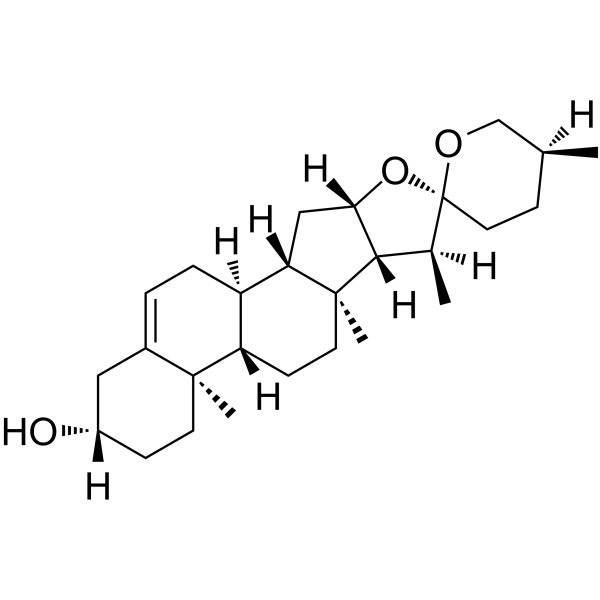
Yamogenin (Neodiosgenin) is a diastereomer of diosgenin. Yamogenin antagonizes the activation of the liver X receptor (LXR) in luciferase ligand assay. Yamogenin inhibits triacylglyceride (TG) accumulation through the suppression of gene expression of fatty acid synthesis in HepG2 hepatocytes. Yamogenin is a steroidal saponin that can be obtained from plant species with in vitro cytotoxicity, antioxidant, and antimicrobial properties. Yamogenin induces cell death via the extrinsic and intrinsic way of apoptosis. Yamogenin inhibits protein denaturation with an IC50 of 1421.92 μg/mL. Yamogenin can be studied in research on gastric cancer .
loading...
    loading...
Cat. No.: HY-110390
CAS No.: 263890-70-6
Purity:  99.61%
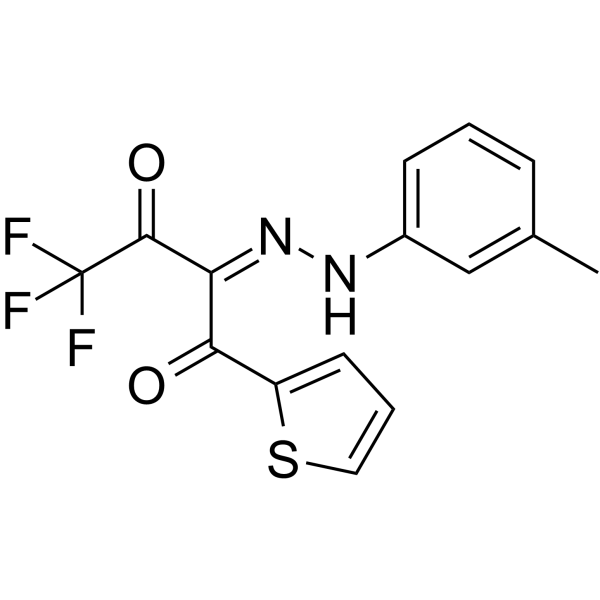
GR148672X is an inhibitor of carboxylesterase 1 (CES1) and hepatic microsomal triglyceride hydrolase (TGH). GR148672X blocks the catalytic activity of CES1, impairs the functions of triglyceride and cholesteryl ester lipase, reduces triglyceride mobilization and secretion, and decreases apolipoprotein B-100 secretion in primary rat hepatocytes. Under low-glucose conditions, GR148672X inhibits the survival of colorectal cancer cells by reducing free fatty acid availability, inducing toxic triglyceride accumulation, ROS production, mitochondrial damage, ferroptosis and apoptosis. GR148672X can be used in studies related to colorectal cancer and atherosclerosis .
loading...
    loading...
Cat. No.: HY-N2896
CAS No.: 465-00-9
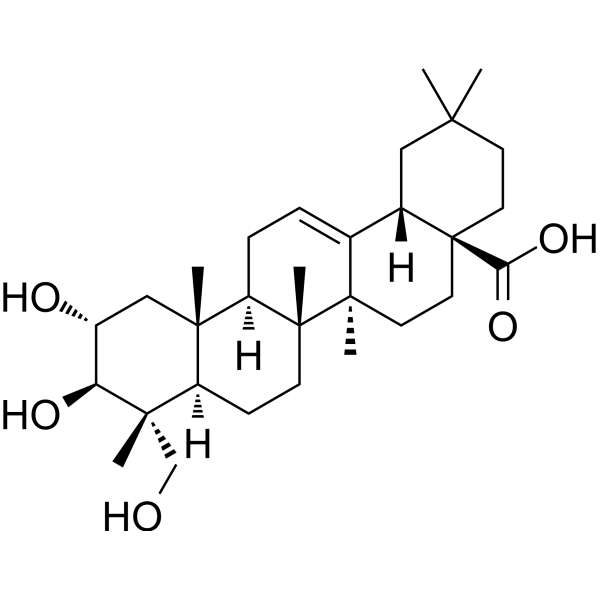
Arjunolic acid is an orally active, multifunctional bioactive compound. Arjunolic acid exhibits free radical scavenging activity, as well as fungal and bacterial activities. Arjunolic acid induces apoptosis (Apoptosis) in various cancer cells. Arjunolic acid protects hepatocytes against induced oxidative stress and apoptosis by reducing reactive oxygen species and inhibiting NF-κB activation. Arjunolic acid regulates pancreatic dysfunction in type 2 diabetic rats by blocking the activation of the TLR-4/MyD88 and canonical Wnt pathways. Arjunolic acid inhibits neuroinflammation and ameliorates depressive behaviors via the SIRT1/AMPK/Notch1 signaling pathway in microglia. Arjunolic acid improves Crohn's disease-like colitis by restoring gut microbiota composition and inhibiting TLR4 signaling. Arjunolic acid suppresses osteosarcoma progression by inhibiting Wnt3a-mediated M2 polarization of macrophages. Arjunolic acid ameliorates diabetic retinopathy via the autophagy pathway regulated by AMPK/mTOR/HO-1. Arjunolic acid is applicable to research related to type 2 diabetes, organ toxicity, depression, Crohn's disease, osteosarcoma, diabetic retinopathy, and testicular dysfunction .
loading...
    loading...
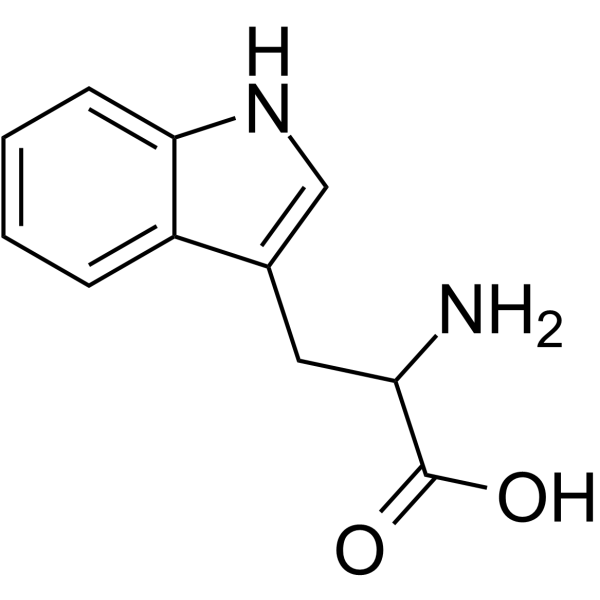
Cat. No.: HY-W012480
CAS No.: 54-12-6
Synonyms: (±)-Tryptophan
DL-Tryptophan ((±)-Tryptophan) is an orally effective aryl hydrocarbon receptor (AhR) agonist. DL-Tryptophan reduces the expression of pro-inflammatory cytokines IL-6, TNF-α, IL-1β, as well as liver injury markers aspartate aminotransferase and alanine aminotransferase, and alleviates hepatocyte apoptosis (apoptosis) in sepsis induced by cecal ligation and puncture. DL-Tryptophan can be used in the research of sepsis-related acute liver injury .
loading...
    loading...

