


1. Search Result
Search Result
Pathways Recommended: Stem Cell/Wnt Cell Cycle/DNA Damage
Results for "

human vascular endothelial cell

" in MedChemExpress (MCE) Product Catalog:

43

Inhibitors & Agonists

1

Fluorescent Dyes

1

Biochemical Assay Reagents

7

Peptides

5

Inhibitory Antibodies

7

Natural
Products

2

Recombinant Proteins

1

Antibodies

3

Oligonucleotides

Cat. No. Product Name Target Research Areas Chemical Structure
  • HY-13948
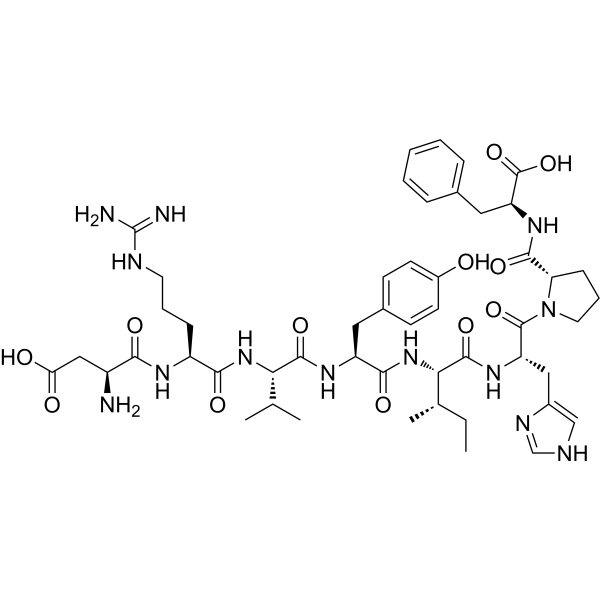
    Angiotensin II human
    Maximum Cited Publications
    222 Publications Verification

    Angiotensin II; Ang II; DRVYIHPF

    Angiotensin Receptor Apoptosis Cardiovascular Disease Infection Metabolic Disease Inflammation/Immunology Cancer
    Angiotensin II (Angiotensin II) is a vasoconstrictor and a major bioactive peptide of the renin/angiotensin system. Angiotensin II human plays a central role in regulating human blood pressure, which is mainly mediated by interactions between Angiotensin II and the G-protein-coupled receptors (GPCRs) Angiotensin II type 1 receptor (AT1R) and Angiotensin II type 2 receptor (AT2R). Angiotensin II human stimulates sympathetic nervous stimulation, increases aldosterone biosynthesis and renal actions. Angiotensin II human induces growth of vascular smooth muscle cells, increases collagen type I and III synthesis in fibroblasts, leading to thickening of the vascular wall and myocardium, and fibrosis. Angiotensin II human also induces apoptosis. Angiotensin II induces capillary formation from endothelial cells via the LOX-1 dependent redox-sensitive pathway .
    Angiotensin II human
  • HY-13948A
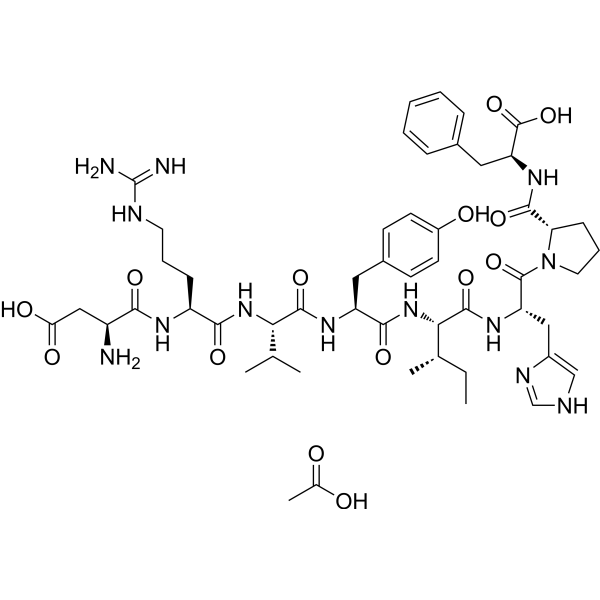
    Angiotensin II human acetate
    Maximum Cited Publications
    222 Publications Verification

    Angiotensin II acetate; Ang II acetate; DRVYIHPF acetate

    Angiotensin Receptor Apoptosis Cardiovascular Disease Infection Metabolic Disease Inflammation/Immunology Cancer
    Angiotensin II human (Angiotensin II) acetate is a vasoconstrictor and a major bioactive peptide of the renin/angiotensin system. Angiotensin II human acetate plays a central role in regulating human blood pressure, which is mainly mediated by interactions between Angiotensin II and the G-protein-coupled receptors (GPCRs) Angiotensin II type 1 receptor (AT1R) and Angiotensin II type 2 receptor (AT2R). Angiotensin II human acetate stimulates sympathetic nervous stimulation, increases aldosterone biosynthesis and renal actions. Angiotensin II human acetate induces growth of vascular smooth muscle cells, increases collagen type I and III synthesis in fibroblasts, leading to thickening of the vascular wall and myocardium, and fibrosis. Angiotensin II human acetate also induces apoptosis. Angiotensin II human acetate induces capillary formation from endothelial cells via the LOX-1 dependent redox-sensitive pathway .
    Angiotensin II human acetate
  • HY-P99333
    Volociximab
    2 Publications Verification

    M200; Eos 200-4

    Integrin Cardiovascular Disease Cancer
    Volociximab (M200) is a chimeric human/murine IgG4 antibody IIA1 targeting integrin α5β1 (EC50=0.2 nM). Integrin α5β1 is a major fibronectin receptor involved in angiogenesis. Volociximab has antiangiogenic and antitumor activities and inhibits the proliferation of human umbilical vein vascular endothelial cells (HUVECs) .
    Volociximab
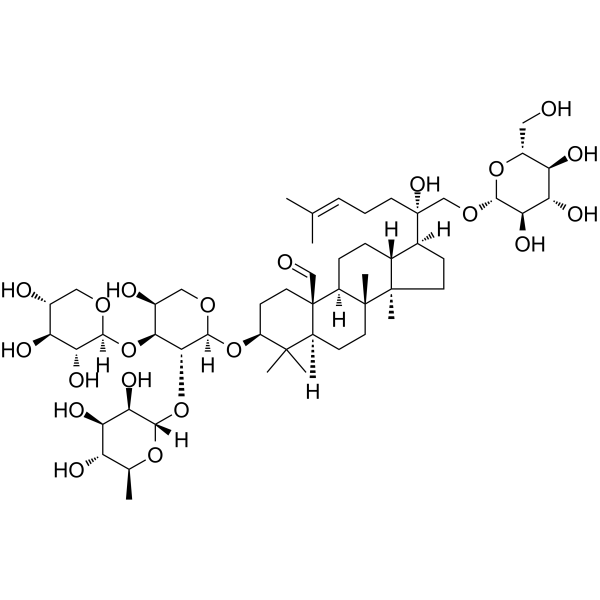
  • HY-N1990
    Gypenoside XLIX
    2 Publications Verification

    PPAR Sirtuin Keap1-Nrf2 Toll-like Receptor (TLR) NF-κB Reactive Oxygen Species (ROS) NOD-like Receptor (NLR) Apoptosis Pyroptosis Autophagy Cardiovascular Disease Neurological Disease Metabolic Disease Inflammation/Immunology
    Gypenoside XLIX is a multifunctional bioactive compound that can be isolated from Gynostemma pentaphyllum, with a Ka value of 1.58 μM for its binding to SIRT1. Gypenoside XLIX acts as a PPAR-α agonist. It inhibits the activation of TLR4-mediated NF-κB signaling pathway by activating the Sirt1/Nrf2 signaling pathway, reduces ROS accumulation, and alleviates hepatic inflammatory injury in mice with sepsis-induced liver disease. Gypenoside XLIX targets SIRT1 to block YAP-NLRP3 activation and improve sepsis-induced cardiomyopathy. Gypenoside XLIX inhibits apoptosis (Apoptosis), pyroptosis (Pyroptosis), autophagy (Autophagy), lipid peroxidation, pro-inflammatory cytokines and anti-inflammatory cytokines. Gypenoside XLIX alleviates sepsis-induced splenic injury by inhibiting inflammation and oxidative stress, and mitigates sepsis-associated encephalopathy by targeting PPAR-α. Gypenoside XLIX prevents acute kidney injury by inhibiting IGFBP7/IGF1R-mediated programmed cell death and inflammation. Gypenoside XLIX inhibits the expression and activity of vascular cell adhesion molecule-1 in cytokine-induced human endothelial cells. Gypenoside XLIX is applicable to research related to acute liver injury, lung injury, cardiomyopathy, acute splenic injury, sepsis-associated encephalopathy, acute kidney injury, atherosclerosis and chronic inflammation .
    Gypenoside XLIX
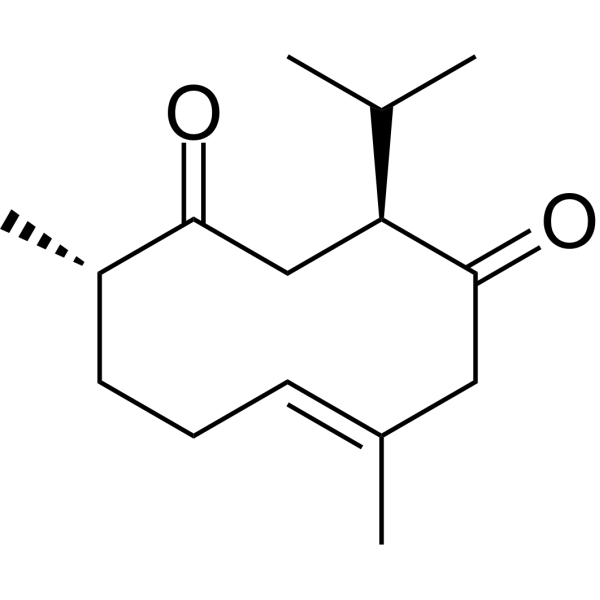
  • HY-N0353
    Curdione
    2 Publications Verification

    (+)-Curdione

    Ferroptosis Apoptosis Reactive Oxygen Species (ROS) Autophagy Glutathione Peroxidase Keap1-Nrf2 Heme Oxygenase (HO) TGF-β Receptor Indoleamine 2,3-Dioxygenase (IDO) Cardiovascular Disease Neurological Disease Cancer
    Curdione ((+)-Curdione) is an orally active sesquiterpenoid. Curdione inhibits platelet aggregation. Curdione induces ferroptosis in colorectal cancer via m6A methylation mediated by METTL14 and YTHDF2. Curdione inhibits ferroptosis in Isoproterenol (HY-B0468)-induced myocardial infarction by regulating the Keap1/Trx1/GPX4 signaling pathway, suppressing oxidative stress (ROS) and apoptosis. Curdione ameliorates Doxorubicin (HY-15142)-induced cardiotoxicity by inhibiting oxidative stress (ROS) and activating the Nrf2/HO-1 pathway. Curdione ameliorates sepsis-induced lung injury by inhibiting platelet-mediated neutrophil extracellular trap formation. Curdione ameliorates Bleomycin (HY-17565A)-induced pulmonary fibrosis by inhibiting TGF-β-induced fibroblast-to-myofibroblast differentiation. Curdione exhibits neuroprotective effects against focal cerebral ischemia-reperfusion injury in rats. Curdione exerts antiproliferative effects against human uterine leiomyosarcoma by targeting IDO1. Curdione protects vascular endothelial cells and atherosclerosis by regulating DNMT1-mediated ERBB4 promoter methylation. Curdione inhibits inducible prostaglandin E2 production (IC50 = 1.1 μM) and cyclooxygenase 2 expression .
    Curdione
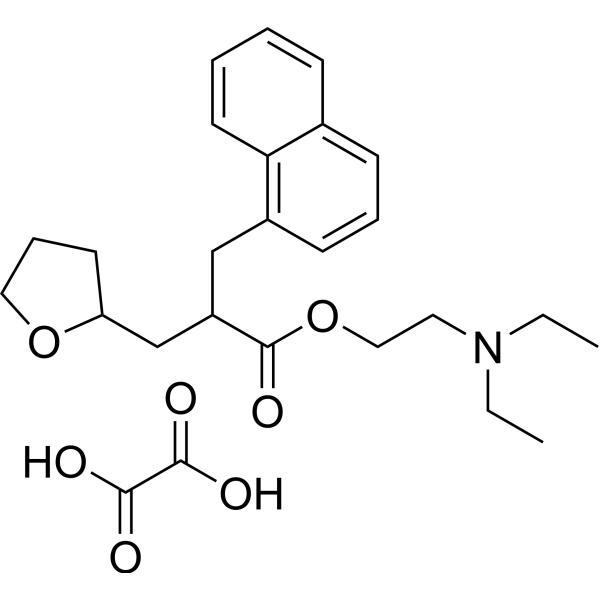
  • HY-B1107

    Nafronyl oxalate salt

    5-HT Receptor Cardiovascular Disease
    Naftidrofuryl oxalate (Nafronyl oxalate salt) is an orally active 5-HT2 receptor antagonist. Naftidrofuryl oxalate selectively blocks vascular and platelet 5-HT2 receptors, inhibiting Serotonin (HY-B1473A)-induced vasoconstriction, platelet aggregation, and vascular smooth muscle cell proliferation. Naftidrofuryl oxalate can be used for the research of intermittent claudication, peripheral occlusive arterial disease, and critical limb ischaemia .
    Naftidrofuryl oxalate
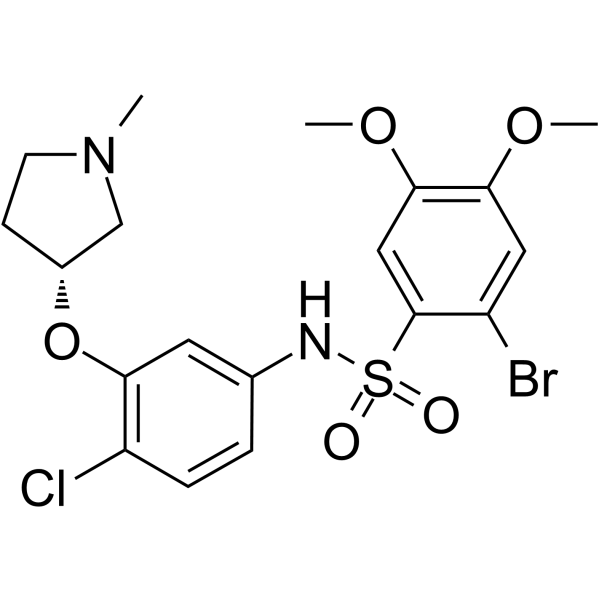
  • HY-19393

    Phosphodiesterase (PDE) Cardiovascular Disease Inflammation/Immunology Cancer
    SCH 351591 is a highly selective, orally active PDE4 inhibitor, with IC50 values of 58 nM and 153 nM in humans and rats, respectively. SCH 351591 effectively inhibits pathological processes such as cytokine production, eosinophilia, airway hyperresponsiveness and bronchospasm. SCH 351591 also induces microvascular injury, activates mast cells and endothelial cells, and causes increases in serum histamine and various inflammatory factors, leading to early vascular damage. SCH 351591 has been widely used in studies related to asthma, chronic obstructive pulmonary disease and drug-induced vascular injury .
    SCH 351591
  • HY-12379
    NS-2028
    1 Publications Verification

    Guanylate Cyclase Inflammation/Immunology
    NS-2028 is a highly selective soluble Guanylyl Cyclase (sGC) inhibitor with IC50 values of 30 nM and 200 nM for basal and NO-stimulated enzyme activity . NS-2028 inhibits soluble Guanylyl Cyclase activity in homogenates of mouse cerebellum and neuronal NO synthase with IC50 values of 17 nM and 20 nM . NS-2028 inhibits 3-morpholino-sydnonimine (SIN-1)-elicited formation of cyclic GMP in human cultured umbilical vein endothelial cells with an IC50 of 30 nM . NS-2028 is commonly used in the research of nitric oxide signaling pathways, it inhibits NO-dependent relaxant responses in non-vascular smooth muscle completely (1 μM) . NS-2028 reduces vascular endothelial growth factor-induced angiogenesis and permeability .
    NS-2028
  • HY-13948B
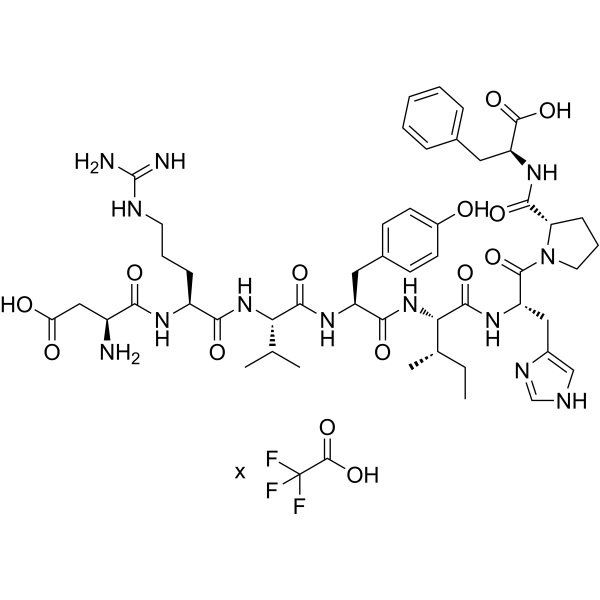
    Angiotensin II human TFA
    Maximum Cited Publications
    222 Publications Verification

    Angiotensin II TFA; Ang II TFA; DRVYIHPF TFA

    Angiotensin Receptor Apoptosis Cardiovascular Disease Metabolic Disease Cancer
    Angiotensin II human (Angiotensin II) TFA is a vasoconstrictor and a major bioactive peptide of the renin/angiotensin system. Angiotensin II human TFA plays a central role in regulating human blood pressure, which is mainly mediated by interactions between Angiotensin II and the G-protein-coupled receptors (GPCRs) Angiotensin II type 1 receptor (AT1R) and Angiotensin II type 2 receptor (AT2R). Angiotensin II human TFA stimulates sympathetic nervous stimulation, increases aldosterone biosynthesis and renal actions. Angiotensin II human TFA induces growth of vascular smooth muscle cells, increases collagen type I and III synthesis in fibroblasts, leading to thickening of the vascular wall and myocardium, and fibrosis. Angiotensin II human TFA also induces apoptosis. Angiotensin II human TFA induces capillary formation from endothelial cells via the LOX-1 dependent redox-sensitive pathway .
    Angiotensin II human TFA
  • HY-P99296

    CNTO 95; Anti-human CD51 Recombinant Antibody

    Integrin Apoptosis Cancer
    Intetumumab (CNTO 95) is a human monoclonal antibody targeting αv integrin, with a Kd value of 1-24 nM. Through high-affinity binding to αv integrin, Intetumumab inhibits its interaction with extracellular matrix proteins (such as vitronectin and fibronectin), thereby blocking the downstream focal adhesion kinase signaling pathway. This further inhibits the adhesion, migration and invasion of tumor cells as well as the proliferation of vascular endothelial cells, promotes cell apoptosis, and exerts anti-tumor and anti-angiogenic effects. Intetumumab can be used in research related to head and neck cancer, non-small cell lung cancer and uterine serous papillary carcinoma .
    Intetumumab
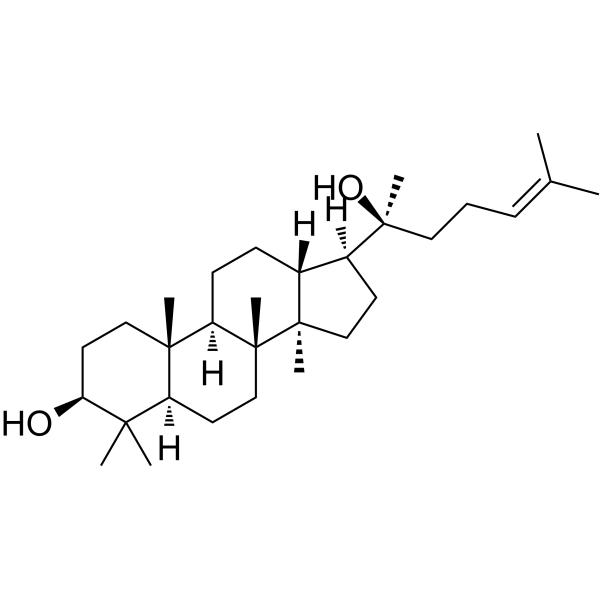
  • HY-N3677

    OGT Akt mTOR GSK-3 Reactive Oxygen Species (ROS) Apoptosis PARP MDM-2/p53 Inflammation/Immunology Cancer
    Dammarenediol II is a ginsenoside precursor . Dammarenediol II reduces the activity of O-GlcNAc transferase (OGT) and downregulates the global O-GlcNAcylation level. Dammarenediol II inhibits the phosphorylation of Akt, mTOR and GSK3β. Dammarenediol II inhibits human carboxylesterase activity, VEGF-induced ROS production, stress fiber formation and vascular endothelial cadherin disruption. Dammarenediol II promotes cell apoptosis (apoptosis), increases the levels of cleaved PARP1 and p53, and inhibits retinal microvascular leakage. Dammarenediol II can be used in studies related to liver cancer and diabetic retinopathy .
    Dammarenediol II
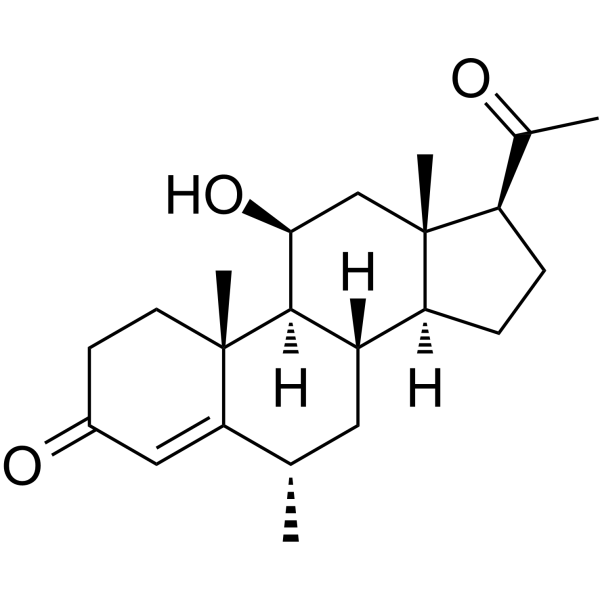
  • HY-B1076
    Medrysone
    1 Publications Verification

    HMS; 6α-Methyl-11β-hydroxyprogesterone

    VEGFR CCR STAT Neurological Disease
    Medrysone (HMS; 6α-Methyl-11β-hydroxyprogesterone) is a STAT6 modulator and M2 macrophage polarization inducer. Medrysone enhances IL-4-triggered STAT6 activation, upregulates the expression of M2 markers, and promotes the secretion of VEGF and CCL2. Medrysone also enhances the pro-migratory activity of M2-like macrophages toward endothelial cells. By regulating macrophage polarization and related repair pathways, Medrysone significantly promotes corneal wound repair in a rat mechanical injury model. Medrysone can be used for research related to corneal injury .
    Medrysone
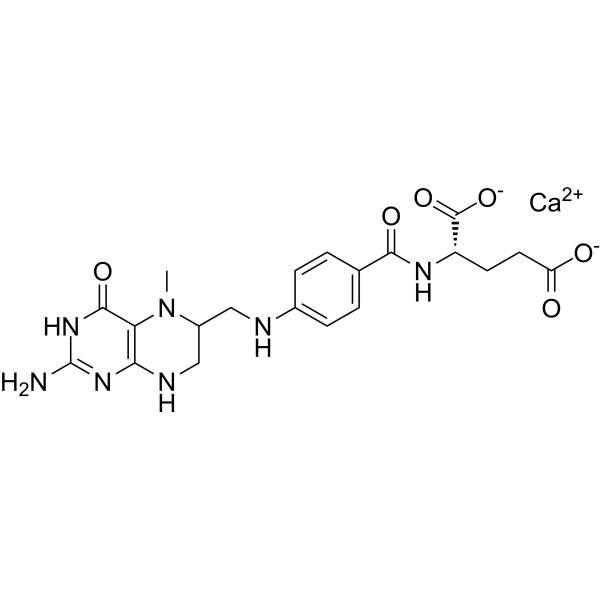
  • HY-17557

    NSC173328; 5-Methyl THF calcium

    Drug Derivative Cardiovascular Disease Neurological Disease Metabolic Disease Cancer
    Calcium N5-methyltetrahydrofolate (NSC173328; 5-Methyl THF (calcium)), Levomefolic acid (HY-14781) derivative, is a folic acid supplement. Calcium N5-methyltetrahydrofolate can be used for the research of neural tube defects, infertility, non-hodgkin's lymphoma, endometriosis .
    Calcium N5-methyltetrahydrofolate
  • HY-158082B

    Tetramethyl rhodamine isothiocyanate glucan, MW 40000

    Fluorescent Dye Others
    TRITC-dextran (Tetramethyl rhodamine isothiocyanate glucan), MW 40000 is a TRITC (HY-D0791)-labeled neutral 40 kDa fluorescent polysaccharide probe. TRITC-dextran, MW 40000 forms a membrane layer on the surface of protocells composed of protamine/folate condensates, and is used to assess membrane fluidity via fluorescence recovery after photobleaching. TRITC-dextran, MW 40000 can also be used to evaluate the anti-bacterial invasion ability and colloidal stability of coated condensates, as well as analyze the permeability of vascular and lymphatic endothelial cell layers .
    TRITC-dextran, MW 40000
  • HY-10656

    Urotensin Receptor Inflammation/Immunology
    SB-657510 is a selective urotensin II (UII) receptor (UT) antagonist. The Ki values are 61, 17, 30, 65 and 56 nM for human, monkey, cat, rat and mouse receptors, respectively. SB-657510 exerts anti-inflammatory effects by inhibiting UII-induced upregulation of inflammatory mediators such as adhesion molecules, cytokines, and tissue factor in human vascular endothelial cells .
    SB-657510
  • HY-19664

    OPC-13340

    Calcium Channel NO Synthase Cardiovascular Disease
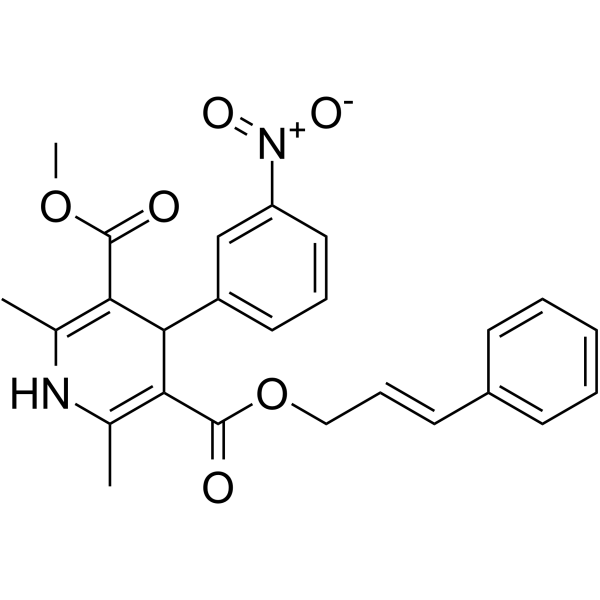
    Pranidipine (OPC-13340) is an orally active L-type voltage-dependent calcium channel (L-VDCC) blocker with a Ki value of 0.16 nM. Pranidipine inhibits calcium-induced contraction, suppresses slow-response action potentials, shortens action potential duration, reduces systolic and diastolic blood pressure, and exerts vasodilatory effects. Pranidipine enhances its vasodilatory effect by blocking NO decomposition. Pranidipine can be used in research related to essential hypertension, angina pectoris, myocardial infarction, and dilated cardiomyopathy .
    Pranidipine
  • HY-P3318

    L-BOC2

    Leukotriene Receptor Inflammation/Immunology
    Boc-Phe-Leu-Phe-Leu-Phe (Boc-FLFLF) is a N-formyl peptide receptors (FPR) inhibitor. Boc-Phe-Leu-Phe-Leu-Phe abolishes the FMLP-induced release of peptide leukotrienes. Boc-Phe-Leu-Phe-Leu-Phe inhibits the sprouting of human umbilical vein endothelial cell (HUVEC) spheroids mediated by proliferative diabetic retinopathy (PDR) vitreous and vascular endothelial growth factor (VEGF) respectively in a three-dimensional fibrin gel. Boc-Phe-Leu-Phe-Leu-Phe inhibits the anti-inflammatory and antifibrotic effects of Ac2-26 (HY-P1098). Boc-Phe-Leu-Phe-Leu-Phe can be used for the study of immunology .
    Boc-Phe-Leu-Phe-Leu-Phe
  • HY-W023144

    Tris(1-chloropropan-2-yl) phosphate

    Environmental Pollutants Apoptosis DNA/RNA Synthesis Reactive Oxygen Species (ROS) Mitochondrial Metabolism Biochemical Assay Reagents Cardiovascular Disease
    Tris (1-chloro-2-propyl) phosphate (Tris (1-chloropropan-2-yl) phosphate) is a chlorinated organophosphate flame retardant. Tris (1-chloro-2-propyl) phosphate induces DNA damage, elevates intracellular ROS levels, and triggers oxidative stress. Tris (1-chloro-2-propyl) phosphate disrupts mitochondrial membrane potential, leading to mitochondrial dysfunction. Tris (1-chloro-2-propyl) phosphate can trigger cell Apoptosis. Tris (1-chloro-2-propyl) phosphate reduces the survival rate of umbilical vein endothelial cells at relatively high concentrations .
    Tris(1-chloro-2-propyl) phosphate
  • HY-P99516

    HLX-06

    VEGFR Cancer
    Vulinacimab (HLX-06) is a human monoclonal antibody directed against human vascular endothelial growth factor receptor 2 (VEGFR-2). Vulinacimab specifically binds to and inhibits VEGFR-2, which may inhibit tumor angiogenesis and tumor cell proliferation. Vulinacimab can be used for the research of solid tumors and non-small cell lung cancer .
    Vulinacimab
  • HY-113445

    COX Endogenous Metabolite Endocrinology
    Thromboxane B3 is a prostaglandin analog derived from arachidonic acid (AA) in the cyclooxygenase (COX) metabolic pathway. Thromboxane B3 is generated from arachidonic acid (AA) in platelets and vascular endothelial cells through the catalysis of cyclooxygenase (COX) and thromboxane synthase (TXS). Thromboxane B3 has been reported to be formed by human platelets upon ingestion of eicosapentaenoic acid (C20: 5ω3) .
    Thromboxane B3
  • HY-174510

    mRNA Cancer
    Human VEGFA mRNA encodes the human vascular endothelial growth factor A (VEGFA) protein, a member of the PDGF/VEGF growth factor family. VEGFA could induce proliferation and migration of vascular endothelial cells, and is essential for both physiological and pathological angiogenesis.
    Human VEGFA mRNA
  • HY-120200

    VEGFR Cardiovascular Disease Cancer
    YF-452 is a potent inhibitor of vascular endothelial growth factor receptor 2 (VEGFR2). YF-452 remarkably inhibits the migration, invasion and tube-like structure formation of human umbilical vein endothelial cells (HUVECs) with little toxicity. YF-452 inhibits VEGF-induced phosphorylation of VEGFR2 kinase and the downstream protein kinases including extracellular signal regulated kinase (ERK), focal adhesion kinase (FAK) and Src. YF-452 is a potential antiangiogenic agent candidate for cancer research .
    YF-452
  • HY-115356

    14,15-LTE4; EoxE4

    Drug Metabolite Cardiovascular Disease
    Eoxin E4 (14,15-LTE4) is the metabolite of 14,15-LTC4 and 14,15-LTD4. Eoxin E4 increases vascular permeability of human endothelial cell monolayers with about 10-fold less potency than LTC4, but approximately 100-fold greater potency than histamine .
    Eoxin E4
  • HY-174509

    mRNA Cancer
    Human VEGFB mRNA encodes the human vascular endothelial growth factor B (VEGFB) protein, a member of the platelet-derived growth factor (PDGF)/ vascular endothelial growth factor (VEGF) family. VEGFB is a growth factor for endothelial cells.
    Human VEGFB mRNA
  • HY-174508

    mRNA Cancer
    Human VEGFC mRNA encodes the human vascular endothelial growth factor C (VEGFC) protein, a member of the platelet-derived growth factor/vascular endothelial growth factor (PDGF/VEGF) family. VEGFC promotes angiogenesis and endothelial cell growth, and can also affect the permeability of blood vessels.
    Human VEGFC mRNA
  • HY-N15264

    (-)-Azaspirene

    VEGFR Raf Cancer
    Azaspirene ((-)-Azaspirene) is an angiogenesis and Raf-1 activation inhibitor isolated from the fungus Neosartorya sp. Azaspirene inhibits vascular endothelial growth factor (VEGF)-induced human umbilical vein endothelial cell (HUVEC) migration and Raf-1 activation, but has no effect on the activation of kinase insert domain-containing receptor/fetal liver kinase 1 (VEGF receptor 2) .
    Azaspirene
  • HY-111162

    GPR55 GlyT Cardiovascular Disease Neurological Disease
    GSK494581A is a specific ligand for human GPR55 (pEC50 of 6.8) and also acts as an inhibitor of glycine transporter subtype 1 (GlyT1). GSK494581A may regulate pain signaling, bone morphogenesis, and vascular endothelial cell formation by binding to GPR55 .
    GSK494581A
  • HY-N1990R

    Reference Standards PPAR Cardiovascular Disease Inflammation/Immunology
    Gypenoside XLIX (Standard) is the analytical standard of Gypenoside XLIX. This product is intended for research and analytical applications. Gypenoside XLIX, a dammarane-type glycoside, is a prominent component of G. pentaphyllum. Gypenoside XLIX is a selective peroxisome proliferator-activated receptor (PPAR)-alpha activator and inhibits cytokine-induced vascular cell adhesion molecule-1 (VCAM-1) overexpression and hyperactivity in human endothelial cells .
    Gypenoside XLIX (Standard)
  • HY-W027751R

    Drug Intermediate Reference Standards Others
    Gypenoside XLIX (Standard) is the analytical standard of Gypenoside XLIX. This product is intended for research and analytical applications. Gypenoside XLIX, a dammarane-type glycoside, is a prominent component of G. pentaphyllum. Gypenoside XLIX is a selective peroxisome proliferator-activated receptor (PPAR)-alpha activator and inhibits cytokine-induced vascular cell adhesion molecule-1 (VCAM-1) overexpression and hyperactivity in human endothelial cells .
    2-Methylanisole (Standard)
  • HY-164551

    VEGFR STAT ERK Apoptosis Cancer
    YLL545 is a type of vascular endothelial growth factor receptor 2 (VEGFR2) inhibitor. YLL545 can inhibit VEGF-induced phosphorylation of VEGFR2 and the activation of downstream signaling factors (like phosphorylated STAT3 and phosphorylated ERK1/2) in human umbilical vein endothelial cells (HUVEC). YLL545 can suppress the proliferation, migration, invasion, and angiogenesis of HUVEC. YLL545 can induce apoptosis in breast cancer mice and inhibit tumor growth .
    YLL545
  • HY-P10770

    Peptide-Drug Conjugates (PDCs) E-Selectin Cardiovascular Disease Cancer
    P-ESBP-DOX is a HPMA copolymer-drug conjugate, which is consistituted of the E-selectin binding peptide and the Doxorubicin (HY-15142). P-ESBP-DOX exhibits cytotoxicity against TNFα-activated human vascular endothelial cells IVECs with an IC50 of 0.28 μM. P-ESBP-DOX can be used in research about tumor vasculature .
    P-ESBP-DOX
  • HY-155721

    22-4′-Pyridinecarbonyl jorunnamycin A

    Akt mTOR Cancer
    22-(4′-py)-JA is a semisynthetic derivative of junamycin A (JA) that can be isolated from the Thai blue sponge (Xestospongia sp.). 22-(4′-py)-JA has antimetastatic activity and can inhibit AKT/mTOR/p70S6K signaling. 22-(4′-py)-JA inhibits tumor cell invasion and tube formation in human umbilical vein endothelial cells (HUVEC), downregulates metalloproteinases (MMP-2 and MMP-9), hypoxia-inducible factor 1α (HIF-1α) and vascular endothelial growth factor (VEGF). 22-(4′-py)-JA has potent anticancer activity against non-small cell lung cancer (NSCLC) .
    22-(4′-py)-JA
  • HY-159962

    Glutaminase Metabolic Disease
    TGase2-IN-1 (Compound 22) is an orally active inhibitor for TGase2 with an IC50 of 1.12 μM. TGase2-IN-1 inhibits TGase2 in human retinal microvascular endothelial cells with an IC50 of 0.07 μM. TGase2-IN-1 exhibits 74.6% oral bioavailability. TGase2-IN-1 inhibits retinal vascular leakage in mouse Streptozotocin (HY-13753)-induced diabetic model .
    TGase2-IN-1
  • HY-D1579

    Fluorescent Dye Others
    C12 NBD galactosylceramide is a biologically active derivative of galactosylceramide that is tagged with a fluorescent C12 nitrobenzoxadiazole (C12 NBD) group. C12 NBD galactosylceramide has been used to detect ceramide trihexoside .
    C12 NBD Globotriaosylceramide
  • HY-N0353R

    (+)-Curdione (Standard)

    Reference Standards Ferroptosis Apoptosis Reactive Oxygen Species (ROS) Autophagy Glutathione Peroxidase Keap1-Nrf2 Heme Oxygenase (HO) TGF-β Receptor Indoleamine 2,3-Dioxygenase (IDO) Others
    Curdione (Standard) is the analytical standard of Curdione. This product is intended for research and analytical applications. Curdione ((+)-Curdione) is an orally active sesquiterpenoid. Curdione inhibits platelet aggregation. Curdione induces ferroptosis in colorectal cancer via m6A methylation mediated by METTL14 and YTHDF2. Curdione inhibits ferroptosis in Isoproterenol (HY-B0468)-induced myocardial infarction by regulating the Keap1/Trx1/GPX4 signaling pathway, suppressing oxidative stress (ROS) and apoptosis. Curdione ameliorates Doxorubicin (HY-15142)-induced cardiotoxicity by inhibiting oxidative stress (ROS) and activating the Nrf2/HO-1 pathway. Curdione ameliorates sepsis-induced lung injury by inhibiting platelet-mediated neutrophil extracellular trap formation. Curdione ameliorates Bleomycin (HY-17565A)-induced pulmonary fibrosis by inhibiting TGF-β-induced fibroblast-to-myofibroblast differentiation. Curdione exhibits neuroprotective effects against focal cerebral ischemia-reperfusion injury in rats. Curdione exerts antiproliferative effects against human uterine leiomyosarcoma by targeting IDO1. Curdione protects vascular endothelial cells and atherosclerosis by regulating DNMT1-mediated ERBB4 promoter methylation. Curdione inhibits inducible prostaglandin E2 production (IC50 = 1.1 μM) and cyclooxygenase 2 expression .
    Curdione (Standard)
  • HY-183985

    HSP HDAC STAT Cardiovascular Disease
    Hsp110/HDAC6-IN-1 is an orally active Hsp110/HDAC6 dual inhibitor. Hsp110/HDAC6-IN-1 disrupts Hsp110-STAT3 protein-protein interaction, suppresses HDAC6 enzymatic activity, and suppresses STAT3 signaling pathway. Hsp110/HDAC6-IN-1 inhibits abnormal proliferation and migration of human pulmonary arterial endothelial cells, and suppresses pulmonary vascular remodeling in rats. Hsp110/HDAC6-IN-1 can be used for the research of pulmonary arterial hypertension .
    Hsp110/HDAC6-IN-1
  • HY-W115785

    Environmental Pollutants VEGFR RUNX Metabolic Disease
    Zinc borate is a bioactive inorganic substance with properties including osteogenic induction, pro-angiogenesis, antioxidation, antimutagenesis and cytotoxicity. In the field of bone tissue engineering, Zinc borate is often incorporated into chitosan scaffolds. By releasing zinc ions and borate ions, Zinc borate induces the differentiation of human dental pulp stem cells into osteoblasts, upregulates the expression of bone-related genes and promotes calcium deposition. Zinc borate also promotes angiogenesis by upregulating key factors such as vascular endothelial growth factor. Zinc borate exhibits antioxidant capacity to scavenge free radicals, and can specifically reduce mutagenicity under specific conditions. Zinc borate reduces the survival rate of mouse fibroblasts, but it can still be used in studies related to bone tissue engineering .
    Zinc borate
  • HY-W032902

    Drug Derivative Cardiovascular Disease
    4-Amino-N-methylphthalimide (Compound 13) is an angiogenesis regulator and Thalidomide (HY-14658) derivative. 4-Amino-N-methylphthalimide exerts a bidirectional regulatory (inhibitory or promotive) effect on the proliferation of vascular endothelial cells. 4-Amino-N-methylphthalimide is applicable to the research of coronary heart disease .
    4-Amino-N-methylphthalimide
  • HY-P11799

    Transmembrane Glycoprotein Inflammation/Immunology
    cLABL is a cyclic peptide that specifically binds to ICAM‑1. cLABL mediates targeted enrichment and rapid endocytosis of nanoparticles. cLABL is applicable to researches such as precise drug delivery at inflammatory sites .
    cLABL
  • HY-10656R

    Reference Standards Urotensin Receptor Inflammation/Immunology
    SB-657510 (Standard) is the analytical standard of SB-657510 (HY-10656). This product is intended for research and analytical applications. SB-657510 is a selective urotensin II (UII) receptor (UT) antagonist. The Ki values are 61, 17, 30, 65 and 56 nM for human, monkey, cat, rat and mouse receptors, respectively. SB-657510 exerts anti-inflammatory effects by inhibiting UII-induced upregulation of inflammatory mediators such as adhesion molecules, cytokines, and tissue factor in human vascular endothelial cells .
    SB-657510 (Standard)
  • HY-116452

    VEGFR Cancer
    YLT192 is an orally active and highly bioavailable VEGFR2 inhibitor with potent anti-angiogenic activity and anti-tumor efficacy. YLT192 significantly inhibited the kinase activity of VEGFR2 and inhibited the proliferation, migration, invasion and tube formation of human umbilical cord vascular endothelial cells. YLT192 also inhibited VEGF-induced VEGFR2 phosphorylation and its downstream signaling regulators. YLT192 also showed the ability to inhibit angiogenesis in vivo in zebrafish embryo models and alginate-coated tumor cell experiments. YLT192 can directly inhibit the proliferation of cancer cells and induce their apoptosis .
    YLT192
  • HY-P992201

    CL1-R2

    MHC Apoptosis IFNAR TNF Receptor Interleukin Related Akt mTOR Cardiovascular Disease Neurological Disease Cancer
    Anti-CD160 Antibody (MAT 302) (CL1-R2) is a human monoclonal antibody targeting CD160. Anti-CD160 Antibody (MAT 302) blocks the CD160-HVEM protein interaction, inhibits FGF2-mediated renal tubular vascular growth, and induces endothelial cell apoptosis. Anti-CD160 Antibody (MAT 302) targets CD160 on neovascularization to exert anti-angiogenic and vascular normalization effects, trigger the production of IFN-γ, TNF and IL-6 by NK cells, and enhance glucose metabolism of NK cells through the AKT/mTOR/s6k signaling pathway. Anti-CD160 Antibody (MAT 302) reduces vascular density, normalizes remaining tumor blood vessels, and inhibits tumor growth in melanoma-bearing mice. Anti-CD160 Antibody (MAT 302) can be used in research related to neovascularization, proliferative diabetic retinopathy, and melanoma .
    Anti-CD160 Antibody (MAT 302)
  • HY-P992212

    L-Selectin Inflammation/Immunology
    Anti-CD62L Antibody (DREG-200) is a human monoclonal antibody targeting CD62L/L-selectin. Anti-CD62L Antibody (DREG-200) binds to residues 45, 46 and 47 of L-selectin, and blocks L-selectin-mediated interactions, neutrophil rolling, adhesion, aggregation, secondary anchoring, as well as leukocyte rolling on ligands. Anti-CD62L Antibody (DREG-200) reduces myocardial necrosis, coronary endothelial dysfunction, and neutrophil migration driven by neutrophil microparticles. Anti-CD62L Antibody (DREG-200) exerts cardioprotective effects in feline models. Anti-CD62L Antibody (DREG-200) can be used in studies related to myocardial ischemia-reperfusion injury. The recommended isotype control is Mouse IgG1 kappa (HY-P99977) .
    Anti-CD62L Antibody (DREG-200)

Inquiry Online

Your information is safe with us. * Required Fields.

Salutation


Country or Region *

Applicant Name *


Organization Name *

Department *


Email Address *


Product Name *

Cat. No.


Requested quantity *

Phone Number *


Remarks

Inquiry Online

Inquiry Information

Product Name:
Cat. No.:
Quantity:
MCE Japan Authorized Agent:

