
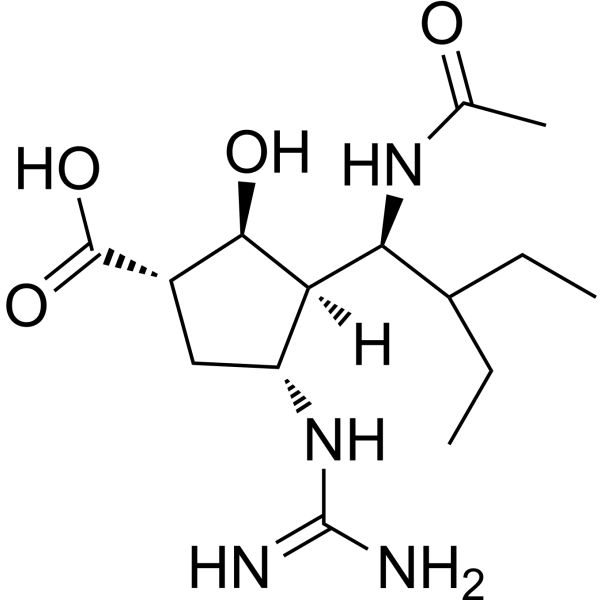
1. Search Result
Search Result
Results for "

influenza viruses

" in MedChemExpress (MCE) Product Catalog:

446

阻害剤およびアゴニスト

4

スクリーニングライブラリ

4

蛍光色素

4

生化学アッセイ試薬

33

ペプチド

16

阻害性抗体

92

天然物

30

同位体標識化合物

1

クリックケミストリー

3

オリゴヌクレオチド

Targets Recommended:
製品番号 製品名 Target 研究分野 構造式
  • HY-W019823
    4-MUNANA
    2 Publications Verification

    Fluorescent Dye Infection Neurological Disease
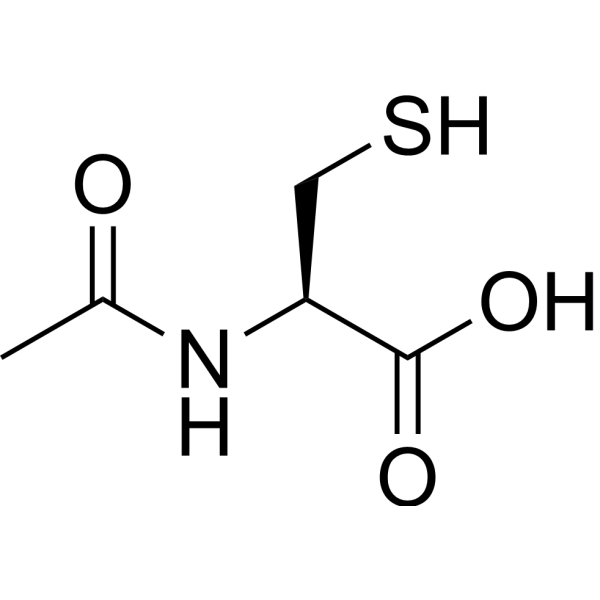
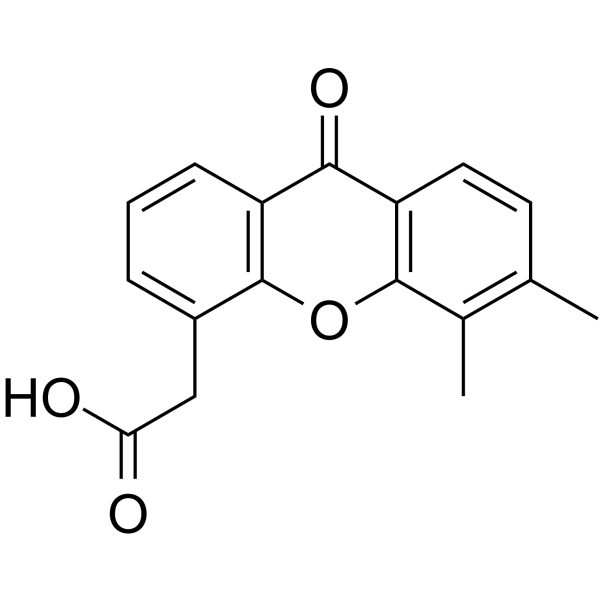
    4-MUNANA is a substrate of influenza virus neuraminidase (NA) with high selectivity and irreversible reaction. In the enzymatic reaction, 4-MUNANA is hydrolyzed by NA to generate fluorescent 4-methylumbelliferone (4-MU). By detecting the fluorescence intensity of 4-MU, quantitative analysis of NA activity can be achieved. 4-MUNANA can be used in influenza-related research, such as screening NA inhibitors, developing new anti-influenza drugs, and studying the infection mechanism of influenza viruses .
    4-MUNANA
  • HY-13317
    Oseltamivir
    45+ Cited Publications

    GS 4104

    Influenza Virus Infection Cancer
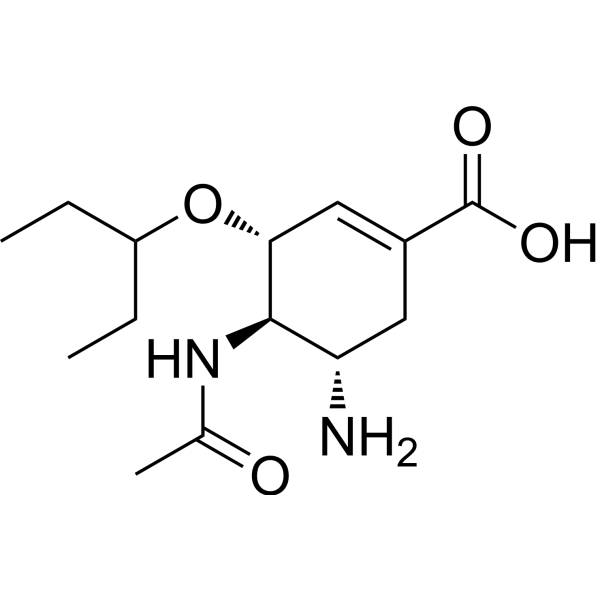
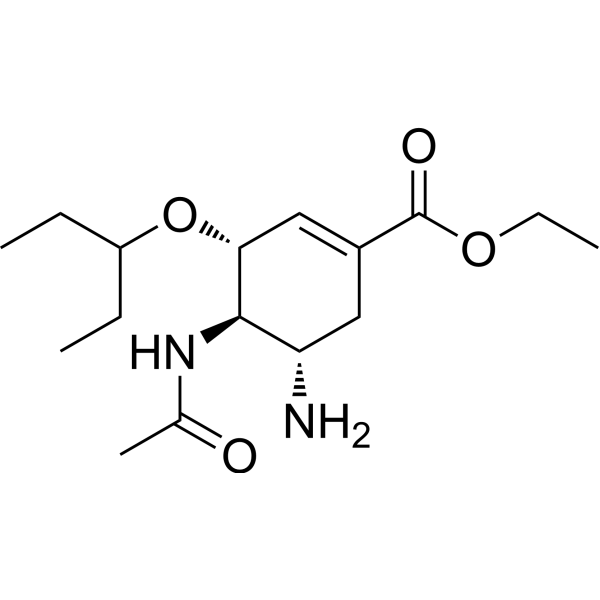
    Oseltamivir (GS 4104) is an orally active influenza virus neuraminidase inhibitor (NAI). Oseltamivir inhibits influenza A/H3N2, A/H1N2, A/H1N1, and B viruses with mean IC50s of 0.67, 0.9, 1.34 and 13 nM, respectively .
    Oseltamivir
  • HY-135853
    Molnupiravir
    70+ Cited Publications

    EIDD-2801; MK-4482

    SARS-CoV Influenza Virus Infection
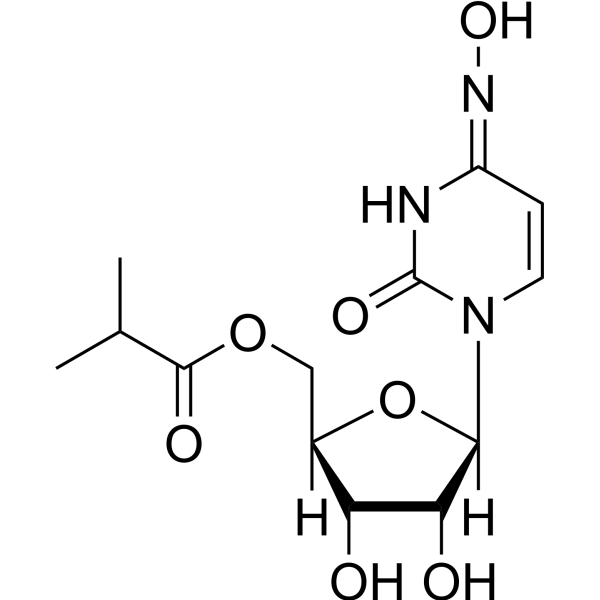
    Molnupiravir (EIDD-2801) is an orally bioavailable proagent of the ribonucleoside analog EIDD-1931. Molnupiravir has broad spectrum antiviral activity against influenza virus and multiple coronaviruses, such as SARS-CoV-2, MERS-CoV, SARS-CoV. Molnupiravir has the potential for the research of COVID-19, and seasonal and pandemic influenza .
    Molnupiravir
  • HY-138941
    Octaethylene glycol monododecyl ether
    1 Publications Verification

    C12E8

    Influenza Virus Infection
    Octaethylene glycol monododecyl ether (C12E8) is an non-ionic detergent that can be used for membrane protein extraction. Octaethylene glycol monododecyl ether can solubilize the viral membrane of intact influenza virus .
    Octaethylene glycol monododecyl ether
  • HY-N0035
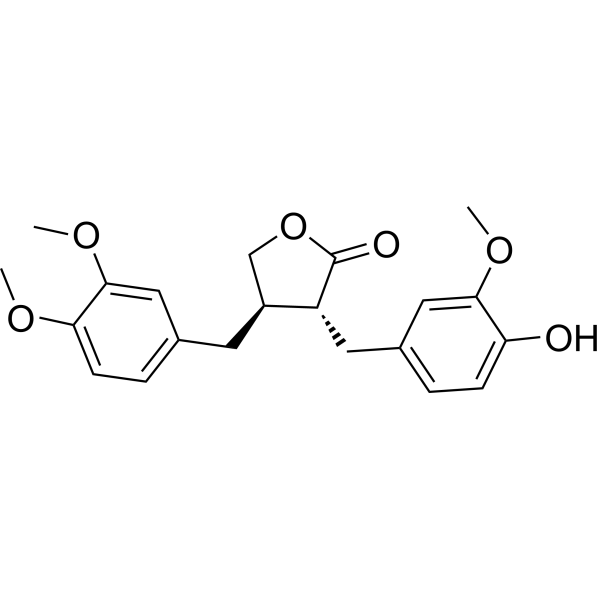
    Arctigenin
    10+ Cited Publications

    (-)-Arctigenin

    MMP Influenza Virus Autophagy Apoptosis Infection Neurological Disease Metabolic Disease Inflammation/Immunology Cancer
    Arctigenin ((-)-Arctigenin), a biologically active lignan, can be used as an antitumor agent. Arctigenin exhibits potent antioxidant, anti-inflammatory and antiviral (influenza A virus) activities. Arctigenin can be used for the research of metabolic disorders, and central nervous system dysfunctions .
    Arctigenin
  • HY-145586

    ZSP1273

    Influenza Virus DNA/RNA Synthesis Infection
    Onradivir (ZSP1273) is an orally active antiviral agent targeting influenza A virus RNA polymerase PB2 subunit with an IC50 of 0.562 nM. Onradivir inhibits cap binding to influenza A virus RNA polymerase PB2 subunit, suppresses viral replication, reduces viral titres and RNA loads, and inhibits influenza A virus infection. Onradivir maintains high survival rates in influenza A virus-infected mice, and reduces influenza A virus titers in a murine model. Onradivir can be used for the research of influenza A virus infection .
    Onradivir
  • HY-N7922
    Urolithin M5
    1 Publications Verification

    Decarboxyellagic acid

    Influenza Virus p38 MAPK EGFR Akt Reactive Oxygen Species (ROS) Apoptosis Infection Neurological Disease
    Urolithin M5 (Decarboxyellagic acid) is an orally active influenza virus neuraminidase inhibitor and neuroprotective agent, with IC50 values of 174.8 μM (HK68), 191.5 μM (pdm09), 243.2 μM (WSN) and 257.1 μM (PR8) against four influenza virus neuraminidases, respectively. Urolithin M5 inhibits viral neuraminidase activity, thereby blocking influenza virus replication (including oseltamivir (HY-13317)-resistant strains), protecting infected mammals from death and improving pulmonary edema. Urolithin M5 forms a hydrogen-bond stabilized complex with IGF1R, and binds to MAPK14, AKT1, NFKB1 and EGFR. Urolithin M5 reduces reactive oxygen species production, inhibits neuronal apoptosis, restores mitochondrial transmembrane potential, and promotes neurite outgrowth of damaged neuronal cells. Urolithin M5 can be used in research related to influenza virus infection and Alzheimer's disease .
    Urolithin M5
  • HY-P99750

    CT-P23

    Influenza Virus Infection
    Navivumab (CT-P23) is a monoclonal antibody targeting the hemagglutinin (HA) of influenza A virus. Navivumab binds to the HA2 stem fusion domain and the low-variability HA2 region of influenza viruses. Navivumab neutralizes influenza A viruses of subtypes H1, H2, H5, and H9. Navivumab is applicable to research related to influenza and influenza A .
    Navivumab
  • HY-P991446

    Influenza Virus Infection
    MEDI-8852 is a human IgG1 monoclonal antibody against influenza A virus hemagglutinin (HA). MEDI-8852 binds to the conserved HA stalk epitope and neutralizes viral infectivity. MEDI-8852 reduces viral titers in mouse lung tissues. MEDI-8852 is applicable to research related to pandemic influenza . Recommended isotype control: Human IgG1 kappa, Isotype Control (HY-P99001).
    MEDI-8852
  • HY-139558

    PD0184264; ATR-002

    MEK Influenza Virus Bacterial Infection Cancer
    Zapnometinib (PD0184264), an active metabolite of CI-1040, is a MEK inhibitor, with an IC50 of 5.7 nM. Zapnometinib exhibits antiviral activity against influenza virus and antibacterial activities .
    Zapnometinib
  • HY-W011518
    2′-Deoxy-2′-fluoroguanosine
    1 Publications Verification

    Nucleoside Antimetabolite/Analog Influenza Virus Infection
    2′-Deoxy-2′-fluoroguanosine is a nucleoside analog and potent influenza virus inhibitor with an EC90 value of <0.35 μM against influenza A and B viruses. 2′-Deoxy-2′-fluoroguanosine inhibits influenza virus replication in the upper respiratory tract, thereby ameliorating fever and nasal inflammation .
    2′-Deoxy-2′-fluoroguanosine
  • HY-14837

    Enisamium iodide

    Influenza Virus SARS-CoV Infection
    Amizon is an orally effective antiviral and anti-inflammatory agent. Amizon inhibits influenza virus replication and restricts viral RNA synthesis. Amizon reduces the mRNA expression of COX-1, COX-2, NF-κB, TGF1β, IL-1 and IL-6, and stimulates the secretion and mRNA expression of IL-10. Amizon inhibits the oxidative activity of macrophages and possesses antioxidant and free radical-scavenging activities. Amizon is applicable to research related to influenza and acute respiratory viral infections .
    Amizon
  • HY-N11630

    Influenza Virus Biochemical Assay Reagents Infection
    Pinellic acid is an orally active adjuvant for intranasal influenza vaccines. Pinellic acid can be extracted from the tubers of Pinellia ternata Breitenbach. When administered intranasally in combination with influenza HA vaccine, Pinellic acid slightly increases the titers of antiviral IgG antibodies in bronchoalveolar lavage fluid and serum. Pinellic acid shows no hemolytic activity. Pinellic acid can be used in studies related to influenza virus infection .
    Pinellic acid
  • HY-158312
    UH15-38
    1 Publications Verification

    Necroptosis RIP kinase Influenza Virus Infection Inflammation/Immunology
    UH15-38 is a potent RIPK3 inhibitor with an IC50 value of 20 nM. UH15-38 blocks IAV (influenza A virus)-activated necroptosis. UH15-38 dampens IAV-induced lung injury .
    UH15-38
  • HY-P991059

    Influenza Virus Infection
    VIS-410 is an antibody inhibitor targeting the stem region of hemagglutinin (HA). VIS-410 inhibits influenza virus replication by blocking HA-mediated membrane fusion. VIS-410 exhibits broad-spectrum neutralization against influenza A viruses with group 1 and group 2 hemagglutinins, including subtypes such as H1N1, H3N2, H5N1, and H7N9 (H5N1 IC50 = 1.5 μg/mL). VIS-410 is applicable to research related to influenza A virus infection .
    VIS-410
  • HY-DY1034

    Fluorescent Dye Infection Neurological Disease
    4-MUNANA (solution) is a substrate of influenza virus neuraminidase (NA) with high selectivity and irreversible reaction. In the enzymatic reaction, 4-MUNANA is hydrolyzed by NA to generate fluorescent 4-methylumbelliferone (4-MU). By detecting the fluorescence intensity of 4-MU, quantitative analysis of NA activity can be achieved. 4-MUNANA can be used in influenza-related research, such as screening NA inhibitors, developing new anti-influenza drugs, and studying the infection mechanism of influenza viruses .
    Solvent and Concentration: Sterile water: 10 mM
    4-MUNANA (solution)
  • HY-W012738
    DL-Pyroglutamic acid
    1 Publications Verification

    Influenza Virus GABA Receptor Infection
    DL-Pyroglutamic acid (CAE) as an inactivator of hepatitis B surface, inactivates vaccinia virus, herpes simplex virus, and influenza virus except poliovirus. DL-Pyroglutamic acid is also a possible inhibitor of GABA transaminase, increases GABA amount with antiepileptic action .
    DL-Pyroglutamic acid
  • HY-156048
    Trifluoromethyl-tubercidin
    2 Publications Verification

    TFMT

    Influenza Virus Infection
    Trifluoromethyl-tubercidin (TFMT) is an inhibitor of 2'-O-ribose methyltransferase 1 (MTr1). Trifluoromethyl-tubercidin can inhibit the replication of influenza A and B viruses by interfering with the cap-snatching process of the influenza virus. Trifluoromethyl-tubercidin has antiviral activity and low toxicity .
    Trifluoromethyl-tubercidin
  • HY-164390

    Neu5Acα2-6Galβ1-4GlcNAc

    Endogenous Metabolite Infection Cancer
    6′SLN is a cancer-related extracellular vesicle (EVs) surface glycan that serves as a key form of protein glycosylation in EVs. 6′SLN is also a sialic acid derivative that can interact with hemagglutinins (HAs) from human and avian influenza virus strains, making it useful for research into anti-influenza drugs .
    6′SLN
  • HY-D0871

    N-Cyclohexyltaurine

    Biochemical Assay Reagents Influenza Virus Infection
    CHES (N-Cyclohexyltaurine) is a biological buffer reagent that binds to influenza virus hemagglutinin (HA). CHES mimics the binding mode of sialic acid to the HA receptor-binding site .
    CHES
  • HY-177555

    Influenza Virus Endonuclease Infection
    AV5116 is a cap-dependent endonuclease inhibitor (CENI) that binds to the active site of the cap-dependent endonuclease (CEN) located in the N-terminal domain of the polymerase acidic. AV5116 exhibits potent inhibitory activity against influenza viruses (influenza A, B, and C viruses). AV5116 can be used for the study of influenza virus infections .
    AV5116
  • HY-P990811

    Influenza Virus Infection
    Anti-Influenza A virus NP Antibody (H16-L10-4R5 (HB-65)) is mouse-derived IgG2a κ type antibody inhibitor, targeting to influenza virus nucleoprotein. Anti-Influenza A virus NP Antibody (H16-L10-4R5 (HB-65)) reacts with influenza virus nucleoprotein (NP). Anti-Influenza A virus NP Antibody (H16-L10-4R5 (HB-65)) can induce passive immunity to influenza A virus. Anti-Influenza A virus NP Antibody (H16-L10-4R5 (HB-65)) can be used for the detections of western blot, flow cytometry and immunohistochemistry in Influenza A virus infection .
    Anti-Influenza A virus NP Antibody (H16-L10-4R5 (HB-65))
  • HY-P1837

    Influenza Virus HSV Infection
    Influenza HA (518-526) is an H-2d-restricted CTL epitope derived from influenza virus hemagglutinin. Influenza HA (518-526) is highly conserved across various H5N1, some H9N2, and H1N1 strains. Influenza HA (518-526) binds to the mouse MHC class I allele K d to form a complex, which is then recognized by specific CD8 + T cells. Influenza HA (518-526) is an immunodominant epitope in influenza-infected BALB/c mice, and it stimulates CD8 + T cells to secrete IFN-γ to induce a robust immune response. Currently, Influenza HA (518-526) is widely used in research related to respiratory syncytial virus (RSV), influenza virus, and H5N1 influenza .
    Influenza HA (518-526)
  • HY-137334

    Influenza Virus Infection
    Neuraminidase-IN-1 is a neuraminidase inhibitor, with an IC50 of 0.21 μM. Neuraminidase-IN-1 has excellent activity against H1N1 influenza virus .
    Neuraminidase-IN-1
  • HY-13317R

    GS 4104 (Standard)

    Reference Standards Influenza Virus Infection
    Oseltamivir (Standard) is the analytical standard of Oseltamivir. This product is intended for research and analytical applications. Oseltamivir (GS 4104) is an orally active influenza virus neuraminidase inhibitor (NAI). Oseltamivir inhibits influenza A/H3N2, A/H1N2, A/H1N1, and B viruses with mean IC50s of 0.67, 0.9, 1.34 and 13 nM, respectively .
    Oseltamivir (Standard)
  • HY-131069A

    Influenza Virus Infection
    MBX2329, a potent influenza virus inhibitor, specifically inhibits hemagglutinin (HA)-mediated viral entry with HIV/HA(H5) displaying IC90 of 8.6 μM. MBX2329 inhibits a wide spectrum of influenza A viruses, which includes the 2009 pandemic influenza virus A/H1N1/2009, highly pathogenic avian influenza (HPAI) virus A/H5N1, and oseltamivir-resistant A/H1N1 strains .
    MBX2329
  • HY-W892911

    Influenza Virus Infection
    AV-5080 is an orally active neuraminidase inhibitor. AV-5080 can be used for the research of influenza A and B viruses .
    AV-5080
  • HY-123304

    Influenza Virus Infection
    MBX2546 is a influenza A virus inhibitor with the Kd values of 5.3μM and > 100 μM for H1 Hemagglutinin and H3 Hemagglutinin, respectively .
    MBX2546
  • HY-N10581

    Influenza Virus Infection
    Flutimide is a novel endonuclease inhibitor of influenza virus. Flutimide selectively inhibits endonuclease with an IC50 value of 3 μM. Flutimide shows antiviral activity in cell culture. Flutimide can be used for the research of acute contagious respiratory disease, such as influenza .
    Flutimide
  • HY-N7346

    HSV Cholinesterase (ChE) Infection
    Lucidadiol is a natural compound isolated from Ganoderma lucidum. Lucidadiol exhibits acetylcholinesterase-inhibitory activity, with IC50 values of 31 μM. Lucidadiol shows antiviral activity against influenza virus type A and HSV type 1 .
    Lucidadiol
  • HY-112543

    Influenza Virus Infection
    S119-8 is a broad spectrum inhibitor of influenza A and B viruses, showing activity against multiple influenza B viruses and an oseltamivir-resistant influenza A virus, but does not inhibit a non-influenza virus, vesicular stomatitis nirus (VSV) .
    S119-8
  • HY-172515

    Influenza Virus Virus Protease Drug Isomer Infection
    ent-Oseltamivir, the enantiomer of Oseltamivir (HY-13317), is a neuraminidase (NA) of influenza virus inhibitor. ent-Oseltamivir is promising for research of influenza virus infections .
    ent-Oseltamivir
  • HY-145586A

    ZSP1273 monohydrate

    Influenza Virus DNA/RNA Synthesis Infection
    Onradivir (ZSP1273) monohydrate is an orally active antiviral agent targeting influenza A virus RNA polymerase PB2 subunit with an IC50 of 0.562 nM. Onradivir monohydrate inhibits cap binding to influenza A virus RNA polymerase PB2 subunit, suppresses viral replication, reduces viral titres and RNA loads, and inhibits influenza A virus infection. Onradivir monohydrate maintains high survival rates in influenza A virus-infected mice, and reduces influenza A virus titers in a murine model. Onradivir monohydrate can be used for the research of influenza A virus infection .
    Onradivir monohydrate
  • HY-129150

    Influenza Virus Infection
    Ganoderic acid TR is a broad-spectrum inhibitor of influenza neuraminidase enzymes (NAs). Ganoderic acid TR has IC50 values of 10.9 and 4.6 μM for H5N1 and H1N1 NAs, respectively. Ganoderic acid TR is limited by cytotoxicity and shows only weak activity against Oseltamivir (HY-13317)-resistant H1N1 viruses and influenza B viruses .
    Ganoderic acid TR
  • HY-143769

    Cap-dependent endonuclease-IN-15

    Influenza Virus Infection
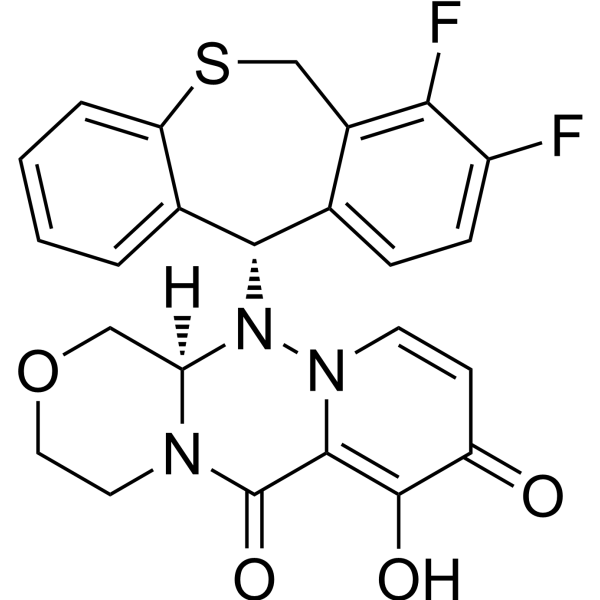
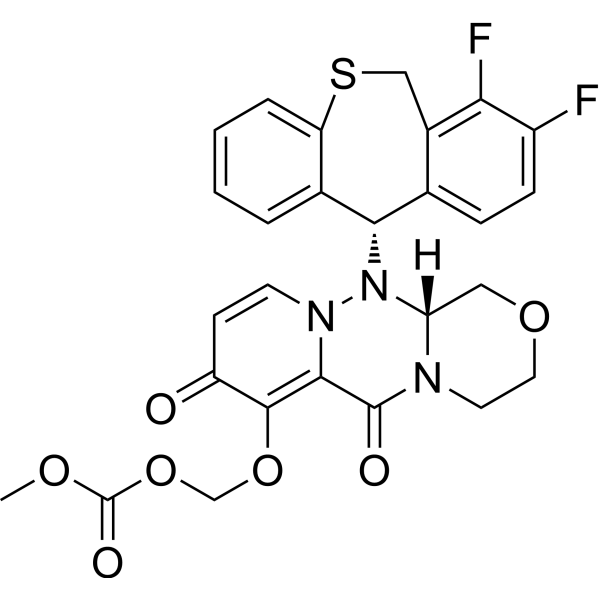
    Sebaloxavir marboxil (Cap-dependent endonuclease-IN-15) (Compound c-1) is a potent inhibitor of cap-dependent endonuclease (CEN). Sebaloxavir marboxil inhibits the replication of influenza virus. Sebaloxavir marboxil has the potential for the research of viral infections caused by influenza viruses .
    Sebaloxavir marboxil
  • HY-145391

    Influenza Virus Infection
    Triperiden is an inhibitor of influenza virus multiplication. Triperiden targets the haemagglutinin of fowl plague virus (FPV) for antiviral activity and acts by inhibiting the conformational change in the haemagglutinin at acid pH. Triperiden is also anticholinergic anti-parkinsonism agent .
    Triperiden
  • HY-177791

    PROTACs Influenza Virus Infection
    vRNPs degrader-1 is a potent PROTAC viral ribonucleoproteins (vRNPs) degrader. vRNPs degrader-1 shows broad-spectrum anti-influenza A viruses (IAV) activity by targeting the conserved 5′ end of viral RNA, thereby inducing proteasomal degradation of viral proteins. vRNPs degrader-1 inhibits H1N1, H9N2, and H3N2 infection in mice. vRNPs degrader-1 can be used for influenza research .
    vRNPs degrader-1
  • HY-P1937

    Influenza Virus Infection
    Cyclo(-Met-Pro) is a cyclic dipeptide consisting of the amino acids methionine and proline. Cyclo(-Met-Pro) exhibits weak inhibitory activity against the influenza A virus (H3N2) (5 mM, 2.1% inhibition), while cis-cyclo(Leu-Pro) and cis-cyclo(Phe-Pro) shows significant antiviral activity .
    Cyclo(-Met-Pro)
  • HY-147974

    HSP Influenza Virus Infection
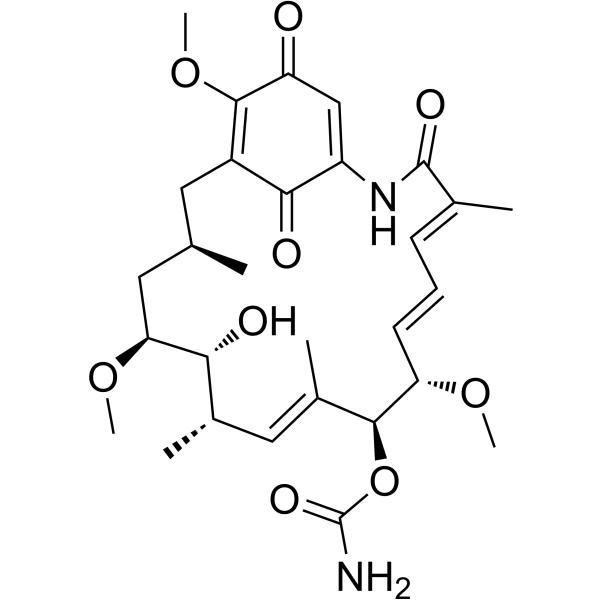
    HSP90-IN-14 (compound 4) is a potent Hsp90 (heat shock protein 90) inhibitor, with a Kd of 0.26 μM. HSP90-IN-14 shows anti-influenza virus activity in MDCK cells, with EC50 values of 2.6, 3.9, and 17 μM for influenza A/H3N2, A/H1N1, and B, respectively .
    HSP90-IN-14
  • HY-P991054

    Influenza Virus Infection
    CR-8020 is a human IgG1 antibody that targets influenza A virus H3N2. CR-8020 binds to hemagglutinin (HA) of H3N2 strains with IC50s of 3.36 nM and 0.06 nM for A/Brisbane/10/2007 and A/Wyoming/3/2003, respectively. The isotype control for CR-8020 can refer to Human IgG1 kappa, Isotype Control (HY-P99001) .
    CR-8020
  • HY-N0035R

    (-)-Arctigenin (Standard)

    Reference Standards MMP Influenza Virus Autophagy Apoptosis Infection Neurological Disease Metabolic Disease Inflammation/Immunology Cancer
    Arctigenin (Standard) is the analytical standard of Arctigenin. This product is intended for research and analytical applications. Arctigenin ((-)-Arctigenin), a biologically active lignan, can be used as an antitumor agent. Arctigenin exhibits potent antioxidant, anti-inflammatory and antiviral (influenza A virus) activities. Arctigenin can be used for the research of metabolic disorders, and central nervous system dysfunctions .
    Arctigenin (Standard)
  • HY-155476

    Influenza Virus Infection
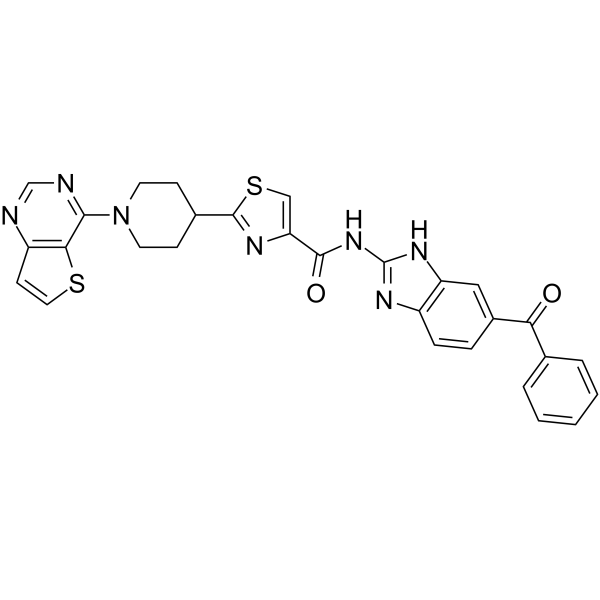
    Influenza virus-IN-8 (compound A4) is an inhibitor of influenza virus (Influenza Virus) that induces viral nucleoprotein (NP) aggregation and prevents its nuclear accumulation. Influenza virus-IN-8 has broad-spectrum anti-influenza activity and can inhibit the replication and transcription of influenza A virus. Influenza virus-IN-8 also inhibits Oseltamivir (HY-13317)-resistant H1N1/pdm09 strains .
    Influenza virus-IN-8
  • HY-146004

    Influenza Virus Infection
    Influenza A virus-IN-4 (compound 23b), an Oseltamivir derivative, is a potent inhibitor of neuraminidase. Influenza A virus-IN-4 exerts powerful inhibitions on influenza viruses .
    Influenza A virus-IN-4
  • HY-146147

    Influenza Virus Infection
    Influenza virus-IN-5 (Compound 5f) is an inhibitor of influenza virus hemagglutinin (HA) with an EC50 of 1 nM against influenza A/H3N2 virus .
    Influenza virus-IN-5
  • HY-156288

    Influenza Virus Infection
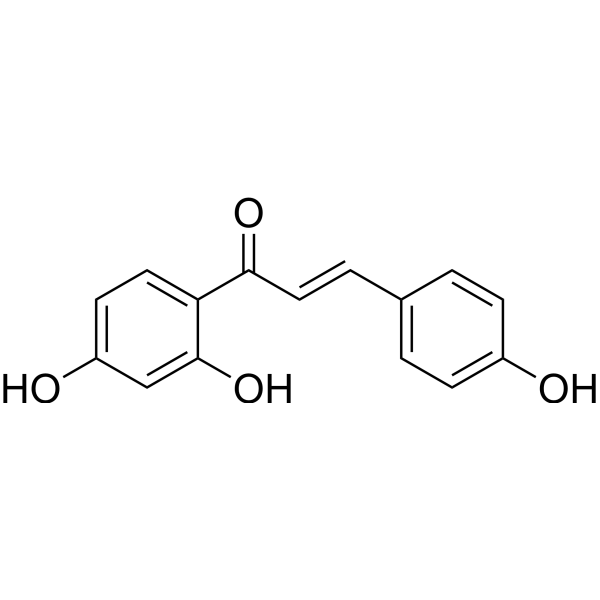
    Anti-Influenza agent 5 (Compound IIB-2), chalcone-like derivative, is an influenza nuclear export inhibitor. Anti-Influenza agent 5 has inhibitory effects on oseltamivir-resistant strains. Anti-Influenza agent 5 can impede virus proliferation by blocking the export of influenza virus nucleoprotein .
    Anti-Influenza agent 5
  • HY-170646

    Influenza Virus Infection
    Influenza A virus-IN-15 (Compound 9b), a quinoline derivative, is a broad-spectrum inhibitor of influenza A viruses with acceptable cytotoxicity (IC50: 0.88-6.33 μM). Influenza A virus-IN-15 can inhibit the transcription and replication of viral RNA and is used in research for its antiviral effects against influenza A viruses (IAV) .
    Influenza A virus-IN-15
  • HY-152239

    DNA/RNA Synthesis Influenza Virus Infection
    RdRP-IN-5 (compound 20) is a potent influenza virus RNA-dependent RNA polymerase (RdRP) inhibitor. RdRP-IN-5 can be used in research of influenza virus .
    RdRP-IN-5
  • HY-152239B

    DNA/RNA Synthesis Influenza Virus Infection
    trans-RdRP-IN-5 (compound 18) is a potent influenza virus RNA-dependent RNA polymerase (RdRP) inhibitor. trans-RdRP-IN-5 can be used in research of influenza virus .
    trans-RdRP-IN-11
  • HY-152239A

    DNA/RNA Synthesis Influenza Virus Infection
    cis-RdRP-IN-5 (compound 19) is a potent influenza virus RNA-dependent RNA polymerase (RdRP) inhibitor. cis-RdRP-IN-5 can be used in research of influenza virus .
    cis-RdRP-IN-11
  • HY-119213

    Influenza Virus Infection
    BMY-27709 is an influenza virus growth inhibitor with an IC50 value of 3-8 μM against A/WSN/33 virus growth, and also exhibits inhibitory activity against some subtypes of influenza viruses. BMY-27709 acts early in the course of H1 and H2 virus infections, and exhibits antiviral activity through inhibition of hemagglutinin proteins. However, BMY-27709 has no effect on H3 subtype viruses and influenza B/Lee/40 viruses .
    BMY-27709

オンラインお問い合わせ

入力情報は安全に管理されます. 必須入力項目.

タイトル


国或いは地域 *

お名前 *


組纖名 *

デパートメント *


メールアドレス *


製品名 *

製品番号


カスタマ需要量 *

電話番号 *


必ず会社名を記載ください。個人への返信は行いません。

備考

バルクお問い合わせ

Inquiry Information

製品名:
製品番号:
数量:
MCE 日本正規代理店:

