

1. Search Result
Search Result
Results for "

islets

" in MedChemExpress (MCE) Product Catalog:

136

Inhibitors & Agonists

2

Fluorescent Dye

11

Biochemical Assay Reagents

31

Peptides

6

Inhibitory Antibodies

16

Natural
Products

16

Isotope-Labeled Compounds

11

Oligonucleotides

Cat. No. Product Name Target Research Areas Chemical Structure
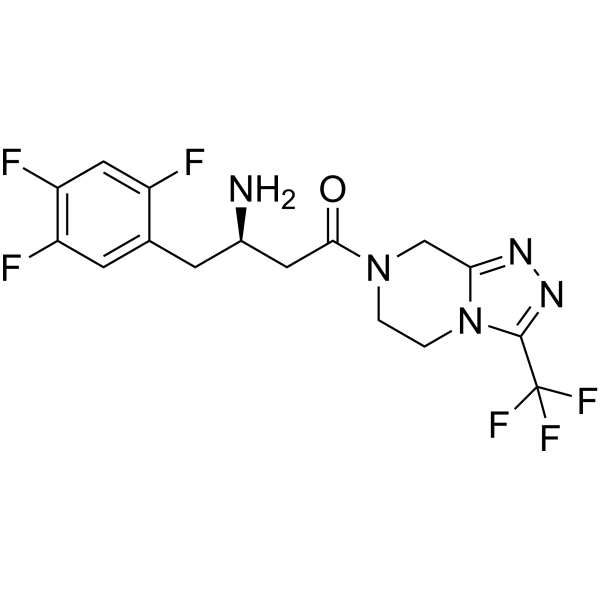
  • HY-13749
    Sitagliptin
    Maximum Cited Publications
    30 Publications Verification

    MK-0431

    Dipeptidyl Peptidase GLP Receptor Endogenous Metabolite PKA ERK Metabolic Disease
    Sitagliptin (MK-0431) is an orally active and highly selective DPP4 inhibitor with an IC50 value of 19 nM. Sitagliptin blocks the degradation of glucagon-like peptide-1 (GLP-1) and glucose-dependent insulinotropic peptide (GIP) by competing inhibition mechanism (Kᵢ = 1 nM), thereby increasing the level of active incretin. Sitagliptin can also directly stimulate the secretion of GLP-1 by intestinal L cells by activating the cAMP/PKA and ERK1/2 pathways, and this effect is independent of DPP-4. Sitagliptin shows protective effects on pancreatic islet grafts in 1-type diabetes models. Sitagliptin can be used for the study of 1-type and 2-type diabetes .
    Sitagliptin
  • HY-108529
    BMS493
    5+ Cited Publications

    RAR/RXR Metabolic Disease
    BMS493 is an inverse pan-retinoic acid receptor (RAR) agonist. BMS493 increases nuclear corepressor interaction with RARs. BMS493 also could prevent retinoic acid-induced differentiation . BMS493 is a click chemistry reagent, it contains an Alkyne group and can undergo copper-catalyzed azide-alkyne cycloaddition (CuAAc) with molecules containing Azide groups.
    BMS493
  • HY-P3375

    IBI-362; LY-3305677; OXM-3

    GCGR GLP Receptor Metabolic Disease
    Mazdutide (IBI-362; LY-3305677) is a long-acting synthetic oxyntomodulin analog. Mazdutide is also a co-agonist of glucagon-like peptide (GLP-1R) and glucagon receptor (GCGR). Mazdutide binds human and mouse GCGR (Ki: 17.7 nM and 15.9 nM, respectively) and GLP-1R (Ki: 28.6 nM and 25.1 nM, respectively) and stimulates insulin secretion from mouse islets (EC50: 5.2 nM). Mazdutide is used in studies of obesity and type 2 diabetes (T2D) .
    Mazdutide
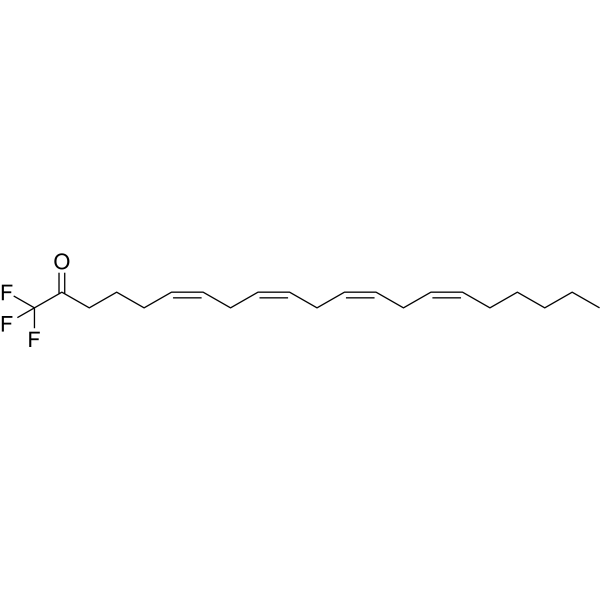
  • HY-108611
    AACOCF3
    4 Publications Verification

    Arachidonyl trifluoromethyl ketone

    Phospholipase Cardiovascular Disease
    AACOCF3 (Arachidonyl trifluoromethyl ketone) is a cell-permeant trifluoromethyl ketone analog of arachidonic acid. AACOCF3 is a potent and selective slow binding inhibitor of the 85-kDa cytosolic phospholipase A2 (cPLA2). AACOCF3 blocks production of arachidonate and 12-hydroxyeicosatetraenoic acid by calcium ionophore-challenged platelets. AACOCF3 inhibits glucose-induced insulin secretion from isolated rat islets. AACOCF3 has the potential for the research of cardiovascular disease .
    AACOCF3
  • HY-W040329

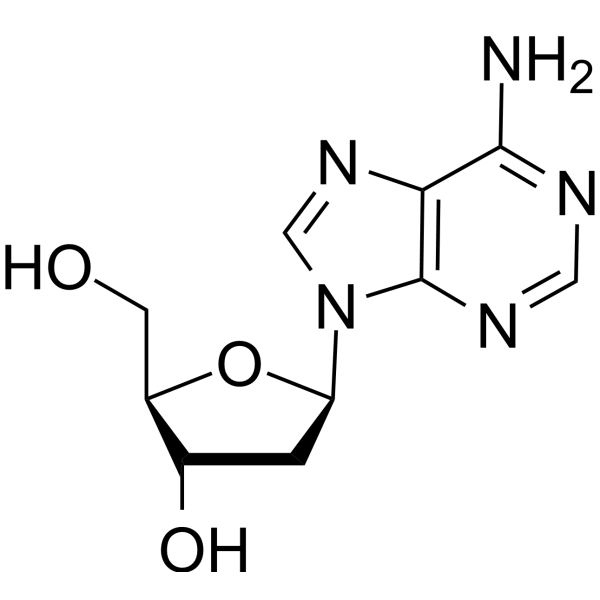
    Endogenous Metabolite Nucleoside Antimetabolite/Analog Caspase Apoptosis Metabolic Disease Endocrinology Cancer
    2′-Deoxyadenosine is an adenine nucleoside that inhibits glucose-stimulated insulin release. 2′-Deoxyadenosine inhibits glucose-stimulated increases seen in islet cyclic AMP (cAMP) accumulation. 2'-Deoxyadenosine activates caspase-3 and promotes apoptosis. 2'-Deoxyadenosine inhibits the activity of S-adenosyl-L-homocysteine hydrolase (SAHH). 2'-Deoxyadenosine inhibits the growth of various cells. 2'-Deoxyadenosine has an anticancer effect on colon cancer .
    2'-Deoxyadenosine
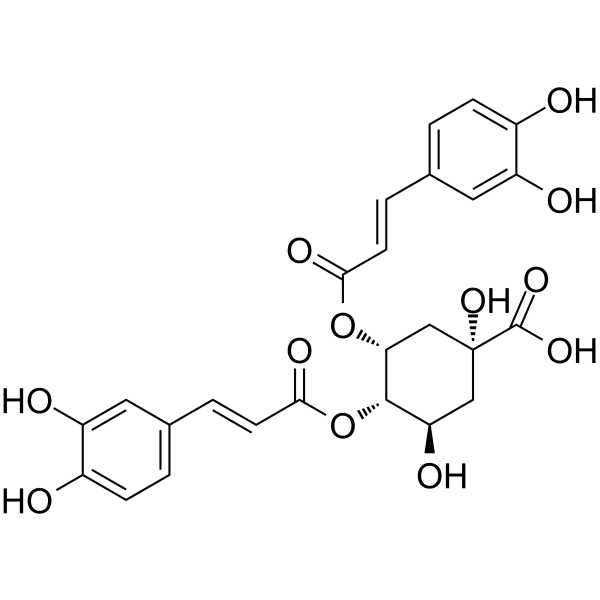
  • HY-N0058
    4,5-Dicaffeoylquinic acid
    10+ Cited Publications

    Isochlorogenic acid C

    HBV Endogenous Metabolite Apoptosis Glycosidase Infection
    4,5-Dicaffeoylquinic acid (Isochlorogenic acid C) is an antioxidant, can be isolated from Gynura divaricata and Laggera alata. 4,5-Dicaffeoylquinic acid reduces islet cell apoptosis and improves pancreatic function in type 2 diabetic mice, and has obvious inhibitory activities against yeast α-glucosidase. 4,5-Dicaffeoylquinic acid inhibits prostate cancer cells through cell cycle arrest. 4,5-Dicaffeoylquinic acid also has anti-apoptotic, anti-injury and anti-hepatitis B virus effects .
    4,5-Dicaffeoylquinic acid
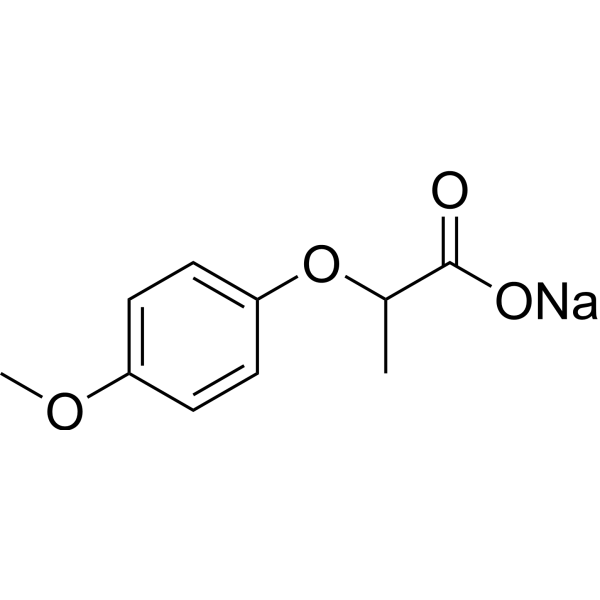
  • HY-W030796A
    Lactisole
    3 Publications Verification

    Taste Receptor Metabolic Disease
    Lactisole is a canonical antagonist of sweet taste receptor, selectively targeting to T1R3 subunit, a glucose-sensing receptor. Lactisole inhibits insulin secretion induced by glucose in mouse islets .
    Lactisole
  • HY-121835

    GCGR Metabolic Disease
    GLP-1R agonist 2 (compound 2) is an effective GLP-1R agonist that exerts its activating effect by forming hydrogen bonds with the Tyr42, Cys71, and Ser84 residues of GLP-1R. GLP-1R agonist 2 has the potential for research in metabolic diseases such as type 2 diabetes and obesity .
    GLP-1R agonist 2
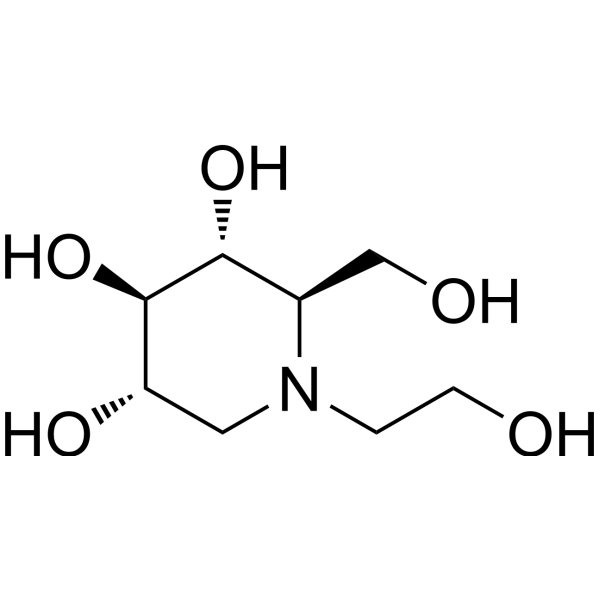
  • HY-B0481
    Miglitol
    2 Publications Verification

    BAY1099; BAY-m1099

    Glycosidase AMPK Reactive Oxygen Species (ROS) Metabolic Disease
    Miglitol (BAY-m1099) is an orally active antidiabetic compound that inhibits the breakdown of glycoconjugates into glucose. Miglitol inhibits glycoside hydrolase enzymes called α-glucosidases. Miglitol inhibits oxidative stress-induced apoptosis and mitochondrial ROS over-production in endothelial cells by enhancement of AMP-activated protein kinase. Dietary supplementation with Miglitol from pre-onset stage in OLETF rats delays the onset and development of diabetes and preserves the insulin secretory function of pancreatic islets .
    Miglitol
  • HY-12461

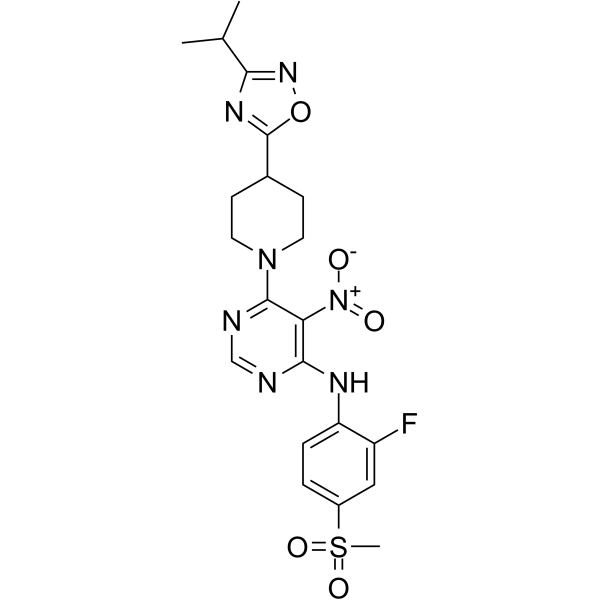
    PI3K EGFR GABA Receptor FLT3 IKK Neurological Disease Metabolic Disease Inflammation/Immunology
    WS6 is an IkB kinase and EBP1 inhibitor, with IC50 values of 0.24 nM, 0.21 nM, and 40.48 nM in MV4-11, MOLM13, and K562 cells, respectively. WS6 promotes the proliferation of alpha and beta cells in the pancreas, has antioxidant and anti-inflammatory activities, and can alleviate depression like behavior in rats [1][2][4].
    WS6
  • HY-N9914

    D-Allulose

    p38 MAPK NF-κB Metabolic Disease
    D-psicose is an orally active rare sugar. D-psicose inhibits p38-MAPK phosphorylation and MCP-1 expression. D-psicose inhibits the AGEs/RAGE/NF-κB pathway. D-psicose protects pancreatic β-islets, improves hyperglycemia and high-fat diet-induced non-alcoholic fatty liver disease .
    D-Psicose
  • HY-108298

    PP 5; Perfluorodecahydronaphthalene

    Biochemical Assay Reagents Others
    Perfluorodecalin liquids are largrly used in vitreoretinal surgery. Perfluorodecalin with tamponade lasting more than two days is detrimental to the retina in the case of rabbit. Perfluorodecalin can be used for the research of giant retinal tears . Perfluorodecalin is a non-toxic, non-flammable, thermally stable, non-bio-accumulating O2-carrier and used as artificial blood . Perfluorodecalin enhances bone regeneration and cell viability .
    Perfluorodecalin
  • HY-P10735

    Gastric inhibitory polypeptide(mouse); GIP(1-42) (mouse)

    Lipase Apoptosis Metabolic Disease
    GIP (Gastric inhibitory polypeptide) (mouse) is a gastrointestinal hormone that is secreted by the intestinal K cells, and also expressed in and secreted from pancreatic islets. GIP (mouse) promotes insulin secretion from pancreatic β cells via the G-protein-coupled GIP receptor (GIPR). GIP (mouse) promotes pancreatic β cell proliferation and inhibits apoptosis. GIP (mouse) also exerts direct lipogenic effects on adipose tissue .
    GIP (mouse)
  • HY-13981
    Ligandrol
    2 Publications Verification

    LGD-4033

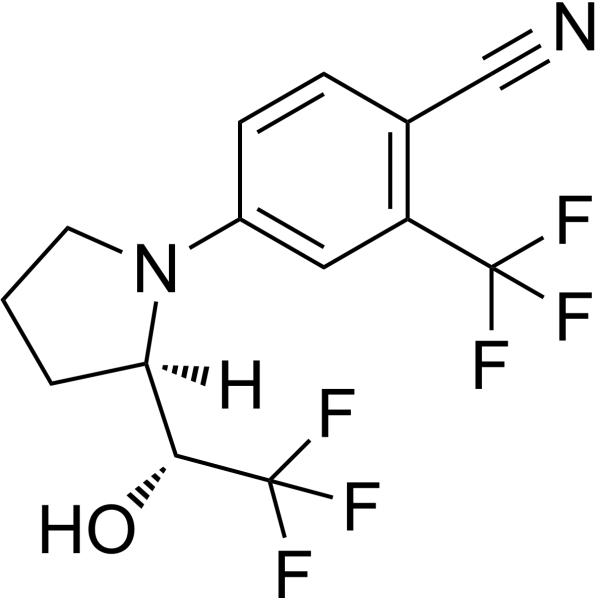
    Androgen Receptor Apoptosis Insulin Receptor Caspase Metabolic Disease Endocrinology
    Ligandrol is an orally active, selective androgen receptor (AR) agonist. Ligandrol enhances protein synthesis, inhibits muscle breakdown and oxidative stress, improves muscle cell viability and bone tissue microstructure, and reduces Cisplatin (HY-17394)-induced muscle toxicity and apoptosis. Ligandrol promotes muscle growth, protects bone structure, and has anti-diabetic, anti-apoptotic and antioxidant effects. Ligandrol can antagonize Streptozotocin (HY-13753) damage to pancreatic islets and improve the symptoms of type 2 diabetes .
    Ligandrol
  • HY-101020

    2-Picolinamide

    PARP Metabolic Disease
    Picolinamide (2-Picolinamide) is an inhibitor of Poly(ADP-ribose) synthetase of nuclei from rat pancreatic islet cells .
    Picolinamide
  • HY-15671

    Glucokinase Metabolic Disease
    GKA50 is a potent glucokinase activator (EC50=33 nM at 5 mM glucose). GKA50 stimulates insulin release from mouse islets of Langerhans. GKA50 is a glucose-like activator of beta-cell metabolism in rodent and human islets and a Ca 2+-dependent modulator of insulin secretion. GKA50 shows significant glucose lowering in high fat fed female rats .
    GKA50
  • HY-15564
    AR 231453
    2 Publications Verification

    GPR119 Metabolic Disease
    AR 231453 is a potent, specific and orally available GPR119 agonist. AR 231453 can stimulate β-cell replication and improve islet graft function s .
    AR 231453
  • HY-B0254
    Glipizide
    2 Publications Verification

    CP 28720; K 4024

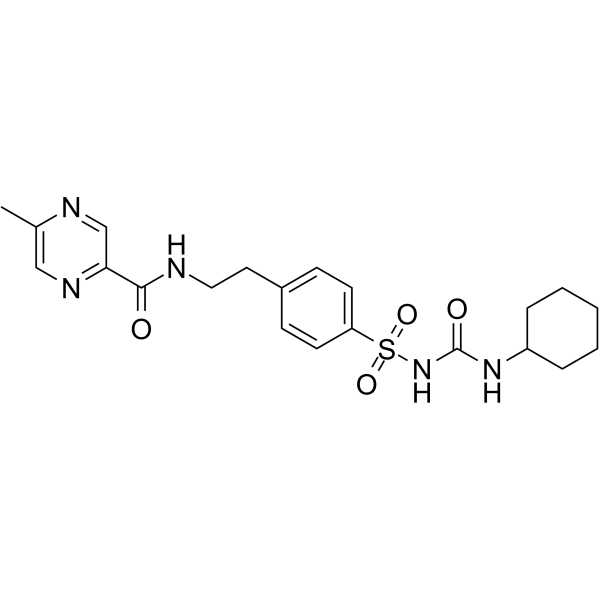
    Potassium Channel Metabolic Disease Cancer
    Glipizide (CP 2872; K 4024)?a potent, orally active and sulfonylurea class anti-diabetic agent and can be used for type 2?diabetes mellitus research but not type 1. Glipizide acts by partially blocking ATP-sensitive potassium?(KATP) channels among β cells of pancreatic islets of Langerhans .
    Glipizide
  • HY-115403
    FKGK18
    1 Publications Verification

    Phospholipase Apoptosis Metabolic Disease
    FKGK18 is a selective group VIA calcium-independent phospholipase A2 (GVIA iPLA2) inhibitor. FKGK18 is a fluoroketone (FK)-based compound with IC50s of 50 nM and 3 μM for iPLA2β and iPLA2γ. FKGK18 can be used for the research of beta-cell apoptosis and diabetes .
    FKGK18
  • HY-W011683

    Endogenous Metabolite Nucleoside Antimetabolite/Analog Caspase Apoptosis Metabolic Disease Endocrinology Cancer
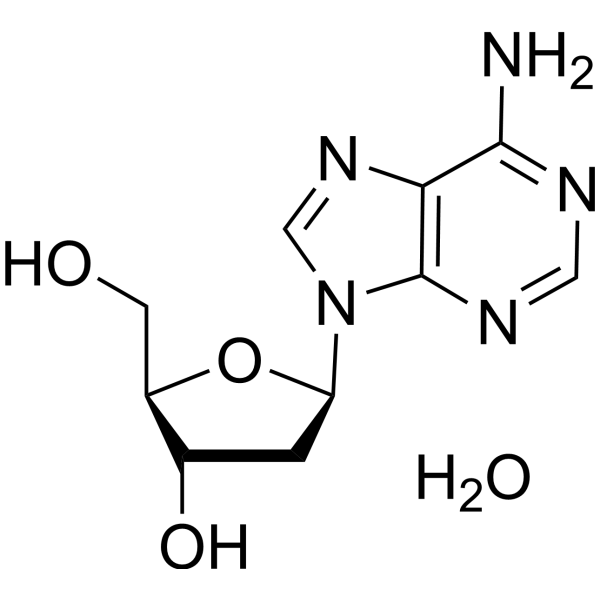
    2′-Deoxyadenosine monohydrate is an adenine nucleoside that inhibits glucose-stimulated insulin release. 2′-Deoxyadenosine monohydrate inhibits glucose-stimulated increases seen in islet cyclic AMP (cAMP) accumulation. 2'-Deoxyadenosine monohydrate activates caspase-3 and promotes apoptosis. 2'-Deoxyadenosine monohydrate inhibits the activity of S-adenosyl-L-homocysteine hydrolase (SAHH). 2'-Deoxyadenosine monohydrate inhibits the growth of various cells. 2'-Deoxyadenosine monohydrate has an anticancer effect on colon cancer .
    2'-Deoxyadenosine monohydrate
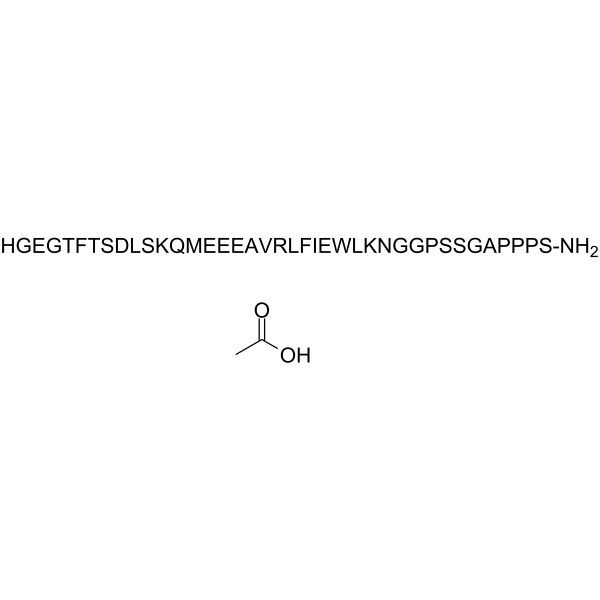
  • HY-P3375A

    IBI-362 TFA; LY-3305677 TFA; OXM-3 TFA

    GCGR GLP Receptor Metabolic Disease
    Mazdutide (IBI-362; LY-3305677) TFA is a long-acting synthetic oxyntomodulin analog. Mazdutide is also a co-agonist of glucagon-like peptide (GLP-1R) and glucagon receptor (GCGR). Mazdutide TFA binds human and mouse GCGR (Ki: 17.7 nM and 15.9 nM, respectively) and GLP-1R (Ki: 28.6 nM and 25.1 nM, respectively) and stimulates insulin secretion from mouse islets (EC50: 5.2 nM). Mazdutide TFA is used in studies of obesity and type 2 diabetes (T2D) .
    Mazdutide TFA
  • HY-19694

    Insulin Receptor Endocrinology
    BRD7552, a potent PDX1 transcription factor inducer, upregulates PDX1 expression in both primary human islets and ductal cells, and induces epigenetic changes in the PDX1 promoter consistent with transcriptional activation. BRD7552 increases insulin expression. PDX1 is a key transcription factor involved in pancreas development and β cell function .
    BRD7552
  • HY-12462

    Keap1-Nrf2 Inflammation/Immunology
    WS3 is a novel proliferative molecule that promotes pancreatic β cell proliferation in rodent and human primary islets. WS3 can be used for the research of type 1 diabetes .
    WS3
  • HY-P2752

    LPL

    Endogenous Metabolite Metabolic Disease Cancer
    Lipoprotein lipase, Pseudomonas sp (LPL) is a multifunctional enzyme from adipose tissue, heart and skeletal muscle, islets and macrophages. Lipoprotein lipase promotes normal lipoprotein metabolism, delivery and utilization of tissue-specific substrates. Lipoprotein lipase catalyzes the rate-limiting step of lipids in blood circulation .
    Lipoprotein lipase, Pseudomonas sp
  • HY-W145482

    Drug Isomer Metabolic Disease
    3-O-Methyl-D-glucopyranose is a non-metabolizable glucose analog. 3-O-Methyl-D-glucopyranose exerts a protective effect against alloxan-induced damage to rat pancreatic islet β cells. 3-O-Methyl-D-glucopyranose can be used in diabetes research .
    3-O-Methyl-D-glucopyranose
  • HY-106288

    PTHR Cancer
    Human PTHrP-(1-36) is a secretory form of PTHrP with anticalciuric effects. Human PTHrP-(1-36) enhances beta cell function and proliferation. Human PTHrP-(1-36) can be used in the research of humoral hypercalcemia of malignancy (HHM) and hyperparathyroidism .
    Human PTHrP-(1-36)
  • HY-120565

    G protein-coupled Bile Acid Receptor 1 Metabolic Disease
    WB403 is an orally active TGR5 activator with an EC50 of 5.5 μM against human TGR5. WB403 activates TGR5 to stimulate downstream signaling pathways, promote GLP-1 secretion, improve glucose tolerance in mice with type 2 diabetes, and reduce levels of fasting blood glucose, postprandial blood glucose and HbA1c. WB403 increases pancreatic β-cell mass and restores the distribution of α-cells and β-cells in islets. WB403 is applicable to the research of type 2 diabetes .
    WB403
  • HY-W110793

    Diphenylthiocarbazone

    Biochemical Assay Reagents Metabolic Disease
    Dithizone can be toxic to pancreatic islet cells and cause experimental diabetes. Dithizone can be used for in vitro in vivo staining of transplanted islets and cytoplasmic granules of bone marrow cells. Dithizone can be used as a chelating agent and colorimetric indicator for the detection and extraction of various heavy metals, including lead and mercury, in analytical and biochemical applications. Dithizone forms stable colored complexes with metal ions and can be quantitatively analyzed by methods such as spectrophotometry .
    Dithizone
  • HY-W030796
    Lactisole free acid
    3 Publications Verification

    Taste Receptor Metabolic Disease
    Lactisole free acid is a canonical antagonist of sweet taste receptor, selectively targeting to T1R3 subunit, a glucose-sensing receptor. Lactisole free acid inhibits insulin secretion induced by glucose in mouse islets .
    Lactisole free acid
  • HY-12185
    BRD7389
    2 Publications Verification

    Ribosomal S6 Kinase (RSK) Metabolic Disease Cancer
    BRD7389 is a specific RSK family kinase inhibitor with IC50s of 1.5 μM, 2.4 μM, and 1.2 μM for RSK1, RSK2, and RSK3, respectively. BRD7389 is a small-molecule inducer of insulin expression in pancreatic α-cells .
    BRD7389
  • HY-116819

    GCGR Neurological Disease Metabolic Disease
    VU0453379 is a blood-brain barrier permeable GLP-1R positive allosteric modulator (PAM) with an EC50 value of 1.3 μM. VU0453379 potentiates the actions of endogenous GLP-1 and synthetic peptide agonists, and promotes GLP-1 receptor internalization. VU0453379 stimulates insulin secretion from primary mouse islets. VU0453379 enhances the function of endogenous GLP-1R and reverses catalepsy in animal models. VU0453379 is useful for research on Parkinson's disease and type 2 diabetes .
    VU0453379
  • HY-P2632

    RADA16

    Biochemical Assay Reagents Neurological Disease
    RAD16-I (RADA16) is a non-directed self-assembling peptide hydrogel. Under physiological conditions, RAD16-I spontaneously forms a three-dimensional nanofiber network that mimics the extracellular matrix, and possesses excellent properties such as high water content, biocompatibility and degradability. RAD16-I serves as an ideal scaffold for three-dimensional cell culture. RAD16-I not only maintains cell viability and induces self-organization, but also supports cell adhesion, proliferation, differentiation and insulin secretion, effectively stabilizes islet clusters and promotes directed differentiation of the cardiac lineage. RAD16-I can construct a cell-friendly nano-microenvironment for research related to diseases such as myocardial infarction and diabetes .
    RAD16-I
  • HY-P5489

    IFNAR Metabolic Disease Inflammation/Immunology
    IGRP(206-214) is a biological active peptide. IGRP(206-214) corresponds to residues 206-214 of murine islet-specific glucose-6-phosphatase catalytic subunit-related protein (IGRP). IGRP(206-214) is T cells specific for proinsulin and IGRP induces diabetes in non-obese diabetic (NOD) mice .
    IGRP(206-214)
  • HY-10061B

    AZD-3355 hydrochloride

    GABA Receptor Metabolic Disease
    Lesogaberan (AZD-3355) hydrochloride is a potent and selective GABAB receptor agonist with an EC50 of 8.6 nM for human recombinant GABAB receptor. The affinity (Kis) of Lesogaberan hydrochloride for rat GABAB and GABAA receptors, as measured by displacement of [ 3H]GABA binding in brain membranes: 5.1 nM and 1.4 μM, respectively. Lesogaberan hydrochloride inhibits transient lower esophageal sphincter relaxation through a peripheral mode of action .
    Lesogaberan hydrochloride
  • HY-P10341

    GCGR Metabolic Disease
    ZP3022 is a dual agonist of glucagon-like peptide-1 (GLP-1) and gastrin that has the ability to sustainably improve glycemic control. Additionally, ZP3022 can effectively increase β-cell mass, promote β-cell proliferation, and enhance the function of pancreatic islets. ZP3022 can be used in anti-diabetic research .
    ZP3022
  • HY-B0254S

    Isotope-Labeled Compounds Potassium Channel Metabolic Disease
    Glipizide-d11 is the deuterium labeled Glipizide. Glipizide (CP 2872; K 4024)?a potent, orally active and sulfonylurea class anti-diabetic agent and can be used for type 2?diabetes mellitus research but not type 1. Glipizide acts by partially blocking ATP-sensitive potassium?(KATP) channels among β cells of pancreatic islets of Langerhans .
    Glipizide-d11
  • HY-B0254R

    CP 28720 (Standard); K 4024 (Standard)

    Reference Standards Potassium Channel Metabolic Disease
    Glipizide (Standard) is the analytical standard of Glipizide. This product is intended for research and analytical applications. Glipizide (CP 2872; K 4024) a potent, orally active and sulfonylurea class anti-diabetic agent and can be used for type 2 diabetes mellitus research but not type 1. Glipizide acts by partially blocking ATP-sensitive potassium (KATP) channels among β cells of pancreatic islets of Langerhans .
    Glipizide (Standard)
  • HY-N9914R

    D-Allulose (Standard)

    Reference Standards p38 MAPK NF-κB Metabolic Disease
    D-Psicose (Standard) is the analytical standard of D-Psicose (HY-N9914). This product is intended for research and analytical applications. D-psicose is an orally active rare sugar. D-psicose inhibits p38-MAPK phosphorylation and MCP-1 expression. D-psicose inhibits the AGEs/RAGE/NF-κB pathway. D-psicose protects pancreatic β-islets, improves hyperglycemia and high-fat diet-induced non-alcoholic fatty liver disease .
    D-Psicose (Standard)
  • HY-N9685

    D-(+)-Digitoxose

    Others Metabolic Disease
    Digitoxose (D-(+)-Digitoxose), a natural product, specifically and competitively inhibits glucose-stimulated insulin release from islets in lean and obese mice. Digitoxose can be used in diabetes research .
    Digitoxose
  • HY-125662A

    Reactive Oxygen Species (ROS) Apoptosis Metabolic Disease
    BMX-001, a novel redox-active metalloporphyrin, improves islet function and engraftment in a murine transplant model. BMX-001 reduces apoptosis in human and murine islets. BMX-001 significantly improves static-glucose stimulated insulin secretion (sGSIS) responses in murine islets. BMX-001 can significantly restore euglycemia in murine islet studies in the presence of the MnSOD. BMX-001 reduces the generation of ROS in a murine islet isolation and culture model .
    BMX-001
  • HY-P5396A

    Amino Acid Decarboxylase Others
    GAD65 (524-543) acetate is a biological active peptide with amino acids 524 to 543 fragment of glutamic acid decarboxylase 65 (GAD65). GAD65 (524-543) acetate is one of the first fragments of the islet antigen to induce proliferative T cell responses in the non-obese diabetic (NOD) mouse model of spontaneous autoimmune diabetes. GAD65 (524-543) acetate is a specific, possibly low affinity, stimulus for the spontaneously arising diabetogenic T cell clone BDC2.5. Immunization with GAD65 (524-543) acetate increases the susceptibility of the NOD mice to type 1 diabetes induced by the adoptive transfer of BDC2.5 T cells .
    GAD65 (524-543) acetate
  • HY-P5074

    GCGR Metabolic Disease
    GRPP (human) is a 30 amino acid Gcg-derived peptide. GRPP (human) causes slight increases in plasma insulin and decreases in plasma glucagon. GRPP (human) does not affect insulin secretion in rat islets .
    GRPP (human)
  • HY-P3926

    hIAPP (8-37)

    Amylin Receptor Metabolic Disease
    Amylin (8-37) (human) (hIAPP (8-37)) is a 8-37 fragment of human islet amyloid polypeptide (IAPP). The duplex folding structure in the Amylin (8-37) (human) assembly has a hairpin structure .
    Amylin (8-37) (human)
  • HY-P991455

    TNF Receptor Cancer
    PTX-35 is a human IgG monoclonal antibody (mAb) targeting TNFRSF25. PTX-35 reduces the suppressive activity of regulatory T cells and enhances CD4+ T cell effector responses in a mouse melanoma model. PTX-35 can be used in Islet cell transplant rejection and Solid tumours research. Recommended isotype control: Human IgG1 lambda2, Isotype Control (HY-P990096) .
    PTX-35
  • HY-W039923

    Insulin Receptor Endocrinology
    β-D-Galactose pentaacetate is a negative regulator of insulin with plasma membrane penetrating ability and can be hydrolyzed by intracellular esterases. β-D-Galactose pentaacetate inhibits Leucine (HY-N0486)-induced insulin release in Wistar rat islets, potentially preventing excessive insulin release in pathological conditions .
    β-D-Galactose pentaacetate
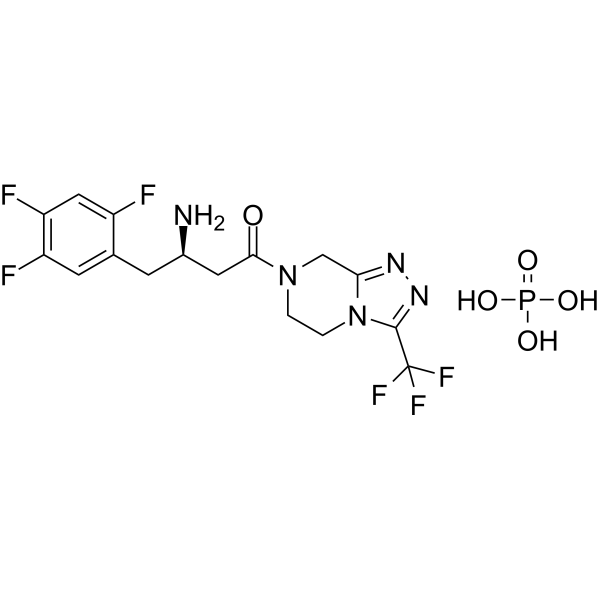
  • HY-13749E

    MK-0431 hydrochloride

    Dipeptidyl Peptidase GLP Receptor Endogenous Metabolite PKA ERK Metabolic Disease
    Sitagliptin (MK-0431) hydrochloride is an orally active and highly selective DPP4 inhibitor with an IC50 value of 19 nM. Sitagliptin hydrochloride blocks the degradation of glucagon-like peptide-1 (GLP-1) and glucose-dependent insulinotropic peptide (GIP) by competing inhibition mechanism (Kᵢ = 1 nM), thereby increasing the level of active incretin. Sitagliptin hydrochloride can also directly stimulate the secretion of GLP-1 by intestinal L cells by activating the cAMP/PKA and ERK1/2 pathways, and this effect is independent of DPP-4. Sitagliptin hydrochloride shows protective effects on pancreatic islet grafts in 1-type diabetes models. Sitagliptin hydrochloride can be used for the study of 1-type and 2-type diabetes .
    Sitagliptin hydrochloride
  • HY-P3864

    Insulin Receptor Metabolic Disease
    Pancreastatin (37-52), human is a pancreastatin fragment. Pancreastatin a CgA-derived peptide (CgA residues 250–301) with biological activity, inhibited the releasing of insulin by islet beta cells .
    Pancreastatin (37-52), human
  • HY-P990295

    Integrin Metabolic Disease Inflammation/Immunology Cancer
    Anti-Mouse CD103 Antibody (M290) is a rat-derived IgG2a κ type antibody inhibitor, targeting to mouse CD103. Anti-Mouse CD103 Antibody (M290) can neutralize CD103. Anti-Mouse CD103 Antibody (M290) can be used for the researches of cancer, inflammation, immunology and metabolic disease, such as B16.gp33 tumor, colitis and diabetes .
    Anti-Mouse CD103 Antibody (M290)
  • HY-E70368

    Biochemical Assay Reagents Others
    Collagenase G Recombinant is involved in the islet isolation process, and digests specific collagens from the N-terminus, especially Col-V .
    Collagenase G (Recombinant)
  • HY-P1871A

    Amylin Receptor Metabolic Disease
    Amylin (IAPP), feline TFA is a 37-amino acid polypeptide from feline. Amylin (IAPP), feline TFA is one of the major secretory products of β-cells of the pancreatic islets. Amylin (IAPP), feline TFA is a regulatory peptide, which inhibits insulin and glucagon secretion .
    Amylin (IAPP), feline TFA

Inquiry Online

Your information is safe with us. * Required Fields.

Salutation


Country or Region *

Applicant Name *


Organization Name *

Department *


Email Address *


Product Name *

Cat. No.


Requested quantity *

Phone Number *


Remarks

Inquiry Online

Inquiry Information

Product Name:
Cat. No.:
Quantity:
MCE Japan Authorized Agent:

