

1. Search Result
Search Result
Results for "

moisturizing

" in MedChemExpress (MCE) Product Catalog:

45

Inhibitors & Agonists

1

Fluorescent Dye

6

Biochemical Assay Reagents

2

Peptides

16

Natural
Products

2

Isotope-Labeled Compounds

4

Oligonucleotides

Cat. No. Product Name Target Research Areas Chemical Structure
  • HY-W013242

    cis-11-Eicosenoic acid

    Endogenous Metabolite Reactive Oxygen Species (ROS) PKC ERK STAT Inflammation/Immunology
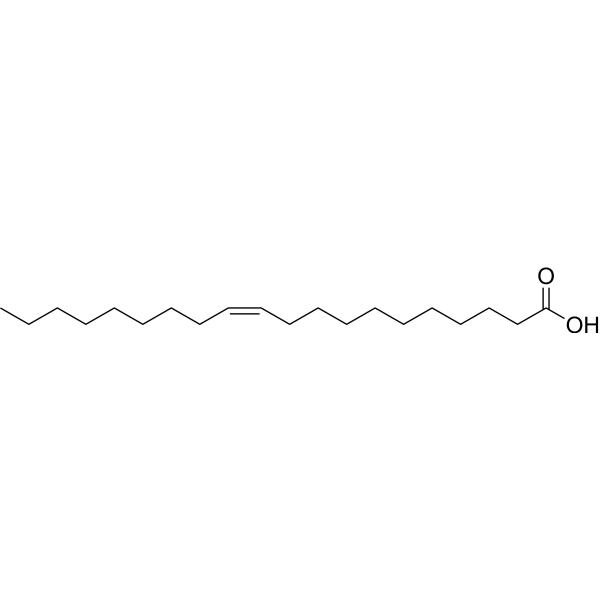
    Gondoic acid (cis-11-Eicosenoic acid), a monounsaturated long-chain fatty acid, is contained in a variety of plant oils and nuts. Gondoic acid can exert anti-inflammatory activity by inhibiting the production of ROS and the PKCθ/ERK/STAT3 signaling pathway. Gondoic acid can be used as a raw material for medical supplies and a moisturizing ingredient in cosmetic creams .
    Gondoic acid
  • HY-N7059

    Bacterial Reactive Oxygen Species (ROS) Infection
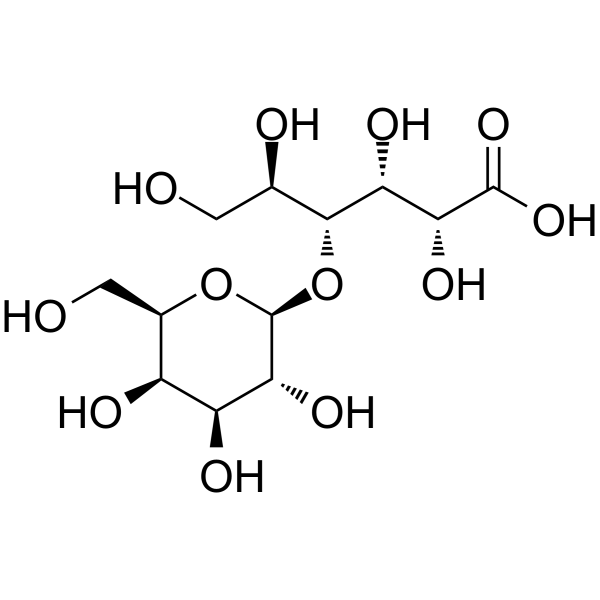
    Lactobionic acid is a bionic acid that can be naturally found in the Caspian Sea yogurt and chemically constituted of a gluconic acid bonded to a galactose. Lactobionic acid has antioxidant, antimicrobial, chelating, stabilizer, acidulant, and moisturizing properties. Lactobionic acid can be obtained by electrolytic methods, microbial fermentation or biocatalytic approaches. Lactobionic acid can be used in foodstuffs, to produce new functional products and against food-borne pathogens. Lactobionic acid inhibits DNA repair and protein synthesis, induction of oxidative stress and inhibition of metabolic pathways against MRSA .
    Lactobionic acid
  • HY-I0301
    D-(+)-Glucono-1,5-lactone
    1 Publications Verification

    Gluconic acid lactone

    Environmental Pollutants Endogenous Metabolite Reactive Oxygen Species (ROS) Others
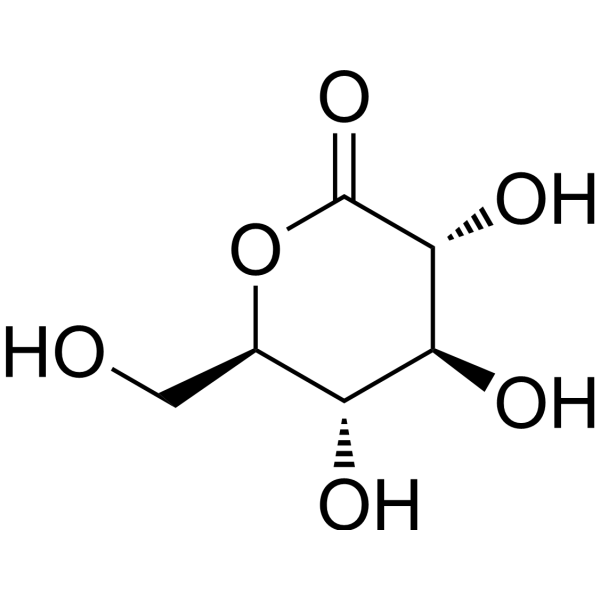
    D-(+)-Glucono-1,5-lactone is a polyhydroxy (PHA) that is capable of metal chelating, moisturizing and antioxidant activity.
    D-(+)-Glucono-1,5-lactone
  • HY-B1024
    DL-Panthenol
    1 Publications Verification

    DL-Pantothenol; DL-Pantothenyl alcohol

    Biochemical Assay Reagents Inflammation/Immunology
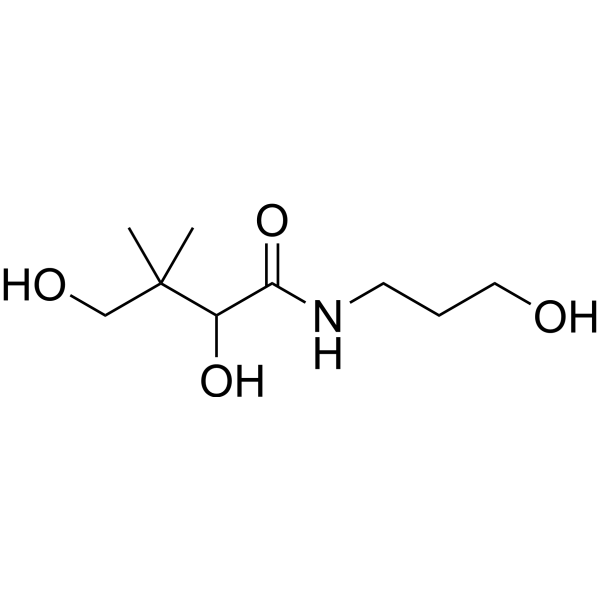
    DL-Panthenol (DL-Pantothenol) is a precursor of pantothenic acid. DL-Panthenol easily penetrates the skin and has effects of deep moisturizing, promoting wound healing and anti-inflammation. DL-Panthenol can also be used as a hair conditioner in cosmetics. DL-Panthenol has low acute toxicity, non-sensitizing property, and no significant genotoxicity or reproductive and developmental toxicity. DL-Panthenol can be applied to the research of cosmetics .
    DL-Panthenol
  • HY-108036

    Hydroxypropyl tetrahydropyrantriol (30% in water)

    Biochemical Assay Reagents Metabolic Disease
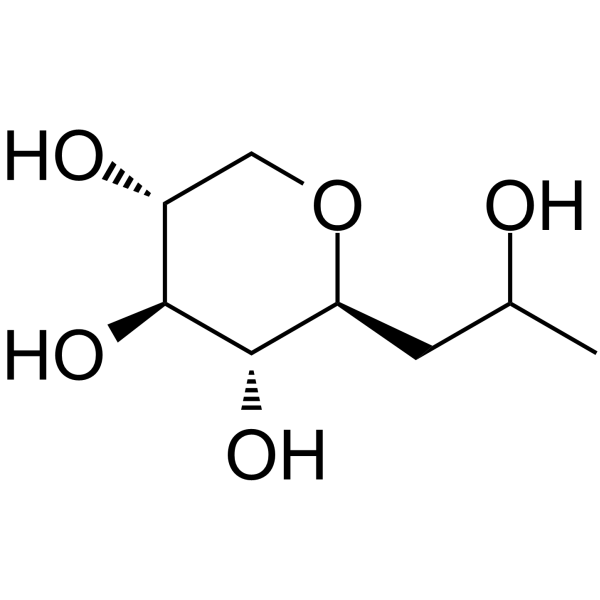
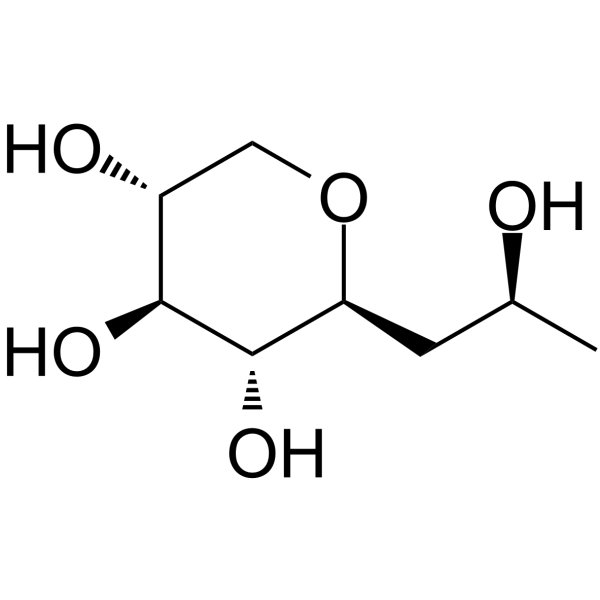
    Pro-xylane (30% in water) (Hydroxypropyl tetrahydropyrantriol) is a bioactive C-glycoside that targets the biosynthesis pathway of glycosaminoglycans/mucopolysaccharides (GAGs) in the skin matrix and can be absorbed transdermally. Pro-xylane (30% in water) stimulates the biosynthesis of GAGs in fibroblasts, enhances the structural stability of the skin extracellular matrix, improves skin elasticity and moisturizing ability, and delays wrinkle formation. Pro-xylane (30% in water) can effectively promote the synthesis of collagen fibers and hyaluronic acid in the dermis. Pro-xylane (30% in water) is used in the field of anti-aging cosmetics to improve skin hydration and elasticity. Pro-xylane (30% in water) is eco-friendly and biodegradable .
    Pro-xylane (30% in water)
  • HY-W004295

    Biochemical Assay Reagents Inflammation/Immunology
    1-Pentadecanol is a long-chain fatty alcohol. 1-Pentadecanol has anti-comedone activity. 1-Pentadecanol has moisturizing and hydrating properties and can be applied to skin care products. 1-Pentadecanol can be used in the production of surfactants, emulsifiers and lubricants .
    1-Pentadecanol
  • HY-W250195

    Biochemical Assay Reagents Others
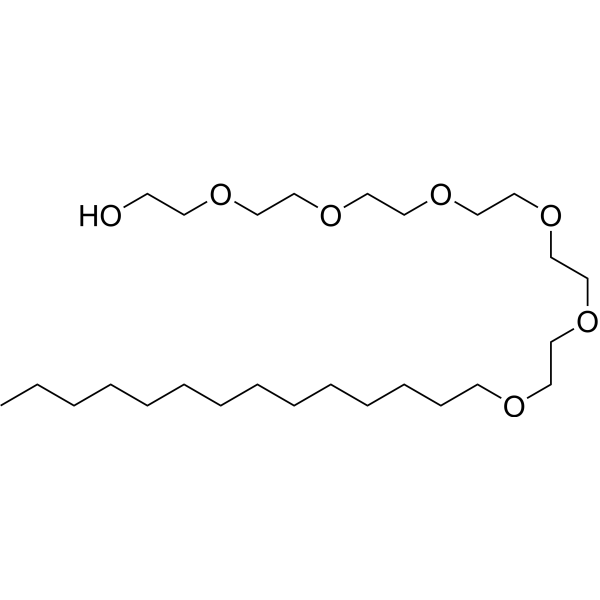
    Hexaethylene glycol monotetradecyl ether is a kind of nonionic surfactant with hydrophilic head and lipophilic tail. It belongs to the class of polyethylene glycol (PEG) ethers and is widely used in different industrial and research applications. Due to its unique properties, Hexaethylene glycol monotetradecyl ether is commonly used in lotions, detergents and solubilizers. It is particularly useful in the study of membrane proteins and can be used to stabilize and solubilize proteins for use in structural analysis techniques. Due to its moisturizing and emulsifying properties, Hexaethylene glycol monotetradecyl ether is also used in personal care and cosmetics.
    Hexaethylene glycol monotetradecyl ether
  • HY-108036B

    Hydroxypropyl tetrahydropyrantriol

    Biochemical Assay Reagents Metabolic Disease
    Pro-xylane (Hydroxypropyl tetrahydropyrantriol) is a bioactive C-glycoside that targets the biosynthesis pathway of glycosaminoglycans/mucopolysaccharides (GAGs) in the skin matrix and can be absorbed transdermally. Pro-xylane stimulates the biosynthesis of GAGs in fibroblasts, enhances the structural stability of the skin extracellular matrix, improves skin elasticity and moisturizing ability, and delays wrinkle formation. Pro-xylane can effectively promote the synthesis of collagen fibers and hyaluronic acid in the dermis. Pro-xylane is used in the field of anti-aging cosmetics to improve skin hydration and elasticity. Pro-xylane is eco-friendly and biodegradable .
    Pro-xylane
  • HY-N7074

    Environmental Pollutants Bacterial Inflammation/Immunology Cancer
    Lanolin is a yellow fat that can be extracted from wool. Lanolin can be used as a skin moisturizer and applied topically to relieve nipple pain and chapping during lactation .
    Lanolin
  • HY-W010807

    Environmental Pollutants Biochemical Assay Reagents Others
    Hexadecyl palmitate is an organic compound commonly used in the cosmetic industry as an emollient, thickener and skin conditioning agent. Cetyl palmitate is derived from a mixture of cetyl alcohol (a fatty alcohol) and palmitic acid (a saturated fatty acid). It is often used in skin care products such as moisturizers, lotions, and creams to improve their texture and Helps them glide smoothly on the skin. In addition to its use in cosmetics, cetyl palmitate is used in other industries including pharmaceuticals, food additives and lubricants. Overall, it's considered safe for use in personal care products, but like any other ingredient, it may cause irritation or an allergic reaction in some people.
    Hexadecyl palmitate
  • HY-108036A

    (S)-Hydroxypropyl tetrahydropyrantriol

    Biochemical Assay Reagents Metabolic Disease
    (S)-Pro-xylane ((S)-Hydroxypropyl tetrahydropyrantriol) is a bioactive C-glycoside that targets the biosynthesis pathway of glycosaminoglycans/mucopolysaccharides (GAGs) in the skin matrix and can be absorbed transdermally. (S)-Pro-xylane stimulates the biosynthesis of GAGs in fibroblasts, enhances the structural stability of the skin extracellular matrix, improves skin elasticity and moisturizing ability, and delays wrinkle formation. (S)-Pro-xylane can effectively promote the synthesis of collagen fibers and hyaluronic acid in the dermis. (S)-Pro-xylane is used in the field of anti-aging cosmetics to improve skin hydration and elasticity. (S)-Pro-xylane is eco-friendly and biodegradable .
    (S)-Pro-xylane
  • HY-B1530
    Ammonium lactate (60%w/w in water)
    Maximum Cited Publications
    37 Publications Verification

    (±)-Ammonium lactate

    Environmental Pollutants Bacterial Infection
    Ammonium lactate is the ammonium salt of lactic acid, with mild anti-bacterial properties. Ammonium lactate can be used for the research of xerosis .
    Ammonium lactate (60%w/w in water)
  • HY-N4028

    MMP COX Interleukin Related p38 MAPK ERK Keap1-Nrf2 Inflammation/Immunology
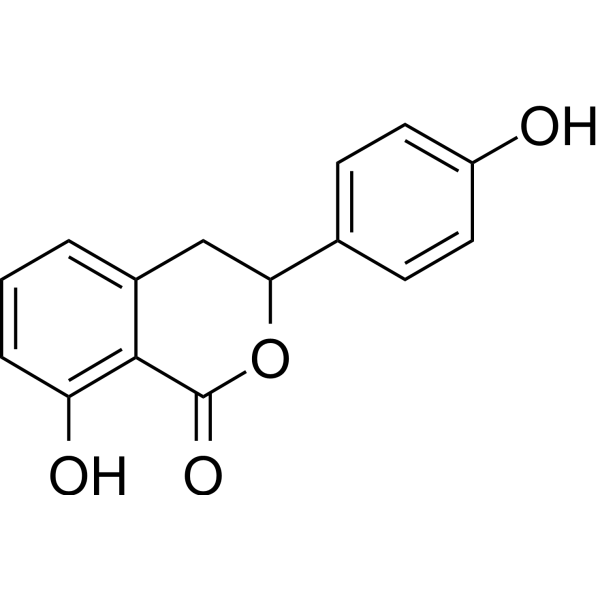
    Hydrangenol is an orally active antiphotoaging compound. It can be isolated from Hydrangea serrata leaves. Hydrangenol prevents wrinkle formation by reducing MMP and inflammatory cytokine expression and increasing moisturizing factors and antioxidant genes level .
    Hydrangenol
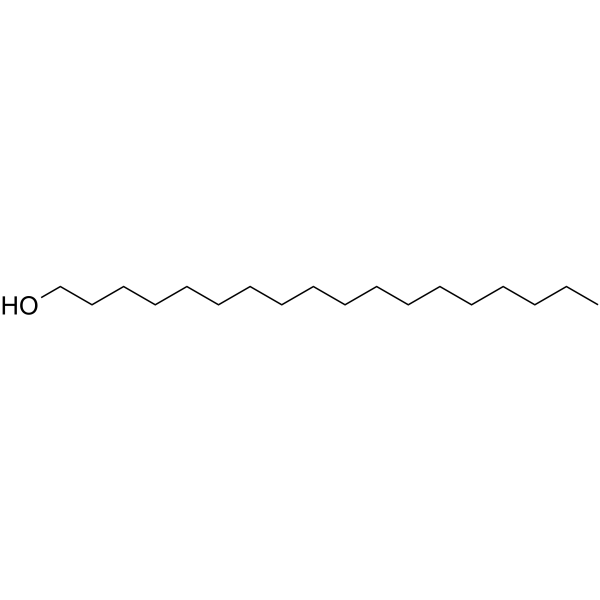
  • HY-Y1809

    Stearyl alcohol

    Environmental Pollutants Biochemical Assay Reagents Inflammation/Immunology
    1-Hydroxyoctadecane (Stearyl alcohol) is a long-chain fatty alcohol and excipient. 1-Hydroxyoctadecane forms a closed oil film, thereby reducing transepidermal water loss (TEWL) and promoting skin moisturization. 1-Hydroxyoctadecane improves Imiquimod (HY-B0180)-induced psoriatic skin inflammation in mice .
    1-Hydroxyoctadecane
  • HY-Y0683A

    Biochemical Assay Reagents Infection Inflammation/Immunology
    Petrolatum (white) is mainly composed of hydrocarbons, possesses strong water resistance and moisturizing properties, and is commonly used as a pharmaceutical excipient. Petrolatum (white) penetrates into stratum corneum cells, improves skin barrier function, repairs epidermal structure, and reduces transepidermal water loss and the risk of skin damage. Petrolatum (white) induces the expression of antimicrobial peptides, innate immune genes, filaggrin and loricrin. Petrolatum (white) is used in research on atopic dermatitis and post-operative skin infections .
    Petrolatum (white)
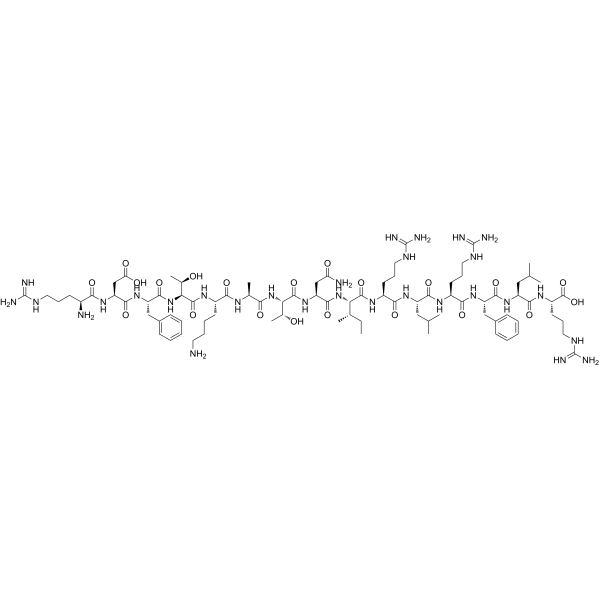
  • HY-NP192

    Reactive Oxygen Species (ROS) Bacterial Infection Neurological Disease Metabolic Disease Inflammation/Immunology Cancer
    Sericin is a type of spherical protein that can be isolated from silk cocoons. Sericin is a cognitive enhancer and pain reliever. Sericin is a fetal bovine serum- or DMSO-replacing cryoprotectant agent. Sericin reduces oxidative stress and reactive oxygen species (ROS). Sericin can repair wounds by producing collagen. Sericin has antioxidant, anti-diabetic, anti-hyperlipidemic, anti-inflammatory, skin moisturizer, wound healing, antibacterial, antimicrobial, and anti-tumor protector .
    Sericin
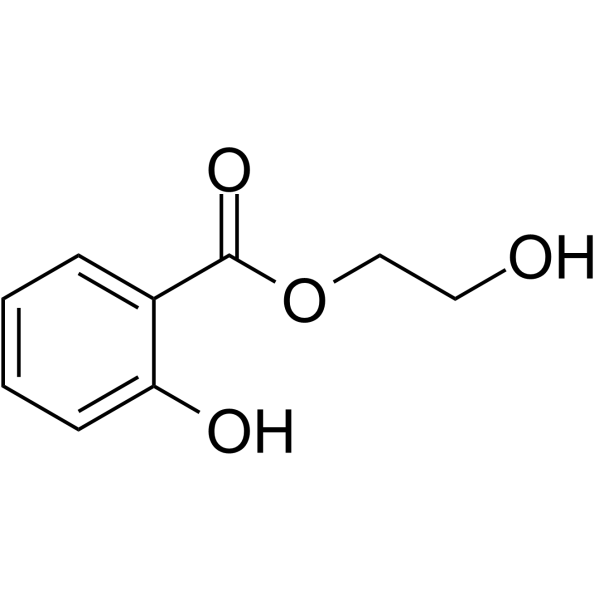
  • HY-B2208

    Drug Derivative Others
    Glycol salicylate is a derivative of salicylic acid that effectively moisturizes the stratum corneum and improves the aesthetic appearance of the skin .
    Glycol salicylate
  • HY-164069

    Biochemical Assay Reagents Others
    Aldehyde Sodium Hyaluronate is a hyaluronic acid derivative with good moisturizing properties and biocompatibility, and can be used in the research of pharmaceutical and cosmetic fields .
    Aldehyde Sodium Hyaluronate
  • HY-164068

    Biochemical Assay Reagents Others Inflammation/Immunology
    Cross-linked sodium hyaluronate gel is a biomaterial formed by cross-linking sodium hyaluronate. Cross-linked sodium hyaluronate gel has good moisturizing properties, viscoelasticity and biocompatibility. Cross-linked sodium hyaluronate gel can be used for the treatment of arthritis and the development of auxiliary materials in ophthalmic surgery .
    Cross-linked sodium hyaluronate gel
  • HY-164065

    Biochemical Assay Reagents Others
    Sodium Hyaluronate Hydroxypropyltrimonium Chloride is a modified form of hyaluronic acid that has been modified by adding positively charged hydroxypropyltrimonium chloride groups to improve its adsorption and retention on the skin. Sodium Hyaluronate Hydroxypropyltrimonium Chloride has good moisturizing and ionic properties and can be used in the research of pharmaceutical and cosmetic fields .
    Sodium Hyaluronate Hydroxypropyltrimonium Chloride
  • HY-D1228

    Fluorescent Dye Others
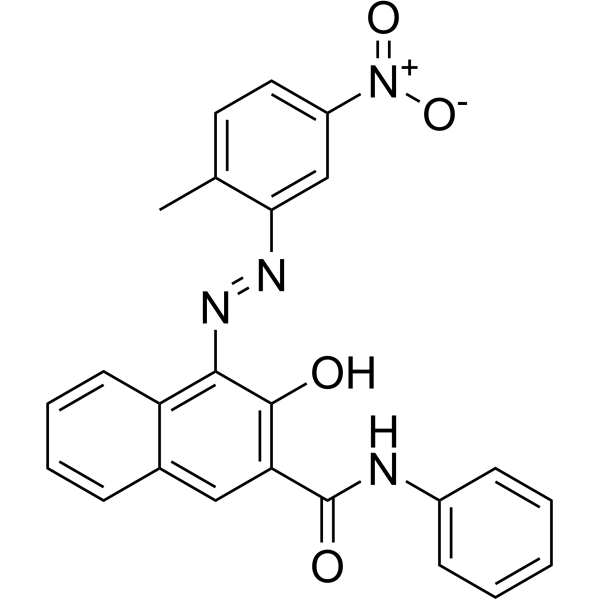
    Pigment Red 22, a coloring agent, is used in the formulation of cleansing products, makeup, moisturizers, and night skin care products.
    Pigment Red 22
  • HY-164070

    Biochemical Assay Reagents Others
    Dextran Hydroxypropyltrimonium Chloride is a cationic polymer with excellent antistatic, moisturizing, film-forming, foam-stabilizing and emulsifying abilities. Dextran Hydroxypropyltrimonium Chloride can be used in the research of pharmaceuticals and cosmetics .
    Dextran Hydroxypropyltrimonium Chloride
  • HY-W012663

    Environmental Pollutants Drug Intermediate Others
    1,2,6-Hexanetriol, a polyol, is an intermediate for wetting agents, solvents, and pharmaceuticals with excellent moisturizing property. 1,2,6-Hexanetriol is a humectant and plasticizer for hydrophilic films. 1,2,6-Hexanetriol has no significant toxicity in rats, rabbits, and dogs via oral (16 mL/kg), intraperitoneal (10 g/kg) and intravenous (5.6 mL/kg) routes. 1,2,6-Hexanetriol can be used for the cosmetics and resin industries .
    1,2,6-Hexanetriol
  • HY-164067

    Biochemical Assay Reagents Others
    Silylanization hyaluronate ester is a hyaluronate ester derivative with good moisturizing properties and biocompatibility, and can be used in cosmetic research .
    Silylanization hyaluronate ester
  • HY-N7059R

    Reference Standards Bacterial Reactive Oxygen Species (ROS) Infection
    Lactobionic acid (Standard) is an analytical standard for lactobionic acid. This product is intended for use in research and analytical applications. Lactobionic acid is a bionic acid that can be naturally found in the Caspian Sea yogurt and chemically constituted of a gluconic acid bonded to a galactose. Lactobionic acid has antioxidant, antimicrobial, chelating, stabilizer, acidulant, and moisturizing properties. Lactobionic acid can be obtained by electrolytic methods, microbial fermentation or biocatalytic approaches. Lactobionic acid can be used in foodstuffs, to produce new functional products and against food-borne pathogens. Lactobionic acid inhibits DNA repair and protein synthesis, induction of oxidative stress and inhibition of metabolic pathways against MRSA .
    Lactobionic acid (Standard)
  • HY-W127738

    Vitamin C stearate; Ascorbic acid 6-stearate; Ascorbyl stearate

    Biochemical Assay Reagents Others
    6-O-Staroyl-L-ascorbic acid is an organic compound commonly used in cosmetics and skin care products. It can be used as an antioxidant and whitening agent, and is widely used in anti-aging, moisturizing and skin repairing. In addition, this compound is used as a catalyst or buffer in certain chemical reactions.
    6-O-Stearoyl-L-ascorbic acid
  • HY-121322

    Others Others
    Neoagarobiose has both a moisturizing effect on skin and a whitening effect on melanoma cells. RagaA11 is an endo-type beta-agarase hydrolysing not only agarose, but also neoagarotetraose, to yield neoagarobiose as the final main product .
    Neoagarobiose
  • HY-177151

    Drug Derivative Others
    Allantoin glycyrrhetinic acid is a complex formed by Allantoin (HY-N0543) and Glycyrrhetinic acid. Allantoin glycyrrhetinic acid is a skin-conditioning agent that can be added to cosmetic products, including shaving creams, skin cleansing products, moisturizers, and night creams, etc .
    Allantoin glycyrrhetinic acid
  • HY-167645

    Others Others
    Pramoxine hydrochloride is an active ingredient with notable anti-itch properties, commonly used in dry skin and itch-related conditions. It is applicable to research and applications in the fields of skin moisturization and itch relief, such as xerotic eczema .
    Pramoxine
  • HY-W717735

    Endogenous Metabolite
    Monononadecanoin is a lipid compound with anti-inflammatory and antioxidant activities. Monononadecanoin is often used as a moisturizer and skin repair ingredient in skin care products. Monononadecanoin also has the function of improving flavor and extending shelf life in food additives.
    Monononadecanoin
  • HY-I0301R

    Gluconic acid lactone (Standard)

    Reference Standards Endogenous Metabolite Reactive Oxygen Species (ROS) Others
    D-(+)-Glucono-1,5-lactone (Standard) is the analytical standard of D-(+)-Glucono-1,5-lactone. This product is intended for research and analytical applications. D-(+)-Glucono-1,5-lactone is a polyhydroxy (PHA) that is capable of metal chelating, moisturizing and antioxidant activity.
    D-(+)-Glucono-1,5-lactone (Standard)
  • HY-I0301S

    Gluconic acid lactone-1-13C

    Isotope-Labeled Compounds Endogenous Metabolite Reactive Oxygen Species (ROS) Others
    D-(+)-Glucono-1,5-lactone-1- 13C is the 13C labeled D-(+)-Glucono-1,5-lactone. D-(+)-Glucono-1,5-lactone is a polyhydroxy (PHA) that is capable of metal chelating, moisturizing and antioxidant activ .
    D-(+)-Glucono-1,5-lactone-1-13C
  • HY-W768262

    Gluconic acid lactone-13C6

    Reactive Oxygen Species (ROS) Others
    D-(+)-Glucono-1,5-lactone- 13C6 (Gluconic acid lactone- 13C6) is the 13C-labeled D-(+)-Glucono-1,5-lactone (HY-I0301). D-(+)-Glucono-1,5-lactone is a polyhydroxy (PHA) that is capable of metal chelating, moisturizing and antioxidant activity.
    D-(+)-Glucono-1,5-lactone-13C6
  • HY-W013242R

    cis-11-Eicosenoic acid (Standard)

    Reference Standards Endogenous Metabolite Reactive Oxygen Species (ROS) PKC ERK STAT Inflammation/Immunology
    Gondoic acid (Standard) is an analytical standard for Gondoic acid. This product is used for research and analytical applications. Gondoic acid (cis-11-Eicosenoic acid), a monounsaturated long-chain fatty acid, is contained in a variety of plant oils and nuts. Gondoic acid can exert anti-inflammatory activity by inhibiting the production of ROS and the PKCθ/ERK/STAT3 signaling pathway. Gondoic acid can be used as a raw material for medical supplies and a moisturizing ingredient in cosmetic creams .
    Gondoic acid (Standard)
  • HY-Y0683B

    Biochemical Assay Reagents Infection Inflammation/Immunology
    Petrolatum (yellow) is mainly composed of hydrocarbons, possesses strong water resistance and moisturizing properties, and is commonly used as a pharmaceutical excipient. Petrolatum (yellow) penetrates into stratum corneum cells, improves skin barrier function, repairs epidermal structure, and reduces transepidermal water loss and the risk of skin damage. Petrolatum (yellow) induces the expression of antimicrobial peptides, innate immune genes, filaggrin and loricrin. Petrolatum (yellow) is used in research on atopic dermatitis and post-operative skin infections .
    Petrolatum (yellow)
  • HY-W010807R

    Biochemical Assay Reagents Reference Standards Others
    Hexadecyl palmitate (Standard) is the analytical standard of Hexadecyl palmitate. This product is intended for research and analytical applications. Hexadecyl palmitate is an organic compound commonly used in the cosmetic industry as an emollient, thickener and skin conditioning agent. Cetyl palmitate is derived from a mixture of cetyl alcohol (a fatty alcohol) and palmitic acid (a saturated fatty acid). It is often used in skin care products such as moisturizers, lotions, and creams to improve their texture and Helps them glide smoothly on the skin. In addition to its use in cosmetics, cetyl palmitate is used in other industries including pharmaceuticals, food additives and lubricants. Overall, it's considered safe for use in personal care products, but like any other ingredient, it may cause irritation or an allergic reaction in some people.
    Hexadecyl palmitate (Standard)
  • HY-W127434A

    (12R)-Octadecane-1,12-diol

    Biochemical Assay Reagents Others
    (12R)-1,12-Octadecanediol ((12R)-Octadecane-1,12-diol) is a compound characterized by a linear chain of 18 carbon atoms with two hydroxyl groups (C18H38O2). This colorless substance has unique properties owing to the presence of two hydroxyl groups in its molecular structure. Whether derived from natural sources or synthesized chemically, 12-Octadecanediol finds applications in various industries. It is often utilized in the formulation of cosmetics, personal care products, and pharmaceuticals due to its emollient properties, enhancing moisturization and conditioning effects in different formulations. The compound's distinctive structure may make it suitable for specific uses in research or industrial processes. In industrial contexts, 12-Octadecanediol serves as a valuable chemical intermediate for synthesizing other compounds. Its specialized structure and adaptability in formulations make it a significant component across diverse industries, contributing to the development of products for various purposes.
    (12R)-1,12-Octadecanediol
  • HY-124544

    Others Inflammation/Immunology
    Diacetyl boldine is a smoothing, moisturizing and anti-inflammatory ingredient in cosmetic formulations. Diacetyl boldine can be used for the research of melasma and lentigo senilis .
    Diacetyl boldine
  • HY-N18816

    Others Others
    Clary Sage Oil is obtained from the flowers and leaves of scented perilla through steam distillation. Clary sage oil has the effects of nourishing, moisturizing, hydrating and maintaining skin.
    Clary sage oil
  • HY-154792

    PCA

    Amino Acid Derivatives Others
    Pyrrolidone carboxylic acid (PCA), the primary constituent of the natural moisturizing factor (NMF), is an hydrating agent. Pyrrolidone carboxylic acid can be used as a key cutaneous biomarker for skin barrier function and health .
    Pyrrolidone carboxylic acid
  • HY-N18682

    Bacterial Infection Inflammation/Immunology
    Lonicera caprifolium extract has anti-inflammatory, antibacterial, whitening, anti-aging, anti-allergic and moisturizing effects, and is mainly used in research on hand sanitizers, skin care products and skin contact cleaning products.
    Lonicera caprifolium extract
  • HY-N18644

    Bacterial Inflammation/Immunology Cancer
    The main active ingredients of calendula extract are lutein and zeaxanthin. It has anti-aging, anti-inflammatory and antibacterial effects. It also has a certain moisturizing effect, thus can be used as a good functional cosmetics raw material.
    Calendula extract
  • HY-W004295R

    Reference Standards Others Inflammation/Immunology
    1-Pentadecanol (Standard) is the analytical standard of 1-Pentadecanol. This product is intended for research and analytical applications. 1-Pentadecanol is a long-chain fatty alcohol. 1-Pentadecanol has anti-comedone activity. 1-Pentadecanol has moisturizing and hydrating properties and can be applied to skin care products. 1-Pentadecanol can be used in the production of surfactants, emulsifiers and lubricants.
    1-Pentadecanol (Standard)
  • HY-177153

    Drug Derivative Others
    Allantoin calcium pantothenate is a complex formed by Allantoin (HY-N0543) and Calcium pantothenate (HY-N0681). Allantoin calcium pantothenate has protective, anti-irritant, soothing and moisturizing properties. Allantoin calcium pantothenate can be safely used as an anti-irritant, wound healing agent and conditioning agent. Allantoin calcium pantothenate can be incorporated at 0.2-2% in most formulations. Allantoin calcium pantothenate can be used in cosmetics-related research .
    Allantoin calcium pantothenate
  • HY-108036AR

    (S)-Hydroxypropyl tetrahydropyrantriol (Standard)

    Reference Standards Biochemical Assay Reagents Metabolic Disease
    (S)-Pro-xylane (Standard) is the analytical standard of (S)-Pro-xylane (HY-108036A). This product is intended for research and analytical applications. (S)-Pro-xylane ((S)-Hydroxypropyl tetrahydropyrantriol) is a bioactive C-glycoside that targets the biosynthesis pathway of glycosaminoglycans/mucopolysaccharides (GAGs) in the sKin matrix and can be absorbed transdermally. (S)-Pro-xylane stimulates the biosynthesis of GAGs in fibroblasts, enhances the structural stability of the sKin extracellular matrix, improves sKin elasticity and moisturizing ability, and delays wrinkle formation. (S)-Pro-xylane can effectively promote the synthesis of collagen fibers and hyaluronic acid in the dermis. (S)-Pro-xylane is used in the field of anti-aging cosmetics to improve sKin hydration and elasticity. (S)-Pro-xylane is eco-friendly and biodegradable .
    (S)-Pro-xylane (Standard)

Inquiry Online

Your information is safe with us. * Required Fields.

Salutation


Country or Region *

Applicant Name *


Organization Name *

Department *


Email Address *


Product Name *

Cat. No.


Requested quantity *

Phone Number *


Remarks

Inquiry Online

Inquiry Information

Product Name:
Cat. No.:
Quantity:
MCE Japan Authorized Agent:

