
1. Search Result
Search Result
Results for "

mouse serum

" in MedChemExpress (MCE) Product Catalog:

61

Inhibitors & Agonists

5

Biochemical Assay Reagents

2

Peptides

6

MCE Kits

8

Inhibitory Antibodies

2

Natural
Products

9

Recombinant Proteins

1

Isotope-Labeled Compounds

1

Click Chemistry

2

Oligonucleotides

Targets Recommended:
Cat. No. Product Name Target Research Areas Chemical Structure
  • HY-NP0204

    ELOVL Apoptosis NOD-like Receptor (NLR) Caspase Tau Protein Neurological Disease Inflammation/Immunology
    Mouse Serum Albumin is most abundant protein in plasma, which leaks into the brain parenchyma when the blood-brain barrier (BBB) is impaired. Mouse Serum Albumin induces astrocytes to A1 phenotype to remarkably increase levels of Elovl1. Mouse Serum Albumin promotes VLSFAs secretion and causes neuronal lippoapoptosis through endoplasmic reticulum stress response pathway. MSA-activated microglia triggeres remarkable tau phosphorylation at multiple sites (Ser202/Thr205) through NLRP3 inflammasome pathway. Mouse Serum Albumin decreases the spatial learning and memory abilities in mice. Mouse Serum Albumin can be used for the study of neurodegenerative diseases like Alzheimer’s disease (AD) and frontotemporal dementia (FTD) .
    Mouse Serum Albumin
  • HY-15790
    Elobixibat
    1 Publications Verification

    A 3309; AZD 7806

    Apical Sodium-Dependent Bile Acid Transporter Metabolic Disease Inflammation/Immunology Cancer
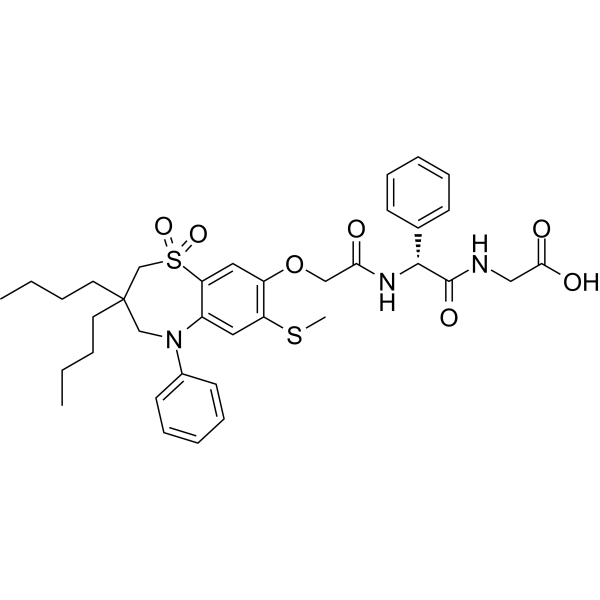
    Elobixibat (A 3309; AZD 7806) is an orally active, bile acid transporter (IBAT) inhibitor with IC50 values ??of 0.53 nM (human IBAT), 0.13 nM (mouse IBAT), and 5.8 nM (canine IBAT). Elobixibat can lower LDL cholesterol, increase serum GLP-1, promote colonic motility, and has the potential to study metabolic syndrome. Elobixibat can be used in the study of chronic functional constipation (CIC), dyslipidemia, non-alcoholic hepatitis, and liver tumors in the elderly .
    Elobixibat
  • HY-162874

    STING IFNAR Cancer
    diABZI-V/C-DBCO is a STING agonist with an EC50 of 1.47 nM. diABZI-V/C-DBCO activates the STING pathway, induces the production of IFN-I, and stimulates the secretion of IFN-β. diABZI-V/C-DBCO serves as a substrate for cathepsin B, and releases active diABZI-amine via cathepsin B-mediated cleavage. In an orthotopic mouse model of breast cancer, diABZI-V/C-DBCO increases serum IFN-β levels and the frequency of granzyme B + CD8 + T cells. diABZI-V/C-DBCO is applicable to research related to triple-negative breast cancer .
    diABZI-V/C-DBCO
  • HY-W140439

    18:1 Lyso PC

    Endogenous Metabolite Inflammation/Immunology
    1-Oleoyl-sn-glycero-3-phosphocholine (18:1 Lyso PC), a lysophospholipid, is a GPR82 inhibitor. 1-Oleoyl-sn-glycero-3-phosphocholine abrogates constitutive Gi-coupled GPR82 activity, shifts active/inactive equilibrium to inactive, suppresses Gi protein activation, increases cAMP production, and decreases GTPγS binding to Gαi proteins. 1-Oleoyl-sn-glycero-3-phosphocholine contributes to adipocyte lipolysis regulation.1-Oleoyl-sn-glycero-3-phosphocholine exhibits reduced serum levels in mouse models of steatohepatitis, linked to hepatic Lpcat 1-4 up-regulation .
    1-Oleoyl-sn-glycero-3-phosphocholine
  • HY-15790A
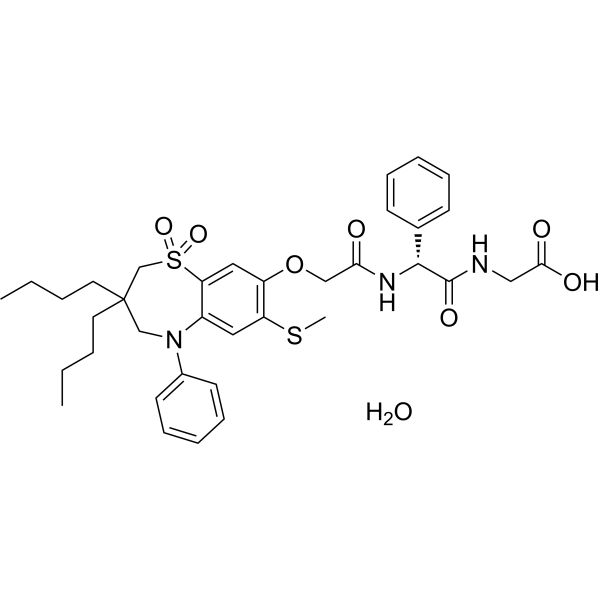
    Elobixibat hydrate
    1 Publications Verification

    A 3309 hydrate; AZD 7806 hydrate

    Apical Sodium-Dependent Bile Acid Transporter Metabolic Disease Cancer
    Elobixibat (A 3309; AZD 7806) hydrate is an orally active, bile acid transporter (IBAT) inhibitor with IC50 values ??of 0.53 nM (human IBAT), 0.13 nM (mouse IBAT), and 5.8 nM (canine IBAT). Elobixibat hydrate can lower LDL cholesterol, increase serum GLP-1, promote colonic motility, and has the potential to study metabolic syndrome. Elobixibat hydrate can be used in the study of chronic functional constipation (CIC), dyslipidemia, non-alcoholic hepatitis, and liver tumors in the elderly .
    Elobixibat hydrate
  • HY-NP0196

    mouse IgG

    Biochemical Assay Reagents Inflammation/Immunology
    Mouse Immunoglobulin G (Mouse IgG) is a mouse serum immunoglobulin that can be used in immunolabeling and coating protein in a variety of immunoassays including ELISA .
    Mouse immunoglobulin G
  • HY-126359

    SLPC; 18:0-18:2 PC

    Endogenous Metabolite Cardiovascular Disease Metabolic Disease
    1-Stearoyl-2-linoleoyl-sn-glycero-3-phosphocholine (SLPC; 18:0-18:2 PC) is an endogenous phospholipid marker molecule in the glycerophospholipid metabolic pathway. 1-Stearoyl-2-linoleoyl-sn-glycero-3-phosphocholine is a core component of the phospholipid bilayer of biological membranes and a key responsive lipid for radiation injury and cardiometabolic diseases. 1-Stearoyl-2-linoleoyl-sn-glycero-3-phosphocholine constitutes the phospholipid bilayers of cell membranes and high-density lipoprotein (HDL), and regulates the core activity of lipoprotein functional homeostasis. The content of 1-Stearoyl-2-linoleoyl-sn-glycero-3-phosphocholine in mouse serum shows a significant dose-dependent decrease with increasing ionizing radiation dose, and its level in human HDL also decreases significantly in metabolic syndrome. 1-Stearoyl-2-linoleoyl-sn-glycero-3-phosphocholine can serve as a biological dosimeter marker for ionizing radiation injury, and is used for rapid and accurate assessment of radiation absorbed dose in exposed individuals. 1-Stearoyl-2-linoleoyl-sn-glycero-3-phosphocholine can also act as a lipidomics research target for cardiometabolic diseases such as lipid metabolic syndrome and early-onset coronary heart disease .
    1-Stearoyl-2-linoleoyl-sn-glycero-3-phosphocholine
  • HY-160552

    Liposome Others
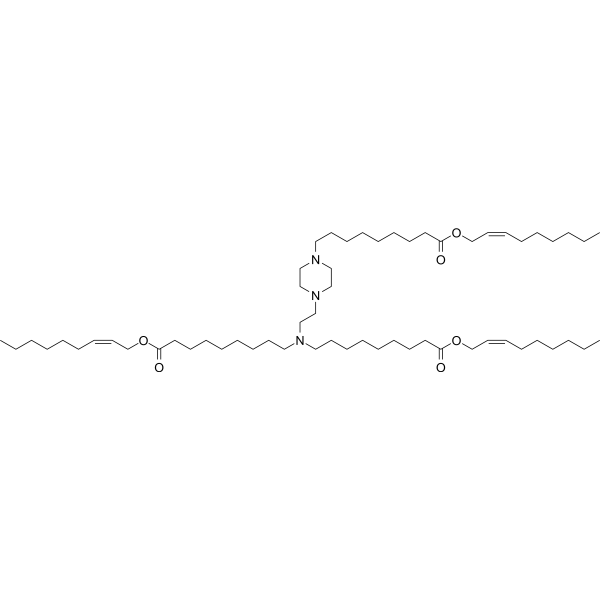
    244cis, a piperazine-containing ionizable cationic lipid, has been used to generate lipid nanoparticles (LNPs). LNPs containing 244cis and coated with mRNA reporter gene were specifically accumulated in mouse lungs compared with LNPs containing SM-102. Induces a decrease in serum chemokine (C-C motif) ligand 2 (CCL2) levels .
    244cis
  • HY-172458
    Z-3578
    1 Publications Verification

    Mas-related G-protein-coupled Receptor (MRGPR) TNF Receptor Inflammation/Immunology
    Z-3578 is an orally active small-molecule antagonist of MrgX2 with potent antipseudoallergic activity, exhibiting a KD value of 729 nM. Z-3578 effectively inhibits mast cell degranulation induced by substance P (SP) and C48/80, suppresses the release of β-hexosaminidase, significantly reduces the release of histamine and TNF-α, and decreases intracellular calcium flux. In a mouse pseudoallergy model, Z-3578 significantly alleviates paw swelling and dye extravasation, and reduces serum histamine levels. Z-3578 can be used for the study of pseudoallergic reactions .
    Z-3578
  • HY-145331A

    Arginase Cancer
    ARG1-IN-1 (Compound 3) hydrochloride is an orally active arginase inhibitor with an IC50 value of 29 nM. ARG1-IN-1 hydrochloride can inhibit serum arginase activity and increase arginine levels in mouse tumor models. ARG1-IN-1 hydrochloride is applicable for tumor research .
    ARG1-IN-1 hydrochloride
  • HY-170506

    Thrombopoietin Receptor Inflammation/Immunology
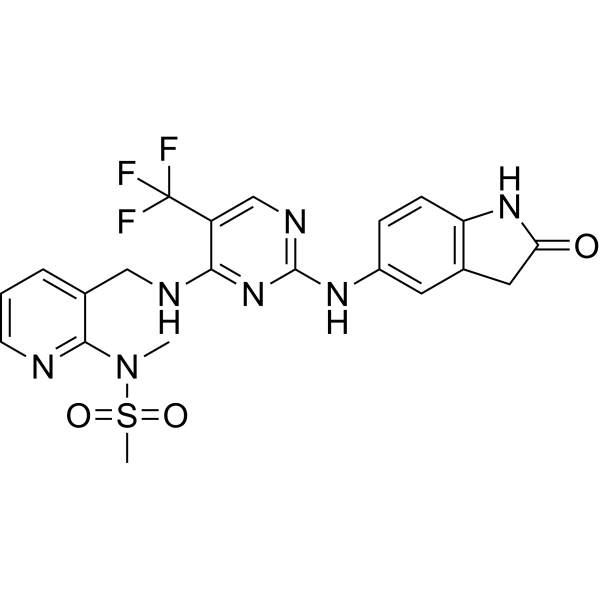
    KB-208 is a phagocytosis inhibitor that acts similarly to intravenous immunoglobulin (IVIG). KB-208 improves immune thrombocytopenia (ITP) in a mouse model at a dose of 1 mg/kg. KB-208 does not affect other blood parameters and does not elevate serum biochemical markers of toxicity, and can be used in research in the field of immunity .
    KB-208
  • HY-100485

    Drug Derivative Inflammation/Immunology
    Susalimod is an immunomodulating agent and Sulfasalazine (HY-14655) analogue. Susalimod decreases LPS-induced TNF-alpha mouse serum levels .
    Susalimod
  • HY-P990797

    IFNAR Infection Inflammation/Immunology
    Anti-Mouse IFN gamma Antibody (R4-6A2) is an anti-mouse IFN gamma IgG1 monoclonal antibody. Anti-Mouse IFN gamma Antibody (R4-6A2) can increase the total serum IgG level. Anti-Mouse IFN gamma Antibody (R4-6A2) can be used for researches on immunology and infection conditions such as nymphs infection. The recommend isotype control of Anti-Mouse IFN gamma Antibody (R4-6A2): Rat IgG1 kappa, Isotype Control (HY-P99979) .
    Anti-Mouse IFN gamma Antibody (R4-6A2)
  • HY-W611371

    TRP Channel iGluR Neurological Disease
    FP802 is an orally active potent TwinF interface inhibitor that disrupts and detoxifies the NMDAR/TRPM4 death complex. FP802 exerts powerful neuroprotective effects in the 5xFAD mouse model of Alzheimer’s disease (AD) by preventing cognitive decline, preserving neuronal structural integrity, reducing amyloid-β plaque formation, and mitigating mitochondrial pathology . FP802 stops loss of motor neurons, reduces serum neurofilament light chain (NfL) levels, improves motor performance, and extends life in a mouse model of amyotrophic lateral sclerosis (ALS). FP802 can be used for AD and ALS research .
    FP802
  • HY-174136

    STING IFNAR Inflammation/Immunology
    STING Degrader-2 is an orally active STING degrader that promotes proteasome-independent degradation of STING. STING Degrader-2 inhibits cGAMP-induced STING activation, suppresses STING oligomerization, and inhibits phosphorylation of STING and interferon regulatory factor 3 (IRF3). STING Degrader-2 reduces serum IFN-β and CXCL-10 levels in a cGAMP-induced autoimmune disease mouse model. STING Degrader-2 can be used for the research of autoimmune diseases .
    STING Degrader-2
  • HY-19522C
    Seladelpar (lysine dihydrate)
    1 Publications Verification

    MBX-8025 (lysine dihydrate); RWJ-800025 (lysine dihydrate)

    PPAR Metabolic Disease
    Seladelpar (MBX-8025) Lysine dihydrate is the Lysine dihydrate salt form of Seladelpar (HY-19522). Seladelpar Lysine dihydrate is an orally active agonist for potent PPAR-δ, with EC50 of 2 nM. Seladelpar Lysine dihydrate shows more than 750-fold and 2500-fold selectivity over the PPARα and PPARγ receptors, respectively. Seladelpar Lysine dihydrate can be used for the study of primary biliary cholangitis. Seladelpar Lysine dihydrate normalizes hyperglycemia, hyperinsulinemia, glucose, serum lipids and cholesterol levels, ameliorates the nonalcoholic steatohepatitis in mouse model .
    Seladelpar (lysine dihydrate)
  • HY-176192

    Toll-like Receptor (TLR) NF-κB p38 MAPK ERK IKK TNF Receptor Interleukin Related Inflammation/Immunology
    SMU-14a is a selective Toll-like receptor 3 (TLR3) inhibitor wirh an IC50 of 0.18 μM. SMU-14a reduces phosphorylation of p65, ERK, and TBK1 via NF-κB, MAPK, and IRF3 signaling pathways. SMU-14a inhibits IL-6 secretion in mouse peritoneal macrophages, downregulates TNF-α in human peripheral blood monocytes and decreases serum alanine aminotransferase (ALT) and aspartate aminotransferase (AST) levels. SMU-14a can be used for the research of acute hepatitis .
    SMU-14a
  • HY-P990818

    Fc Receptor (FcR) Inflammation/Immunology
    Anti-Rat FcRn heavy chain heterodimers Antibody (1G3) is an anti-rat FcRn heavy chain heterodimers IgG1 monoclonal antibody. Anti-Rat FcRn heavy chain heterodimers Antibody (1G3) can effectively bind to FcRn and competitively inhibit the binding of IgG to FcRn. Anti-Rat FcRn heavy chain heterodimers Antibody (1G3) can reduce the total serum IgG level. Anti-Rat FcRn heavy chain heterodimers Antibody (1G3) can be used for researches on autoimmune conditions such as experimental autoimmune myasthenia gravis (EAMG). The recommend isotype control of Anti-Rat FcRn heavy chain heterodimers Antibody (1G3): Mouse IgG1 kappa, Isotype Control (HY-P99977) .
    Anti-Rat FcRn heavy chain heterodimers Antibody (1G3)
  • HY-141439

    Keap1-Nrf2 Quinone Reductase Glutathione S-transferase Apoptosis TNF Receptor Inflammation/Immunology Cancer
    TBE 31 is an orally active Keap1/Nrf2 pathway activator and NQO1 inducer with a Dm value of 1.1 nM for NQO1. TBE 31 binds to cysteine residues of Keap1, inhibits ubiquitination and degradation of Nrf2, thereby activating the expression of ARE-dependent genes. TBE 31 induces cytoprotective enzymes including NQO1 and GST isoforms, promotes Nrf2 accumulation, and upregulates Nrf2-regulated genes related to antioxidation and lipid metabolism. TBE 31 inhibits pro-inflammatory responses, formation of AFB1-DNA adducts, endoplasmic reticulum stress, cell apoptosis (apoptosis), hepatic fibrosis, oxidative stress, and the expression of ChREBP. TBE 31 reduces the number of tumors in a mouse model of ultraviolet-induced skin carcinogenesis. TBE 31 enhances nerve growth factor-induced neurite outgrowth. TBE 31 attenuates LPS-induced serum TNF-α levels and immobility time in mice. TBE 31 can be used in research related to liver cancer, skin cancer, inflammation-related depression, and non-alcoholic steatohepatitis .
    TBE 31
  • HY-145331

    Arginase Cancer
    ARG1-IN-1 (Compound 3) is an orally active arginase inhibitor with an IC50 value of 29 nM. ARG1-IN-1 can inhibit serum arginase activity and increase arginine levels in mouse tumor models. ARG1-IN-1 is applicable for tumor research .
    ARG1-IN-1
  • HY-175645

    NOD-like Receptor (NLR) URAT1 Interleukin Related OAT GLUT Metabolic Disease Inflammation/Immunology
    NLRP3/URAT1-IN-1 is an orally active double inhibitor of NLRP3 and URAT1 (IC50 = 3.81 μM). NLRP3/URAT1-IN-1 inhibits IL-1β release in LPS (HY-D1056) and ATP-stimulated mouse bone marrow-derived macrophages (BMDMs), with an IC50 of 2.61 μM. NLRP3/URAT1-IN-1 reduces serum uric acid (SUA) and alleviates liver/kidney damage in mice with acute hyperuricemia (HUA). NLRP3/URAT1-IN-1can be used for the study of gout and hyperuricemia .
    NLRP3/URAT1-IN-1
  • HY-135842

    Bacterial Antibiotic Infection
    Aspoxicillin is a broad-spectrum antimicrobial agent against 68 isolates of Actinobacillus pleuropneumoniae with an MIC90 value of <= 0.05 μg/ml. Aspoxicillin has a long half-life in mouse serum of 55 minutes .
    Aspoxicillin
  • HY-125288

    Ferroportin Metabolic Disease
    DS42450411 is an orally active hepcidin production inhibitor with an IC50 of 32 nM. DS42450411 in an acute inflammatory mouse model induced by IL-6, DS42450411 significantly reduces serum hepcidin levels. DS42450411 can be used for studying iron homeostasis .
    DS42450411
  • HY-106751

    Progesterone Receptor Endocrinology
    Anordrin is a contraceptive agent. Anordrin exhibits estrogenicites and can induce decrease in serum progesterone levels in rat models. Anordrin inhibits endometrial epithelial cell mitosis and NAFLD induced by Tamoxifen (HY-13757A) in mouse uterus and liver as an anti-estrogenic and estrogenic agent .
    Anordrin
  • HY-B1155

    Hydrocortisone 21-phosphate; Cortisol 21-phosphate

    Phosphatase Metabolic Disease Endocrinology
    Hydrocortisone phosphate (Hydrocortisone 21-phosphate) is a derivative of the glucocorticoid Hydrocortisone hemisuccinate (HY-B1402) that increases serum luteinizing hormone (LH) levels. Hydrocortisone phosphate increases the activity of magnesium-dependent polymerases in the nucleolus. Hydrocortisone phosphate also serves as a substrate for alkaline phosphatase to localize phosphatases that hydrolyze steroid phosphates, and the role of alkaline phosphatase has been validated in adult mouse tissues .
    Hydrocortisone phosphate
  • HY-W611371A

    TRP Channel iGluR Neurological Disease
    FP802 dihydrochloride is an orally active potent TwinF interface inhibitor that disrupts and detoxifies the NMDAR/TRPM4 death complex. FP802 dihydrochloride exerts powerful neuroprotective effects in the 5xFAD mouse model of Alzheimer’s disease (AD) by preventing cognitive decline, preserving neuronal structural integrity, reducing amyloid-β plaque formation, and mitigating mitochondrial pathology . FP802 dihydrochloride stops loss of motor neurons, reduces serum neurofilament light chain (NfL) levels, improves motor performance, and extends life in a mouse model of amyotrophic lateral sclerosis (ALS) . FP802 dihydrochloride can be used for AD and ALS research .
    FP802 dihydrochloride
  • HY-111141

    Free Fatty Acid Receptor Metabolic Disease
    AM-3189 is an orally active and selective GPR40 agonist with EC50 values in buffer solution and in 100% human serum of 33 nM and 10 μM respectively. AM-3189 shows no significant activity on GPR41 and GPR43, and no agonistic activity on PPAR-α, -δ, and -γ. AM-3189 enhances glucose-stimulated insulin secretion by activating GPR40 on pancreatic β cells. AM-3189 has extremely low penetration into the central nervous system and significantly reduces blood glucose levels in two humanized GPR40 mouse models. AM-3189 can be used for the study of type 2 diabetes .
    AM-3189
  • HY-174395

    Keap1-Nrf2 Interleukin Related Heme Oxygenase (HO) Neurological Disease
    CD-10 is an orally active and BBB-penatrable Keap1-Nrf2 protein-protein interaction (PPI) inhibitor. CD-10 binds to Keap1 with a KD value of 193 nM. CD-10 exhibits potent anti-oxidative and anti-inflammatory effects through Keap1-Nrf2 pathway activation, evidenced by reduced levels of MDA, IL-4, IL-10 and increased expression of HO-1. CD-10 effectively alleviated anxiety and depressive behaviors and restored serum neurotransmitter levels by promoting Nrf2 nuclear translocation in the chronic unpredictable mild stress (CUMS) mouse model. CD-10 can be used for the study of depression.
    CD-10
  • HY-P991886

    Complement System Neurological Disease
    ANX-M1 is a blood-brain barrier-permeable anti-C1q antibody. ANX-M1 can slow down the progression of retinal degeneration following photo-oxidative damage. ANX-M1 has been incorporated into nanocarriers to evaluate its brain delivery efficacy in a mouse model of Alzheimer's disease. ANX-M1 is applicable for research on age-related macular degeneration and Alzheimer's disease [1] .
    ANX-M1 (Human IgG1)
  • HY-NP0196B

    Biochemical Assay Reagents Inflammation/Immunology
    Mouse Immunoglobulin G2a is a mouse serum immunoglobulin that can be used in immunolabeling and coating protein in a variety of immunoassays including ELISA .
    Mouse Immunoglobulin G2a
  • HY-NP0196C

    Biochemical Assay Reagents Inflammation/Immunology
    Mouse Immunoglobulin G2b is a mouse serum immunoglobulin that can be used in immunolabeling and coating protein in a variety of immunoassays including ELISA .
    Mouse Immunoglobulin G2b
  • HY-145521

    5(S)-Hydroxy-6E,8Z,11Z-eicosatrienoic acid

    Endogenous Metabolite Cardiovascular Disease
    5(S)-HETrE is a metabolite of the ω-6 fatty acid γ-linolenic acid. 5(S)-HETrE can be elevated in serum levels in an obesity mouse model .
    5(S)-HETrE
  • HY-114952

    Acyltransferase Cardiovascular Disease
    SM-32504 is an effective ACAT inhibitor that can significantly reduce serum cholesterol levels in mouse models fed with high-fat and high-cholesterol diets. SM-32504 can be used for research on hypercholesterolemia and atherosclerosis .
    SM-32504
  • HY-146054

    CXCR Inflammation/Immunology
    CXCR4 modulator-2 (compound Z7R) is a highly potent CXCR4 modulator with an IC50 value of 1.25 nM. CXCR4 modulator-2 has acceptable stability (t1/2 = 77.1 min) in mouse serum and exhibits anti-inflammatory activity in mouse edema model .
    CXCR4 modulator-2
  • HY-168045

    HBV DNA/RNA Synthesis Infection
    HBV-IN-48 is an HBV inhibitor. HBV-IN-48 has antiviral activity against HBV in HepDE19 cells, with an EC50 value of 0.005 μM. HBV-IN-48 can reduce serum HBV DNA levels in mouse models of HBV infection .
    HBV-IN-48
  • HY-135842R

    Reference Standards Bacterial Antibiotic Infection
    Aspoxicillin (Standard) is the analytical standard of Aspoxicillin. This product is intended for research and analytical applications. Aspoxicillin is a broad-spectrum antimicrobial agent against 68 isolates of Actinobacillus pleuropneumoniae with an MIC90 value of <= 0.05 μg/ml. Aspoxicillin has a long half-life in mouse serum of 55 minutes .
    Aspoxicillin (Standard)
  • HY-155305

    Cholinesterase (ChE) Beta-secretase GABA Receptor Neurological Disease
    BuChE-IN-9 (compound 22a) is a potent equine serum-derived BuChE (eqBuChE) inhibitor with an IC50 of 173 nM. BuChE-IN-9 also inhibits human BACE1, Aβ aggregation, mouse GABA transporter 1 (mGAT1) and mGAT4. BuChE-IN-9 has significant antiamnesic properties .
    BuChE-IN-9
  • HY-121490

    Apoptosis Cancer
    IMM-02 is a DID-DAD binding inhibitor with activity promoting actin assembly and microtubule stabilization. IMM-02 is able to trigger serum response factor-mediated gene expression and lead to cell cycle arrest and apoptosis. IMM-02 has shown the ability to slow tumor growth in a mouse colon cancer xenograft model .
    IMM-02
  • HY-P991637

    Ser/Thr Protease Metabolic Disease
    REGN7999 is a monoclonal antibody that inhibits TMPRSS6. REGN7999 inhibits TMPRSS6 activity, preventing Hemojuvelin (HJV) lysis, thereby enhancing BMP6-HJV signaling and increasing serum hepcidin. REGN7999 ameliorates iron overload and impaired erythropoiesis in a β-thalassemia mouse model by inhibiting TMPRSS6 activity. REGN7999 is indicated for research in β-thalassemia .
    REGN7999
  • HY-119805

    Others Inflammation/Immunology
    YM 13650 is an orally active anti-nephritic agent. YM 13650 exhibits dose-dependent preventive and therapeutic effects in both the rat immune complex nephritis model and the mouse spontaneous lupus nephritis model. YM 13650 can inhibit the increase in urinary protein, improve serum cholesterol and urea nitrogen levels, alleviate renal pathological damage, and prolong the survival time of mice. YM 13650 can be used in the research of nephritic diseases .
    YM 13650
  • HY-15790S

    A 3309-d5; AZD 7806-d5

    Isotope-Labeled Compounds Apical Sodium-Dependent Bile Acid Transporter Metabolic Disease Inflammation/Immunology Cancer
    Elobixibat-d5 is the deuterium labeled Elobixibat (HY-15790). Elobixibat (A 3309; AZD 7806) is orally active, bile acid transporter (IBAT) inhibitor with IC50 values ??of 0.53 nM (human IBAT), 0.13 nM (mouse IBAT), and 5.8 nM (canine IBAT). Elobixibat can lower LDL cholesterol, increase serum GLP-1, promote colonic motility, and has the potential to treat metabolic syndrome. Elobixibat can be used in the study of chronic functional constipation (CIC), dyslipidemia, non-alcoholic hepatitis, and liver tumors in the elderly .
    Elobixibat-d5
  • HY-15790R

    A 3309 (Standard); AZD 7806 (Standard)

    Apical Sodium-Dependent Bile Acid Transporter Reference Standards Metabolic Disease Inflammation/Immunology Cancer
    Elobixibat (Standard) is the analytical standard of Elobixibat (HY-15790). This product is intended for research and analytical applications. Elobixibat (A 3309; AZD 7806) is orally active, bile acid transporter (IBAT) inhibitor with IC50 values ??of 0.53 nM (human IBAT), 0.13 nM (mouse IBAT), and 5.8 nM (canine IBAT). Elobixibat can lower LDL cholesterol, increase serum GLP-1, promote colonic motility, and has the potential to treat metabolic syndrome. Elobixibat can be used in the study of chronic functional constipation (CIC), dyslipidemia, non-alcoholic hepatitis, and liver tumors in the elderly .
    Elobixibat (Standard)
  • HY-P992098

    NEI-01

    Protein Arginine Deiminase Cancer
    Adargiminase (NEI-01) is a modified arginine-depleting enzyme and albumin binder. Adargiminase catalyzes the conversion of arginine to citrulline and ammonia, reduces plasma arginine levels to undetectable levels, and binds to serum albumin from Mus musculus (mouse), Rattus norvegicus (rat), Canis lupus familiaris (dog) and Homo sapiens (human) to extend its half-life. Adargiminase inhibits the viability of ASS1-negative pancreatic cancer cells, and reduces tumor volume and weight. Adargiminase can be used for the research of pancreatic cancer .
    Adargiminase
  • HY-NP0196A

    Biochemical Assay Reagents Inflammation/Immunology
    Mouse Immunoglobulin G1 is a mouse serum immunoglobulin that can be used in immunolabeling and coating protein in a variety of immunoassays including ELISA .
    Mouse Immunoglobulin G1
  • HY-108194

    Biochemical Assay Reagents Others
    CGP 46700 (Compound 49) is an orally active iron chelator, that exhibits high affinity for iron, removes iron from ferritin and human serum transferrin. CGP 46700 promotes iron excretion in a mouse iron overload model .
    CGP 46700
  • HY-183337

    NOD-like Receptor (NLR) Interleukin Related Inflammation/Immunology
    ZM734 is an orally active and selective NLRP3 inflammasome inhibitor. ZM734 inhibits the secretion of IL-1β. ZM734 alleviates pulmonary inflammation in a mouse model of acute lung injury. ZM734 can be used for the research of inflammatory diseases such as acute lung injury .
    ZM734
  • HY-181743

    Piezo Channel Amino acid Transporter Drug Derivative Neurological Disease
    Piezo1 agonist 2 (Compound PD2) is a blood-brain barrier-permeable Piezo1 agonist and Jedi2 (HY-131018) conjugate that utilizes LAT1. Piezo1 agonist 2 releases Jedi2 in mice. Piezo1 agonist 2 can be used for the research of neurodegenerative diseases .
    Piezo1 agonist 2
  • HY-180186

    Xanthine Oxidase Metabolic Disease Inflammation/Immunology
    Xanthine oxidase-IN-20 is a potent and orally active xanthine oxidase (XO) inhibitor with an IC50 of 1.7 nM. Xanthine oxidase-IN-20 exhibits outstanding serum uric acid (SUA)-lowering efficacy in both mouse and rat acute hyperuricemia models. Xanthine oxidase-IN-20 shows favorable safety profile. Xanthine oxidase-IN-20 can be used for hyperuricemia and gout research .
    Xanthine oxidase-IN-20
  • HY-P992072

    Apoptosis Caspase Metabolic Disease
    Anti-Human/Mouse CD95 Antibody (HFE7A) is an antibody targeting human/mouse Fas (CD95), with a Kd of 1.6 nM in mice. Anti-Human/Mouse CD95 Antibody (HFE7A) modulates the Fas-mediated apoptotic signaling pathway without blocking the binding of Jo2 to Fas. Anti-Human/Mouse CD95 Antibody (HFE7A) inhibits Jo2-induced caspase activation, mitochondrial depolarization, hepatocyte death and apoptosis. Anti-Human/Mouse CD95 Antibody (HFE7A) protects BALB/c mice against Jo2-induced acute liver injury and reduces Jo2-associated elevation of serum transaminase levels. Anti-Human/Mouse CD95 Antibody (HFE7A) can be used in studies related to liver injury. For isotype control, refer to Mouse IgG1 kappa, Isotype Control (HY-P99977) .
    Anti-Human/Mouse CD95 Antibody (HFE7A)
  • HY-180323

    RAR/RXR Inflammation/Immunology
    ER-38925 is a retinoid agonist with selevtivity to retinoic acid receptor subtype α (RAR-α). ER-38925 prolongs the lifespan of the recipient mice dose-dependently. ER-38925 potently inhibits alloantigenstimulated donor T lymphocyte prolifertion in vitro. ER-38925 can prevent the development of antiallogeneic cytotoxic T lymphocyte response in mice. ER-38925 inhibits serum anti-DNA autoantibody production in mouse model of human chronic GVHD .
    ER-38925

Inquiry Online

Your information is safe with us. * Required Fields.

Salutation


Country or Region *

Applicant Name *


Organization Name *

Department *


Email Address *


Product Name *

Cat. No.


Requested quantity *

Phone Number *


Remarks

Inquiry Online

Inquiry Information

Product Name:
Cat. No.:
Quantity:
MCE Japan Authorized Agent:

