1. Search Result
Search Result
Results for "

oncogenicity

" in MedChemExpress (MCE) Product Catalog:

151

Inhibitors & Agonists

2

Screening Libraries

12

Peptides

3

Inhibitory Antibodies

12

Natural
Products

2

Isotope-Labeled Compounds

2

Click Chemistry

2

Oligonucleotides

Cat. No. Product Name Target Research Areas Chemical Structure
  • HY-148439
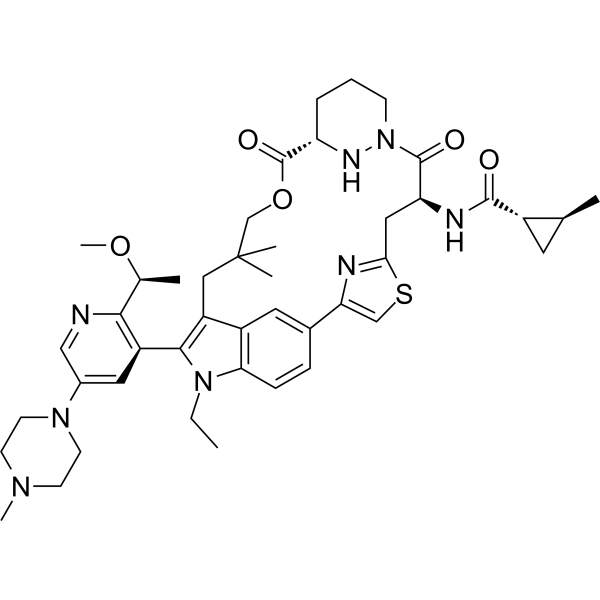
    Daraxonrasib
    5+ Cited Publications

    RMC-6236; RAS-IN-2

    Ras PERK Cancer
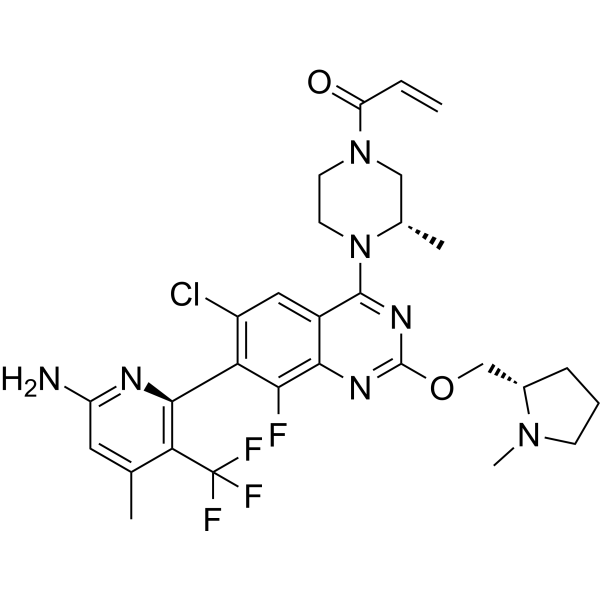
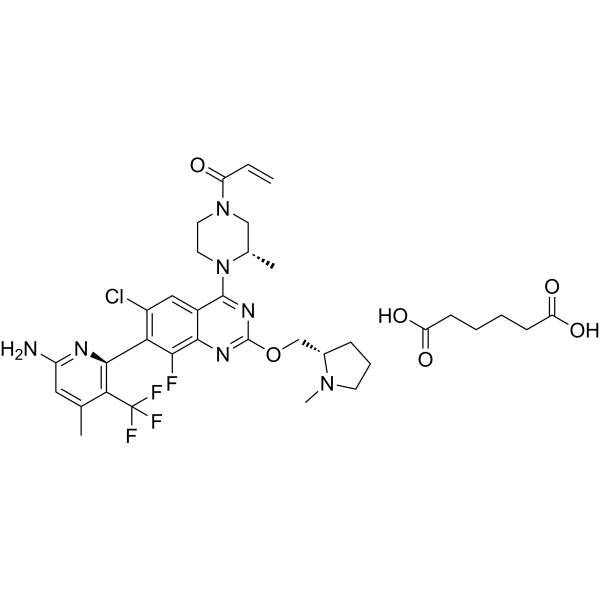
    Daraxonrasib (RMC-6236) is an orally active, non-covalent RAS (ON) inhibitor. Daraxonrasib disrupts the interaction of wild-type or mutant RAS proteins with the RAS binding domain of BRAF, with EC50 values ranging from 28-220 nM for wild-type KRAS, NRAS, HRAS, and multiple oncogenic RAS variants. Daraxonrasib inhibits pERK. Daraxonrasib has anti-tumor activity against KRAS mutant tumors .
    Daraxonrasib
  • HY-14754
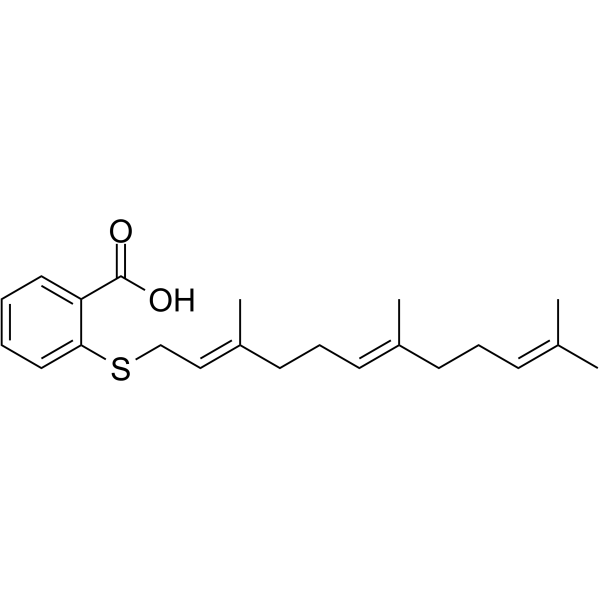
    Salirasib
    10+ Cited Publications

    S-Farnesylthiosalicylic acid; Farnesyl Thiosalicylic Acid; FTS

    Ras Autophagy Cancer
    Salirasib is a Ras inhibitor that inhibits specifically both oncogenically activated Ras and growth factor receptor-mediated Ras activation, resulting in the inhibition of Ras-dependent tumor growth.
    Salirasib
  • HY-W015309
    Decanoic acid
    4 Publications Verification

    Environmental Pollutants Endogenous Metabolite iGluR Glutaminase c-Met/HGFR Tyrosinase Neurological Disease Metabolic Disease Cancer
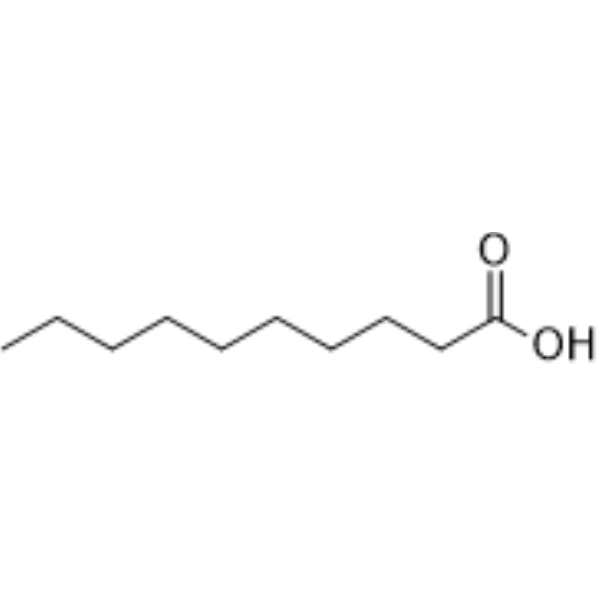
    Decanoic acid is a key component of the medium-chain triglyceride (MCT) found in coconut oil. Decanoic acid is a brain-penetrant and non-competitive inhibitor of AMPA receptor showing antiseizure activity in rats. Decanoic acid reduces tyrosinase activity and inhibits melanosome maturation. Decanoic acid suppresses the phosphorylation of c-Met and induced apoptosis in hepatocellular carcinoma (HCC) cells by inhibiting the expression of various oncogenic proteins, which is promising for research in the field of mTORC1 signaling, HCC and epilepsy .
    Decanoic acid
  • HY-135815
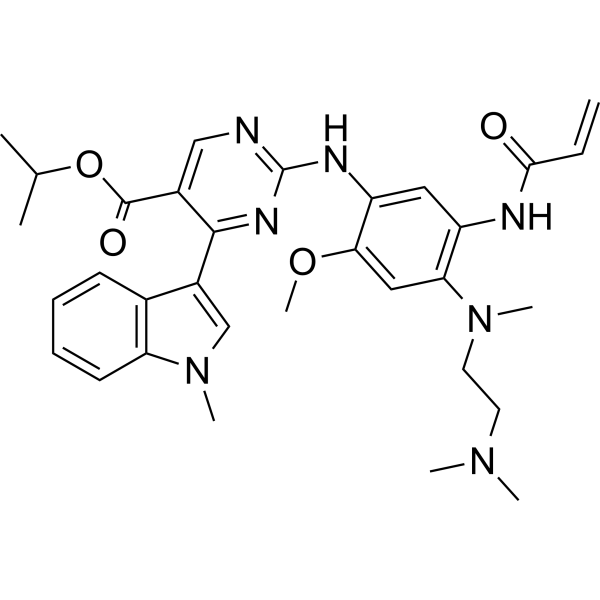
    Mobocertinib
    10+ Cited Publications

    TAK-788; AP32788

    EGFR Cancer
    Mobocertinib (TAK-788) is an orally active and irreversible EGFR/HER2 inhibitor. Mobocertinib potently inhibits oncogenic variants containing activating EGFRex20ins mutations with selectivity over wild-type EGFR. Mobocertinib can be used in NSCLC research .
    Mobocertinib
  • HY-13007
    PF-3758309
    5+ Cited Publications

    PF-03758309

    PAK Apoptosis Cancer
    PF-3758309 (PF-03758309) is a potent, orally available, and reversible ATP-competitive inhibitor of PAK4 (Kd= 2.7 nM; Ki=18.7 nM). PF-3758309 has the expected cellular functions of a PAK4 inhibitor: inhibition of anchorage-independent growth, induction of apoptosis, cytoskeletal remodeling, and inhibition of proliferation .
    PF-3758309
  • HY-134582
    dCBP-1
    10+ Cited Publications

    PROTACs Epigenetic Reader Domain Cancer
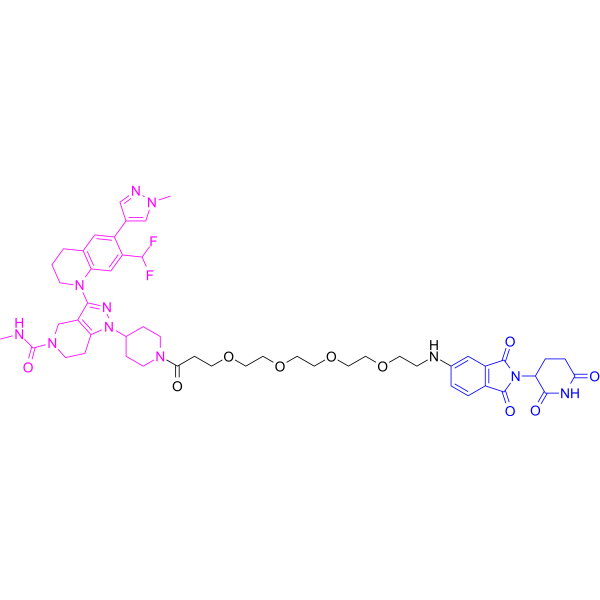
    dCBP-1 is a potent and selective heterobifunctional degrader of p300/CBP based on Cereblon ligand. dCBP-1 is exceptionally potent at killing multiple myeloma cells and ablates oncogenic enhancer activity driving MYC expression .
    dCBP-1
  • HY-136789
    Tuxobertinib
    1 Publications Verification

    BDTX-189

    EGFR Cancer
    Tuxobertinib (BDTX-189) is a potent, orally active and selective inhibitor of allosteric EGFR and HER2 oncogenic mutations, including EGFR/HER2 exon 20 insertion mutants. Tuxobertinib shows KDs of 0.2, 0.76, 13 and 1.2 nM for EGFR, HER2, BLK and RIPK2, reapectively. Anticancer activity .
    Tuxobertinib
  • HY-13425
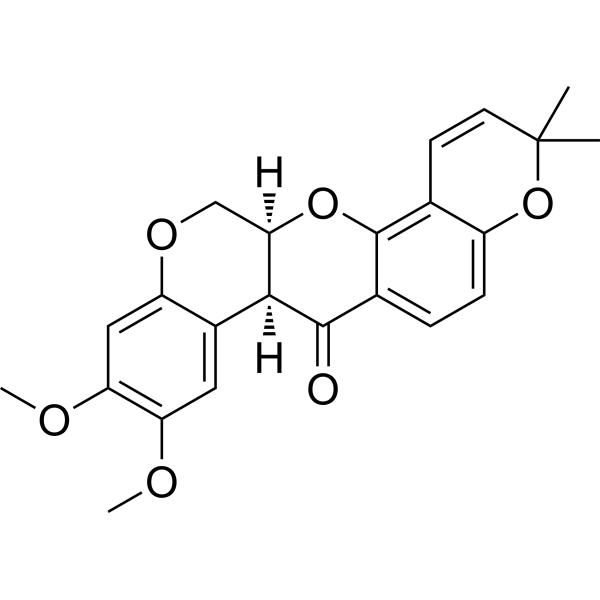
    Deguelin
    Maximum Cited Publications
    15 Publications Verification

    (-)-Deguelin; (-)-cis-Deguelin

    Akt Autophagy Apoptosis Cancer
    Deguelin, a naturally occurring rotenoid, acts as a chemopreventive agent by blocking multiple pathways like PI3K-Akt, IKK-NF-κB, and MAPK-mTOR-survivin-mediated apoptosis. Deguelin binding to Hsp90 leads to a decreased expression of numerous oncogenic proteins, including MEK1/2, Akt, HIF1α, COX-2, and NF-κB.
    Deguelin
  • HY-15872A
    FTI-277 hydrochloride
    5+ Cited Publications

    Farnesyl Transferase Apoptosis Ras Infection Cancer
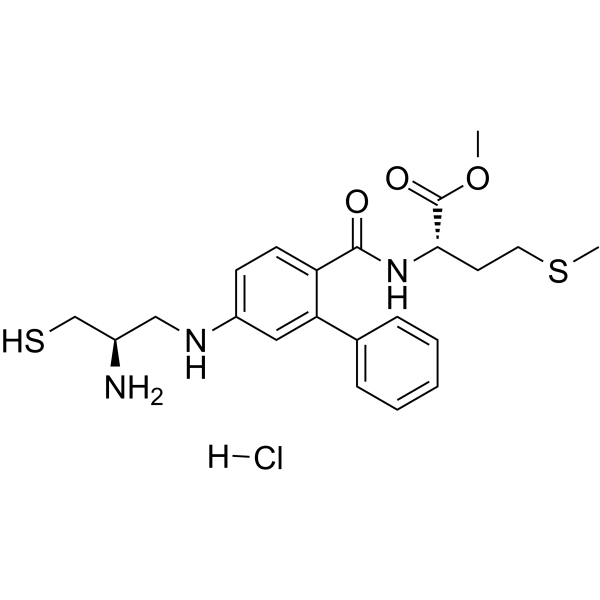
    FTI-277 hydrochloride is an inhibitor of farnesyl transferase (FTase); a highly potent Ras CAAX peptidomimetic which antagonizes both H- and K-Ras oncogenic signaling. FTI-277 hydrochloride can inhibit hepatitis delta virus (HDV) infection.
    FTI-277 hydrochloride
  • HY-106381

    PKC Inflammation/Immunology Cancer
    Aurothiomalate sodium is a potent and selective oncogenic PKCι signaling inhibitor. Aurothiomalate sodium inhibits tumor cell proliferation and not cell apoptosis. Aurothiomalate sodium is a potent thioredoxin reductase (TrxR) inhibitor. Aurothiomalate sodium, an anti-rheumatoid agent, exhibits potent anti-tumor activity .
    Aurothiomalate sodium
  • HY-14507
    YK-4-279
    5+ Cited Publications

    DNA/RNA Synthesis Apoptosis Cancer
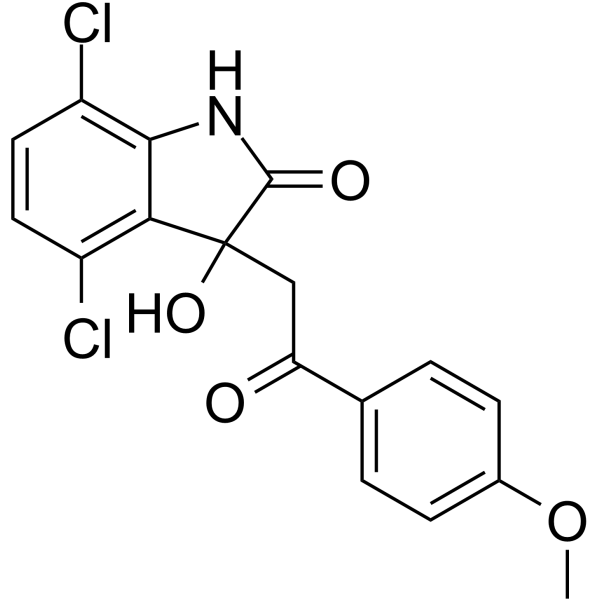
    YK-4-279 blocks RNA Helicase A (RHA) binding with EWS-FLI1 (oncogenic protein). YK-4-279 induces apoptosis and shows anti-proliferation activities towards various cancer cells. YK-4-279 has a chiral center and it can be separated into two enantiomers. YK-4-279 can be used for the research of cancer .
    YK-4-279
  • HY-19625

    Reactive Oxygen Species (ROS) Paraptosis Cancer
    MCB-613 is a potent Steroid receptor coactivator SRC small molecule ‘stimulator’ (SMS), super-stimulates SRCs’ transcriptional activity. MCB-613 increases SRCs’ interactions with other coactivators and markedly induces ER stress coupled to the generation of reactive oxygen species (ROS). MCB-613 is a SMS that target oncogenes can be exploited as anti-cancer agents by over-stimulating the SRC oncogenic program .
    MCB-613
  • HY-N10264

    (+)-Avrainvillamide; CJ-17,665

    Antibiotic Infection Cancer
    Avrainvillamide ((+)-Avrainvillamide) is a naturally occurring alkaloid with antiproliferative effects, binds to the nuclear chaperone nucleophosmin, a proposed oncogenic protein that is overexpressed in many different human tumors. Avrainvillamide affects cell biology both by directly binding NPM1 and Crm1 as well as by inhibiting the association of these proteins with certain native cellular partners. Avrainvillamide, an antibiotic, inhibits growth of multi-agent resistant Staphylococcus aureus, Streptococcus pyogenes, and Enterococcus faecalis, with MICs of 12.5, 12.5 and 25 μg/ml, respectively .
    Avrainvillamide
  • HY-122866
    ZT-12-037-01
    1 Publications Verification

    Ras Cancer
    ZT-12-037-01 is a STK19-targeted inhibitor, has a high-affinity interaction with STK19 protein and inhibits oncogenic NRAS-driven melanocyte malignant transformation. ZT-12-037-01 is an ATP-competitive inhibitor, inhibiting phosphorylation of NRAS (major isoform of Ras family) with an IC50 of 24 nM .
    ZT-12-037-01
  • HY-100627

    MEK Cancer
    APS-2-79 is a KSR-dependent MEK antagonist. APS-2-79 inhibits ATP biotin binding to KSR2 within the KSR2-MEK1 complexe with an IC50 of 120 nM. APS-2-79 makes the stabilization of the KSR inactive state antagonizes oncogenic Ras-MAPK signaling .
    APS-2-79
  • HY-153386

    Anaplastic lymphoma kinase (ALK) Cancer
    CPD-1224 is an orally effective ALK inhibitor, a derivative of an ALK inhibitor that connects to the cereblon ligand. CPD-1224 targets the EML4-ALK oncogenic fusion protein and degrades both ALK and the mutant forms L1196M/G1202R. CPD-1224 can slow down tumor growth .
    CPD-1224
  • HY-107779

    Raf Cancer
    BI-882370 is a potent and selective RAF kinase inhibitor that binds to the ATP binding site of the kinase positioned in the DFG-out (inactive) conformation of the BRAF kinase. BI-882370 (BI 882370) inhibits the oncogenic BRAF V600E-mutant, the WT BRAF and CRAF kinases with IC50s of 0.4, 0.8, and 0.6 nM, respectively. BI-882370 also inhibits SRC family kinases .
    BI-882370
  • HY-W035137

    5,15-DPP

    STAT Cancer
    5,15-Diphenylporphyrin (5,15-DPP) is an inhibitor of the oncogenic transcription factor STAT3. 5,15-Diphenylporphyrin specifically binds to the SH2 domain of STAT3, blocking the pTyr-SH2 interaction, thereby inhibiting the dimerization, nuclear translocation and DNA binding activity of STAT3, and ultimately inhibiting the expression of cancer cell-related genes. 5,15-Diphenylporphyrin can be used in research fields related to the development of anticancer drugs[1][2].
    5,15-Diphenylporphyrin
  • HY-175324

    Molecular Glues HuR Cancer
    MG-HuR2 is a molecular glue degrader targeting the oncogenic RNA-binding protein HuR (IC50=0.5 μM). MG-HuR2 is promising for research of HuR-overexpressing malignancies (e.g., breast cancer) .
    MG-HuR2
  • HY-135815A
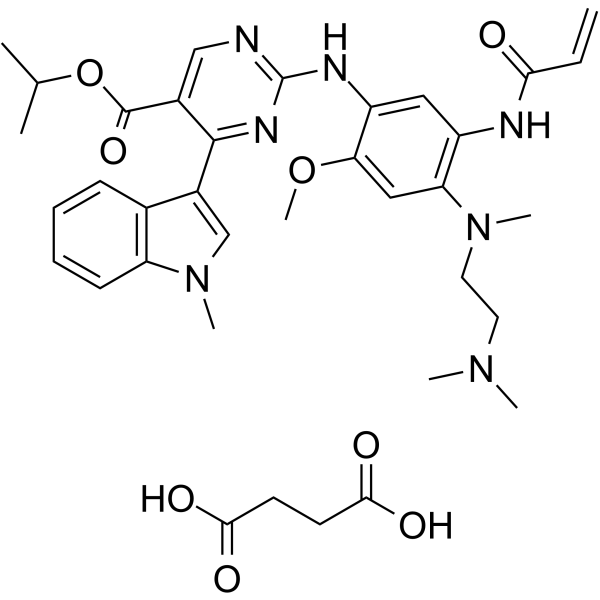
    Mobocertinib succinate
    10+ Cited Publications

    TAK-788 succinate; AP32788 succinate

    EGFR Cancer
    Mobocertinib (TAK-788) succinate is an orally active and irreversible EGFR/HER2 inhibitor. Mobocertinib succinate potently inhibits oncogenic variants containing activating EGFRex20ins mutations with selectivity over wild-type EGFR. Mobocertinib succinate can be used in NSCLC research .
    Mobocertinib succinate
  • HY-139065

    Apoptosis Cancer
    AMPC is a potent and effective TFF3 inhibitor. AMPC inhibits cell proliferation, survival, oncogenicity, and CSC-like behaviour in TFF3-positive CMS4 CRC cells. AMPC acts as a potential anti-cancer agent alone or in combination with 5-FU, and can be used for cancer research .
    AMPC
  • HY-120909

    HSP Apoptosis Cancer
    YK5 is a potent and selective Hsp70 inhibitor. YK5 selectively and tightly binds to the cytosolic Hsp70s in cancer cells. YK5 has biological activity partly by interfering with the formation of active oncogenic Hsp70/Hsp90/client protein complexes .
    YK5
  • HY-147918

    DNA/RNA Synthesis Cancer
    Anticancer agent 73 (compound CIB-3b) is a anticancer agent, potently targeting TAR RNA-binding protein 2 (TRBP) and disrupts its interaction with Dicer. Anticancer agent 73 can rebalance the expression profile of oncogenic or tumor-suppressive miRNAs. Anticancer agent 73 suppresses the proliferation and metastasis of HCC in vitro and in vivo .
    Anticancer agent 73
  • HY-119271

    SDS-1-021

    c-Myc Apoptosis Cancer
    CMLD010509 (SDS-1-021) is a highly specific inhibitor of the oncogenic translation program supporting multiple myeloma (MM)-including key oncoproteins such as MYC, MDM2, CCND1, MAF, and MCL-1. CMLD010509 (SDS-1-021) shows an IC50 below 10 nM for most MM cell lines and induces apoptosis. CMLD010509 (SDS-1-021) is a potent and selective translation inhibitor through an eIF4E phosphorylation-independent mechanism .
    CMLD010509
  • HY-144256

    DNA/RNA Synthesis Apoptosis Cancer
    CHD1Li 6.11 is a potent and orally active Chromodomain Helicase DNA Binding Protein 1 Like (CHD1L) (oncogenic gene) inhibitor (IC50 = 3.3 µM for cat-CHD1L recombinant protein). CHD1Li 6.11 can inhibit EMT, induce mesenchymal-epithelial transition (reverse EMT) and promote apoptosis in tumor organoid models. CHD1Li 6.11 can be used for the research of cancer, such as colorectal cancer .
    CHD1Li 6.11
  • HY-129079
    TFMB-(R)-2-HG
    3 Publications Verification

    Estrogen Receptor/ERR Histone Demethylase Fat Mass and Obesity-associated Protein (FTO) Cancer
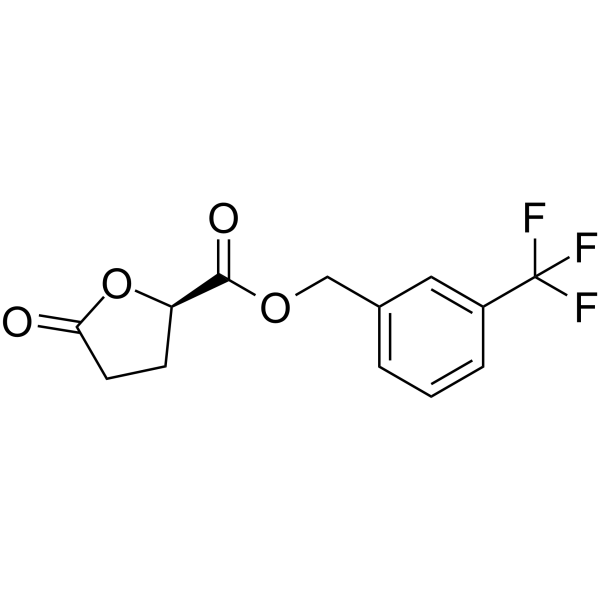
    TFMB-(R)-2-HG is a cell membrane-permeable (R)-2-HG and acute myeloid leukemia (AML) oncogenic factor. TFMB-(R)-2-HG competitively inhibits α-ketoglutarate-dependent dioxygenases such as KDM2B and FTO. TFMB-(R)-2-HG impairs cell differentiation in response to Estrogen withdrawal. TFMB-(R)-2-HG is used in acute myeloid leukemia and glioma research .
    TFMB-(R)-2-HG
  • HY-120373
    MB710
    1 Publications Verification

    MDM-2/p53 Cancer
    MB710, an aminobenzothiazole derivative, is a stabilizer of oncogenic p53 mutation Y220C. MB710 binds tightly to the Y220C pocket and stabilizes p53-Y220C, with a Kd of 4.1 μM. MB710 shows anticancer activity in p53-Y220C cell lines .
    MB710
  • HY-139402

    Ras Cancer
    MRTX849 acid, a derivative of MRTX849, can be used in the synthesis of PROTAC LC-2 (HY-137516). LC-2 is a potent and first-in-class PROTAC capable of degrading endogenous KRAS G12C (DC50s between 0.25 and 0.76 μM) .
    MRTX849 acid
  • HY-128153
    Thienopyridone
    1 Publications Verification

    Phosphatase Apoptosis Cancer
    Thienopyridone is a potent and selective phosphatase of regenerating liver (PRL) phosphatase inhibitor with IC50s of 173 nM, 277 nM and 128 nM for PRL-1, PRL-2, and PRL-3, respectively. Thienopyridone shows minimal effects on other phosphatases. Thienopyridone induces p130Cas cleavage and apoptosis and has anticancer effects .
    Thienopyridone
  • HY-170791

    PTEN TGF-beta/Smad Akt Cancer
    CIB-L43 is an orally active TRBP inhibitor (KD = 4.78 nM) and enhances disruption of TRBP-Dicer interactions (IC50 = 2.34 μM). CIB-L43 suppresses oncogenic miR-21 biosynthesis, increasing PTEN and Smad7 expression and inhibiting AKT and TGF-β signaling, thereby reducing HCC cell proliferation and migration .
    CIB-L43
  • HY-172825

    c-Myc Cancer
    KL4-219A is a selective covalent oncogenic transcription factor MYC degrader. KL4-219A potently and durably degrades MYC in cancer cells. KL4-219A binds covalently to MYC at C203, leading to the destabilization of MYC and subsequent proteasome-dependent degradation. KL4-219A is promising for research of cancers driven by MYC overexpression .
    KL4-219A
  • HY-122914
    KRAS inhibitor-3
    1 Publications Verification

    Ras Cancer
    KRAS inhibitor-3 is an inhibitor of KRAS inhibitor. KRAS inhibitor-3 binds to WT and oncogenic KRAS mutants with high affinity (KD: 0.28 μM for KRAS WT, 0.63 μM for KRAS G12C, 0.37 μM for KRAS G12D, 0.74 μM for KRAS Q61H). KRAS inhibitor-3 also disrupts interaction of KRAS with Raf .
    KRAS inhibitor-3
  • HY-173552

    Molecular Glues Histone Acetyltransferase BCL6 Cancer
    TCIP3 is a bivalent molecular glue with with dual binding to p300/CBP and BCL6. TCIP3 redirects p300 and CBP to activate programmed cell death genes normally repressed by the oncogenic driver, BCL6. TCIP3 can be used for the study of diffuse large B cell lymphomas (DLBCLs). TCIP3 exhibits no toxicity in non-transformed tonsillar lymphocytes or fibroblasts .
    TCIP3
  • HY-139590

    BOS-172738; DS-5010

    RET PDGFR Cancer
    Zeteletinib (BOS-172738; DS-5010) is an orally active, selective RET kinase inhibitor with nanomolar potency against RET and >300-fold selectivity against VEGFR2. Zeteletinib shows exquisite potency for the wild type RET, RET V804M/L gatekeeper mutants, and the most common oncogenic RET mutation M918T. Zeteletinib has potent antitumor activity .
    Zeteletinib
  • HY-151523

    Ras Cancer
    KRas G12R inhibitor 1 is a covalent inhibitor targeting the common oncogenic mutant KRas G12R with selectivity for the mutant arginine. KRas G12R inhibitor 1 possesses an α,β-diketoamide and exploits strong nucleophilicity of the mutant cysteine and irreversibly binds in the Switch II region of KRas. KRas G12R inhibitor 1 can be researched for K-Ras (G12R)-driven cancer such as pancreatic ductal adenocarcinoma (PDAC) .
    KRas G12R inhibitor 1
  • HY-147426

    ADS-007; ARO HIF2

    Small Interfering RNA (siRNA) HIF/HIF Prolyl-Hydroxylase Cancer
    Zifcasiran (ADS-007; ARO HIF2) is an siRNA synthetic double-stranded RNAi trigger. Zifcasiran sodium selectively target hypoxia-inducible factor-2α (HIF2α) interrupting downstream pro-oncogenic signaling in clear cell renal cell carcinoma (ccRCC). Zifcasiran sodium engages the cell's RNAi machinery to target HIF2α (EPAS1) mRNA for degradation, thereby reducing the amount of free HIF2α mRNA available for translation .
    Zifcasiran
  • HY-126979

    c-Myc Cancer
    Mycro2 is an inhibitor of c-Myc/Max dimer and DNA binding, with an IC50 value of 23 μM for the inhibition of Myc/Max DNA binding activity. Mycro2 can inhibit c-myc-dependent cell proliferation, gene transcription and oncogenic transformation .
    Mycro2
  • HY-106381A

    PKC Inflammation/Immunology
    Aurothiomalate tetramer sodium, an Aurothiomalate sodium (HY-106381) tetrameric form, is antiarthritic gold agent. Aurothiomalate sodium is a potent and selective oncogenic PKCι signaling inhibitor .
    Aurothiomalate tetramer sodium
  • HY-153534

    MicroRNA Cancer
    microRNA-21-IN-3 (compound 45) can specifically bind to the precursor of oncogenic and pro-inflammatory microRNA-21 with medium nanomolar affinity, reduce cancer cell proliferation and miR-21 levels, and can be used in antitumor research .
    microRNA-21-IN-3
  • HY-156084

    CDK PROTACs Apoptosis c-Myc Cancer
    LL-K9-3 is a potent small-molecule degrader of CDK9-cyclin T1. LL-K9-3 has anti-proliferative and pro-apoptotic activities and suppresses downstream signaling of CDK9 and AR. Moreover, LL-K9-3 inhibits AR and Myc-driven oncogenic transcriptional programs .
    LL-K9-3
  • HY-173614

    Molecular Glues E1/E2/E3 Enzyme Cancer
    CC-647 is a molecular glue modulator targeting Cereblon (CRBN) E3 ubiquitin ligase. CC-647 promotes the interaction between CRBN and ZBTB16 as well as its oncogenic fusion protein RARα-ZBTB16 (with a DC50 of 103 nM). CC-647 is promising for research of ZBTB16-RARα-associated acute promyelocytic leukemia (APL) .
    CC-647
  • HY-163561

    Histone Methyltransferase Estrogen Receptor/ERR IFNAR Cancer
    CARM1-IN-6 is a potent CARM1 inhibitor that inhibits CARM1 enzymatic activity with an IC50 of 12.3 μM and a Kd of 0.6785 μM. CARM1-IN-6 suppresses oncogenic estrogen/ERα-target gene expression, activates type I interferon (IFN) and IFN-induced genes (ISGs), induces cell cycle arrest, and inhibits breast cancer cell proliferation both in vitro and in vivo. CARM1-IN-6 can be used for the research of breast cancer .
    CARM1-IN-6
  • HY-149241

    SHP2 Cancer
    SHP2-IN-13 is a highly selective and orally active SHP2 “tunnel site” allosteric inhibitor with an IC50 of 83.0 nM. SHP2-IN-13 has the potential for cancers bearing RTK oncogenic drivers and SHP2-related diseases research.
    SHP2-IN-13
  • HY-108436

    Phosphodiesterase (PDE) Cancer
    Deltazinone 1, a pyrazolopyridazinone, is a highly selective PDEδ inhibitor with a KD of 8 nM. Deltazinone 1 inhibits the PDEδ-Ras interaction. Deltazinone 1 shows a dose-dependent inhibitory response on proliferation in oncogenic KRas-dependent cell lines .
    Deltazinone 1
  • HY-124844

    AZA-9

    HuR Cancer
    Azaphilone-9 (AZA-9) is an inhibitor of HuR-ARE RNA interaction (IC50=1.2 μM) by binding RNA-binding protein Hu antigen R (HuR). The HuR-RNA interactions stabilize many oncogenic mRNAs in tumors. Thus Azaphilone-9 potentially inhibit cancer cell growth and progression .
    Azaphilone-9
  • HY-P10436

    Raf Cancer
    Braftide is an allosteric inhibitor for BRAF kinase by targeting the dimer interface of BRAF kinase and inhibiting the formation of BRAF dimers. Braftide inhibits wild-type BRAF and oncogenic BRAF G469A with IC50 of 364 nM and 172 nM, respectively. Braftide inhibits MAPK signaling pathway, inhibits proliferation of KRAS mutant tumor cells (EC50 is 7.1 and 6.6 μM, for HCT116 and HCT-15), in combination of TAT sequence. Braftide can be used for cancer research .
    Braftide
  • HY-P991664

    Src Akt ERK TAM Receptor c-Met/HGFR MMP HIF/HIF Prolyl-Hydroxylase VEGFR Cancer
    AG01 is a monoclonal antibody against progranulin (GP88). AG01 inhibits triple-negative breast cancer (TNBC) cell proliferation and migration, reduces the expression of phosphorylated protein kinases p-Src, p-AKT, and p-ERK, and reduces the expression of oncogenic proteins such as Axl, c-MET, HIF-1α, and VEGF. AG01 inhibits tumor growth and Ki67 expression in a TNBC xenograft mouse model. AG01 can be used in the research of TNBC and other cancers .
    AG01
  • HY-P11355A

    Amino Acid Derivatives Cancer
    KRAS WT Peptide TFA is the trifluoroacetate salt of KRAS WT Peptide (HY-P11355). KRAS WT Peptide is the normal sequence peptide of the Kirsten rat sarcoma virus (KRAS) gene without oncogenic mutations. KRAS WT Peptide can be used for the study of evaluating the specificity and safety of KRAS-targeted immunotherapies .
    KRAS WT Peptide TFA
  • HY-100627A

    MEK Cancer
    APS-2-79 hydrochloride is a KSR-dependent MEK antagonist. APS-2-79 inhibits ATP biotin binding to KSR2 within the KSR2-MEK1 complexe with an IC50 of 120 nM. APS-2-79 makes the stabilization of the KSR inactive state antagonizes oncogenic Ras-MAPK signaling .
    APS-2-79 hydrochloride
  • HY-P11356

    IFNAR Cancer
    KRAS G12V Peptide is a specific peptide derived from the Kirsten rat sarcoma virus (KRAS) gene carrying the G12V oncogenic mutation. KRAS G12V Peptide induces responses like IFN-γ secretion and cytotoxicity. KRAS G12V Peptide can be used for the study of immune responses against KRAS G12V-mutant tumors .
    KRAS G12V Peptide

Inquiry Online

Your information is safe with us. * Required Fields.

Salutation


Country or Region *

Applicant Name *


Organization Name *

Department *


Email Address *


Product Name *

Cat. No.


Requested quantity *

Phone Number *


Remarks

Inquiry Online

Inquiry Information

Product Name:
Cat. No.:
Quantity:
MCE Japan Authorized Agent:

