488 Results for "

organic synthesis

" in MedChemExpress (MCE) Product Catalog:
Products (488)

488 Results for "organic synthesis" in MCE Product Catalog:

3
3 Cited Publications
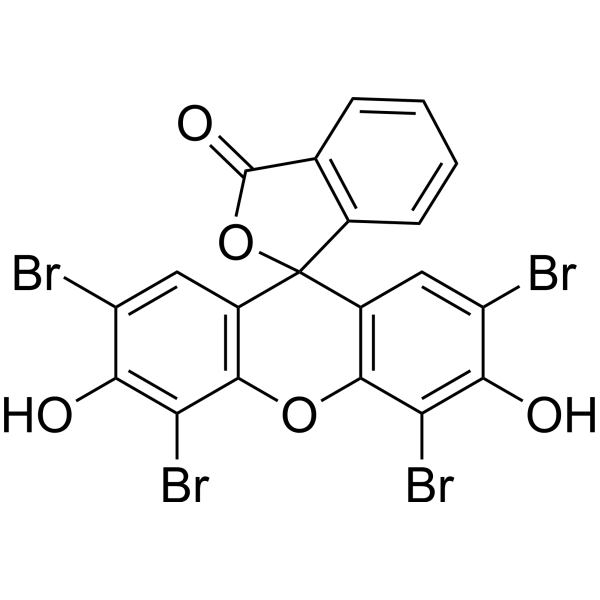
Cat. No.: HY-D0505
CAS No.: 15086-94-9
Synonyms: Acid Red 87 free base
Target:  

Fluorescent Dye

Research Areas:  

Others

Eosin Y (Acid Red 87 free base) is a soluble acid red dye molecule. Eosin Y has a wide application in organic synthesis as a photoredox catalyst. Eosin Y can be used as a component of Eosin-Nigrosin Sperm Viability Staining Solution (HY-DY2022) to assess sperm viability and identify the integrity of the membrane structure and function of inactive sperm .
loading...
    loading...
3
3 Cited Publications
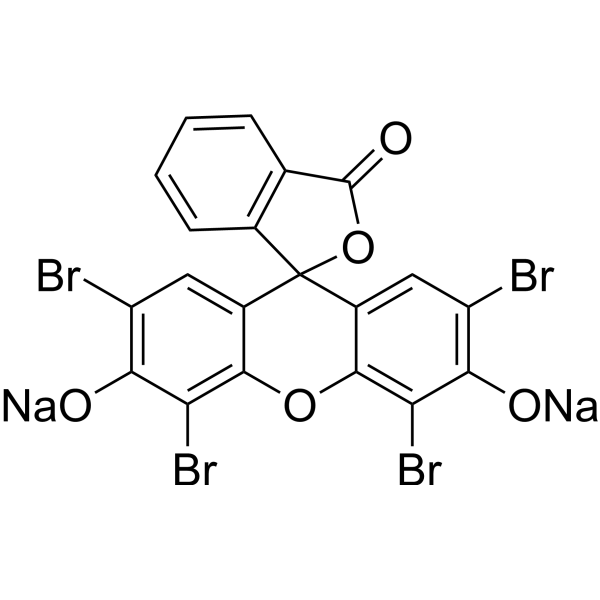
Cat. No.: HY-D0505A
CAS No.: 17372-87-1
Synonyms: Acid Red 87
Target:  

Fluorescent Dye

Research Areas:  

Others

Eosin Y disodium (Acid Red 87) is a soluble acid red dye molecule. Eosin Y disodium has a wide application in organic synthesis as a photoredox catalyst. Eosin Y disodium can be used as a component of Eosin-Nigrosin Sperm Viability Staining Solution (HY-DY2022) to assess sperm viability and identify the integrity of the membrane structure and function of inactive sperm .
loading...
    loading...
2
2 Cited Publications
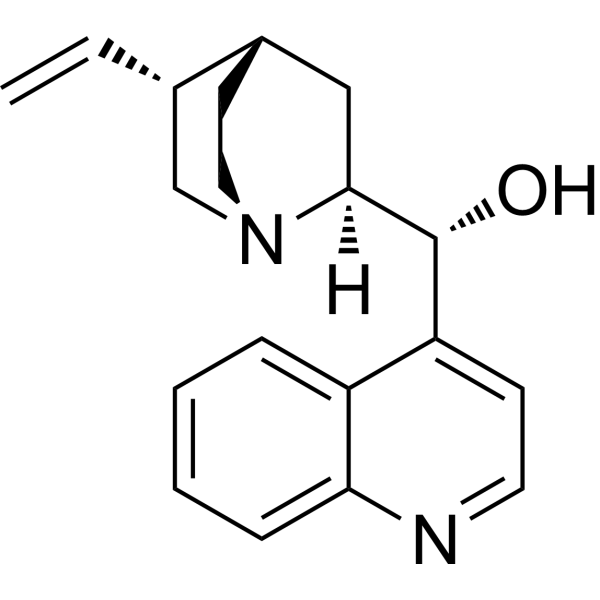
Cat. No.: HY-N0173
CAS No.: 485-71-2
Synonyms: α-Quinidine
Cinchonidine (α-Quinidine) is a cinchona alkaloid found in Cinchona officinalis and Gongronema latifolium. A building block used in asymmetric synthesis in organic chemistry. Weak inhibitor of serotonin transporter (SERT) with Kis of 330, 4.2, 36, 196, 15 μM for dSERT, hSERT, hSERT I172M, hSERT S438T, hSERT Y95F, respectively. Antimalarial activities .
loading...
    loading...
2
2 Cited Publications
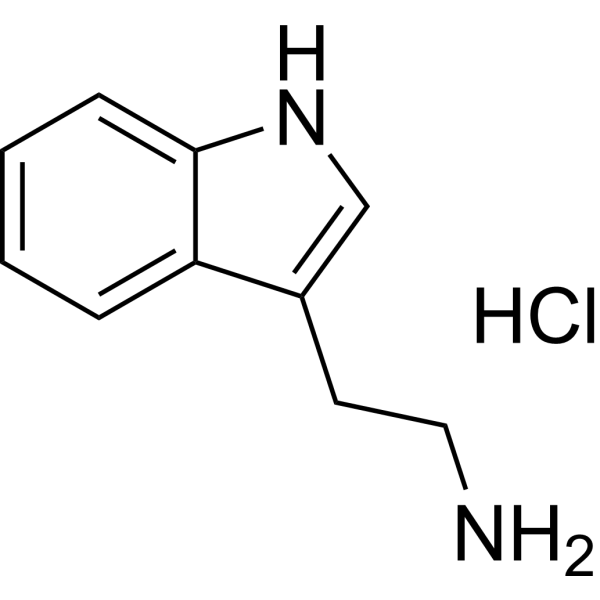
Cat. No.: HY-W014971
CAS No.: 343-94-2
Tryptamine hydrochloride belongs to the class of indole alkaloids and is a derivative of the amino acid tryptophan. Tryptamine hydrochloride is psychoactive and acts as a neurotransmitter in the body, affecting mood, perception and cognition. In its hydrochloride form, Tryptamine hydrochloride hydrochloride, it is commonly used as a research chemical and as a starting material for the synthesis of other organic compounds. It can also occur naturally in certain plants and animals, including fungi and mammals. Due to the psychoactive properties of Tryptamine hydrochloride and its derivatives, its use and possession are controlled substances in many countries.
loading...
    loading...
2
2 Cited Publications
Cat. No.: HY-113218
CAS No.: 3040-38-8
Purity:  ≥98.0%
Synonyms: O-Acetyl-L-carnitine; ALCAR
Target:  

Caspase Apoptosis

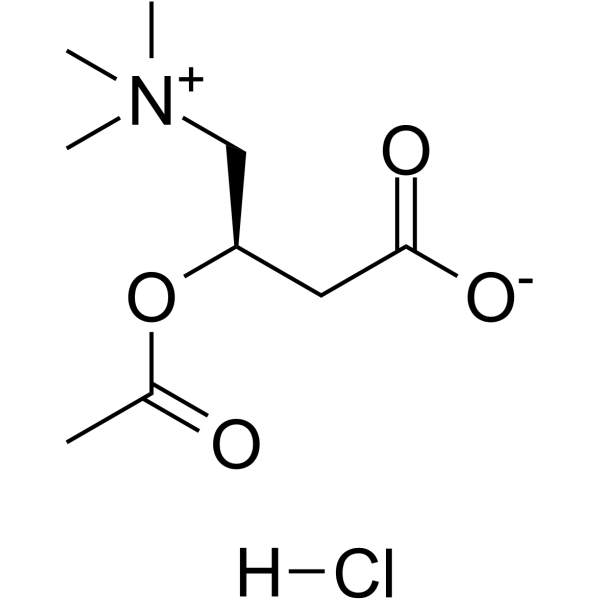
Acetyl-L-carnitine (O-Acetyl-L-carnitine; ALCAR) is an orally active mitochondrial energy metabolism regulator and neuroprotectant that can penetrate the blood-brain barrier. Acetyl-L-carnitine selectively enters cells and the brain through the organic cation transporter OCTN2. Acetyl-L-carnitine can participate in fatty acid β-oxidation, promote acetylcholine synthesis, regulate mitochondrial function and inhibit oxidative stress as an acetyl donor. Acetyl-L-carnitine exerts its activity by enhancing energy metabolism, protecting neurons and improving synaptic plasticity. Acetyl-L-carnitine is mainly used in the study of neurodegenerative diseases and metabolic disorder-related diseases such as neonatal hypoxic-ischemic brain damage, Alzheimer's disease, and depression .
loading...
    loading...
2
2 Cited Publications
Cat. No.: HY-B0762
CAS No.: 5080-50-2
Synonyms: O-Acetyl-L-carnitine hydrochloride; ALCAR hydrochloride
Target:  

Caspase Apoptosis

Acetyl-L-carnitine (O-Acetyl-L-carnitine; ALCAR) hydrochloride is an orally active mitochondrial energy metabolism regulator and neuroprotectant that can penetrate the blood-brain barrier. Acetyl-L-carnitine hydrochloride selectively enters cells and the brain through the organic cation transporter OCTN2. Acetyl-L-carnitine hydrochloride can participate in fatty acid β-oxidation, promote acetylcholine synthesis, regulate mitochondrial function and inhibit oxidative stress as an acetyl donor. Acetyl-L-carnitine hydrochloride exerts its activity by enhancing energy metabolism, protecting neurons and improving synaptic plasticity. Acetyl-L-carnitine hydrochloride is mainly used in the study of neurodegenerative diseases and metabolic disorder-related diseases such as neonatal hypoxic-ischemic brain damage, Alzheimer's disease, and depression .
loading...
    loading...
1
1 Cited Publications
Cat. No.: HY-W127637
CAS No.: 4965-17-7
Synonyms: Tetrapentylammonium chloride
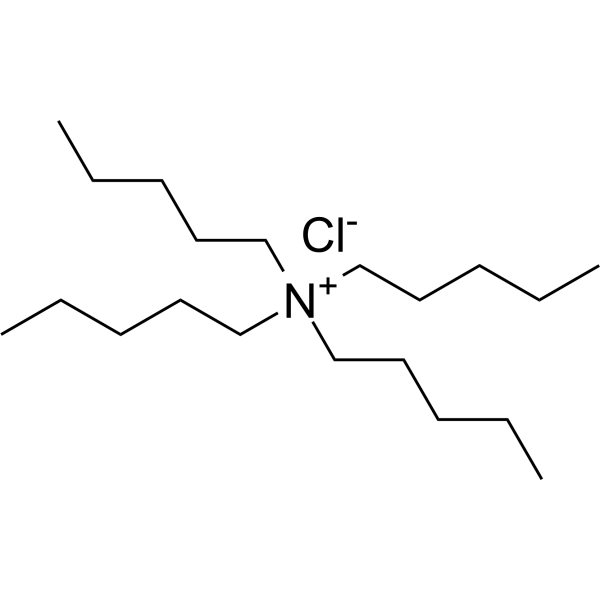
Tetraamylammonium chloride is an organic compound containing ammonium and chloride ions. It is commonly used as a phase transfer catalyst in organic synthesis, especially in the production of pharmaceuticals and agrochemicals. Tetraamylammonium Chloride has a strong base that facilitates the transfer of reactants between immiscible solvents, resulting in more efficient chemical reactions. In addition, it can also be used as an intermediate in the synthesis of other quaternary ammonium compounds.
loading...
    loading...
1
1 Cited Publications
Cat. No.: HY-W022224
CAS No.: 57103-02-3
Target:  

Endogenous Metabolite

Research Areas:  

Others

3,6-Diiodo-9H-carbazole is an organic compound that can be used for the design and synthesis of carbazole derivatives .
loading...
    loading...
1
1 Cited Publications
Cat. No.: HY-W002863
CAS No.: 29241-62-1
Target:  

Drug Intermediate

Research Areas:  

Others

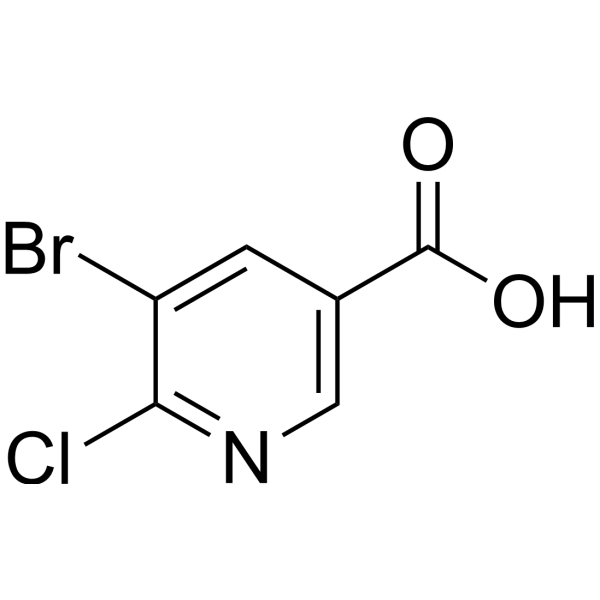
5-Bromo-6-chloronicotinic acid is a halogenated nicotinic acid and synthetic starting material that can be used in studies related to organic synthesis .
loading...
    loading...
1
1 Cited Publications
Cat. No.: HY-W009938
CAS No.: 90-44-8
Synonyms: Anthracen-9(10H)-one
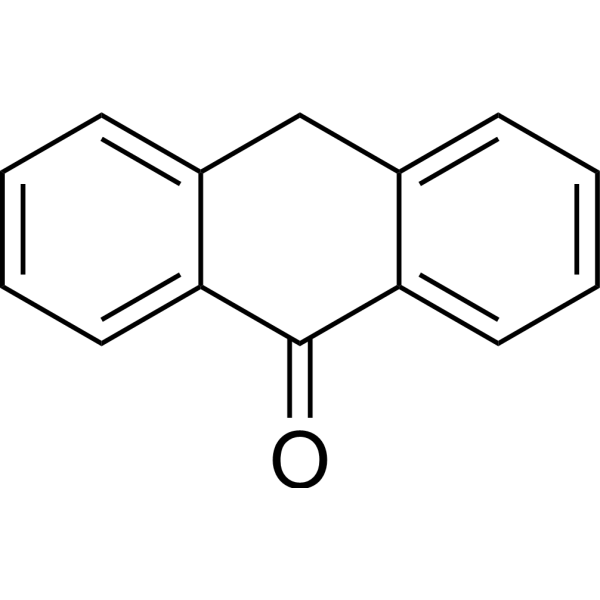
Anthrone is an organic compound commonly used as a dye and intermediate. It can be used to make products such as pigments, dyes and fluorescent whitening agents, and is widely used in certain industrial production fields such as textile manufacturing, soap making and paper making. In addition, this compound is also used as a reagent and catalyst in some organic synthesis reactions.
loading...
    loading...
1
1 Cited Publications
Cat. No.: HY-W127375
CAS No.: 14047-60-0
Synonyms: Sodium pelargonate
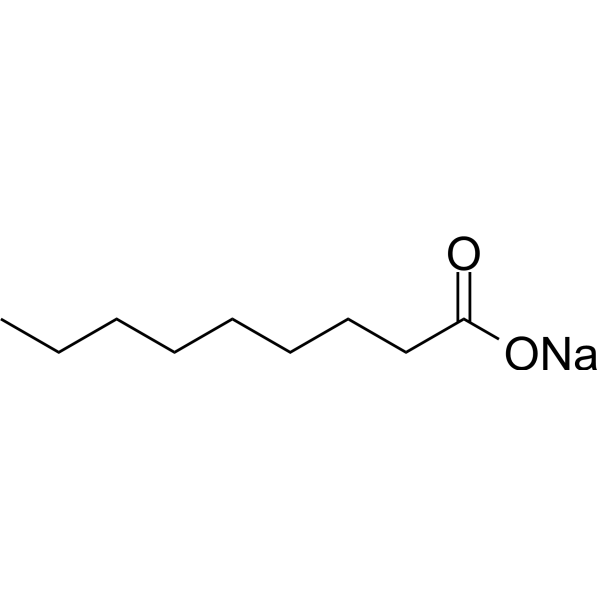
Sodium nonanoate is a salt-like compound commonly used as a surfactant or emulsifier in a variety of industrial applications, including the production of detergents, soaps and personal care products. In addition, it can be used as an intermediate in the synthesis of various organic compounds, including pharmaceuticals and agrochemicals. Its unique chemical properties make it an important ingredient in a variety of industrial processes, especially in the manufacture of textiles and paper products.
loading...
    loading...
1
1 Cited Publications
Cat. No.: HY-W127604
CAS No.: 822-12-8
Synonyms: Myristic acid sodium
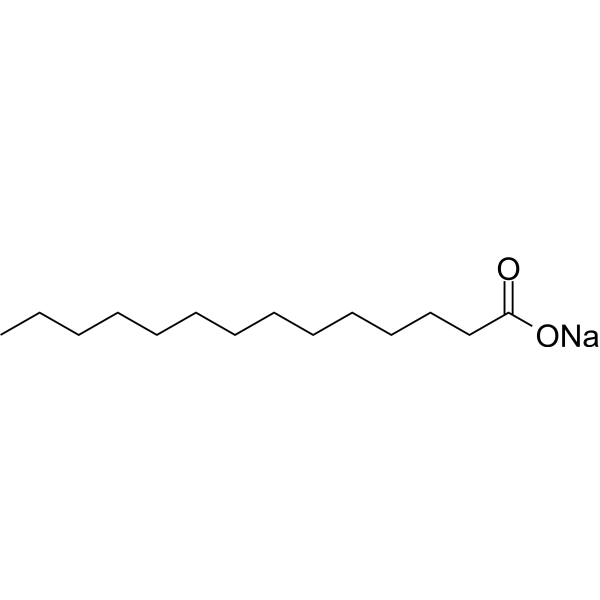
Sodium myristate is a salt-like compound commonly used as a surfactant or emulsifier in a variety of industrial applications, including the production of detergents, soaps, and personal care products. In addition, it can be used as an intermediate in the synthesis of various organic compounds, including fragrances and pharmaceuticals. Its unique chemical properties make it an important ingredient in a variety of industrial processes, especially in the manufacture of textiles and paper products.
loading...
    loading...
1
1 Cited Publications
Cat. No.: HY-W145649
CAS No.: 15673-79-7
Research Areas:  

Others

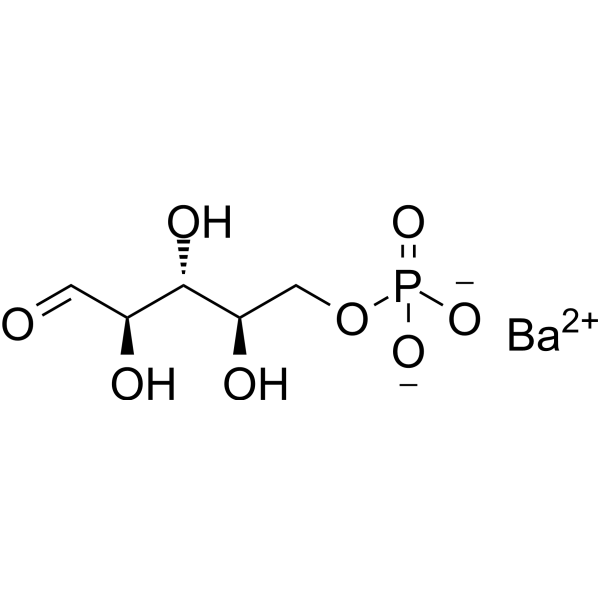
Ribose-5-phosphate Barium Salt is an organic compound that belongs to the monosaccharide phosphate family. It is commonly used as an intermediate in various biochemical pathways, especially in the biosynthesis of nucleotides and coenzymes. Ribose-5-phosphate Barium Salt has several applications in biochemical research, including as a precursor for the synthesis of other phosphorylated sugars and as a substrate for enzymes involved in the pentose phosphate pathway. In addition, it can be used as an energy source and dietary supplement for certain microorganisms.
loading...
    loading...
1
1 Cited Publications
Cat. No.: HY-W008615
CAS No.: 1147-23-5
Synonyms: 5-Iodo-D-cytidine
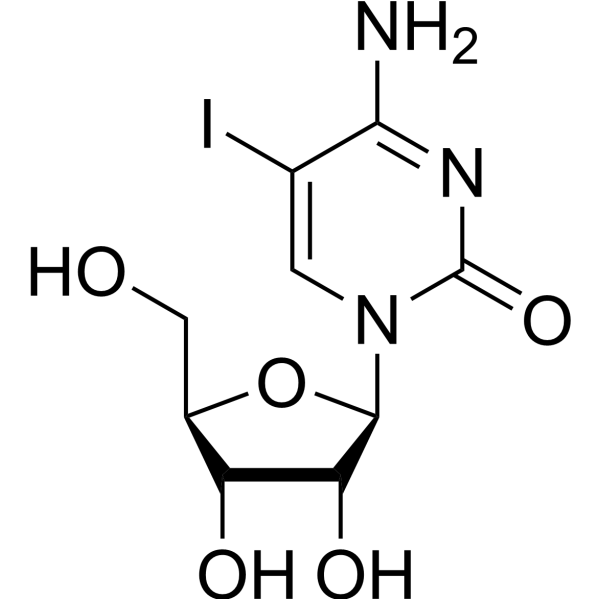
5-Iodo-cytidine (5-Iodo-D-cytidine) is a purine nucleoside analog that acts as an intermediate in organic synthesis. 5-Iodo-cytidine serves as a chemically modified nucleotide to replace partial cytidine residues in in vitro transcription, enhancing the translation efficiency and stability of chemically modified mRNA. Purine nucleoside analogs exhibit broad anti-tumor activity and target indolent lymphoid malignancies. 5-Iodo-cytidine can be used in mRNA therapy and tumor-related research .
loading...
    loading...
1
1 Cited Publications
Cat. No.: HY-B2221B1
CAS No.: 9004-62-0
Research Areas:  

Others

Hydroxyethyl cellulose, Viscosity(2%):150mPa.s is a class of nonionic cellulose ether gel-forming polymers with pH-independent drug release properties. When used as a tablet coating, Hydroxyethyl cellulose, Viscosity(2%):150mPa.s regulates the water permeation rate, thereby altering the drug release lag time; the higher the viscosity, the longer the drug release lag time. When used as a hydrogel thickener, it increases the dynamic viscosity of the system. Hydroxyethyl cellulose, Viscosity(2%):150mPa.s can be used in organic synthesis-related research, such as pharmaceutical excipients, hydrogel thickeners, etc.
loading...
    loading...
1
1 Cited Publications
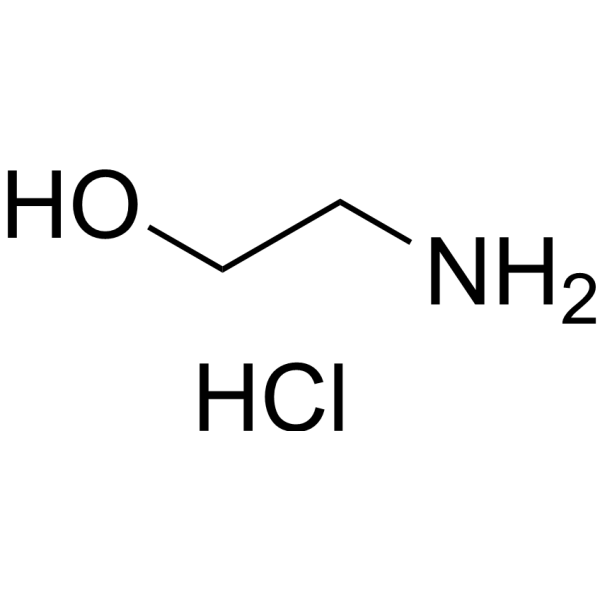
Cat. No.: HY-W035903
CAS No.: 2002-24-6
Synonyms: 2-Aminoethanol hydrochloride
Ethanolamine hydrochloride, is an organic compound used in various industrial applications. It is a white or colorless solid that is soluble in water and has a faint odor. One of the major uses of Ethanolamine hydrochloride is in the production of detergents and surfactants. Used as a raw material in the manufacture of compounds such as ethylenediaminetetraacetic acid (EDTA) and diethanolamine, which are commonly used in household and industrial cleaning products. Ethanolamine hydrochloride is also used in the synthesis of pharmaceuticals, agrochemicals and rubber processing agents. It acts as a buffer in certain chemical reactions, helping to adjust pH and maintain stability. Ethanolamine hydrochloride can be used for gas purification and metal corrosion inhibitor. Its ability to react with acid gases such as carbon dioxide and sulfur dioxide makes it useful for removing impurities from natural gas and other industrial gases. Overall, Ethanolamine hydrochloride is a multifunctional compound with many potential industrial applications. Its ability to act as a buffer, chelating agent, and corrosion inhibitor makes it an important tool in a variety of industries.
loading...
    loading...
1
1 Cited Publications
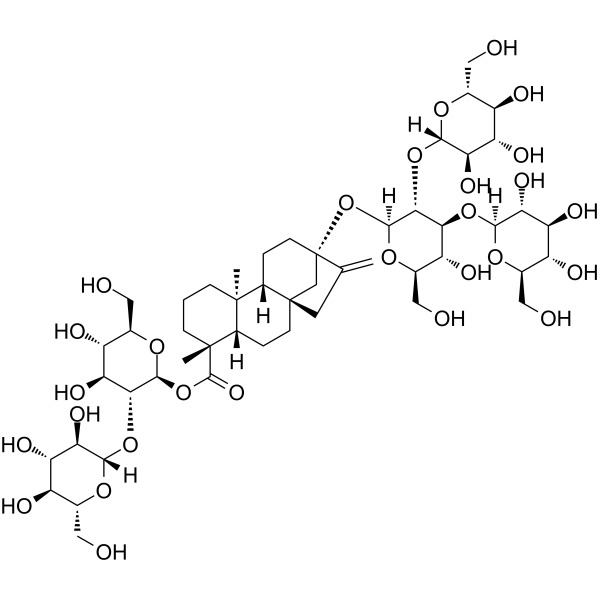
Cat. No.: HY-N0468
CAS No.: 63279-13-0
Rebaudioside D is an orally active sweetener that targets and activates FXR, modulates Acetyl-CoA Carboxylase, and inhibits 3-hydroxy-3-methylglutaryl-CoA reductase. Rebaudioside D regulates bile acid homeostasis and lipid metabolism, reduces the synthesis rates of fatty acids and cholesterol, and exerts multiple effects including anti-adipogenesis, hepatoprotection, anti-steatosis, gut microbiota modulation, enhancement of secondary bile acid metabolism, anti-endotoxin activity, regulation of bile acid transport, and inhibition of bile acid efflux. Rebaudioside D also reduces body weight gain, visceral fat accumulation, hepatic triglyceride and cholesterol accumulation, hepatic lipid peroxidation, and decreases the circulating level of lipopolysaccharide-binding protein. Rebaudioside D additionally enhances the secondary bile acid metabolic pathway of intestinal bacteria, upregulates the gene expression of ileal organic solute transporter α, and downregulates the gene expression of hepatic bile salt export pump. Rebaudioside D does not affect glucose homeostasis, alter total caloric intake or fecal energy excretion, induce weight gain, exacerbate obesity, promote hepatic steatosis, impair brown adipose tissue function, nor change skeletal muscle metabolism-related proteins. Rebaudioside D can be used in diet-induced obesity and obesity-related research .
loading...
    loading...
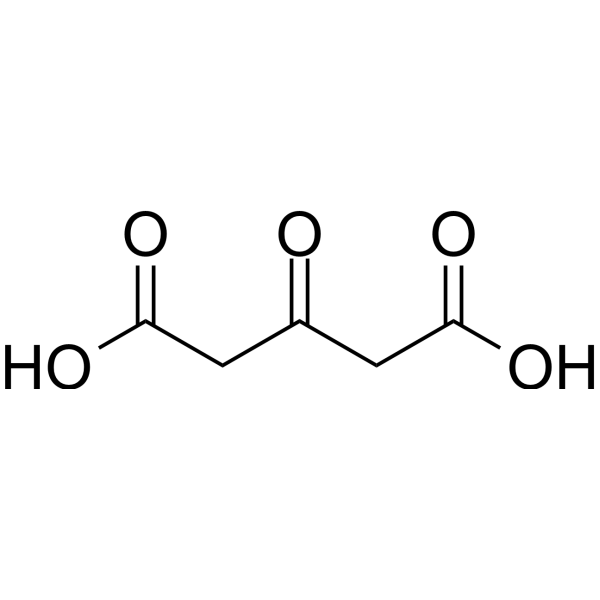
Cat. No.: HY-W007752
CAS No.: 542-05-2
3-Oxopentanedioic acid is a dicarboxylic acid that is easily brominated. 3-Oxopentanedioic acid can be used as an intermediate in organic chemical synthesis .
loading...
    loading...
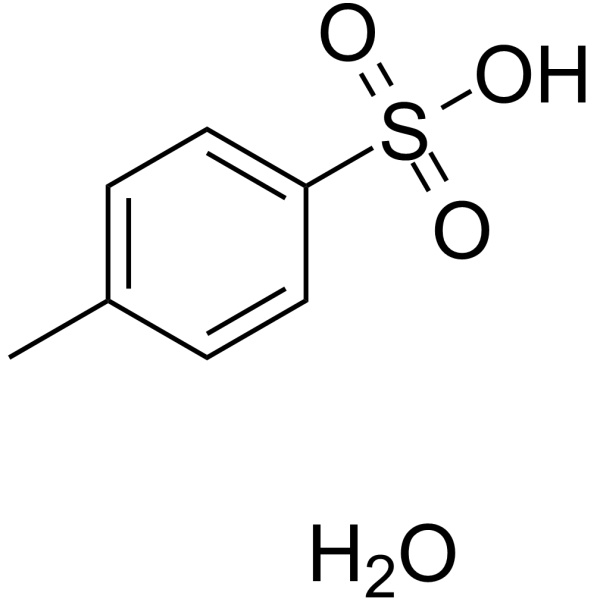
Cat. No.: HY-W015175
CAS No.: 6192-52-5
Synonyms: PTSA monohydrate
p-Toluenesulfonic acid (PTSA) monohydrate, a strong organic acid, acts as organic catalyst used in organic synthesis .
loading...
    loading...
Cat. No.: HY-Y0317H
CAS No.: 7757-82-6
Synonyms: Disodium sulfate, for cell culture
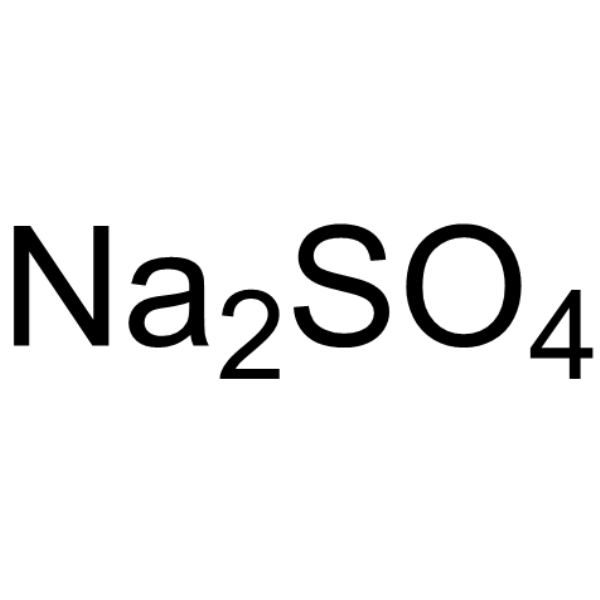
Sodium sulfate anhydrous, for cell culture is a drying agent in organic synthesis, which can be used for cell culture .
loading...
    loading...

