222 Results for "

phenotype

" in MedChemExpress (MCE) Product Catalog:
Products (222)

222 Results for "phenotype" in MCE Product Catalog:

109
109 Publications Verification
Cat. No.: HY-10231
CAS No.: 685898-44-6
Purity:  ≥98.0%
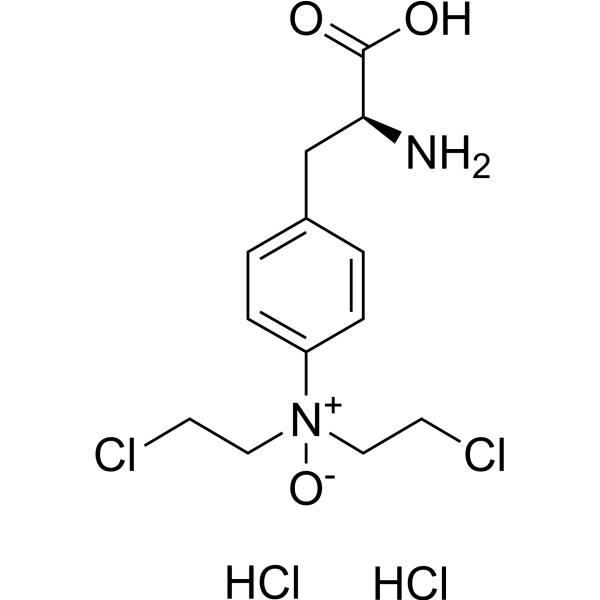
PX-478 is a multifunctional HIF-1α inhibitor with properties including radiosensitization, autophagy activation, and lipid accumulation inhibition. PX-478 also blocks hypoxia-induced VEGF production and regulates β-cell phenotypes under hypoxic conditions. PX-478 induces cell cycle arrest and DNA damage, restores autophagic function, reduces foam cell formation, and maintains glucose homeostasis. PX-478 is widely used in research on related diseases such as human tumors (e.g., prostate cancer), type 2 diabetes, and atherosclerosis .
loading...
    loading...
43
43 Cited Publications
Cat. No.: HY-19987
CAS No.: 853220-52-7
Target:  

Wnt

Research Areas:  

Cancer

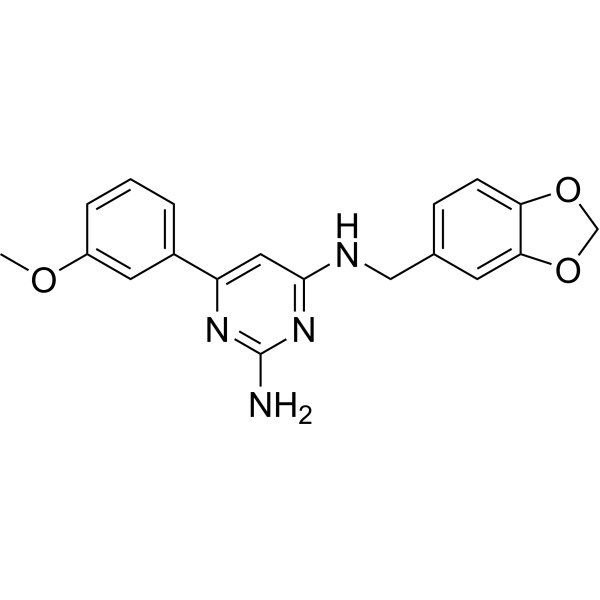
BML-284 is a potent and cell-permeable Wnt signaling activator. BML-284 induces TCF-dependent transcriptional activity with an EC50 of 700 nM .
loading...
    loading...
8
8 Cited Publications
Cat. No.: HY-N0284
CAS No.: 305-01-1
Esculetin is an active ingredient extracted mainly from the bark of Fraxinus rhynchophylla. Esculetin inhibits platelet-derived growth factor (PDGF)-induced airway smooth muscle cells (ASMCs) phenotype switching through inhibition of PI3K/Akt pathway. Esculetin has antioxidant, antiinflammatory, and antitumor activities .
loading...
    loading...
6
6 Cited Publications
Cat. No.: HY-N0790
CAS No.: 545-47-1
Synonyms: Clerodol; Monogynol B; Fagarasterol
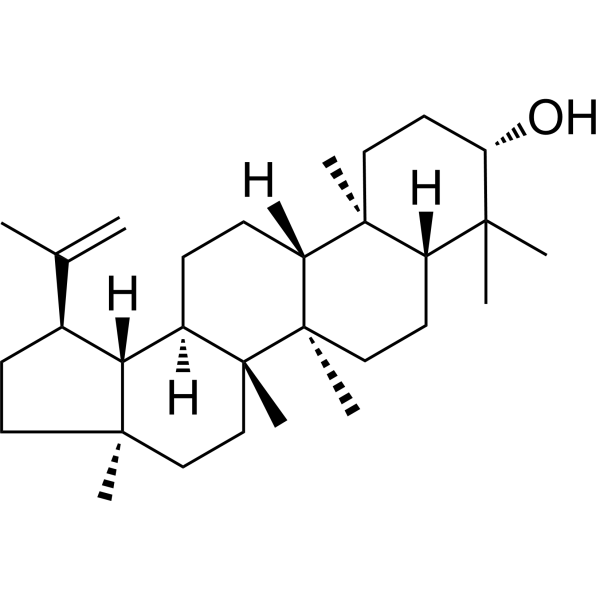
Lupeol (Clerodol; Monogynol B; Fagarasterol) is an active pentacyclic triterpenoid, has anti-oxidant, anti-mutagenic, anti-tumor and anti-inflammatory activity. Lupeol is a potent androgen receptor (AR) inhibitor and can be used for cancer research, especially prostate cancer of androgen-dependent phenotype (ADPC) and castration resistant phenotype (CRPC) .
loading...
    loading...
4
4 Cited Publications
Cat. No.: HY-120599
CAS No.: 1332881-26-1
Purity:  99.00%
Synonyms: VERU-111; ABI-231
Research Areas:  

Cancer

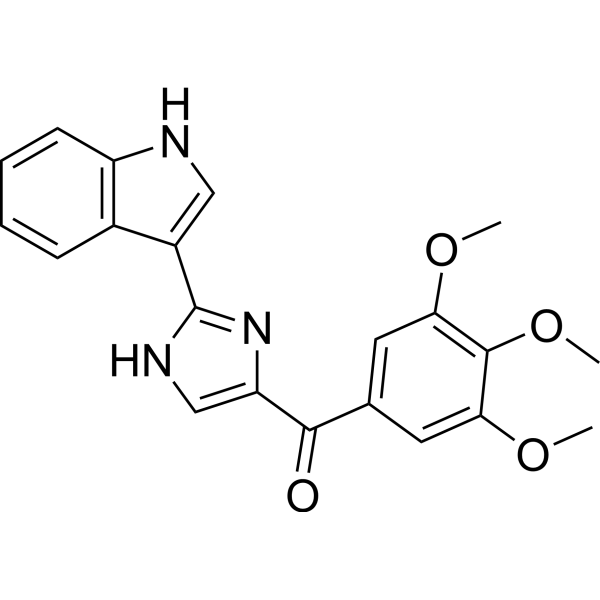
VERU-111 (ABI-231) is a potent and orally active α and β tubulin inhibitor, which displays strong antiproliferative activity, with an average IC50 of 5.2 nM against panels of melanoma and prostate cancer cell lines. VERU-111 (ABI-231) suppresses tumor growth and metastatic phenotypes of cervical cancer cells via targeting HPV E6 and E7, and has potential for the treatment of prostate cancer .
loading...
    loading...
3
3 Cited Publications
Cat. No.: HY-B0883
CAS No.: 1811-28-5
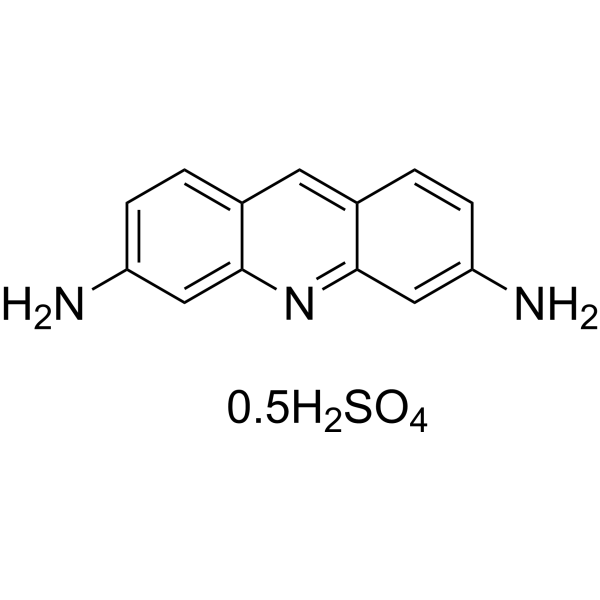
3,6-Diaminoacridine hemisulfate is a multifunctional acridine compound. 3,6-Diaminoacridine hemisulfate is an acridine dye and also a DNA inserter. 3,6-Diaminoacridine hemisulfate is a potent broad-spectrum antibacterial agent. Its mechanism is to insert into bacterial DNA, interfering with replication and transcription, leading to bacterial lysis. 3,6-Diaminoacridine hemisulfate is a Kir3.2 potassium channel blocker and can be used to study the neurological phenotype of Down syndrome. 3,6-Diaminoacridine hemisulfate can penetrate the stratum corneum of the skin and accumulate in the cell nucleus. Long-term exposure may induce skin cancer or other malignant tumors .
loading...
    loading...
2
2 Cited Publications
Cat. No.: HY-B1184
CAS No.: 50-12-4
Target:  

Cytochrome P450

Research Areas:  

Neurological Disease

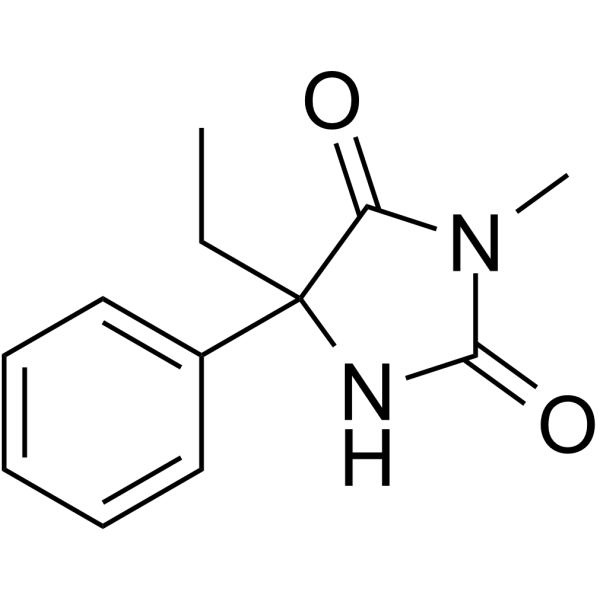
Mephenytoin, an anticonvulsant, is the CYP2C19 and CYP2B6 substrate .
loading...
    loading...
2
2 Cited Publications
Cat. No.: HY-128578
CAS No.: 906669-07-6
Purity:  99.86%
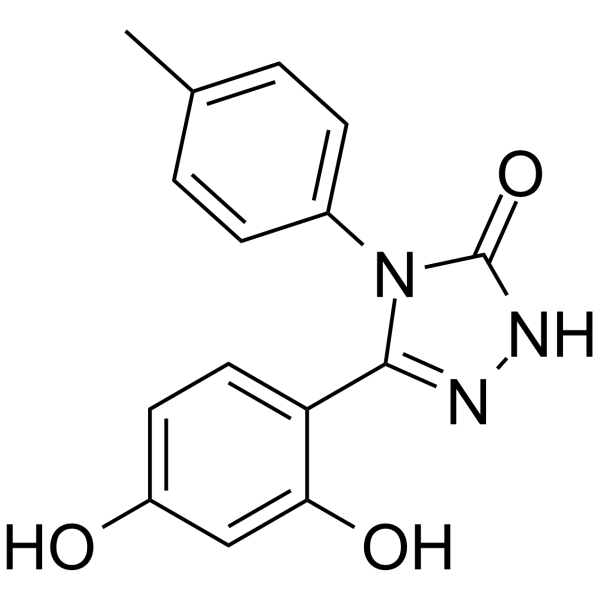
KPLH1130 is a pyruvate dehydrogenase kinase (PDK) inhibitor. KPLH1130 potently inhibits M1 macrophage polarization by reducing the expression of pro-inflammatory cytokines, decreasing the levels of M1 phenotype markers (HIF-1α, iNOS) and nitric oxide (NO) production. KPLH1130 prevents the reduction of mitochondrial oxygen consumption rate (OCR) induced by inflammatory stimuli (LPS ((HY-D1056) + IFN-γ) in various macrophage types. KPLH1130 improves glucose tolerance in HFD-fed mice. KPLH1130 can be used for the study of obesity-associated metabolic disorders and other inflammatory conditions .
loading...
    loading...
2
2 Cited Publications
Cat. No.: HY-101318
CAS No.: 72786-10-8
Purity:  98.0%
Synonyms: β-FNA hydrochloride
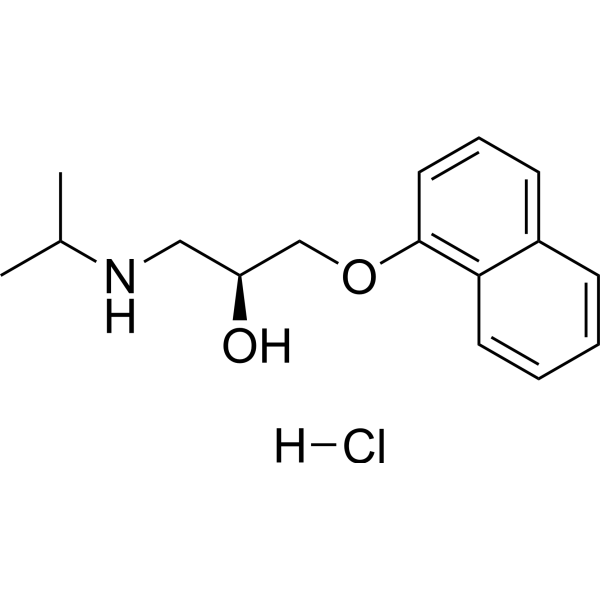
β-Funaltrexamine (β-FNA) hydrochloride is a blood-brain barrier-permeable, selective and irreversible μ-opioid receptor antagonist with immunomodulatory, anti-inflammatory and neuroprotective activities. β-Funaltrexamine hydrochloride inhibits p38 MAPK and TLR4 signaling by blocking μ-opioid receptors, and reduces the transcriptional activities of NF-κB, AP-1, CREB and Stat. Furthermore, β-Funaltrexamine hydrochloride inhibits iNOS activation and pro-inflammatory microglial polarization, converting microglia to an anti-inflammatory phenotype, thereby downregulating neuroinflammation and ameliorating neuronal degeneration. β-Funaltrexamine hydrochloride is widely applicable to research related to stroke, cerebral ischemia/reperfusion injury and neurodegenerative diseases .
loading...
    loading...
1
1 Cited Publications
Cat. No.: HY-B1378
CAS No.: 77-67-8
Target:  

Calcium Channel

Research Areas:  

Neurological Disease Cancer

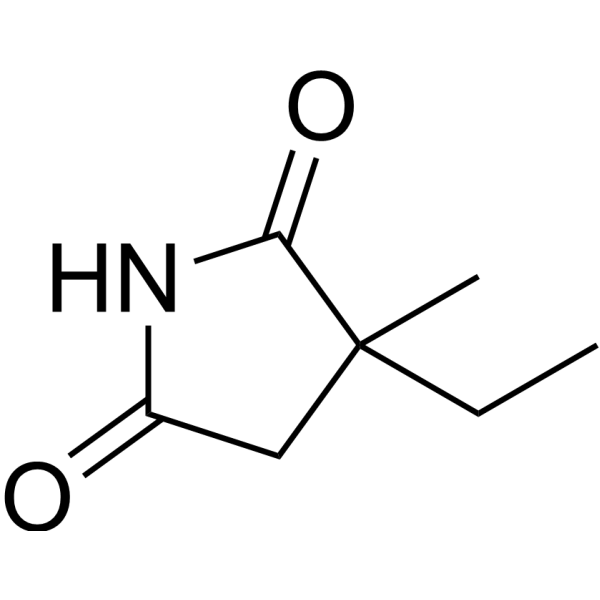
Ethosuximide, a widely prescribed anti-epileptic agent, improves the phenotypes of multiple neurodegenerative disease models and blocks the low voltage activated T-type calcium channel.
loading...
    loading...
1
1 Cited Publications
Cat. No.: HY-15794
CAS No.: 108852-90-0
Purity:  96.84%
Synonyms: Methoxymorpholinyl doxorubicin; FCE 23762; PNU 152243
Target:  

G-quadruplex

Research Areas:  

Cancer

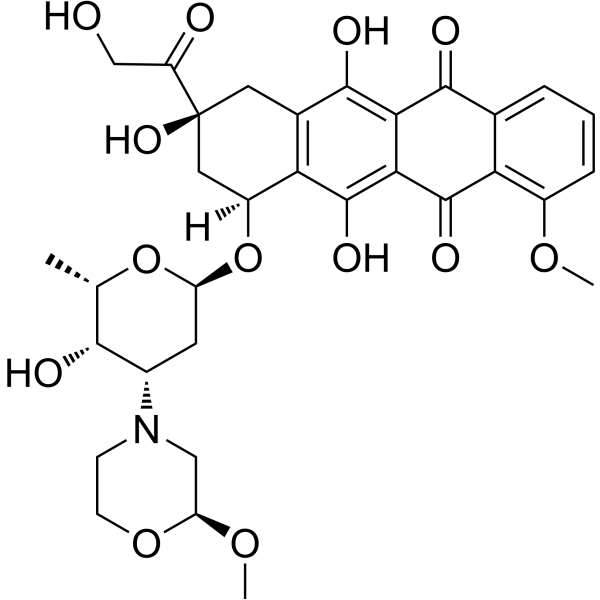
Nemorubicin (Methoxymorpholinyl doxorubicin) is a Doxorubicin derivative with potent antitumor activity. Nemorubicin is highly cytotoxic to a variety of tumor cell lines presenting a multidrug-resistant phenotype. Nemorubicin not only intercalate into the duplex DNA, but also result in significant ligands for G-quadruplex DNA segments, stabilizing their structure. Nemorubicin requirs an intact nucleotide excision repair (NER) system to exert its activity .
loading...
    loading...
1
1 Cited Publications
Cat. No.: HY-122506
CAS No.: 119400-86-1
Purity:  99.61%
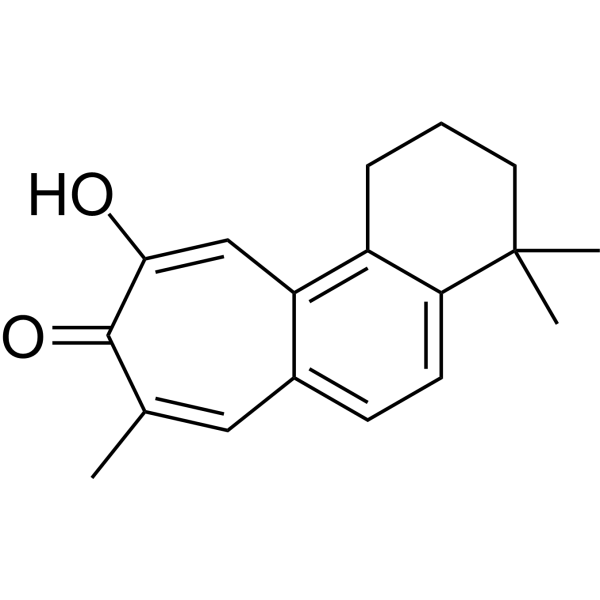
Salviolone is a natural diterpenoid derivative that can against melanoma cells. Salviolone exhibits a pleiotropic effect against melanoma by hampering cell cycle progression, STAT3 signaling, and malignant phenotype of A375 melanoma cells .
loading...
    loading...
1
1 Cited Publications
Cat. No.: HY-137892
CAS No.: 2088410-46-0
Purity:  99.79%
Research Areas:  

Inflammation/Immunology

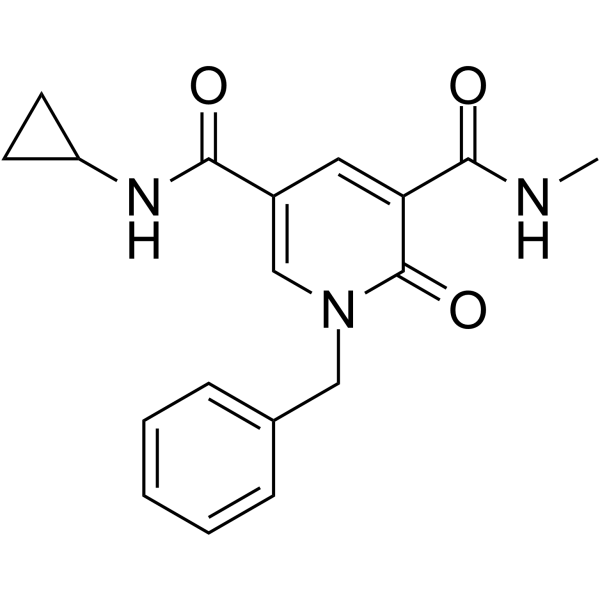
GSK620, a chemical probe, is a potent and orally active pan-BD2 inhibitor with excellent broad selectivity, developability and in vivo oral pharmacokinetics. GSK620 is highly selective for the BET-BD2 family of proteins, with >200-fold selectivity over all other bromodomains. GSK620 shows an anti-inflammatory phenotype in human whole blood .
loading...
    loading...
1
1 Cited Publications
Cat. No.: HY-NP199
Bovine pituitary extract is a bovine pituitary extract that can be used as a mitogenic supplement in serum-free growth media. Bovine pituitary extract is rich in growth factors. Bovine pituitary extract not only promotes the proliferation of corneal keratinocytes and maintains their phenotype, but also exerts significant antioxidant stress protective effects on human prostate epithelial cells .
loading...
    loading...
1
1 Cited Publications
Cat. No.: HY-18620
CAS No.: 33231-14-0
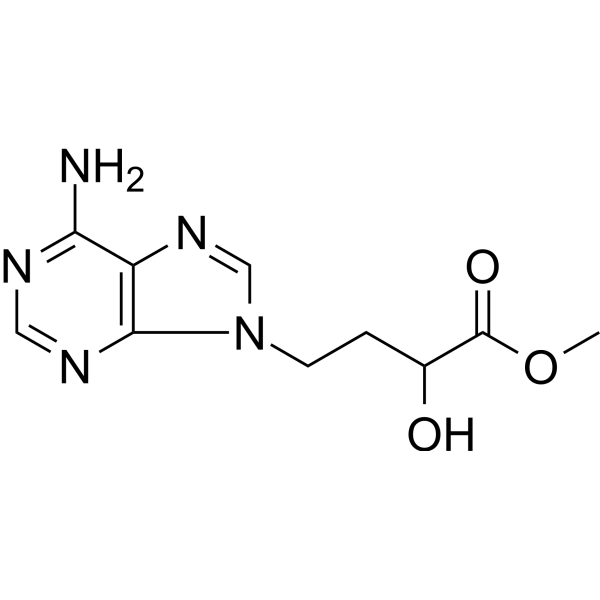
DZ2002 is an orally active, reversible and low-cytotoxic type III SAHH inhibitor (Ki=17.9 nM), with good immunosuppressive activity. DZ2002 prevents the development of experimental dermal fibrosis by reversing the profibrotic phenotype of various cell types. DZ2002 can be used in studies of autoimmune diseases such as lupus syndrome and systemic sclerosis .
loading...
    loading...
1
1 Cited Publications
Cat. No.: HY-131035
Purity:  99.42%
Synonyms: Lys-coenzyme A
Research Areas:  

Cancer

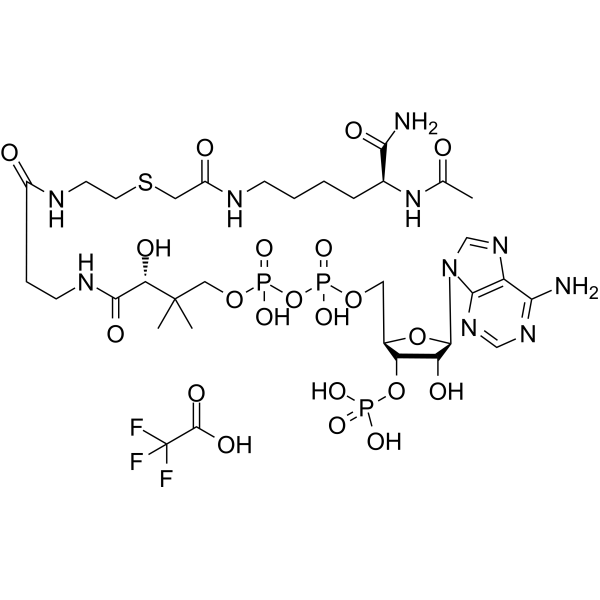
Lys-CoA TFA is a selective p300 histone acetyltransferase (HAT) inhibitor (IC50=50-500 nM). Lys-CoA TFA displays >100-fold selectivity for p300 over PCAF (IC50=200 μM). Lys-CoA TFA inhibits p300 HAT activity-dependent transcriptional activation .
loading...
    loading...
1
1 Cited Publications
Cat. No.: HY-12310
CAS No.: 1418131-46-0
Purity:  ≥98.0%
RSC133 is a dual inhibitor of DNA methyltransferase 1 and histone deacetylase 1 inhibitor. RSC133 promotes cell proliferation, up-regulates H3K9 histone acetylation, down-regulates p53, p21, p16/INK4A, and ablates pro-senescence phenotypes .
loading...
    loading...
1
1 Cited Publications
Cat. No.: HY-139059
CAS No.: 1377897-01-2
Purity:  99.39%
Research Areas:  

Neurological Disease

ERD03 is a potent disruptor of the EXOSC3-RNA interaction, with a Kd of 17±7 μM . ERD03 induces PCH1B-like phenotype in zebrafish embryo and can be used for neurological disorder disease research .
loading...
    loading...
1
1 Cited Publications
Cat. No.: HY-123298
CAS No.: 156951-82-5
Purity:  99.52%
Chrysotoxine is a dual inhibitor of Src/Akt. Chrysotoxine suppresses cancer stem cells (CSCs) phenotypes by down-regulating Src/Akt signaling. Chrysotoxine reduces cell viability and increases apoptosis level in H460 and H23 cells instead of non-tumor cell lines. Chrysotoxine shows rapid excretion and low bioavailability in rats. Chrysotoxine is used in cancer research .
loading...
    loading...
1
1 Cited Publications
Cat. No.: HY-139990
CAS No.: 2760584-90-3
Purity:  98.26%
Target:  

c-Fms

Research Areas:  

Cancer

CSF1R-IN-3 (compound 21) is a potent and orally active CSF-1R inhibitor (IC50=2.1 nM). CSF1R-IN-3 is a potent antiproliferative activity against colorectal cancer cells. CSF1R-IN-3 inhibits the progression of colorectal cancer by suppressing the migration of macrophages, reprograming M2-like macrophages to the M1 phenotype, and enhancing the antitumor immunity .
loading...
    loading...

