





Search Result
Results for "
random
" in MedChemExpress (MCE) Product Catalog:
5
Biochemical Assay Reagents
| Cat. No. |
Product Name |
Target |
Research Areas |
Chemical Structure |
-
- HY-P5423
-
|
|
Exosomes
Liposome
|
Cancer
|
|
GALA is a pH-responsive amphipathic peptide consisting of 30 amino acids, which acts as a lung endothelium-targeting ligand. GALA undergoes a conformational transition from random coil to α-helix in an acidic environment at pH 5.0, thereby inducing endosomal membrane destabilization and fusion. GALA-modified liposomes traverse lung endothelial cells via clathrin-dependent endocytosis and transcytosis, and specifically accumulate in the lungs after intravenous injection. GALA significantly promotes the cytosolic release of cargos carried by exosomes, plasmids and liposomes, effectively enhances gene transfection efficiency, and drives gene knockdown of functional macromolecules (such as siRNA) in alveolar epithelial cells (with no significant cytotoxicity at effective concentrations). GALA serves as a critical tool for studies on lung cancer metastasis (e.g., melanoma lung metastasis) and lung-targeted drug delivery systems .
|
-
-
- HY-P3211B
-
|
LR12-scr
|
TREM receptor
|
Inflammation/Immunology
|
|
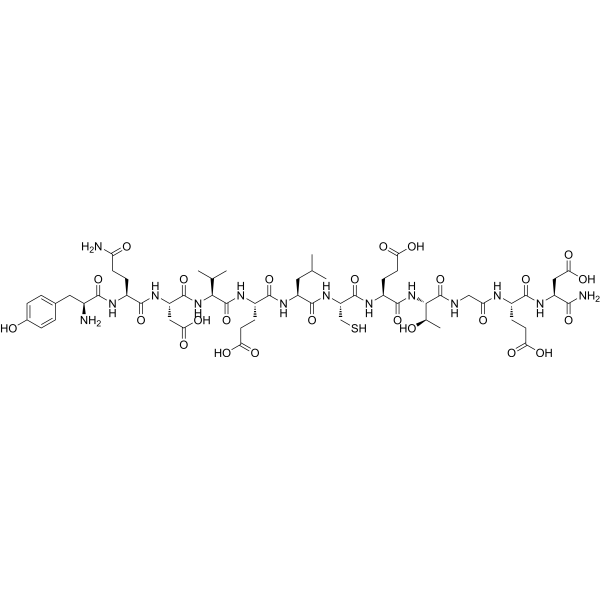
Nangibotide scrambled peptide (LR12-scr) is a scrambled control peptide composed of the same amino acids from LR12 (Nangibotide; HY-P3211) but in a random sequence (YQDVELCETGED) .
|
-
-
- HY-D1725
-
|
|
Fluorescent Dye
DNA Stain
|
Others
|
|
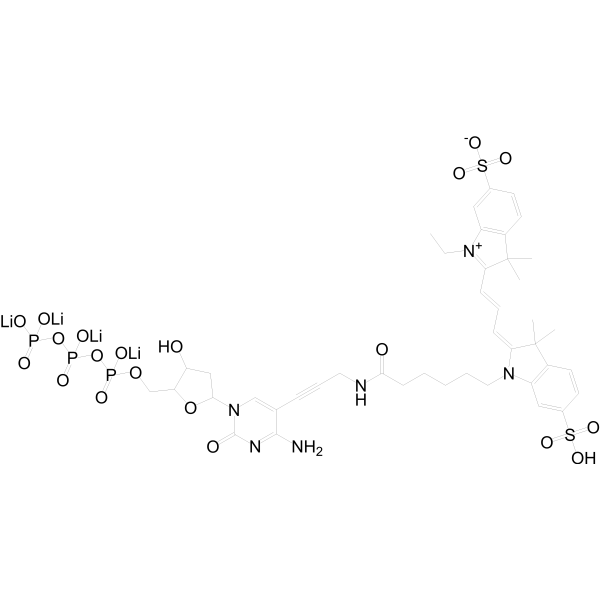
Cy3-dCTP is a directly fluorescently labeled deoxyribonucleotide, in which Cy3 is a cyanine fluorescent dye. Cy3-dCTP is used for direct enzymatic labeling of DNA and cDNA: with the aid of DNA polymerases, this modified nucleotide is incorporated into the extending DNA strand during processes such as reverse transcription, PCR, nick translation or random primer labeling .
|
-
-
- HY-75958
-
|
22-Dihydroergocalciferol
|
VD/VDR
|
Metabolic Disease
|
|
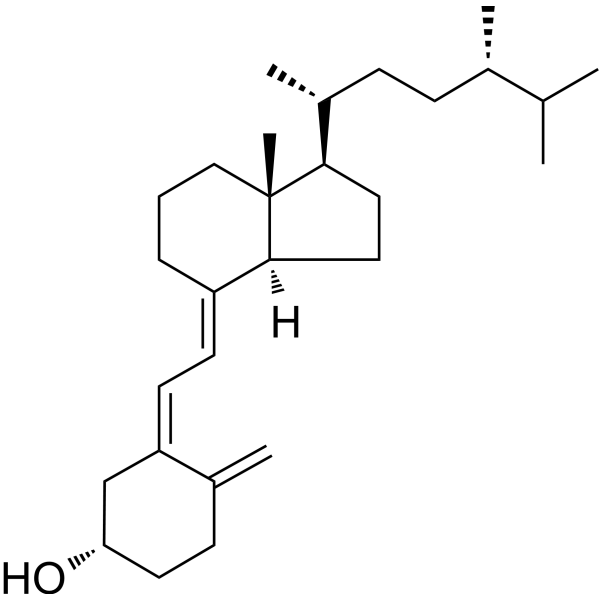
Vitamin D4 (22-Dihydroergocalciferol) is a Vitamin D derived from fungi. The precursor of Vitamin D4 is 22,23-dihydroergosterol .
|
-
-
- HY-E70110
-
|
|
Others
|
Others
|
|
Endo-1,4-β-mannanase is an important catalytic agent that randomly cleave the β-1,4-linkage in the mannan backbone and release short β-1,4-mannooligosaccharides and mannose .
|
-
-
- HY-P99845
-
|
MEDI 4920; VIB 4920
|
TNF Receptor
|
Inflammation/Immunology
|
|
Dazodalibep (MEDI 4920; VIB 4920) is a non-antibody fusion protein that targets CD40L. Dazodalibep inhibits the co-stimulatory signals between immune cells (such as T cells, B cells, and antigen-presenting cells), thereby enabling the inhibition of a broader range of cellular and humoral responses. Dazodalibep can be used for research on rheumatoid arthritis and Sjögren's syndrome .
|
-
-
- HY-D1668
-
|
|
DNA Stain
Reverse Transcriptase
|
Infection
Neurological Disease
Cancer
|
|
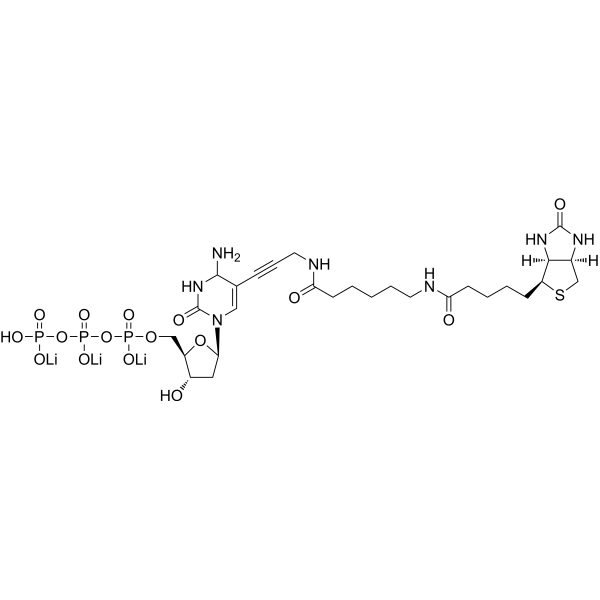
Biotin-11-dCTP is a biotinylated deoxynucleoside triphosphate and an important DNA labeling reagent. In random primer DNA labeling reactions, Biotin-11-dCTP incorporates into newly synthesized DNA strands to generate labeled DNA probes suitable for hybridization applications. In addition, Biotin-11-dCTP can serve as a substrate for terminal deoxynucleotidyl transferase to end-label oligonucleotides for telomere sequence detection, or to label the cut ends of linearized DNA molecules, thereby supporting streptavidin-based electron microscopy analysis. For example, Biotin-11-dCTP can label the cut ends of linearized DNA molecules under the action of dGTP and avian myeloblastosis virus reverse transcriptase .
|
-
-
- HY-P2816
-
|
|
Biochemical Assay Reagents
|
Others
|
|
Xylanase is an enzyme targeting 1,4-β-D-xylan that randomly cleaves the β-1,4 backbone of xylan, a complex polysaccharide in plant cell walls. Xylanase finds applications in the food, feed and industrial sectors, including pulp and paper processing, baking, animal feed improvement, and biotransformation of waste .
|
-
-
- HY-E70011
-
|
|
Biochemical Assay Reagents
|
Others
|
|
Levanase is a slime-dissolving enzyme of Rhodotorula species. Levanase performs random hydrolysis of β-2,6 fructofuranosyl linkages in β-2,6 fructans containing more than 3 fructose units .
|
-
-
- HY-B0178B
-
|
6M Guanidinium chloride Solution; 6M Aminoformamidine hydrochloride Solution
|
Biochemical Assay Reagents
|
Others
|
|
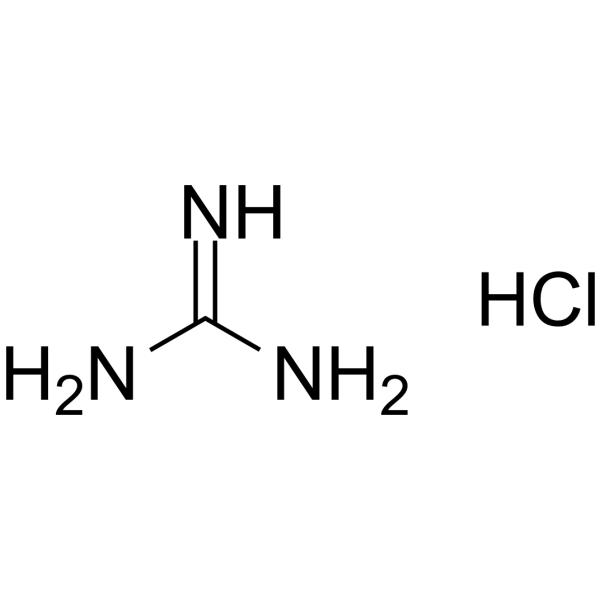
6M Guanidine hydrochloride Solution (6M Guanidinium chloride Solution) is a strong protein denaturant. 6M Guanidine hydrochloride Solution causes proteins to assume a random coil conformation .
|
-
-
- HY-153840A
-
|
|
Toll-like Receptor (TLR)
|
Inflammation/Immunology
|
|
ODN INH-18 sodium is a linear 24-mer class B INH-ODN in which the 5' INH-ODN 4084-F sequence was followed by a random stretch of 12 nucleotides lacking the ability to form significant secondary structures. ODN INH-18 sodium showes inhibitory potency for TLR9 ligand-induced IFN-α production.
|
-
-
- HY-N8671
-
|
|
Amyloid-β
Apoptosis
Reactive Oxygen Species (ROS)
SARS-CoV
|
Infection
Neurological Disease
|
|
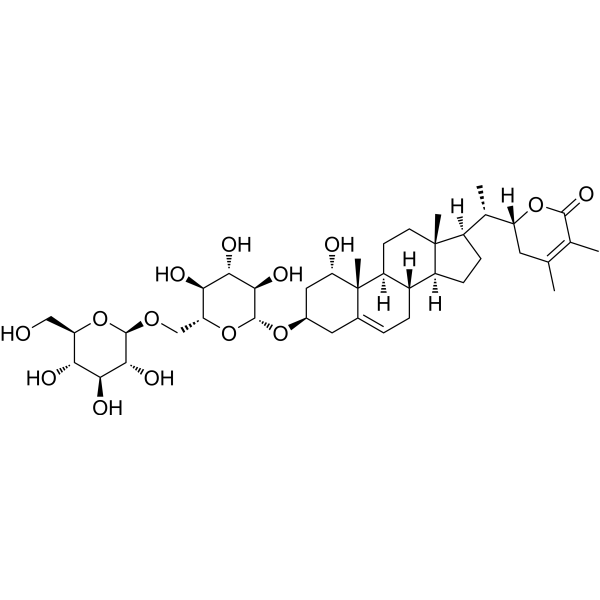
Withanoside V is a blood-brain barrier-permeable withanolide derivative . Withanoside V binds strongly to Sudlow I (domain IIA) of human serum albumin (HSA) to form a stable complex and alter the secondary structure of albumin, thereby increasing helix content and reducing β-sheet and random coil. Withanoside V binds to Aβ (1-42) to block the interaction between monomers and subsequent aggregation. Withanoside V inhibits the viability of neuroblastoma cells, reduces the number of apoptotic cells induced by Aβ (1-42), and decreases ROS production. Withanoside V inhibits SARS-CoV-2 Mpro. Withanoside V can be used for research on Alzheimer's disease and coronavirus disease 2019 .
|
-
-
- HY-P1849A
-
|
scJag-1 TFA
|
Notch
|
Cardiovascular Disease
|
|
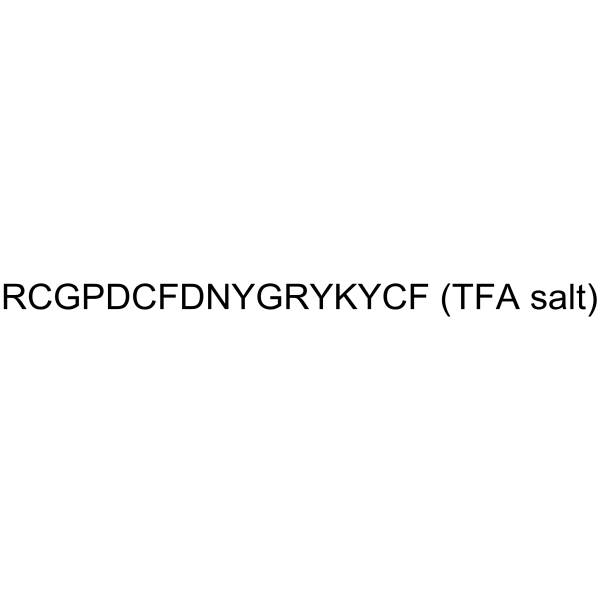
JAG-1, scrambled (scJag-1) TFA is a scrambled sequence of JAG-1 (Jagged-1 protein). JAG-1, scrambled TFA has a random sequence of the amino acids that are the same as the active fragment. JAG-1, scrambled TFA is usually used as a negative control .
|
-
-
- HY-132606C
-
|
|
Small Interfering RNA (siRNA)
|
Metabolic Disease
|
|
Scrambled Nedosiran sodium is a scrambled sequence of Nedosiran sodium (HY-132606A). Scrambled Nedosiran sodium has a random sequence of the amino acids that are the same as the active fragment Nedosiran sodium. Scrambled Nedosiran sodium is usually used as a negative control .
|
-
-
- HY-P4114
-
|
|
HIV
|
Others
|
|
TAT-NSF700scr consists the intact TAT domain and glycine linker, followed by the NSF amino acids in a random order. TAT-NSF700scr is used as a control peptide that does not inhibit SNAREmediated exocytosis .
|
-
-
- HY-132582D
-
|
IONIS-MAPTRx scramble control
|
Tau Protein
|
Neurological Disease
|
|
Scrambled IONIS-MAPTRx (sodium) is a scrambled sequence of IONIS-MAPTRx sodium (HY-132582C). Scrambled IONIS-MAPTRx (sodium) has the same amino acid composition as the active IONIS-MAPTRx sodium fragment, but the sequence is randomly scrambled. Scrambled IONIS-MAPTRx (sodium) is typically used as a negative control. Scrambled IONIS-MAPTRx (sodium) has potential for studying Alzheimer's disease.
|
-
-
- HY-P1138
-
|
FSVYWAQADR
|
Gap Junction Protein
|
Others
|
|
Scrambled 10Panx (FSVYWAQADR) is a random sequence variant of a specific inhibitory peptide 10Panx targeted at the half-channel of Pannexin-1 (Panx1). Scrambled 10Panx is used as a control peptide to determine whether other experimental conditions or peptides act through specific molecular mechanisms. Scrambled 10Panx can be used for research in neurobiology and cell biology .
|
-
-
- HY-153840
-
|
|
Toll-like Receptor (TLR)
|
Inflammation/Immunology
|
|
ODN INH-18 is a linear 24-mer class B INH-ODN in which the 5' INH-ODN 4084-F sequence was followed by a random stretch of 12 nucleotides lacking the ability to form significant secondary structures. ODN INH-18 showes inhibitory potency for TLR9 ligand-induced IFN-α production.
|
-
-
- HY-123016
-
|
|
Endogenous Metabolite
|
Cardiovascular Disease
|
|
9(S)-HODE cholesteryl ester is originally extracted from atherosclerotic lesions. It remains uncertain whether the oxidized fatty acid portion of the molecule results from enzymatic lipoxygenation or from random lipid peroxidation.2 9(S)-HODE cholesteryl ester can be used as a standard for analysis of chiral HODE cholesteryl esters.
|
-
-
- HY-125394
-
|
|
Endogenous Metabolite
|
Cardiovascular Disease
|
|
9(R)-HODE cholesteryl ester is originally extracted from atherosclerotic lesions. It remains uncertain whether the oxidized fatty acid portion of the molecule results from enzymatic lipoxygenation or from random lipid peroxidation.2 9(R)-HODE cholesteryl ester can be used as a standard for analysis of chiral HODE cholesteryl esters.
|
-
-
- HY-169823
-
|
|
Bacterial
Drug Derivative
|
Infection
|
|
BAS-118 is a benzamide derivative with antibacterial activity. The MIC50, MIC90 and MIC ranges of BAS-118 for 100 randomly selected isolates of Helicobacter pylori are ≤0.003, 0.013 and ≤0.003-0.025 mg/L, respectively. BAS-118 is promising for research of anti-H. pylori agent .
|
-
-
- HY-153840B
-
|
|
Toll-like Receptor (TLR)
|
Inflammation/Immunology
|
|
ODN INH-18 triethylamine is a linear 24-mer class B INH-ODN in which the 5' INH-ODN 4084-F sequence was followed by a random stretch of 12 nucleotides lacking the ability to form significant secondary structures. ODN INH-18 triethylamine showes inhibitory potency for TLR9 ligand-induced IFN-α production.
|
-
-
- HY-125316
-
|
ARRY-403
|
Endogenous Metabolite
|
Metabolic Disease
|
|
AMG-151 (ARRY-403) is a glucokinase agonist with fasting plasma glucose (FPG) lowering activity. AMG-151 showed a significant linear dose-response trend compared with placebo in a randomized, placebo-controlled Phase IIa study. The use of AMG-151 was associated with a higher incidence of hypoglycemia and hypertriglyceridemia. AMG-151 may serve as a potential compound for the inhibition of type 1 diabetes .
|
-
-
- HY-169115A
-
|
|
Calcium Channel
|
Inflammation/Immunology
|
|
(Rac)-PD0299685 is a Ca(2+) channel α2δ ligand that was investigated for relieving interstitial cystitis pain in a randomized, double-blind, placebo-controlled phase IIa study. (Rac)-PD0299685 demonstrated a clinically significant reduction in daily worst pain severity scores at the 60 mg dose compared to placebo. (Rac)-PD0299685 is also a potent voltage-dependent calcium channel inhibitor for the study of retina-related diseases.
|
-
-
- HY-106991
-
|
S-303
|
CHIKV
Dengue Virus
Flavivirus
|
Infection
|
|
Amustaline (S-303) is a compound used for inactivating pathogens in blood components and belongs to the category of nucleic acid-targeted chemical decontaminants. Amustaline has the ability to inactivate viruses and is effective against mosquito-borne viruses such as Chikungunya virus (CHIKV), Dengue virus (DENV), and Zika virus (ZIKV). When combined with glutathione (Glutathione, GSH), which acts as a neutralizer to counteract adverse reactions, Amustaline ensures the stability of red blood cell membranes. Amustaline is mainly used for inactivating pathogens in red blood cell concentrates (RBCC) to reduce the risk of transfusion-transmitted infections (TTI) .
|
-
-
- HY-P2858D
-
|
|
Biochemical Assay Reagents
|
Metabolic Disease
|
|
β-Mannanase, Clostridium thermocellum (EC 3.2.1.78) catalyses the following chemical reaction: Random hydrolysis of (1->4)-beta-D-mannosidic linkages in mannans, galactomannans and glucomannans.
|
-
-
- HY-E71316A
-
|
|
Glycosidase
|
Others
|
|
β-Mannanase 26A, Celvibrio japonicas is an enzyme with system name 4-beta-D-mannan mannanohydrolase. This enzyme catalyses the following chemical reaction: Random hydrolysis of (1->4)-beta-D-mannosidic linkages in mannans, galactomannans and glucomannans.
|
-
-
- HY-108903B
-
|
|
Glycosidase
|
Metabolic Disease
|
|
Hyaluronidase, Streptomyces hyalurolyticus (EC 3.2.1.35) degrades hyaluronan and has been found to be inappropriately regulated during cancer progression. Hyaluronidase randomly cleaves β-N-acetylhexosamine-[1→4] glycosidic bonds in hyaluronic acid, chondroitin, and chondroitin sulfates.
|
-
-
- HY-P11781
-
|
|
Drug Derivative
|
Cancer
|
|
HW12 is a random peptide containing an N-terminal cysteine and is not an EGFR ligand. HW12 can serve as a control for GE11 (HY-P10128)-conjugated mixed micelles targeting EGFR. HW12 is applicable to pancreatic cancer-related research .
|
-
-
- HY-E71316
-
|
|
Glycosidase
|
Others
|
|
β-Mannanase 76A, Bacteroides thetaiotaomicron (EC 3.2.1.78) is an enzyme with system name 4-beta-D-mannan mannanohydrolase. This enzyme catalyses the following chemical reaction: Random hydrolysis of (1->4)-beta-D-mannosidic linkages in mannans, galactomannans and glucomannans.
|
-
-
- HY-E71310A
-
|
|
Biochemical Assay Reagents
|
Others
|
|
β-Mannanase 26A, Paenibacillus polymyxa (EC 3.2.1.78) is an enzyme with system name 4-beta-D-mannan mannanohydrolase. This enzyme catalyses the following chemical reaction: Random hydrolysis of (1->4)-beta-D-mannosidic linkages in mannans, galactomannans and glucomannans.
|
-
-
- HY-E71310
-
|
|
Biochemical Assay Reagents
|
Others
|
|
β-Mannanase 26A, Cellvibrio japonicus (EC 3.2.1.78) is an enzyme with system name 4-beta-D-mannan mannanohydrolase. This enzyme catalyses the following chemical reaction: Random hydrolysis of (1->4)-beta-D-mannosidic linkages in mannans, galactomannans and glucomannans.
|
-
-
- HY-E71314B
-
|
|
Biochemical Assay Reagents
|
Others
|
|
β-Mannanase 5A, Thermobifida fusca (EC 3.2.1.78) is an enzyme with system name 4-beta-D-mannan mannanohydrolase. This enzyme catalyses the following chemical reaction: Random hydrolysis of (1->4)-beta-D-mannosidic linkages in mannans, galactomannans and glucomannans.
|
-
-
- HY-E71314A
-
|
|
Biochemical Assay Reagents
|
Others
|
|
β-Mannanase 5A, Podospora anserina (EC 3.2.1.78) is an enzyme with system name 4-beta-D-mannan mannanohydrolase. This enzyme catalyses the following chemical reaction: Random hydrolysis of (1->4)-beta-D-mannosidic linkages in mannans, galactomannans and glucomannans.
|
-
-
- HY-E71310B
-
|
|
Biochemical Assay Reagents
|
Others
|
|
β-Mannanase 26A, Podospora anserina (EC 3.2.1.78) is an enzyme with system name 4-beta-D-mannan mannanohydrolase. This enzyme catalyses the following chemical reaction: Random hydrolysis of (1->4)-beta-D-mannosidic linkages in mannans, galactomannans and glucomannans.
|
-
-
- HY-E71314
-
|
|
Biochemical Assay Reagents
|
Others
|
|
β-Mannanase 5A, Clostridium cellulovorans (EC 3.2.1.78) is an enzyme with system name 4-beta-D-mannan mannanohydrolase. This enzyme catalyses the following chemical reaction: Random hydrolysis of (1->4)-beta-D-mannosidic linkages in mannans, galactomannans and glucomannans.
|
-
-
- HY-E71314C
-
|
|
Biochemical Assay Reagents
|
Others
|
|
β-Mannanase 5A, Thermotoga petrophila (EC 3.2.1.78) is an enzyme with system name 4-beta-D-mannan mannanohydrolase. This enzyme catalyses the following chemical reaction: Random hydrolysis of (1->4)-beta-D-mannosidic linkages in mannans, galactomannans and glucomannans.
|
-
-
- HY-E71313
-
|
|
Biochemical Assay Reagents
|
Others
|
|
β-Mannanase 26E, Bacillus subtilis (EC 3.2.1.78) is an enzyme with system name 4-beta-D-mannan mannanohydrolase. This enzyme catalyses the following chemical reaction: Random hydrolysis of (1->4)-beta-D-mannosidic linkages in mannans, galactomannans and glucomannans.
|
-
-
- HY-E71311
-
|
|
Biochemical Assay Reagents
|
Others
|
|
β-Mannanase 26B, Clostridium cellulovorans (EC 3.2.1.78) is an enzyme with system name 4-beta-D-mannan mannanohydrolase. This enzyme catalyses the following chemical reaction: Random hydrolysis of (1->4)-beta-D-mannosidic linkages in mannans, galactomannans and glucomannans.
|
-
-
- HY-E71312
-
|
|
Biochemical Assay Reagents
|
Others
|
|
β-Mannanase 26C, Clostridium thermocellum (EC 3.2.1.78) is an enzyme with system name 4-beta-D-mannan mannanohydrolase. This enzyme catalyses the following chemical reaction: Random hydrolysis of (1->4)-beta-D-mannosidic linkages in mannans, galactomannans and glucomannans.
|
-
-
- HY-E71315
-
|
|
Biochemical Assay Reagents
|
Others
|
|
β-Mannanase 5B, Clostridium thermocellum (EC 3.2.1.78) is an enzyme with system name 4-beta-D-mannan mannanohydrolase. This enzyme catalyses the following chemical reaction: Random hydrolysis of (1->4)-beta-D-mannosidic linkages in mannans, galactomannans and glucomannans.
|
-
-
- HY-E71242
-
|
|
Biochemical Assay Reagents
|
Others
|
|
α-Mannanase 76A, Bacteroides thetaiotaomicron (EC 3.2.1.101) is an enzyme with systematic name 6-alpha-D-mannan mannanohydrolase. This enzyme catalyses the following chemical reaction: Random hydrolysis of (1->6)-alpha-D-mannosidic linkages in unbranched (1->6)-mannans.
|
-
-
- HY-137273A
-
|
|
MMP
Somatostatin Receptor
|
Inflammation/Immunology
|
|
Sucrose octasulfate, a derivative of sulfated oligosaccharides, is a matrix metalloproteinase (MMP) inhibitor. Sucrose octasulfate stimulates the release of somatostatin-like immunoreactivity (SLI) from the stomach by acting directly on D cells in the gastric mucosa. Sucrose octasulfate exerts its ulcer-healing effect by releasing endogenous gastric somatostatin. Sucrose octasulfate can be used as a pharmaceutical excipient and significantly improves wound closure in diabetic foot ulcers caused by nerve ischemia and venous leg ulcers. Sucrose octasulfate can be used in the study of chronic wound healing .
|
-
-
- HY-P11781A
-
|
|
Drug Derivative
|
Cancer
|
|
Cys-HW12 is a random peptide containing an N-terminal cysteine. Cys-HW12 can be coupled via the thiol group of Cys. Cys-HW12 can serve as a control for GE11 (HY-P10128)-conjugated mixed micelles targeting EGFR, and also functions as a cytotoxic agent, cellular uptake inhibitor, and tumor growth inhibitor. Cys-HW12 is applicable to pancreatic cancer-related research .
|
-
-
- HY-E71366
-
|
|
Glycosidase
Endogenous Metabolite
|
Metabolic Disease
|
|
Endo-1,4-β-D-glucanase is a glycoside hydrolase that cleaves internal β-1,4-glycosidic bonds in cellulose and related β-D-glucans (β-D-Glucan) (HY-139413). Endo-1,4-β-D-glucanase randomly cuts long, insoluble cellulose polymer chains into shorter, soluble fragments such as oligosaccharides, thereby paving the way for further digestion into glucose .
|
-
-
- HY-182098A
-
|
|
Liposome
|
Cancer
|
|
DSPE-PEG2000-GALA is a PEG compound which composed of DSPE and a lung endothelium-targeting peptide GALA (HY-P5423). GALA is a pH-responsive amphipathic peptide consisting of 30 amino acids, which acts as a lung endothelium-targeting ligand. GALA undergoes a conformational transition from random coil to α-helix in an acidic environment at pH 5.0, thereby inducing endosomal membrane destabilization and fusion. GALA-modified liposomes traverse lung endothelial cells via clathrin-dependent endocytosis and transcytosis, and specifically accumulate in the lungs after intravenous injection. DSPE-PEG2000-GALA can be used for drug delivery .
|
-
-
- HY-182098C
-
|
|
Liposome
|
Cancer
|
|
DSPE-PEG5000-GALA is a PEG compound which composed of DSPE and a lung endothelium-targeting peptide GALA (HY-P5423). GALA is a pH-responsive amphipathic peptide consisting of 30 amino acids, which acts as a lung endothelium-targeting ligand. GALA undergoes a conformational transition from random coil to α-helix in an acidic environment at pH 5.0, thereby inducing endosomal membrane destabilization and fusion. GALA-modified liposomes traverse lung endothelial cells via clathrin-dependent endocytosis and transcytosis, and specifically accumulate in the lungs after intravenous injection. DSPE-PEG5000-GALA can be used for drug delivery .
|
-
-
- HY-182098
-
|
|
Liposome
|
Cancer
|
|
DSPE-PEG1000-GALA is a PEG compound which composed of DSPE and a lung endothelium-targeting peptide GALA (HY-P5423). GALA is a pH-responsive amphipathic peptide consisting of 30 amino acids, which acts as a lung endothelium-targeting ligand. GALA undergoes a conformational transition from random coil to α-helix in an acidic environment at pH 5.0, thereby inducing endosomal membrane destabilization and fusion. GALA-modified liposomes traverse lung endothelial cells via clathrin-dependent endocytosis and transcytosis, and specifically accumulate in the lungs after intravenous injection. DSPE-PEG1000-GALA can be used for drug delivery .
|
-
-
- HY-182098B
-
|
|
Liposome
|
Cancer
|
|
DSPE-PEG3400-GALA is a PEG compound which composed of DSPE and a lung endothelium-targeting peptide GALA (HY-P5423). GALA is a pH-responsive amphipathic peptide consisting of 30 amino acids, which acts as a lung endothelium-targeting ligand. GALA undergoes a conformational transition from random coil to α-helix in an acidic environment at pH 5.0, thereby inducing endosomal membrane destabilization and fusion. GALA-modified liposomes traverse lung endothelial cells via clathrin-dependent endocytosis and transcytosis, and specifically accumulate in the lungs after intravenous injection. DSPE-PEG3400-GALA can be used for drug delivery .
|
-
-
-
HY-L901
-
|
|
50,000 compounds
|
|
MCE 50K Diversity Library consists of 50,000 lead-like compounds with multiple characteristics such as calculated good solubility (-3.2 < logP < 5), oral bioavailability (RotB <= 10), drug transportability (PSA < 120). These compounds were selected by dissimilarity search with an average Tanimoto Coefficient of 0.52. There are 36,857 unique scaffolds and each scaffold 1 to 7 compounds. What’s more, compounds with the same scaffold have as many functional groups as possible, which make abundant chemical spaces. This exceptionally diverse library is highly recommended for random screening against new as well as popular targets based its novel, diverse scaffolds, abundant chemical spaces and the convenience for subsequent modification.
|
| Cat. No. |
Product Name |
Type |
-
- HY-D1725
-
|
|
Fluorescent Dye
|
|
Cy3-dCTP is a directly fluorescently labeled deoxyribonucleotide, in which Cy3 is a cyanine fluorescent dye. Cy3-dCTP is used for direct enzymatic labeling of DNA and cDNA: with the aid of DNA polymerases, this modified nucleotide is incorporated into the extending DNA strand during processes such as reverse transcription, PCR, nick translation or random primer labeling .
|
-
- HY-D1668
-
|
|
Fluorescent Dye
|
|
Biotin-11-dCTP is a biotinylated deoxynucleoside triphosphate and an important DNA labeling reagent. In random primer DNA labeling reactions, Biotin-11-dCTP incorporates into newly synthesized DNA strands to generate labeled DNA probes suitable for hybridization applications. In addition, Biotin-11-dCTP can serve as a substrate for terminal deoxynucleotidyl transferase to end-label oligonucleotides for telomere sequence detection, or to label the cut ends of linearized DNA molecules, thereby supporting streptavidin-based electron microscopy analysis. For example, Biotin-11-dCTP can label the cut ends of linearized DNA molecules under the action of dGTP and avian myeloblastosis virus reverse transcriptase .
|
| Cat. No. |
Product Name |
Type |
-
- HY-B0178B
-
|
6M Guanidinium chloride Solution; 6M Aminoformamidine hydrochloride Solution
|
Biochemical Assay Reagents
|
|
6M Guanidine hydrochloride Solution (6M Guanidinium chloride Solution) is a strong protein denaturant. 6M Guanidine hydrochloride Solution causes proteins to assume a random coil conformation .
|
-
- HY-182098A
-
|
|
Biochemical Assay Reagents
|
|
DSPE-PEG2000-GALA is a PEG compound which composed of DSPE and a lung endothelium-targeting peptide GALA (HY-P5423). GALA is a pH-responsive amphipathic peptide consisting of 30 amino acids, which acts as a lung endothelium-targeting ligand. GALA undergoes a conformational transition from random coil to α-helix in an acidic environment at pH 5.0, thereby inducing endosomal membrane destabilization and fusion. GALA-modified liposomes traverse lung endothelial cells via clathrin-dependent endocytosis and transcytosis, and specifically accumulate in the lungs after intravenous injection. DSPE-PEG2000-GALA can be used for drug delivery .
|
-
- HY-182098C
-
|
|
Biochemical Assay Reagents
|
|
DSPE-PEG5000-GALA is a PEG compound which composed of DSPE and a lung endothelium-targeting peptide GALA (HY-P5423). GALA is a pH-responsive amphipathic peptide consisting of 30 amino acids, which acts as a lung endothelium-targeting ligand. GALA undergoes a conformational transition from random coil to α-helix in an acidic environment at pH 5.0, thereby inducing endosomal membrane destabilization and fusion. GALA-modified liposomes traverse lung endothelial cells via clathrin-dependent endocytosis and transcytosis, and specifically accumulate in the lungs after intravenous injection. DSPE-PEG5000-GALA can be used for drug delivery .
|
-
- HY-182098
-
|
|
Biochemical Assay Reagents
|
|
DSPE-PEG1000-GALA is a PEG compound which composed of DSPE and a lung endothelium-targeting peptide GALA (HY-P5423). GALA is a pH-responsive amphipathic peptide consisting of 30 amino acids, which acts as a lung endothelium-targeting ligand. GALA undergoes a conformational transition from random coil to α-helix in an acidic environment at pH 5.0, thereby inducing endosomal membrane destabilization and fusion. GALA-modified liposomes traverse lung endothelial cells via clathrin-dependent endocytosis and transcytosis, and specifically accumulate in the lungs after intravenous injection. DSPE-PEG1000-GALA can be used for drug delivery .
|
-
- HY-182098B
-
|
|
Biochemical Assay Reagents
|
|
DSPE-PEG3400-GALA is a PEG compound which composed of DSPE and a lung endothelium-targeting peptide GALA (HY-P5423). GALA is a pH-responsive amphipathic peptide consisting of 30 amino acids, which acts as a lung endothelium-targeting ligand. GALA undergoes a conformational transition from random coil to α-helix in an acidic environment at pH 5.0, thereby inducing endosomal membrane destabilization and fusion. GALA-modified liposomes traverse lung endothelial cells via clathrin-dependent endocytosis and transcytosis, and specifically accumulate in the lungs after intravenous injection. DSPE-PEG3400-GALA can be used for drug delivery .
|
| Cat. No. |
Product Name |
Target |
Research Area |
-
- HY-P5423
-
|
|
Exosomes
Liposome
|
Cancer
|
|
GALA is a pH-responsive amphipathic peptide consisting of 30 amino acids, which acts as a lung endothelium-targeting ligand. GALA undergoes a conformational transition from random coil to α-helix in an acidic environment at pH 5.0, thereby inducing endosomal membrane destabilization and fusion. GALA-modified liposomes traverse lung endothelial cells via clathrin-dependent endocytosis and transcytosis, and specifically accumulate in the lungs after intravenous injection. GALA significantly promotes the cytosolic release of cargos carried by exosomes, plasmids and liposomes, effectively enhances gene transfection efficiency, and drives gene knockdown of functional macromolecules (such as siRNA) in alveolar epithelial cells (with no significant cytotoxicity at effective concentrations). GALA serves as a critical tool for studies on lung cancer metastasis (e.g., melanoma lung metastasis) and lung-targeted drug delivery systems .
|
-
- HY-P3211B
-
|
LR12-scr
|
TREM receptor
|
Inflammation/Immunology
|
|
Nangibotide scrambled peptide (LR12-scr) is a scrambled control peptide composed of the same amino acids from LR12 (Nangibotide; HY-P3211) but in a random sequence (YQDVELCETGED) .
|
-
- HY-P10776
-
|
|
Peptides
|
Others
|
|
RNS peptide is a randomly scrambled control peptide that can be used as a negative control for MANS peptide (HY-P10218) .
|
-
- HY-P1849A
-
|
scJag-1 TFA
|
Notch
|
Cardiovascular Disease
|
|
JAG-1, scrambled (scJag-1) TFA is a scrambled sequence of JAG-1 (Jagged-1 protein). JAG-1, scrambled TFA has a random sequence of the amino acids that are the same as the active fragment. JAG-1, scrambled TFA is usually used as a negative control .
|
-
- HY-P4114
-
|
|
HIV
|
Others
|
|
TAT-NSF700scr consists the intact TAT domain and glycine linker, followed by the NSF amino acids in a random order. TAT-NSF700scr is used as a control peptide that does not inhibit SNAREmediated exocytosis .
|
-
- HY-P1138
-
|
FSVYWAQADR
|
Gap Junction Protein
|
Others
|
|
Scrambled 10Panx (FSVYWAQADR) is a random sequence variant of a specific inhibitory peptide 10Panx targeted at the half-channel of Pannexin-1 (Panx1). Scrambled 10Panx is used as a control peptide to determine whether other experimental conditions or peptides act through specific molecular mechanisms. Scrambled 10Panx can be used for research in neurobiology and cell biology .
|
-
- HY-P1849
-
|
scJag-1
|
Peptides
|
Cardiovascular Disease
|
|
JAG-1, scrambled (scJag-1) is a scrambled sequence of JAG-1 (Jagged-1 protein). JAG-1, scrambled has a random sequence of the amino acids that are the same as the active fragment. JAG-1, scrambled is usually used as a negative control .
|
-
- HY-P2517
-
|
|
Peptides
|
Others
|
|
Scrambled TRAP Fragment is a scrambled sequence of TRAP Fragment. Scrambled TRAP Fragment with a random sequence of the amino acids that are the same as the active fragment. Scrambled TRAP Fragment usually used as a negative control.
|
-
- HY-P11781
-
|
|
Drug Derivative
|
Cancer
|
|
HW12 is a random peptide containing an N-terminal cysteine and is not an EGFR ligand. HW12 can serve as a control for GE11 (HY-P10128)-conjugated mixed micelles targeting EGFR. HW12 is applicable to pancreatic cancer-related research .
|
-
- HY-P4749
-
|
|
Peptides
|
Neurological Disease
|
|
Prion Protein (106-126) (human) (scrambled) is a scrambled sequence of Prion Protein (106-126). Prion Protein (106-126) (human) (scrambled) with a random sequence of the amino acids that are the same as the active fragment. Prion Protein (106-126) (human) (scrambled) usually used as a negative control .
|
-
- HY-P11781A
-
|
|
Drug Derivative
|
Cancer
|
|
Cys-HW12 is a random peptide containing an N-terminal cysteine. Cys-HW12 can be coupled via the thiol group of Cys. Cys-HW12 can serve as a control for GE11 (HY-P10128)-conjugated mixed micelles targeting EGFR, and also functions as a cytotoxic agent, cellular uptake inhibitor, and tumor growth inhibitor. Cys-HW12 is applicable to pancreatic cancer-related research .
|
| Cat. No. |
Product Name |
Target |
Research Area |
Image |
-
- HY-P99845
-
|
MEDI 4920; VIB 4920
|
TNF Receptor
|
Inflammation/Immunology
|
|
Dazodalibep (MEDI 4920; VIB 4920) is a non-antibody fusion protein that targets CD40L. Dazodalibep inhibits the co-stimulatory signals between immune cells (such as T cells, B cells, and antigen-presenting cells), thereby enabling the inhibition of a broader range of cellular and humoral responses. Dazodalibep can be used for research on rheumatoid arthritis and Sjögren's syndrome .
|
-
(5)
| Cat. No. |
Product Name |
Category |
Target |
Chemical Structure |
-
- HY-N8671
-
|
|
Structural Classification
Withania somnifera
Solanaceae
Plants
Steroids
Source Classification
|
Amyloid-β
Apoptosis
Reactive Oxygen Species (ROS)
SARS-CoV
|
|
Withanoside V is a blood-brain barrier-permeable withanolide derivative . Withanoside V binds strongly to Sudlow I (domain IIA) of human serum albumin (HSA) to form a stable complex and alter the secondary structure of albumin, thereby increasing helix content and reducing β-sheet and random coil. Withanoside V binds to Aβ (1-42) to block the interaction between monomers and subsequent aggregation. Withanoside V inhibits the viability of neuroblastoma cells, reduces the number of apoptotic cells induced by Aβ (1-42), and decreases ROS production. Withanoside V inhibits SARS-CoV-2 Mpro. Withanoside V can be used for research on Alzheimer's disease and coronavirus disease 2019 .
|
-
| Cat. No. |
Product Name |
|
Classification |
-
- HY-D1725
-
|
|
|
Labeling and Fluorescence Imaging
|
|
Cy3-dCTP is a directly fluorescently labeled deoxyribonucleotide, in which Cy3 is a cyanine fluorescent dye. Cy3-dCTP is used for direct enzymatic labeling of DNA and cDNA: with the aid of DNA polymerases, this modified nucleotide is incorporated into the extending DNA strand during processes such as reverse transcription, PCR, nick translation or random primer labeling .
|
-
- HY-D1668
-
|
|
|
Labeling and Fluorescence Imaging
|
|
Biotin-11-dCTP is a biotinylated deoxynucleoside triphosphate and an important DNA labeling reagent. In random primer DNA labeling reactions, Biotin-11-dCTP incorporates into newly synthesized DNA strands to generate labeled DNA probes suitable for hybridization applications. In addition, Biotin-11-dCTP can serve as a substrate for terminal deoxynucleotidyl transferase to end-label oligonucleotides for telomere sequence detection, or to label the cut ends of linearized DNA molecules, thereby supporting streptavidin-based electron microscopy analysis. For example, Biotin-11-dCTP can label the cut ends of linearized DNA molecules under the action of dGTP and avian myeloblastosis virus reverse transcriptase .
|
| Cat. No. |
Product Name |
|
Classification |
-
- HY-153840A
-
|
|
|
CpG ODNs
|
|
ODN INH-18 sodium is a linear 24-mer class B INH-ODN in which the 5' INH-ODN 4084-F sequence was followed by a random stretch of 12 nucleotides lacking the ability to form significant secondary structures. ODN INH-18 sodium showes inhibitory potency for TLR9 ligand-induced IFN-α production.
|
-
- HY-132606C
-
|
|
|
siRNAs
siRNA drugs
|
|
Scrambled Nedosiran sodium is a scrambled sequence of Nedosiran sodium (HY-132606A). Scrambled Nedosiran sodium has a random sequence of the amino acids that are the same as the active fragment Nedosiran sodium. Scrambled Nedosiran sodium is usually used as a negative control .
|
-
- HY-132582D
-
|
IONIS-MAPTRx scramble control
|
|
Antisense Oligonucleotides
|
|
Scrambled IONIS-MAPTRx (sodium) is a scrambled sequence of IONIS-MAPTRx sodium (HY-132582C). Scrambled IONIS-MAPTRx (sodium) has the same amino acid composition as the active IONIS-MAPTRx sodium fragment, but the sequence is randomly scrambled. Scrambled IONIS-MAPTRx (sodium) is typically used as a negative control. Scrambled IONIS-MAPTRx (sodium) has potential for studying Alzheimer's disease.
|
-
- HY-153840
-
|
|
|
CpG ODNs
|
|
ODN INH-18 is a linear 24-mer class B INH-ODN in which the 5' INH-ODN 4084-F sequence was followed by a random stretch of 12 nucleotides lacking the ability to form significant secondary structures. ODN INH-18 showes inhibitory potency for TLR9 ligand-induced IFN-α production.
|
-
- HY-153840B
-
|
|
|
CpG ODNs
|
|
ODN INH-18 triethylamine is a linear 24-mer class B INH-ODN in which the 5' INH-ODN 4084-F sequence was followed by a random stretch of 12 nucleotides lacking the ability to form significant secondary structures. ODN INH-18 triethylamine showes inhibitory potency for TLR9 ligand-induced IFN-α production.
|
Your information is safe with us. * Required Fields.
Inquiry Information
- Product Name:
- Cat. No.:
- Quantity:
- MCE Japan Authorized Agent:

