1. Search Result
Search Result
Results for "

salts

" in MedChemExpress (MCE) Product Catalog:

116

Inhibitors & Agonists

5

Fluorescent Dyes

64

Biochemical Assay Reagents

13

Peptides

13

Natural
Products

11

Isotope-Labeled Compounds

1

Oligonucleotides

Cat. No. Product Name Target Research Areas Chemical Structure
  • HY-12591B
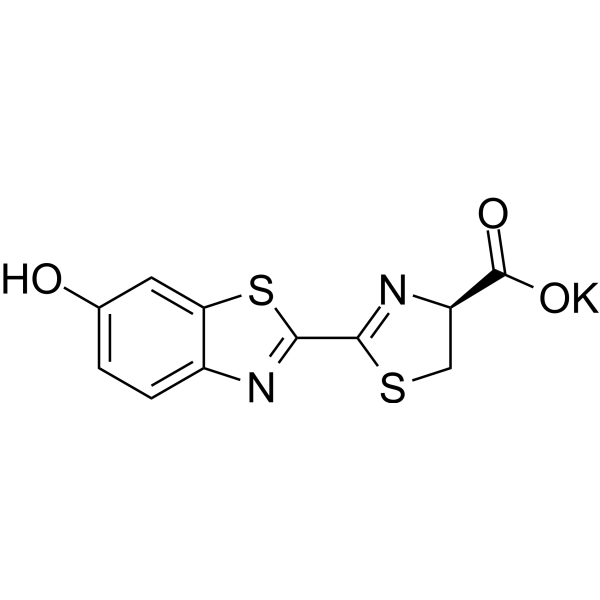
    D-Luciferin potassium
    Maximum Cited Publications
    110 Publications Verification

    D-(-)-Luciferin potassium; Firefly luciferin potassium; Beetle Luciferin potassium

    Fluorescent Dye Others
    D-luciferin potassium is the natural substrate of the enzyme luciferase (Luc) that catalyzes the production of the typical yellowgreen light of fireflies. The 560 nm chemiluminescence from this reaction peaks within seconds, with light output that is proportional to luciferase concentration when the substrate luciferin is present in excess. The luciferase (luc) gene is a popular reporter gene for research and agent screening. Chemiluminescent techniques are virtually background-free, making the luc reporter gene ideal for detecting low-level gene expression. As little as 0.02 pg of luciferase can be reliably measured in a standard scintillation counter. In addition to its role as a reporter of gene expression, luciferase is commonly used in an extremely sensitive assay for ATP . We offer the firefly luciferase (HY-P1004A), luciferin free acid (HY-12591A), as well as its water-soluble sodium salts (HY-12591) and potassium salts (HY-12591B) .
    D-Luciferin potassium
  • HY-B0351
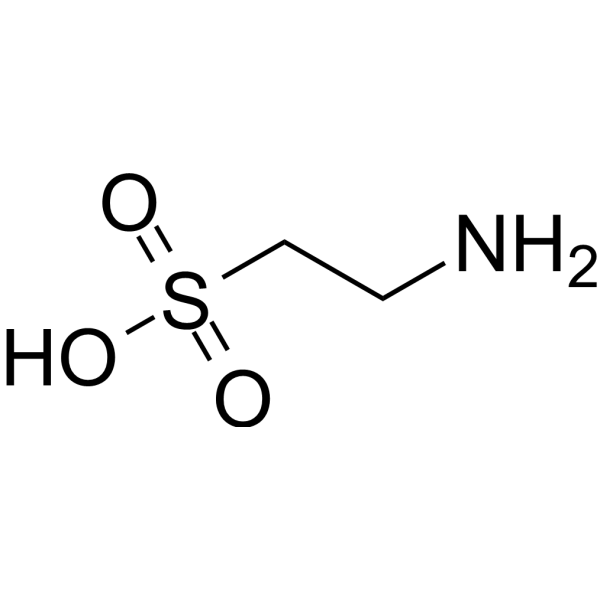
    Taurine
    15+ Cited Publications

    2-Aminoethanesulfonic acid

    Autophagy Endogenous Metabolite Metabolic Disease Cancer
    Taurine, a sulphur-containing amino acid and an organic osmolyte involved in cell volume regulation, provides a substrate for the formation of bile salts, and plays a role in the modulation of intracellular free calcium concentration. Taurine has the ability to activate autophagy in adipocytes .
    Taurine
  • HY-12591
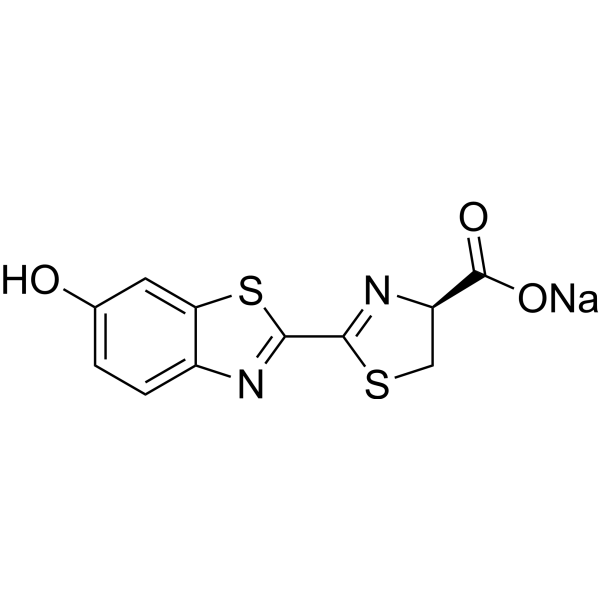
    D-Luciferin sodium
    Maximum Cited Publications
    110 Publications Verification

    D-(-)-Luciferin sodium; Firefly luciferin sodium; Beetle Luciferin sodium

    Fluorescent Dye Others
    D-luciferin sodium is the natural substrate of the enzyme luciferase (Luc) that catalyzes the production of the typical yellowgreen light of fireflies. The 560 nm chemiluminescence from this reaction peaks within seconds, with light output that is proportional to luciferase concentration when the substrate luciferin is present in excess. The luciferase (luc) gene is a popular reporter gene for research and agent screening. Chemiluminescent techniques are virtually background-free, making the luc reporter gene ideal for detecting low-level gene expression. As little as 0.02 pg of luciferase can be reliably measured in a standard scintillation counter. In addition to its role as a reporter of gene expression, luciferase is commonly used in an extremely sensitive assay for ATP . We of er the firefly luciferase (HY-P1004A), luciferin free acid (HY-12591A), as well as its water-soluble sodium salts (HY-12591) and potassium salts (HY-12591B) .
    D-Luciferin sodium
  • HY-12591A
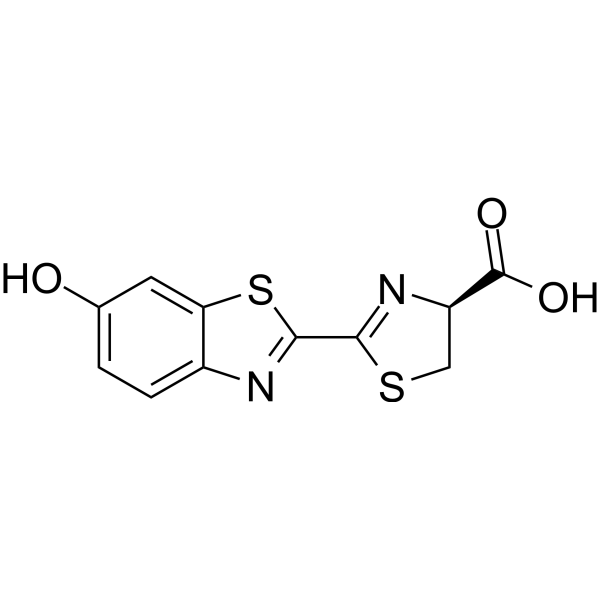
    D-Luciferin
    Maximum Cited Publications
    110 Publications Verification

    D-(-)-Luciferin; Firefly luciferin; Beetle Luciferin

    Fluorescent Dye Others
    D-luciferin is the natural substrate of the enzyme luciferase (Luc) that catalyzes the production of the typical yellowgreen light of fireflies. The 560 nm chemiluminescence from this reaction peaks within seconds, with light output that is proportional to luciferase concentration when the substrate luciferin is present in excess. The luciferase (luc) gene is a popular reporter gene for research and agent screening. Chemiluminescent techniques are virtually background-free, making the luc reporter gene ideal for detecting low-level gene expression. As little as 0.02 pg of luciferase can be reliably measured in a standard scintillation counter. In addition to its role as a reporter of gene expression, luciferase is commonly used in an extremely sensitive assay for ATP . We of er the firefly luciferase (HY-P1004A), luciferin free acid (HY-12591A), as well as its water-soluble sodium salts (HY-12591) and potassium salts (HY-12591B) .
    D-Luciferin
  • HY-W015240

    Endogenous Metabolite Metabolic Disease Inflammation/Immunology
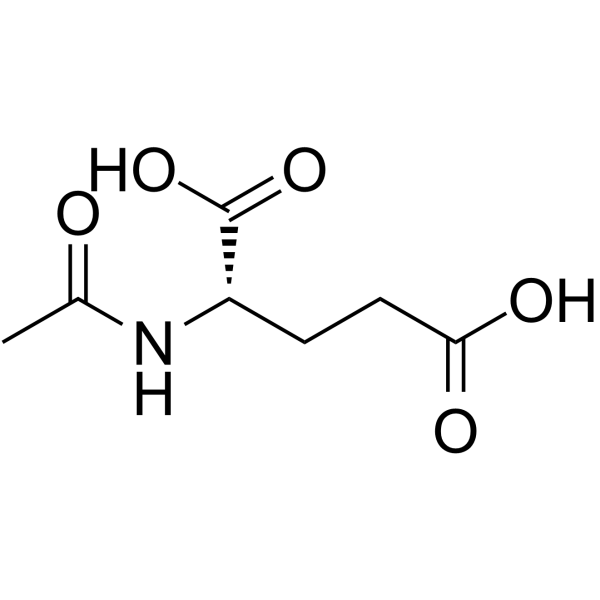
    N-Acetyl-L-glutamic acid is a type of glutamic acid that can serve as a component of cell culture media. When combined with media containing inorganic salts, carbohydrates, vitamins, and amino acids, N-Acetyl-L-glutamic acid plays roles in promoting cell growth, enhancing antibody production, etc. N-Acetyl-L-glutamic acid is also an endogenous metabolite that can be found in the brain. Additionally, as an IgE blocker, N-Acetyl-L-glutamic acid can be used in the research of allergic diseases .
    N-Acetyl-L-glutamic acid
  • HY-P1925A
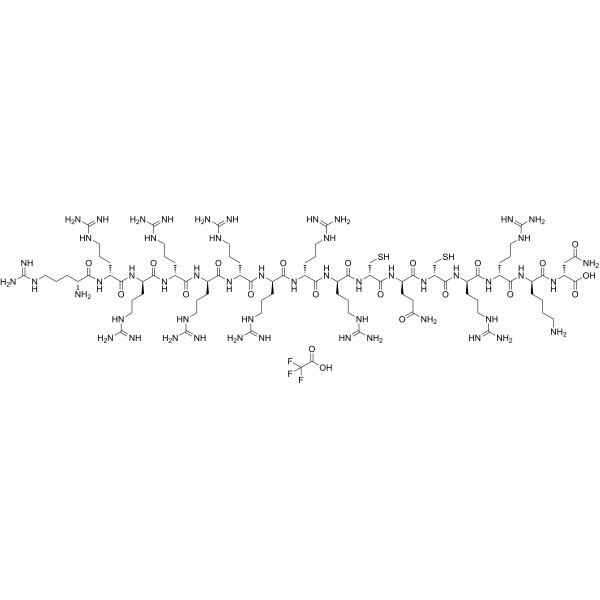
    GO-203 TFA
    2 Publications Verification

    PI3K Reactive Oxygen Species (ROS) Apoptosis Cancer
    GO-203 TFA is a potent MUC1-C oncoprotein inhibitor. GO-203 TFA is an all D-amino acid peptide that consists of a poly-R transduction domain linked to a CQCRRKN motif that binds to the MUC1-C cytoplasmic tail and blocks MUC1-C homodimerization. GO-203 TFA downregulates TIGAR (TP53-induced glycolysis and apoptosis regulator) protein synthesis by inhibiting the PI3K-AKT-S6K1 pathway. GO-203 TFA induces the production of ROS and loss of mitochondrial transmembrane potential. GO-203 TFA inhibits the growth of colon cancer cells in vitro and as xenografts in nude mice .
    GO-203 TFA
  • HY-W094475C

    Epsom salts, for cell culture

    Environmental Pollutants Biochemical Assay Reagents Others
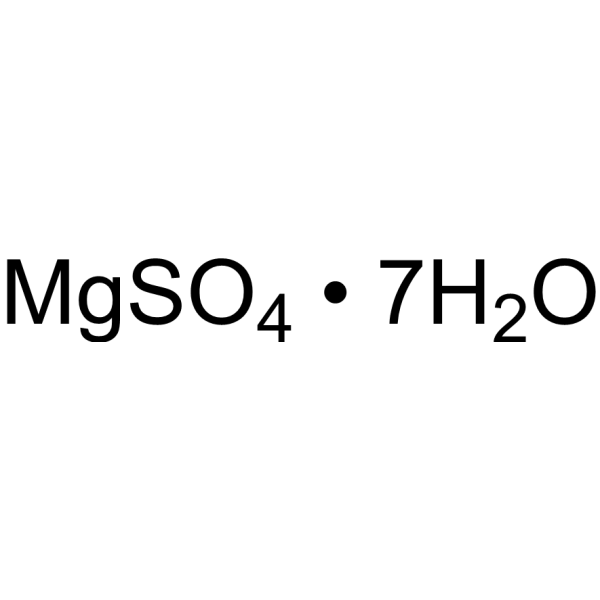
    Magnesium sulfate heptahydrate, for cell culture (Epsom salts, for cell culture) is a hydrate of Magnesium sulfate (HY-Y1267), suitable for cell culture .
    Magnesium sulfate heptahydrate, for cell culture
  • HY-W127329

    Biochemical Assay Reagents Others
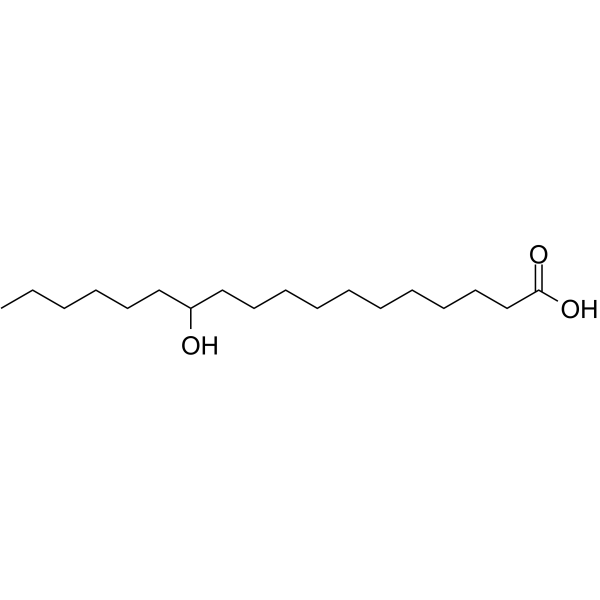
    12-Hydroxystearic acid is a structurally simple and cost-effective low molecular weight organogelator, and its metal salts and derivatives find roles in many important applications .
    12-Hydroxystearic acid
  • HY-B0351S
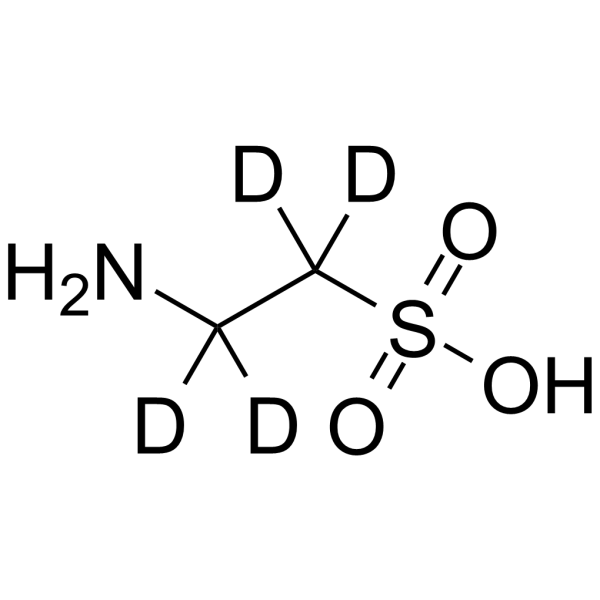
    Taurine-d4
    1 Publications Verification

    2-Aminoethanesulfonic acid-d4

    Autophagy Endogenous Metabolite Metabolic Disease
    Taurine-d4 is the deuterium labeled Taurine. Taurine, a sulphur-containing amino acid and an organic osmolyte involved in cell volume regulation, provides a substrate for the formation of bile salts, and plays a role in the modulation of intracellular free calcium concentration. Taurine has the ability to activate autophagy in adipocytes .
    Taurine-d4
  • HY-139533

    Biochemical Assay Reagents Others
    Phosphatidylinositols, soya, sodium salts is a mixture of phosphatidylinositols. Phosphoinositides are lipids involved in the vesicular transport of proteins and lipids between the different compartments of eukaryotic cells. They act by recruiting and/or activating effector proteins and thus are involved in regulating various cellular functions, such as vesicular budding, membrane fusion and cytoskeleton dynamics .
    Phosphatidylinositols, soya, sodium salts
  • HY-Y1083H

    Salt of lemery, 99%

    Biochemical Assay Reagents Others
    Potassium sulfate, 99% (Salt of lemery, 99%) can be used in biochemical tests for serum proteins, the determination of blood potassium and other potassium salts, and the preparation of protein capillary electrophoresis buffers. Potassium sulfate, 99% is a kind of biological materials or organic compounds that are widely used in life science research .
    Potassium sulfate, 99%
  • HY-N5102

    Others Others
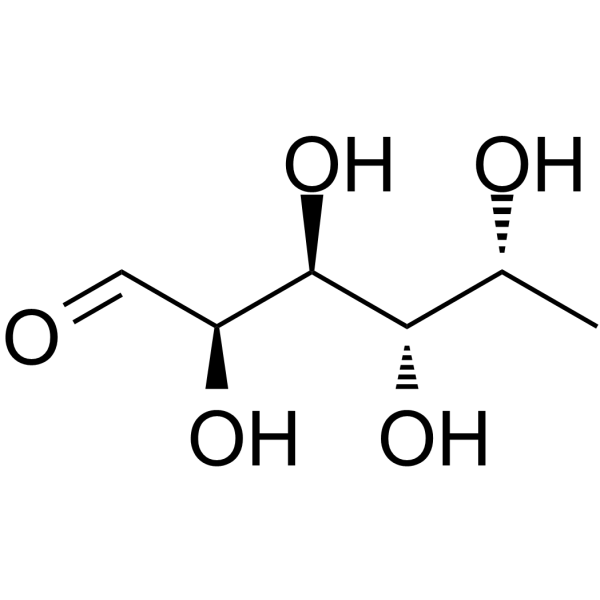
    D-(+)-Fucose is a nonmetabolizable analogue of l-arabinose. D-(+)-Fucose prevents growth of Escherichia coli B/r on a mineral salts medium plus l-arabinose by inhibiting induction of the l-arabinose operon. D-fucose is a potent inducer of beta-methylgalactoside permease (MGP) .
    D-(+)-Fucose
  • HY-Y0032
    Thiosemicarbazide
    1 Publications Verification

    Orthopoxvirus Infection Others Cancer
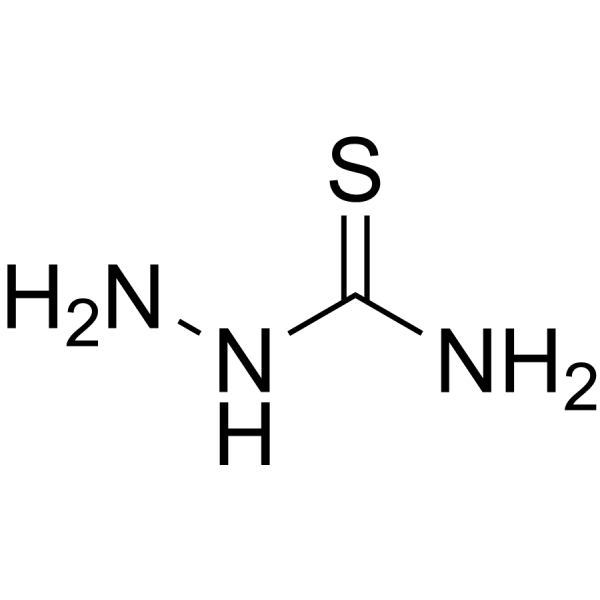
    Thiosemicarbazide is a vitamin B6 antagonist with anti-acne activity. Thiosemicarbazide is also a well-known source in the synthesis of heterocycles, and its derivatives have potential anticancer activity. Thiosemicarbazide (TSC: HL1) reacts with metal salts, urea (U), to prepare Co(II) and Cu(I) metal complexes. Thiosemicarbazide is also used in the fields of media communications and optical storage, and in the spectrophotometric detection of metals .
    Thiosemicarbazide
  • HY-N1446A
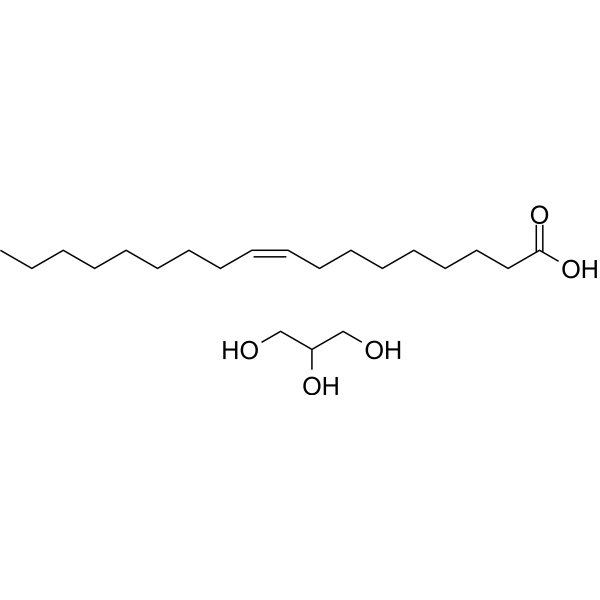
    Glycerol Monoleate
    55+ Cited Publications

    Endogenous Metabolite Others
    Glycerol Monoleate is a non-toxic, biodegradable, biocompatible, lipophilic glycerol fatty acid ester. Glycerol Monoleate exhibits hemolytic properties. Glycerol Monoleate is combined with bile salts for use as an emulsifier and absorption enhancer. Glycerol Monoleate can be applied in drug delivery systems and in vitro siRNA delivery .
    Glycerol Monoleate
  • HY-B0351S2

    2-Aminoethanesulfonic acid-13C2,15N

    Isotope-Labeled Compounds Autophagy Endogenous Metabolite Metabolic Disease
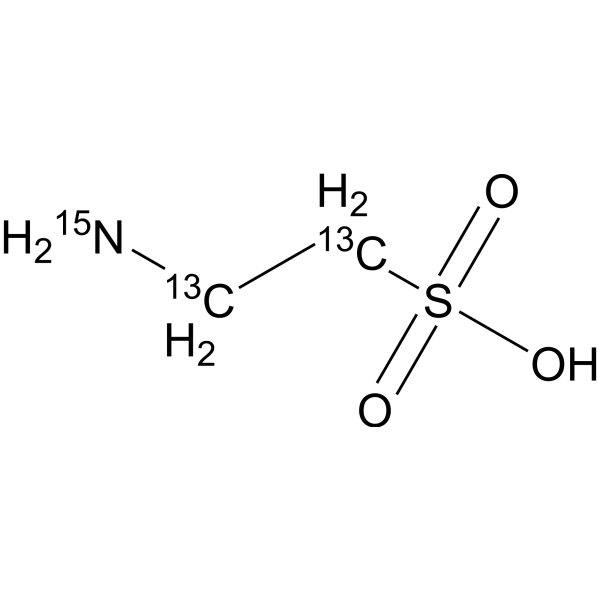
    Taurine- 13C2, 15N is the 13C- and 15N- labeled Taurine. Taurine, a sulphur-containing amino acid and an organic osmolyte involved in cell volume regulation, provides a substrate for the formation of bile salts, and plays a role in the modulation of intracellular free calcium concentration. Taurine has the ability to activate autophagy in adipocytes .
    Taurine-13C2,15N
  • HY-B0351R
    Taurine (Standard)
    1 Publications Verification

    2-Aminoethanesulfonic acid (Standard)

    Reference Standards Autophagy Endogenous Metabolite Metabolic Disease Cancer
    Taurine (Standard) is the analytical standard of Taurine. This product is intended for research and analytical applications. Taurine, a sulphur-containing amino acid and an organic osmolyte involved in cell volume regulation, provides a substrate for the formation of bile salts, and plays a role in the modulation of intracellular free calcium concentration. Taurine has the ability to activate autophagy in adipocytes .
    Taurine (Standard)
  • HY-B0351S1

    2-Aminoethanesulfonic acid-13C2

    Autophagy Endogenous Metabolite Metabolic Disease
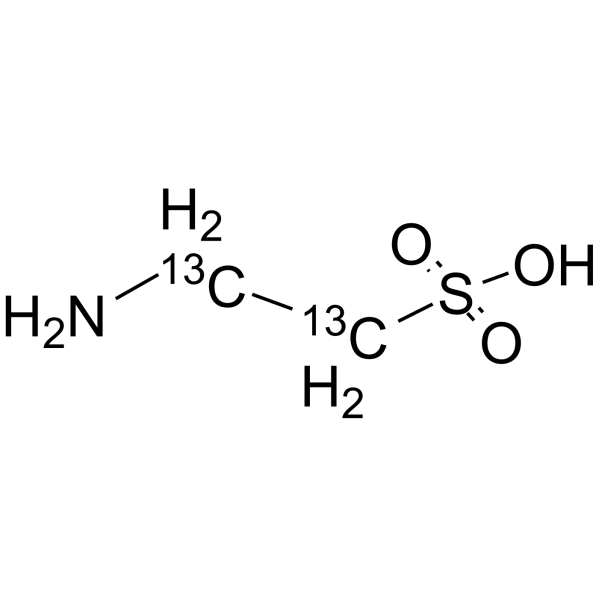
    Taurine- 13C2 is the 13C-labeled Taurine. Taurine, a sulphur-containing amino acid and an organic osmolyte involved in cell volume regulation, provides a substrate for the formation of bile salts, and plays a role in the modulation of intracellular free calcium concentration. Taurine has the ability to activate autophagy in adipocytes .
    Taurine-13C2
  • HY-153118

    ctDNA sodium, Type I, fibers; DNA sodium, from calf thymus, Type I, fibers; Thymonucleic acid sodium, Type I, fibers

    Biochemical Assay Reagents Others Cancer
    Deoxyribonucleic acid sodium, from calf thymus, Type I, fibers is the sodium salts form of Calf thymus DNA (HY-109517). Calf thymus DNA is a double-stranded template DNA isolated from calf thymus. It can be used to study the interaction between DNA and DNA binding agents, as well as the structure and function of DNA, for DNA quantification and used as a substrate for DNA polymerase analysis, etc​ .
    Deoxyribonucleic acid sodium, from calf thymus, Type I, fibers
  • HY-70026

    Drug Intermediate Others
    Tri(2-methylphenyl)phosphine is an organic phosphorus ligand that can be used as a drug intermediate to form complexes with metal salts .
    Tri(2-methylphenyl)phosphine
  • HY-135380

    Drug Intermediate Cardiovascular Disease
    Atorvastatin acetonide tert-butyl ester is a useful pharmaceutical intermediate in the preparation of Atorvastatin salts. Atorvastatin is an orally active HMG-CoA reductase inhibitor and has the ability to effectively decrease blood lipids .
    Atorvastatin acetonide tert-butyl ester
  • HY-W101255

    MTEACl

    Biochemical Assay Reagents Others
    Triethylmethylammonium chloride is a quaternary ammonium salt belonging to the class of alkylammonium salts. This compound is widely used as a phase transfer catalyst in organic synthesis to facilitate the transfer of reactants between immiscible phases. In addition, it can be used as an electrolyte in electrochemical devices, a surfactant in emulsion polymerization, and a corrosion inhibitor. Its unique chemical properties make it an important ingredient in a variety of industrial applications, including pharmaceuticals, agrochemicals, and materials science.
    Triethylmethylammonium chloride
  • HY-W111461

    Biochemical Assay Reagents Others
    Tetrabutylammonium thiocyanateIt is a quaternary ammonium salt and belongs to the category of alkyl ammonium salts. This compound is widely used as a reagent in organic chemistry, especially for the synthesis of various organic compounds, including pharmaceuticals and agrochemicals. also, Tetrabutylammonium thiocyanateIt can also be used as an electrolyte in electrochemical devices and as a phase transfer catalyst in organic synthesis. Its unique chemical properties make it an important ingredient in a variety of industrial processes, including petrochemical refining and materials science.
    Tetrabutylammonium thiocyanate
  • HY-W099930

    Trimethylpropylammonium bromide

    Biochemical Assay Reagents Others
    N,N,N-Trimethylpropan-1-aminium bromide is a quaternary ammonium compound belonging to the class of alkylammonium salts. This compound is widely used as a phase transfer catalyst in organic synthesis, facilitating the transfer of reactants between immiscible phases. It can also be used as a surfactant, corrosion inhibitor or antimicrobial. Due to its unique chemical properties, N,N,N-Trimethylpropan-1-aminium bromide has applications in various industries such as pharmaceuticals, agrochemicals, and materials science.
    N,N,N-Trimethylpropan-1-aminium bromide
  • HY-W111436

    N,N,N-tributylbutan-1-aminium tetraphenylborate(1-)

    Biochemical Assay Reagents Others
    Tetrabutylammonium tetraphenylborate is a quaternary ammonium salt belonging to the class of alkylammonium salts. This compound is commonly used as an ion-pairing reagent in chromatography and analytical chemistry, facilitating the separation and identification of various organic compounds. Its unique chemical properties make it an important ingredient in a variety of scientific applications, including pharmaceuticals, agrochemicals, and materials science products.
    Tetrabutylammonium tetraphenylborate
  • HY-W101253

    Biochemical Assay Reagents Others
    Tetraethylammonium (iodide) is a quaternary ammonium compound belonging to the class of alkylammonium salts. This compound is commonly used as a phase-transfer catalyst in organic synthesis because it facilitates the transfer of reactants between immiscible phases. It can also be used as an electrolyte in electrochemical devices and as a surfactant in detergent formulations. Its unique chemical properties make it an important ingredient in a variety of industrial applications, including pharmaceuticals, agrochemicals, and materials science.
    Tetraethylammonium iodide
  • HY-W094475D

    Epsom salts, meets analytical specification of Ph. Eur. BP USP FCC

    Drug Derivative Neurological Disease Metabolic Disease
    Magnesium sulfate heptahydrate, meets analytical specification of Ph. Eur. BP USP FCC (Epsom salts, meets analytical specification of Ph. Eur. BP USP FCC) is currently the anticonvulsant of choice for the prevention and control of eclamptic fits and is also widely used as a tocolytic agent .
    Magnesium sulfate heptahydrate, meets analytical specification of Ph. Eur. BP USP FCC
  • HY-W094477D

    Epsom salts, for molecular biology

    Biochemical Assay Reagents Others Cancer
    Magnesium sulfate heptahydrate, for molecular biology is a biochemical assay reagent and is suitable fo molecular biology.
    Magnesium sulfate heptahydrate, for molecular biology
  • HY-Y1083C

    Salt of lemery, for cell culture

    Biochemical Assay Reagents Others
    Potassium sulfate, for cell culture (Salt of lemery, for cell culture) can be used in biochemical tests for serum proteins, the determination of blood potassium and other potassium salts, and the preparation of protein capillary electrophoresis buffers. Potassium sulfate, for cell culture is a kind of biological materials or organic compounds that are widely used in life science research .
    Potassium sulfate, for cell culture
  • HY-W099640

    Tetra-n-octylammonium iodide

    Biochemical Assay Reagents Others
    Tetraoctylammonium iodideIt is an organic compound and belongs to the category of quaternary ammonium salts. It is often used as a phase transfer catalyst, meaning it facilitates a reaction between two immiscible phases, such as an aqueous phase and an organic phase. Tetraoctylammonium iodideIt has a variety of applications in organic synthesis, especially in reactions involving nucleophilic substitution, oxidation, and reduction. Additionally, it is used as a surfactant and emulsifier in industrial and laboratory settings.
    Tetraoctylammonium iodide
  • HY-W105516

    Phenylbenzyldimethylammonium chloride

    Biochemical Assay Reagents Others
    N-Benzyl-N,N-dimethylbenzeneminium chloride is a quaternary ammonium compound belonging to the class of alkylammonium salts. This compound is widely used as a phase transfer catalyst in organic synthesis to facilitate the transfer of reactants between immiscible phases. In addition, it is used as an emulsifier, surfactant or disinfectant in various industrial applications. Its unique chemical properties make it an important ingredient in the production of pharmaceuticals, agrochemicals and polymer materials.
    N-Benzyl-N,N-dimethylbenzenaminium chloride
  • HY-W094475E

    Epsom salts (Pharmaceutical primary standard, USP)

    Drug Derivative Neurological Disease Metabolic Disease
    Magnesium sulfate heptahydrate, United States Pharmacopeia (USP) Reference Standard (Epsom salts (Pharmaceutical primary standard, USP)) is currently the anticonvulsant of choice for the prevention and control of eclamptic fits and is also widely used as a tocolytic agent .
    Magnesium sulfate heptahydrate, United States Pharmacopeia (USP) Reference Standard
  • HY-W010865

    Biochemical Assay Reagents Others
    N-Benzylquinine (chloride) is an organic compound. N-Benzylquinine is a derivative of quinoxalines with benzyl substituents. N-Benzylquinine salts are beneficial for the production of tetrahydrofuran trans epoxides .
    N-Benzylquinine chloride
  • HY-P6013A

    Calcium Channel Others
    wt hMLN (TFA) is a microprotein that inhibits of SR Ca 2+ pump (SERCA). wt hMLN plays an important role in skeletal muscle calcium homeostasis .
    wt hMLN TFA
  • HY-179179

    Biochemical Assay Reagents Others
    1/2 MS Medium has a similar composition to standard MS medium, including inorganic salts, sucrose, vitamins, etc. Unlike MS medium, 1/2 MS Medium contains a lower concentration of plant growth hormones (such as indoleacetic acid and adenosine), typically half the concentration of standard MS medium.
    1/2 MS Medium
  • HY-W109978

    Biochemical Assay Reagents Others
    Tetrabutylammonium perrhenate is a quaternary ammonium salt belonging to the class of alkylammonium salts. This compound is used as a catalyst in organic synthesis, especially in the production of alkenes and alcohols. Furthermore, due to its ability to bind radioisotopes, it is useful as a radiopharmaceutical in nuclear medicine. Its unique chemical properties make it an essential ingredient in a variety of industrial processes, including petrochemical refining and pharmaceuticals.
    Tetrabutylammonium perrhenate
  • HY-W100404

    Biochemical Assay Reagents Others
    Tetramethylammonium p-toluenesulfonate is a quaternary ammonium compound belonging to the class of alkylammonium salts. This compound is widely used as a phase transfer catalyst in organic synthesis to facilitate the transfer of reactants between immiscible phases. Furthermore, it can be used as a surfactant, emulsifier or stabilizer in various industrial applications. Its unique chemical properties make it an important ingredient in the production of pharmaceuticals, agrochemicals and materials science products.
    Tetramethylammonium 4-methylbenzenesulfonate
  • HY-W101256

    Triethylmethylammonium tetrafluoroborate

    Biochemical Assay Reagents Others
    N,N-Diethyl-N-methylethanaminium tetrafluoroborate is a quaternary ammonium compound belonging to the class of alkylammonium salts. This compound is commonly used as a phase transfer catalyst in organic synthesis, facilitating the transfer of reactants between immiscible phases. Additionally, it is used as an electrolyte in electrochemical devices and as a surfactant in detergent formulations. Its unique chemical properties make it an important ingredient in a variety of industrial applications, including pharmaceuticals, agrochemicals, and materials science.
    N,N-Diethyl-N-methylethanaminium tetrafluoroborate
  • HY-W106486

    N,N-Dimethyl-N-2-propenyl-2-propen-1-aminium chloride

    Biochemical Assay Reagents Others
    Diallyldimethylammonium chloride (60% in water) is a quaternary ammonium compound belonging to the class of alkylammonium salts. The compound is widely used as a cationic monomer in the production of water-soluble polymers, especially in the manufacture of flocculants and coagulants for water treatment processes. In addition, it can be used as an antimicrobial agent, surfactant or adhesive in various industrial applications. Its unique chemical properties make it an important ingredient in a variety of industrial processes, including papermaking, textiles and personal care products.
    Diallyldimethylammonium chloride (60% in water)
  • HY-W099790

    1-Butyl-1-methylpiperidinium Bromide

    Biochemical Assay Reagents Others
    N-butyl-N-methyl-piperidinium bromide is a quaternary ammonium compound belonging to the class of piperidinium salts. N-butyl-N-methyl-piperidinium bromide is commonly used as a phase transfer catalyst in organic synthesis to transfer reactants between immiscible phases. It can also be used as a surfactant, corrosion inhibitor and antibacterial agent. Its unique chemical properties make it an important reagent in many different industries, including pharmaceuticals, agrochemicals, and materials science.
    N-butyl-N-methyl-piperidinium bromide
  • HY-Y0032R

    Orthopoxvirus Reference Standards Infection Others Cancer
    Thiosemicarbazide is a vitamin B6 antagonist with anti-acne activity. Thiosemicarbazide is also a well-known source in the synthesis of heterocycles, and its derivatives have potential anticancer activity. Thiosemicarbazide (TSC: HL1) reacts with metal salts, urea (U), to prepare Co(II) and Cu(I) metal complexes. Thiosemicarbazide is also used in the fields of media communications and optical storage, and in the spectrophotometric detection of metals .
    Thiosemicarbazide (Standard)
  • HY-142948

    Ras Cancer
    KRAS G12C inhibitor 46 (compound WX003) is a potent KRAS G12C inhibitor .
    KRAS G12C inhibitor 46
  • HY-165611

    Fungal Others
    (+)-Lupinine is an alkaloid derived from leguminous plants (such as those of the Lupinus genus) and can be used to synthesize glycyrrhetinamide salts with fungicidal activity .
    (+)-Lupinine
  • HY-172190

    Biochemical Assay Reagents Others
    MS Medium is a basic medium for plant tissue culture. MS Medium has a high concentration of inorganic salts and is suitable for plant protoplast, cell and tissue culture .
    MS Medium
  • HY-P10002A

    Biochemical Assay Reagents Others
    EWFW-ACC TFA is a specific immunoproteasome substrate that can be used to study immunoproteasome function .
    EWFW-ACC TFA
  • HY-119642

    Others Others
    Kopsinine is an indole alkaloid extracted from periwinkle flowers .
    Kopsinine
  • HY-W112005

    Biochemical Assay Reagents Others
    Benzyltrimethylammonium tetrachloroiodate is a quaternary ammonium salt belonging to the class of alkylammonium salts. The compound is used as a reagent in organic synthesis, especially in the oxidation of alkenes and alcohols. Its unique chemical properties make it an important ingredient in a variety of industrial processes, including pharmaceuticals and agrochemicals.
    Benzyltrimethylammonium tetrachloroiodate
  • HY-157350

    VRBA

    Biochemical Assay Reagents Others
    Violet Red Bile Agar can be used for solid plate detection of coliforms (GB, SN standards). Violet Red Bile Agar ingredients include peptone, yeast powder, sodium chloride, lactose, bile salts, crystal violet, neutral red, agar .
    Violet Red Bile Agar
  • HY-P5201S1

    Isotope-Labeled Compounds Others
    VTSEGAGLQLQK-13C6,15N2 (TFA) is the 13C- and 15N-labeled VTSEGAGLQLQK. VTSEGAGLQLQK is an amino acid sequence in the C-terminal region of recombinant human alpha-acid glucosidase (rhGAA), which can be used to bind anti-drug antibodies in plasma and quantitatively analyze the therapeutic effect .
    VTSEGAGLQLQK-13C6,15N2 TFA
  • HY-P10003A

    Proteasome Others
    iso-VQA-ACC TFA is a constitutive proteasome substrate .
    iso-VQA-ACC TFA
  • HY-172190A

    Biochemical Assay Reagents Others
    MS Medium (Agar-Free, Sucrose-Free) is a culture medium with a high concentration of inorganic salts and ions, making it a relatively stable balanced solution. The quantity and ratio of nutrients in MS Medium (Agar-Free, Sucrose-Free) are suitable to meet the nutritional and physiological needs of plants.
    MS Medium (Agar-Free, Sucrose-Free)

Inquiry Online

Your information is safe with us. * Required Fields.

Salutation


Country or Region *

Applicant Name *


Organization Name *

Department *


Email Address *


Product Name *

Cat. No.


Requested quantity *

Phone Number *


Remarks

Inquiry Online

Inquiry Information

Product Name:
Cat. No.:
Quantity:
MCE Japan Authorized Agent:

