1. Search Result
Search Result
Results for "

small molecular

" in MedChemExpress (MCE) Product Catalog:

84

Inhibitors & Agonists

23

Screening Libraries

28

Fluorescent Dye

7

Biochemical Assay Reagents

4

Peptides

4

Natural
Products

1

Oligonucleotides

Cat. No. Product Name Target Research Areas Chemical Structure
  • HY-D0821
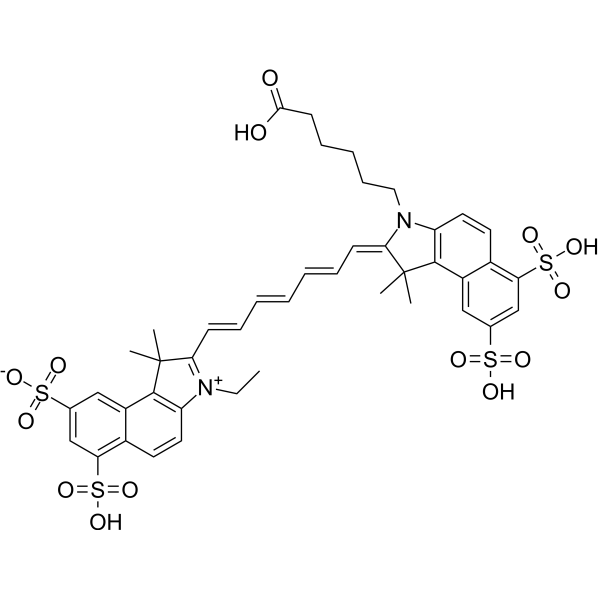
    CY5
    35+ Cited Publications

    Sulfo-Cyanine5

    Fluorescent Dye Others
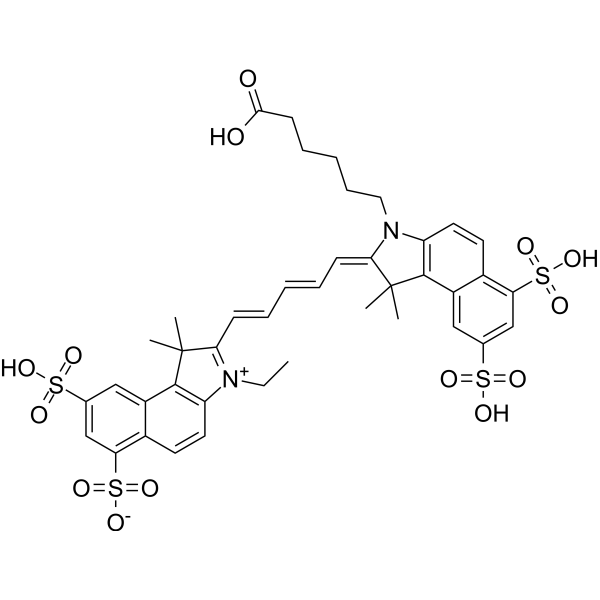
    CY5 is a CY dye. CY, short for Cyanine, is a compound consisting of two nitrogen atoms connected by an odd number of methyl units. Cyanine compounds have the characteristics of long wavelength, adjustable absorption and emission, high extinction coefficient, good water solubility and relatively simple synthesis . CY dyes are of en used for the labeling of proteins, antibodies and small molecular compounds. For the labeling of protein antibodies, the combination can be completed through a simple mixing reaction. Below, we introduce the labeling method of protein antibody labeling, which has certain reference significance .
    CY5
  • HY-D0924
    Cy5.5
    Maximum Cited Publications
    63 Publications Verification

    Sulfo-Cyanine5.5

    Fluorescent Dye Cardiovascular Disease Neurological Disease Metabolic Disease Inflammation/Immunology Cancer
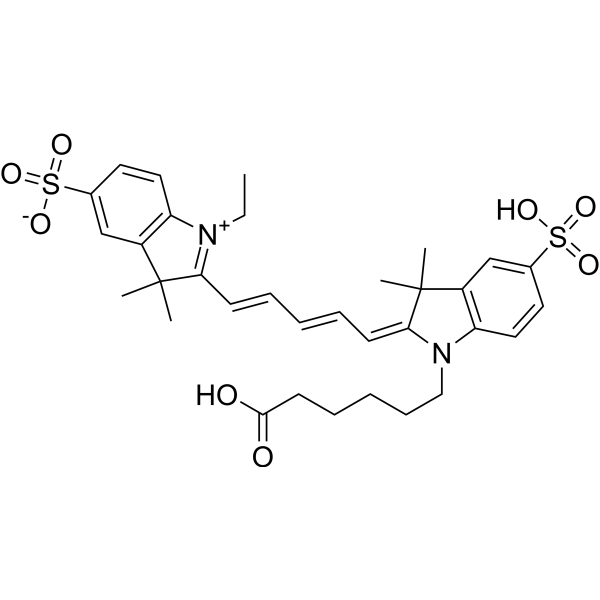
    Cy5.5 is a CY dye. CY, short for Cyanine, is a compound consisting of two nitrogen atoms connected by an odd number of methyl units. Cyanine compounds have the characteristics of long wavelength, adjustable absorption and emission, high extinction coefficient, good water solubility and relatively simple synthesis . CY dyes are of en used for the labeling of proteins, antibodies and small molecular compounds. For the labeling of protein antibodies, the combination can be completed through a simple mixing reaction. Below, we introduce the labeling method of protein antibody labeling, which has certain reference significance .
    Cy5.5
  • HY-17447A
    Tranylcypromine hydrochloride
    5+ Cited Publications

    SKF 385 hydrochloride

    Monoamine Oxidase Ligands for Target Protein for PROTAC Histone Demethylase Neurological Disease
    Tranylcypromine hydrochloride (SKF 385 hydrochloride) is an irreversible inhibitor of lysine-specific demethylase 1 (LSD1/BHC110) and monoamine oxidase (MAO). Tranylcypromine hydrochloride inhibits LSD1, MAO A and MAO B with IC50s of 20.7, 2.3 and 0.95 μM, respectively. Tranylcypromine hydrochloride can be used for the research of depression .
    Tranylcypromine hydrochloride
  • HY-D0825
    CY7
    15+ Cited Publications

    Sulfo-Cyanine7

    Fluorescent Dye Others
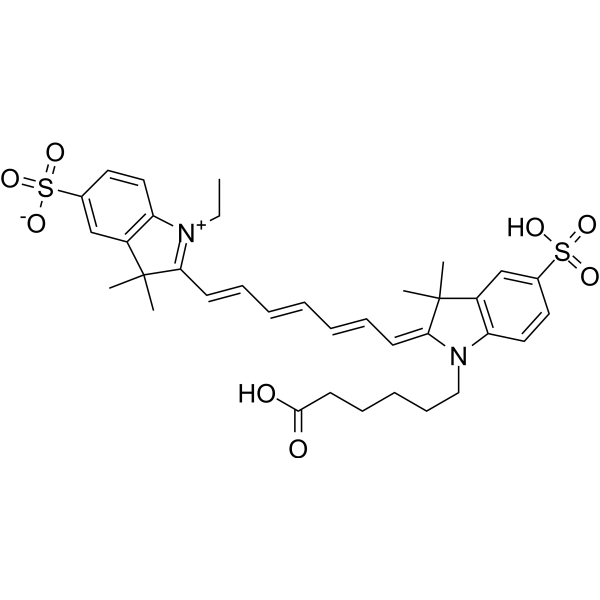
    CY7 is a CY dye. CY, short for Cyanine, is a compound consisting of two nitrogen atoms connected by an odd number of methyl units. Cyanine compounds have the characteristics of long wavelength, adjustable absorption and emission, high extinction coefficient, good water solubility and relatively simple synthesis . CY dyes are of en used for the labeling of proteins, antibodies and small molecular compounds. For the labeling of protein antibodies, the combination can be completed through a simple mixing reaction. Below, we introduce the labeling method of protein antibody labeling, which has certain reference significance .
    CY7
  • HY-153356

    Molecular Glues Apoptosis Inflammation/Immunology Cancer
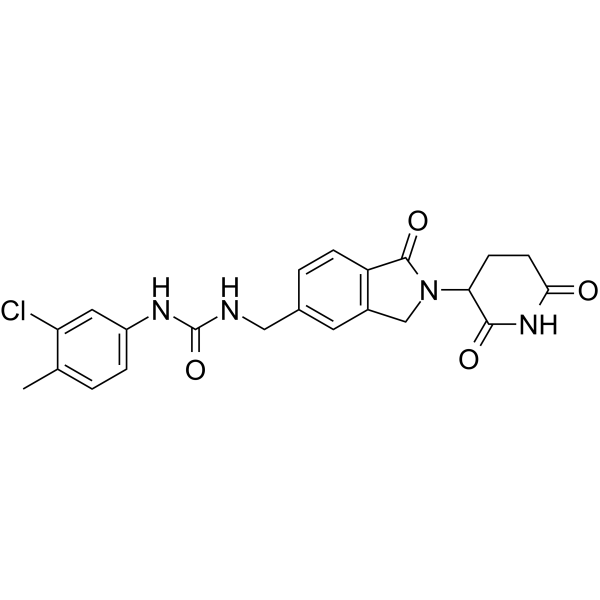
    MRT-2359 is an orally active and selective GSPT1 molecular glue degrader, with a DC50 of 5 nM. MRT-2359 induces CRBN/GSPT1 ternary complex formation to drive CRBN- and degron-dependent proteasomal GSPT1 degradation, with selectivity for wild-type GSPT1 over the GSPT1G575N mutant. MRT-2359 disrupts protein translation, induces ribosome stalling, downregulates MYC family proteins and their transcriptional output, reduces proliferation, and induces apoptosis in cancer cells. MRT-2359 can be used for the research of non-small cell lung cancer (NSCLC), small cell lung cancer (SCLC), neuroendocrine lung cancer, high grade neuroendocrine cancers, diffuse large B-cell lymphoma, prostate cancer, and MYC-driven solid tumors .
    MRT-2359
  • HY-156730

    Molecular Glues STAT Cancer
    KT-333 is a molecular glues that degrades STAT3 protein. KT-333 mediates the selective degradation of STAT3 through the ubiquitin-proteasome system by binding to STAT3 protein and E3 ubiquitin ligase von Hippel-Lindau protein (VHL). KT-333 has strong selectivity for STAT3 protein degradation and good antitumor activity. KT-333 can be used in the study of hematologic malignancies such as large granular lymphocytic leukemia (LGL-L), peripheral T-cell lymphoma (PTCL), and cutaneous T-cell lymphoma (CTCL) .
    KT-333
  • HY-175749

    Molecular Glues Wee1 Inflammation/Immunology Cancer
    BMS-986463, a CRBN E3 ligase modulator (CELMoD), is a WEE1 kinase molecular glue degrader. BMS-986463 significantly inhibits tumor regression and reduces the level of phospho-CDK2. BMS-986463 can be used for advanced malignant solid tumors like non-small cell lung cancer (NSCLC) research .
    BMS-986463
  • HY-D0925
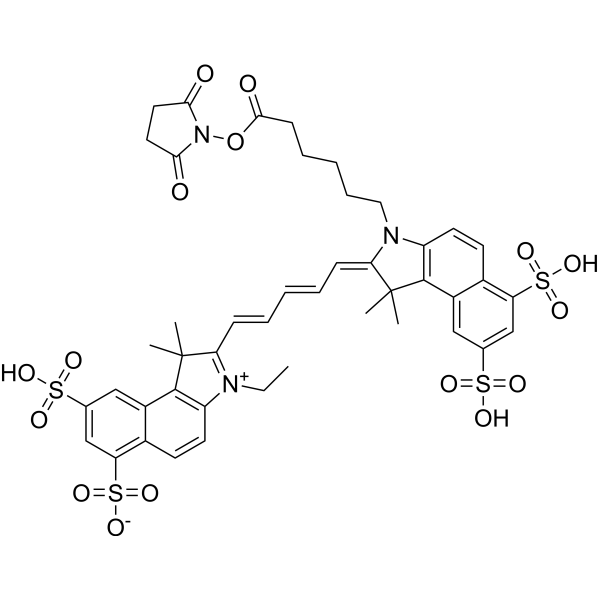
    Cy5.5-SE
    1 Publications Verification

    Cyanine5.5 NHS ester

    Biochemical Assay Reagents Others
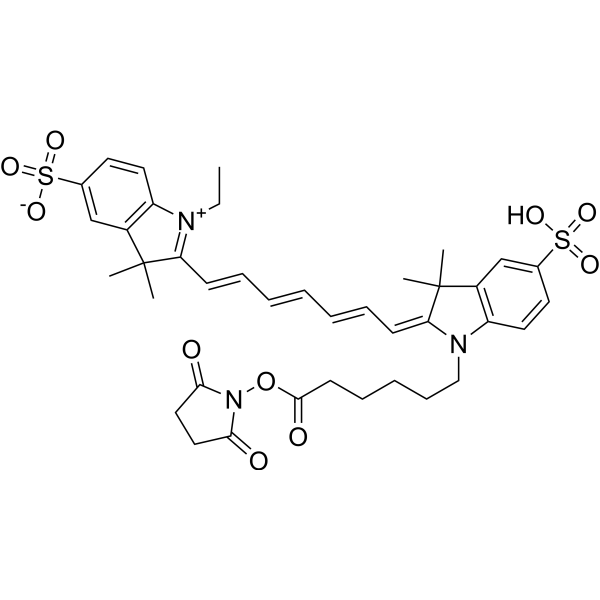
    Cy5.5-SE (Cyanine5.5 NHS ester) is a CY dye. CY, short for Cyanine, is a compound consisting of two nitrogen atoms connected by an odd number of methyl units. Cyanine compounds have the characteristics of long wavelength, adjustable absorption and emission, high extinction coefficient, good water solubility and relatively simple synthesis . CY dyes are of en used for the labeling of proteins, antibodies and small molecular compounds. For the labeling of protein antibodies, the combination can be completed through a simple mixing reaction. Below, we introduce the labeling method of protein antibody labeling, which has certain reference significance . Storage: protect from light.
    Cy5.5-SE
  • HY-W1128879

    SKPer1

    Molecular Glues E1/E2/E3 Enzyme Cancer
    XMU-MP-8 (SKPer1) is a potent molecular glue degrader that targets the oncoprotein SKP2. XMU-MP-8 simultaneously binds to the F-box domain of SKP2 (Kd ≈ 36 μM) and the N-terminal TPR domain of the E3 ligase STUB1 (Kd ≈ 2.5 μM), forming a stable SKP2-SKPer1-STUB1 ternary complex (Kd ≈ 8.9 nM) that induces SKP2 ubiquitination and proteasomal degradation. XMU-MP-8 selectively eliminates SKP2-expressing cancer cells. XMU-MP-8 exhibits substantial tumour suppression with good safety profiles in vivo. XMU-MP-8 can be used for cancer research, such as non-small cell lung adenocarcinoma (NSCLC) and prostatic adenocarcinoma .
    XMU-MP-8
  • HY-112498
    Cy3 NHS ester
    5+ Cited Publications

    Cyanine3 NHS ester

    Fluorescent Dye Others
    Cy3 NHS ester is a CY dye. CY, short for Cyanine, is a compound consisting of two nitrogen atoms connected by an odd number of methyl units. Cyanine compounds have the characteristics of long wavelength, adjustable absorption and emission, high extinction coefficient, good water solubility and relatively simple synthesis . CY dyes are of en used for the labeling of proteins, antibodies and small molecular compounds. For the labeling of protein antibodies, the combination can be completed through a simple mixing reaction. Below, we introduce the labeling method of protein antibody labeling, which has certain reference significance .
    Cy3 NHS ester
  • HY-D0824
    CY7-SE
    5+ Cited Publications

    Sulfo-Cyanine7 Succinimidyl Ester

    Fluorescent Dye Others
    CY7-SE is a CY dye. CY, short for Cyanine, is a compound consisting of two nitrogen atoms connected by an odd number of methyl units. Cyanine compounds have the characteristics of long wavelength, adjustable absorption and emission, high extinction coefficient, good water solubility and relatively simple synthesis . CY dyes are of en used for the labeling of proteins, antibodies and small molecular compounds. For the labeling of protein antibodies, the combination can be completed through a simple mixing reaction. Below, we introduce the labeling method of protein antibody labeling, which has certain reference significance .
    CY7-SE
  • HY-135415

    Fluorescent Dye Others
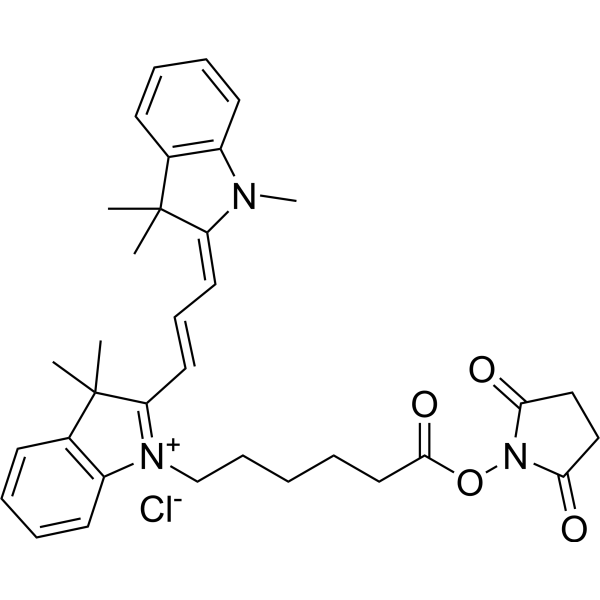
    Cyanine5.5 NHS ester chloride is a reactive dye for the labeling of proteins, and antibodies and small molecular compounds .
    Cyanine5.5 NHS ester chloride
  • HY-13915
    NSC348884
    3 Publications Verification

    Apoptosis Cancer
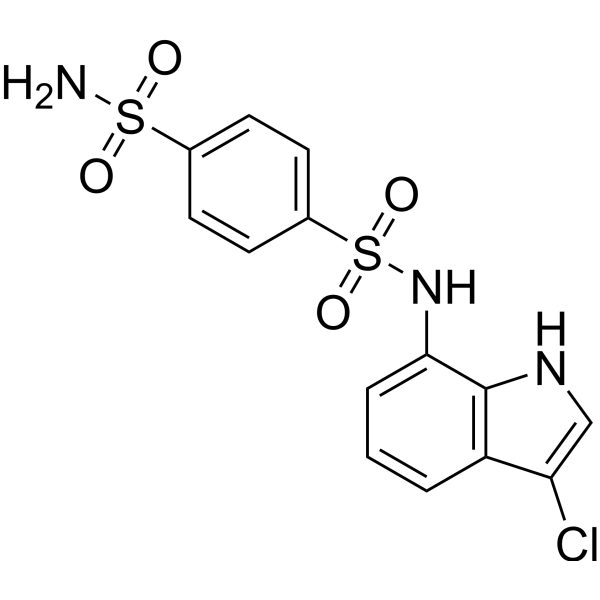
    NSC348884 is a nucleophosmin (NPM) inhibitor, it disrupts oligomer formation and induces apoptosis, inhibits cell proliferation with IC50s of 1.7-4.0 μM in distinct cancer cell lines. NSC348884 can be used for the research of cancer .
    NSC348884
  • HY-103265
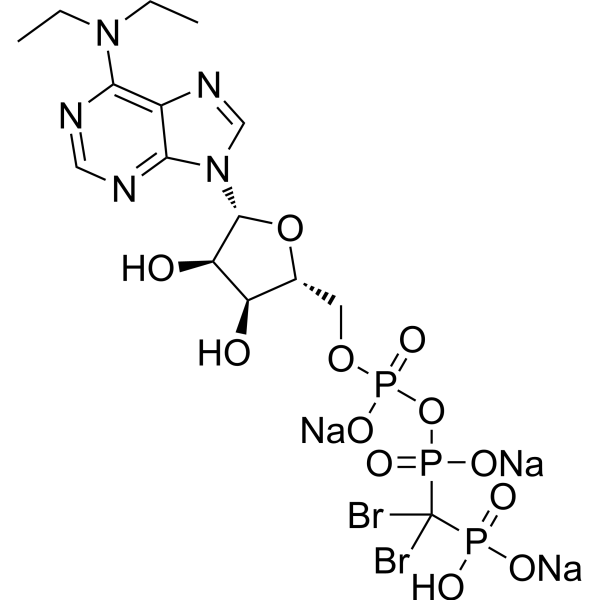
    ARL67156 trisodium
    3 Publications Verification

    FPL 67156 trisodium

    NTPDase Cardiovascular Disease Inflammation/Immunology
    ARL67156 (FPL 67156) trisodium is a selective small molecular inhibitor, targeting to ecto-ATPase, CD39, and CD73. ARL67156 trisodium is also a competitive inhibitor of NTPDase1 (CD39), NTPDase3 and NPP1, with Kis of 11, 18 and 12?μM, respectively. ARL67156 trisodium can be used in the research of calcific aortic valve disease, asthma .
    ARL67156 trisodium
  • HY-D0926
    Cy7.5
    3 Publications Verification

    Fluorescent Dye Others
    Cy7.5 is a CY dye. CY, short for Cyanine, is a compound consisting of two nitrogen atoms connected by an odd number of methyl units. Cyanine compounds have the characteristics of long wavelength, adjustable absorption and emission, high extinction coefficient, good water solubility and relatively simple synthesis . CY dyes are of en used for the labeling of proteins, antibodies and small molecular compounds. For the labeling of protein antibodies, the combination can be completed through a simple mixing reaction. Below, we introduce the labeling method of protein antibody labeling, which has certain reference significance .
    Cy7.5
  • HY-147416

    BI 1029539; GS-248; OX-MPI

    PGE synthase Infection Cancer
    Vipoglanstat (BI 1029539), a carboxamide, is a potent and selective, non-peptide and orally active small molecular inhibitor of human prostaglandin E synthase 1 (mPGES-1). Vipoglanstat also has anti-inflammatory activity .
    Vipoglanstat
  • HY-D0826

    Cyanine2 Succinimidyl Ester (iodine)

    Fluorescent Dye Others
    Cy2-SE iodine is a CY dye. CY, short for Cyanine, is a compound consisting of two nitrogen atoms connected by an odd number of methyl units. Cyanine compounds have the characteristics of long wavelength, adjustable absorption and emission, high extinction coefficient, good water solubility and relatively simple synthesis . CY dyes are of en used for the labeling of proteins, antibodies and small molecular compounds. For the labeling of protein antibodies, the combination can be completed through a simple mixing reaction. Below, we introduce the labeling method of protein antibody labeling, which has certain reference significance .
    Cy2-SE (iodine)
  • HY-153916
    TCRS-417
    1 Publications Verification

    T417

    HOXA DNA/RNA Synthesis NEKs Neurological Disease Inflammation/Immunology Cancer
    TCRS-417 (T417) is a small-molecular inhibitor for PBX1. TCRS-417 can directly block PBX1-binding to DNA (IC50 = 6.58 μM), and affects PBX1 transcription. TCRS-417 is able to hammer out the stemness traits of Carboplatin (HY-17393)-resistant (CR) cells to revert to a differentiated status through tacking PBX1 signaling cascade. TCRS-417 significantly suppresses self-renewal and proliferation of cancer cells expressing high levels of PBX1. TCRS-417 can decrease the mRNA levels of FOXM1, NEK2, and E2F2 in cancer cell lines. TCRS-417 is selectively toxic against chr1q-amp myeloma and solid tumor cells .
    TCRS-417
  • HY-D0824A
    CY7-SE triethylamine
    5+ Cited Publications

    Sulfo-Cyanine7 Succinimidyl Ester triethylamine

    Fluorescent Dye Others
    CY7-SE triethylamine is a CY dye. CY, short for Cyanine, is a compound consisting of two nitrogen atoms connected by an odd number of methyl units. Cyanine compounds have the characteristics of long wavelength, adjustable absorption and emission, high extinction coefficient, good water solubility and relatively simple synthesis . CY dyes are of en used for the labeling of proteins, antibodies and small molecular compounds. For the labeling of protein antibodies, the combination can be completed through a simple mixing reaction. Below, we introduce the labeling method of protein antibody labeling, which has certain reference significance .
    CY7-SE triethylamine
  • HY-137924
    JA2131
    1 Publications Verification

    Poly(ADP-ribose) Glycohydrolase (PARG) Cancer
    JA2131 is a small molecular inhibitor of Poly(ADP-ribose) Glycohydrolase (PARG) (IC50=0.4 μM). JA2131 regulate DNA damage responses, causes replication fork stalling and cancer cell death .
    JA2131
  • HY-144984

    β-catenin Molecular Glues Cancer
    NRX-1933 is a type of molecular glue. NRX-1933 is a β-catenin:β-TrCP interaction enhancer for the development of small molecule degraders. NRX-1933 promotes the ubiquitination of mutated β-Catenin, leading to degradation. NRX-1933 can be applied to tumor research on abnormal activation of Wnt/β - catenin signaling pathway .
    NRX-1933
  • HY-138155

    DNA/RNA Synthesis Cancer
    NSC15520 is a small molecular inhibitor of Replication Protein A (RPA). NSC15520 specifically recognizes the RPA N-terminal DNA binding domain (DBD), and blocks the interaction of RPA with p53 or RAD9. NSC15520 also inhibtis helix destabilization of a duplex DNA (dsDNA) oligonucleotide, involves in DNA replication, DNA repair, DNA recombination, and DNA damage response signaling .
    NSC15520
  • HY-173351

    Epigenetic Reader Domain Cancer
    G-6599 is a monovalent molecular glue-like degrader of SMARCA2/SMARCA4. G-6599 covalently binds to a specific cysteine residue of the E3 ligase FBXO22 in a biotransformation-independent manner, promotes the formation of a ternary complex with SMARCA2/A4, and achieves efficient and specific degradation of the two proteins via the ubiquitin-proteasome pathway. G-6599 is applicable to the research of androgen-dependent prostate cancer and mutant non-small cell lung cancer .
    G-6599
  • HY-176557

    Deubiquitinase Ferroptosis Reactive Oxygen Species (ROS) Glutathione Peroxidase Autophagy Cancer
    NCI677397 is a USP24 inhibitor. NCI677397 increases lipid ROS, activates cholesterol and fatty acid biosynthesis, degrades ABC transporters, GPX4 and DHFR through the autophagy pathway, decreases the level of P-gp and ultimately leads to ferroptosis in drug-resistant cancer cells. NCI677397 can be used for the study of lung caner and brain cancer .
    NCI677397
  • HY-D1719A
    Cypate hydrochloride
    1 Publications Verification

    Fluorescent Dye Cancer
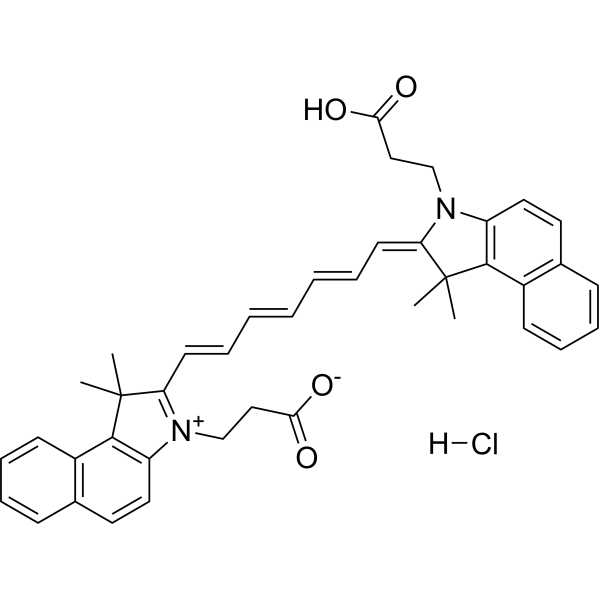
    Cypate is a near-infrared fluorescent dye that belongs to the family of photosensitizers. Cypate has high photostability and optical properties, and is often used in near-infrared optical imaging, as well as optical imaging, tumor marking, and drug delivery. In addition, Cypate is also used as a molecular probe and combined with targeting molecules (such as CBT or small interfering RNA) to achieve efficient detection and imaging of specific cells or tissues .
    Cypate hydrochloride
  • HY-103265B
    ARL67156 trisodium hydrate
    3 Publications Verification

    FPL 67156 trisodium hydrate

    NTPDase Cardiovascular Disease Inflammation/Immunology
    ARL67156 (FPL 67156) trisodium hydrate is a selective small is a selective samll molecular inhibitor, targeting to ecto-ATPase, CD39, and CD73. ARL67156 trisodium hydrate is also a competitive inhibitor of NTPDase1 (CD39), NTPDase3 and NPP1, with Kis of 11, 18 and 12 μM, respectively. ARL67156 trisodium hydrate can be used in the research of disease like calcific aortic valve disease, asthma .
    ARL67156 trisodium hydrate
  • HY-D1323

    Cy5.5 maleimide chloride

    Fluorescent Dye Others
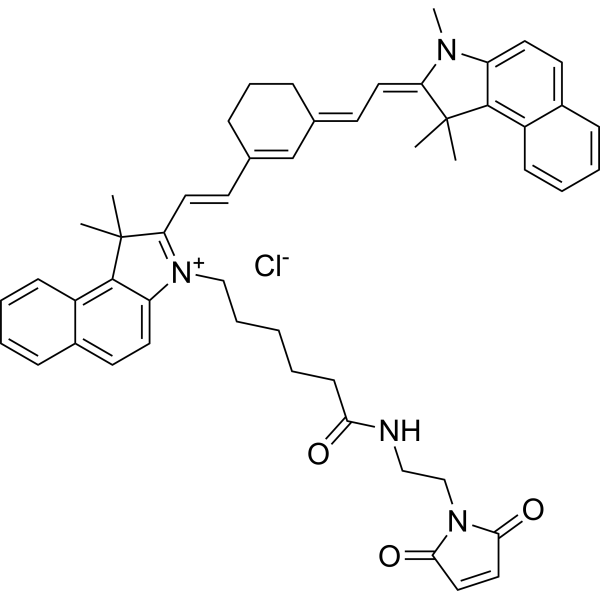
    Cyanine5.5 maleimide chloride is a CY dye. CY, short for Cyanine, is a compound consisting of two nitrogen atoms connected by an odd number of methyl units. Cyanine compounds have the characteristics of long wavelength, adjustable absorption and emission, high extinction coefficient, good water solubility and relatively simple synthesis . CY dyes are of en used for the labeling of proteins, antibodies and small molecular compounds. For the labeling of protein antibodies, the combination can be completed through a simple mixing reaction. Below, we introduce the labeling method of protein antibody labeling, which has certain reference significance .
    Cyanine5.5 maleimide chloride
  • HY-DY1067

    Fluorescent Dye DNA Stain Others
    Cy5 maleimide (solution) is a CY dye. CY, short for Cyanine, is a compound consisting of two nitrogen atoms connected by an odd number of methyl units. Cyanine compounds have the characteristics of long wavelength, adjustable absorption and emission, high extinction coefficient, good water solubility and relatively simple synthesis . CY dyes are of en used for the labeling of proteins, antibodies and small molecular compounds. For the labeling of protein antibodies, the combination can be completed through a simple mixing reaction. Below, we introduce the labeling method of protein antibody labeling, which has certain reference significance .
    Solvent and concentration: DMSO: 10 mM
    Cy5 maleimide (solution)
  • HY-155101

    PD-1/PD-L1 Cancer
    PD-L1-IN-3 (Compound 4a) is a compound that targets PD-1/PD-L1, the IC50 value and EC50 value is 4.97nM and 2.70 μM for inhibit PD-L1 and Jurkat T cells, respectively. PD-L1-IN-3 can bind PD-L1 dimer to prevent PD-1 binding to PD-L1, therefore blocking PD-1 signaling. PD-L1-IN-3 can be used for lung cancer and melanoma diseases research .
    PD-L1-IN-3
  • HY-153607

    Cadherin Cancer
    HDAC-IN-55(8j) is a small molecular compound that can increase the expression of E-cadherin and inhibit the proliferation of cancer cells .
    HDAC-IN-55
  • HY-103265D
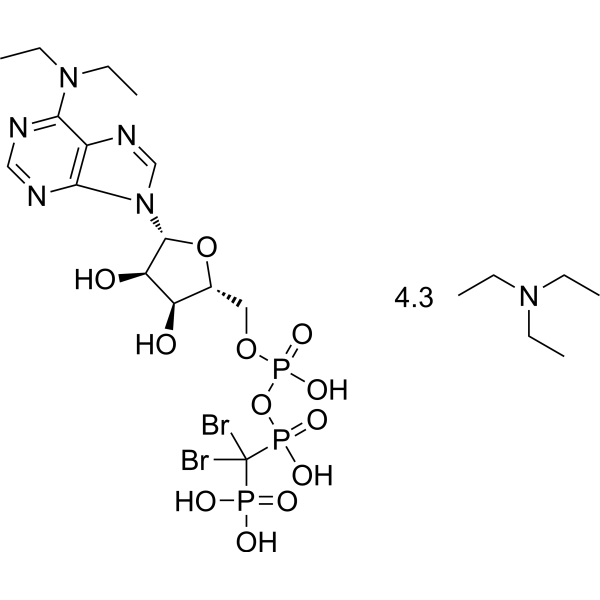
    ARL67156 triethylamine
    3 Publications Verification

    FPL 67156 triethylamine

    NTPDase Cardiovascular Disease Inflammation/Immunology
    ARL67156 (FPL 67156) triethylamine is a selective small is a selective samll molecular inhibitor, targeting to ecto-ATPase, CD39, and CD73. ARL67156 triethylamine is also a competitive inhibitor of NTPDase1 (CD39), NTPDase3 and NPP1, with Kis of 11, 18 and 12 μM, respectively. ARL67156 triethylamine can be used in the research of disease like calcific aortic valve disease, asthma .
    ARL67156 triethylamine
  • HY-D1054

    Cyanine2 (iodine)

    Fluorescent Dye Others
    Cy2 iodine is a CY dye. CY, short for Cyanine, is a compound consisting of two nitrogen atoms connected by an odd number of methyl units. Cyanine compounds have the characteristics of long wavelength, adjustable absorption and emission, high extinction coefficient, good water solubility and relatively simple synthesis . CY dyes are of en used for the labeling of proteins, antibodies and small molecular compounds. For the labeling of protein antibodies, the combination can be completed through a simple mixing reaction. Below, we introduce the labeling method of protein antibody labeling, which has certain reference significance .
    Cy2 (iodine)
  • HY-D1566

    Fluorescent Dye Others
    Sulfo-Cy7.5 maleimide is a CY dye. CY, short for Cyanine, is a compound consisting of two nitrogen atoms connected by an odd number of methyl units. Cyanine compounds have the characteristics of long wavelength, adjustable absorption and emission, high extinction coefficient, good water solubility and relatively simple synthesis . CY dyes are of en used for the labeling of proteins, antibodies and small molecular compounds. For the labeling of protein antibodies, the combination can be completed through a simple mixing reaction. Below, we introduce the labeling method of protein antibody labeling, which has certain reference significance .
    Sulfo-Cy7.5 maleimide
  • HY-DY1062

    Fluorescent Dye Cardiovascular Disease Neurological Disease Metabolic Disease Inflammation/Immunology Cancer
    Cy5.5 (solution) is a CY dye. CY, short for Cyanine, is a compound consisting of two nitrogen atoms connected by an odd number of methyl units. Cyanine compounds have the characteristics of long wavelength, adjustable absorption and emission, high extinction coefficient, good water solubility and relatively simple synthesis . CY dyes are of en used for the labeling of proteins, antibodies and small molecular compounds. For the labeling of protein antibodies, the combination can be completed through a simple mixing reaction. Below, we introduce the labeling method of protein antibody labeling, which has certain reference significance .
    Solvent and concentration: DMSO: 10 mM
    Cy5.5 (solution)
  • HY-D0925B
    Cy5.5-SE TEA
    1 Publications Verification

    Cyanine5.5 NHS ester TEA

    Fluorescent Dye Others
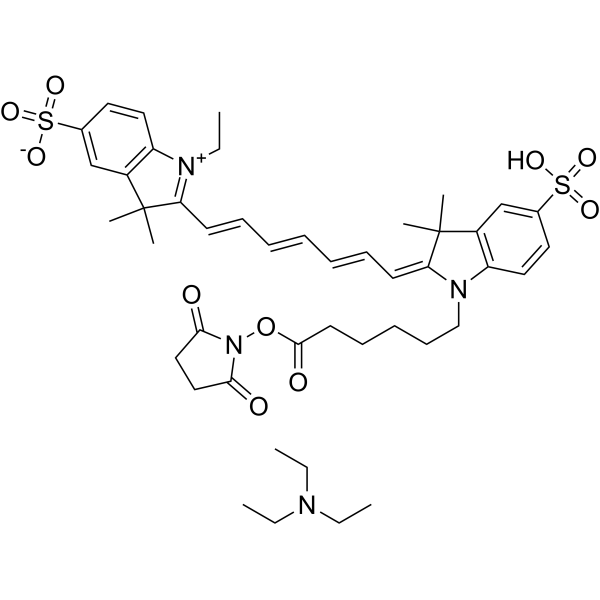
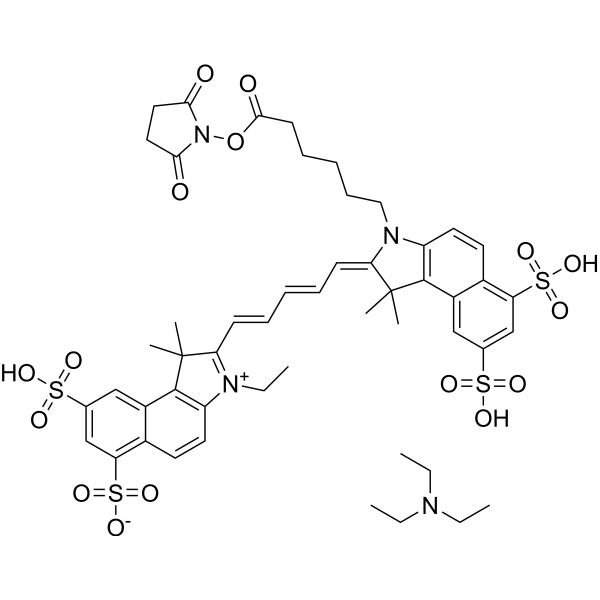
    Cy5.5-SE TEA (Cyanine5.5 NHS ester TEA) is a CY dye. CY, short for Cyanine, is a compound consisting of two nitrogen atoms connected by an odd number of methyl units. Cyanine compounds have the characteristics of long wavelength, adjustable absorption and emission, high extinction coefficient, good water solubility and relatively simple synthesis . CY dyes are of en used for the labeling of proteins, antibodies and small molecular compounds. For the labeling of protein antibodies, the combination can be completed through a simple mixing reaction. Below, we introduce the labeling method of protein antibody labeling, which has certain reference significance . Storage: protect from light.
    Cy5.5-SE TEA
  • HY-175756

    Molecular Glues SWI/SNF Complex Cancer
    SMARCA2/4 degrader-1 is a SMARCA2/4 molecular glue degrader with a DCAF16 EC50 of 110 nM. SMARCA2/4 degrader-1 covalently adducts at cysteine to form a ternary complex with SMARCA2/4 and recruits CUL4 DCAF16 and CRL1 FBXO22 E3 ligase complexes. SMARCA2/4 degrader-1 induces ubiquitination and proteasomal degradation of SMARCA2/4. SMARCA2/4 degrader-1 can be used for research of SMARCA4-deficient malignancies, non-small cell lung cancer (NSCLC), and colorectal cancer .
    SMARCA2/4 degrader-1
  • HY-W012617

    Nicotinic acid hydrazide

    Drug Intermediate Others
    Nicotinohydrazide (Nicotinic acid hydrazide) is a small molecular compound .
    Nicotinohydrazide
  • HY-150184

    DNA/RNA Synthesis Cancer
    And1-IN-1 is a potent And1 inhibitor with an IC50 of 2.08 μM. And1-IN-1 binds to the N-terminus of And-1 and induces a conformational change in And-1, which promotes the interaction of And-1 with E3 ligase CUL4B for ubiquitin-mediated degradation. And1-IN-1 suppresses the growth of a broad range of cancers and resensitizes platinum-resistant ovarian cancer cells to platinum agents. And1-IN-1 can be used for the studies of ovarian cancer and breast cancer .
    And1-IN-1
  • HY-156730A

    Molecular Glues STAT Cancer
    KT-333 ammonium (Compound A) is a molecular glues that degrades STAT3 protein. KT-333 ammonium mediates the selective degradation of STAT3 through the ubiquitin-proteasome system by binding to STAT3 protein and E3 ubiquitin ligase von Hippel-Lindau protein (VHL). KT-333 ammonium has strong selectivity for STAT3 protein degradation and good antitumor activity. KT-333 ammonium can be used in the study of hematologic malignancies such as large granular lymphocytic leukemia (LGL-L), peripheral T-cell lymphoma (PTCL), and cutaneous T-cell lymphoma (CTCL) .
    KT-333 ammonium
  • HY-P2612A

    TNF Receptor Others Cancer
    WP9QY, TNF-a Antagonist, TNF-a Antagonist is a biological active peptide. (This cyclic peptide is designed to mimic the most critical tumor necrosis factor (TNF) recognition loop on TNF receptor I. It prevents interactions of TNF with its receptor. This TNF antagonist is a useful template for the development of small molecular inhibitors to prevent both inflammatory bone destruction and systemic bone loss in rheumatoid arthritis.)
    WP9QY TFA
  • HY-103255

    Apoptosis Cancer
    CFM-4 is a potent small molecular antagonist of CARP-1/APC-2 binding. CFM-4 prevents CARP-1 binding with APC-2, causes G2M cell cycle arrest, and induces apoptosis with an IC50 range of 10-15 μM. CFM-4 also suppresses growth of drug-resistant human breast cancer cells .
    CFM-4
  • HY-D1565
    Cy7.5 maleimide
    1 Publications Verification

    Fluorescent Dye Others
    Cy7.5 maleimide is a CY dye. CY, short for Cyanine, is a compound consisting of two nitrogen atoms connected by an odd number of methyl units. Cyanine compounds have the characteristics of long wavelength, adjustable absorption and emission, high extinction coefficient, good water solubility and relatively simple synthesis . CY dyes are of en used for the labeling of proteins, antibodies and small molecular compounds. For the labeling of protein antibodies, the combination can be completed through a simple mixing reaction. Below, we introduce the labeling method of protein antibody labeling, which has certain reference significance .
    Cy7.5 maleimide
  • HY-DY1065

    Fluorescent Dye Others
    CY7 (solution) is a CY dye. CY, short for Cyanine, is a compound consisting of two nitrogen atoms connected by an odd number of methyl units. Cyanine compounds have the characteristics of long wavelength, adjustable absorption and emission, high extinction coefficient, good water solubility and relatively simple synthesis . CY dyes are of en used for the labeling of proteins, antibodies and small molecular compounds. For the labeling of protein antibodies, the combination can be completed through a simple mixing reaction. Below, we introduce the labeling method of protein antibody labeling, which has certain reference significance .
    Solvent and concentration: DMSO: 10 mM
    CY7 (solution)
  • HY-D2460

    Fluorescent Dye Cardiovascular Disease Cancer
    Dextran-CY5.5 is a CY5.5 (HY-D0924) labeled Dextran (HY-112624) conjugate. CY5.5 is a Cyanine dye (The excitation wavelength is usually 673 nm and the emission wavelength is 707 nm) that can be used for the labeling of proteins, antibodies and small molecular compounds. Dextran has an inhibitory effect on thrombocyte aggregation and coagulation factors and is used as a plasma volume expander .
    Dextran-CY5.5
  • HY-N17254

    Amylases Metabolic Disease
    Onjisaponin R is an α-amylase inhibitor. Onjisaponin R can be used in diabetes research .
    Onjisaponin R
  • HY-149764

    Amyloid-β Neurological Disease
    Aβ42 agonist-2 (compound 7b) is a small molecule compound that can promote Aβ42 aggregation. Aβ42 agonist-2 can interact with Aβ42 oligomers and pentamers to promote nontoxic aggregate self-assembly and rapid fibril formation. Aβ42 agonist-2 prevents Aβ42-induced cytotoxicity in HT22 hippocampal neuronal cells .
    Aβ42 agonist-2
  • HY-118054

    Orphan Nuclear Receptor Cancer
    LRH-1 Inhibitor-3 is a small molecule that inhibits LRH-1 transcriptional activity, thereby decreasing the expression of target genes associated with cell growth and proliferation. LRH-1 Inhibitor-3 has shown potential in reducing cancer cell proliferation in human pancreatic, colon, and breast adenocarcinoma cell lines. LRH-1 Inhibitor-3 serves as a molecular probe for investigating the role of LRH-1 in various malignancies.
    LRH-1 Inhibitor-3
  • HY-N7697C

    Toll-like Receptor (TLR) Interleukin Related Reactive Oxygen Species (ROS) Cardiovascular Disease Metabolic Disease Inflammation/Immunology
    Chitohexaose hexahydrochloride is a small molecular polysaccharide. Chitohexaose hexahydrochloride inhibits the binding of AgW to TLR4. Chitohexaose hexahydrochloride upregulates IL-10, inhibits LPS-induced upregulation of ROS, induces alternative activation of macrophages/monocytes, and suppresses LPS-induced production of TNF-α, IL-1β and IL-6. Chitohexaose hexahydrochloride reverses the mortality of mice challenged with APAP or LPS. Chitohexaose hexahydrochloride can be used in research related to Acetaminophen (HY-66005)-induced hepatotoxicity and endotoxemia .
    Chitohexaose hexahydrochloride
  • HY-137294

    Y6

    Endogenous Metabolite Others
    BTPTT-4F (Y6) is a non-fullerene acceptor-donor-acceptor (A-D-A) type small molecular acceptor (SMA) characterized by its flexible alkyl chains and centrally fused ring structure. Featuring a ladder-type electron-deficient core, BTPTT-4F can be effectively blended with PM6, showcasing significant potential for enhancing the performance of organic photovoltaic applications. Its tailored optical properties and adjustable electronic energy levels contribute to improved thermal and photochemical stability, making it a promising candidate for next-generation high-performance organic solar cells.
    BTPTT-4F
  • HY-DY1064

    Fluorescent Dye Others
    CY5 (solution) is a CY dye. CY, short for Cyanine, is a compound consisting of two nitrogen atoms connected by an odd number of methyl units. Cyanine compounds have the characteristics of long wavelength, adjustable absorption and emission, high extinction coefficient, good water solubility and relatively simple synthesis . CY dyes are of en used for the labeling of proteins, antibodies and small molecular compounds. For the labeling of protein antibodies, the combination can be completed through a simple mixing reaction. Below, we introduce the labeling method of protein antibody labeling, which has certain reference significance .
    Solvent and concentration: DMSO: 10 mM
    CY5 (solution)

Inquiry Online

Your information is safe with us. * Required Fields.

Salutation


Country or Region *

Applicant Name *


Organization Name *

Department *


Email Address *


Product Name *

Cat. No.


Requested quantity *

Phone Number *


Remarks

Inquiry Online

Inquiry Information

Product Name:
Cat. No.:
Quantity:
MCE Japan Authorized Agent:

