154 Results for "

solid-state laser

" in MedChemExpress (MCE) Product Catalog:
Products (154)

154 Results for "solid-state laser" in MCE Product Catalog:

86
86 Publications Verification
Cat. No.: HY-116215
CAS No.: 186689-07-6
Purity:  99.74%
Target:  

Fluorescent Dye

Research Areas:  

Others

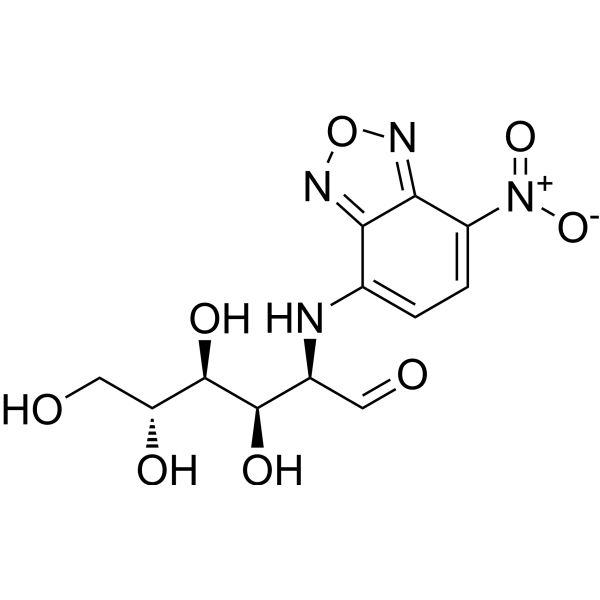
2-NBDG is a fluorescently-labeled deoxyglucose analog that is used primarily to directly monitor glucose uptake by living cells and tissues. It is also used as a topical contrast reagent for the detection of neoplasia. 2-NBDG can be used in real-time confocal, high-resolution, or wide-field fluorescence microscopy as well as in flow cytometry. The probe can be excited by the Argon laser at 488 nm to give the environment-sensitive fluorescence. It has lower photostability than the rhodamine-based fluorescent probes.
loading...
    loading...
14
14 Cited Publications
Cat. No.: HY-107641
CAS No.: 28166-41-8
Purity:  99.92%
Synonyms: α-Cyano-4-hydroxycinnamate
Research Areas:  

Metabolic Disease

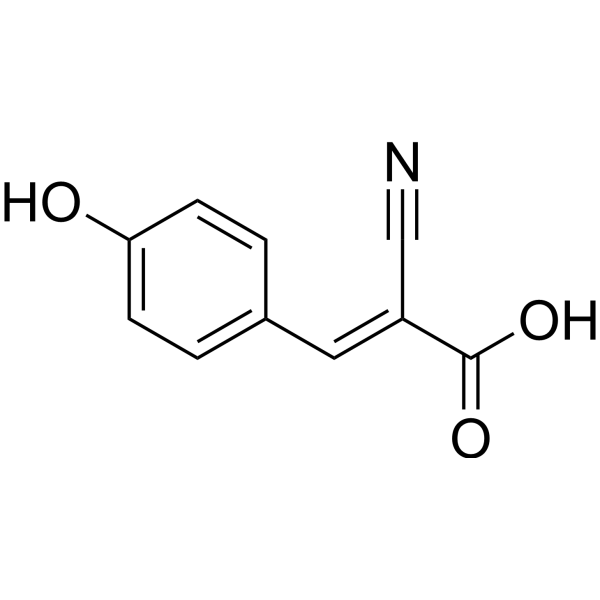
α-Cyano-4-hydroxycinnamic acid (α-Cyano-4-hydroxycinnamate) is a potent and non-competitive inhibitor of monocarboxylate transporters (MCTs). α-Cyano-4-hydroxycinnamic acid inhibits mitochondrial pyruvate transporter with a Ki of 6.3 μM. α-Cyano-4-hydroxycinnamic acid is used as a matrix to facilitate peptide ionization in matrix-assisted laser desorption/ionization time-of-flight (MALDI-TOF) mass spectrometry applications .
loading...
    loading...
7
7 Cited Publications
Cat. No.: HY-D1063
CAS No.: 207399-07-3
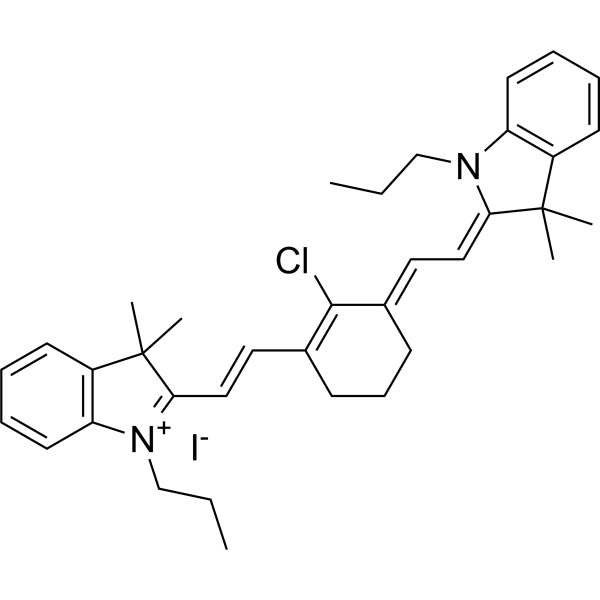
IR-780 is a near-infrared fluorescent probe for in vivo imaging of tumor cells. IR-780 is transported into tumor cells via OATPs and ABCB10, with uptake dependent on glycolytic activity and plasma membrane potential. IR-780 preferentially accumulates in tumor cell mitochondria, including those of drug-resistant cancer cells, without chemical conjugation. IR-780 generates reactive oxygen species (ROS), induces hyperthermia and apoptosis, inhibits tumor growth and recurrence, and modulates HSP70 expression upon ultrasound or 808 nm laser exposure. IR-780 acts as a sonosensitizer, photodynamic and photothermal agent, and drug delivery carrier, with low acute imaging-dose toxicity and rapid vital organ clearance. IR-780 can be used for the research of cancer, such as breast cancer, lung cancer, and non-small cell lung cancer (NSCLC) .
loading...
    loading...
6
6 Cited Publications
Cat. No.: HY-D0974
CAS No.: 3520-42-1
Synonyms: Acid Red 52; Kiton Red 620
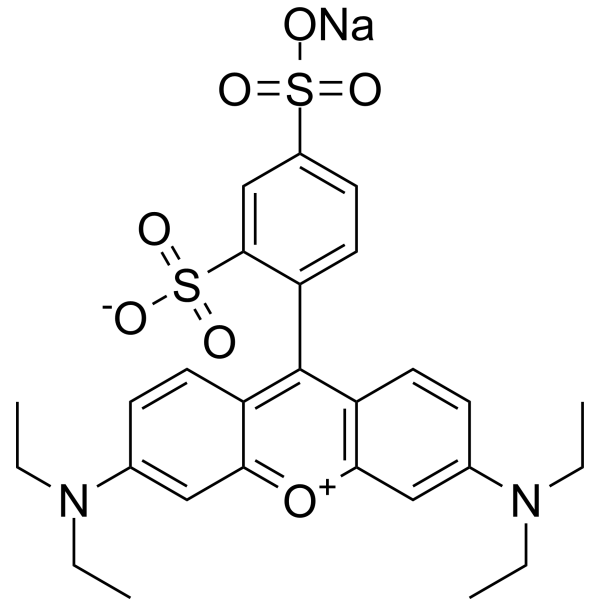
Sulforhodamine B sodium salt is a fluorescent dye with uses spanning from laser-induced fluorescence (LIF) to the quantification of cellular proteins of cultured cells.
loading...
    loading...
3
3 Cited Publications
Cat. No.: HY-B1157
CAS No.: 3902-71-4
Synonyms: Trisoralen; Trioxysalen; TMP
Research Areas:  

Inflammation/Immunology

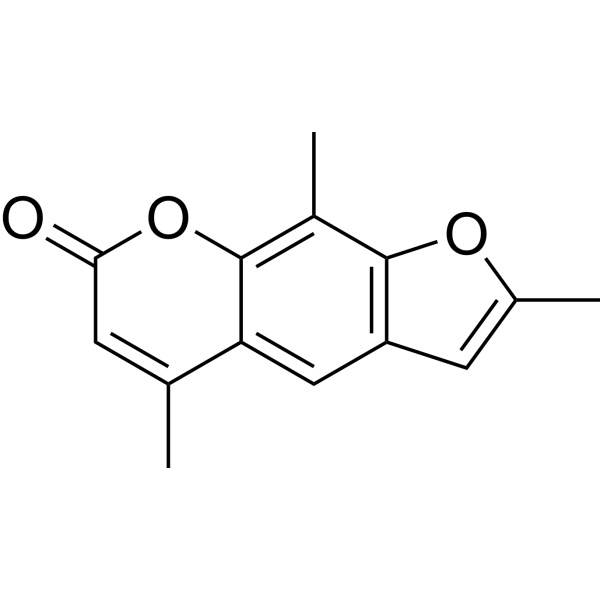
Trioxsalen (Trisoralen), a psoralen derivative, is a photochemical DNA crosslinker. Trioxsalen only works after photoactivation with near ultraviolet light. Trioxsalen is a photosensitizer that can be used for the research of vitiligo and hand eczema. Trioxsalen is used for visualization of genomic interstrand cross-links localized by laser photoactivation .
loading...
    loading...
2
2 Cited Publications
Cat. No.: HY-136886
CAS No.: 172616-80-7
Purity:  96.36%
Synonyms: New Indocyanine Green
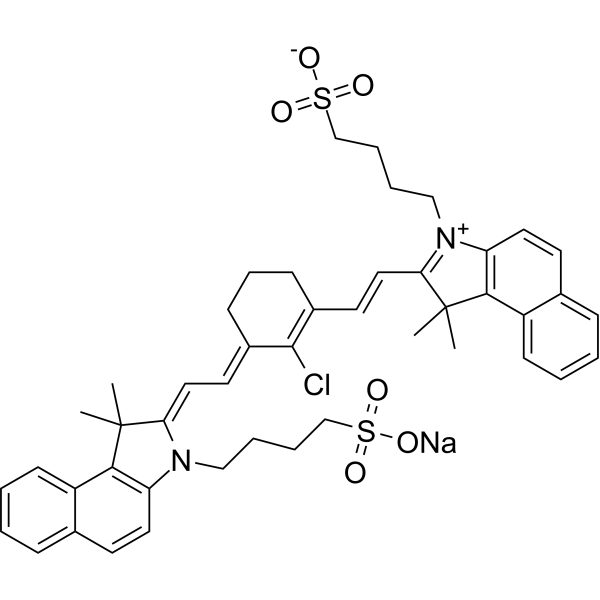
IR-820 (New Indocyanine Green) is an infrared blood pool contrast agent. IR-820 also is normally used as a laser and near-infrared dye to detect and quantify diseased tissue in live animals .
loading...
    loading...
2
2 Cited Publications
Cat. No.: HY-W088089
CAS No.: 181934-09-8
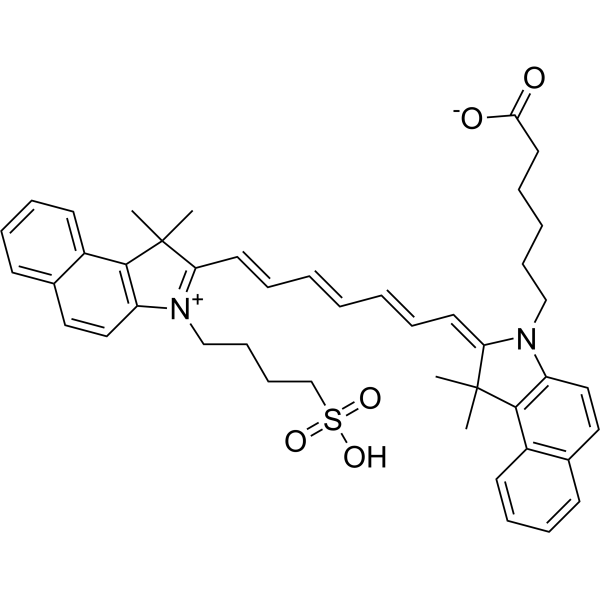
ICG-carboxylic acid is near-infrared (NIR) fluorescent probe. ICG is a fluorescent dye used in medical diagnostics. ICG has absorption peaking at 800 nm and can absorb the near IR laser energy and release heat in the dyed tissue (Ex/Em = 785/810 nm) .
loading...
    loading...
1
1 Cited Publications
Cat. No.: HY-B2228
CAS No.: 9001-92-7
Proteinase, Aspergillus oryzae is a serine protease that hydrolyzes peptide bonds in protein substrates, preferring alkaline conditions (optimal pH 10.5). It efficiently degrades casein, poly-L-glutamic acid, and poly-L-lysine, with activity irreversibly inhibited by diisopropylfluorophosphate (DFP) and potato inhibitor. This enzyme catalyzes proteolysis via serine residues in its active site, finding applications in food processing (e.g., soy sauce fermentation), detergents, and leather industries due to its high yield in solid-state fermentation and cost-effective production.
loading...
    loading...
1
1 Cited Publications
Cat. No.: HY-Y0949
CAS No.: 611-13-2
Synonyms: Methyl furan-2-carboxylate
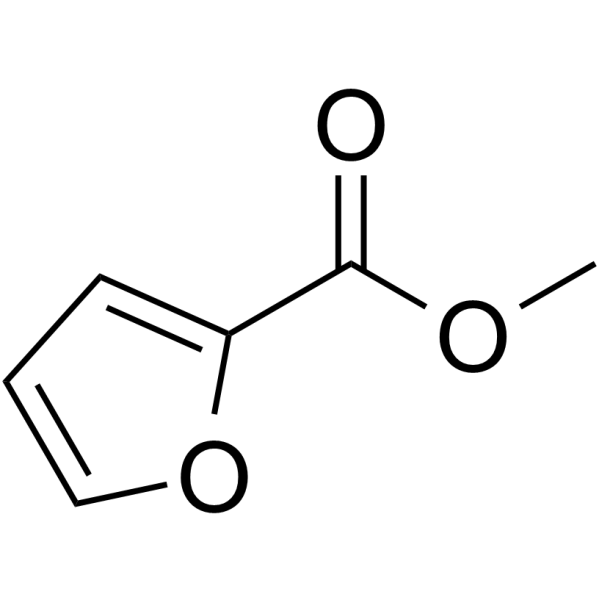
Methyl 2-furoate (Methyl furan-2-carboxylate) is a furan ester and the methyl ester of Furan-2-carboxylic acid (HY-W012946). Methyl 2-furoate is found in the solid-state fermentation of Antrodia camphorata and is formed via the Maillard reaction between pea protein hydrolysates and fructose. Methyl 2-furoate serves as a synthetic intermediate in the synthesis of Furan-2-carbohydrazide .
loading...
    loading...
1
1 Cited Publications
Cat. No.: HY-146245F
Purity:  98.03%
Research Areas:  

Inflammation/Immunology Cancer

FAM-labeled ODN 1826 sodium, a class B CpG ODN (oligodeoxynucleotide), is a TLR9 agonist. FAM-labeled ODN 1826 sodium can be used to evaluate CpG ODN cellular uptake and localization by confocal laser-scanning microscopy or flow cytometry.
loading...
    loading...
1
1 Cited Publications
Cat. No.: HY-W127832
CAS No.: 123148-15-2
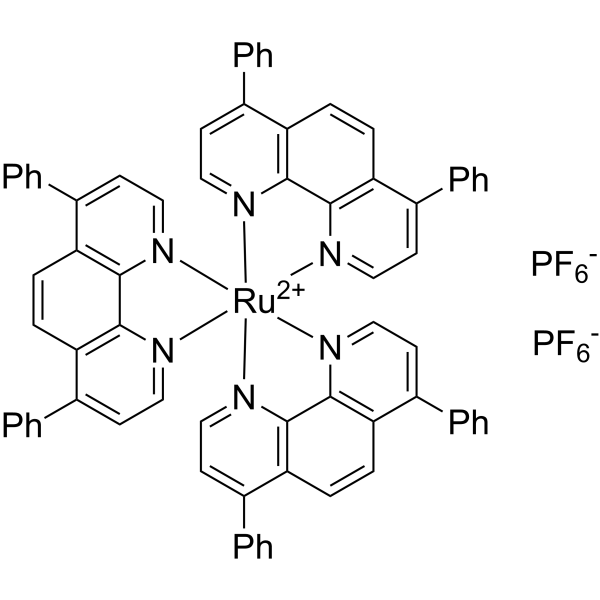
Ru(dpp)3(PF6)2 is a ruthenium (II) polypyridine complex and oxygen-sensing luminophore with excellent photostability and bright orange emission properties based on metal-to-ligand charge transfer (MLCT). Ru(dpp)3(PF6)2 undergoes oxygen-induced collisional luminescence quenching following the Stern-Volmer relationship, and can also engage in Förster-type resonance energy transfer with closed-form BTF6. Featuring excellent photophysical and electrochemical properties, Ru(dpp)3(PF6)2 is applied in studies on quenching-type oxygen sensors based on fluorinated ORMOSIL/xerogels and solid-state light-emitting devices .
loading...
    loading...
Cat. No.: HY-128793
CAS No.: 103-30-0
Purity:  98.23%
Synonyms: (E)-Stilbene
Target:  

Drug Intermediate

Research Areas:  

Others

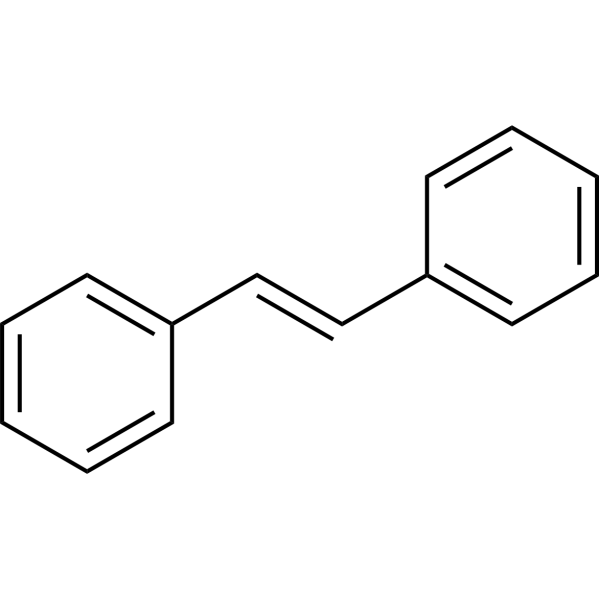
trans-Stilbene ((E)-Stilbene) is used in the manufacturing of dye lasers, optical brighteners, non-steroidal synthetic estrogens .
loading...
    loading...
Cat. No.: HY-D0850
CAS No.: 6106-24-7
Synonyms: Sodium tartrate dibasic dihydrate; Sodium tartrate dihydrate
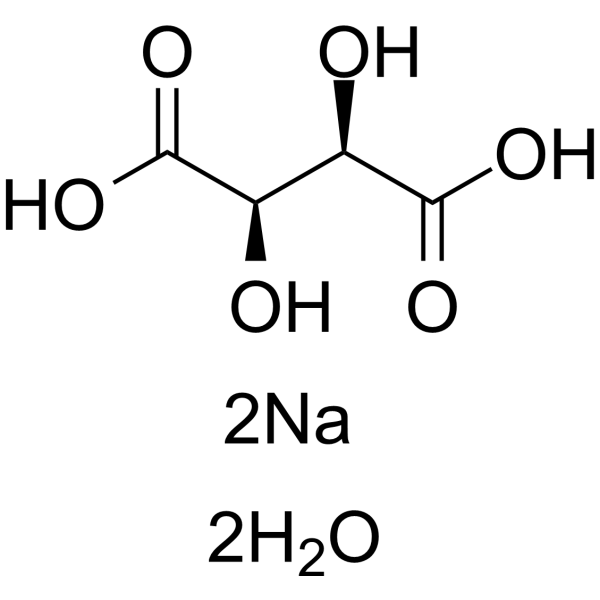
Tartaric acid disodium dehydrate (L-(+) -tartaric acid) is an orally active weak organic acid that can be isolated from grapes. Tartaric acid disodium dehydrate has vasodilatory and antihypertensive effects. Tartaric acid disodium dehydrate can be used as flavorings and antioxidants in a range of foods and beverages. Tartaric acid disodium dehydrate can be used in laser frequency doubling and optical limiting applications .
loading...
    loading...
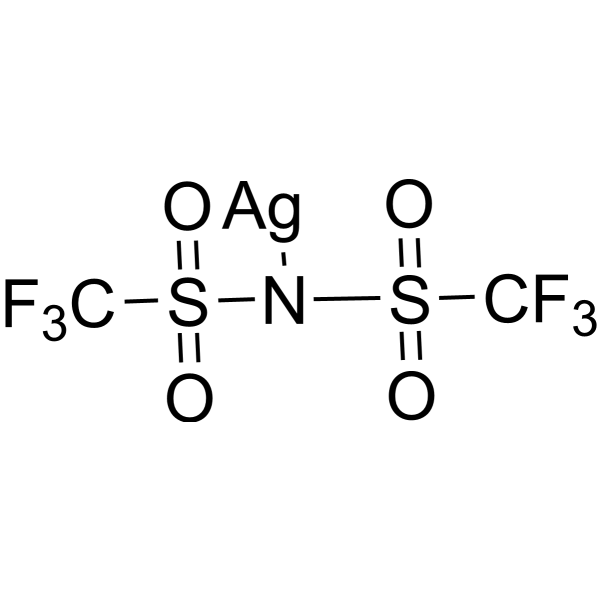
Cat. No.: HY-W021005
CAS No.: 189114-61-2
Synonyms: Silver triflimide
Silver bis(trifluoromethanesulfonyl)imide is a kind of silver salt and is widely used as an organic synthesis catalyst. Silver bis(trifluoromethanesulfonyl)imide is used for the C-3 regioselective alkylation of indole derivatives with α,β -enones through conjugated addition reactions. Silver bis(trifluoromethanesulfonyl)imide can also be used as a highly efficient and stable solid-state dye sensitization and P-type dopant for perovskite solar cells .
loading...
    loading...
Cat. No.: HY-Y0975
CAS No.: 7775-41-9
Research Areas:  

Others

Silver(I) fluoride is a drug intermediate for synthesis of various active compounds. Silver(I) fluoride is a silver(I) complex that can form hydrates in aqueous solutions and in the solid state, enabling its localized application to the tooth decay area for oral health research .
loading...
    loading...
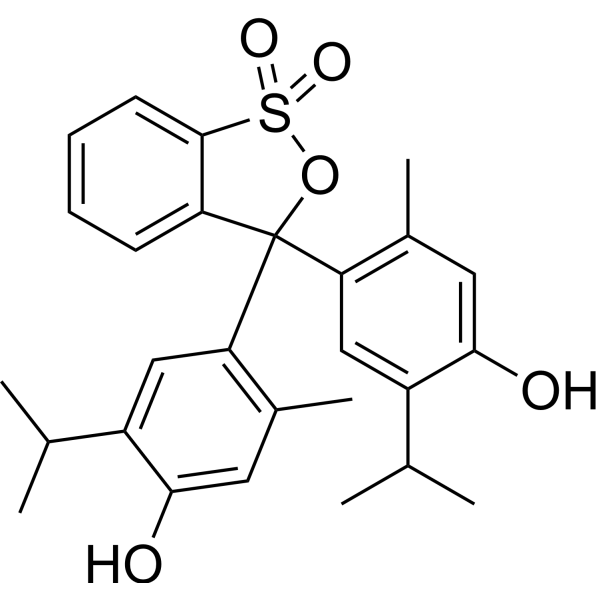
Cat. No.: HY-D0219
CAS No.: 76-61-9
Synonyms: Thymolsulphonephthalein
Thymol blue is a reversible pH indicator that responds to the pH of the solution through structural changes of protonation and deprotonation. Thymol blue is red (HI - form) under acidic conditions and blue (I 2- form) under alkaline conditions. Quantitative detection is achieved through the absorption peak shift (435 nm/596 nm) of the UV-visible spectrum. Thymol blue selectively responds to pH changes, changing from red to yellow at pH 1.2-2.8 and from yellow to blue at pH 8.0-9.6. Thymol blue can be fixed in a silica gel matrix through sol-gel technology to form a solid-state sensor for in-situ pH measurement in the marine environment and acid-base monitoring in the biomedical field[1][2].
loading...
    loading...
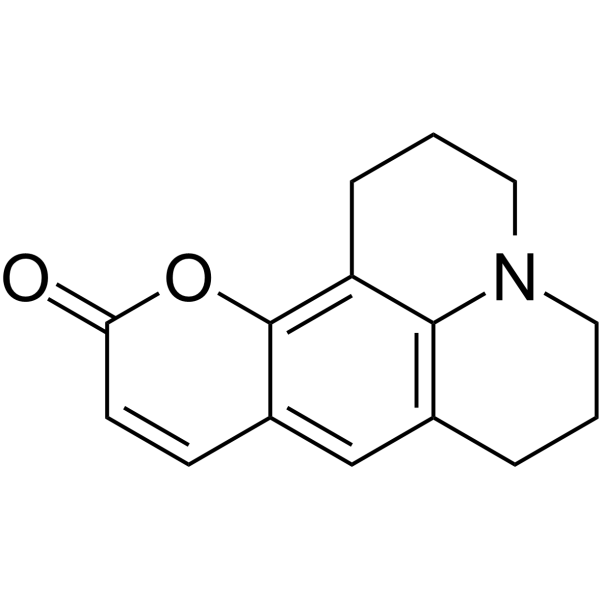
Cat. No.: HY-121930
CAS No.: 58336-35-9
Purity:  99.63%
Coumarin 6H, a Coumarin (HY-N0709) derivative, is a laser dye. The fluorescence emission of Coumarin 6H can be enhanced by hydrogen bonding interactions .
loading...
    loading...
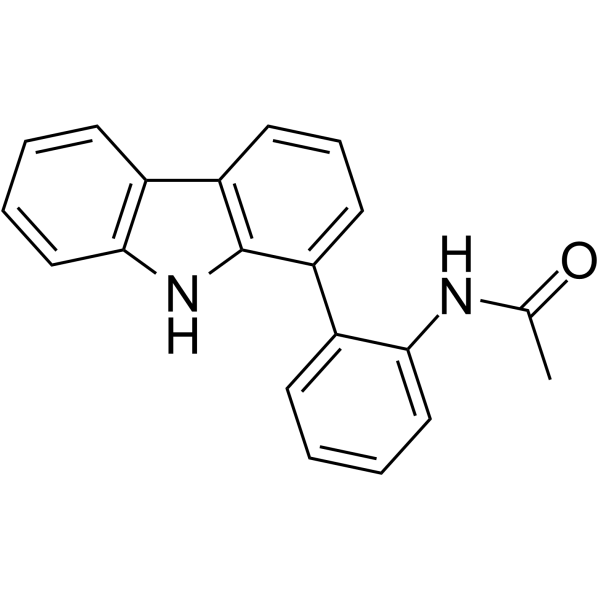
Cat. No.: HY-108708
CAS No.: 2143475-98-1
Purity:  99.91%
Target:  

PARP

Research Areas:  

Cancer

GeA-69 is a selective, allosteric inhibitor of poly-adenosine-diphosphate-ribose polymerase 14 (PARP14) targeting macrodomain 2 (MD2), with a Kd value of 2.1 μM. GeA-69 involves in DNA damage repair mechanisms and prevents recruitment of PARP14 MD2 to sites of laser-induced DNA damage .
loading...
    loading...
Cat. No.: HY-W017469
CAS No.: 487-68-3
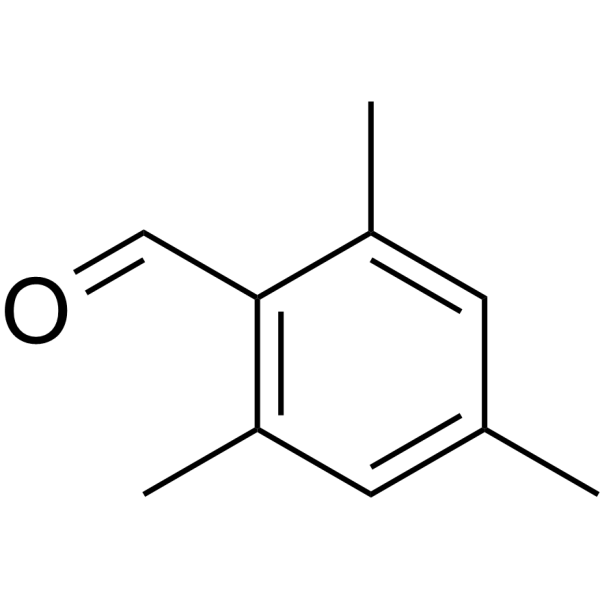
Synonyms: 2,4,6-Trimethylbenzaldehyde
Mesitaldehyde (2,4,6-Trimethylbenzaldehyde) is an ortho-alkyl benzaldehyde and a substrate for photocyclization. When excited by light in the solid state, mesitaldehyde undergoes γ-hydrogen abstraction, which generates a triplet-excited 1,4-diradical or enol intermediate and forms benzocyclobutenol. Mesitaldehyde produces benzocyclobutenol as the sole product with high selectivity via photolysis of its solid-state inclusion complex; in contrast, its photolysis in solution yields a mixture of cyclobutenol and trimesic acid .
loading...
    loading...
Cat. No.: HY-W017054
CAS No.: 115-69-5
Research Areas:  

Others

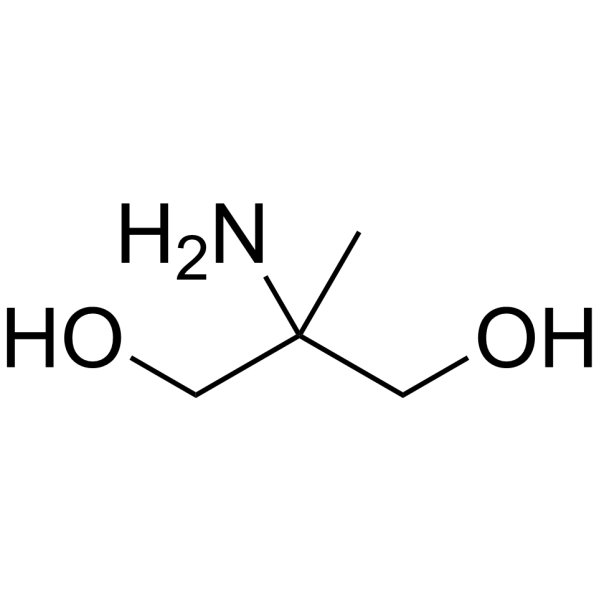
2-Amino-2-methyl-1,3-propanediol is a solid-solid phase change material with energy release and heat storage properties. 2-Amino-2-methyl-1,3-propanediol can crystallize from a supercooled solid state, release thermal energy during heating, and store thermal energy in the supercooled solid state. 2-Amino-2-methyl-1,3-propanediol can be used in the production of surfactants, vulcanization accelerators, and as a biological buffer .
loading...
    loading...

