1. Search Result
Search Result
Results for "

soybean

" in MedChemExpress (MCE) Product Catalog:

138

Inhibitors & Agonists

1

Fluorescent Dye

16

Biochemical Assay Reagents

8

Peptides

40

Natural
Products

12

Isotope-Labeled Compounds

1

Click Chemistry

3

Oligonucleotides

Cat. No. Product Name Target Research Areas Chemical Structure
  • HY-125853
    Phosphatidylcholines,soya
    4 Publications Verification

    soybean phosphatidylcholine

    Liposome Neurological Disease Endocrinology
    Phosphatidylcholines,soya is a phosphatidylcholine from soybean used in the preparation of liposomes. Phosphatidylcholines,soya can be used as a vehicle in animal agent administration .
    Phosphatidylcholines,soya
  • HY-B0112
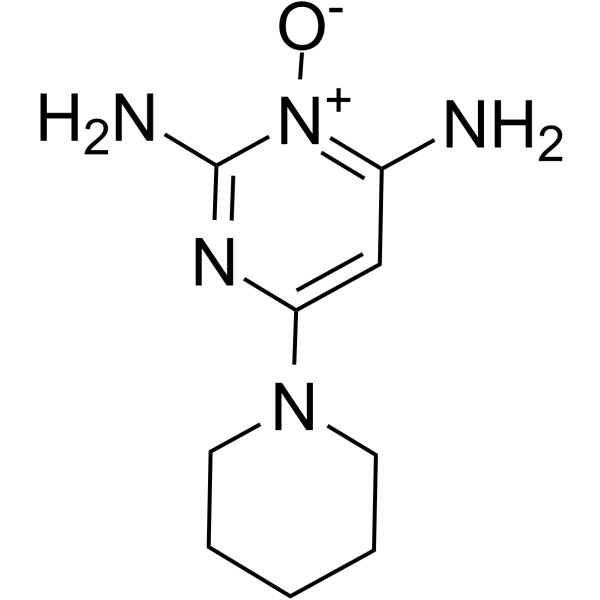
    Minoxidil
    Maximum Cited Publications
    11 Publications Verification

    U10858

    Potassium Channel Endogenous Metabolite Cardiovascular Disease Cancer
    Minoxidil (U10858) is an ATP-sensitive potassium (KATP) channel opener, a potent oral antihypertensive agent and a peripheral vasodilator that promotes vasodilation also affects hair growth. Minoxidil is also a potent inhibitor of soybean lipoxygenaseare with an IC50 of 20 μM .
    Minoxidil
  • HY-126388

    Ser/Thr Protease Others
    Trypsin Inhibitor, soybean is a potent and reversible inhibitor of trypsin .
    Trypsin Inhibitor, soybean
  • HY-N7148
    γ-Tocopherol
    1 Publications Verification

    D-γ-Tocopherol; (+)-γ-Tocopherol

    COX Endogenous Metabolite Inflammation/Immunology Cancer
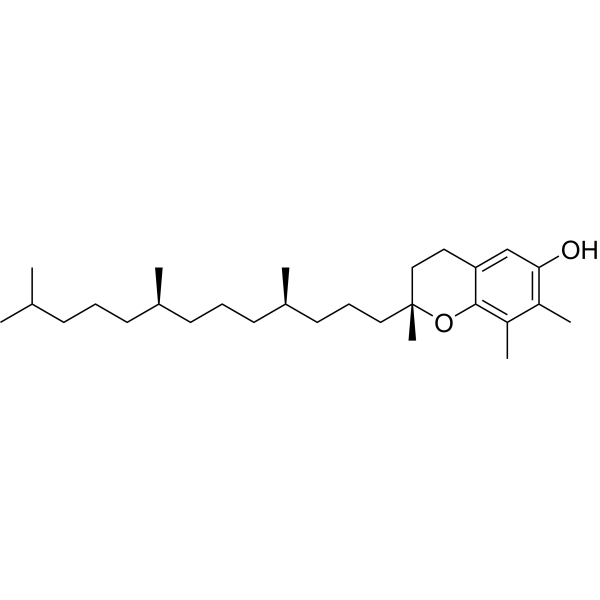
    γ-Tocopherol (D-γ-Tocopherol) is a potent cyclooxygenase (COX) inhibitor. γ-Tocopherol is a naturally occurring form of Vitamin E in many plant seeds, such as corn oil and soybeans. γ-Tocopherol possesses antiinflammatory properties and anti-cancer activity .
    γ-Tocopherol
  • HY-42990

    HSPC; Hydrogenated soybean phosphatidylcholine

    Liposome Metabolic Disease
    Hydrogenated soya phosphatidylcholine (hydrogenated soybean phosphatidylcholine) is a natural product. Hydrogenated soya phosphatidylcholine can extend drug release in regard to drug loading and solubility for oral drug delivery of watersoluble drugs .
    Hydrogenated soya phosphatidylcholine
  • HY-B1934

    Stearic acid methyl ester

    Environmental Pollutants Parasite Others
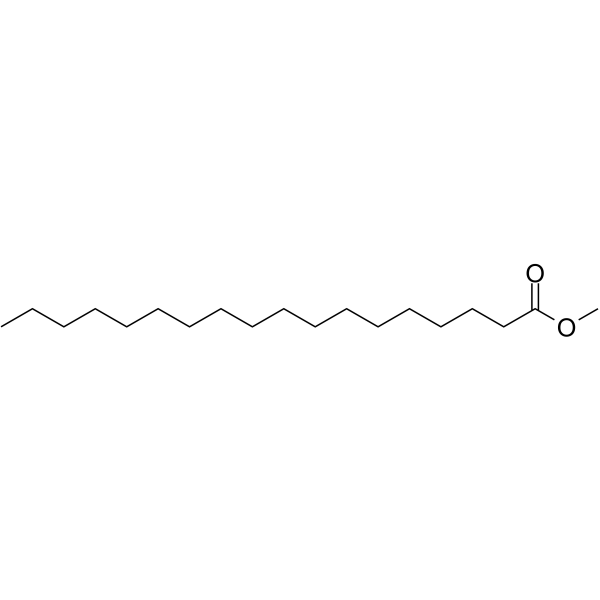
    Methyl stearate, isolated from Rheum palmatum L. is a compopent of of soybean and rapeseed biodiesels .
    Methyl stearate
  • HY-N2335
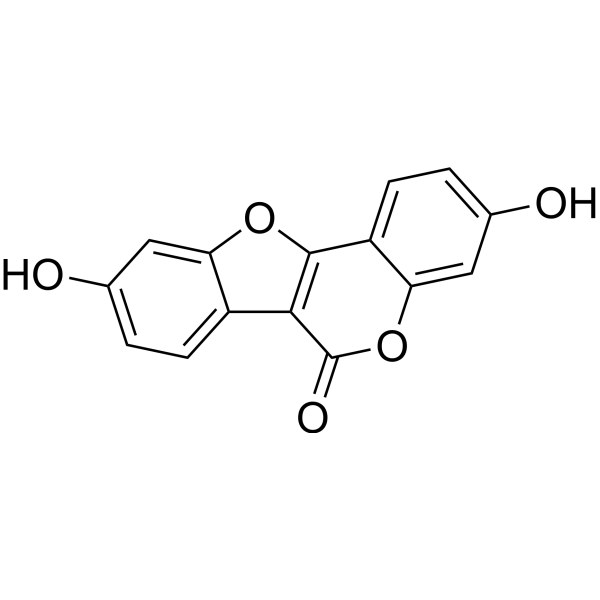
    Coumestrol
    5+ Cited Publications

    Estrogen Receptor/ERR Cancer
    Coumestrol, a phytoestrogen present in soybean products, exhibits activities against cancers, neurological disorders, and autoimmune diseases. It suppresses proliferation of ES2 cells with an IC50 of 50 μM.
    Coumestrol
  • HY-108750
    Soybean oil
    1 Publications Verification

    VT 18 (oil); Vegetoil; Wesson

    Environmental Pollutants Cardiovascular Disease
    Soybean oil (VT 18 (oil); Vegetoil; Wesson) is an edible vegetable oil. Soybean oil reduces circulating blood cholesterol levels when it replaces dietary saturated fats. Soybean oil does not affect inflammatory biomarkers or increase oxidative stress. Soybean oil contains γ-tocopherol and δ-tocopherol, which possess antioxidant properties. Soybean oil can be used in research related to coronary heart disease .
    Soybean oil
  • HY-128429

    (E)-2-Hexenal

    Environmental Pollutants Biochemical Assay Reagents Fungal Infection
    trans-2-Hexenal ((E)-2-Hexenal) is a volatile compound widely present in fresh plants, vegetables, and fruits, with a unique leafy aroma. trans-2-Hexenal has antifungal activity and can also inhibit the germination of soybean seeds and the growth of seedlings. In addition, trans-2-Hexenal can be used to determine low-molecular-weight carbonyl compounds that are reactive with biological nucleophiles in biological samples .
    trans-​2-​Hexenal
  • HY-N2392
    Kukoamine A
    1 Publications Verification

    Parasite Lipoxygenase Opioid Receptor Apoptosis Autophagy Reactive Oxygen Species (ROS) Interleukin Related TNF Receptor PGE synthase COX Infection Neurological Disease Metabolic Disease Inflammation/Immunology Cancer
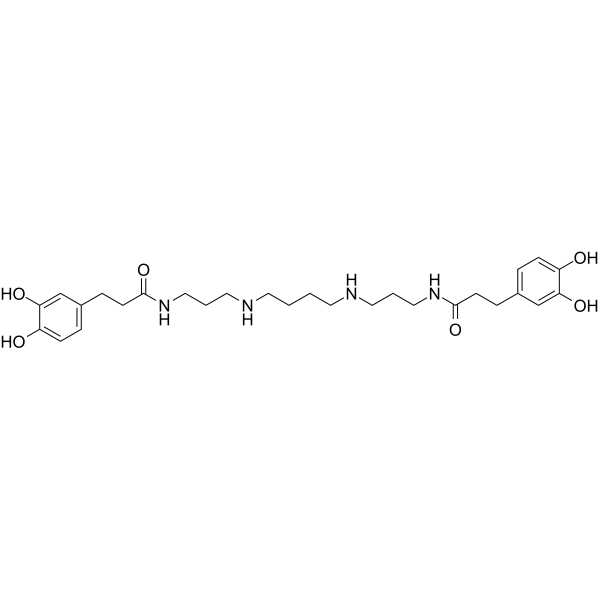
    Kukoamine A, a spermine alkaloid, is an orally active and brain-penetrant component found in the root barks of Lycium chinense (L. chinense) Miller. Kukoamine A inhibits purified Crithidia fasciculata trypanothione reductase and soybean lipoxygenase, activates μ-opioid receptor. Kukoamine A can inhibt cancer cell proliferation, migration and invasion, cause G0/G1 phase cell cycle arrest and induce apoptosis. Kukoamine A exerts neuroprotective effect and can induce autophagy . Kukoamine A inhibits LPS (HY-D1056)-induced NO, ROS, PGE2, TNF-α, IL-1β, IL-6 production and COX-2 activity. Kukoamine A reverses palmitic acid-induced insulin resistance, lipid accumulation, and oxidative stress via downregulation of Srebp-1c. Kukoamine A can be used for the research of cancer, infection, inflammation, metabolic and neurological disease, such as glioblastoma and Parkinson's disease .
    Kukoamine A
  • HY-122984
    Diquat dibromide
    3 Publications Verification

    Environmental Pollutants Herbicide Autophagy Reactive Oxygen Species (ROS) Mitochondrial Metabolism Neurological Disease Endocrinology
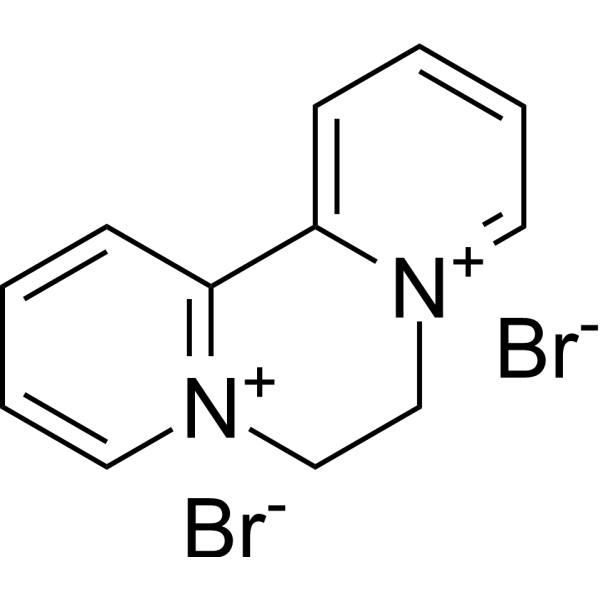
    Diquat dibromide is a comprehensive herbicide. Diquat dibromide increases the production of ROS and triggers mitochondrial Autophagy. Diquat dibromide generates free radicals such as superoxide anions through redox cycles, which induce oxidative stress. Diquat dibromide is cytotoxic, reproductive, and neurotoxic. Diquat dibromide is used in cotton, soybean, and other crops to combat noxious weeds .
    Diquat dibromide
  • HY-B2235C

    Biochemical Assay Reagents Glutathione Peroxidase Metabolic Disease
    L-α-Lecithin (soybean) is an orally active phospholipid. L-α-Lecithin (soybean) increases the bioavailability of Lutein in plasma and eyes of Rattus norvegicus, enhances plasma Glutathione peroxidase activity, and regulates fatty acids in plasma and tissues .
    L-α-Lecithin (soybean)
  • HY-W133891

    Peptones, soybean

    Biochemical Assay Reagents Others
    Peptone from soy (peptones, soybean) is a peptone. Peptone from soy provides nitrogen and carbon sources, as well as other nutrients. Peptone from soy can stimulate/regulate the biosynthesis of cyclic eicosanoids. Peptone from soy induces dose-dependent contraction of guinea pig lung parenchyma. Peptone from soy can be used in microbial and cell culture .
    Peptone from soya
  • HY-136372
    Diquat dibromide hydrate
    3 Publications Verification

    Herbicide Reactive Oxygen Species (ROS) Mitochondrial Metabolism Mitophagy Neurological Disease Metabolic Disease Inflammation/Immunology
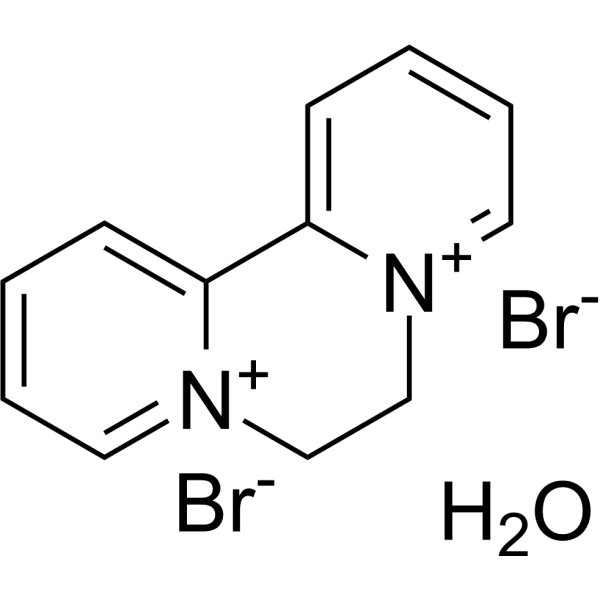
    Diquat dibromide hydrate is a comprehensive herbicide. Diquat dibromide hydrate increases the production of ROS and triggers mitophagy. Diquat dibromide hydrate generates free radicals such as superoxide anions through redox cycles, which induce oxidative stress. Diquat dibromide hydrate is cytotoxic, reproductive, and neurotoxic. Diquat dibromide hydrate is used in cotton, soybean, and other crops to combat noxious weeds .
    Diquat dibromide hydrate
  • HY-Y1422I

    Environmental Pollutants Biochemical Assay Reagents Lipase Others
    Lipase, Pseudomonas fluorescens (Immobilized) is an immobilized biocatalyst derived from Pseudomonas fluorescens. Lipase, Pseudomonas fluorescens (Immobilized) efficiently catalyzes the hydrolysis, esterification and transesterification of triacylglycerols in solvent-free systems, and is particularly suitable for biodiesel production from soybean oil and selective modification of oils rich in EPA and DHA. Lipase, Pseudomonas fluorescens (Immobilized) exhibits optimal activity at pH 8.5 and 45°C, and retains residual activity after repeated cycles of use. Lipase, Pseudomonas fluorescens (Immobilized) is activated by Ca 2+, but inhibited by Co 2+, Ni 2+, Fe 3+, Fe 2+ and EDTA .
    Lipase,Pseudomonas fluorescens (Immobilized)
  • HY-137551

    Environmental Pollutants Protoporphyrinogen IX oxidase Herbicide Others
    Tiafenacil is a new protoporphyrinogen IX oxidase (PPO)-inhibiting herbicide, with IC50 values of 22 to 28 nM for various plant species, including amaranth (Amaranthus tuberculatus), soybean (Glycine max), arabidopsis (Arabidopsis thaliana), and rapeseed (Brassica napus) .
    Tiafenacil
  • HY-121267

    Environmental Pollutants DNA/RNA Synthesis Herbicide Others
    Dicamba is a herbicide. Dicamba is currently used in agriculture and gardening to control the growth of different unwanted vegetable species, mainly in cereal grain crops, but also on sugar cane and soybeans, among others. Dicambais induces significant DNA damage. Dicambais induces genotoxicity and cytotoxicity.
    Dicamba
  • HY-P5285

    Parasite Infection Inflammation/Immunology Cancer
    Lunasin is a bioactive peptide with antioxidant, anti-inflammatory, anticancer and anti-aging properties. Lunasin can be isolated from soybean. Lunasin also has an epigenetic mechanism of action associated with histone acetylation. Lunasin can be internalized into cells and inhibit Oncosphere formation in cancer cells .
    Lunasin
  • HY-P2973

    Aspergillus acid protease

    Proteasome Others
    Aspergillopepsin I (Aspergillus acid protease) is a metal-containing aspartic protease that catalyzes the hydrolysis of peptide bonds in soybean 7S globulin, soybean 11S globulin and various proteins, with broad specificity. Aspergillopepsin I is intended for use in wine production, where it hydrolyzes haze-forming proteins into small peptides to prevent turbidity during storage. Aspergillopepsin I can be used in studies related to soybean protein hydrolysis and wine production .
    Aspergillopepsin I
  • HY-N4073
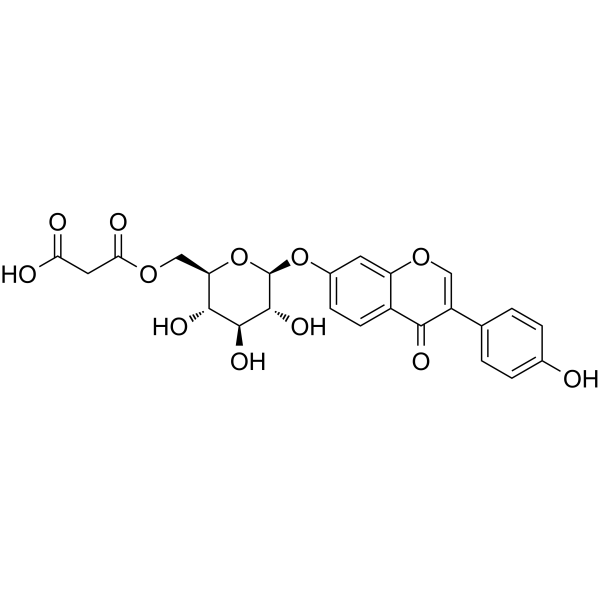
    6"-O-Malonyldaidzin
    1 Publications Verification

    Others Inflammation/Immunology
    6"-O-Malonyldaidzin is a malonylated isoflavone isolated from soybean seeds. 6"-O-Malonyldaidzin may has protective effect on eye .
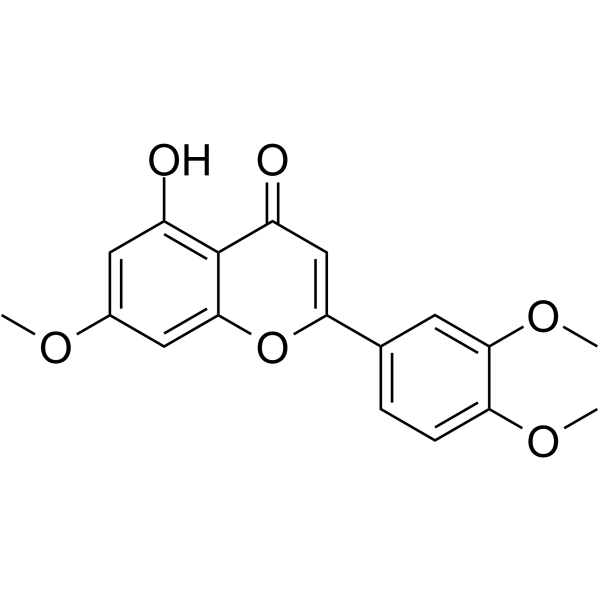
    6
  • HY-W093282

    soybean oil epoxide

    Environmental Pollutants Biochemical Assay Reagents Others
    Epoxidized soya bean oil (ESBO) is a vegetable oil-derived organic compound used as a plasticizer and stabilizer in various applications. It is produced by epoxidation of soybean oil, which introduces epoxy groups into the fatty acid chains of the oil. ESBO is a viscous, pale yellow liquid that is soluble in many organic solvents, such as chloroform and ethanol, but insoluble in water. It is commonly used as a plasticizer in polyvinyl chloride (PVC) products, including toys, food packaging materials and medical devices. In addition to its plasticizing properties, ESBO acts as an antioxidant and UV stabilizer, helping to prevent degradation and discoloration of PVC products over time. ESBOs have been investigated for their potential use in biodegradable plastics and as bio-based alternatives to traditional petroleum-derived plasticizers.
    Epoxidized soya bean oil
  • HY-W040262

    Environmental Pollutants Herbicide Others
    Chlorimuron-ethyl induces oxidative stress. Chlorimuron-ethyl is an important herbicide that has been widely used in soybean production .
    Chlorimuron-ethyl
  • HY-N7698B

    Glycosidase Inflammation/Immunology Cancer
    Hexa-N-acetylchitohexaose is an inducer of disease resistance in crop plants, which could elicit an increase of lignification-related and antioxidative enzymes in soybean plants. Hexa-N-acetylchitohexaose is a substrate of lysozyme. Hexa-N-acetylchitohexaose shows antitumor effect .
    Hexa-N-acetylchitohexaose
  • HY-B0112R

    U10858 (Standard)

    Reference Standards Potassium Channel Endogenous Metabolite Cardiovascular Disease Cancer
    Minoxidil (Standard) is the analytical standard of Minoxidil. This product is intended for research and analytical applications. Minoxidil (U10858) is an ATP-sensitive potassium (KATP) channel opener, a potent oral antihypertensive agent and a peripheral vasodilator that promotes vasodilation also affects hair growth. Minoxidil is also a potent inhibitor of soybean lipoxygenaseare with an IC50 of 20 μM .
    Minoxidil (Standard)
  • HY-B2010

    Environmental Pollutants Reactive Oxygen Species (ROS) Herbicide Protoporphyrinogen IX oxidase Apoptosis Neurological Disease Metabolic Disease Cancer
    Fomesafen is an orally active herbicide. Fomesafen inhibits protoporphyrinogen oxidase (PPO). Fomesafen induces Apoptosis and increases ROS. Fomesafen exhibits developmental toxicity, immunotoxicity, and neurotoxicity. It induces precancerous lesions in the liver and hepaturoporphyria in mice. Fomesafen is used to control broadleaf weeds in soybean fields, rubber plantations, and orchards .
    Fomesafen
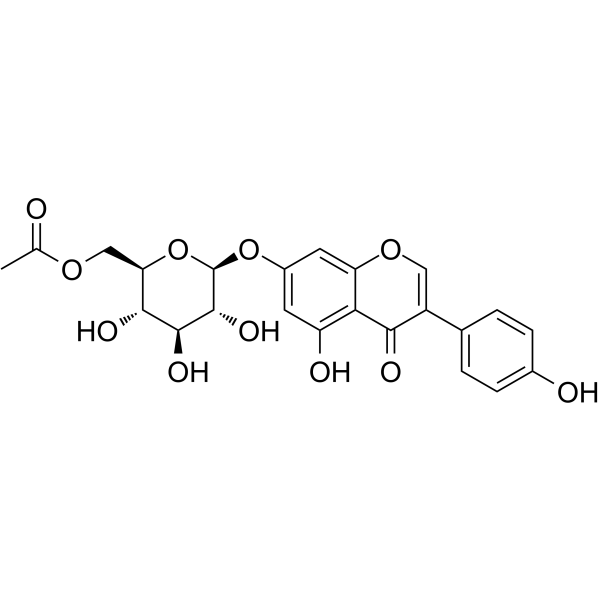
  • HY-N4072
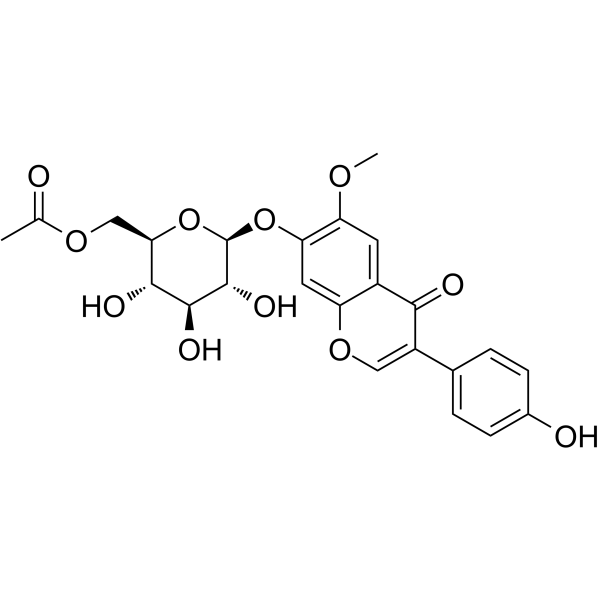
    6''-O-Acetylglycitin
    4 Publications Verification

    Others Metabolic Disease
    6''-O-Acetylglycitin, a acetyl glucoside, is one of the isoflavone isomer in soybeans, shows various extents of content reduction dependent on storage temperature, packaging condition, and its isoflavone isomer kind .
    6''-O-Acetylglycitin
  • HY-114507

    Sumisoya; V-53482

    Environmental Pollutants Herbicide Others
    Flumioxazin (Sumisoya) is an herbicide for use in soybean and peanut. Flumioxazin inhibits the enzyme protoporphyrinogen oxidase . Flumioxazin is a click chemistry reagent, it contains an Alkyne group and can undergo copper-catalyzed azide-alkyne cycloaddition (CuAAc) with molecules containing Azide groups.
    Flumioxazin
  • HY-148423

    Fungal Parasite Infection
    Picarbutrazox is a potent pesticide and fungicide. Picarbutrazox can be used for corn and soybean to control Pythium and Phytophthora. Picarbutrazox can be used in agricultural production and control .
    Picarbutrazox
  • HY-N4070

    Others Others
    6"-O-Acetylgenistin is an isoflavone glycoside isolated from soybeans. 6"-O-Acetylgenistin significantly inhibits lipid peroxidation in rat liver microsome with an IC50 of 10.6 μM .
    6
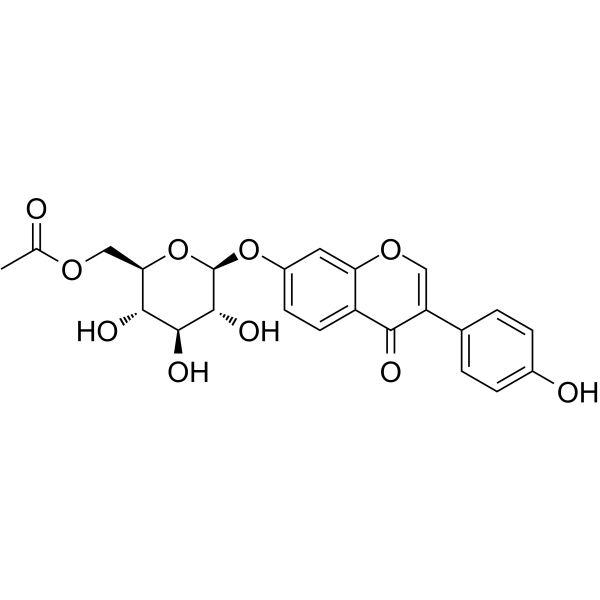
  • HY-N4071

    Others Others
    6"-O-Acetyldaidzin is an isoflavone glycoside isolated from soybeans. 6"-O-Acetyldaidzin significantly inhibits lipid peroxidation in rat liver microsome with an IC50 of 8.2 μM .
    6
  • HY-N16331

    Others Others
    Soybean flour is a defatted and slowly available protein nutrient. Soybean flour can be isolated from the leguminous plant soybean. Soybean flour has antioxidant activity and stabilizes lipids in formulated foods. Soybean flour can be used for food production such as gluten-free bread research .
    Soybean flour
  • HY-NP089

    SBA

    Fluorescent Dye Others
    Soybean Agglutinin (SBA) is a plant lectin that can be used as a probe to specifically bind biomolecules (such as polysaccharides, peptides, etc.).Soybean Agglutinin (SBA) is a biological material or organic compound that can be used in life science research .
    Soybean Agglutinin
  • HY-135298

    Environmental Pollutants Metabolic Disease
    Soya fatty acids is a class of polyunsaturated fatty acids extracted from soybean .
    Soya fatty acids
  • HY-W000932

    Urease Phosphatase Endocrinology
    Butylboronic acid is a competitive soybean urease inhibitor with an IC50 of 2.9 mM and a Ki of 1.5 mM .
    Butylboronic acid
  • HY-157739

    Drug Derivative Others
    1,2-Dioleoyl-3-arachidoylglycerol (AOO) is a triacylglycerol that can be isolated from soybean oil .
    1,2-Dioleoyl-3-arachidoylglycerol
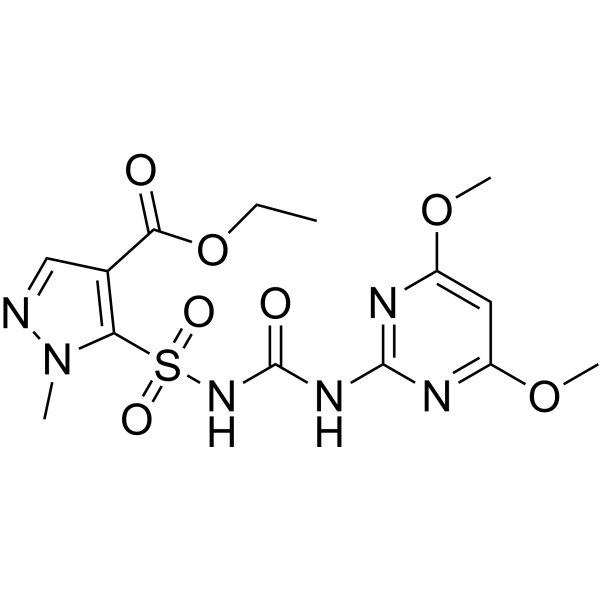
  • HY-B0865
    Pyrazosulfuron-ethyl
    1 Publications Verification

    Acetolactate Synthase (ALS) Others
    Pyrazosulfuron-ethyl, one of the acetolactate synthase inhibiting herbicides in the sulphonylurea family, has been widely used to control weed growth in commercial cereal, soybean, and vegetable fields .
    Pyrazosulfuron-ethyl
  • HY-163311

    Transketolase Herbicide Others
    Transketolase-IN-6 is a potent transketolase inhibitor and a herbicide. Transketolase-IN-6 inhibits root growth of Digitaria sanguinalis, Amaranthus retroflexus, and Setaria viridis. Transketolase-IN-6 shows low phytotoxicity to wheat, maize, soybean, and cotton. Transketolase-IN-6 can be used for the research of herbicidal agent development .
    Transketolase-IN-6
  • HY-175249

    Others
    TKL-IN-2 is a herbicide and SvTKL inhibitor with an IC50 of 0.11 mg/L. TKL-IN-2 binds to the SvTKL active site, interacts with key pocket residues, and inhibits enzyme activity. TKL-IN-2 can be used for the research of weed control in maize, wheat, soybean, and cotton fields .
    TKL-IN-2
  • HY-126176

    Acetolactate Synthase (ALS) Others
    Cloransulam-methyl is a triazolopyrimidine sulfonanilide herbicide. Cloransulam-methyl can be used to control broadleaf weeds in soybean by acetolactate synthase (ALS) inhibition .
    Cloransulam-methyl
  • HY-128429R

    (E)-2-Hexenal (Standard)

    Fungal Biochemical Assay Reagents Reference Standards Infection
    Trans-​2-​Hexenal (Standard) is the analytical standard of Trans-​2-​Hexenal. This product is intended for research and analytical applications. Trans-​2-​Hexenal can be used for the determination of low-molecular-weight carbonyl compounds which are reactive with biological nucleophiles in biological samples .
    Trans-​2-​Hexenal (Standard)
  • HY-NP0188

    SBA (Biotinylated)

    Fluorescent Dye Others
    Soybean Agglutinin (SBA) Biotinylated is a plant lectin that can be used as a probe to specifically bind biomolecules (such as polysaccharides, peptides, etc.).Soybean Agglutinin (SBA) Biotinylated is a biological material or organic compound that can be used in life science research .
    Soybean Agglutinin (Biotinylated)
  • HY-138148

    Lipoxygenase Inflammation/Immunology
    13(S)-HpOTrE(γ) is a monohydroxy PUFA produced by the action of soybean lipoxygenase-1 (LO-1) on γ-linolenic acid. Further action of soybean LO-1 converts 13(S)-HpOTrE(γ) to all four isomers of 6,13-DiHOTrE.2 At concentrations greater than 100 μM, 13(S)-HpOTrE(γ) inhibits the activity of soybean LO-1.
    13(S)-HPOTrE(γ)
  • HY-N2335R

    Reference Standards Estrogen Receptor/ERR Cancer
    Coumestrol (Standard) is the analytical standard of Coumestrol. This product is intended for research and analytical applications. Coumestrol, a phytoestrogen present in soybean products, exhibits activities against cancers, neurological disorders, and autoimmune diseases. It suppresses proliferation of ES2 cells with an IC50 of 50 μM.
    Coumestrol (Standard)
  • HY-W286307

    Environmental Pollutants Herbicide Others
    Haloxyfop-methyl is a high-efficacy herbicide. Haloxyfop-methyl selectively controls several annual and perennial grasses in soybeans and other dicotyledenous crops .
    Haloxyfop-methyl
  • HY-126478

    Proton Pump Others
    Quinabactin is a sulfonamide Abscisic acid (ABA) agonist. Quinabactin promotes guard cell closure, inhibits water loss, and promotes drought tolerance in adult Arabidopsis and soybean plants .
    Quinabactin
  • HY-P10343

    Autophagy Inflammation/Immunology
    Soybean peptide QRPR is an agonist of Autophagy. Soybean peptide QRPR activates cellular autophagy by upregulating the expression and activity of PIK3, AKT, and mTOR. Soybean peptide QRPR can reduce the inflammatory response .
    Soybean peptide QRPR
  • HY-W020020

    Environmental Pollutants Herbicide Others
    Thifensulfuron-methyl is a sulfonylurea herbicide and mainly used for control of broadleaved weeds in wheat, corn, and soybean fields .
    Thifensulfuron-methyl
  • HY-123643

    Lissamine flavine

    Biochemical Assay Reagents Others
    Brilliant Sulfaflavine is used as a fluorescent tracer. Used to study the application rate of foliar fungicides for soybean rust control.
    Brilliant sulfaflavine
  • HY-P4287

    Amino Acid Derivatives Others
    H-Gly-Lys-Gly-OH is a tripeptide containing glycine and lysine. H-Gly-Lys-Gly-OH can be used for the synthesis of casein and soybean protein .
    H-Gly-Lys-Gly-OH
  • HY-B1934R

    Stearic acid methyl ester (Standard)

    Reference Standards Parasite Others
    Methyl stearate (Standard) is the analytical standard of Methyl stearate. This product is intended for research and analytical applications. Methyl stearate, isolated from Rheum palmatum L. is a compopent of of soybean and rapeseed biodiesels .
    Methyl stearate (Standard)

Inquiry Online

Your information is safe with us. * Required Fields.

Salutation


Country or Region *

Applicant Name *


Organization Name *

Department *


Email Address *


Product Name *

Cat. No.


Requested quantity *

Phone Number *


Remarks

Inquiry Online

Inquiry Information

Product Name:
Cat. No.:
Quantity:
MCE Japan Authorized Agent:

