
Search Result
Results for "
soybeans
" in MedChemExpress (MCE) Product Catalog:
16
Biochemical Assay Reagents
12
Isotope-Labeled Compounds
| Cat. No. |
Product Name |
Target |
Research Areas |
Chemical Structure |
-
- HY-125853
-
|
Soybean phosphatidylcholine
|
Liposome
|
Neurological Disease
Endocrinology
|
|
Phosphatidylcholines,soya is a phosphatidylcholine from soybean used in the preparation of liposomes. Phosphatidylcholines,soya can be used as a vehicle in animal agent administration .
|
-
-
- HY-B0112
-
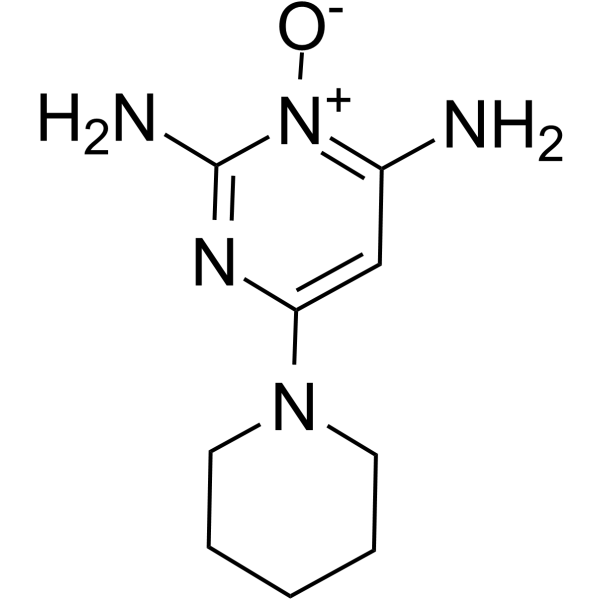
Minoxidil
Maximum Cited Publications
11 Publications Verification
U10858
|
Potassium Channel
Endogenous Metabolite
|
Cardiovascular Disease
Cancer
|
|
Minoxidil (U10858) is an ATP-sensitive potassium (KATP) channel opener, a potent oral antihypertensive agent and a peripheral vasodilator that promotes vasodilation also affects hair growth. Minoxidil is also a potent inhibitor of soybean lipoxygenaseare with an IC50 of 20 μM .
|
-
-
- HY-126388
-
-
-
- HY-N7148
-
|
D-γ-Tocopherol; (+)-γ-Tocopherol
|
COX
Endogenous Metabolite
|
Inflammation/Immunology
Cancer
|
|
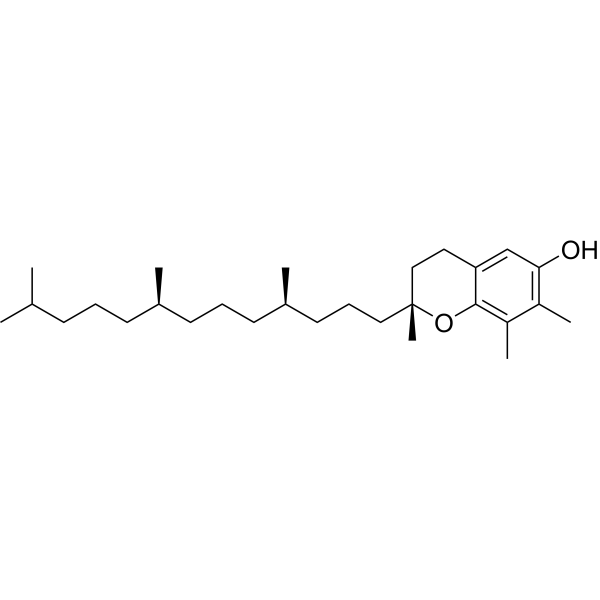
γ-Tocopherol (D-γ-Tocopherol) is a potent cyclooxygenase (COX) inhibitor. γ-Tocopherol is a naturally occurring form of Vitamin E in many plant seeds, such as corn oil and soybeans. γ-Tocopherol possesses antiinflammatory properties and anti-cancer activity .
|
-
-
- HY-42990
-
|
HSPC; Hydrogenated soybean phosphatidylcholine
|
Liposome
|
Metabolic Disease
|
|
Hydrogenated soya phosphatidylcholine (hydrogenated soybean phosphatidylcholine) is a natural product. Hydrogenated soya phosphatidylcholine can extend drug release in regard to drug loading and solubility for oral drug delivery of watersoluble drugs .
|
-
-
- HY-B1934
-
-
-
- HY-N2335
-
|
|
Estrogen Receptor/ERR
|
Cancer
|
|
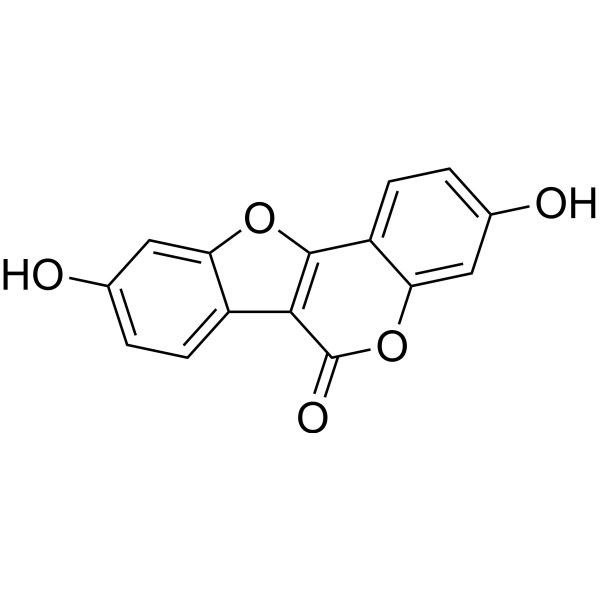
Coumestrol, a phytoestrogen present in soybean products, exhibits activities against cancers, neurological disorders, and autoimmune diseases. It suppresses proliferation of ES2 cells with an IC50 of 50 μM.
|
-
-
- HY-128429
-
|
(E)-2-Hexenal
|
Environmental Pollutants
Biochemical Assay Reagents
Fungal
|
Infection
|
|
trans-2-Hexenal ((E)-2-Hexenal) is a volatile compound widely present in fresh plants, vegetables, and fruits, with a unique leafy aroma. trans-2-Hexenal has antifungal activity and can also inhibit the germination of soybean seeds and the growth of seedlings. In addition, trans-2-Hexenal can be used to determine low-molecular-weight carbonyl compounds that are reactive with biological nucleophiles in biological samples .
|
-
-
- HY-108750
-
|
VT 18 (oil); Vegetoil; Wesson
|
Environmental Pollutants
|
Cardiovascular Disease
|
|
Soybean oil (VT 18 (oil); Vegetoil; Wesson) is an edible vegetable oil. Soybean oil reduces circulating blood cholesterol levels when it replaces dietary saturated fats. Soybean oil does not affect inflammatory biomarkers or increase oxidative stress. Soybean oil contains γ-tocopherol and δ-tocopherol, which possess antioxidant properties. Soybean oil can be used in research related to coronary heart disease .
|
-
-
- HY-N2392
-
|
|
Parasite
Lipoxygenase
Opioid Receptor
Apoptosis
Autophagy
Reactive Oxygen Species (ROS)
Interleukin Related
TNF Receptor
PGE synthase
COX
|
Infection
Neurological Disease
Metabolic Disease
Inflammation/Immunology
Cancer
|
|
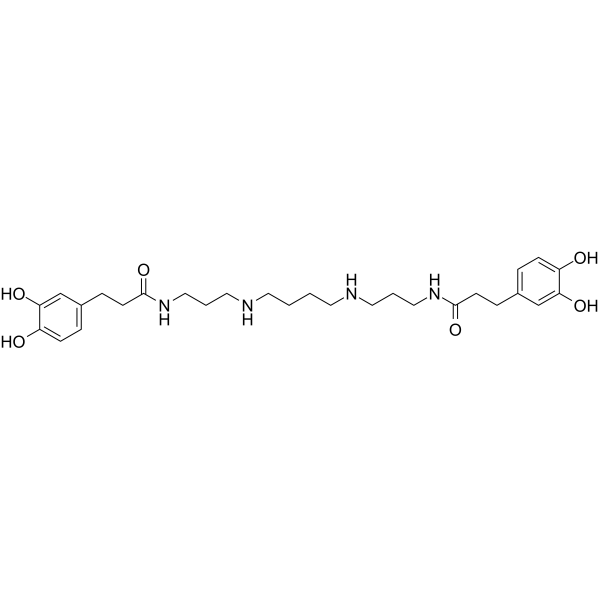
Kukoamine A, a spermine alkaloid, is an orally active and brain-penetrant component found in the root barks of Lycium chinense (L. chinense) Miller. Kukoamine A inhibits purified Crithidia fasciculata trypanothione reductase and soybean lipoxygenase, activates μ-opioid receptor. Kukoamine A can inhibt cancer cell proliferation, migration and invasion, cause G0/G1 phase cell cycle arrest and induce apoptosis. Kukoamine A exerts neuroprotective effect and can induce autophagy . Kukoamine A inhibits LPS (HY-D1056)-induced NO, ROS, PGE2, TNF-α, IL-1β, IL-6 production and COX-2 activity. Kukoamine A reverses palmitic acid-induced insulin resistance, lipid accumulation, and oxidative stress via downregulation of Srebp-1c. Kukoamine A can be used for the research of cancer, infection, inflammation, metabolic and neurological disease, such as glioblastoma and Parkinson's disease .
|
-
-
- HY-122984
-
-
-
- HY-136372
-
-
-
- HY-B2235C
-
|
|
Biochemical Assay Reagents
Glutathione Peroxidase
|
Metabolic Disease
|
|
L-α-Lecithin (soybean) is an orally active phospholipid. L-α-Lecithin (soybean) increases the bioavailability of Lutein in plasma and eyes of Rattus norvegicus, enhances plasma Glutathione peroxidase activity, and regulates fatty acids in plasma and tissues .
|
-
-
- HY-Y1422I
-
|
|
Environmental Pollutants
Biochemical Assay Reagents
Lipase
|
Others
|
Lipase, Pseudomonas fluorescens (Immobilized) is an immobilized biocatalyst derived from Pseudomonas fluorescens. Lipase, Pseudomonas fluorescens (Immobilized) efficiently catalyzes the hydrolysis, esterification and transesterification of triacylglycerols in solvent-free systems, and is particularly suitable for biodiesel production from soybean oil and selective modification of oils rich in EPA and DHA. Lipase, Pseudomonas fluorescens (Immobilized) exhibits optimal activity at pH 8.5 and 45°C, and retains residual activity after repeated cycles of use. Lipase, Pseudomonas fluorescens (Immobilized) is activated by Ca 2+, but inhibited by Co 2+, Ni 2+, Fe 3+, Fe 2+ and EDTA .
|
-
-
- HY-137551
-
|
|
Environmental Pollutants
Protoporphyrinogen IX oxidase
Herbicide
|
Others
|
|
Tiafenacil is a new protoporphyrinogen IX oxidase (PPO)-inhibiting herbicide, with IC50 values of 22 to 28 nM for various plant species, including amaranth (Amaranthus tuberculatus), soybean (Glycine max), arabidopsis (Arabidopsis thaliana), and rapeseed (Brassica napus) .
|
-
-
- HY-121267
-
|
|
Environmental Pollutants
DNA/RNA Synthesis
Herbicide
|
Others
|
|
Dicamba is a herbicide. Dicamba is currently used in agriculture and gardening to control the growth of different unwanted vegetable species, mainly in cereal grain crops, but also on sugar cane and soybeans, among others. Dicambais induces significant DNA damage. Dicambais induces genotoxicity and cytotoxicity.
|
-
-
- HY-P5285
-
|
|
Parasite
|
Infection
Inflammation/Immunology
Cancer
|
|
Lunasin is a bioactive peptide with antioxidant, anti-inflammatory, anticancer and anti-aging properties. Lunasin can be isolated from soybean. Lunasin also has an epigenetic mechanism of action associated with histone acetylation. Lunasin can be internalized into cells and inhibit Oncosphere formation in cancer cells .
|
-
-
- HY-136633
-
|
|
Environmental Pollutants
Herbicide
|
Others
|
|
Pyroxasulfone is a broad-spectrum pyrazole Herbicide. Pyroxasulfone is effective against a variety of annual grass weeds and some broadleaf weeds. Pyroxasulfone causes reduced plant height, decreased above-ground dry weight and yield loss in pinto beans and red Mexican beans .
|
-
-
- HY-P2973
-
|
Aspergillus acid protease
|
Proteasome
|
Others
|
|
Aspergillopepsin I (Aspergillus acid protease) is a metal-containing aspartic protease that catalyzes the hydrolysis of peptide bonds in soybean 7S globulin, soybean 11S globulin and various proteins, with broad specificity. Aspergillopepsin I is intended for use in wine production, where it hydrolyzes haze-forming proteins into small peptides to prevent turbidity during storage. Aspergillopepsin I can be used in studies related to soybean protein hydrolysis and wine production .
|
-
-
- HY-N4073
-
|
|
Others
|
Inflammation/Immunology
|
|
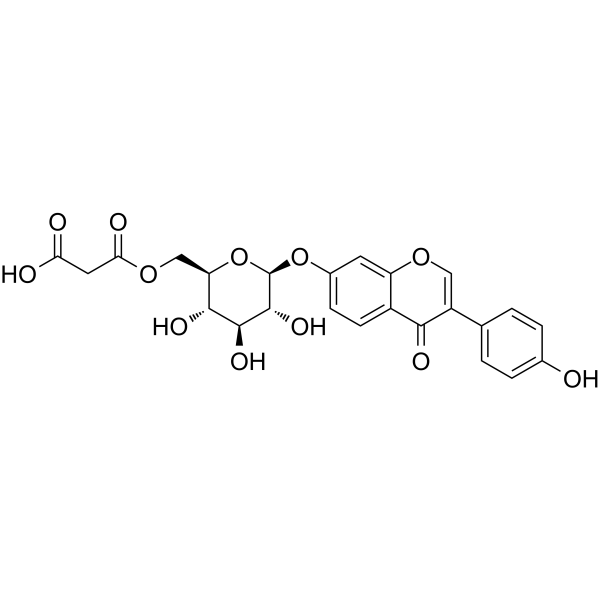
6"-O-Malonyldaidzin is a malonylated isoflavone isolated from soybean seeds. 6"-O-Malonyldaidzin may has protective effect on eye .
|
-
-
- HY-W040262
-
-
-
- HY-N7698B
-
|
|
Glycosidase
|
Inflammation/Immunology
Cancer
|
|
Hexa-N-acetylchitohexaose is an inducer of disease resistance in crop plants, which could elicit an increase of lignification-related and antioxidative enzymes in soybean plants. Hexa-N-acetylchitohexaose is a substrate of lysozyme. Hexa-N-acetylchitohexaose shows antitumor effect .
|
-
-
- HY-B0112R
-
|
U10858 (Standard)
|
Reference Standards
Potassium Channel
Endogenous Metabolite
|
Cardiovascular Disease
Cancer
|
|
Minoxidil (Standard) is the analytical standard of Minoxidil. This product is intended for research and analytical applications. Minoxidil (U10858) is an ATP-sensitive potassium (KATP) channel opener, a potent oral antihypertensive agent and a peripheral vasodilator that promotes vasodilation also affects hair growth. Minoxidil is also a potent inhibitor of soybean lipoxygenaseare with an IC50 of 20 μM .
|
-
-
- HY-B2010
-
-
-
- HY-N4072
-
|
|
Others
|
Metabolic Disease
|
|
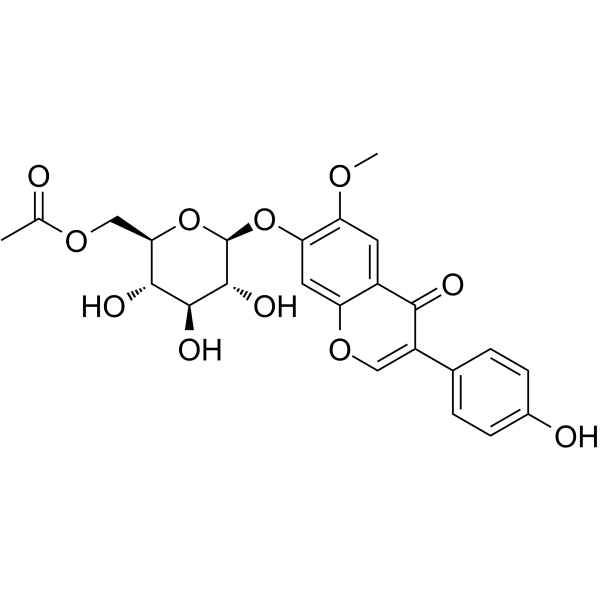
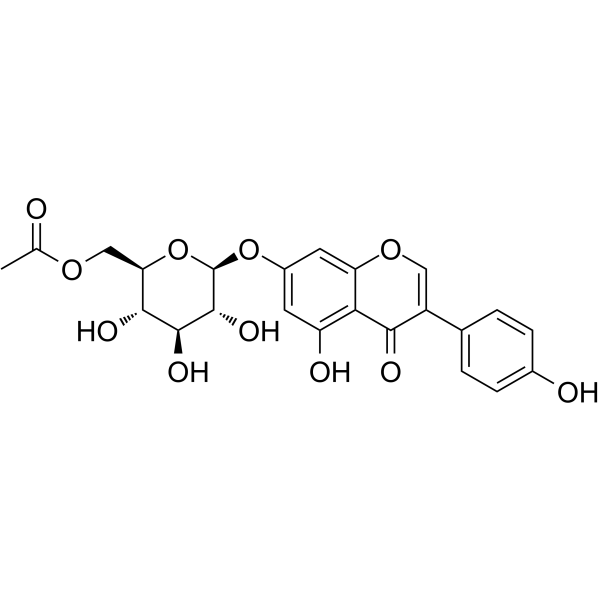
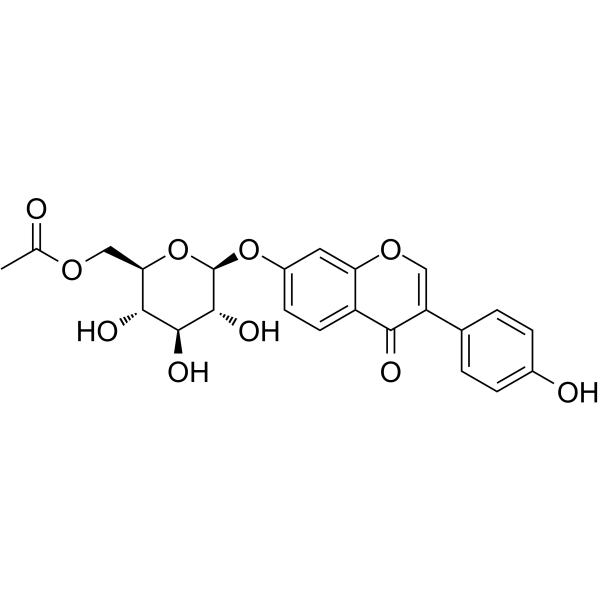
6''-O-Acetylglycitin, a acetyl glucoside, is one of the isoflavone isomer in soybeans, shows various extents of content reduction dependent on storage temperature, packaging condition, and its isoflavone isomer kind .
|
-
-
- HY-114507
-
|
Sumisoya; V-53482
|
Environmental Pollutants
Herbicide
|
Others
|
|
Flumioxazin (Sumisoya) is an herbicide for use in soybean and peanut. Flumioxazin inhibits the enzyme protoporphyrinogen oxidase . Flumioxazin is a click chemistry reagent, it contains an Alkyne group and can undergo copper-catalyzed azide-alkyne cycloaddition (CuAAc) with molecules containing Azide groups.
|
-
-
- HY-148423
-
|
|
Fungal
Parasite
|
Infection
|
|
Picarbutrazox is a potent pesticide and fungicide. Picarbutrazox can be used for corn and soybean to control Pythium and Phytophthora. Picarbutrazox can be used in agricultural production and control .
|
-
-
- HY-N4070
-
|
|
Others
|
Others
|
|
6"-O-Acetylgenistin is an isoflavone glycoside isolated from soybeans. 6"-O-Acetylgenistin significantly inhibits lipid peroxidation in rat liver microsome with an IC50 of 10.6 μM .
|
-
-
- HY-N4071
-
|
|
Others
|
Others
|
|
6"-O-Acetyldaidzin is an isoflavone glycoside isolated from soybeans. 6"-O-Acetyldaidzin significantly inhibits lipid peroxidation in rat liver microsome with an IC50 of 8.2 μM .
|
-
-
- HY-N16331
-
|
|
Others
|
Others
|
|
Soybean flour is a defatted and slowly available protein nutrient. Soybean flour can be isolated from the leguminous plant soybean. Soybean flour has antioxidant activity and stabilizes lipids in formulated foods. Soybean flour can be used for food production such as gluten-free bread research .
|
-
-
- HY-135298
-
-
-
- HY-W000932
-
-
-
- HY-157739
-
|
|
Drug Derivative
|
Others
|
|
1,2-Dioleoyl-3-arachidoylglycerol (AOO) is a triacylglycerol that can be isolated from soybean oil .
|
-
-
- HY-B0865
-
|
|
Acetolactate Synthase (ALS)
|
Others
|
|
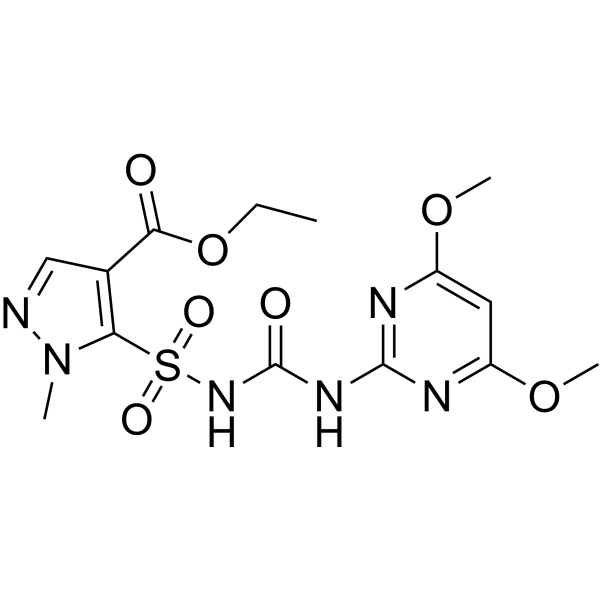
Pyrazosulfuron-ethyl, one of the acetolactate synthase inhibiting herbicides in the sulphonylurea family, has been widely used to control weed growth in commercial cereal, soybean, and vegetable fields .
|
-
-
- HY-163311
-
|
|
Transketolase
Herbicide
|
Others
|
|
Transketolase-IN-6 is a potent transketolase inhibitor and a herbicide. Transketolase-IN-6 inhibits root growth of Digitaria sanguinalis, Amaranthus retroflexus, and Setaria viridis. Transketolase-IN-6 shows low phytotoxicity to wheat, maize, soybean, and cotton. Transketolase-IN-6 can be used for the research of herbicidal agent development .
|
-
-
- HY-175249
-
|
|
|
Others
|
|
TKL-IN-2 is a herbicide and SvTKL inhibitor with an IC50 of 0.11 mg/L. TKL-IN-2 binds to the SvTKL active site, interacts with key pocket residues, and inhibits enzyme activity. TKL-IN-2 can be used for the research of weed control in maize, wheat, soybean, and cotton fields .
|
-
-
- HY-NP089
-
|
SBA
|
Fluorescent Dye
|
Others
|
|
Soybean Agglutinin (SBA) is a plant lectin that can be used as a probe to specifically bind biomolecules (such as polysaccharides, peptides, etc.).Soybean Agglutinin (SBA) is a biological material or organic compound that can be used in life science research .
|
-
-
- HY-126176
-
|
|
Acetolactate Synthase (ALS)
|
Others
|
|
Cloransulam-methyl is a triazolopyrimidine sulfonanilide herbicide. Cloransulam-methyl can be used to control broadleaf weeds in soybean by acetolactate synthase (ALS) inhibition .
|
-
-
- HY-128429R
-
|
(E)-2-Hexenal (Standard)
|
Fungal
Biochemical Assay Reagents
Reference Standards
|
Infection
|
|
Trans-2-Hexenal (Standard) is the analytical standard of Trans-2-Hexenal. This product is intended for research and analytical applications. Trans-2-Hexenal can be used for the determination of low-molecular-weight carbonyl compounds which are reactive with biological nucleophiles in biological samples .
|
-
-
- HY-NP0188
-
|
SBA (Biotinylated)
|
Fluorescent Dye
|
Others
|
|
Soybean Agglutinin (SBA) Biotinylated is a plant lectin that can be used as a probe to specifically bind biomolecules (such as polysaccharides, peptides, etc.).Soybean Agglutinin (SBA) Biotinylated is a biological material or organic compound that can be used in life science research .
|
-
-
- HY-138148
-
|
|
Lipoxygenase
|
Inflammation/Immunology
|
|
13(S)-HpOTrE(γ) is a monohydroxy PUFA produced by the action of soybean lipoxygenase-1 (LO-1) on γ-linolenic acid. Further action of soybean LO-1 converts 13(S)-HpOTrE(γ) to all four isomers of 6,13-DiHOTrE.2 At concentrations greater than 100 μM, 13(S)-HpOTrE(γ) inhibits the activity of soybean LO-1.
|
-
-
- HY-N2335R
-
|
|
Reference Standards
Estrogen Receptor/ERR
|
Cancer
|
|
Coumestrol (Standard) is the analytical standard of Coumestrol. This product is intended for research and analytical applications. Coumestrol, a phytoestrogen present in soybean products, exhibits activities against cancers, neurological disorders, and autoimmune diseases. It suppresses proliferation of ES2 cells with an IC50 of 50 μM.
|
-
-
- HY-W286307
-
|
|
Environmental Pollutants
Herbicide
|
Others
|
|
Haloxyfop-methyl is a high-efficacy herbicide. Haloxyfop-methyl selectively controls several annual and perennial grasses in soybeans and other dicotyledenous crops .
|
-
-
- HY-126478
-
|
|
Proton Pump
|
Others
|
|
Quinabactin is a sulfonamide Abscisic acid (ABA) agonist. Quinabactin promotes guard cell closure, inhibits water loss, and promotes drought tolerance in adult Arabidopsis and soybean plants .
|
-
-
- HY-W020020
-
-
-
- HY-123643
-
|
Lissamine flavine
|
Biochemical Assay Reagents
|
Others
|
|
Brilliant Sulfaflavine is used as a fluorescent tracer. Used to study the application rate of foliar fungicides for soybean rust control.
|
-
-
- HY-P4287
-
|
|
Amino Acid Derivatives
|
Others
|
|
H-Gly-Lys-Gly-OH is a tripeptide containing glycine and lysine. H-Gly-Lys-Gly-OH can be used for the synthesis of casein and soybean protein .
|
-
-
- HY-B1934R
-
|
Stearic acid methyl ester (Standard)
|
Reference Standards
Parasite
|
Others
|
|
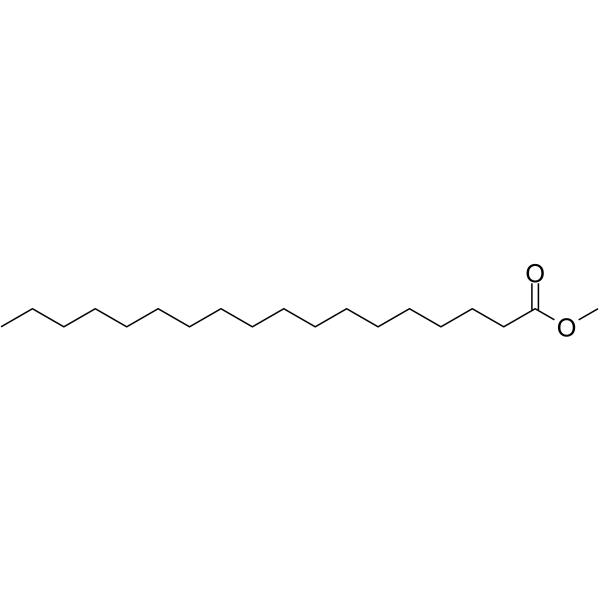
Methyl stearate (Standard) is the analytical standard of Methyl stearate. This product is intended for research and analytical applications. Methyl stearate, isolated from Rheum palmatum L. is a compopent of of soybean and rapeseed biodiesels .
|
-
-
- HY-N10020
-
|
|
Lipoxygenase
|
Inflammation/Immunology
|
|
Patulitrin has scavenging effect in the DPPH radical. Patulitrin inhibits soybean lipoxygenase. Patulitrin also has antihypertensive effect. Patulitrin is an antioxidant flavonoid that can be isolated from Anthemis tinctoria .
|
-
-
- HY-P10343
-
|
|
Autophagy
|
Inflammation/Immunology
|
|
Soybean peptide QRPR is an agonist of Autophagy. Soybean peptide QRPR activates cellular autophagy by upregulating the expression and activity of PIK3, AKT, and mTOR. Soybean peptide QRPR can reduce the inflammatory response .
|
-
- HY-122984R
-
|
|
Herbicide
Reference Standards
|
Others
|
|
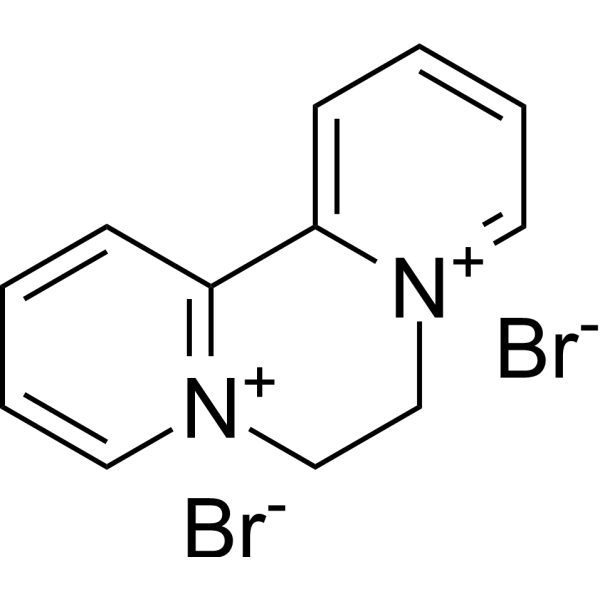
Diquat (dibromide) (Standard) is the analytical standard of Diquat (dibromide). This product is intended for research and analytical applications. Diquat dibromide is a comprehensive herbicide commonly used in the cultivation of cotton, soybeans, and other crops to combat unwanted weeds. Diquat dibromide has an IC50 of 60 mg/L in the Allium root growth inhibition test .
|
-
- HY-131844
-
|
N6-Benzoyladenosine-5'-O-monophosphate
|
Endogenous Metabolite
|
Others
|
|
6-Bnz-5'-AMP is a lipophilic analogue of adenosine-5'-O-monophosphate and a potential metabolite of N 6-Benzoyl-cAMP. 6-Bnz-5'-AMP exhibits some cytokinin activity in tobacco and soybean tissue culture assays .
|
-
- HY-B0865R
-
|
|
Reference Standards
Acetolactate Synthase (ALS)
|
Others
|
|
Pyrazosulfuron-ethyl (Standard) is the analytical standard of Pyrazosulfuron-ethyl. This product is intended for research and analytical applications. Pyrazosulfuron-ethyl, one of the acetolactate synthase inhibiting herbicides in the sulphonylurea family, has been widely used to control weed growth in commercial cereal, soybean, and vegetable fields .
|
-
- HY-178165
-
|
|
Drug Derivative
|
Others
|
|
PPO-IN-22 (Compound B-04) is a benzothiazol-2(3H)-one derivative. PPO-IN-22 is a herbicide. PPO-IN-22 exhibits excellent post-emergence herbicidal activity against broadleaf weeds. PPO-IN-22 demonstrates potent pre-emergence activity against both dicotyledonous and monocotyledonous weeds. PPO-IN-22 exhibits favorable crop safety as a selective pre-emergence herbicide in soybean, peanut, and cotton cultivation systems .
|
-
- HY-N13220
-
|
|
Others
|
Endocrinology
|
|
Soybean Extract is a soybean extract, and its components include: Isoflavone. Soybean Extract has an increased content of isoflavone aglycones after biotransformation, which is an estrogen-like bioactive compound with effective type I collagen enhancement. .
|
-
- HY-NP0143
-
|
SBA (Fluorescein)
|
Fluorescent Dye
|
Others
|
|
Soybean Agglutinin (SBA) Fluorescein is a plant lectin that can be used as a probe to specifically bind biomolecules (such as polysaccharides, peptides, etc.).Soybean Agglutinin (SBA) Fluorescein is a biological material or organic compound that can be used in life science research .
|
-
- HY-N1204
-
|
|
Others
|
Others
|
|
Soyacerebroside II is a calcium ionophoretic sphingoglycolipid that can be isolated from Soybean .
|
-
- HY-N12571
-
|
|
Others
|
Others
|
|
3-Hydroxylicochalcone A is a flavonoid compound that can be isolated from soybean seeds and sprouts .
|
-
- HY-N3739
-
|
|
Fungal
|
Others
|
|
Diacetonamine is a sporulation inducing factor which can be extracted from soybean curd residue .
|
-
- HY-N8911
-
|
|
Endogenous Metabolite
|
Infection
|
|
Dihydrodaidzin is an isoflavanone that can be isolated from Soybeans. Dihydrodaidzin is also a product of biotransformation by human intestinal bacteria .
|
-
- HY-N4129
-
|
|
Others
|
Inflammation/Immunology
|
|
4''-methyloxy-Genistin, an isoflavone methyl-glycoside, is isolated from Cordyceps militaris grown on germinated soybeans. Isoflavones possess immunomodulating and antiallergic activities .
|
-
- HY-B1934S1
-
|
|
Isotope-Labeled Compounds
Parasite
|
Others
|
|
Methyl stearate-d35 is the deuterium labeled Methyl stearate (HY-B1934) . Methyl stearate, isolated from Rheum palmatum L. is a compopent of of soybean and rapeseed biodiesels .
|
-
- HY-162466
-
|
|
Proton Pump
|
Others
|
|
ABA receptor agonist 1 (compound 4c) is a receptor agonist for abscisic acid (ABA). ABA receptor agonist 1 can inhibit seed germination and seedling growth of Arabidopsis and rice, stomatal closure and drought resistance of wheat and soybean .
|
-
- HY-126176R
-
|
|
Acetolactate Synthase (ALS)
Reference Standards
|
Others
|
|
Cloransulam-methyl (Standard) is the analytical standard of Cloransulam-methyl. This product is intended for research and analytical applications. Cloransulam-methyl is a triazolopyrimidine sulfonanilide herbicide. Cloransulam-methyl can be used to control broadleaf weeds in soybean by acetolactate synthase (ALS) inhibition .
|
-
- HY-N4128
-
|
Daidzein 7-O-Β-D-glucoside 4''-O-methylate
|
Others
|
Inflammation/Immunology
|
|
4''-methyloxy-Daidzin (Daidzein 7-O-Β-D-glucoside 4''-O-methylate), an isoflavone methyl-glycoside, is isolated from Cordyceps militaris grown on germinated soybeans. Isoflavones possess immunomodulating and antiallergic activities .
|
-
- HY-122984S
-
|
|
Isotope-Labeled Compounds
Herbicide
|
Others
|
|
Diquat-d4 (dibromide) is the deuterium labeled Diquat dibromide (HY-122984) . Diquat dibromide is a comprehensive herbicide commonly used in the cultivation of cotton, soybeans, and other crops to combat unwanted weeds. Diquat dibromide has an IC50 of 60 mg/L in the Allium root growth inhibition test .
|
-
- HY-P6177
-
|
|
Dipeptidyl Peptidase
|
Inflammation/Immunology
|
|
SGP8 (IAVPGEVA) is an octapeptide produced by hydrolysis of soybean 11S globulin, which has the effects of regulating lipid metabolism, inflammation and fibrosis. SGP8 (IAVPGEVA) exhibits inhibitory activity against DPP4 and inhibits the JNK-c-Jun signaling pathway, and has the ability to inhibit non-alcoholic steatohepatitis (NASH) .
|
-
- HY-W704603
-
|
1,2-Olein-3-Stearin; TG(18:1/18:1/18:0)
|
Endogenous Metabolite
|
Metabolic Disease
|
|
1,2-Dioleoyl-3-stearoyl-rac-glycerol is a triacylglycerol that contains oleic acid (HY-N1446) at the sn-1 and sn-2 positions and stearic acid (HY-B2219) at the sn-3 position. It has been found in sunflower, corn, and soybean oils, as well as ostrich oil.
|
-
- HY-121267S
-
|
|
Isotope-Labeled Compounds
Herbicide
DNA/RNA Synthesis
|
Others
|
|
Dicamba- 13C6 is the 13C labeled Dicamba (HY-121267). Dicamba is a herbicide. Dicamba is currently used in agriculture and gardening to control the growth of different unwanted vegetable species, mainly in cereal grain crops, but also on sugar cane and soybeans, among others. Dicambais induces significant DNA damage. Dicambais induces genotoxicity and cytotoxicity .
|
-
- HY-N16430
-
|
|
Fungal
|
Infection
|
|
Neovasinin is a phytotoxin that can be produced by the fungus Neocosmospora vasinfecta. Neovasinin exhibits toxic effects on soybean plants .
|
-
- HY-W783575
-
-
- HY-W286307R
-
|
|
Herbicide
Reference Standards
|
Others
|
|
Haloxyfop-methyl (Standard) is the analytical standard of Haloxyfop-methyl. This product is intended for research and analytical applications. Haloxyfop-methyl is a high-efficacy herbicide. Haloxyfop-methyl selectively controls several annual and perennial grasses in soybeans and other dicotyledenous crops .
|
-
- HY-N18032
-
|
|
Others
|
Infection
|
|
Glyceollin II is a glyceollin found in soybean cotyledons (CY. Harosoy 63) inoculated with Phytophthora megaspenna f.sp. glycinea race 1. Glyceollin II inhibits the radial mycelial growth of P. megasperma f.sp. gbcinea race 1. Glyceollin II inhbiits zoospore germination (ED50 = 7 μg/mL) and causes zoospores to burst. Glyceollin II can be used for the research of Phytophthora megasperma f.sp. glycinea infection in soybeans .
|
-
- HY-N17462
-
|
|
Monoamine Oxidase
|
Inflammation/Immunology
|
|
Methyl 9-hydroxyoctadeca-10,12,15-trienoate is a soybean lipoxygenase (LOX) inhibitor. Methyl 9-hydroxyoctadeca-10,12,15-trienoate inhibits TPA (HY-18739)-induced ear edema/inflammation in mice. Methyl 9-hydroxyoctadeca-10,12,15-trienoate can be used for the research of inflammation .
|
-
- HY-W019881
-
|
RH-0265
|
Herbicide
|
Others
|
|
Fluoroglycofen-ethyl (RH-0265) is a diphenylether herbicide and a substrate for biodegradation. Fluoroglycofen-ethyl can be degraded by Mycobacterium phocaicum MBWY-1. Fluoroglycofen-ethyl can be used for protecting wheat, barley, rice, peanuts, and soybeans .
|
-
- HY-W351546
-
|
|
Herbicide
Protoporphyrinogen IX oxidase
|
Others
|
|
Carfentrazone-ethyl is a selective post-emergence herbicide and protoporphyrinogen oxidase (Protox) inhibitor, with an I50 value of 18 nM against soybean Protox. Carfentrazone-ethyl causes severe damage to target weeds (ivy-leaved morning glory, velvetleaf) .
|
-
- HY-P11566
-
|
|
Biochemical Assay Reagents
|
Others
|
|
ISTLNSLTLPALR is a soybean peptide that can be isolated from soybean proteins. ISTLNSLTLPALR can be used as a marker peptide for the detection of soybean allergens using UHPLC-MS/MS .
|
-
- HY-P11569
-
|
|
Biochemical Assay Reagents
|
Others
|
|
LITLAIPVNKPGR is a soybean peptide that can be isolated from soybean proteins. LITLAIPVNKPGR can be used as a marker peptide for the detection of soybean allergens using UHPLC-MS/MS .
|
-
- HY-P11567
-
|
|
Biochemical Assay Reagents
|
Others
|
|
EAFGVNMQIVR is a soybean peptide that can be isolated from soybean proteins. EAFGVNMQIVR can be used as a marker peptide for the detection of soybean allergens using UHPLC-MS/MS .
|
-
- HY-P11568
-
|
|
Biochemical Assay Reagents
|
Others
|
|
ELINLATMCR is a soybean peptide that can be isolated from soybean proteins. ELINLATMCR can be used as a marker peptide for the detection of soybean allergens using UHPLC-MS/MS .
|
-
- HY-W123053
-
|
Acrylated epoxidized soybean oil
|
Others
|
Others
|
|
Soybean oil, epoxidized acrylate (acrylated epoxidized soybean oil) can be used as plasticizers and food packaging materials. Soybean oil, epoxidized acrylate can also be used to prepare novel nanocomposite biomaterials for bone tissue repair.
|
-
- HY-N18129
-
-
- HY-N13283
-
|
|
Drug Intermediate
|
Others
|
|
Glyceollidin I is an isoflavonoid derivative present in soybean (Glycine max) tissues. Glyceollidin I is produced in soybean tissues in response to biotic or abiotic factors, and serves as a biosynthetic precursor of Glyceollin I (HY-N11785) .
|
-
- HY-N2206
-
-
- HY-N17321
-
-
- HY-179361
-
-
- HY-N12932
-
|
|
Others
|
Endocrinology
|
|
(E)-10-Dodecenyl acetate is an insect sex pheromone used for attracting soybean pod borers (Leguminivora glyinivorella (Matsumura)) .
|
-
- HY-W721303
-
|
SN-533; BTS-30843
|
Herbicide
|
Others
|
|
Epronaz (SN-533; BTS-30843) is an agricultural herbicide that can be used for field weed control in crops such as soybeans and peanuts .
|
-
- HY-E71000
-
-
- HY-P2973A
-
|
Aspergillus acid protease (Xeno-free)
|
Fungal
Endogenous Metabolite
|
Infection
|
|
Aspergillopepsin I (Xeno-free) is an acid protease and aspartic protease. Aspergillopepsin I (Xeno-free) is derived from the marine fungus Aspergillus tubingensis. Aspergillopepsin I from Aspergillus tubingensis hydrolyzes glycinin, especially the 7S globulin .
|
-
- HY-W020020R
-
|
|
Herbicide
Reference Standards
|
Others
|
|
Thifensulfuron-methyl (Standard) is the analytical standard of Thifensulfuron-methyl. This product is intended for research and analytical applications. Thifensulfuron-methyl is a sulfonylurea herbicide and mainly used for control of broadleaved weeds in wheat, corn, and soybean fields .
|
-
- HY-179183
-
|
|
Biochemical Assay Reagents
|
Others
|
|
B5 Medium is a culture medium primarily used for soybean tissue culture. A key characteristic of B5 Medium is its low ammonium content, which may inhibit the growth of many cultures .
|
-
- HY-124889
-
|
|
Apoptosis
Herbicide
|
Others
|
|
Dimethenamid is an acetamide herbicide that is widely used on soybeans and corns to inhibit weed growth. Dimethenamid not only lead to morphological abnormalities in zebrafish larvae but also reduces their viability. ROS production and inflammation responses were promoted in zebrafish larvae.
|
-
- HY-W040262R
-
|
|
Herbicide
Reference Standards
|
Others
|
|
Chlorimuron-ethyl (Standard) is the analytical standard of Chlorimuron-ethyl. This product is intended for research and analytical applications. Chlorimuron-ethyl induces oxidative stress. Chlorimuron-ethyl is an important herbicide that has been widely used in soybean production .
|
-
- HY-W725647
-
|
|
Isotope-Labeled Compounds
Herbicide
|
Others
|
|
Chlorimuron-ethyl-d5 is the deuterium labeled Chlorimuron-ethyl (HY-W040262). Chlorimuron-ethyl induces oxidative stress. Chlorimuron-ethyl is an important herbicide that has been widely used in soybean production .
|
-
- HY-179183A
-
|
|
Biochemical Assay Reagents
|
Others
|
|
B5 Medium (Agar-Free) is a culture medium primarily used for soybean tissue culture. A key characteristic of B5 Medium (Agar-Free) is its low ammonium content, which may inhibit the growth of many cultures .
|
-
- HY-N18033
-
|
|
Insulin Receptor
GLP Receptor
|
Metabolic Disease
|
|
Glyceollin III is a glyceollin found in soybeans. Glyceollin III enhances insulin-stimulated glucose uptake and increases glucagon-like peptide-1 (GLP-1) secretion. Glyceollin III can be used for the research of type 2 diabetes .
|
-
- HY-B0112A
-
|
U10858 hydrochloride
|
Potassium Channel
Endogenous Metabolite
|
Cardiovascular Disease
|
|
Minoxidil (U10858) hydrochloride is an ATP-sensitive potassium (KATP) channel opener, a potent oral antihypertensive agent and a peripheral vasodilator that promotes vasodilation also affects hair growth. Minoxidil hydrochloride is also a potent inhibitor of soybean lipoxygenaseare with an IC50 of 20 μM .
|
-
- HY-179183B
-
|
|
Biochemical Assay Reagents
|
Others
|
|
B5 Medium (Agar-Free, Sucrose-Free) is a culture medium primarily used for soybean tissue culture. A key characteristic of B5 Medium (Agar-Free, Sucrose-Free) is its low ammonium content, which may inhibit the growth of many cultures .
|
-
- HY-114507R
-
|
Sumisoya (Standard); V-53482 (Standard)
|
Herbicide
Reference Standards
|
Others
|
|
Flumioxazin (Standard) is the analytical standard of Flumioxazin. This product is intended for research and analytical applications. Flumioxazin (Sumisoya) is an herbicide for use in soybean and peanut. Flumioxazin inhibits the enzyme protoporphyrinogen oxidase . Flumioxazin is a click chemistry reagent, it contains an Alkyne group and can undergo copper-catalyzed azide-alkyne cycloaddition (CuAAc) with molecules containing Azide groups.
|
-
- HY-121267S1
-
|
|
Isotope-Labeled Compounds
Herbicide
DNA/RNA Synthesis
|
Others
|
|
Dicamba-d3 is the deuterium labeled Dicamba (HY-121267 ) . Dicamba is a herbicide. Dicamba is currently used in agriculture and gardening to control the growth of different unwanted vegetable species, mainly in cereal grain crops, but also on sugar cane and soybeans, among others. Dicambais induces significant DNA damage. Dicambais induces genotoxicity and cytotoxicity .
|
-
- HY-W133891
-
|
Peptones, soybean
|
Biochemical Assay Reagents
|
Others
|
|
Peptone from soy (peptones, soybean) is a peptone. Peptone from soy provides nitrogen and carbon sources, as well as other nutrients. Peptone from soy can stimulate/regulate the biosynthesis of cyclic eicosanoids. Peptone from soy induces dose-dependent contraction of guinea pig lung parenchyma. Peptone from soy can be used in microbial and cell culture .
|
-
- HY-B0828
-
|
|
Parasite
Cholinesterase (ChE)
|
Others
|
|
Triazophos, a non-systemic insecticide and acaricide that acts as an acetylcholinesterase (AChE) inhibitor, covalently and irreversibly binds to the acetylcholine binding site, thus blocking the hydrolysis of acetylcholine and leading to hyperexcitability; it is effective against a variety of soil insects and mites, including aphids, thrips, midges, beetles, Lepidoptera larvae, cutworms, and spider mites in crops such as ornamentals, cotton, rice, maize, soybeans, oil palms, olives, and coffee.
|
-
- HY-N7148S1
-
|
|
Isotope-Labeled Compounds
COX
|
Inflammation/Immunology
Cancer
|
|
γ-Tocopherol-d4 is the deuterium labeled γ-Tocopherol. γ-Tocopherol (D-γ-Tocopherol) is a potent cyclooxygenase (COX) inhibitor. γ-Tocopherol is a naturally occurring form of Vitamin E in many plant seeds, such as corn oil and soybeans. γ-Tocopherol possesses antiinflammatory properties and anti-cancer activity .
|
-
- HY-N13282
-
|
|
Bacterial
Fungal
|
Infection
|
|
Glyceocarpin is a phytoalexin and antibacterial agent naturally occurring in Glycine max, with weak antifungal activity. Glyceocarpin serves as the biosynthetic precursor of Glyceollins II (HY-N18032) and Glyceollins III. Glyceocarpin can be biosynthesized by the prenyltransferase and subsequent modification by cytochrome P450 enzymes. Glyceocarpin can be used for the study of soybean root and stem rot caused by Phytophthora sojae .
|
-
- HY-23196S
-
|
|
Potassium Channel
|
Neurological Disease
|
|
Minoxidil-d10 (U10858-d10) is the deuterium labeled Minoxidil. Minoxidil (U10858) is an ATP-sensitive potassium (KATP) channel opener, a potent oral antihypertensive agent and a peripheral vasodilator that promotes vasodilation also affects hair growth. Minoxidil is also a potent inhibitor of soybean lipoxygenaseare with an IC50 of 20 μM[1][2][3].
|
-
- HY-N7148R
-
|
D-γ-Tocopherol (Standard); (+)-γ-Tocopherol (Standard)
|
Reference Standards
COX
Endogenous Metabolite
|
Inflammation/Immunology
Cancer
|
|
γ-Tocopherol (Standard) is the analytical standard of γ-Tocopherol. This product is intended for research and analytical applications. γ-Tocopherol (D-γ-Tocopherol) is a potent cyclooxygenase (COX) inhibitor. γ-Tocopherol is a naturally occurring form of Vitamin E in many plant seeds, such as corn oil and soybeans. γ-Tocopherol possesses antiinflammatory properties and anti-cancer activity .
|
-
- HY-116866
-
|
|
Lipoxygenase
Fungal
|
Infection
Inflammation/Immunology
|
|
Sclerotiorin is a reversible and uncompetitive inhibitor against soybean lipoxygenase-1 (LOX-1) (IC50: 4.2 μM). Sclerotiorin also shows antioxidant activity by scavenging free radical (ED50: 0.12 μM), and nonenzymatic lipid peroxidation inhibition activity. Sclerotiorin has antifungal activity, and also inhibits platelet aggregation. Sclerotiorin can be purified from the fermented broth of Penicillium frequentans .
|
-
- HY-118480
-
|
|
Lipoxygenase
Apoptosis
|
Cancer
|
|
4-MMPB is a selective inhibitor of 15-lipoxygenase, with an IC50 of 18 μM. 4-MMPB has IC50s of 19.5 μM and 19.1 μM for soybean 15-lipoxygenase (SLO) and human 15-lipoxygenase-1 (15-LOX-1), respectively. 4-MMPB has potential for the research of prostate cancer .
|
-
- HY-113884
-
|
13(R)-HODE
|
Endogenous Metabolite
|
Metabolic Disease
|
|
13(R)-HODE is the opposite enantiomer of the 13(S)-HODE produced when linoleic acid is incubated with soybean lipoxygenase. The presence of 13(R)-HODE in the supernatants and membranes of cultured bovine endothelial cells has been attributed to COX metabolism.1 13(R)-HODE is a weak (IC50=2.7 μM) inhibitor of U-46619-induced platelet aggregation.
|
-
- HY-B2010S
-
-
- HY-136633R
-
|
|
Herbicide
Reference Standards
|
Others
|
|
Pyroxasulfone (Standard) is the analytical standard of Pyroxasulfone. This product is intended for research and analytical applications. Pyroxasulfone is a broad-spectrum pyrazole herbicide used primarily for all-season residual weed control in corn and soybeans. Pyroxasulfone is active against a variety of annual grasses and some broad-leaved weeds, and can be absorbed through roots and stems to inhibit early seedling growth of sensitive plants. Pyroxasulfone can be used to study herbicide effects and weed resistance .
|
-
- HY-W127366
-
|
|
Biochemical Assay Reagents
|
Others
|
|
7-Octen-1-ol is an organic compound belonging to the group of alcohols. It has a strong mushroom-like smell and is commonly found in a variety of foods, such as mushrooms, soybeans, and peanuts. 7-Octen-1-ol has various applications in the flavor and fragrance industry, especially as a fragrance agent in products such as perfumes, colognes and air fresheners. In addition, it has potential utility in inhibiting inflammation-related diseases and cancer.
|
-
- HY-100196AR
-
|
PQQ disodium salt (Standard); Methoxatin disodium salt (Standard)
|
Reference Standards
Endogenous Metabolite
|
Inflammation/Immunology
|
|
Triazophos (Standard) is the analytical standard of Triazophos. This product is intended for research and analytical applications. Triazophos, a non-systemic insecticide and acaricide that acts as an acetylcholinesterase (AChE) inhibitor, covalently and irreversibly binds to the acetylcholine binding site, thus blocking the hydrolysis of acetylcholine and leading to hyperexcitability; it is effective against a variety of soil insects and mites, including aphids, thrips, midges, beetles, Lepidoptera larvae, cutworms, and spider mites in crops such as ornamentals, cotton, rice, maize, soybeans, oil palms, olives, and coffee.
|
-
- HY-N7854
-
|
Anacardic acid 15:2
|
Bacterial
|
Infection
|
|
Anacardic acid diene is a polyunsaturated form of anacardic acid (HY-N2020) that has been found in cashew nut shell liquid. It has antibacterial activity against methicillin resistant S. aureus (MRSA) and S. mutans (MICs=12.5 and 6.25 μg/mL, respectively). Anacardic acid diene has schistosomicidal activity against adult S. mansoni worms when used at a concentration of 100 μM. It also inhibits soybean lipoxygenase-1 in a time-dependent manner.
|
-
- HY-W016393
-
|
|
Endogenous Metabolite
|
Others
|
|
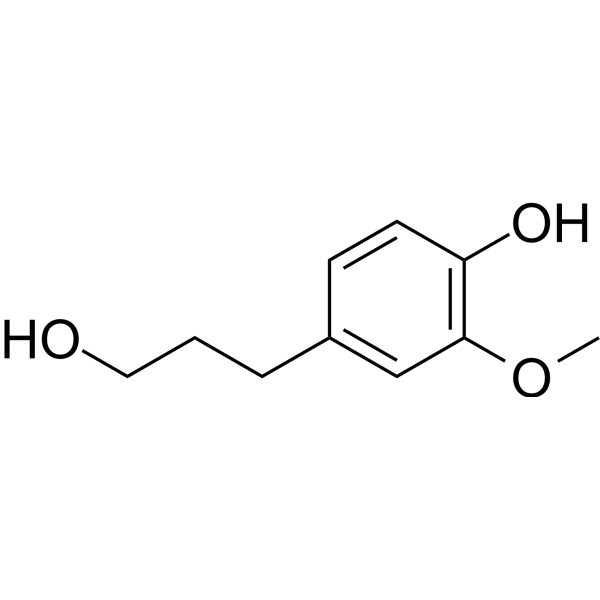
Dihydroconiferyl alcohol is a cell division factor. Dihydroconiferyl alcohol can be isolated from the American sycamore (Acer pseudoplatanus L.). Dihydroconiferyl alcohol inhibits the degradation of Indole-3-acetic acid (HY-18569). Dihydroconiferyl alcohol can stimulate the growth of soybean and tobacco callus tissue and synergistically enhance Indole-3-acetic acid-induced hypocotyl elongation in cucumber. Dihydroconiferyl alcohol can be used in the research of plant growth regulation .
|
-
- HY-W040194
-
|
|
Environmental Pollutants
Herbicide
|
Metabolic Disease
|
|
Clomazone is a broad spectrum herbicide, mainly used to control annual broadleaf weeds and grass weeds in various crops such as rice, soybeans, and peanuts. Clomazone inhibits carotenoid biosynthesis, and treated plants show typical "albinism" symptoms due to the destruction of chloroplast membrane structure leading to chlorophyll degradation. Clomazone exhibits multiple toxic effects on non-target organisms, including aquatic lethality, developmental malformations, liver damage, mitochondrial dysfunction, and hematotoxicity .
|
-
- HY-B0828R
-
|
|
Parasite
Reference Standards
|
Others
|
|
Triazophos (Standard) is the analytical standard of Triazophos. This product is intended for research and analytical applications. Triazophos, a non-systemic insecticide and acaricide that acts as an acetylcholinesterase (AChE) inhibitor, covalently and irreversibly binds to the acetylcholine binding site, thus blocking the hydrolysis of acetylcholine and leading to hyperexcitability; it is effective against a variety of soil insects and mites, including aphids, thrips, midges, beetles, Lepidoptera larvae, cutworms, and spider mites in crops such as ornamentals, cotton, rice, maize, soybeans, oil palms, olives, and coffee.
|
-
- HY-B2010R
-
-
- HY-W758421
-
-
- HY-136372R
-
|
|
Herbicide
Reference Standards
|
Others
|
|
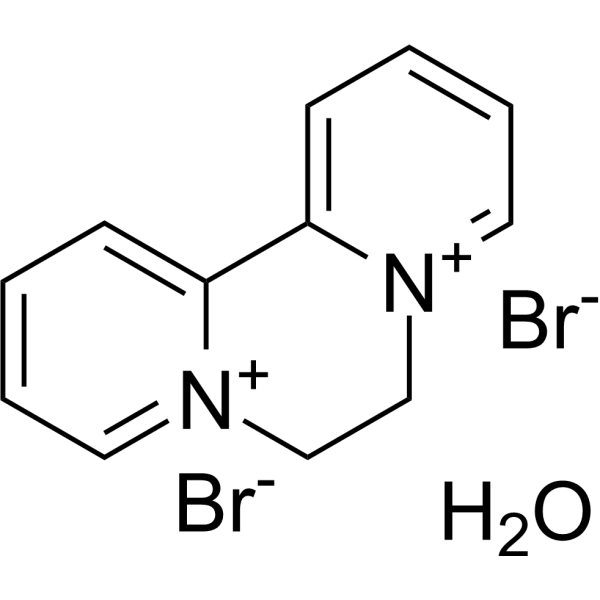
Diquat (dibromide hydrate) (Standard) is the analytical standard of Diquat (dibromide hydrate). This product is intended for research and analytical applications. Diquat dibromide hydrate is a comprehensive herbicide. Diquat dibromide hydrate increases the production of ROS and triggers mitophagy. Diquat dibromide hydrate generates free radicals such as superoxide anions through redox cycles, which induce oxidative stress. Diquat dibromide hydrate is cytotoxic, reproductive, and neurotoxic. Diquat dibromide hydrate is used in cotton, soybean, and other crops to combat noxious weeds .
|
-
- HY-N1881
-
|
|
Lipoxygenase
Glycosidase
|
Inflammation/Immunology
|
|
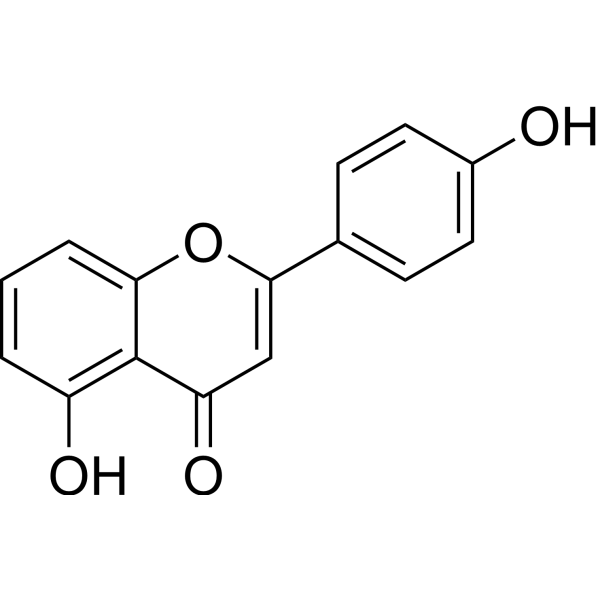
4',5-Dihydroxyflavone (Compound 2c; Compound B3) is a type of flavonoid compound. 4',5-Dihydroxyflavone can inhibit various oxidases and its IC50 values for collagenase A (ColA) and α-glucosidase are less than 1 μM and 66 μM respectively; for soybean lipoxygenase-1 (LOX-1), its Ki value is 102.6 μM. 4',5-Dihydroxyflavone can be used in studies on anti-toxicity and anti-diabetes .
|
-
- HY-122984S1
-
-
- HY-131310
-
|
|
Endogenous Metabolite
|
Metabolic Disease
|
|
9(S)-HpOTrE is a monohydroperoxy polyunsaturated fatty acid produced by the action of 5-lipoxygenase (5-LO) on α-linolenic acid. It can be further metabolized to colnelenic acid by a divinyl ether synthase activity found in garlic and potato microsomal fractions. 9(S)-HpOTrE also serves as a substrate for further oxidation by both soybean and potato LOs, resulting in the formation of 9,16-dihydroperoxy acid.The suicide inactivation of LOs when 9(S)-HpOTrE is used as a substrate is thought to occur via formation of an unstable epoxide.
|
-
- HY-B0828S
-
|
Hostathion 40EC-d5; Hostathion-d5; Hostation-d5
|
Isotope-Labeled Compounds
Parasite
Cholinesterase (ChE)
|
Others
|
|
Triazophos-d5 (Hostathion 40EC-d5) is the deuterium labeled Triazophos(HY-B0828) . Triazophos, a non-systemic insecticide and acaricide that acts as an acetylcholinesterase (AChE) inhibitor, covalently and irreversibly binds to the acetylcholine binding site, thus blocking the hydrolysis of acetylcholine and leading to hyperexcitability; it is effective against a variety of soil insects and mites, including aphids, thrips, midges, beetles, Lepidoptera larvae, cutworms, and spider mites in crops such as ornamentals, cotton, rice, maize, soybeans, oil palms, olives, and coffee.
|
-
- HY-W040194R
-
|
|
Herbicide
Reference Standards
|
Metabolic Disease
|
|
Clomazone (Standard) is the analytical standard of Clomazone (HY-W040194). This product is intended for research and analytical applications. Clomazone is a broad spectrum herbicide, mainly used to control annual broadleaf weeds and grass weeds in various crops such as rice, soybeans, and peanuts. Clomazone inhibits carotenoid biosynthesis, and treated plants show typical "albinism" symptoms due to the destruction of chloroplast membrane structure leading to chlorophyll degradation. Clomazone exhibits multiple toxic effects on non-target organisms, including aquatic lethality, developmental malformations, liver damage, mitochondrial dysfunction, and hematotoxicity.
|
-
- HY-W016393R
-
|
|
Reference Standards
Endogenous Metabolite
|
Others
|
|
Dihydroconiferyl alcohol (Standard) is an analytical standard of Dihydroconiferyl alcohol (HY-W016393). This product is intended for research and analytical applications. Dihydroconiferyl alcohol is a cell division factor. Dihydroconiferyl alcohol can be isolated from the American sycamore (Acer pseudoplatanus L.). Dihydroconiferyl alcohol inhibits the degradation of Indole-3-acetic acid (HY-18569). Dihydroconiferyl alcohol can stimulate the growth of soybean and tobacco callus tissue and synergistically enhance Indole-3-acetic acid-induced hypocotyl elongation in cucumber. Dihydroconiferyl alcohol can be used in the research of plant growth regulation .
|
-
- HY-167959
-
|
|
Herbicide
|
Infection
|
|
MCPA-isooctyl is a selective conductive phenoxycarboxylate herbicide and an alternative to 2,4-D Butyl ester (HY-B0867). MCPA-isooctyl effectively controls broadleaf weeds in various crop fields via post-emergence foliar or soil treatment. MCPA-isooctyl is absorbed by the roots, stems and leaves of plants; it is easily metabolized and detoxified in gramineous crops, but difficult to metabolize in dicotyledonous weeds, causing stem and leaf distortion, root deformation, and eventually weed death. When formulated into chitosan nanoparticles, MCPA-isooctyl still significantly inhibits the growth of weeds in wheat fields, and reduces their chlorophyll content and biomass at low doses .
|
-
- HY-128429S
-
|
(E)-2-Hexenal-d2-1
|
Isotope-Labeled Compounds
Fungal
Biochemical Assay Reagents
|
Infection
|
|
trans-2-Hexenal-d2-1 is the deuterium labeled trans-2-Hexenal (HY-128429). trans-2-Hexenal ((E)-2-Hexenal) is a volatile compound widely present in fresh plants, vegetables, and fruits, with a unique leafy aroma. trans-2-Hexenal has antifungal activity and can also inhibit the germination of soybean seeds and the growth of seedlings. In addition, trans-2-Hexenal can be used to determine low-molecular-weight carbonyl compounds that are reactive with biological nucleophiles in biological samples .
|
-
- HY-W093282
-
|
Soybean oil epoxide
|
Environmental Pollutants
Biochemical Assay Reagents
|
Others
|
|
Epoxidized soya bean oil (ESBO) is a vegetable oil-derived organic compound used as a plasticizer and stabilizer in various applications. It is produced by epoxidation of soybean oil, which introduces epoxy groups into the fatty acid chains of the oil. ESBO is a viscous, pale yellow liquid that is soluble in many organic solvents, such as chloroform and ethanol, but insoluble in water. It is commonly used as a plasticizer in polyvinyl chloride (PVC) products, including toys, food packaging materials and medical devices. In addition to its plasticizing properties, ESBO acts as an antioxidant and UV stabilizer, helping to prevent degradation and discoloration of PVC products over time. ESBOs have been investigated for their potential use in biodegradable plastics and as bio-based alternatives to traditional petroleum-derived plasticizers.
|
-
- HY-W714973
-
|
|
Herbicide
|
Others
|
|
Halauxifen-methyl is a 6-arylpicolinic acid herbicide. As a synthetic auxin, Halauxifen-methyl interferes with the normal growth and development of sensitive weeds by mimicking the action of endogenous plant auxins, causing malformation, uncontrolled growth and eventual death .
|
-
- HY-114796
-
|
|
Lipoxygenase
|
Inflammation/Immunology
|
|
tHGA is a compound with anti-inflammatory activity and has the activity to inhibit soybean 15-LOX. tHGA showed significant inhibitory effects in experiments on human leukocytes, with an IC50 value of 0.42 μM, which is close to the effect of commonly used standard NDGA. tHGA concentration-dependently inhibits the synthesis of 5-LOX products, especially the cysteine leukotriene LTC(4), with an IC50 value of 1.80 μM. and showed no cytotoxicity. The anti-inflammatory effects of tHGA do not appear to be through redox or metal chelation mechanisms, as the compound was negative in these bioactivity tests. tHGA works through a dual LOX/COX inhibition mechanism and has higher selectivity for 5-LOX and COX-2, with an IC50 value of 0.40 μM .
|
-
- HY-N7012
-
|
5-Hydroxy-3',4',7-trimethoxyflavone
|
Lipoxygenase
TNF Receptor
Interleukin Related
COX
Fungal
Parasite
Apoptosis
|
Infection
Inflammation/Immunology
Cancer
|
|
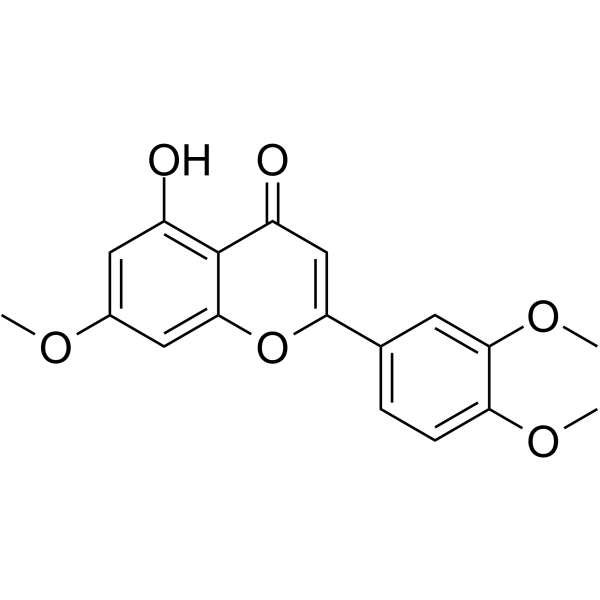
7,3',4'-Tri-O-methylluteolin (5-Hydroxy-3',4',7-trimethoxyflavone) is a flavonoid with multiple biological activities. 7,3',4'-Tri-O-methylluteolin inhibits soybean lipoxygenase (LOX), with an IC50 value of 23.97 µg/mL. 7,3',4'-Tri-O-methylluteolin possesses anti-inflammatory effects in Lipopolysaccharides (HY-D1056) (LPS)-induced RAW 264.7 macrophages. 7,3',4'-Tri-O-methylluteolin inhibits the binding of MDM2 with p53 and induces apoptosis in MCF-7 breast cancer cells. 7,3',4'-Tri-O-methylluteolin also has antioxidant, antifungal and antitrypanosomal activities sup>[4]sup>[5].
|
-
- HY-182603
-
|
|
Drug Derivative
Reactive Oxygen Species (ROS)
HCV
|
Infection
Inflammation/Immunology
|
|
BO-653 is an orally active anti-atherosclerotic antioxidant that exhibits high binding affinity for LDL. BO-653 scavenges linoleic acid peroxyl radicals, inhibits lipid peroxidation during the auto-oxidation of linoleic acid, and potently suppresses LDL oxidation. BO-653 inhibits Hepatitis C Virus (HCV) replication in a concentration-dependent manner, with an IC50 of 36.0 μM against the HCV subgenomic replicon in FLR3-1 cells. BO-653 demonstrates significant anti-atherosclerotic effects in various animal models, including the Watanabe heritable hyperlipidemic rabbit. BO-653 is suitable for use in research related to atherosclerosis and Hepatitis C Virus infection .
|
-
- HY-W111403
-
|
|
Environmental Pollutants
Biochemical Assay Reagents
|
Others
|
|
Calcium oxide (CaO) acts as a heterogeneous base catalyst. Calcium oxide can be extracted not only from waste materials such as oyster shells, eggshells and crab shells, but also exhibits tolerance to low to moderate oil quality, free fatty acid and water content in raw materials. Calcium oxide can be used in biodiesel production, where it effectively catalyzes the transesterification of vegetable oils or animal fats to produce alkyl esters .
|
-
- HY-W010736A
-
|
|
Biochemical Assay Reagents
|
Others
|
|
1,2-Dipalmitoyl-rac-glycerol is a diacylglycerol containing palmitic acid at the sn-1 and sn-2 positions (Cat. No. 10006627). It is found in a variety of vegetable oils, including palm, soybean, canola, and corn. 1 \n 1,2-Dipalmitoyl-rac-glycerol MaxSpec Standard is a quantitative grade standard of 1,2-dipalmitoyl-rac-glycerol prepared for mass spectrometry and related applications requiring quantitative reproducibility . The solution has been prepared gravimetrically and contained in argon-sealed deactivated glass ampoules. Concentrations were verified by comparison to independently prepared calibration standards. This 1,2-dipalmitoyl-rac-glycerol MaxSpec Standard is guaranteed to meet specifications for identity, purity, stability, and concentration and is supplied with a batch-specific Certificate of Analysis. Ongoing stability testing is performed to ensure concentrations remain accurate throughout the shelf life of the product. Note: Add more solution to the vial than listed. Therefore, accurate volume measurements are necessary to prepare calibration standards. Follow recommended storage and handling conditions to maintain product quality.
|
-
- HY-Y0262
-
|
Ethanedioic acid
|
Environmental Pollutants
Endogenous Metabolite
|
Infection
Inflammation/Immunology
|
|
Oxalic acid, 99% (Ethanedioic acid) is a dicarboxylic acid found in a wide variety of plants. Oxalic acid, 99% shows antioxidant acyivity and suppresses lipid peroxidation. Oxalic acid, 99% is a pathogenicity factor for sclerotinia sclerotiorum, and suppresses the oxidative burst of the host plant. Oxalic acid, 99% exerts acaricidal activity. Oxalic acid can be used for the researches of sclerotinia disease, varroatosis and inflammatory diseases .
|
-
- HY-Y0262A
-
|
Ethanedioic acid diammonium monohydrate
|
Environmental Pollutants
Endogenous Metabolite
|
Infection
Inflammation/Immunology
|
Oxalic acid (Ethanedioic acid) diammonium monohydrate is a dicarboxylic acid found in a wide variety of plants. Oxalic acid diammonium monohydrate shows antioxidant acyivity and suppresses lipid peroxidation. Oxalic acid diammonium monohydrate is a pathogenicity factor for sclerotinia sclerotiorum, and suppresses the oxidative burst of the host plant. Oxalic acid diammonium monohydrate exerts acaricidal activity. Oxalic acid can be used for the researches of sclerotinia disease varroatosis and inflammatory diseases .
|
-
| Cat. No. |
Product Name |
Type |
-
- HY-123643
-
|
Lissamine flavine
|
Fluorescent Dye
|
|
Brilliant Sulfaflavine is used as a fluorescent tracer. Used to study the application rate of foliar fungicides for soybean rust control.
|
| Cat. No. |
Product Name |
Type |
-
- HY-125853
-
|
Soybean phosphatidylcholine
|
Biochemical Assay Reagents
|
|
Phosphatidylcholines,soya is a phosphatidylcholine from soybean used in the preparation of liposomes. Phosphatidylcholines,soya can be used as a vehicle in animal agent administration .
|
-
- HY-126388
-
-
- HY-42990
-
|
HSPC; Hydrogenated soybean phosphatidylcholine
|
Biochemical Assay Reagents
|
|
Hydrogenated soya phosphatidylcholine (hydrogenated soybean phosphatidylcholine) is a natural product. Hydrogenated soya phosphatidylcholine can extend drug release in regard to drug loading and solubility for oral drug delivery of watersoluble drugs .
|
-
- HY-108750
-
|
VT 18 (oil); Vegetoil; Wesson
|
Biochemical Assay Reagents
|
|
Soybean oil (VT 18 (oil); Vegetoil; Wesson) is an edible vegetable oil. Soybean oil reduces circulating blood cholesterol levels when it replaces dietary saturated fats. Soybean oil does not affect inflammatory biomarkers or increase oxidative stress. Soybean oil contains γ-tocopherol and δ-tocopherol, which possess antioxidant properties. Soybean oil can be used in research related to coronary heart disease .
|
-
- HY-B2235C
-
|
|
Biochemical Assay Reagents
|
|
L-α-Lecithin (soybean) is an orally active phospholipid. L-α-Lecithin (soybean) increases the bioavailability of Lutein in plasma and eyes of Rattus norvegicus, enhances plasma Glutathione peroxidase activity, and regulates fatty acids in plasma and tissues .
|
-
- HY-W133891
-
|
Peptones, soybean
|
Biochemical Assay Reagents
|
|
Peptone from soy (peptones, soybean) is a peptone. Peptone from soy provides nitrogen and carbon sources, as well as other nutrients. Peptone from soy can stimulate/regulate the biosynthesis of cyclic eicosanoids. Peptone from soy induces dose-dependent contraction of guinea pig lung parenchyma. Peptone from soy can be used in microbial and cell culture .
|
-
- HY-W093282
-
|
Soybean oil epoxide
|
Biochemical Assay Reagents
|
|
Epoxidized soya bean oil (ESBO) is a vegetable oil-derived organic compound used as a plasticizer and stabilizer in various applications. It is produced by epoxidation of soybean oil, which introduces epoxy groups into the fatty acid chains of the oil. ESBO is a viscous, pale yellow liquid that is soluble in many organic solvents, such as chloroform and ethanol, but insoluble in water. It is commonly used as a plasticizer in polyvinyl chloride (PVC) products, including toys, food packaging materials and medical devices. In addition to its plasticizing properties, ESBO acts as an antioxidant and UV stabilizer, helping to prevent degradation and discoloration of PVC products over time. ESBOs have been investigated for their potential use in biodegradable plastics and as bio-based alternatives to traditional petroleum-derived plasticizers.
|
-
- HY-NP089
-
|
SBA
|
Biochemical Assay Reagents
|
|
Soybean Agglutinin (SBA) is a plant lectin that can be used as a probe to specifically bind biomolecules (such as polysaccharides, peptides, etc.).Soybean Agglutinin (SBA) is a biological material or organic compound that can be used in life science research .
|
-
- HY-W127366
-
|
|
Biochemical Assay Reagents
|
|
7-Octen-1-ol is an organic compound belonging to the group of alcohols. It has a strong mushroom-like smell and is commonly found in a variety of foods, such as mushrooms, soybeans, and peanuts. 7-Octen-1-ol has various applications in the flavor and fragrance industry, especially as a fragrance agent in products such as perfumes, colognes and air fresheners. In addition, it has potential utility in inhibiting inflammation-related diseases and cancer.
|
-
- HY-Y0262A
-
|
Ethanedioic acid diammonium monohydrate
|
Biochemical Assay Reagents
|
Oxalic acid (Ethanedioic acid) diammonium monohydrate is a dicarboxylic acid found in a wide variety of plants. Oxalic acid diammonium monohydrate shows antioxidant acyivity and suppresses lipid peroxidation. Oxalic acid diammonium monohydrate is a pathogenicity factor for sclerotinia sclerotiorum, and suppresses the oxidative burst of the host plant. Oxalic acid diammonium monohydrate exerts acaricidal activity. Oxalic acid can be used for the researches of sclerotinia disease varroatosis and inflammatory diseases .
|
-
- HY-NP0188
-
|
SBA (Biotinylated)
|
Biochemical Assay Reagents
|
|
Soybean Agglutinin (SBA) Biotinylated is a plant lectin that can be used as a probe to specifically bind biomolecules (such as polysaccharides, peptides, etc.).Soybean Agglutinin (SBA) Biotinylated is a biological material or organic compound that can be used in life science research .
|
-
- HY-NP0143
-
|
SBA (Fluorescein)
|
Biochemical Assay Reagents
|
|
Soybean Agglutinin (SBA) Fluorescein is a plant lectin that can be used as a probe to specifically bind biomolecules (such as polysaccharides, peptides, etc.).Soybean Agglutinin (SBA) Fluorescein is a biological material or organic compound that can be used in life science research .
|
-
- HY-W010736A
-
|
|
Biochemical Assay Reagents
|
|
1,2-Dipalmitoyl-rac-glycerol is a diacylglycerol containing palmitic acid at the sn-1 and sn-2 positions (Cat. No. 10006627). It is found in a variety of vegetable oils, including palm, soybean, canola, and corn. 1 \n 1,2-Dipalmitoyl-rac-glycerol MaxSpec Standard is a quantitative grade standard of 1,2-dipalmitoyl-rac-glycerol prepared for mass spectrometry and related applications requiring quantitative reproducibility . The solution has been prepared gravimetrically and contained in argon-sealed deactivated glass ampoules. Concentrations were verified by comparison to independently prepared calibration standards. This 1,2-dipalmitoyl-rac-glycerol MaxSpec Standard is guaranteed to meet specifications for identity, purity, stability, and concentration and is supplied with a batch-specific Certificate of Analysis. Ongoing stability testing is performed to ensure concentrations remain accurate throughout the shelf life of the product. Note: Add more solution to the vial than listed. Therefore, accurate volume measurements are necessary to prepare calibration standards. Follow recommended storage and handling conditions to maintain product quality.
|
-
- HY-179183
-
|
|
Biochemical Assay Reagents
|
|
B5 Medium is a culture medium primarily used for soybean tissue culture. A key characteristic of B5 Medium is its low ammonium content, which may inhibit the growth of many cultures .
|
-
- HY-179183A
-
|
|
Biochemical Assay Reagents
|
|
B5 Medium (Agar-Free) is a culture medium primarily used for soybean tissue culture. A key characteristic of B5 Medium (Agar-Free) is its low ammonium content, which may inhibit the growth of many cultures .
|
-
- HY-179183B
-
|
|
Biochemical Assay Reagents
|
|
B5 Medium (Agar-Free, Sucrose-Free) is a culture medium primarily used for soybean tissue culture. A key characteristic of B5 Medium (Agar-Free, Sucrose-Free) is its low ammonium content, which may inhibit the growth of many cultures .
|
| Cat. No. |
Product Name |
Target |
Research Area |
-
- HY-P5285
-
|
|
Parasite
|
Infection
Inflammation/Immunology
Cancer
|
|
Lunasin is a bioactive peptide with antioxidant, anti-inflammatory, anticancer and anti-aging properties. Lunasin can be isolated from soybean. Lunasin also has an epigenetic mechanism of action associated with histone acetylation. Lunasin can be internalized into cells and inhibit Oncosphere formation in cancer cells .
|
-
- HY-P4287
-
|
|
Amino Acid Derivatives
|
Others
|
|
H-Gly-Lys-Gly-OH is a tripeptide containing glycine and lysine. H-Gly-Lys-Gly-OH can be used for the synthesis of casein and soybean protein .
|
-
- HY-P10343
-
|
|
Autophagy
|
Inflammation/Immunology
|
|
Soybean peptide QRPR is an agonist of Autophagy. Soybean peptide QRPR activates cellular autophagy by upregulating the expression and activity of PIK3, AKT, and mTOR. Soybean peptide QRPR can reduce the inflammatory response .
|
-
- HY-P6177
-
|
|
Dipeptidyl Peptidase
|
Inflammation/Immunology
|
|
SGP8 (IAVPGEVA) is an octapeptide produced by hydrolysis of soybean 11S globulin, which has the effects of regulating lipid metabolism, inflammation and fibrosis. SGP8 (IAVPGEVA) exhibits inhibitory activity against DPP4 and inhibits the JNK-c-Jun signaling pathway, and has the ability to inhibit non-alcoholic steatohepatitis (NASH) .
|
-
- HY-P11566
-
|
|
Biochemical Assay Reagents
|
Others
|
|
ISTLNSLTLPALR is a soybean peptide that can be isolated from soybean proteins. ISTLNSLTLPALR can be used as a marker peptide for the detection of soybean allergens using UHPLC-MS/MS .
|
-
- HY-P11569
-
|
|
Biochemical Assay Reagents
|
Others
|
|
LITLAIPVNKPGR is a soybean peptide that can be isolated from soybean proteins. LITLAIPVNKPGR can be used as a marker peptide for the detection of soybean allergens using UHPLC-MS/MS .
|
-
- HY-P11567
-
|
|
Biochemical Assay Reagents
|
Others
|
|
EAFGVNMQIVR is a soybean peptide that can be isolated from soybean proteins. EAFGVNMQIVR can be used as a marker peptide for the detection of soybean allergens using UHPLC-MS/MS .
|
-
- HY-P11568
-
|
|
Biochemical Assay Reagents
|
Others
|
|
ELINLATMCR is a soybean peptide that can be isolated from soybean proteins. ELINLATMCR can be used as a marker peptide for the detection of soybean allergens using UHPLC-MS/MS .
|
| Cat. No. |
Product Name |
Category |
Target |
Chemical Structure |
-
- HY-B0112
-
-
-
- HY-N7148
-
-
-
- HY-B1934
-
-
-
- HY-N2335
-
-
-
- HY-Y0262
-
-
-
- HY-128429
-
-
-
- HY-N2392
-
|
|
Cardiovascular Disease
Alkaloids
Structural Classification
other families
Classification of Application Fields
Other Alkaloids
Phenols
Polyphenols
Plants
Disease Research Fields
Source Classification
|
Parasite
Lipoxygenase
Opioid Receptor
Apoptosis
Autophagy
Reactive Oxygen Species (ROS)
Interleukin Related
TNF Receptor
PGE synthase
COX
|
|
Kukoamine A, a spermine alkaloid, is an orally active and brain-penetrant component found in the root barks of Lycium chinense (L. chinense) Miller. Kukoamine A inhibits purified Crithidia fasciculata trypanothione reductase and soybean lipoxygenase, activates μ-opioid receptor. Kukoamine A can inhibt cancer cell proliferation, migration and invasion, cause G0/G1 phase cell cycle arrest and induce apoptosis. Kukoamine A exerts neuroprotective effect and can induce autophagy . Kukoamine A inhibits LPS (HY-D1056)-induced NO, ROS, PGE2, TNF-α, IL-1β, IL-6 production and COX-2 activity. Kukoamine A reverses palmitic acid-induced insulin resistance, lipid accumulation, and oxidative stress via downregulation of Srebp-1c. Kukoamine A can be used for the research of cancer, infection, inflammation, metabolic and neurological disease, such as glioblastoma and Parkinson's disease .
|
-
-
- HY-N1881
-
-
-
- HY-N4073
-
-
-
- HY-B0112R
-
-
-
- HY-W016393
-
-
-
- HY-N4072
-
-
-
- HY-N7012
-
|
5-Hydroxy-3',4',7-trimethoxyflavone
|
Monophenols
Flavonoids
Classification of Application Fields
Flavones
Labiatae
Phenols
Plants
Swartzia polyphylla DC.
Inflammation/Immunology
Disease Research Fields
Source Classification
|
Lipoxygenase
TNF Receptor
Interleukin Related
COX
Fungal
Parasite
Apoptosis
|
|
7,3',4'-Tri-O-methylluteolin (5-Hydroxy-3',4',7-trimethoxyflavone) is a flavonoid with multiple biological activities. 7,3',4'-Tri-O-methylluteolin inhibits soybean lipoxygenase (LOX), with an IC50 value of 23.97 µg/mL. 7,3',4'-Tri-O-methylluteolin possesses anti-inflammatory effects in Lipopolysaccharides (HY-D1056) (LPS)-induced RAW 264.7 macrophages. 7,3',4'-Tri-O-methylluteolin inhibits the binding of MDM2 with p53 and induces apoptosis in MCF-7 breast cancer cells. 7,3',4'-Tri-O-methylluteolin also has antioxidant, antifungal and antitrypanosomal activities sup>[4]sup>[5].
|
-
-
- HY-N4070
-
-
-
- HY-N4071
-
-
-
- HY-N7148R
-
-
-
- HY-N16331
-
-
-
- HY-128429R
-
-
-
- HY-N2335R
-
-
-
- HY-116866
-
|
|
Structural Classification
Natural Products
Microorganisms
Source Classification
|
Lipoxygenase
Fungal
|
|
Sclerotiorin is a reversible and uncompetitive inhibitor against soybean lipoxygenase-1 (LOX-1) (IC50: 4.2 μM). Sclerotiorin also shows antioxidant activity by scavenging free radical (ED50: 0.12 μM), and nonenzymatic lipid peroxidation inhibition activity. Sclerotiorin has antifungal activity, and also inhibits platelet aggregation. Sclerotiorin can be purified from the fermented broth of Penicillium frequentans .
|
-
-
- HY-B1934R
-
-
-
- HY-N10020
-
-
-
- HY-W016393R
-
|
|
Monophenols
other families
Phenols
Plants
Source Classification
|
Reference Standards
Endogenous Metabolite
|
|
Dihydroconiferyl alcohol (Standard) is an analytical standard of Dihydroconiferyl alcohol (HY-W016393). This product is intended for research and analytical applications. Dihydroconiferyl alcohol is a cell division factor. Dihydroconiferyl alcohol can be isolated from the American sycamore (Acer pseudoplatanus L.). Dihydroconiferyl alcohol inhibits the degradation of Indole-3-acetic acid (HY-18569). Dihydroconiferyl alcohol can stimulate the growth of soybean and tobacco callus tissue and synergistically enhance Indole-3-acetic acid-induced hypocotyl elongation in cucumber. Dihydroconiferyl alcohol can be used in the research of plant growth regulation .
|
-
-
- HY-N1204
-
-
-
- HY-N12571
-
-
-
- HY-N3739
-
-
-
- HY-N8911
-
-
-
- HY-N4129
-
-
-
- HY-N4128
-
-
-
- HY-100196AR
-
|
PQQ disodium salt (Standard); Methoxatin disodium salt (Standard)
|
Quinones
Structural Classification
Microorganisms
Benzene Quinones
Endogenous metabolite
Source Classification
|
Reference Standards
Endogenous Metabolite
|
|
Triazophos (Standard) is the analytical standard of Triazophos. This product is intended for research and analytical applications. Triazophos, a non-systemic insecticide and acaricide that acts as an acetylcholinesterase (AChE) inhibitor, covalently and irreversibly binds to the acetylcholine binding site, thus blocking the hydrolysis of acetylcholine and leading to hyperexcitability; it is effective against a variety of soil insects and mites, including aphids, thrips, midges, beetles, Lepidoptera larvae, cutworms, and spider mites in crops such as ornamentals, cotton, rice, maize, soybeans, oil palms, olives, and coffee.
|
-
-
- HY-N16430
-
-
-
- HY-N18032
-
|
|
Structural Classification
Monophenols
Leguminosae
Glycine max (L.) merr
Phenols
Plants
Source Classification
|
Others
|
|
Glyceollin II is a glyceollin found in soybean cotyledons (CY. Harosoy 63) inoculated with Phytophthora megaspenna f.sp. glycinea race 1. Glyceollin II inhibits the radial mycelial growth of P. megasperma f.sp. gbcinea race 1. Glyceollin II inhbiits zoospore germination (ED50 = 7 μg/mL) and causes zoospores to burst. Glyceollin II can be used for the research of Phytophthora megasperma f.sp. glycinea infection in soybeans .
|
-
-
- HY-N17462
-
-
-
- HY-N18129
-
-
-
- HY-N13283
-
-
-
- HY-N2206
-
-
-
- HY-N17321
-
-
-
- HY-N12932
-
-
-
- HY-N18033
-
-
-
- HY-N13282
-
-
| Cat. No. |
Product Name |
Chemical Structure |
-
- HY-23196S
-
|
|
|
Minoxidil-d10 (U10858-d10) is the deuterium labeled Minoxidil. Minoxidil (U10858) is an ATP-sensitive potassium (KATP) channel opener, a potent oral antihypertensive agent and a peripheral vasodilator that promotes vasodilation also affects hair growth. Minoxidil is also a potent inhibitor of soybean lipoxygenaseare with an IC50 of 20 μM[1][2][3].
|
-
-
- HY-N7148S1
-
|
|
|
γ-Tocopherol-d4 is the deuterium labeled γ-Tocopherol. γ-Tocopherol (D-γ-Tocopherol) is a potent cyclooxygenase (COX) inhibitor. γ-Tocopherol is a naturally occurring form of Vitamin E in many plant seeds, such as corn oil and soybeans. γ-Tocopherol possesses antiinflammatory properties and anti-cancer activity .
|
-
-
- HY-B1934S1
-
|
|
|
Methyl stearate-d35 is the deuterium labeled Methyl stearate (HY-B1934) . Methyl stearate, isolated from Rheum palmatum L. is a compopent of of soybean and rapeseed biodiesels .
|
-
-
- HY-122984S
-
|
|
|
Diquat-d4 (dibromide) is the deuterium labeled Diquat dibromide (HY-122984) . Diquat dibromide is a comprehensive herbicide commonly used in the cultivation of cotton, soybeans, and other crops to combat unwanted weeds. Diquat dibromide has an IC50 of 60 mg/L in the Allium root growth inhibition test .
|
-
-
- HY-121267S1
-
|
|
|
Dicamba-d3 is the deuterium labeled Dicamba (HY-121267 ) . Dicamba is a herbicide. Dicamba is currently used in agriculture and gardening to control the growth of different unwanted vegetable species, mainly in cereal grain crops, but also on sugar cane and soybeans, among others. Dicambais induces significant DNA damage. Dicambais induces genotoxicity and cytotoxicity .
|
-
-
- HY-121267S
-
|
|
|
Dicamba- 13C6 is the 13C labeled Dicamba (HY-121267). Dicamba is a herbicide. Dicamba is currently used in agriculture and gardening to control the growth of different unwanted vegetable species, mainly in cereal grain crops, but also on sugar cane and soybeans, among others. Dicambais induces significant DNA damage. Dicambais induces genotoxicity and cytotoxicity .
|
-
-
- HY-B2010S
-
|
|
|
Fomesafen-d3 is the deuterium-labeled Fomesafen (HY-B2010). Fomesafen is an orally active herbicide. Fomesafen inhibits protoporphyrinogen oxidase (PPO). Fomesafen induces Apoptosis and increases ROS. Fomesafen exhibits developmental toxicity, immunotoxicity, and neurotoxicity. It induces precancerous lesions in the liver and hepaturoporphyria in mice. Fomesafen is used to control broadleaf weeds in soybean fields, rubber plantations, and orchards .
|
-
-
- HY-W758421
-
|
|
|
Diquat-d8 dibromide is a deuterium labeled Diquat dibromide (HY-122984). Diquat dibromide is a comprehensive herbicide. Diquat dibromide increases the production of ROS and triggers mitochondrial Autophagy. Diquat dibromide generates free radicals such as superoxide anions through redox cycles, which induce oxidative stress. Diquat dibromide is cytotoxic, reproductive, and neurotoxic. Diquat dibromide is used in cotton, soybean, and other crops to combat noxious weeds .
|
-
-
- HY-128429S
-
|
|
|
trans-2-Hexenal-d2-1 is the deuterium labeled trans-2-Hexenal (HY-128429). trans-2-Hexenal ((E)-2-Hexenal) is a volatile compound widely present in fresh plants, vegetables, and fruits, with a unique leafy aroma. trans-2-Hexenal has antifungal activity and can also inhibit the germination of soybean seeds and the growth of seedlings. In addition, trans-2-Hexenal can be used to determine low-molecular-weight carbonyl compounds that are reactive with biological nucleophiles in biological samples .
|
-
-
- HY-W725647
-
|
|
|
Chlorimuron-ethyl-d5 is the deuterium labeled Chlorimuron-ethyl (HY-W040262). Chlorimuron-ethyl induces oxidative stress. Chlorimuron-ethyl is an important herbicide that has been widely used in soybean production .
|
-
-
- HY-122984S1
-
|
|
|
Diquat-d12 dibromide 1 is the deuterium labeled Diquat dibromide (HY-122984). Diquat dibromide is a comprehensive herbicide. Diquat dibromide increases the production of ROS and triggers mitochondrial Autophagy. Diquat dibromide generates free radicals such as superoxide anions through redox cycles, which induce oxidative stress. Diquat dibromide is cytotoxic, reproductive, and neurotoxic. Diquat dibromide is used in cotton, soybean, and other crops to combat noxious weeds .
|
-
-
- HY-B0828S
-
|
|
|
Triazophos-d5 (Hostathion 40EC-d5) is the deuterium labeled Triazophos(HY-B0828) . Triazophos, a non-systemic insecticide and acaricide that acts as an acetylcholinesterase (AChE) inhibitor, covalently and irreversibly binds to the acetylcholine binding site, thus blocking the hydrolysis of acetylcholine and leading to hyperexcitability; it is effective against a variety of soil insects and mites, including aphids, thrips, midges, beetles, Lepidoptera larvae, cutworms, and spider mites in crops such as ornamentals, cotton, rice, maize, soybeans, oil palms, olives, and coffee.
|
-
| Cat. No. |
Product Name |
|
Classification |
-
- HY-114507
-
|
Sumisoya; V-53482
|
|
Alkynes
|
|
Flumioxazin (Sumisoya) is an herbicide for use in soybean and peanut. Flumioxazin inhibits the enzyme protoporphyrinogen oxidase . Flumioxazin is a click chemistry reagent, it contains an Alkyne group and can undergo copper-catalyzed azide-alkyne cycloaddition (CuAAc) with molecules containing Azide groups.
|
| Cat. No. |
Product Name |
|
Classification |
-
- HY-125853
-
|
Soybean phosphatidylcholine
|
|
Phospholipids
|
|
Phosphatidylcholines,soya is a phosphatidylcholine from soybean used in the preparation of liposomes. Phosphatidylcholines,soya can be used as a vehicle in animal agent administration .
|
-
- HY-42990
-
|
HSPC; Hydrogenated soybean phosphatidylcholine
|
|
Phospholipids
|
|
Hydrogenated soya phosphatidylcholine (hydrogenated soybean phosphatidylcholine) is a natural product. Hydrogenated soya phosphatidylcholine can extend drug release in regard to drug loading and solubility for oral drug delivery of watersoluble drugs .
|
-
- HY-108750
-
|
VT 18 (oil); Vegetoil; Wesson
|
|
Solvents
|
|
Soybean oil (VT 18 (oil); Vegetoil; Wesson) is an edible vegetable oil. Soybean oil reduces circulating blood cholesterol levels when it replaces dietary saturated fats. Soybean oil does not affect inflammatory biomarkers or increase oxidative stress. Soybean oil contains γ-tocopherol and δ-tocopherol, which possess antioxidant properties. Soybean oil can be used in research related to coronary heart disease .
|
Your information is safe with us. * Required Fields.
Inquiry Information
- Product Name:
- Cat. No.:
- Quantity:
- MCE Japan Authorized Agent:

