1. Search Result
Search Result
Results for "

thioredoxin reductases

" in MedChemExpress (MCE) Product Catalog:

29

Inhibitors & Agonists

5

Fluorescent Dyes

1

Biochemical Assay Reagents

2

Natural
Products

1

Isotope-Labeled Compounds

1

GMP Molecules

Targets Recommended:
Cat. No. Product Name Target Research Areas Chemical Structure
  • HY-B0245
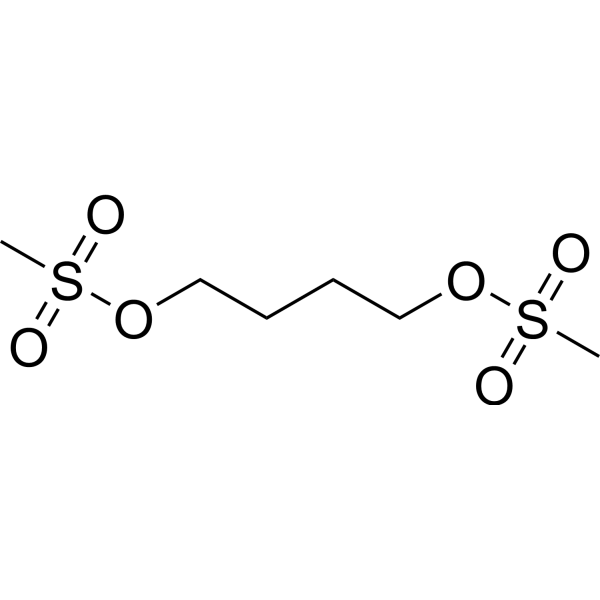
    Busulfan
    Maximum Cited Publications
    19 Publications Verification

    DNA Alkylator/Crosslinker Apoptosis Infection Neurological Disease Inflammation/Immunology Cancer
    Busulfan is a potent alkylating antineoplastic agent. Busulfan causes DNA damage by cross-linking DNAs and DNA and proteins. Busulfan inhibits thioredoxin reductase. Busulfan induces apoptosis. Busulfan is an immunosuppressive and myeloablative chemotherapeutic agent .
    Busulfan
  • HY-125006
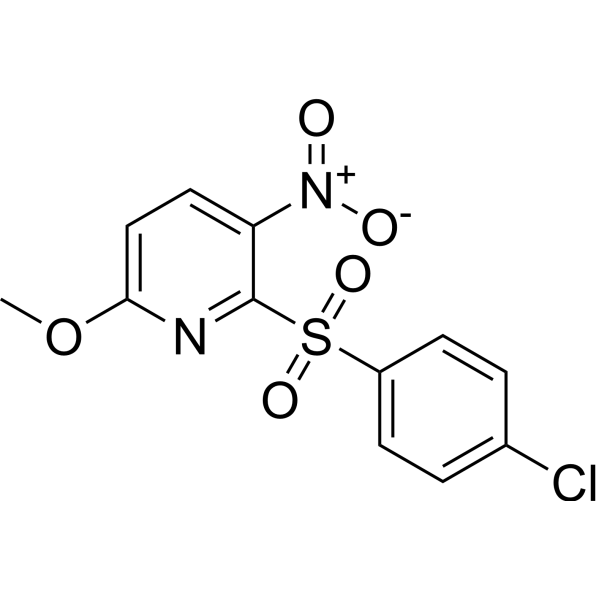
    TRi-1
    5 Publications Verification

    JNK p38 MAPK Cancer
    TRi-1 is a potent, specific and irreversible inhibitor of cytosolic thioredoxin reductase 1 (TXNRD1), with an IC50 of 12 nM. TRi-1 has little mitochondrial toxicity for anticancer therapy .
    TRi-1
  • HY-121362

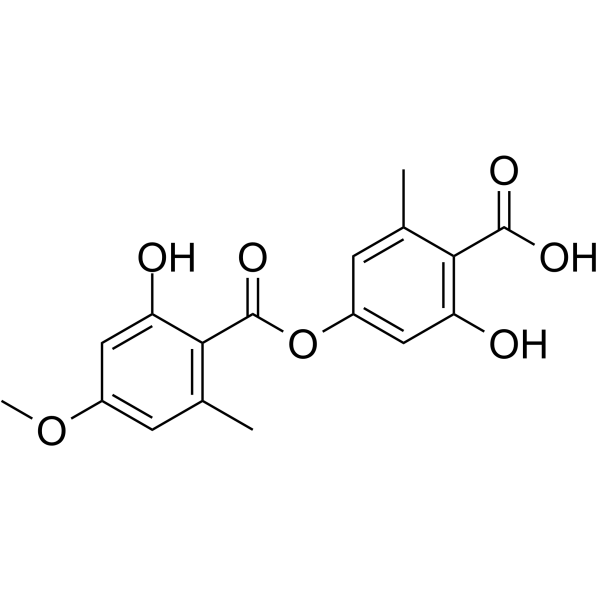
    Bacterial Endogenous Metabolite TrxR Infection Neurological Disease Inflammation/Immunology Cancer
    Evernic Acid is an orally active thioredoxin reductase 1 (TrxR1) inhibitor and antiproliferative agent. Evernic Acid inhibits the proliferation and migration of human breast cancer cells. Evernic Acid blocks the NF-κB pathway by inhibiting p65 nuclear translocation and IκBα phosphorylation, thereby suppressing downstream inflammatory mediators. Evernic Acid acts as an antioxidant, anti-inflammatory agent and neuroprotective agent, protects neurons from cell death, mitochondrial dysfunction and oxidative stress damage, reduces astrocyte activation, and ameliorates dopaminergic neuron loss and neuroinflammation. Evernic Acid inhibits enoyl reductases FabI and FabZ of Plasmodium falciparum. Evernic Acid downregulates the expression of lasB and rhlA genes in Pseudomonas aeruginosa, inhibits quorum sensing and biofilm formation, and exerts antibacterial activity against Gram-positive bacteria, Gram-negative bacteria and fungi. Evernic Acid is applicable to research related to breast cancer, Parkinson's disease, bacterial infections and fungal infections .
    Evernic Acid
  • HY-106381

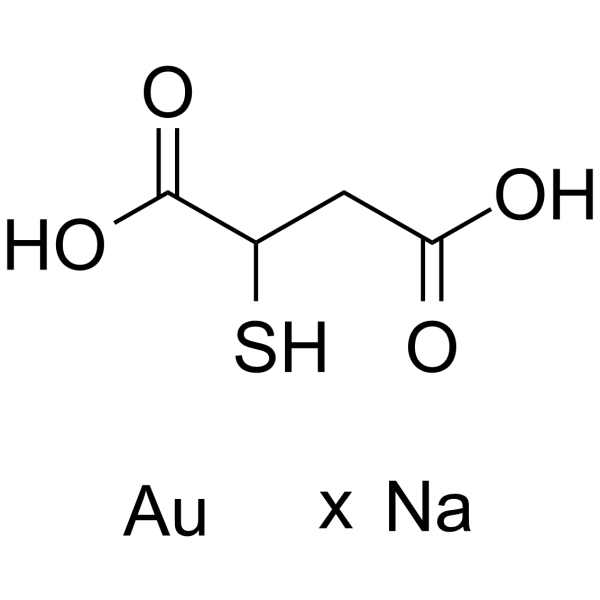
    PKC Inflammation/Immunology Cancer
    Aurothiomalate sodium is the tetrameric form of Aurothiomalate sodium (HY-106381). Aurothiomalate sodium acts as an inhibitor of PKCI and TrxR1. Aurothiomalate sodium disrupts the PKCI-Par6-Rac1 signaling pathway, and also inhibits TrxR1 activity, TNFα-induced NF-κB activation, and the expression of pro-inflammatory genes. Aurothiomalate sodium blocks Kras-mediated BASC expansion and lung tumor growth, inhibits anchorage-independent growth and tumorigenicity of lung cancer cells, and suppresses neutrophil chemotaxis, phagocytosis, and leukocyte extravasation. Aurothiomalate sodium can be used in research related to rheumatoid arthritis and non-small cell lung cancer .
    Aurothiomalate sodium
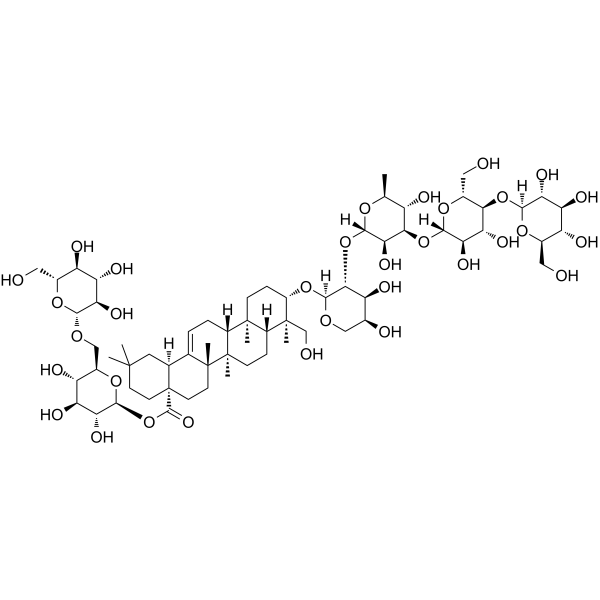
  • HY-N0864

    Macranthoiside I

    Apoptosis COX Reactive Oxygen Species (ROS) Caspase SOD Cancer
    Macranthoidin B (Macranthoiside I) is an orally active triterpene saponin. Macranthoidin B inhibits epithelial-mesenchymal transition in endometriosis via the COX‑2/PGE2 pathway, and also induces tumor cell apoptosis and inhibits their proliferation by regulating metabolism and increasing ROS levels . Macranthoidin B can be used in studies related to endometriosis, colorectal cancer and hepatocellular carcinoma .
    Macranthoidin B
  • HY-115640
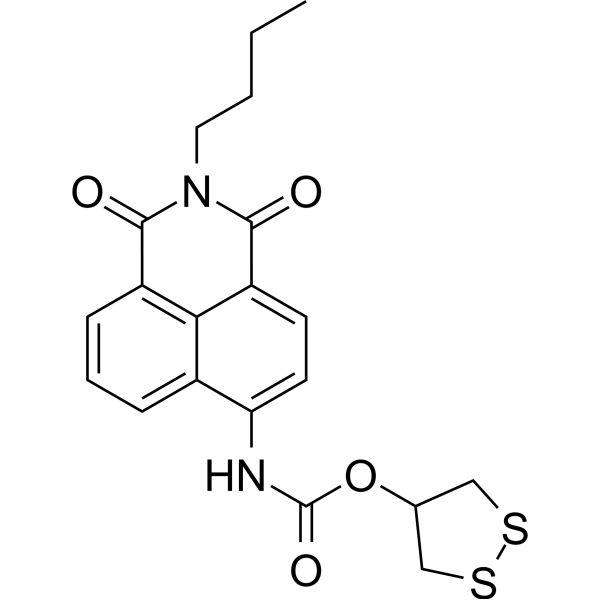
    TRFS-green
    10+ Cited Publications

    TrxR Others
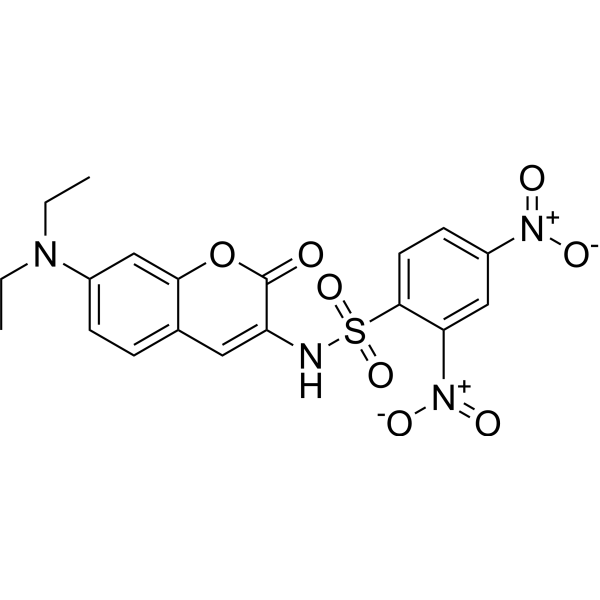
    TRFS-green is a highly selective off−on fluorescent probe for imaging selenoprotein thioredoxin reductase (TrxR) in living cells. TRFS-green has the maximum absorbance at around 373 nm. After it is activated by TrxR, the maximum absorbance shifts to around 440 nm .
    TRFS-green
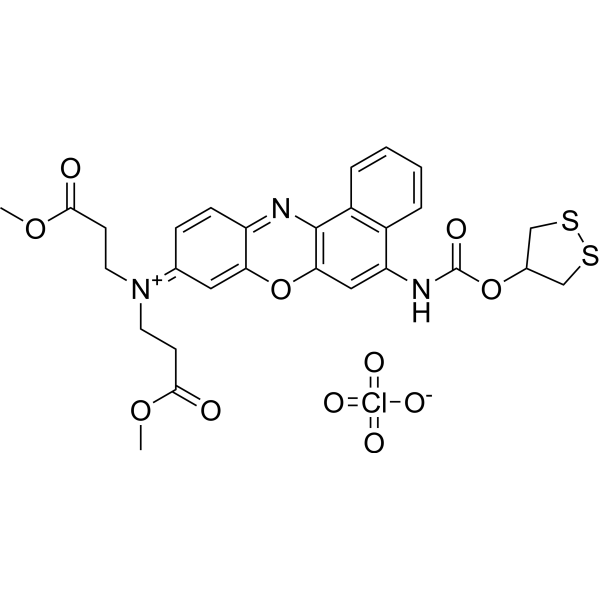
  • HY-D1251

    Fluorescent Dye Others
    TRFS-red, a red fluorescence emission off-on probe, is selective for thioredoxin reductase (TrxR). TRFS-red exhibits high response rate and sensitivity. TRFS-red can be used for imaging live cells .
    TRFS-red
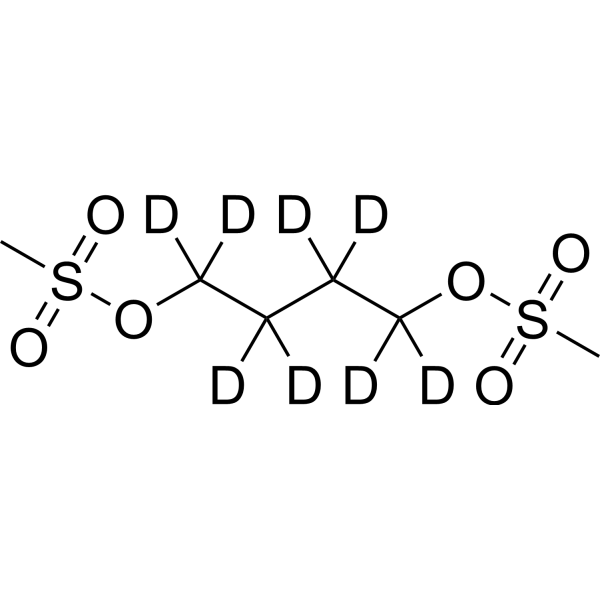
  • HY-B0245S

    DNA Alkylator/Crosslinker Apoptosis Inflammation/Immunology Cancer
    Busulfan-d8 is a deuterium labeled Busulfan. Busulfan is a potent alkylating antineoplastic agent. Busulfan causes DNA damage by cross-linking DNAs and DNA and proteins. Busulfan inhibits thioredoxin reductase. Busulfan induces apoptosis. Busulfan is an immunosuppressive and myeloablative chemotherapeutic agent .
    Busulfan-d8
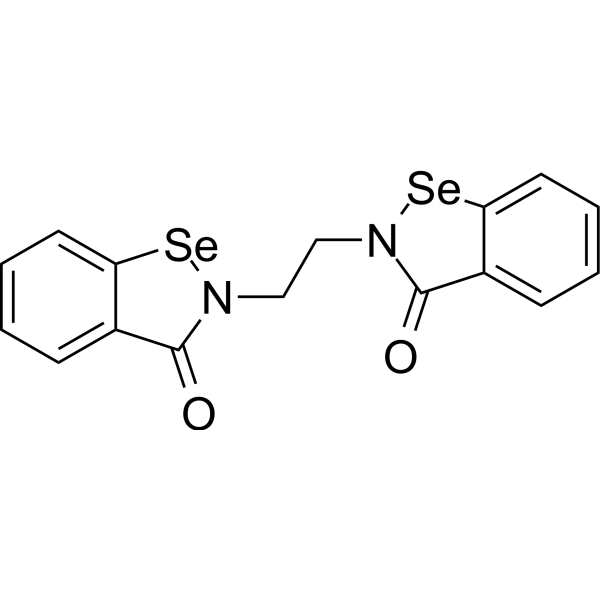
  • HY-116749

    BBSKE

    TrxR Cancer
    Ethaselen (BBSKE) is an orally active, selective thioredoxin reductase (TrxR) inhibitor with IC50s of 0.5 and 0.35 μM for the wild-type human TrxR1 and rat TrxR1, respectively. Ethaselen specifically binds to the unique selenocysteine-cysteine redox pair in the C-terminal active site of mammalian TrxR1. Ethaselen, an organoselenium compound, is a potent antitumor candidate that exerts potent inhibition on non-small cell lung cancer (NSCLC) by targeting TrxR .
    Ethaselen
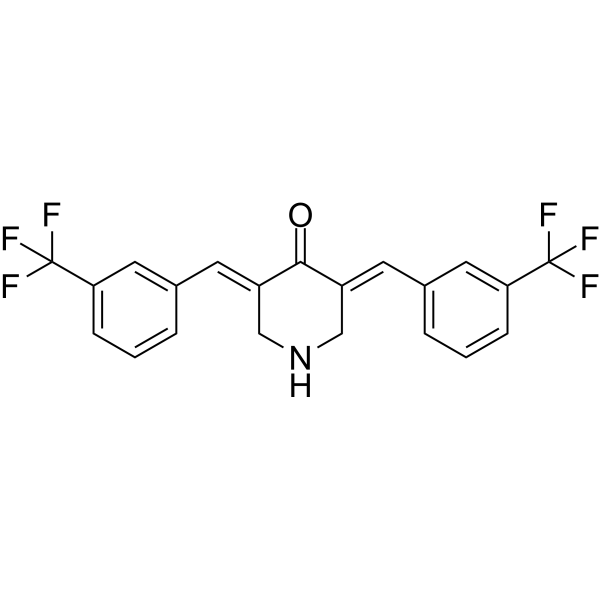
  • HY-149265

    Reactive Oxygen Species (ROS) TrxR Ferroptosis Apoptosis Caspase Bcl-2 Family Cancer
    ROS-generating agent 1 is a selective ROS-generating agent. ROS-generating agent 1 inhibits TrxR activity and expression in cancer cells. ROS-generating agent 1 induces ROS-dependent apoptosis and ferroptosis in cancer cells. ROS-generating agent 1 selectively kills lung cancer cells and inhibits the growth of cancer cell xenograft tumors in nude mice. ROS-generating agent 1 can be used for the research of non-small cell lung cancer .
    ROS-generating agent 1
  • HY-D1250
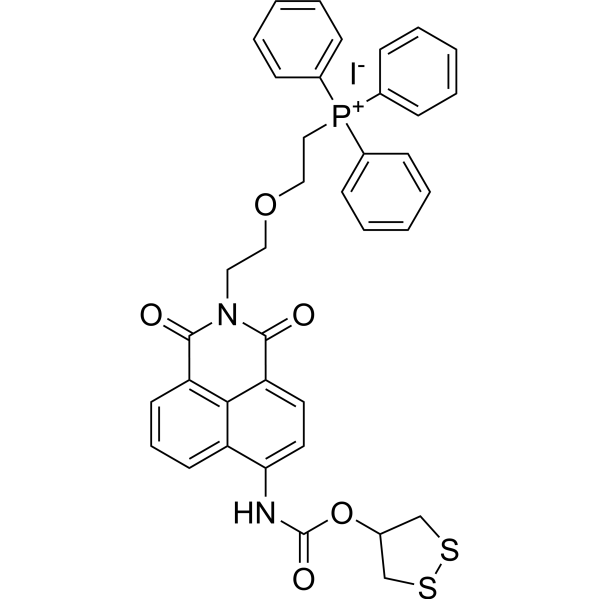
    Mito-TRFS
    2 Publications Verification

    Fluorescent Dye Cancer
    Mito-TRFS, the first off-on probe, is used to image the mitochondrial thioredoxin reductase (TrxR2) in live cells .
    Mito-TRFS
  • HY-D1252
    Fast-TRFS
    2 Publications Verification

    Fluorescent Dye Others
    Fast-TRFS is a selective and superfast fluorogenic probe of thioredoxin reductase (TrxR). Fast-TRFS can be used for imaging TrxR activity in live cells .
    Fast-TRFS
  • HY-B0245R

    DNA Alkylator/Crosslinker Apoptosis Reference Standards Inflammation/Immunology Cancer
    Busulfan (Standard) is the analytical standard of Busulfan. This product is intended for research and analytical applications. Busulfan is a potent alkylating antineoplastic agent. Busulfan causes DNA damage by cross-linking DNAs and DNA and proteins. Busulfan inhibits thioredoxin reductase. Busulfan induces apoptosis. Busulfan is an immunosuppressive and myeloablative chemotherapeutic agent .
    Busulfan (Standard)
  • HY-D1255

    Fluorescent Dye Cancer
    Sel-green, a selective selenol fluorescent probe, is applied to quantify the Sec content in the selenoenzyme thioredoxin reductase and image endogenous Sec in live HepG2 cells .
    Sel-green
  • HY-136279

    Apoptosis Cancer
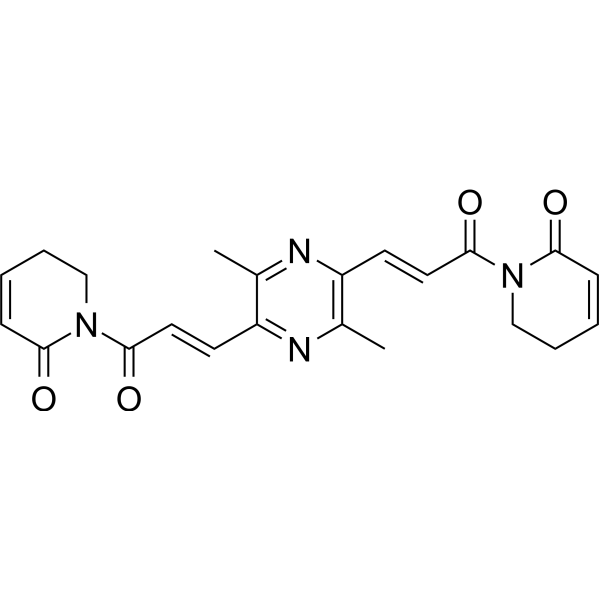
    TrxR inhibitor D9 is a potent and selective inhibitor of thioredoxin reductase (TrxR), with an EC50 of 2.8 nM. TrxR inhibitor D9 has the capability to inhibit tumor proliferation both in vitro and in vivo .
    TrxR inhibitor D9
  • HY-175806

    TrxR Reactive Oxygen Species (ROS) Ferroptosis Cancer
    CS47 is a Thioredoxin Reductase 1 (TRXR1) inhibitor and ferroptosis inducer. CS47 binds non-covalently to sites between the FAD and NADPH pockets of TRXR1. CS47 drives glutathione depletion, lipid reactive oxygen species accumulation, HMOX1-dependent iron overload, and selective cytotoxicity in lung cancer cells. CS47 can be used for the research of lung cancer .
    CS47
  • HY-157158

    TrxR Apoptosis Reactive Oxygen Species (ROS) Cancer
    TrxR-IN-6 is a thioredoxin reductase (TrxR) inhibitor. TrxR-IN-6 induces reactive oxygen species (ROS) accumulation and cell apoptosis. TrxR-IN-6 induces mitochondrial dysfunction, endoplasmic reticulum stress and DNA damage. TrxR-IN-6 can be used for the research of breast cancer, leukemia .
    TrxR-IN-6
  • HY-132972

    TrxR Reactive Oxygen Species (ROS) Autophagy Atg8/LC3 Beclin1 p62 Cancer
    TrxR-IN-2 is a thioredoxin reductase (TrxR) inhibitor. TrxR-IN-2 increases reactive oxidative species (ROS) levels and decreases mitochondrial transmembrane potential levels. TrxR-IN-2 triggers DNA damage via H2AX regulation, and induces autophagy via LC3, beclin-1, and p62 regulation. TrxR-IN-2 can be used for the research of drug-resistant hepatocellular carcinoma[1].
    TrxR-IN-2
  • HY-146350

    TrxR Reactive Oxygen Species (ROS) Apoptosis Cancer
    TrxR-IN-4 is a thioredoxin reductase (TrxR) inhibitor with a rat IC50 of 0.37 μM. TrxR-IN-4 inhibits TrxR activity, elevates reactive oxygen species (ROS) and induces apoptosis. TrxR-IN-4 mediates endoplasmic reticulum stress and induces mitochondrial dysfunction. TrxR-IN-4 can be used for the research of hepatocellular carcinoma .
    TrxR-IN-4
  • HY-172086

    TrxR Apoptosis Reactive Oxygen Species (ROS) Cancer
    TrxR-IN-7 is a thioredoxin reductase (TrxR) inhibitor with an IC50 of 3.5 μM. TrxR-IN-7 induces reactive oxygen species (ROS) generation and apoptosis in tumor cells. TrxR-IN-7 can be used for the research of liver cancer and breast cancer .
    TrxR-IN-7
  • HY-19980G

    APR-246; PRIMA-1Met

    MDM-2/p53 Apoptosis Autophagy Ferroptosis Cancer
    Eprenetapopt (GMP) (APR-246(GMP)) is Eprenetapopt (HY-19980) in GMP grade. GMP small molecules works appropriately as an auxiliary reagent for cell therapy manufacture. Eprenetapopt (APR-246) is a first-in-class, small molecule that restores wild-type p53 functions in TP53-mutant cells. Eprenetapopt triggers apoptosis in tumor cells. Eprenetapopt also targets the selenoprotein thioredoxin reductase 1 (TrxR1), a key regulator of cellular redox balance .
    Eprenetapopt
  • HY-D1253

    TrxR Neurological Disease
    TP-TRFS is a highly selective and the first two-photon fluorescent probe of thioredoxin reductase (TrxR) .
    TP-TRFS
  • HY-D1267

    Apoptosis Cancer
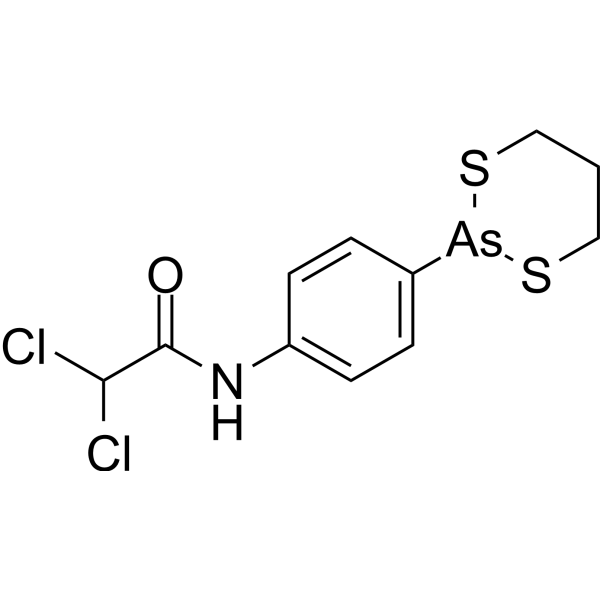
    PAO-Nap is the modified PAO attached a naphthalimide fluorophore using aminocaproic acid as a linker. PAO induces oxidative stress-mediated apoptosis in HL-60 cells by selectively targeting thioredoxin reductase .
    PAO-Nap
  • HY-182324

    TrxR Reactive Oxygen Species (ROS) Apoptosis Caspase Cancer
    TrxR2-IN-1 is a thioredoxin reductase 2 (TrxR2) inhibitor with an IC50 value of 0.83 μM. TrxR2-IN-1 accumulates in mitochondria, impairs mitochondrial function and membrane potential, increases reactive oxygen species (ROS) levels, activates ASK1-mediated caspase-dependent apoptosis (apoptosis), induces G2/M cell cycle arrest, and inhibits cancer cell migration. TrxR2-IN-1 can be used in the research of hepatocellular carcinoma .
    TrxR2-IN-1
  • HY-183544

    TrxR Glutathione Peroxidase Ferroptosis Reactive Oxygen Species (ROS) Cancer
    Platinum (IV) Prodrug-1 is a Pt (IV) prodrug and selective TrxR1 inhibitor. Platinum (IV) Prodrug-1 induces ferroptosis (Ferroptosis) by depleting glutathione, accumulating intracellular lipid peroxides, and inactivating Glutathione peroxidase 4. Platinum (IV) Prodrug-1 triggers endoplasmic reticulum stress and immunogenic cell death via excessive accumulation of intracellular ROS. Platinum (IV) Prodrug-1 exhibits anticancer activity against both Cisplatin (HY-17394)-sensitive and Cisplatin-resistant triple-negative breast cancer cells. Platinum (IV) Prodrug-1 can be used for the research of triple-negative breast cancer .
    Platinum(IV) Prodrug-1
  • HY-182683

    Parasite TrxR Reactive Oxygen Species (ROS) Infection
    MMV085203 is a potent Plasmodium falciparum inhibitor, with a PfTrxR EC50 of 900 nM. MMV085203 exerts potent antimalarial activity against both blood‑stage and sexual‑stage Plasmodium falciparum parasites, with superior efficacy toward clinical isolates of high clonal diversity. MMV085203 modulates parasite redox homeostasis, induces ROS production, and elevates mitochondrial TCA cycle intermediates. MMV085203 can be used for the research of malaria .
    MMV085203
  • HY-183554

    TrxR Glutathione Peroxidase Ferroptosis Reactive Oxygen Species (ROS) IFNAR STAT Cancer
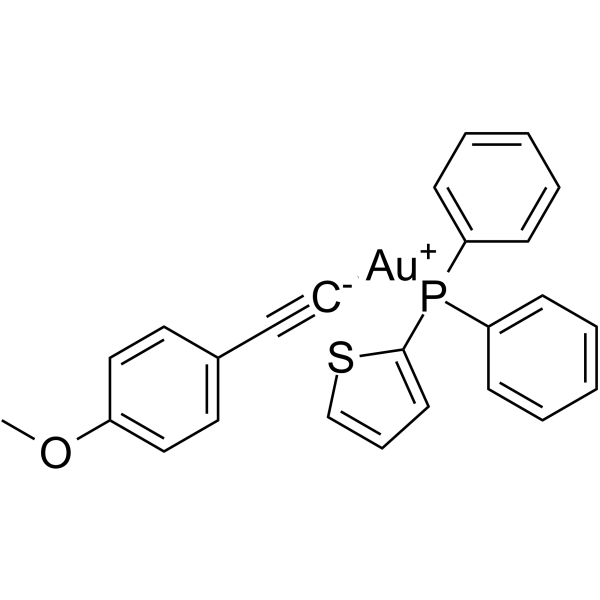
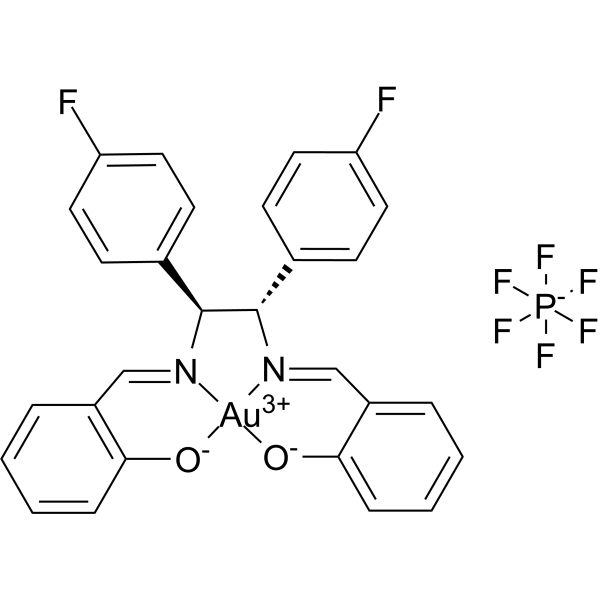
    Fa-Au is a TrxR inhibitor. Fa-Au downregulates GPX4, induces oxidative stress, mitochondria-associated ferroptosis (ferroptosis) and immunogenic cell death. Fa-Au induces ROS production in hepatoma cells. Fa-Au remodels the tumor immune microenvironment via M1 macrophage polarization, dendritic cell maturation, CD8+ T cell activation and reduction of regulatory T cells. Fa-Au induces an anti-tumor immune feedback loop through the IFNγ/STAT1/SLC7A11 axis. Fa-Au inhibits tumor growth. Fa-Au is applicable to hepatocellular carcinoma-related research .
    Fa-Au
  • HY-181825

    TrxR Apoptosis Cancer
    TrxR-IN-9 is a thioredoxin reductase (TrxR) inhibitor with an IC50 of 0.26 μM. TrxR-IN-9 disrupts cellular redox balance. TrxR-IN-9 induces S-phase cell cycle arrest, promotes apoptosis and exhibits antiproliferative activity across cancer cells. TrxR-IN-9 exerts effects via synergistic nitric oxide (NO) and reactive oxygen species (ROS) action. TrxR-IN-9 can be used for the research of breast cancer, gastric cancer, colorectal cancer, liver cancer .
    TrxR-IN-9
  • HY-181718

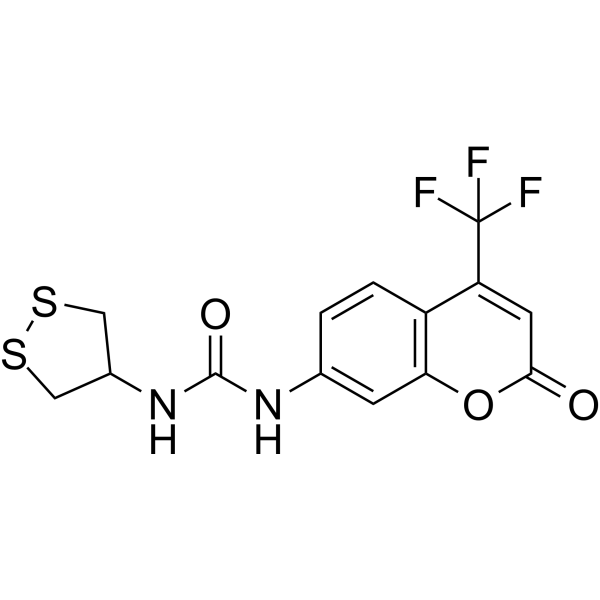
    Necroptosis TrxR Reactive Oxygen Species (ROS) Cancer
    Necroptosis inducer 1 is a necroptosis inducer. Necroptosis inducer 1 inhibits the activity of thioredoxin reductase (TrxR), elevates intracellular ROS levels, triggers ROS-mediated necroptosis, and induces necroptosis-dependent immunogenic cell death. Necroptosis inducer 1 inhibits tumor growth, remodels the tumor immune microenvironment, and exerts a synergistic effect with anti-PD-1 in animal models. Necroptosis inducer 1 is applicable to the research of colon cancer .
    Necroptosis inducer 1

Inquiry Online

Your information is safe with us. * Required Fields.

Salutation


Country or Region *

Applicant Name *


Organization Name *

Department *


Email Address *


Product Name *

Cat. No.


Requested quantity *

Phone Number *


Remarks

Inquiry Online

Inquiry Information

Product Name:
Cat. No.:
Quantity:
MCE Japan Authorized Agent:

