23 Results for "

urinary tract diseases

" in MedChemExpress (MCE) Product Catalog:
Products (23)

23 Results for "urinary tract diseases" in MCE Product Catalog:

2
2 Cited Publications
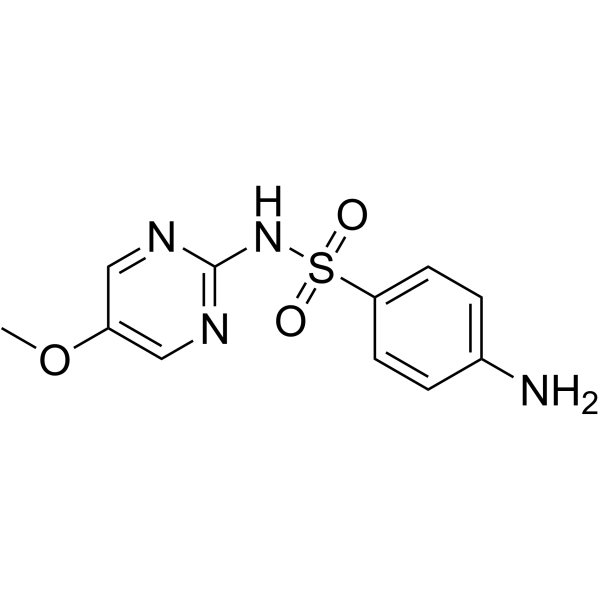
Cat. No.: HY-B0213
CAS No.: 651-06-9
Synonyms: Sulfametoxydiazine; 5-Methoxysulfadiazine; NSC 683528
Target:  

Antibiotic Bacterial

Research Areas:  

Infection

Sulfameter (Sulfametoxydiazine) is an orally active long-acting sulfonamide antibiotic. Sulfameter is active against both Gram-positive and Gram-negative bacteria. Sulfameter can be used for the research of diseases such as respiratory and urinary tract infections .
loading...
    loading...
2
2 Cited Publications
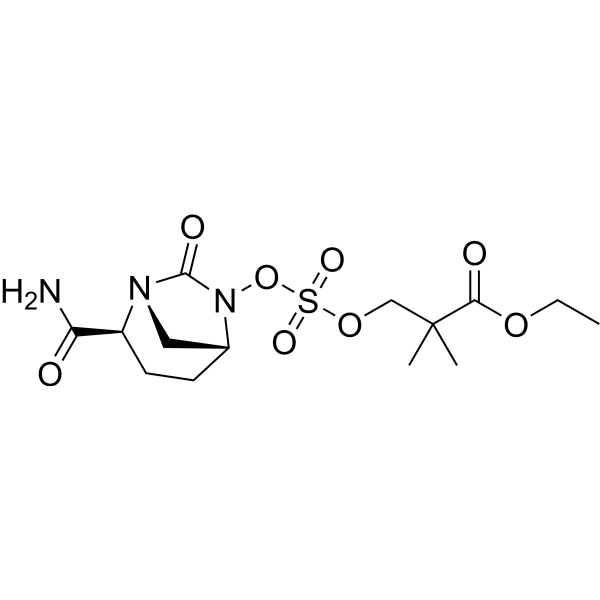
Cat. No.: HY-132987
CAS No.: 2245880-46-8
Purity:  98.57%
Synonyms: ARX-1796; AV-006
Research Areas:  

Infection

Avibactam tomilopil (ARX-1796, AV-006) is an orally active prodrug of Avibactam and a β-lactamase inhibitor. Avibactam tomilopil can be used in the study of diseases such as urinary tract infections .
loading...
    loading...
2
2 Cited Publications
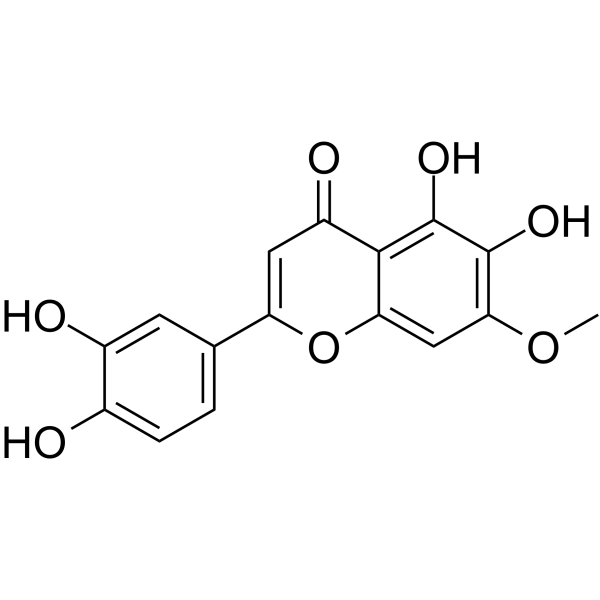
Cat. No.: HY-N3101
CAS No.: 22384-63-0
Pedalitin is a tyrosinase and α-glucosidase inhibitor with IC50 values of 0.28 mM and 0.29 mM, respectively, and can be isolated and extracted from Rabdosia serra. Pedalitin is a xanthine oxidase (Xanthine Oxidase) (IC50 = 3.7 µM) and myeloperoxidase (MPO) (IC50 = 3.8 nM) inhibitor. Pedalitin ameliorates NAFLD by downregulating the EGFR/IRS1/AKT1/FOXO1 signaling pathway and related inflammatory and lipid metabolism factors. Pedalitin reduces the risk of urinary tract infection and stones by inhibiting the expression of the urease UreC gene in Proteus mirabilis. Pedalitin also exhibits antifungal activity, with a MIC of 3.9 mg/L against Cryptococcus neoformans. Pedalitin can be used for research on non-alcoholic fatty liver disease, chronic kidney disease, kidney stones, cryptococcosis, and abdominal pain .
loading...
    loading...
1
1 Cited Publications
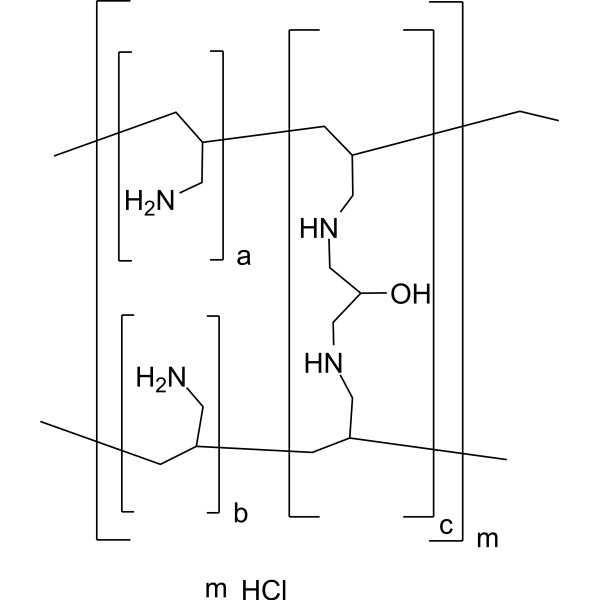
Cat. No.: HY-13995A
CAS No.: 152751-57-0
Purity:  ≥98.0%
Target:  

FXR

Research Areas:  

Metabolic Disease Endocrinology

Sevelamer hydrochloride is an orally active polymeric phosphate binder and bile acid sequestrant. Sevelamer hydrochloride binds dietary phosphate in the gastrointestinal tract, reducing phosphate absorption and serum phosphorus levels, and reduces urinary phosphate excretion. Sevelamer hydrochloride binds polyanion bile acids, increases bile acid faecal excretion, and reduces total cholesterol and LDL cholesterol levels. Sevelamer hydrochloride can be used for the research of hyperphosphataemia, hyperparathyroidism, chronic renal failure, kidney disease, and type 2 diabetes .
loading...
    loading...
1
1 Cited Publications
Cat. No.: HY-A0208
CAS No.: 40034-42-2
Synonyms: Acrosoxacin
Target:  

Bacterial Antibiotic

Research Areas:  

Infection

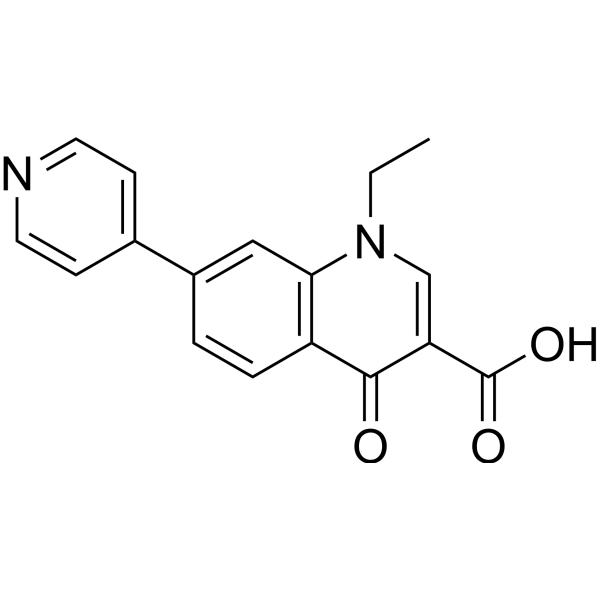
Rosoxacin (Acrosoxacin) is an orally active and broad-spectrum antibacterial quinolone antibiotic. Rosoxacin inhibits Gram-negative bacteria, including N. gonorrhoeae (MIC range=0.03-0.125 µg/mL).Rosoxacin can be used in studies of urinary tract infections and certain sexually transmitted diseases .
loading...
    loading...
1
1 Cited Publications
Cat. No.: HY-13995B
CAS No.: 845273-93-0
Target:  

FXR

Research Areas:  

Metabolic Disease Endocrinology

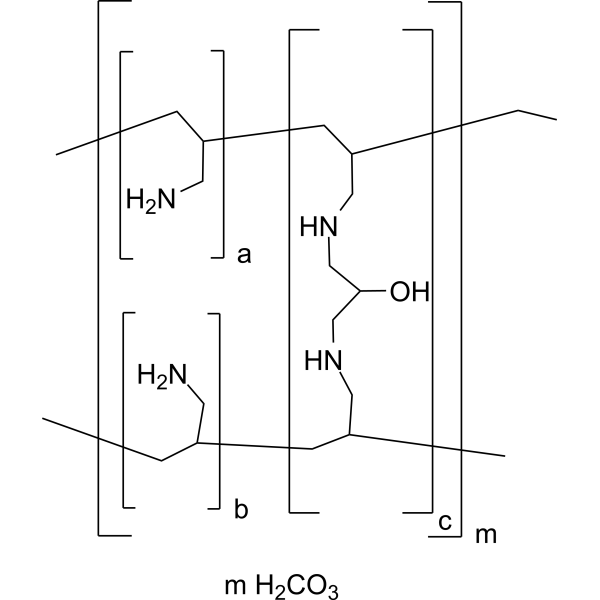
Sevelamer carbonate is an orally active polymeric phosphate binder and bile acid sequestrant. Sevelamer carbonate binds dietary phosphate in the gastrointestinal tract, reducing phosphate absorption and serum phosphorus levels, and reduces urinary phosphate excretion. Sevelamer carbonate binds polyanion bile acids, increases bile acid faecal excretion, and reduces total cholesterol and LDL cholesterol levels. Sevelamer carbonate can be used for the research of hyperphosphataemia, hyperparathyroidism, chronic renal failure, kidney disease, and type 2 diabetes .
loading...
    loading...
Cat. No.: HY-N6670
CAS No.: 69712-56-7
Research Areas:  

Infection

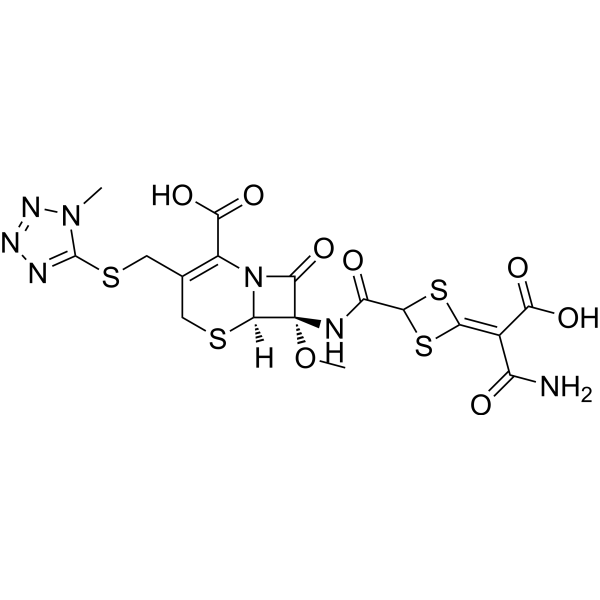
Cefotetan is a binding agent that targets human Raf1 kinase inhibitor protein (hRKIP). Cefotetan binds to hRKIP, reduces the binding space between hRKIP and Raf1 kinase, relieves hRKIP's inhibition of the Ras/Raf1/MEK/ERK signaling pathway, and enhances ERK phosphorylation. Cefotetan can be used to study diseases associated with dysregulated Ras/Raf1/MEK/ERK signaling pathways. Cefotetan is also a broad-spectrum antibacterial agent that disrupts cell wall synthesis by binding to bacterial penicillin-binding proteins (PBPs). It is used to study bacterial infections such as bone, skin, urinary tract, and lower respiratory tract .
loading...
    loading...
Cat. No.: HY-N7101
CAS No.: 87239-81-4
Synonyms: U-76,252; CS-807
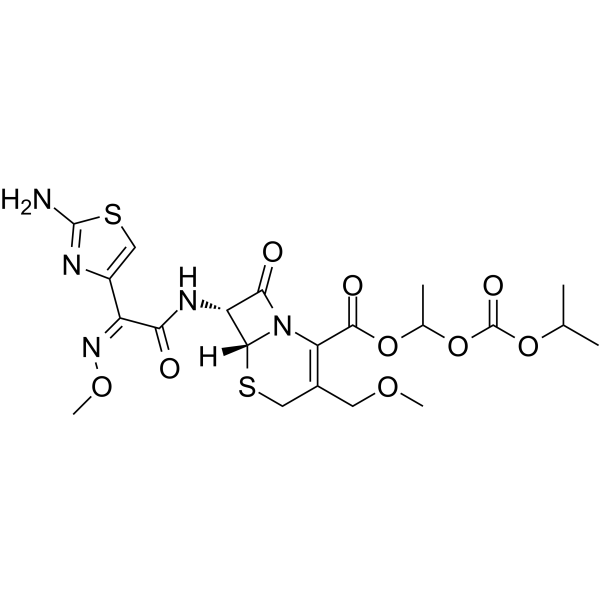
Cefpodoxime Proxetil is an orally active broad spectrum third-generation cephalosporin with potent antibacterial activity against both Gram-positive and Gram-negative bacteria including staphylococci, streptococci, Haemophilus influenzae, Neisseria gonorrhoeae, Escherichia coli, Klebsiella pnuemoniae, Citrobacter spp, and Proteus spp. Cefpodoxime Proxetil binds to penicillin binding proteins (PBPs), which inhibits peptidoglycan synthesis, finally results in interfering bacterial cell wall biosynthesis. Cefpodoxime Proxetil can be used against skin structure infections, acute otitis media, pharyngitis, tonsillitis, upper respiratory tract infection, urinary tract infections and sexually transmitted diseases .
loading...
    loading...
Cat. No.: HY-18257
CAS No.: 751-97-3
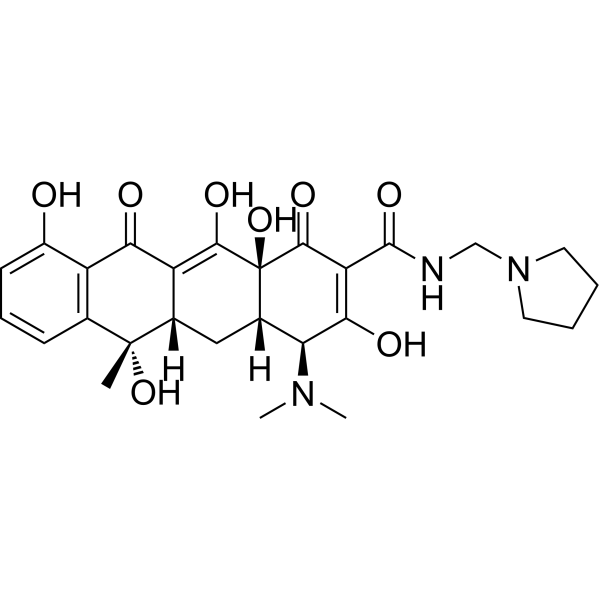
Rolitetracycline is a highly soluble, broad-spectrum antibiotic derived from tetracycline. Rolitetracycline binds to and stabilizes bovine serum albumin, and also inhibits HIV-1 integrase, blocks Aβ fibril formation and suppresses dengue virus proliferation. Rolitetracycline mediates the inhibition of Aβ fibrils via a specific three-dimensional pharmacophore conformation, and exerts bacteriostatic and bactericidal activities. Rolitetracycline acts synergistically with Penicillin G (HY-N7139) or Cephalothin (HY-B1275A) to alter the effects on microbial growth. Rolitetracycline serves as an important tool compound for the study of bacterial infections (urinary tract infections, sepsis), HIV-1 and dengue virus infections, as well as Alzheimer's disease .
loading...
    loading...
Cat. No.: HY-B1735
CAS No.: 32828-81-2
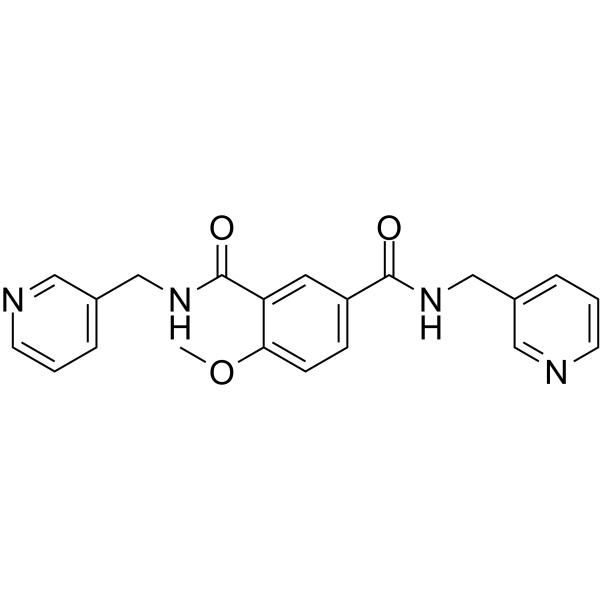
Picotamide is an orally active TXA2 receptor and TXA2 synthase inhibitor. Picotamide inhibits ADP (HY-W010918)-, Arachidonic acid (HY-109590)-, and Collagen (HY-NP003)-induced platelet aggregation, reduces TXA2 production during coagulation, and does not inhibit PGI2 synthesis in endothelial cells. Picotamide inhibits contractions induced by α1-adrenergic receptor agonism, TXA2 mediation, and neurogenic (electrical field stimulation-induced) factors in human prostatic smooth muscle, and broadly inhibits agonist-induced contractions of porcine interlobar renal and coronary arteries. Picotamide can be used in research related to thromboembolic diseases, atherosclerosis, and lower urinary tract symptoms .
loading...
    loading...
Cat. No.: HY-122086
CAS No.: 4630-95-9
Target:  

mAChR

Research Areas:  

Neurological Disease

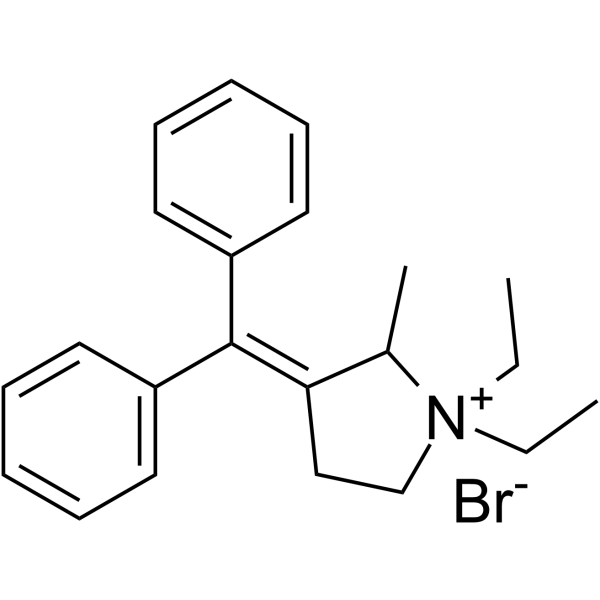
Prifinium bromide is an anticholinergic drug with anticholinergic and antispasmodic activities, and it exhibits oral activity. Prifinium bromide competitively antagonizes cholinergic receptors and relieves symptoms of spasm or hypermotility in the digestive and urinary tracts, with its anticholinergic activity representing the core mechanism underlying the inhibition of bladder smooth muscle contraction. Prifinium bromide can be used in research related to spasms and diverticular disease .
loading...
    loading...
Cat. No.: HY-W509797
CAS No.: 21618-92-8
5-(3',4'-Dihydroxyphenyl)-γ-valerolactone is an intestinal microbiota metabolite of (-)-Epicatechin (HY-N0001). 5-(3',4'-Dihydroxyphenyl)-γ-valerolactone downregulates TNF-α-stimulated phosphorylation of IKK and IκBα, inhibits the transcriptional activation of NF-κB, and suppresses the expression of adhesion molecules and chemokines. 5-(3',4'-Dihydroxyphenyl)-γ-valerolactone promotes autophagy, alleviates oxidative stress, maintains osteoblast differentiation, induces G1 phase arrest, inhibits adipogenesis, and scavenges ABTS free radicals. 5-(3',4'-Dihydroxyphenyl)-γ-valerolactone inhibits the adhesion of uropathogenic Escherichia coli to bladder epithelial cells; when used in combination with Curcumin (HY-N0005), it downregulates the NLRP3 and NOX2/Nrf2 signaling pathways, thereby reducing microglial activation. 5-(3',4'-Dihydroxyphenyl)-γ-valerolactone can be used in research related to diabetes, atherosclerosis, osteoporosis, obesity, neurodegenerative diseases involving microglial activation, and urinary tract infections .
loading...
    loading...
Cat. No.: HY-N7950
CAS No.: 124515-98-6
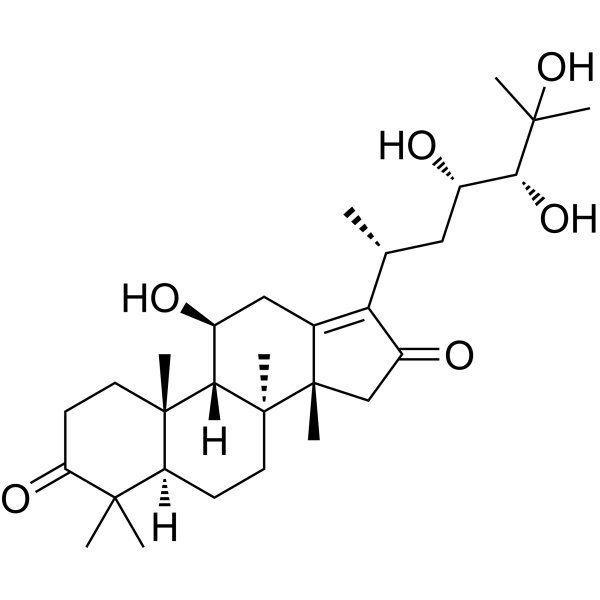
16-Oxoalisol A is a triterpene in Rhizoma Alismatis. Rhizoma Alismatis is a commonly used traditional Chinese medicine (TCM). Rhizoma Alismatis can be used for the research of urinary tract diseases .
loading...
    loading...
Cat. No.: HY-13995
CAS No.: 52757-95-6
Target:  

FXR

Research Areas:  

Metabolic Disease Endocrinology

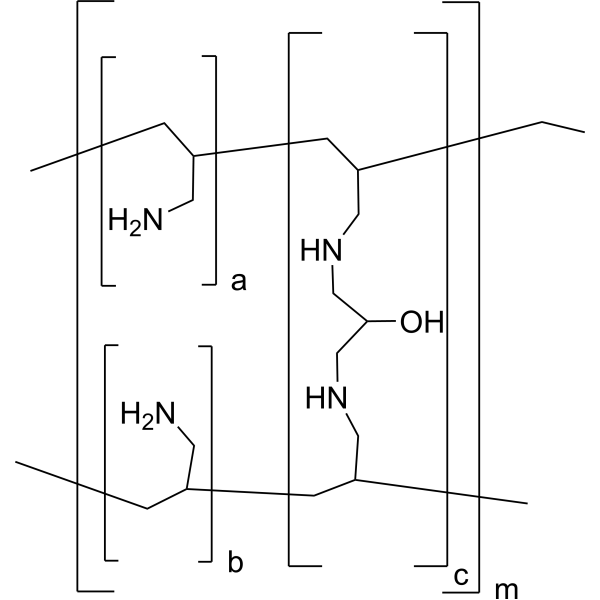
Sevelamer is an orally active polymeric phosphate binder and bile acid sequestrant. Sevelamer binds dietary phosphate in the gastrointestinal tract, reducing phosphate absorption and serum phosphorus levels, and reduces urinary phosphate excretion. Sevelamer binds polyanion bile acids, increases bile acid faecal excretion, and reduces total cholesterol and LDL cholesterol levels. Sevelamer can be used for the research of hyperphosphataemia, hyperparathyroidism, chronic renal failure, kidney disease, and type 2 diabetes .
loading...
    loading...
Cat. No.: HY-B0213S
CAS No.: 1189483-96-2
Synonyms: Sulfametoxydiazine-d4; 5-Methoxysulfadiazine-d4; NSC 683528-d4
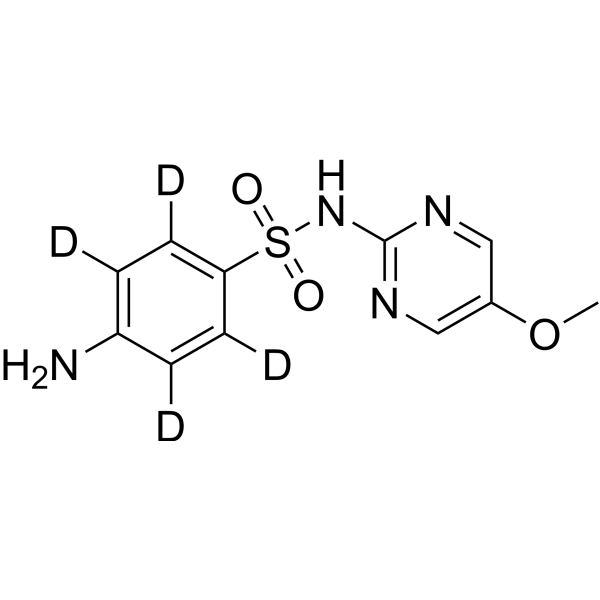
Sulfameter-d4 (Sulfametoxydiazine-d4) is the deuterium labeled Sulfameter (HY-B0213) . Sulfameter (Sulfametoxydiazine) is an orally active long-acting sulfonamide antibiotic. Sulfameter is active against both Gram-positive and Gram-negative bacteria. Sulfameter can be used for the research of diseases such as respiratory and urinary tract infections .
loading...
    loading...
Cat. No.: HY-B0213R
CAS No.: 651-06-9
Synonyms: Sulfametoxydiazine (Standard); 5-Methoxysulfadiazine (Standard); NSC 683528 (Standard)
Research Areas:  

Infection

Sulfameter (Standard) (Sulfametoxydiazine (Standard)) is the analytical standard of Sulfameter (HY-B0213). This product is intended for research and analytical applications. Sulfameter (Sulfametoxydiazine) is an orally active long-acting sulfonamide antibiotic. Sulfameter is active against both Gram-positive and Gram-negative bacteria. Sulfameter can be used for the research of diseases such as respiratory and urinary tract infections .
loading...
    loading...
Cat. No.: HY-A0208R
CAS No.: 40034-42-2
Synonyms: Acrosoxacin (Standard)
Research Areas:  

Infection

Rosoxacin (Standard) is the analytical standard of Rosoxacin. This product is intended for research and analytical applications. Rosoxacin (Acrosoxacin) is an orally active and broad-spectrum antibacterial quinolone antibiotic. Rosoxacin inhibits Gram-negative bacteria, including N. gonorrhoeae (MIC range=0.03-0.125 μg/mL).Rosoxacin can be used in studies of urinary tract infections and certain sexually transmitted diseases .
loading...
    loading...
Cat. No.: HY-B0213S1
Synonyms: Sulfametoxydiazine-13C6; 5-Methoxysulfadiazine-13C6; NSC 683528-13C6
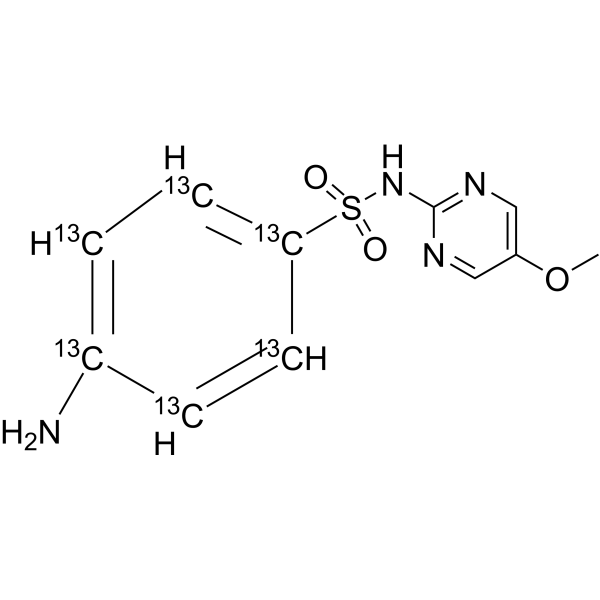
Sulfameter- 13C6 (Sulfametoxydiazine- 13C6) is the 13C6 labeled Sulfameter (HY-B0213). Sulfameter (Sulfametoxydiazine) is an orally active long-acting sulfonamide antibiotic. Sulfameter is active against both Gram-positive and Gram-negative bacteria. Sulfameter can be used for the research of diseases such as respiratory and urinary tract infections .
loading...
    loading...
Cat. No.: HY-N7101R
CAS No.: 87239-81-4
Synonyms: U-76,252 (Standard); CS-807 (Standard)
Cefpodoxime Proxetil (Standard) is the analytical standard of Cefpodoxime Proxetil. This product is intended for research and analytical applications. Cefpodoxime Proxetil is an orally active broad spectrum third-generation cephalosporin with potent antibacterial activity against both Gram-positive and Gram-negative bacteria including staphylococci, streptococci, Haemophilus influenzae, Neisseria gonorrhoeae, Escherichia coli, Klebsiella pnuemoniae, Citrobacter spp, and Proteus spp. Cefpodoxime Proxetil binds to penicillin binding proteins (PBPs), which inhibits peptidoglycan synthesis, finally results in interfering bacterial cell wall biosynthesis. Cefpodoxime Proxetil can be used against skin structure infections, acute otitis media, pharyngitis, tonsillitis, upper respiratory tract infection, urinary tract infections and sexually transmitted diseases .
loading...
    loading...
Cat. No.: HY-N7101S
Synonyms: U-76-d7,252-d7; CS-807-d7
Cefpodoxime proxetil-d7 (U-76-d7,252-d7; CS-807-d7) is the deuterium labeled Cefpodoxime Proxetil (HY-N7101). Cefpodoxime Proxetil is an orally active broad spectrum third-generation cephalosporin with potent antibacterial activity against both Gram-positive and Gram-negative bacteria including staphylococci, streptococci, Haemophilus influenzae, Neisseria gonorrhoeae, Escherichia coli, Klebsiella pnuemoniae, Citrobacter spp, and Proteus spp. Cefpodoxime Proxetil binds to penicillin binding proteins (PBPs), which inhibits peptidoglycan synthesis, finally results in interfering bacterial cell wall biosynthesis. Cefpodoxime Proxetil can be used against skin structure infections, acute otitis media, pharyngitis, tonsillitis, upper respiratory tract infection, urinary tract infections and sexually transmitted diseases .
loading...
    loading...

