1. Search Result
Search Result
Pathways Recommended: Membrane Transporter/Ion Channel
Results for "

voltage-dependent chloride channel

" in MedChemExpress (MCE) Product Catalog:

126

Inhibitors & Agonists

1

Screening Libraries

13

Peptides

12

Natural
Products

3

Recombinant Proteins

29

Isotope-Labeled Compounds

3

Antibodies

Cat. No. 상품명 Target 연구분야 Chemical Structure
  • HY-129122
    VBIT-4
    15+ Cited Publications

    VDAC Cardiovascular Disease Neurological Disease
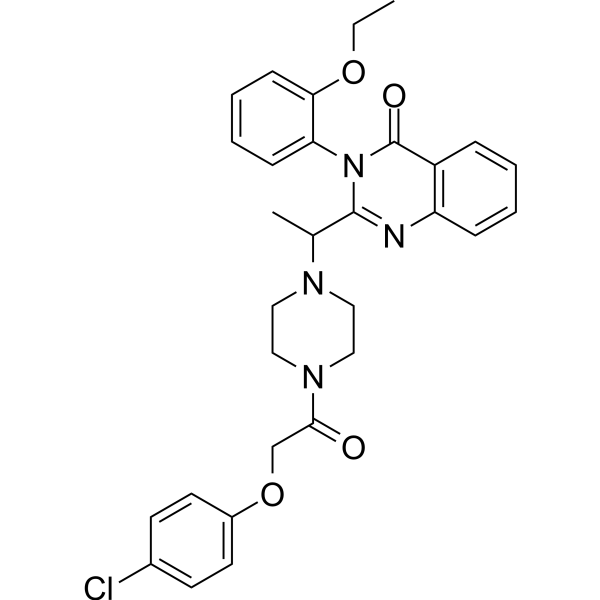
    VBIT-4 is an inhibitor of voltage-dependent anion channel 1 (VDAC1) oligomerization with a binding affinity (Kd) of 17 μM. VBIT-4, as an apoptosis inhibitor, can be used for therapeutic purposes in apoptosis-associated disorders, such as neurodegenerative and cardiovascular diseases .
    VBIT-4
  • HY-13750
    Ebselen
    20+ Cited Publications

    SPI-1005; PZ-51; CCG-39161

    Calcium Channel Virus Protease HIV Phosphatase Infection Neurological Disease Inflammation/Immunology Cancer
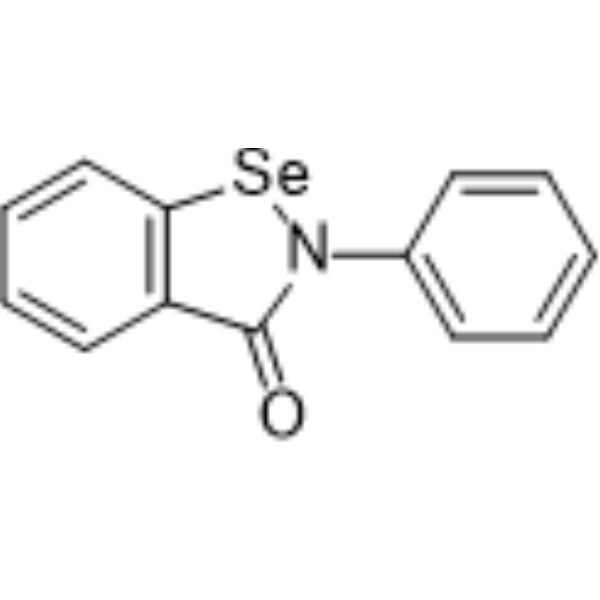
    Ebselen (SPI-1005), a glutathione peroxidase mimetic, is a potent voltage-dependent calcium channel (VDCC) blocker . Ebselen potently inhibits M pro (IC50=0.67 μM) and COVID-19 virus (EC50=4.67 μM) .Ebselen is an inhibitor of HIV-1 capsid CTD dimerization. Ebselen, an organoselenium compound, can permeate the blood-brain barrier and has anti-inflammatory, antioxidant and anticancer activity .
    Ebselen
  • HY-N0215
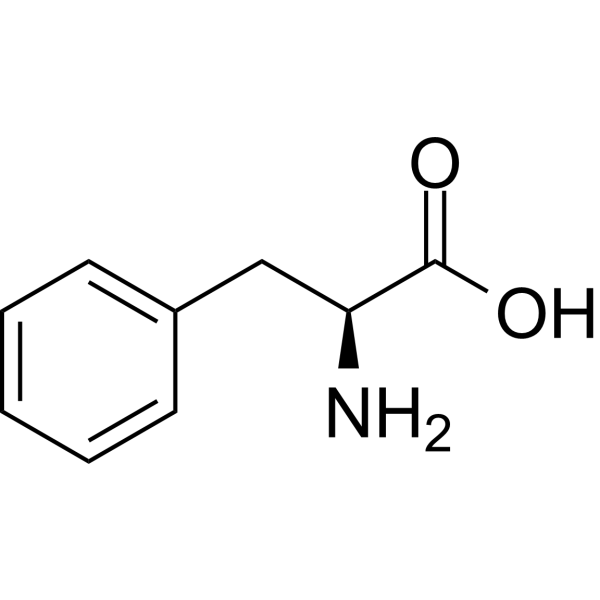
    L-Phenylalanine
    Maximum Cited Publications
    8 Publications Verification

    (S)-2-Amino-3-phenylpropionic acid

    Calcium Channel iGluR Endogenous Metabolite Ligands for E3 Ligase Metabolic Disease Cancer
    L-Phenylalanine ((S)-2-Amino-3-phenylpropionic acid) is an essential amino acid isolated from Escherichia coli. L-Phenylalanine is a α2δ subunit of voltage-dependent Ca + channels antagonist with a Ki of 980 nM. L-phenylalanine is a competitive antagonist for the glycine- and glutamate-binding sites of N-methyl-D-aspartate receptors (NMDARs) (KB of 573 μM ) and non-NMDARs, respectively. L-Phenylalanine is widely used in the production of food flavors and pharmaceuticals .
    L-Phenylalanine
  • HY-B0317
    Amlodipine
    10+ Cited Publications

    Calcium Channel Cardiovascular Disease Cancer
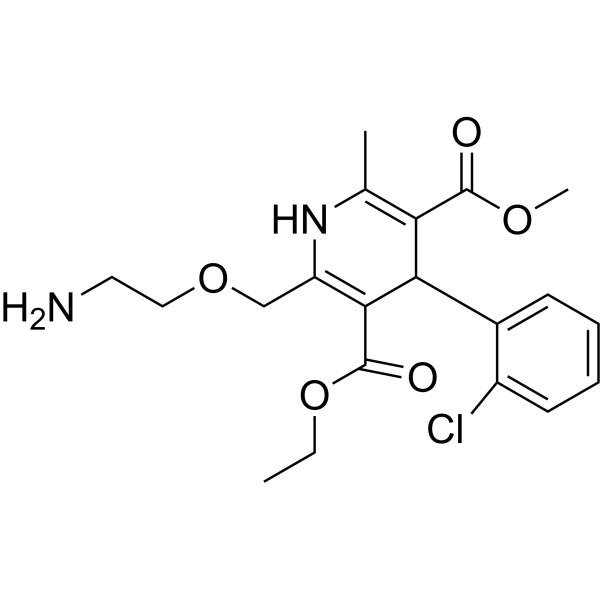
    Amlodipine, an antianginal agent and an orally active dihydropyridine calcium channel blocker, works by blocking the voltage-dependent L-type calcium channels, thereby inhibiting the initial influx of calcium. Amlodipine can be used for the research of high blood pressure and cancer .
    Amlodipine
  • HY-103371
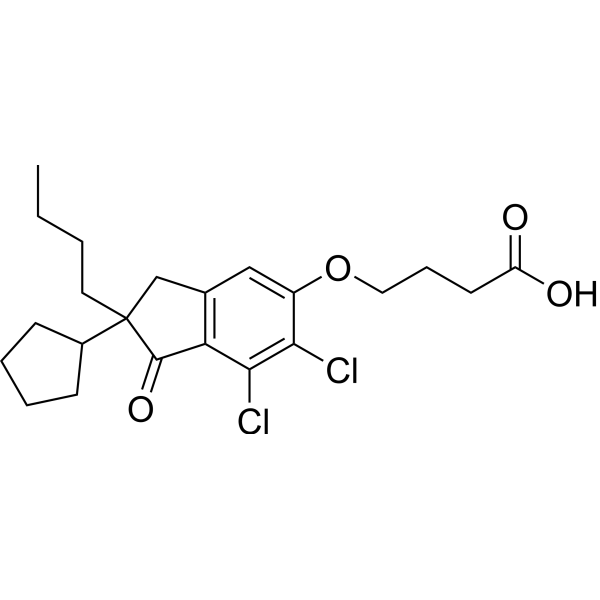
    DCPIB
    10+ Cited Publications

    Chloride Channel Potassium Channel Neurological Disease
    DCPIB is a selective, reversible and potent inhibitor of volume-regulated anion channels (VRAC). DCPIB voltage-dependently activates potassium channels TREK1 and TRAAK, and inhibits TRESK, TASK1 and TASK3 (IC50s: 0.14, 0.95, 50.72 μM, respectively). DCPIB is also a selective blocker of swelling-induced chloride current (ICl,swell), with an IC50 of 4.1 μM. DCPIB is a useful tool for investigating structure-function studies of K2P channels .
    DCPIB
  • HY-B0575
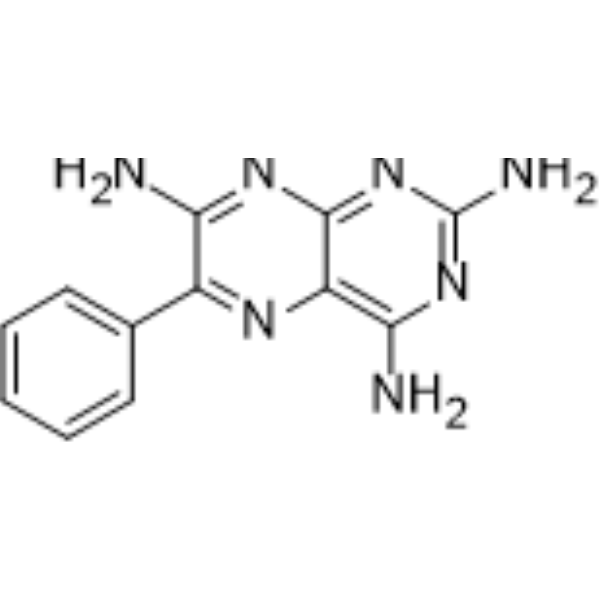
    Triamterene
    5+ Cited Publications

    Sodium Channel G protein-coupled Bile Acid Receptor 1 Cardiovascular Disease Neurological Disease Metabolic Disease Cancer
    Triamterene blocks epithelial Na + channel (ENaC) in a voltage-dependent manner, which used as a mild diuretic. Triamterene is an inhibitor of the TGR5 receptor .
    Triamterene
  • HY-P0190
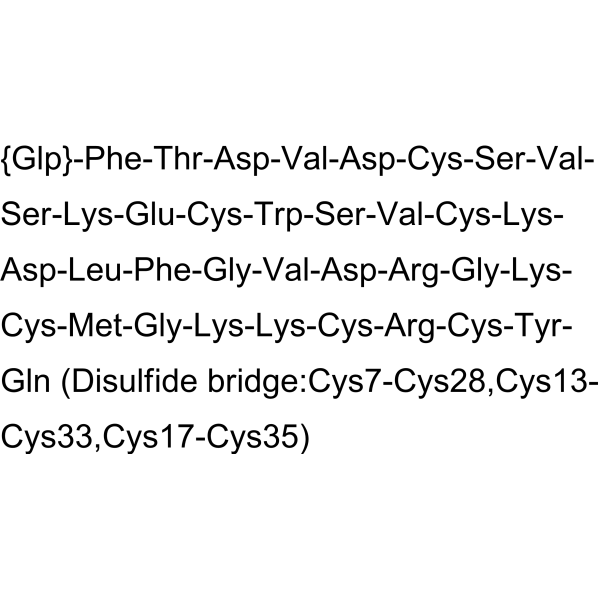
    Iberiotoxin
    2 Publications Verification

    Potassium Channel Cardiovascular Disease
    Iberiotoxin is a toxin isolated from Buthus tamulus scorpion venom. Iberiotoxin is a selective high conductance high conductance Ca 2+-activated K + channel inhibitor with a Kd of ~1 nM. Iberiotoxin does not block other types of voltage-dependent ion channels .
    Iberiotoxin
  • HY-B0317B
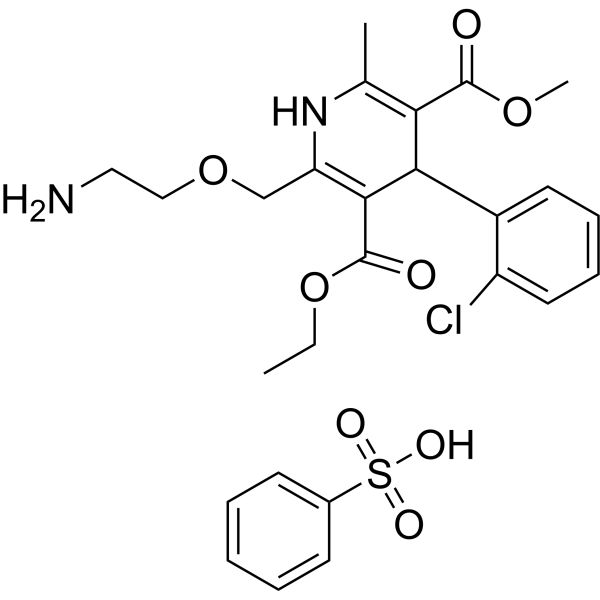
    Amlodipine besylate
    10+ Cited Publications

    Amlodipine benzenesulfonate

    Calcium Channel Cardiovascular Disease Cancer
    Amlodipine besylate (Amlodipine benzenesulfonate), an antianginal agent and an orally active dihydropyridine calcium channel blocker, works by blocking the voltage-dependent L-type calcium channels, thereby inhibiting the initial influx of calcium. Amlodipine besylate can be used for the research of high blood pressure and cancer .
    Amlodipine besylate
  • HY-N0215S12
    L-Phenylalanine-d5
    1 Publications Verification

    (S)-2-Amino-3-phenylpropionic acid-d5

    Calcium Channel iGluR Endogenous Metabolite Metabolic Disease
    L-Phenylalanine-d5 is the deuterium labeled L-Phenylalanine. L-Phenylalanine ((S)-2-Amino-3-phenylpropionic acid) is an essential amino acid isolated from Escherichia coli. L-Phenylalanine is a α2δ subunit of voltage-dependent Ca+ channels antagonist with a Ki of 980 nM. L-phenylalanine is a competitive antagonist for the glycine- and glutamate-binding sites of N-methyl-D-aspartate receptors (NMDARs) (KB of 573 μM ) and non-NMDARs, respectively. L-Phenylalanine is widely used in the production of food flavors and pharmaceuticals .
    L-Phenylalanine-d5
  • HY-N0215S1
    L-Phenylalanine-d8
    1 Publications Verification

    (S)-2-Amino-3-phenylpropionic acid-d8

    Calcium Channel iGluR Endogenous Metabolite Metabolic Disease
    L-Phenylalanine-d8 is the deuterium labeled L-Phenylalanine. L-Phenylalanine ((S)-2-Amino-3-phenylpropionic acid) is an essential amino acid isolated from Escherichia coli. L-Phenylalanine is a α2δ subunit of voltage-dependent Ca+ channels antagonist with a Ki of 980 nM. L-phenylalanine is a competitive antagonist for the glycine- and glutamate-binding sites of N-methyl-D-aspartate receptors (NMDARs) (KB of 573 μM ) and non-NMDARs, respectively. L-Phenylalanine is widely used in the production of food flavors and pharmaceuticals .
    L-Phenylalanine-d8
  • HY-B1657A

    Sodium Channel Neurological Disease
    Fosphenytoin sodium is a phenytoin proagent with similar anticonvulsant properties. Its main mechanism is to block frequency-dependent, use-dependent and voltage-dependent neuronal sodium channels, and therefore limit repetitive firing of action potentials.
    Fosphenytoin disodium
  • HY-B0317A
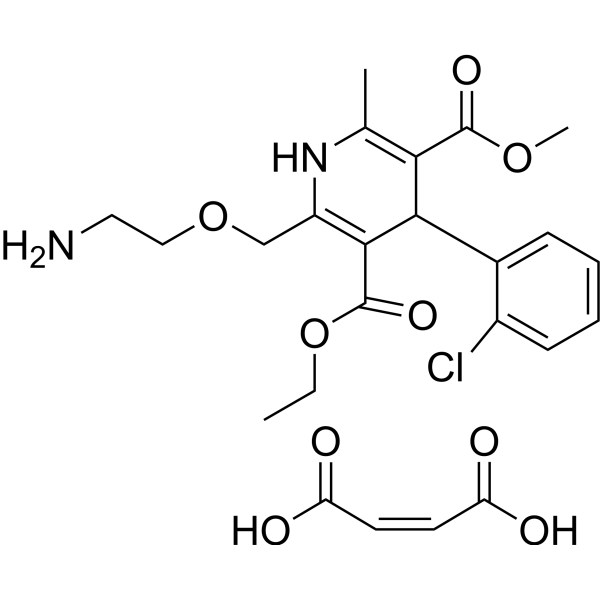
    Amlodipine maleate
    10+ Cited Publications

    Calcium Channel Cardiovascular Disease Cancer
    Amlodipine maleate is a dihydropyridine calcium channel blocker, acts as an orally active antianginal agent. Amlodipine maleate blocks the voltage-dependent L-type calcium channels, thereby inhibiting the initial influx of calcium. Amlodipine maleate can be used for the research of high blood pressure and cancer .
    Amlodipine maleate
  • HY-108974

    Phosphodiesterase (PDE) Calcium Channel Neurological Disease
    Drotaverine hydrochloride is a type 4 cyclic nucleotide phosphodiesterase (PDE4) inhibitor and an L-type voltage-dependent calcium channel (L-VDCC) blocker, blocks the degradation of 3',5'-cyclic adenosine monophosphate. Drotaverine (hydrochloride) exhibits in vivo antispasmodic efficacy without anticholinergic effects.
    Drotaverine hydrochloride
  • HY-B1671

    GABA Receptor Sodium Channel Calcium Channel Neurological Disease Metabolic Disease
    (+)-Kavain, a main kavalactone that can be extracted from Piper methysticum, has anticonvulsive properties, attenuating vascular smooth muscle contraction through interactions with voltage-dependent Na + and Ca 2+ channels . (+)-Kavain is shown to bind at the α4β2δ GABAA receptor and potentiate GABA efficacy . (+)-Kavain is used as a treatment for inflammatory diseases, its anti-inflammatory action has been widely studied .
    (+)-Kavain
  • HY-100080

    Sodium Channel Neurological Disease
    A-887826 is a potent, selective, oral bioavailable and voltage-dependent Na(v)1.8 sodium channel blocker with an IC50 of 11 nM . A-887826 attenuates neuropathic tactile allodynia in vivo .
    A-887826
  • HY-16915
    RPR-260243
    1 Publications Verification

    Potassium Channel Cardiovascular Disease
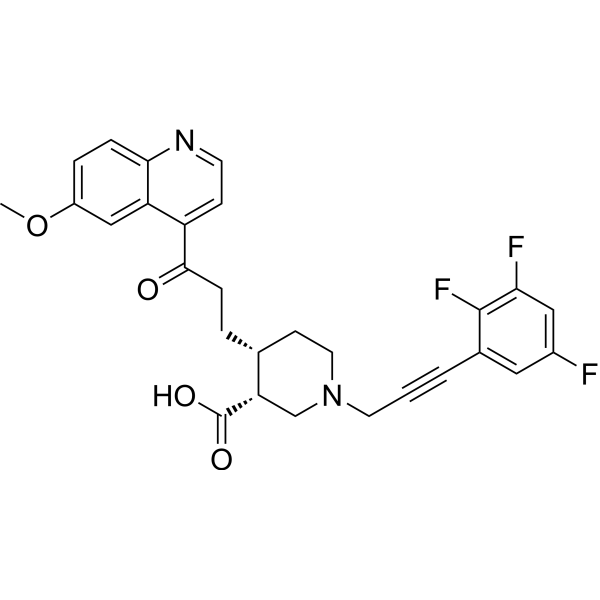
    RPR-260243, a potent activator of human ether-a-go-go-related gene (hERG), slows deactivation and attenuates inactivation of hERG1 channels. RPR260243-modified HERG currents are inhibited by Dofetilide (IC50=58 nM). RPR260243 displays no activator-like effects on other voltage-dependent ion channels, including the closely related ERG3 K+ channel . RPR-260243 is a click chemistry reagent, it contains an Alkyne group and can undergo copper-catalyzed azide-alkyne cycloaddition (CuAAc) with molecules containing Azide groups.
    RPR-260243
  • HY-N2060

    Apoptosis Bacterial Infection Inflammation/Immunology Cancer
    Evocarpine, a quinolone alkaloid that could be isolated from Evodiae fructus, inhibitss Ca 2+ influx through voltage-dependent calcium channels. Antimycobacterial activity .
    Evocarpine
  • HY-P0190A
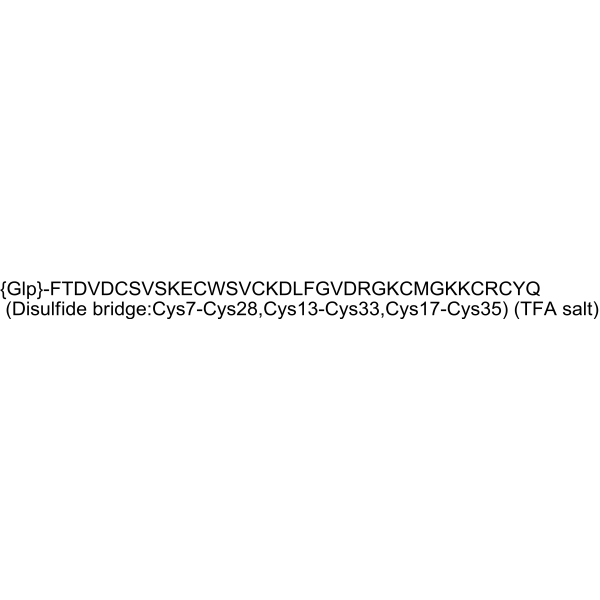
    Iberiotoxin TFA
    2 Publications Verification

    Potassium Channel Others
    Iberiotoxin (TFA) is a selective high conductance high conductance Ca 2+-activated K + channel inhibitor with a Kd of ~1 nM. Iberiotoxin (TFA) does not block other types of voltage-dependent ion channels .
    Iberiotoxin TFA
  • HY-P1074
    SNX-482
    1 Publications Verification

    Calcium Channel Neurological Disease
    SNX-482, a peptide, is a potent, high affinity, selective and voltage-dependent R-type CaV2.3 channel blocker with an IC50 of 30 nM. SNX-482 has antinociceptive effect .
    SNX-482
  • HY-N3990
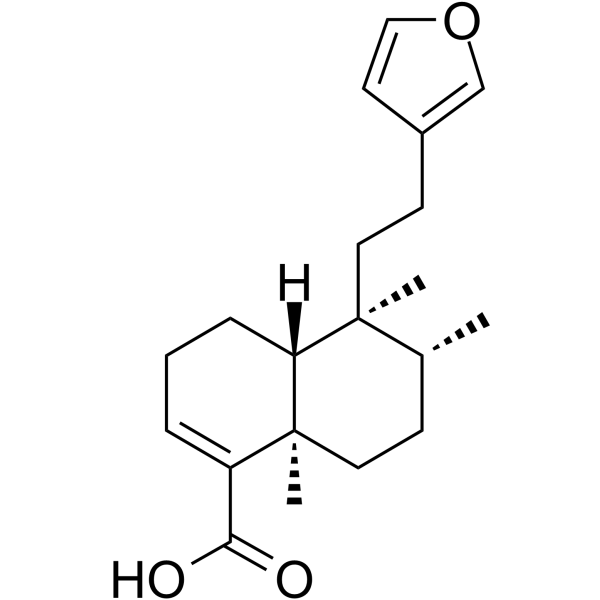
    Hardwickiic acid
    1 Publications Verification

    (-)-Hardwickiic acid; (-)-Hardwikiic acid

    Sodium Channel Parasite Infection Neurological Disease
    Hardwickiic acid ((-)-Hardwickiic acid) is a diterpenoid compound. Hardwickiic acid can block tetrodotoxin-sensitive voltage-dependent sodium channels and possesses multiple activities such as insecticidal, antinociceptive, and neurotransmitter release-regulating effects. Hardwickiic acid can be used in the study of neurological diseases .
    Hardwickiic acid
  • HY-122001

    Sodium Channel Neurological Disease
    PF-05186462 is a potent and selective inhibitor of human Nav1.7 voltage-dependent sodium channel, with an IC50 of 21 nM. PF-05186462 shows significant selectivity for Nav1.7 versus other sodium channels (Nav 1.1, 1.2, 1.3, 1.4, 1.5, 1.6, and 1.8). PF-05186462 can be used for the research of acute or chronic pain .
    PF-05186462
  • HY-19664

    OPC-13340

    Calcium Channel NO Synthase Cardiovascular Disease
    Pranidipine (OPC-13340) is an orally active L-type voltage-dependent calcium channel (L-VDCC) blocker with a Ki value of 0.16 nM. Pranidipine inhibits calcium-induced contraction, suppresses slow-response action potentials, shortens action potential duration, reduces systolic and diastolic blood pressure, and exerts vasodilatory effects. Pranidipine enhances its vasodilatory effect by blocking NO decomposition. Pranidipine can be used in research related to essential hypertension, angina pectoris, myocardial infarction, and dilated cardiomyopathy .
    Pranidipine
  • HY-103623

    Sodium Channel Neurological Disease
    PF-05241328 is a potent and selective inhibitor of human Nav1.7 voltage-dependent sodium channels (Nav1.7), with an IC50 of 31 nM.
    PF-05241328
  • HY-130335

    MJ9067

    Sodium Channel Cardiovascular Disease
    Encainide (MJ9067) is an antiarrhythmic agent with class IC activity. Encainide blocks voltage-dependent potassium channels. Encainide has the potential for life-threatening ventricular arrhythmias, symptomatic ventricular arrhythmias and supraventricular arrhythmias research .
    Encainide
  • HY-P1105

    Chloride Channel Neurological Disease
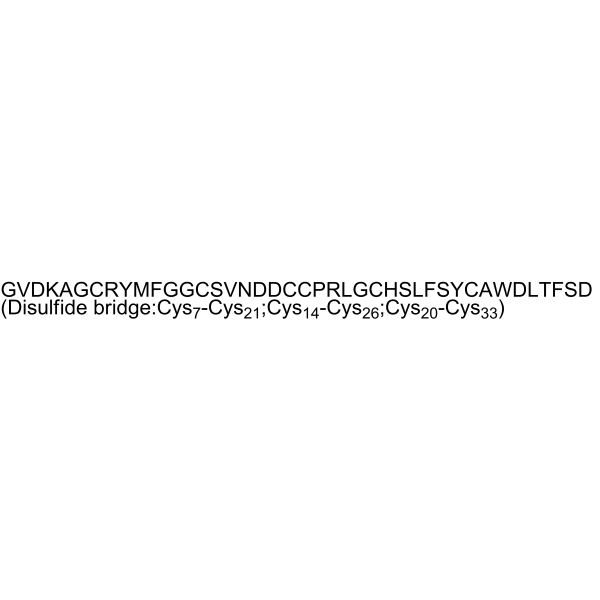
    GaTx2 is a seletive and a high affinity inhibitor of ClC-2 channels with a voltage-dependent apparent KD of ∼20 pM. GaTx2 is a peptide toxin inhibitor from Leiurus quinquestriatus hebraeus venom. GaTx2 is useful in determining the role and the membrane localization of ClC-2 in specific cell types .
    GaTx2
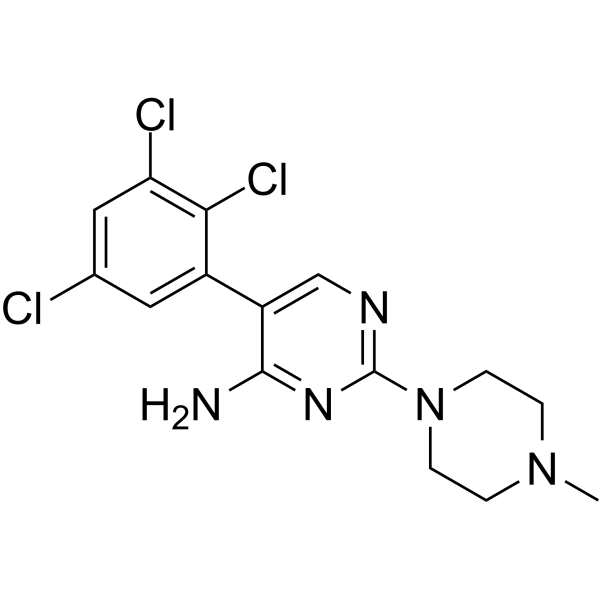
  • HY-111217

    VDAC Mitochondrial Metabolism Neurological Disease Cancer
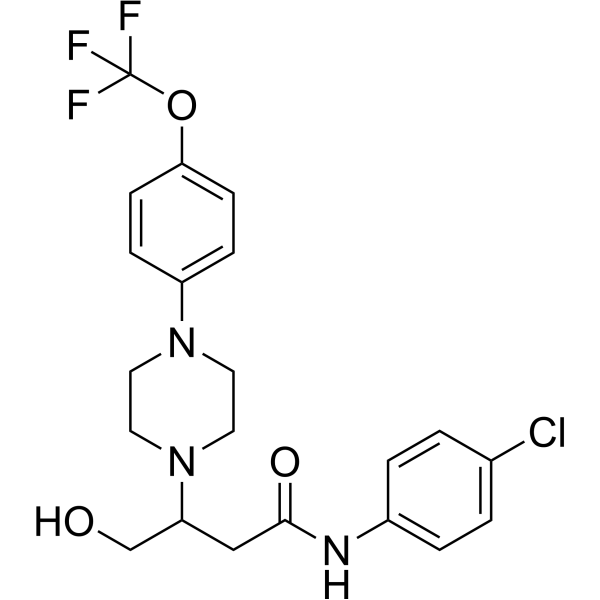
    AKOS-22 is a potent mitochondrial protein VDAC1 (voltage-dependent anion channel 1) inhibitor (Kd=15.4 μM). AKOS-22 interacts with VDAC1 and inhibiting both VDAC1 oligomerization and apoptosis. AKOS-22 protects against mitochondrial dysfunction .
    AKOS-22
  • HY-110162

    Potassium Channel Neurological Disease
    QO 58 is a potent modulator of K(v)7 channels. QO-58 increases the current amplitudes, shifts the voltage-dependent activation curve in a more negative direction and slows the deactivation of K(v)7.2/K(v)7.3 currents. QO-58 has the potential for the research of diseases associated with neuronal hyperexcitability .
    QO 58
  • HY-B1640R
    Ethacrynic acid (Standard)
    5+ Cited Publications

    Etacrynic acid (Standard)

    Reference Standards Glutathione S-transferase NF-κB Calcium Channel Inflammation/Immunology Cancer
    Ethacrynic acid (Standard) is the analytical standard of Ethacrynic acid. This product is intended for research and analytical applications. Ethacrynic acid (Etacrynic acid) is a diuretic. Ethacrynic acid is an inhibitor of glutathione S-transferases (GSTs). Ethacrynic acid is a potent inhibitor of NF-kB-signaling pathway, and also modulates leukotriene formation. Ethacrynic acid also inhibits L-type voltage-dependent and store-operated calcium channel, leading to relaxation of airway smooth muscle (ASM) cells. Ethacrynic acid has anti-inflammatory properties that reduces the retinoid-induced ear edema in mice .
    Ethacrynic acid (Standard)
  • HY-N0215S3

    (S)-2-Amino-3-phenylpropionic acid-d2

    Calcium Channel iGluR Endogenous Metabolite Metabolic Disease
    L-Phenylalanine-d2 is the deuterium labeled L-Phenylalanine. L-Phenylalanine ((S)-2-Amino-3-phenylpropionic acid) is an essential amino acid isolated from Escherichia coli. L-Phenylalanine is a α2δ subunit of voltage-dependent Ca+ channels antagonist with a Ki of 980 nM. L-phenylalanine is a competitive antagonist for the glycine- and glutamate-binding sites of N-methyl-D-aspartate receptors (NMDARs) (KB of 573 μM ) and non-NMDARs, respectively. L-Phenylalanine is widely used in the production of food flavors and pharmaceuticals .
    L-Phenylalanine-d2
  • HY-N0215S7
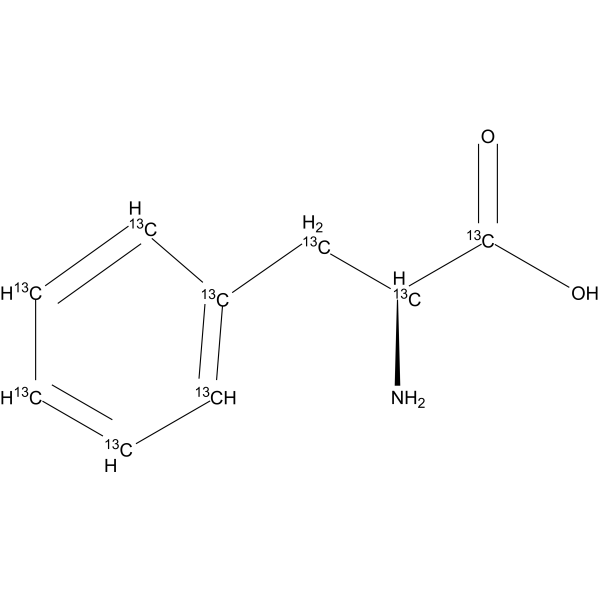
    L-Phenylalanine-3-13C
    1 Publications Verification

    (S)-2-Amino-3-phenylpropionic acid-3-13C

    Calcium Channel iGluR Endogenous Metabolite Metabolic Disease
    L-Phenylalanine-3- 13C is the 13C-labeled L-Phenylalanine. L-Phenylalanine ((S)-2-Amino-3-phenylpropionic acid) is an essential amino acid isolated from Escherichia coli. L-Phenylalanine is a α2δ subunit of voltage-dependent Ca+ channels antagonist with a Ki of 980 nM. L-phenylalanine is a competitive antagonist for the glycine- and glutamate-binding sites of N-methyl-D-aspartate receptors (NMDARs) (KB of 573 μM ) and non-NMDARs, respectively. L-Phenylalanine is widely used in the production of food flavors and pharmaceuticals .
    L-Phenylalanine-3-13C
  • HY-108335
    Sipatrigine
    1 Publications Verification

    619C89; BW 619C89

    Sodium Channel Calcium Channel Neurological Disease
    Sipatrigine (619C89), a neuroprotective agent, is a glutamate release inhibitor, voltage-dependent sodium channel and calcium channel inhibitor, penetrating the central nervous system. Has the potential in the study for focal cerebral ischemia and stroke .
    Sipatrigine
  • HY-B0575R
    Triamterene (Standard)
    5+ Cited Publications

    Reference Standards Sodium Channel G protein-coupled Bile Acid Receptor 1 Metabolic Disease
    Triamterene (Standard) is the analytical standard of Triamterene. This product is intended for research and analytical applications. Triamterene blocks epithelial Na+ channel (ENaC) in a voltage-dependent manner, which used as a mild diuretic. Triamterene as an inhibitor of the TGR5 receptor.
    Triamterene (Standard)
  • HY-B0575S

    Sodium Channel Metabolic Disease
    Triamterene-d5 is deuterium labeled Triamterene (HY-B0575). Triamterene blocks epithelial Na + channel (ENaC) in a voltage-dependent manner, which used as a mild diuretic. Triamterene is an inhibitor of the TGR5 receptor.
    Triamterene-d5
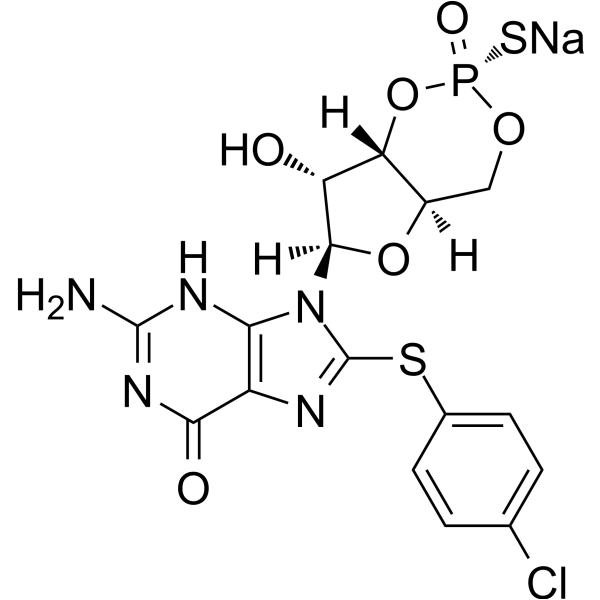
  • HY-110221
    Rp-8-pCPT-cGMPS sodium
    1 Publications Verification

    PKG Neurological Disease
    Rp-8-pCPT-cGMPS sodium is the sodium salt form of Rp-8-pCPT-cGMPS. Rp-8-pCPT-cGMPS is an inhibitor for cGMP-dependent protein kinase (cGK). Rp-8-pCPT-cGMPS sodium is an agonist for cyclic nucleotide-gated (CNG) channels in a voltage-dependent manner .
    Rp-8-pCPT-cGMPS sodium
  • HY-164728

    Calcium Channel Neurological Disease
    Pregabalin diacid is an impurity of Pregabalin, a lipophilic GABA (γ-aminobutyric acid) analog with anxiolytic and anticonvulsant activity. Pregabalin may act on the α(2)β subunit of voltage-dependent calcium channels, which are widely distributed in the peripheral and central nervous systems. Pregabalin can effectively induce hypoalgesia and improve behavioral disorders .
    Pregabalin diacid
  • HY-115597

    Calcium Channel Neurological Disease
    BTT-266 is an antagonist forcalcium channel, through suppression of the CaVα1-AID-CaVβ3 interaction, with a Ki of 1.4 μM. BTT-266 modulates the activation of voltage-dependent CaV2.2. BTT-266 exhibits analgesic efficacy against neuropathic pain in rats model .
    BTT-266
  • HY-P3071

    Stichodactyla helianthus neurotoxin

    Potassium Channel Neurological Disease Inflammation/Immunology
    ShK toxin blocks voltage-dependent potassium channel (Kv1.3 channel). ShK toxin can be isolated from the whole body extract of the Caribbean sea anemone (Stichodactylu helianthus). ShK toxin competes with dendrotoxin I and α-dendrotoxin for binding to synaptosomal membranes of rat brain, facilitates acetylcholine release. ShK toxin suppresses K+ currents in cultured rat dorsal root ganglion neurons. ShK toxin also inhibits T lymphocyte proliferation .
    ShK toxin
  • HY-Z7760

    Mineralocorticoid Receptor Metabolic Disease
    Felodipine 3,5-Dimethyl Ester is a aryldihydropyridine derivatives for use as mineralocorticoid receptor modulator and voltage-dependent L-type calcium channel CaV1.2 inhibitor .
    Felodipine 3,5-dimethyl ester
  • HY-B0562

    Carbonic Anhydrase Cardiovascular Disease Metabolic Disease
    Methyclothiazide is an orally active antihypertensive agent and a diuretic agent. Methyclothiazide leads to a reduction of the vascular response to the action of endogenous vasoconstricting stimuli, such as Norepinephrine (HY-13715). Methyclothiazide is against voltage-dependent Ca-channel (VDCC) activity in vitro .
    Methyclothiazide
  • HY-Q40876

    Calcium Channel Metabolic Disease
    BBT is an enhancer of impaired glucose-stimulated insulin secretion (GSIS). BBT exhibits anti-hyperglycemia activity, and protects β-cells from cytokine- or streptozotocin (STZ (HY-13753))-induced cell death in type 2 diabetes models. BBT acts function via cAMP/PKA and long-lasting (L-type) voltage-dependent Ca2+ channel/CaMK2 pathway .
    BBT
  • HY-172419

    GM-1020

    iGluR Neurological Disease
    Blixeprodil (GM-1020) is an orally active, blood-brain barrier-penetrant NMDA receptor inhibitor with a Ki of 3.25 µM in rat cortical tissues. Blixeprodil binds to the MK-801 ion channel site and blocks NMDA receptor-mediated currents in hyperpolarized states in a voltage-dependent manner. Blixeprodil modulates the power of cortical EEG frequency bands, alters spontaneous motor activity, and induces ataxia at high doses. Blixeprodil can be used in the research of depression .
    Blixeprodil
  • HY-176212

    Ferroptosis VDAC Reactive Oxygen Species (ROS) Inflammation/Immunology
    Ferroptosis-IN-20 (Compound 34a) is a Ferroptosis inhibitor (EC50: 24.2 nM) targeting voltage-dependent anion channel (VDAC). Ferroptosis-IN-20 inhibits VDAC oligomerization and lipid peroxidation. Ferroptosis-IN-20 reduces content of ROS, attenuates TFR1-mediated iron uptake, inhibits Fe 2+ level and restores glutathione (GSH) level. Ferroptosis-IN-20 alleviates Folic acid (HY-16637)-induced acute kidney injury (AKI) .
    Ferroptosis-IN-20
  • HY-B2021

    Insecticide Neurological Disease
    τ-Fluvalinate is an insecticide and in-hive miticide, with its mechanism involving interfering with nervous systems. τ-Fluvalinate binds to the open state of Varroa destructor (VdNaV1) and Apis mellifera (AmNaV1) voltage-dependent sodium channels, with EC50 values of 160 nM and 60 nM respectively. τ-Fluvalinate has higher affinity for AmNaV1, which causes sublethal toxicity to honeybees. τ-Fluvalinate can be applied for research on Varroa destructor infestation in honeybee colonies .
    τ-Fluvalinate
  • HY-P10358

    Calcium Channel Neurological Disease
    TAT-CBD3A6K, is a modified TAT-CBD3 peptide. TAT-CBD3A6K reduces T- and R-type voltage-dependent calcium currents in dorsal root ganglion (DRG) neurons. TAT-CBD3A6K shows anti-nociceptive effects in a model of AIDS-induced peripheral neuropathy by preventing CRMP-2-mediated enhancement of T- and R-type calcium channel function .
    TAT-CBD3A6K
  • HY-B0317C

    Calcium Channel Cardiovascular Disease Cancer
    Amlodipine mesylate, an antianginal agent and an orally active dihydropyridine calcium channel blocker, works by blocking the voltage-dependent L-type calcium channels, thereby inhibiting the initial influx of calcium. Amlodipine mesylate can be used for the research of high blood pressure and cancer .
    Amlodipine mesylate
  • HY-116478

    Potassium Channel Others
    L-3373 is a voltage-dependent potassium channel inhibitor with activity that reduces the effective refractory period and the dispersion of monophasic action potential duration, while significantly reducing susceptibility to ventricular fibrillation in a cat model of left ventricular hypertrophy.
    L-3373
  • HY-N15737

    Calcium Channel Enterovirus Infection Cardiovascular Disease
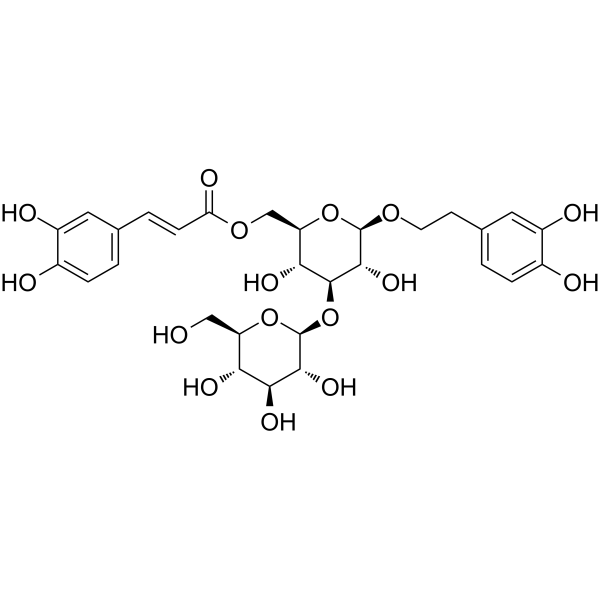
    Fukinolic acid is a benzyltartaric acid ester, is a vasodilator with antiviral activity against enterovirus A71 (EV-A71) replication. Fukinolic acid is a receptor-operated Ca 2+ channels (ROC) inhibitor, suppressing extracellular Ca 2+ influx through ROC activated by Norepinephrine (HY-13715) without affecting voltage-dependent Ca 2+ channels .
    Fukinolic acid
  • HY-B0317S1

    Isotope-Labeled Compounds Calcium Channel Cancer
    Amlodipine-d4 is a deuterium labeled Amlodipine (HY-B0317). Amlodipine, an antianginal agent and an orally active dihydropyridine calcium channel blocker, works by blocking the voltage-dependent L-type calcium channels, thereby inhibiting the initial influx of calcium. Amlodipine can be used for the research of high blood pressure and cancer .
    Amlodipine-d4
  • HY-B0317AS1

    Calcium Channel Isotope-Labeled Compounds Cardiovascular Disease
    Amlodipine-d9 maleate is deuterated labeled Amlodipine maleate (HY-B0317A). Amlodipine maleate is a dihydropyridine calcium channel blocker, acts as an orally active antianginal agent. Amlodipine maleate blocks the voltage-dependent L-type calcium channels, thereby inhibiting the initial influx of calcium. Amlodipine maleate can be used for the research of high blood pressure and cancer .
    Amlodipine-d9 maleate
  • HY-B0317S

    Isotope-Labeled Compounds Calcium Channel Cardiovascular Disease Cancer
    Amlodipine-1,1,2,2-d4 (maleate) is the deuterium labeled Amlodipine. Amlodipine, an antianginal agent and an orally active dihydropyridine calcium channel blocker, works by blocking the voltage-dependent L-type calcium channels, thereby inhibiting the initial influx of calcium. Amlodipine can be used for the research of high blood pressure and cancer .
    Amlodipine-1,1,2,2-d4 maleate

온라인 문의

Your information is safe with us. * Required Fields.

호칭


Country or Region *

고객명 *


회사명 *

Department *


메일주소 *


상품명 *

Cat. No.


Requested quantity *

전화번호 *


비고

온라인 문의

Inquiry Information

상품명:
Cat. No.:
수량:
MCE Japan Authorized Agent:

