



Cancer Targeted Therapy
Cancer targeted therapy is the foundation of precision medicine; it uses drugs or other substances to target specific genes and proteins that control cancer cells’ growth, division and spreading. Compared to traditional chemotherapy drugs, targeted-drugs can specifically act on cancer cells with high efficacy without damaging normal cells. Drugs used in cancer targeted therapy mainly includes small molecules and macromolecules (e.g., monoclonal antibodies), which can target cancer cells and constituents in the tumor microenvironment to activate the immune system. Anti-angiogenesis drugs, such as those targeting vascular endothelial growth factor (VEGF), epidermal growth factor receptor (EGFR), transforming growth factor (TGF)-α, TGF-β, Tumor necrosis factor (TNF)-α, and platelet-derived endothelial growth factor (PDGFR) inhibit the proliferation and metastasis of cancer cells. In recent years, the proportion of antibody drugs in cancer treatment has gradually become prominent. Antibody-drug conjugates (ADCs) are a new type of targeted drugs that are composed of monoclonal antibody, cytotoxic drug and linker. ADCs can deliver drugs to tumor cells and minimize the toxicity to normal tissues. Proteolysis-targeting chimera (PROTAC) is a useful technology for targeted protein degradation. PROTAC exploits the ubiquitin-proteasome system and forms a ternary complex with a hijacked E3 ubiquitin ligase and target protein, leading to polyubiquitination and degradation of the target protein.
Targeted therapy is a useful strategy in treatment of cancer either alone or in combination with standard chemotherapy. At present, targeted therapy has proved significant clinical success in the treatment of many types of cancer, including breast cancer, colorectal cancer, leukemia, ovarian cancer and lung cancer.
-
PERK-IN-3
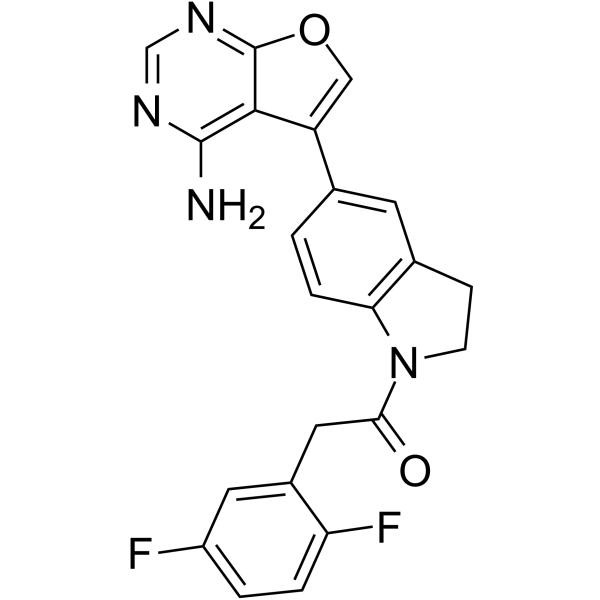 0 ImagesCat. No.: HY-130643CAS No.: 1337532-08-7
PERK-IN-3 is a potent PERK inhibitor with an IC50 of 7.4 nM.
-
Haspin-IN-1
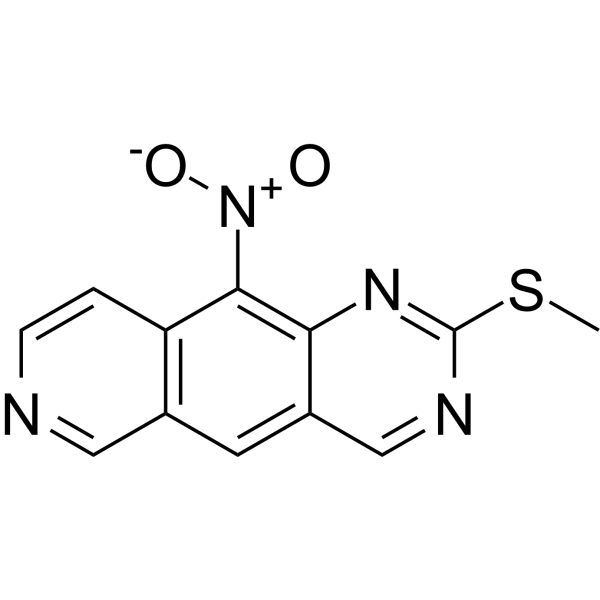 0 ImagesCat. No.: HY-146586CAS No.: 2768474-30-0
-
Azido-PEG3-S-PEG4-t-butyl ester
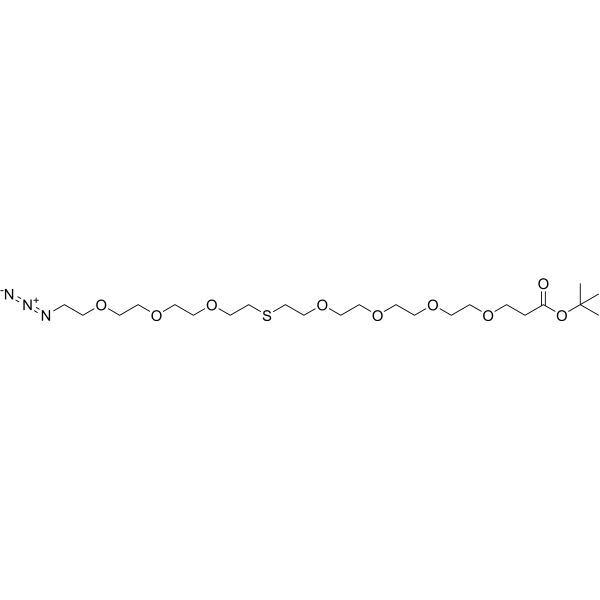 0 ImagesCat. No.: HY-140592CAS No.: 2055041-19-3
Azido-PEG3-S-PEG4-t-butyl ester is a PEG-based PROTAC linker that can be used in the synthesis of PROTACs. Azido-PEG3-S-PEG4-t-butyl ester is a click chemistry reagent, it contains an Azide group and can undergo copper-catalyzed azide-alkyne cycloaddition reaction (CuAAc) with molecules containing Alkyne groups. It can also undergo strain-promoted alkyne-azide cycloaddition (SPAAC) reactions with molecules containing DBCO or BCN groups.
-
DNA-PK-IN-6
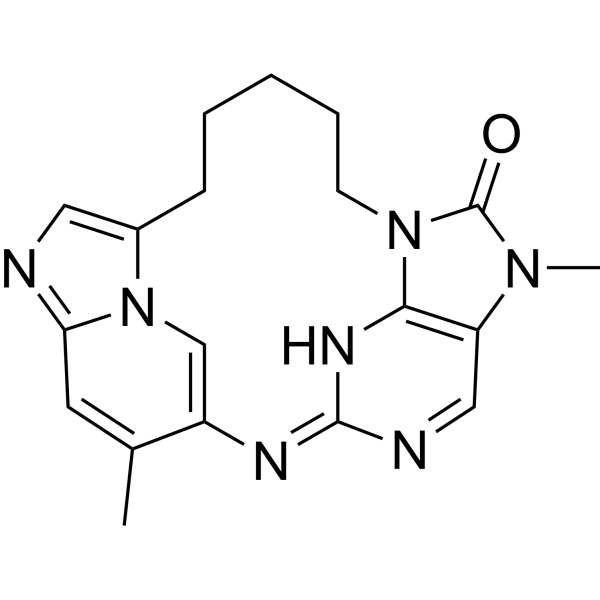 0 ImagesCat. No.: HY-144039CAS No.: 2711810-41-0
DNA-PK-IN-6 is a potent inhibitor of DNA-PK. DNA-PK-IN-6 inhibits DNA-PKcs activity, thus greatly reducing tumor DNA repair and inducing cells to enter the apoptotic program. DNA-PK-IN-6 enhances the sensitivity of tumor tissues to radiotherapy, overcomes the problem of agent resistance, and enhances the inhibitory effect on a variety of solid tumors and hematological tumors (extracted from patent WO2021197159A1, compound 6).
-
PARP7-IN-19
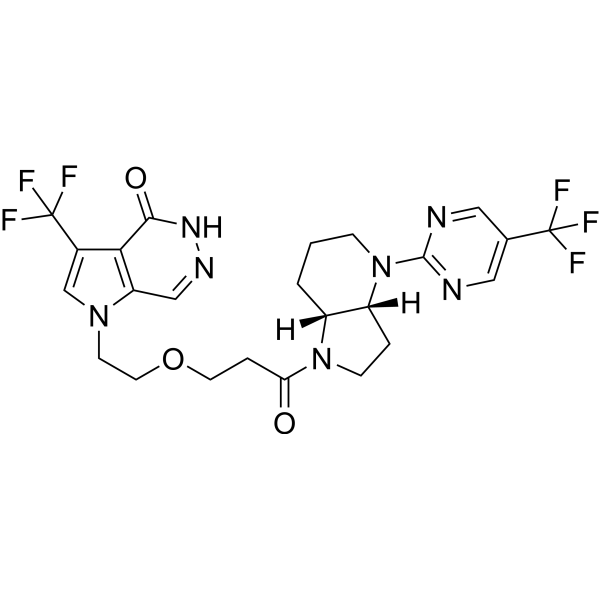 0 ImagesCat. No.: HY-163492CAS No.: 3033778-34-3
-
CRM1-IN-3
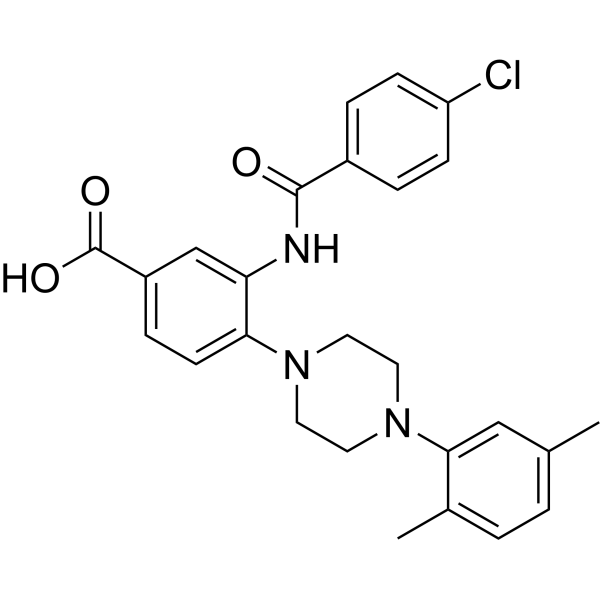 0 ImagesCat. No.: HY-157412CAS No.: 1114628-25-9
CRM1-IN-3 (B28) is a noncovalent CRM1 inhibitor. CRM1-IN-3 can be used for the research of protein localization and tumor.
-
hsa-miR-210-3p antagomir
 0 ImagesCat. No.: HY-RI00429A
hsa-miR-210-3p antagomirs are chemically-modified oligonucleotides that hybridize with mature miRNAs. The miRNA antagomirs have 2 phosphorothioates at the 5' end, 4 phosphorothioates at the 3' end, 1 cholesterol group at the 3' end, and full-length nucleotide 2'-methoxy modification. The miRNA antagomirs strongly compete with mature miRNAs to prevent the complementary pairing of miRNAs and their target genes, thereby inhibiting miRNAs from functioning. Stability of miRNA antagomirs appears to be significantly higher than miRNA inhibitors, they exhibits enhanced cellular uptake, stability and regulatory activity in vivo.
-
hsa-miR-4445-5p antagomir
 0 ImagesCat. No.: HY-RI01050A
hsa-miR-4445-5p antagomirs are chemically-modified oligonucleotides that hybridize with mature miRNAs. The miRNA antagomirs have 2 phosphorothioates at the 5' end, 4 phosphorothioates at the 3' end, 1 cholesterol group at the 3' end, and full-length nucleotide 2'-methoxy modification. The miRNA antagomirs strongly compete with mature miRNAs to prevent the complementary pairing of miRNAs and their target genes, thereby inhibiting miRNAs from functioning. Stability of miRNA antagomirs appears to be significantly higher than miRNA inhibitors, they exhibits enhanced cellular uptake, stability and regulatory activity in vivo.
-
hsa-miR-548az-5p inhibitor
 0 ImagesCat. No.: HY-RI01671
hsa-miR-548az-5p inhibitors are chemically-modified oligonucleotides that hybridize with mature miRNAs. The miRNA inhibitors have full-length nucleotide 2'-methoxy modification. The miRNA inhibitors strongly compete with mature miRNAs to prevent the complementary pairing of miRNAs and their target genes, thereby inhibiting miRNAs from functioning.
-
ARQ 069
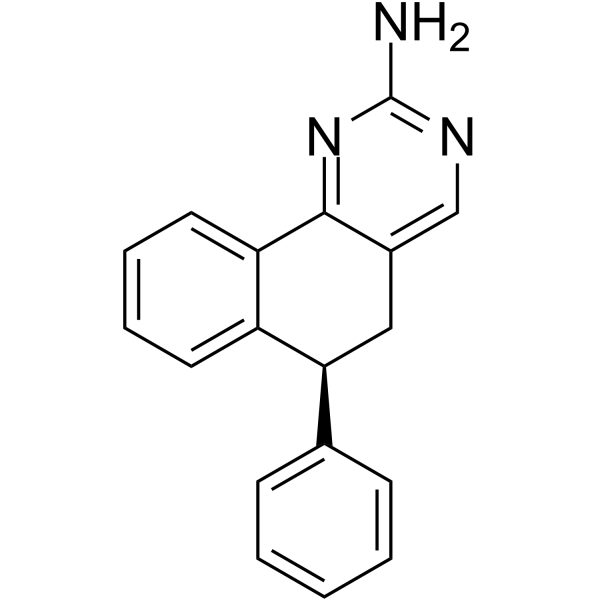 0 ImagesCat. No.: HY-101544CAS No.: 1314021-57-2
ARQ 069, an analog of ARQ 523, inhibits FGFR in an enantiospecific manner. ARQ 069 targets the unphosphorylated, inactive forms of FGFR1/FGFR2 kinases (IC50s of 0.84 μM and 1.23 μM, respectively). ARQ 069 inhibits FGFR1/FGFR2 autophosphorylation (IC50s of 2.8 and 1.9 μM, respectively) through a mechanism in a non-ATP competitive dependent manner.
-
N6-Methyl-3’-O-(2-methoxyethyl) adenosine
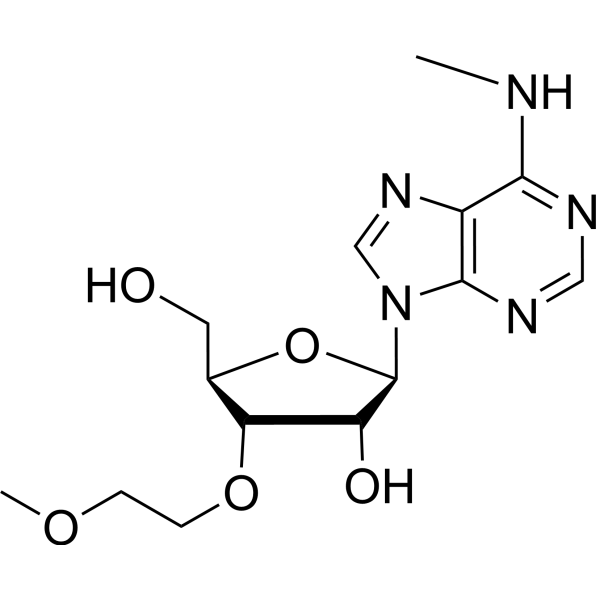 0 ImagesCat. No.: HY-152575
N6-Methyl-3’-O-(2-methoxyethyl) adenosine is a purine nucleoside analog. Purine nucleoside analogs have broad antitumor activity targeting indolent lymphoid malignancies. Anticancer mechanisms in this process rely on inhibition of DNA synthesis, induction of apoptosis, etc.
-
PROTAC BRD4 Degrader-22
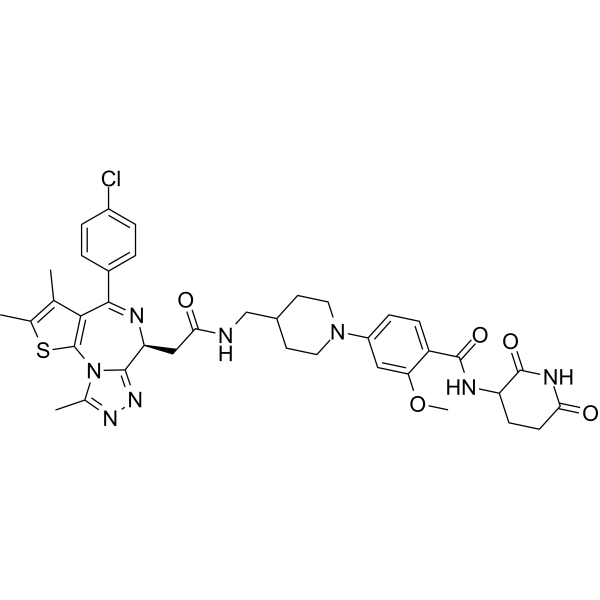 0 ImagesCat. No.: HY-155393CAS No.: 3032850-37-3
-
FGFR4-IN-22
 0 ImagesCat. No.: HY-170690CAS No.: 2922812-74-4
FGFR4-IN-22 (compound 10f) is a potent inhibitor of FGFR4, with the IC50 of 5.4 nM. FGFR4-IN-22 serve as a potential lead compound targeting FGFR4 for anti-HCC agent development.
-
Lck degrader-1
 0 ImagesCat. No.: HY-175280CAS No.: 3095033-62-5
Lck degrader-1 is a molecular glue degrader that recruits cereblon to target LCK and CK1α. Lck degrader-1 promotes the formation of the LCK/CRBN-DDB1 ternary complex with an EC50 of 77.1 nM, and induces the degradation of LCK and CK1α. LCK degradation induced by Lck degrader-1 depends on the G415-containing helical G-loop degron, and maintains LCK-degrading activity in cells with the LCK T316I gatekeeper mutation. Lck degrader-1 can be used for research related to T-cell acute lymphoblastic leukemia (T-ALL) and LCK inhibitor resistance.

-
W-GTF01
 0 ImagesCat. No.: HY-185701CAS No.: 951968-89-1
W-GTF01 is a MGAT1 inhibitor. W-GTF01 blocks the MGAT1-catalyzed glycosylation of CD73, and inhibits CD73 dimerization, membrane translocation and adenosine production. W-GTF01 restores the function of IFNγ-producing CD8+ T cells, enhances tumor infiltration and activation of CD8+ T cells, and suppresses tumor growth. W-GTF01 can be used in research related to triple-negative breast cancer.
-
7-Coumaryl triflate
 0 ImagesCat. No.: HY-43322CAS No.: 108530-10-5
7-Coumaryl triflate is a type 17β-HSD1 inhibitor of 17β-hydroxysteroid dehydrogenase. Its IC50 is 360 nM and Ki is 173 nM. 7-Coumaryl triflate shows selectivity for 17β-HSD2 and has no detectable affinity for ERα or ERβ. 7-Coumaryl triflate can be used in related research on hormone-dependent breast cancer.
-
hsa-miR-8067 antagomir
 0 ImagesCat. No.: HY-RI02459A
hsa-miR-8067 antagomirs are chemically-modified oligonucleotides that hybridize with mature miRNAs. The miRNA antagomirs have 2 phosphorothioates at the 5' end, 4 phosphorothioates at the 3' end, 1 cholesterol group at the 3' end, and full-length nucleotide 2'-methoxy modification. The miRNA antagomirs strongly compete with mature miRNAs to prevent the complementary pairing of miRNAs and their target genes, thereby inhibiting miRNAs from functioning. Stability of miRNA antagomirs appears to be significantly higher than miRNA inhibitors, they exhibits enhanced cellular uptake, stability and regulatory activity in vivo.
-
mmu-miR-351-5p antagomir
 0 ImagesCat. No.: HY-RI03081A
mmu-miR-351-5p antagomirs are chemically-modified oligonucleotides that hybridize with mature miRNAs. The miRNA antagomirs have 2 phosphorothioates at the 5' end, 4 phosphorothioates at the 3' end, 1 cholesterol group at the 3' end, and full-length nucleotide 2'-methoxy modification. The miRNA antagomirs strongly compete with mature miRNAs to prevent the complementary pairing of miRNAs and their target genes, thereby inhibiting miRNAs from functioning. Stability of miRNA antagomirs appears to be significantly higher than miRNA inhibitors, they exhibits enhanced cellular uptake, stability and regulatory activity in vivo.



