Inflammation/Immunology
-
Inflammation/Immunology Related Products (20794)
Related Products (20794)

-
Antibodies (115)
-
Related Compound Screening Libraries (4)
-
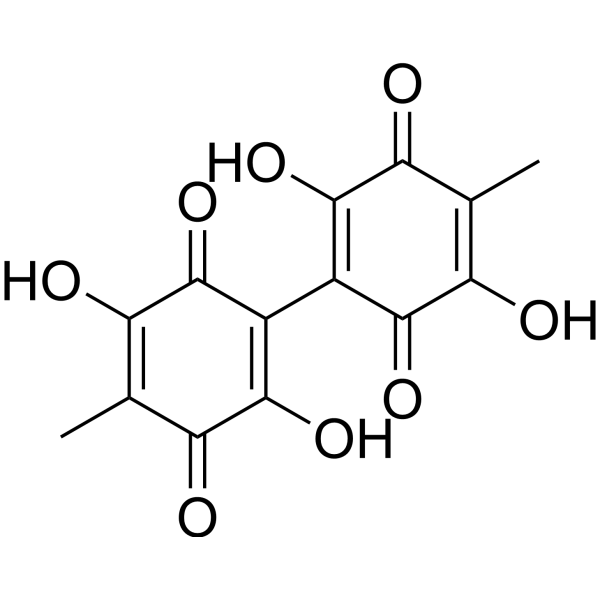
Oosporein
 0 Images
Oosporein is a microbial metabolite and a red crystalline toxin produced by various fungi. Oosporein can promote the reproduction of fungi in host bodies by inhibiting insect immunity, and possesses multiple activities such as antibacterial, antiviral (HSV), and insecticidal effects. Oosporein can inhibit plant growth. In addition, Oosporein can also induce apoptosis, cell membrane damage, oxidative stress, and mitochondrial damage. Oosporein has certain antitumor activity.
-
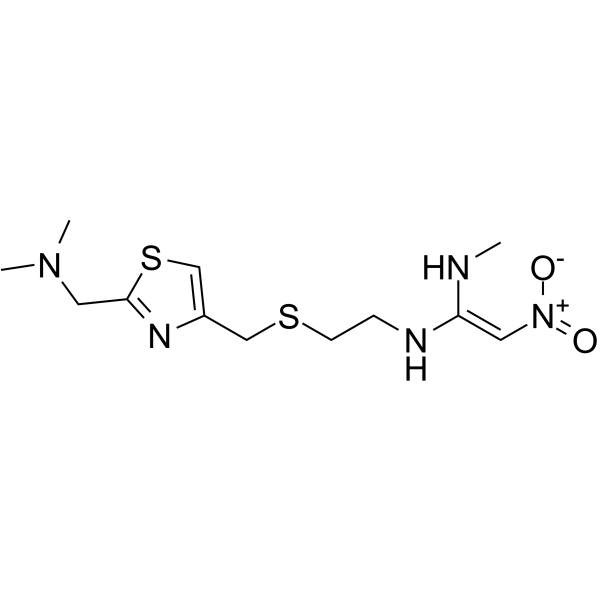
Nizatidine
 0 Images
Nizatidine is a potent and orally active histamine H2 receptor antagonist, can be used for the research of stomach and intestines ulcers. Nizatidine works by decreasing the secretion of gastric acid the stomach makes and prevent ulcers from coming back after they have healed in animal models.

-
Anti-LIF Antibody (MSC-1)
 0 ImagesSynonyms: Falbikitug; MSC-1; AZD-0171
Anti-LIF Antibody (MSC-1) is a CHO-expressed human antibody that targets LIF. Anti-LIF Antibody (MSC-1) contains huIgG1 heavy chain and huκ light chain, with a predicted molecular weight (MW) of 146.6 kDa. The isotype control for Anti-LIF Antibody (MSC-1) can refer to Human IgG1 kappa, Isotype Control (HY-P99001).
-
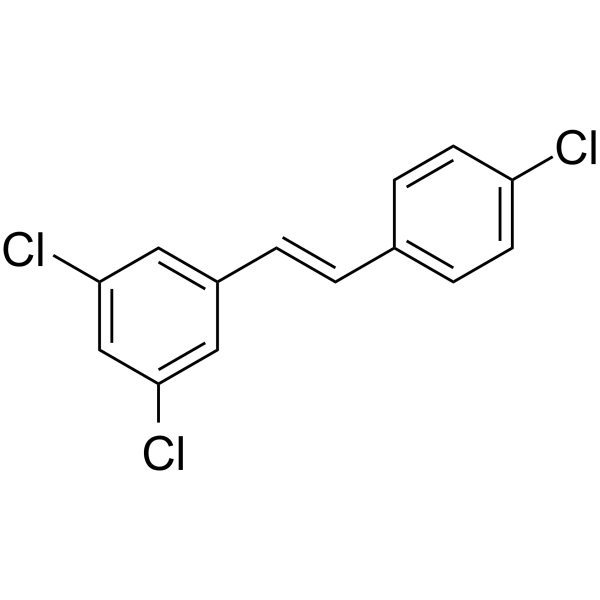
PDM2
 0 Images
PDM2 is a selective, high-affinity aryl hydrocarbon receptor (AhR) antagonist with an Ki of 1.2±0.4 nM.

-
5-Methoxytryptophol
 0 Images
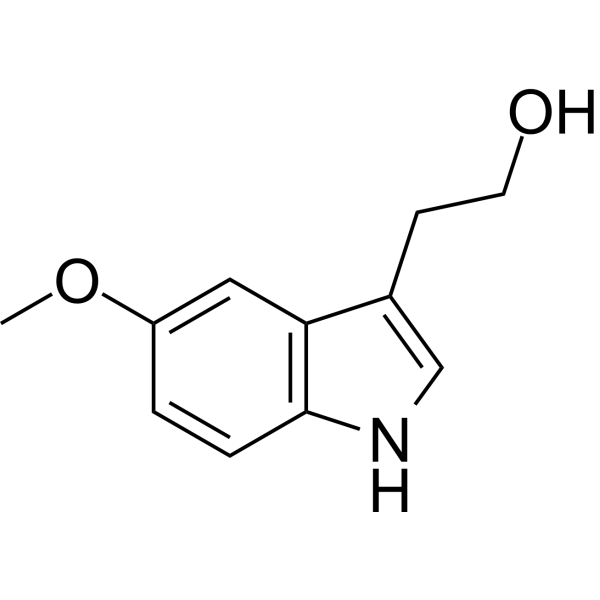
5-Methoxytryptophol is a 5-methoxyindole alcohol structurally homologous to Melatonin (HY-B0075). It is secreted by the mammalian pineal gland and exhibits an inverse circadian rhythm. 5-Methoxytryptophol regulates bone metabolism by activating the ERK1/2 pathway. It reduces the levels of pro-inflammatory cytokines TNF-α and IL-1β, as well as proteolytic enzymes MMP-1 and MMP-2, in serum and dental pulp tissues, thereby ameliorating acute pulpitis. 5-Methoxytryptophol induces rapid sleep in mice, while high doses cause respiratory depression and death. 5-Methoxytryptophol. 5-Methoxytryptophol can be used in studies related to acute pulpitis, hypnosis, and bone metabolism.
-
CYM 50769
 0 Images
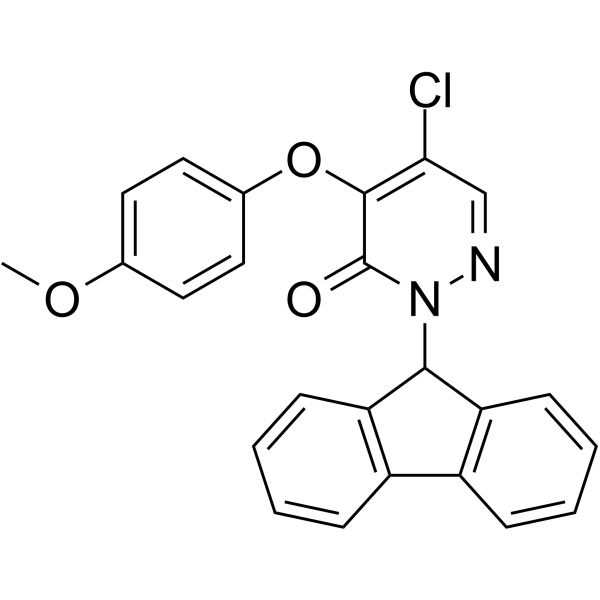
CYM 50769 is a non-peptidic selective antagonist of neuropeptides B and W receptor 1 (NPBWR1). CYM 50769 can attenuates the NPW-23-induced cell proliferation in ATDC5. CYM 50769 can be used for researching endochondral bone formation.
-
Myeloperoxidase, human white blood cells
 0 ImagesCat. No.: HY-125859ACAS No.: 9003-99-0Synonyms: MPO
Myeloperoxidase, human white blood cells (MPO) is a peroxidase. In Myeloperoxidase, human white blood cells mediate oxidative stress by promoting the production of reactive oxygen species (ROS) and active nitrogen (RNS), regulating the polarization and inflammation-related signaling pathways of microglia and neutrophils. Myeloperoxidase, human white blood cells has antibacterial activity.
-
Dihydrorotenone
 0 Images
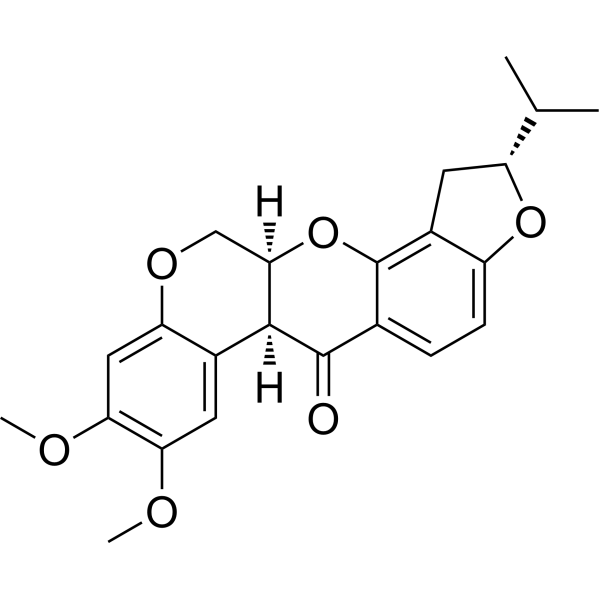
Dihydrorotenone is an insecticide and irreversible inhibitor of mitochondrial complex I. Dihydrorotenone may induce Parkinson's disease. Dihydrorotenone induces apoptosis in human plasma cells by triggering endoplasmic reticulum stress and activating the p38 signaling pathway. The oral LD50 of dihydrorotenone in rats is approximately 2.5 g/kg. Dihydrorotenone exhibits insecticide activity and cytotoxicity to plasma cells. Dihydrorotenone can be used to establish animal models of Parkinson's disease, safety assessment of natural pesticides, and potential cancer chemoprevention studies.
-
Tosposertib
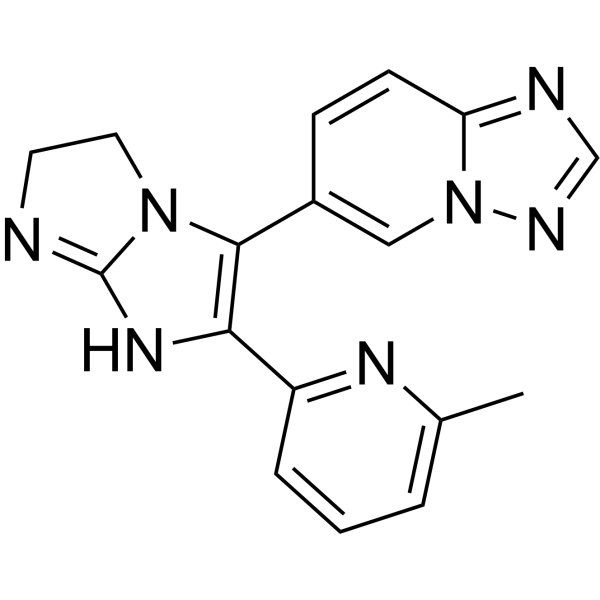 0 ImagesSynonyms: TU2218 free base
Tosposertib (TU2218 free base) is an ALK5/VEGFR2 dual inhibitor (IC50 = 1.2 nM/4.9 nM). Tosposertib directly restores the activity of damaged cytotoxic T lymphocytes (CTLs) and natural killer cells inhibited by TGFβ and suppresses the activity and viability of regulatory T cells. Tosposertib can be used for the study of melanoma and colon cancer.
-
Nasunin
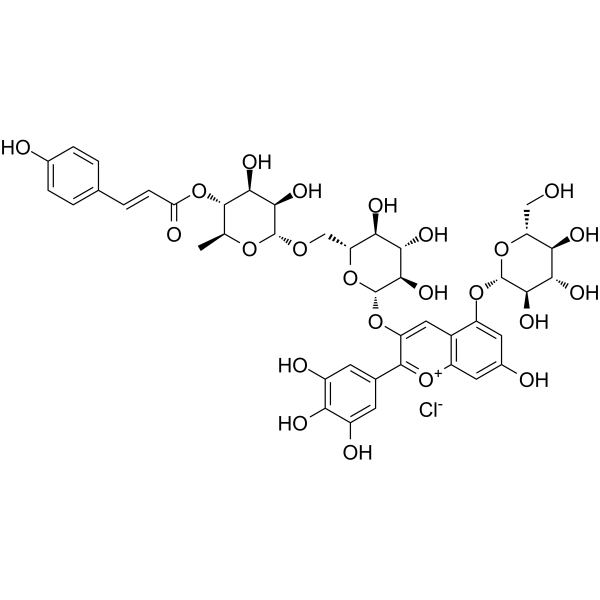 0 ImagesSynonyms: Delphinidin-3-(p-coumaroylrutinoside)-5-glucoside
Nasunin, an antioxidant anthocyanin, possesses antiangiogenic activity.
-
Ocadusertib
 0 ImagesSynonyms: LY3871801; R 552
Ocadusertib is a potent Serine/Threonine kinase receptor-interacting protein kinase 1 (RIPK1) inhibitor.
-
CYP2E1-IN-1
 0 Images
CYP2E1-IN-1 (Compound 10) is an orally active cytochrome P450 2E1 (CYP2E1) inhibitor with a Kd of 7.02 μM, an IC50 of 1.64 μM, and a Ki of 0.897 μM. CYP2E1-IN-1 activates the Nrf2/HO-1 signaling pathway and inhibits ROS production, thereby alleviating pancreatic injury. CYP2E1-IN-1 has significant anti-inflammatory and antioxidant activities and can effectively reduce inflammation and oxidative stress in severe acute pancreatitis (SAP). CYP2E1-IN-1 can be used in the study of SAP and other inflammatory-related diseases.
-
Revaprazan hydrochloride
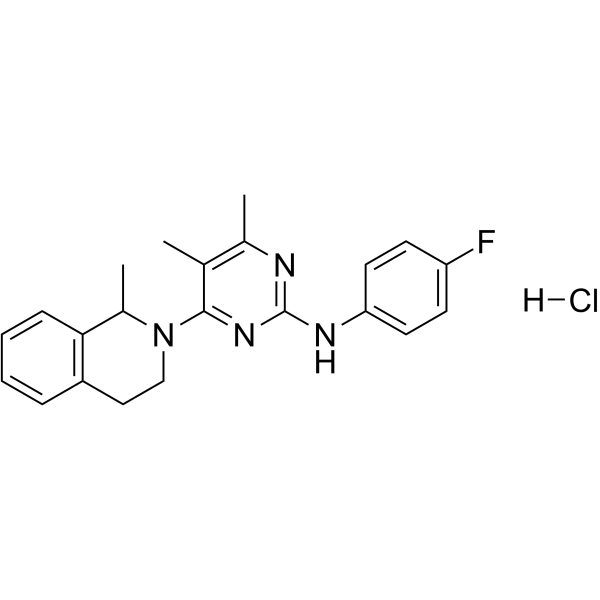 0 Images
Revaprazan hydrochloride is reversible proton pump inhibitor. Revaprazan hydrochloride can inhibit gastric acid secretion and protect gastric mucosa. Revaprazan hydrochloride can inhibit IkappaB-alpha degradation as well as Akt inactivation, resulting in attenuation of H. pylori-induced COX-2 expression. Revaprazan hydrochloride can be used for the researches of infection and inflammmation, such as H. pylori-infected gastric inflammation and gastric ulcer.
-
GSK143 dihydrochloride
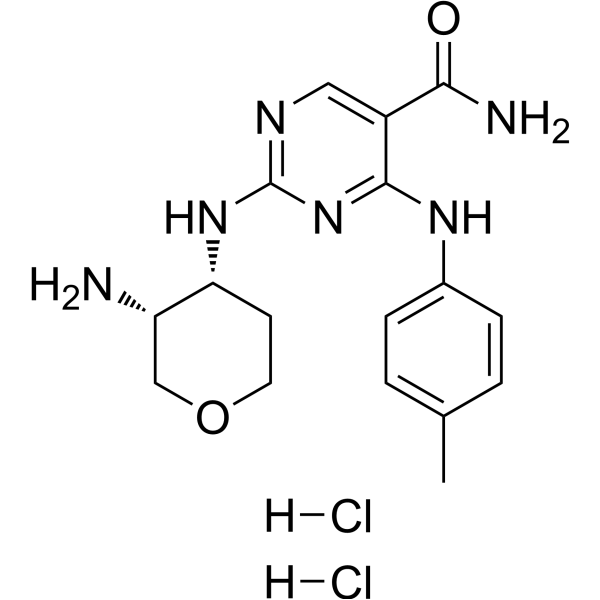 0 Images
GSK143 dihydrochloride is an orally active and highly selective spleen tyrosine kinase (SYK) inhibitor with a pIC50 of 7.5. GSK143 dihydrochloride inhibits phosphorylated Erk (pErk: pIC50=7.1). GSK143 dihydrochloride reduces inflammation and prevents recruitment of immune cells in the intestinal muscularis in mice.
-
3,4,5-Tricaffeoylquinic acid
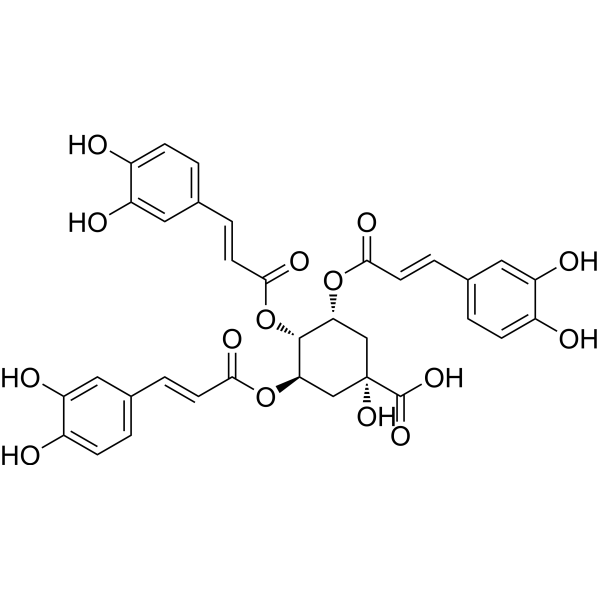 0 ImagesSynonyms: 3,4,5-triCQA
3,4,5-Tricaffeoylquinic acid (3,4,5-triCQA) inhibits tumor necrosis factor-α-stimulated production of inflammatory mediators in keratinocytes via suppression of Akt- and NF-κB-pathways. 3,4,5-Tricaffeoylquinic acid induces cell cycle arrest at G0/G1, actin cytoskeleton organization, chromatin remodeling, neuronal differentiation, and bone morphogenetic protein signaling in human neural stem cells. 3,4,5-Tricaffeoylquinic acid has the potential for the research of aging-associated diseases.

-
Bucillamine
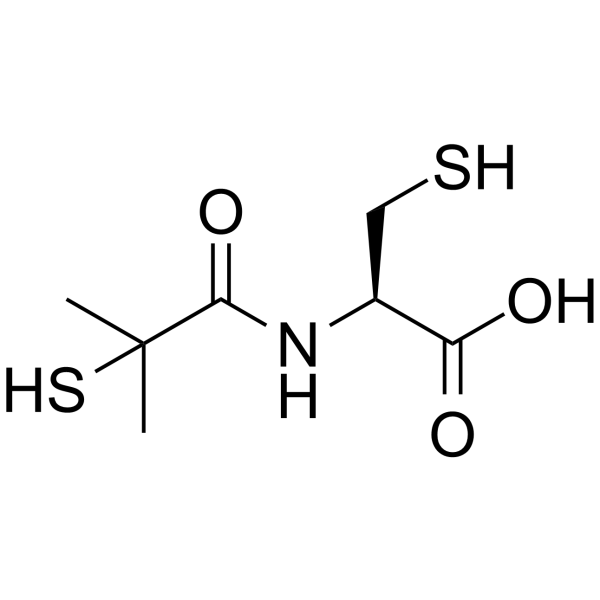 0 ImagesSynonyms: SA96; Thiobutarit
Bucillamine (SA96) is an orally active and potent sulfhydryl donor and antioxidant. Bucillamine is also an antirheumatic agent with antiangiogenic properties. Bucillamine can protect against Ischemia/reperfusion (I/R) injury in high-risk organ transplants. Bucillamine inhibits the production of VEGF. Bucillamine can be used for the research of choroidal neovascularization (CNV) and rheumatoid arthritis (RA).