Inflammation/Immunology
-
Inflammation/Immunology Related Products (20772)
Related Products (20772)

-
Antibodies (115)
-
Related Compound Screening Libraries (4)
-
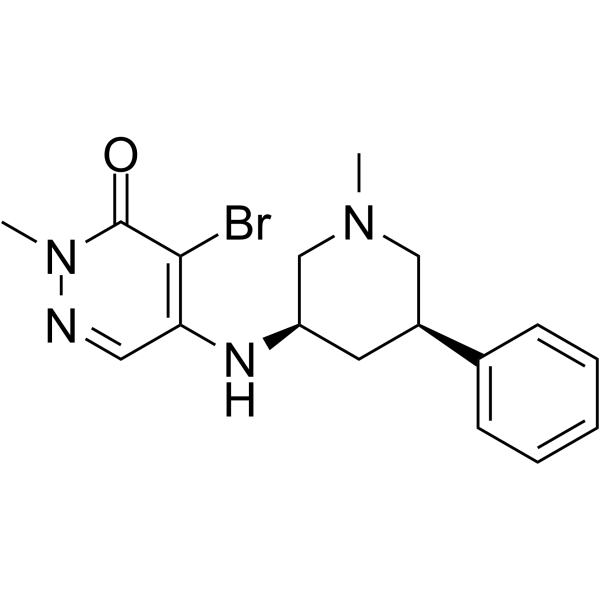
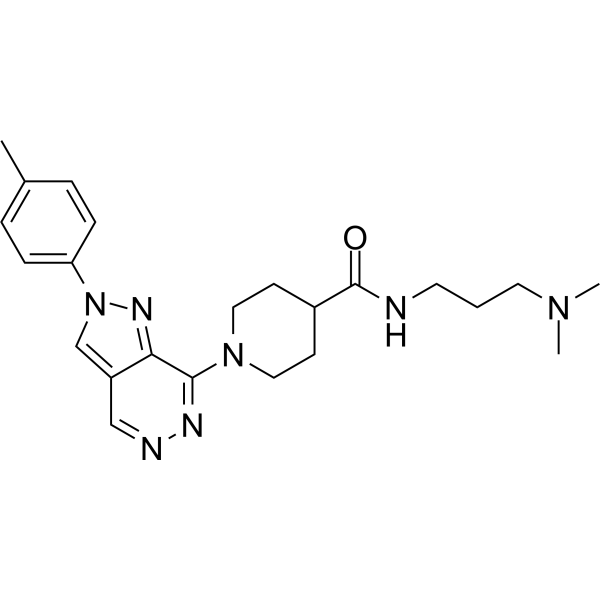
FABPs ligand 6
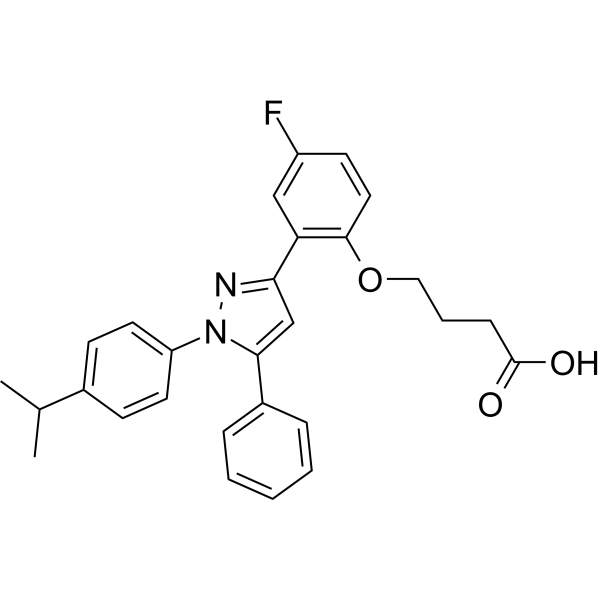 0 ImagesSynonyms: MF6
FABPs ligand 6 (MF6) is an FABP5 and FABP7 inhibitor with KD values of 874 nM and 20 nM, respectively. FABPs ligand 6 can be used for multiple sclerosis research.
-
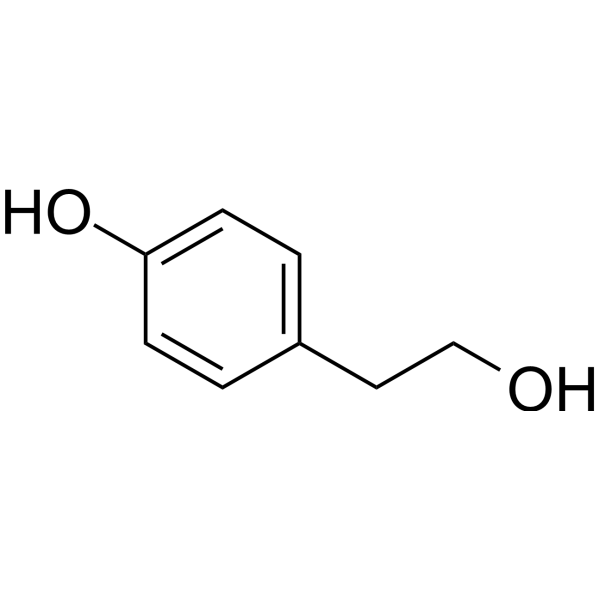
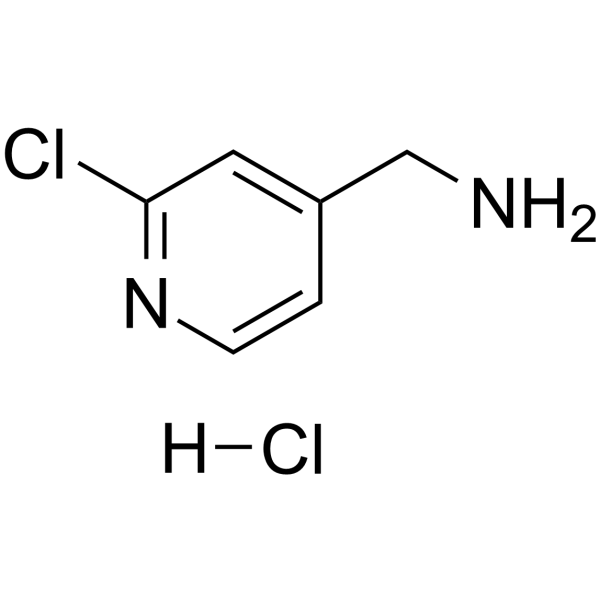
(2-Chloropyridin-4-yl)methanamine hydrochloride
 0 Images
(2-Chloropyridin-4-yl)methanamine hydrochloride is a selective LOXL2 inhibitor with an IC50 of 126 nM.
-
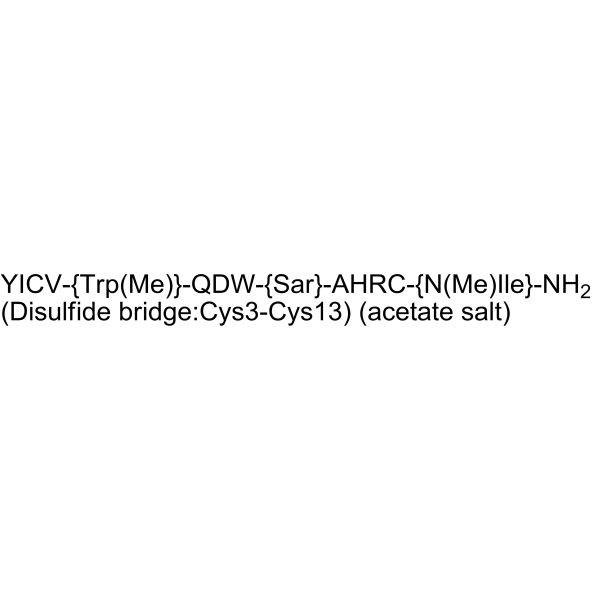
AMY-101 acetate
 0 ImagesCat. No.: HY-P1717BPurity: 99.70%Synonyms: Cp40 acetate
AMY-101 acetate (Cp40 acetate), a peptidic inhibitor of the central complement component C3 (KD = 0.5 nM), inhibits naturally occurring periodontitis in non-human primates (NHPs). AMY-101 acetate (Cp40 acetate) exhibits a favorable anti-inflammatory activity in models with COVID-19 severe pneumonia with systemic hyper inflammation.
-
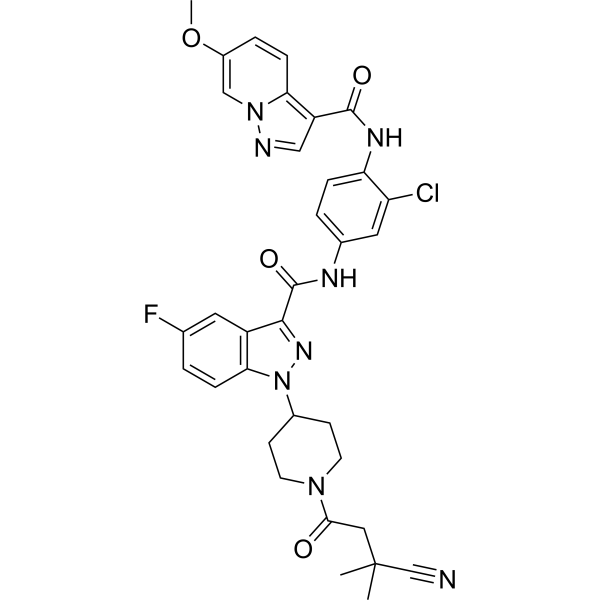
Palazestrant
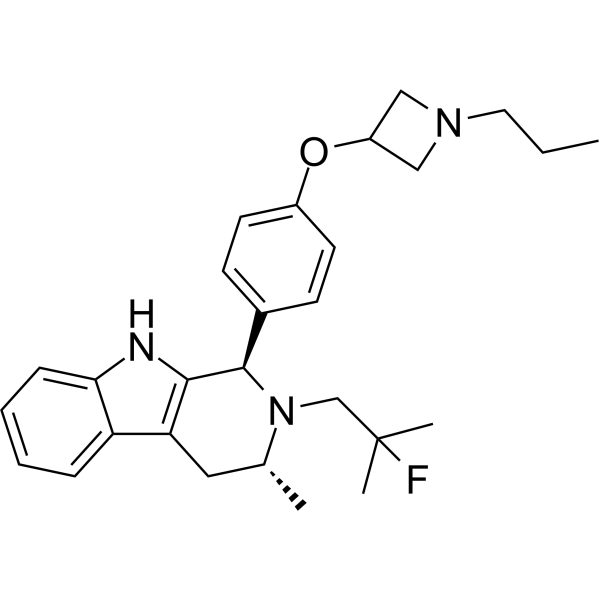 0 ImagesSynonyms: OP-1250
Palazestrant is an antiestrogen and antineoplastic agent. Palazestrant can completely inhibit the activity of 17b-estradiol (E2) with IC50 value of 6.4 nM, and inhibit the proliferation of MCF7 and CAMA-1 cells with IC50 value of 1.4-1.6 nM. Palazestrant can inhibit ER+/HER2+ cancer.
-
Fezakinumab
 0 ImagesSynonyms: ILV 094
Fezakinumab (ILV 094) is an anti-IL-22 monoclonal antibody. Fezakinumab inhibits IL-22 signal transduction, and regulates the JAK1/STAT3 pathway as well as apoptotic proteins. Fezakinumab alleviates airway remodeling, alveolar enlargement and inflammatory cell infiltration in lung tissues. Fezakinumab reduces the levels of neutrophils, lymphocytes, eosinophils and macrophages in lung tissues. Fezakinumab can be used in the research of chronic obstructive pulmonary disease and skin diseases.
-
Mirikizumab
 0 ImagesSynonyms: LY3074828
Mirikizumab (LY3074828) is a humanized IgG4 monoclonal antibody that targets the p19 subunit of interleukin 23 (IL-23). Mirikizumab binds to human and monkey IL-23 with high affinity, with Kd values of 21 pM and 55 pM, respectively. By inhibiting the binding of IL-23 to IL-23R, Mirikizumab modulates the immune response and holds potential for research in ulcerative colitis and Crohn's disease.
-
Zasocitinib
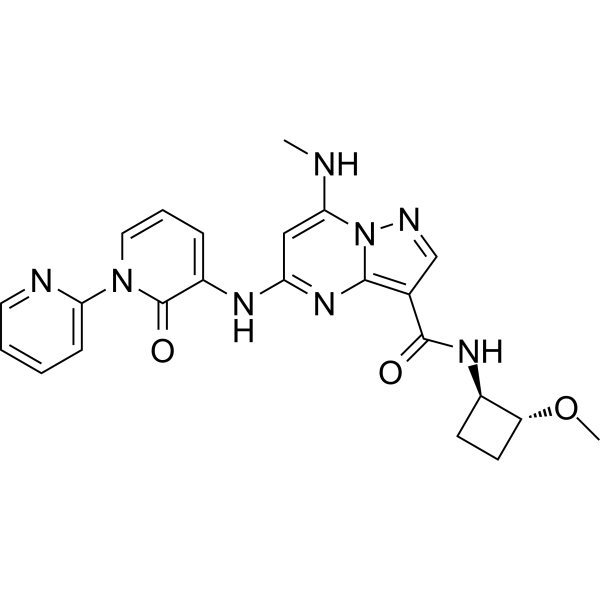 0 ImagesSynonyms: NDI-034858; TAK-279
-
Manidipine dihydrochloride
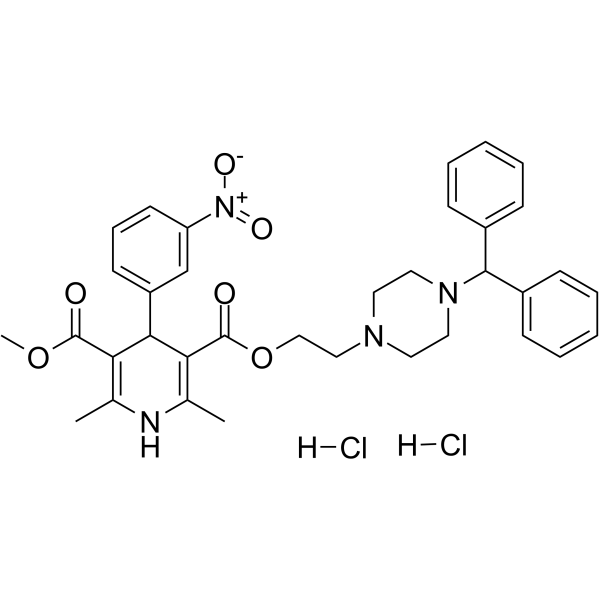 0 ImagesSynonyms: CV-4093
Manidipine dihydrochloride is a third-generation, lipophilic, orally active and highly vasoselective calcium channel antagonist (IC50 = 2.6 nM in guinea-pig ventricular cells) and acts as an antihypertensive agent. Manidipine effectively reduces blood pressure as well as improving insulin sensitivity, renal protection, and antiatherosclerotic activity. Manidipine also exerts anti-inflammatory activity mediated by NF-κB and antiviral activity against many flavivirus and negative-strand RNA viruses through the inhibition of calcium channel. Manidipine is widely applied to research of cardiovascular, metabolic disease and infection.
-
Hemocyanin
 0 Images
Hemocyanin is an extracellular giant copper-containing glycoprotein. Hemocyanin can be found in the hemolymph of both mollusk and arthropod. Hemocyanin is responsible for oxygen transport. Hemocyanin is also involved in several physiological processes, such as energy storage, osmoregulation, molt cycle and exoskeleton formation. Hemocyanin in shrimp can enhance its immune response by modulating the p38 MAPK pathway. Hemocyanin from Penaeus monodon could act as an antiviral agent against a variety of viruses including DNA and RNA viruses. Hemocyanin from horseshoe crab Carcinoscorpius rotundicauda could possess a strong antimicrobial defense by the production of ROS activated with microbial proteases. Hemocyanin from L. vannamei would be effective against cervical cancer cell growth.
-
NVP-DFV890
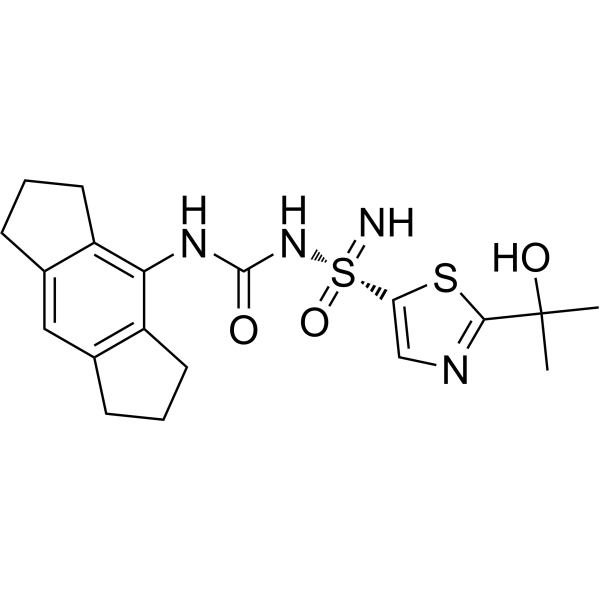 0 ImagesSynonyms: NLRP3 antagonist 2
NVP-DFV890 is an orally administered, selective NLRP3 inhibitor. NVP-DFV890 directly binds to NLRP3, blocks maturation of pro-inflammatory cytokines IL-1β and IL-18, and inhibits pyroptotic cell death. NVP-DFV890 acts as an inducer of viral clearance, promoting earlier clearance of SARS-CoV-2. NVP-DFV890 can be used for the research of COVID-19 pneumonia and coronavirus-associated acute respiratory distress syndrome (CARDS).
-
CL097
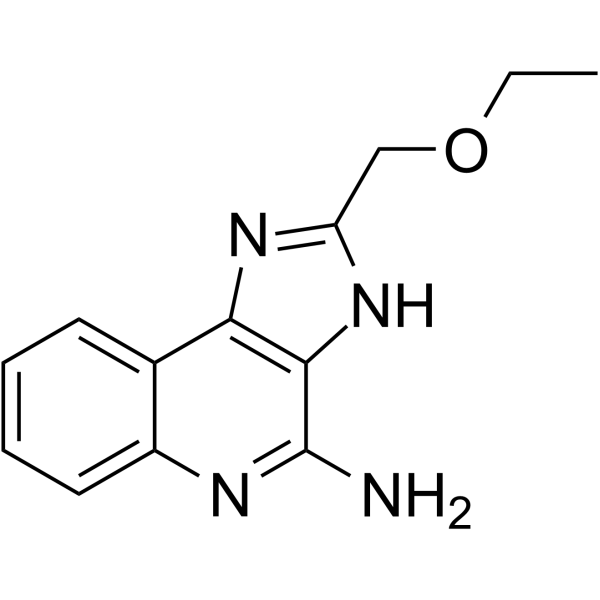 0 Images
CL097, a potent TLR7 and TLR8 agonist, induces pro-inflammatory cytokines in macrophages. CL097 induces NADPH oxidase priming, resulting in an increase of the fMLF-stimulated ROS production.
-
Crocetin
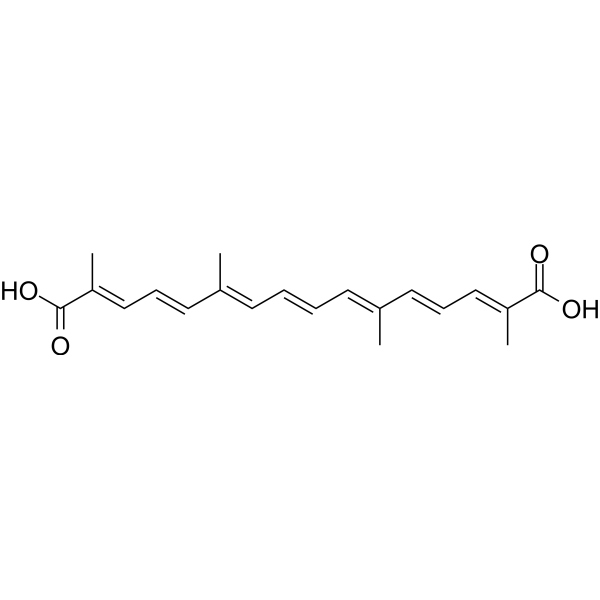 0 ImagesSynonyms: Transcrocetin; trans-Crocetin
Crocetin (Transcrocetin) is an aglycone of crocin. Crocetin is an orally active and brain-penetrant. Crocetin shows strong NMDA receptor affinity and channel opening activity. Crocetin can downregulate the proinflammatory cytokines and COX-2 exoression. Crocetin can inhibit apoptosis and activation of MAPK. Crocetin can delay delays brain and body aging. Crocetin can be used for the researches of cancer, neurological disease and inflammation, such as cervical cancer and ischemia.
-
Riliprubart
 0 ImagesSynonyms: SAR 445088
Riliprubart (SAR 445088) is a selective anti-C1s humanized IgG4 monoclonal antibody with mutations that enhance its binding to the neonatal Fc receptor. Riliprubart blocks activation of the classical complement pathway, prevents the formation of the C3 convertase C4b2a, and inhibits complement-mediated hemolytic activity. Riliprubart can be used in research related to classical complement-mediated diseases, cold agglutinin disease, and chronic inflammatory demyelinating polyneuropathy. For the isotype control of Riliprubart, refer to Human IgG4 (S228P) kappa, Isotype Control (HY-P99003).