



Cholinesterase (ChE)
Cholinesterase (ChE) is a family of enzymes present in the central nervous system, particularly in nervous tissue, muscle and red cells, which catalyze the hydrolysis of the neurotransmitter acetylcholine into choline and acetic acid, a reaction necessary to allow a cholinergic neuron to return to its resting state after activation. It is one of many important enzymes needed for the proper functioning of the nervous systems of humans.
There are two types: acetylcholinesterase (AChE, acetylcholine hydrolase) and butyrylcholinesterase (BChE, acylcholine acylhydrolase), also known as nonspecific cholinesterase or pseudocholinesterase. AChE is primarily found in the blood on red blood cell membranes, in neuromuscular junctions, and in neural synapses, while BChE is produced in the liver and found primarily in plasma. The difference between the two types of cholinesterase is their relative preferences for substrates: AChE hydrolyzes acetylcholine faster while BChE hydrolyzes butyrylcholine faster.
Cholinesterase (ChE) Isoform Specific Products
All Product Categories
-
Cholinesterase (ChE) Inhibitors
(922)
View all products
-
Cholinesterase (ChE) Agonists
(5)
View all products
-
Cholinesterase (ChE) Antagonists
(10)
View all products
-
Cholinesterase (ChE) Activators
(33)
View all products
-
Cholinesterase (ChE) Modulators
(11)
View all products
-
Cholinesterase (ChE) Chemical
(1)
View all products
-
Cholinesterase (ChE) Inducer
(1)
View all products
-
Cholinesterase (ChE) Controls
(6)
View all products
-
Cholinesterase (ChE) Substrates
(2)
View all products
-
Cholinesterase (ChE) Related Products (1069)
Related Products (1069)

-
Antibodies (2)
-
Cholinesterase (ChE) Isoform Comparison
-
Methylene Violet 3RAX
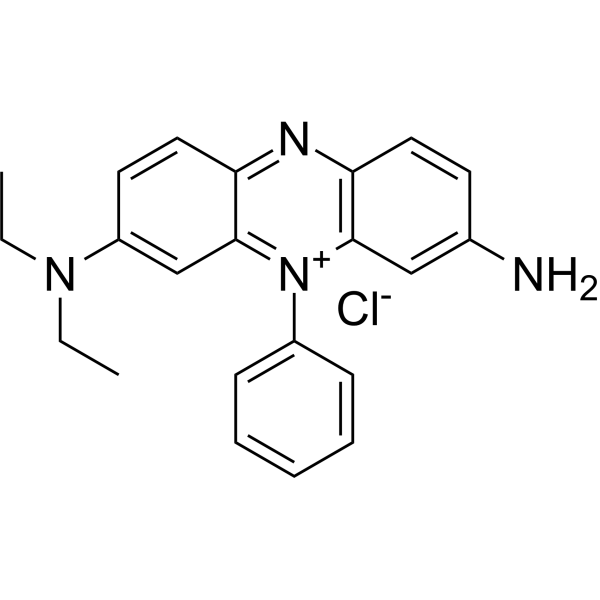 0 ImagesCat. No.: HY-W130236CAS No.: 4569-86-2Methylene Violet 3RAX is a phenazine dye to stain the mitochondria of cells. Methylene Violet 3RAX can change the molecular structure of DNA, undermine the module of DNA, and induce the generation of the reactive singlet oxygen. Methylene Violet 3RAX shows inhibition for human erythrocyte AChE and human plasma BChE with an Kis of 1.58, 0.51 μM, respectively. Methylene Violet 3RAX has the potential for the research of potential photosensitizers for mitochondrial targeting action in PDT (photodynamic therapy).
-
Chlorpyrifos-d10
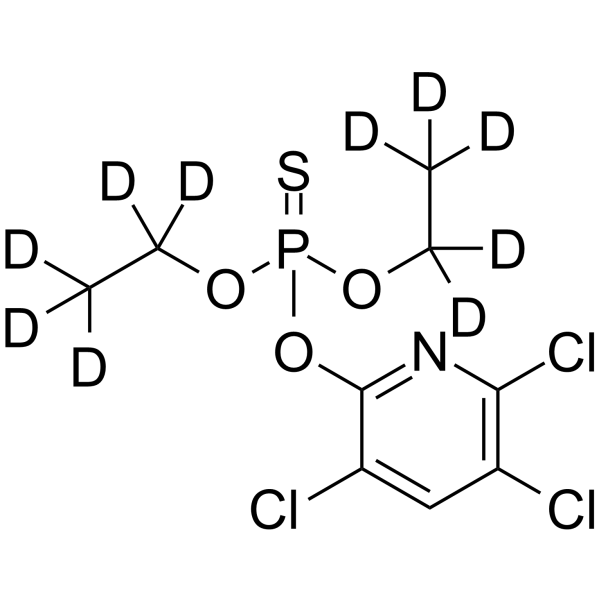 0 ImagesChlorpyrifos-d10 is the deuterium labeled Chlorpyrifos. Chlorpyrifos is an organophosphate insecticide that is classified as a phosphorothionate. The oxon metabolite of Chlorpyrifos is an inhibitor of acetylcholinesterase (AChE), affecting neurological function in insects, humans, and other animals. The Chlorpyrifos oxon (CPO) metabolite is hydrolyzed by the plasma enzyme paraoxonase 1 (PON1), and susceptibility to neurotoxicity associated with CPO exposure is mitigated by PON1 overexpression.
-
4-Chloro-6,7-dimethoxyquinazoline
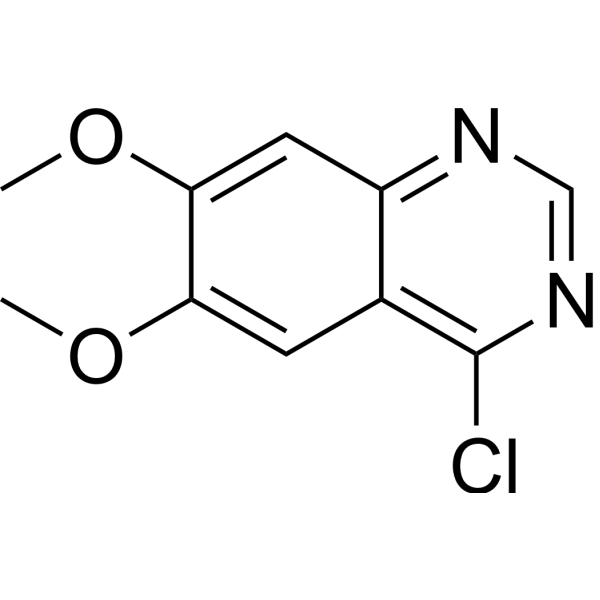 0 ImagesCat. No.: HY-Y0260CAS No.: 13790-39-14-Chloro-6,7-dimethoxyquinazoline is a quinazoline derivative. 4-Chloro-6,7-dimethoxyquinazoline exhibits a significant interaction with the AChE protein (as demonstrated by molecular docking analysis). 4-Chloro-6,7-dimethoxyquinazoline is applicable to research related to Alzheimer's disease.
-
Isoprocarb
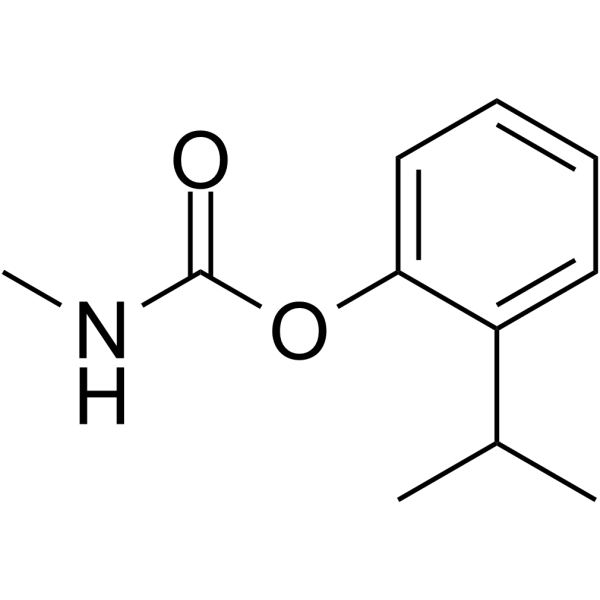 0 ImagesIsoprocarb is carbamate insecticide that widely used to control rice paddy lice and leafhopper. Isoprocarb is also an AChE inhibitor.
-
Vitisin A
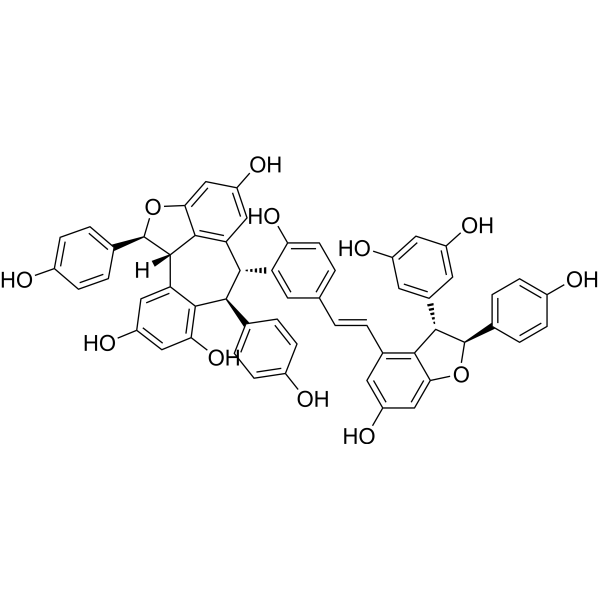 0 ImagesCat. No.: HY-142026CAS No.: 142449-89-6Synonyms: (+)-Vitisin AVitisin A ((+)-Vitisin A) is an orally active natural product with multiple pharmacological activities including anti-inflammatory, anti-tumor, anti-oxidant, anti-pathogenic microorganism, hypoglycemic and lipid-regulating, anti-osteoporotic, neuroprotective and cardiovascular protective effects. Vitisin A exhibits inhibitory effects on human AChE and MAO-B with IC50 values of 1.29 µM and 4.94 µM, respectively. Vitisin A inhibits the ERK, MAPK, NF-κB, STAT1, HMGCR and TRAF6 pathways, downregulates the related phosphorylation and protein expression, while activates the Nrf2/HO-1 pathway and upregulates p21 expression. Vitisin A induces tumor cell apoptosis and cell cycle arrest, inhibits adipogenesis and lipid accumulation, while alleviates oxidative stress, suppresses inflammatory responses, blocks hepatic fibrosis, Cuproptosis and cholesterol synthesis, and increases the expression levels of central BDNF and TrkB. Vitisin A can be used in the research of tumors, infectious diseases, metabolic diseases, bone and joint diseases, liver diseases, skin injuries, as well as neurodegenerative and cognitive dysfunction-related diseases.
-
Ladostigil hemitartrate
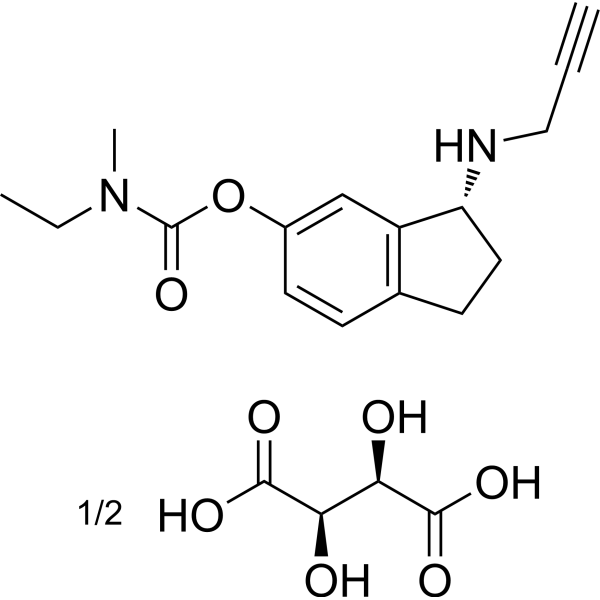 0 ImagesSynonyms: TV-3326 hemitartrateLadostigil (TV-3326) hemitartrate is an orally active dual inhibitor of cholinesterase and brain-selective monoamine oxidase (MAO) that can cross the blood-brain barrier, with IC50s of 37.1 and 31.8 μM for MAO-B and AChE, respectively. Ladostigil hemitartrate exhibits neuroprotective, antioxidant and anti-inflammatory activities. Ladostigil hemitartrate can be used for the research of depression and Alzheimer's disease. Ladostigil (hemitartrate) is a click chemistry reagent, it contains an Alkyne group and can undergo copper-catalyzed azide-alkyne cycloaddition (CuAAc) with molecules containing Azide groups.
-
trans-3,5-Dimethoxystilbene
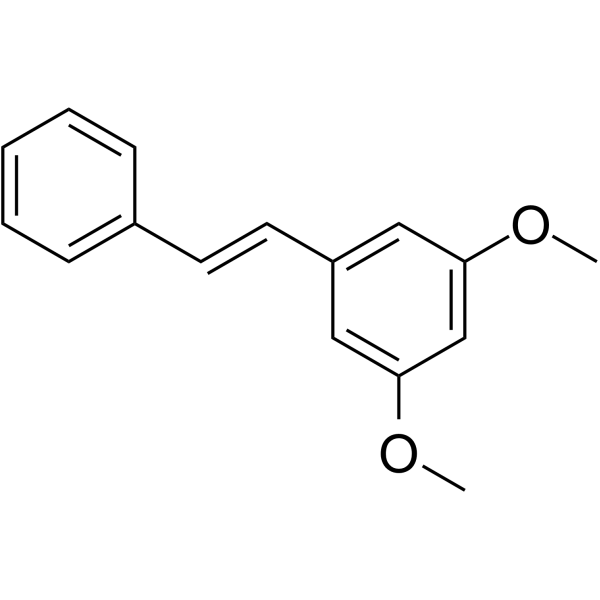 0 ImagesSynonyms: trans-Pinosylvin dimethyl ethertrans-3,5-Dimethoxystilbene (trans-Pinosylvin dimethyl ether) is a natural stilbenoid metabolite. trans-3,5-Dimethoxystilbene acts as an acetylcholinesterase inhibitor with a IC50 of 9 μM against Electrophorus electricus acetylcholinesterase. trans-3,5-Dimethoxystilbene binds to acetylcholinesterase and blocks acetylcholine hydrolysis, thereby increasing acetylcholine levels in the cholinergic synaptic cleft. trans-3,5-Dimethoxystilbene can be used in the research of neurodegenerative diseases such as Alzheimer's disease.
-
Pseudocoptisine chloride
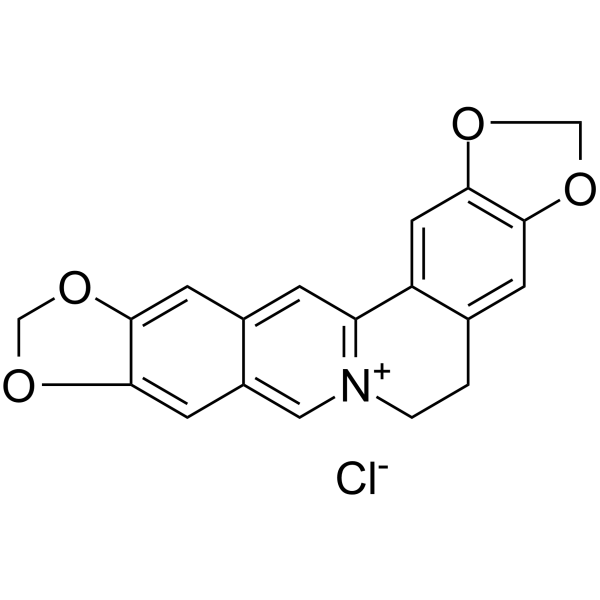 0 ImagesSynonyms: Isocoptisine chloridePseudocoptisine (Isocoptisine) chloride is a quaternary alkaloid with benzylisoquinoline skeleton, was isolated from Corydalis Tuber. Pseudocoptisine chloride inhibits acetylcholinesterase (AChE) activity with an IC50 of 12.8 μM. Anti-inflammatory and anti-amnestic effects.
-
Fenchlorphos
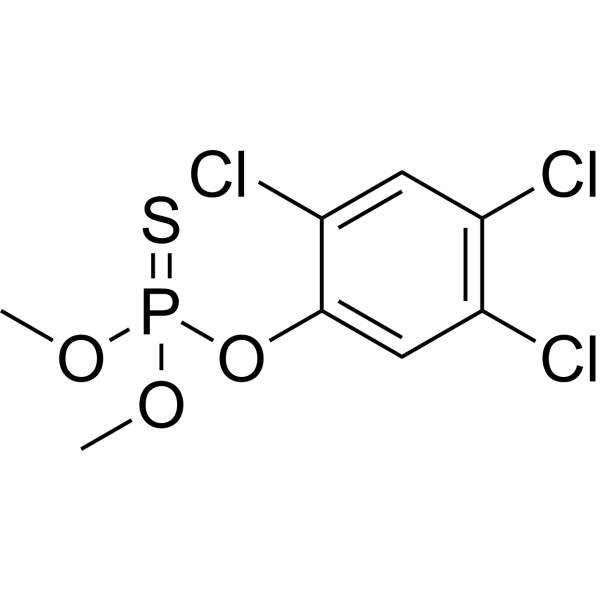 0 ImagesFenchlorphos, an organophosphate, is an insecticide. Fenchlorphos is an inhibitor of the enzyme acetylcholinesterase (AChE). Fenchlorphos is able to cause mitochondrial dysfunction.
-
Imperatorin (Standard)
 0 ImagesImperatorin (Standard) is the analytical standard of Imperatorin. This product is intended for research and analytical applications. Imperatorin is an effective of NO synthesis inhibitor (IC50=9.2 μmol), which also is a BChE inhibitor (IC50=31.4 μmol). Imperatorin is a weak agonist of TRPV1 with EC50 of 12.6±3.2 μM.

-
2'-O-Succinyl-cAMP
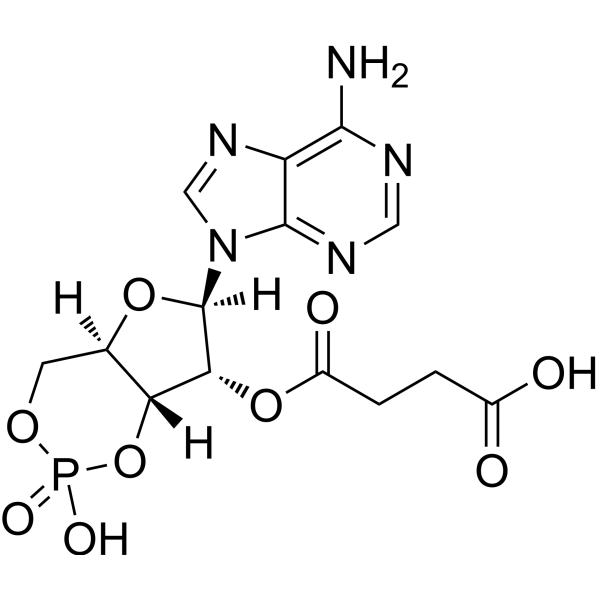 0 Images2'-O-Succinyl-cAMP is a cAMP analog that can be covalently coupled to acetylcholinesterase. 2'-O-Succinyl-cAMP conjugate has been used as tracers in a classical heterogeneous competitive enzyme immunoassay allowing the determination of cAMP.
-
sn-Glycero-3-phosphocholine-d9
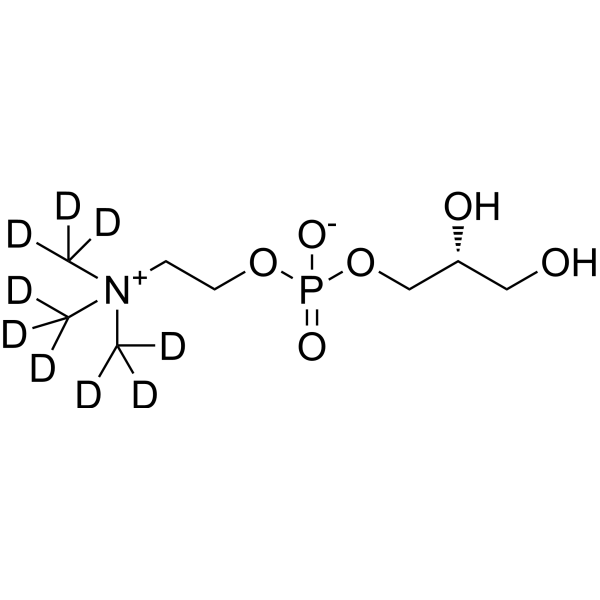 0 ImagesCat. No.: HY-17552SCAS No.: 2260669-07-4Synonyms: Choline Alfoscerate-d9; Alpha-GPC-d9; L-α-GPC-d9sn-Glycero-3-phosphocholine-d9 is the deuterium labeled sn-Glycero-3-phosphocholine. sn-Glycero-3-phosphocholine (Choline Alfoscerate) is a precursor in the biosynthesis of brain phospholipids and increases the bioavailability of choline in nervous tissue. sn-Glycero-3-phosphocholine (Choline Alfoscerate) has significant effects on cognitive function with a good safety profile and tolerability, and is effective in the treatment of Alzheimer's disease and dementia.
-
Ladostigil hydrochloride
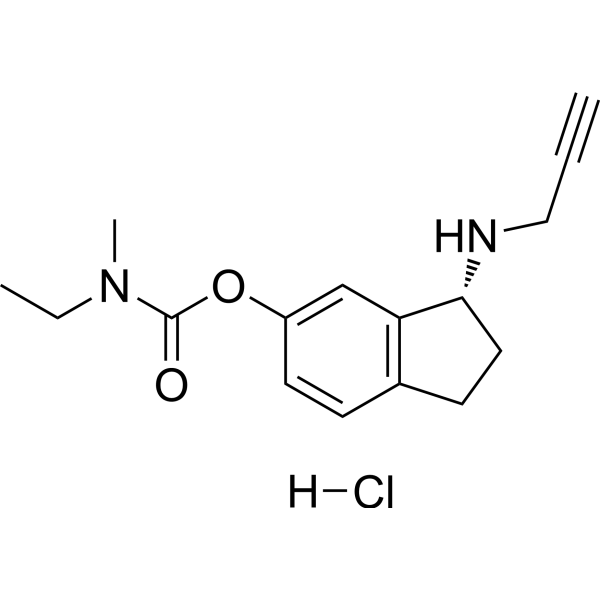 0 ImagesSynonyms: TV-3326 hydrochlorideLadostigil (TV-3326) hydrochloride is an orally active dual inhibitor of cholinesterase and brain-selective monoamine oxidase (MAO), with IC50s of 37.1 and 31.8 μM for MAO-B and AChE, respectively. Ladostigil hydrochloride exhibits neuroprotective, antioxidant and anti-inflammatory activities. Ladostigil can be used for the research of depression and Alzheimer's disease. Ladostigil (hydrochloride) is a click chemistry reagent, it contains an Alkyne group and can undergo copper-catalyzed azide-alkyne cycloaddition (CuAAc) with molecules containing Azide groups.
-
Cardanol monoene
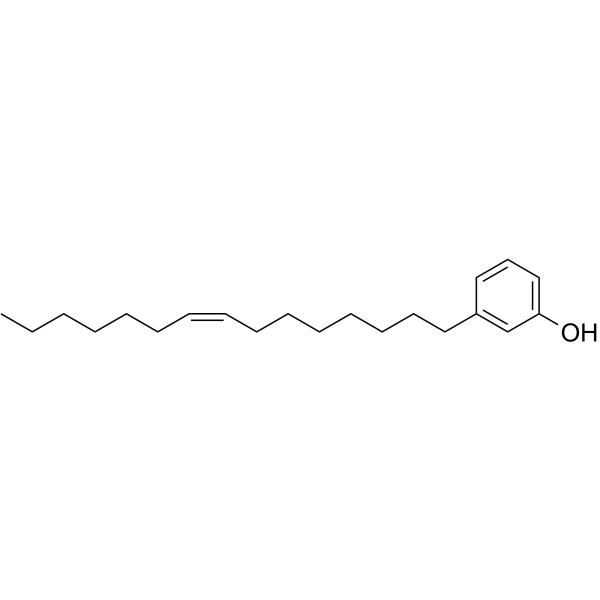 0 ImagesCardanol monoene (Cardanol C15:1) is a phenolic compound which can be found in cashew nut shell liquid. Cardanol monoene can inhibit cancer cells proliferation, migration, cause S phase arrest, induce apoptosis, ROS production and mitochondrial depolarization. Cardanol monoene downregulates MMP-2, MMP-9, cyclinA1 expression, regulates CDK2, p53, Bax, cytochrome c, cleaved caspase-3, cleaved PARP, Apaf-1 expression and Bax/Bcl-2 ratio. Cardanol monoene shows weak DPPH radical scavenging activity and AChE inhibition activity. Cardanol monoene is lethal to Artemia salina nauplii. Cardanol monoene. Cardanol monoene can be used for the research of cancer, infection and inflamation.
-
Groenlandicine
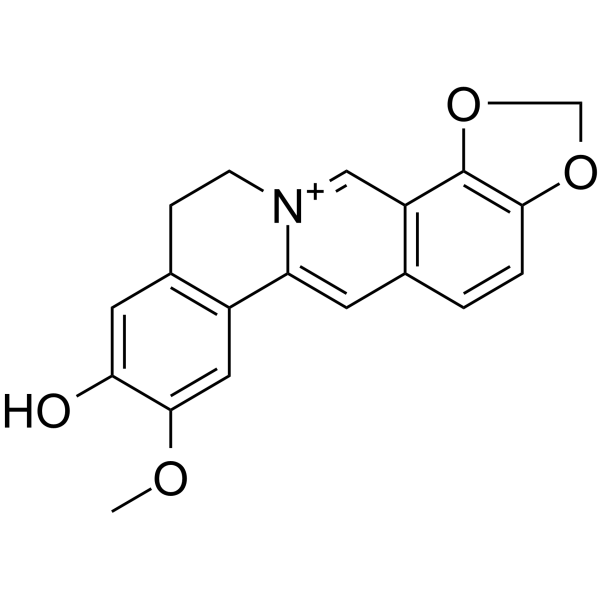 0 ImagesGroenlandicine, a protoberberine alkaloid, is a cholinesterase inhibitor (AChE (IC50 = 0.54 μM), BChE (IC50 = 3.32 μM)). Groenlandicine non-competitively inhibits BACE1 (IC50 = 19.68 μM, Ki = 21.2) and inhibits RLAR (IC50 = 140.1 μM), HRAR (IC50 = 154.2 μM), and total ROS generation (IC50 = 51.78 μM) in vitro. Groenlandicine suppresses osteosarcoma cell proliferation while promoting apoptosis. Groenlandicine inhibits the tumor growth when combined with Cisplatin (HY-17394). Groenlandicine can be used for the study on osteosarcoma, Alzheimer's disease and diabetes mellitus .
-
Ebeiedinone
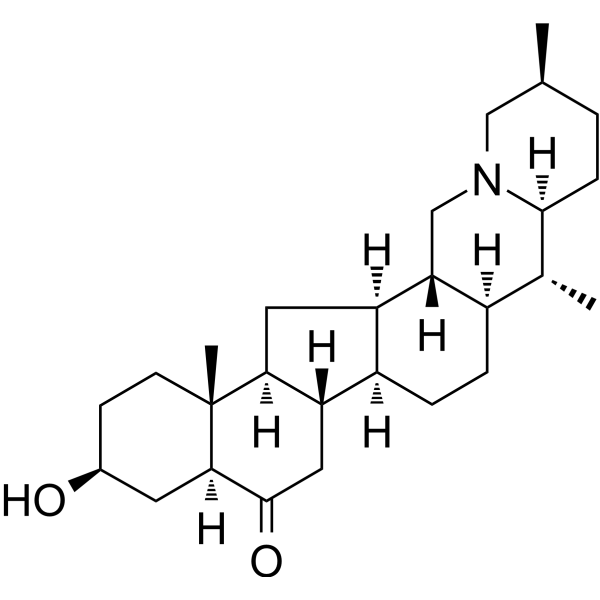 0 ImagesEbeiedinone, a steroidal alkaloid from Fritillaria species, inhibits the bioactivity of human whole blood cholinesterase (ChE) at the concentration of 0.1 mM, with the inhibitory effects of 69.0%.
-
Demethoxycurcumin (Standard)
 0 ImagesSynonyms: Curcumin II (Standard); Desmethoxycurcumin (Standard); Monodemethoxycurcumin (Standard)Demethoxycurcumin (Standard) is the analytical standard of Demethoxycurcumin. This product is intended for research and analytical applications. Demethoxycurcumin is one of the main active ingredients of curcumin, which has anti-inflammatory, antioxidant, antibacterial, anti-cancer and neuroprotective effects. Demethoxycurcumin is orally active. Demethoxycurcumin can be used in inflammation, cancer and Alzheimer's disease research.




