Autophagy
Autophagy is a conserved cellular degradation and recycling process in the lysosome. In mammalian cells, there are three primary types of autophagy: microautophagy, macroautophagy, and chaperone-mediated autophagy (CMA). Microphagy captures cargoes by means of invaginations or protrusions of the lysosomal membrane directly, CMA uses chaperones to identify cargo proteins and then unfolds and transfers them into the lysosomal, while macroautophagy sequesters cargo by autophagosomes-de novo synthesized of double-membrane vesicles-and subsequently transport it to the lysosome.
Macroautophagy is the best studied and it occurs at a low level constitutively and can also be further induced under stress conditions, such as nutrient or energy starvation with a salient feature of autophagy protein degradation. Stress-induced macrophagy plays an important role in protein catabolism with another key protein degradation pathway, the ubiquitin–proteasome system (UPS).
As the study progressed, autophagy gains its importance under basal, nutrient-rich conditions, and is now recognized as a critical housekeeping pathway in catabolism of diverse cellular constituents, such as protein aggregates (aggrephagy), lipid droplets (lipophagy), iron complex (Ferritinophagy) and carbohydrate. Except for macromolecules, autophagy can also target several organelles and structures, such as mitochondria (mitophagy), peroxisome (pexophagy), endoplasmic reticulum (reticulophagy or ER-phagy), ribosome (ribophagy), spermatozoon-inherited organelles following fertilization (allophagy), secretory granules within pancreatic cells (zymophagy) and intracellular pathogens (xenophagy).
Autophagy and its dysfunction are associated with a variety of human pathologies, including ageing, cancer, neurodegenerative disease, heart disease and metabolic diseases, such as diabetes. Plenty of drugs and natural products are involved in autophagy modulation through multiple signaling pathways. Small molecules that can regulate autophagy seem to have great potential to intervene such diseases in animal models or clinical courses.
All Product Categories
-
Autophagy Inhibitors
(485)
View all products
-
Autophagy Agonists
(6)
View all products
-
Autophagy Activators
(124)
View all products
-
Autophagy Modulators
(59)
View all products
-
Autophagy Chemicals
(2)
View all products
-
Autophagy Inducers
(2200)
View all products
-
Autophagy Controls
(5)
View all products
-
Autophagy Ligand
(1)
View all products
-
Autophagy Related Products (3416)
Related Products (3416)

-
Antibodies (31)
-
Autophagy Signaling Pathway
-
Penehyclidine hydrochloride
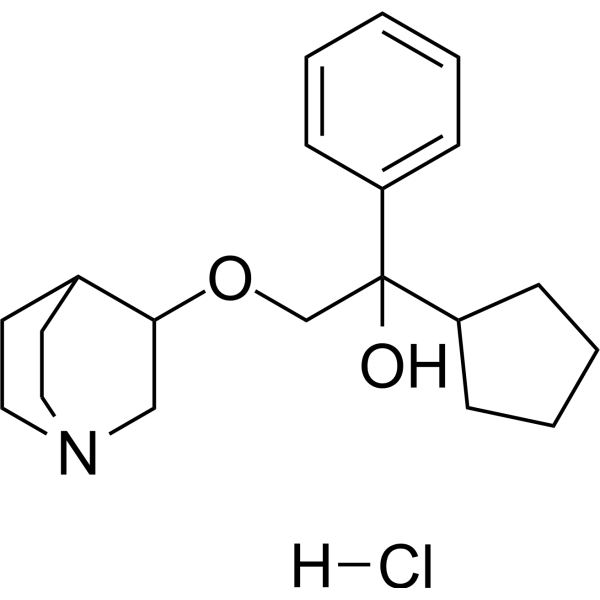 0 ImagesSynonyms: Penequinine hydrochloridePenehyclidine (Penequinine) hydrochloride, a anticholinergic agent, is a selective antagonist of M1 and M3 receptors. Penehyclidine hydrochloride activates NF-kβ in lung tissue and inhibits the release of inflammatory factors. Penehyclidine hydrochloride can alleviate the pulmonary inflammatory response in rats with chronic obstructive pulmonary disease (COPD) undergoing mechanical ventilation.
-
ST-539
 0 ImagesST-539 is the inhibitor for deubiquitinase USP30 with IC50 of 0.37 μM. ST-539 promotes the ubiquitination of mitochondrial proteins, and induces mitochondrial autophagy, thereby regulating mitochondrial homeostasis. ST-539 can be used in research of neurodegenerative diseases.
-
CXM102
 0 ImagesCat. No.: HY-162866Purity: 99.36%CXM102 is an autophagy activator. CXM102 can induce autophagy in aged BMSCs, leading to the rejuvenation of BMSCs and preferential differentiation into osteoblasts. CXM102 promotes the nuclear translocation of transcription factor EB (TFEB) and the formation of osteoblasts. CXM102 can stimulate bone synthesis metabolism in middle-aged male mice, reduce bone marrow adipocytes, delay bone loss, lower serum inflammation levels, decrease organ fibrosis, and extend the lifespan of the mice.
-
Erythromycin Ethylsuccinate
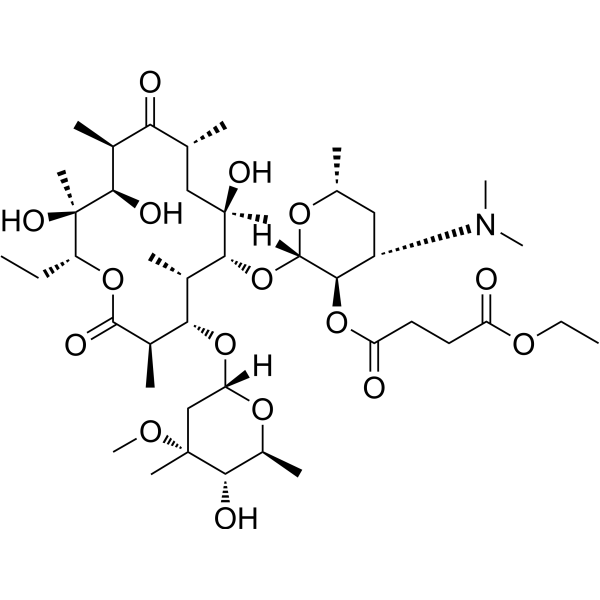 0 ImagesErythromycin Ethylsuccinate is an antibiotic useful for the treatment of a number of bacterial infections, has an antimicrobial spectrum similar to or slightly wider than that of penicillin. Erythromycin Ethylsuccinate has antiviral activity against HIV-1.
-
ATRA-biotin
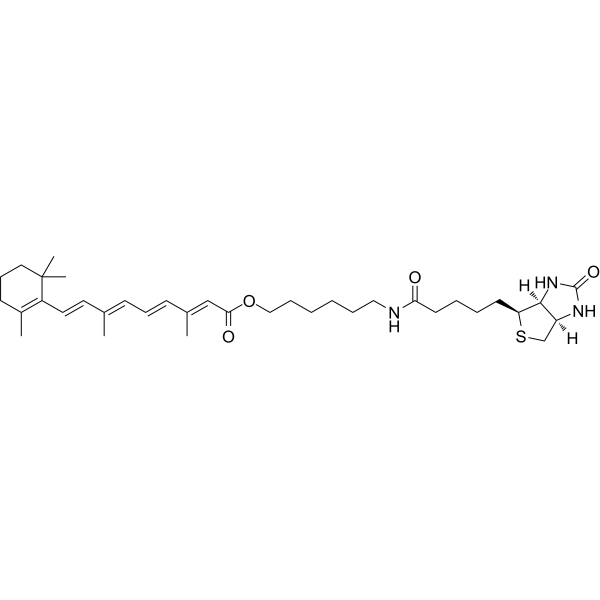 0 ImagesSynonyms: Biotin-ATRA-conjugateATRA-biotin (Biotin-ATRA-conjugate) is a biotin-conjugated ATRA. ATRA-biotin can be used to track ATRA in cells or a given tissue.
-
Fumagilin-105
 0 ImagesCat. No.: HY-161742CAS No.: 2410081-58-0Fumagilin-105 is an autophagy-targeting chimera (AUTOTAC) that degrades MetAP2 via p62-mediated macroautophagy in a ubiquitination-independent manner. Fumagilin-105 can inhibit the migration of tumor cells and induce programmed cell death. Fumagilin-105 has anti-tumor activity. (p62-ZZ ligand (HY-W489121); target-binding ligand (HY-B0751); linker (HY-W245803)).
-
Zeaxanthin dipalmitate
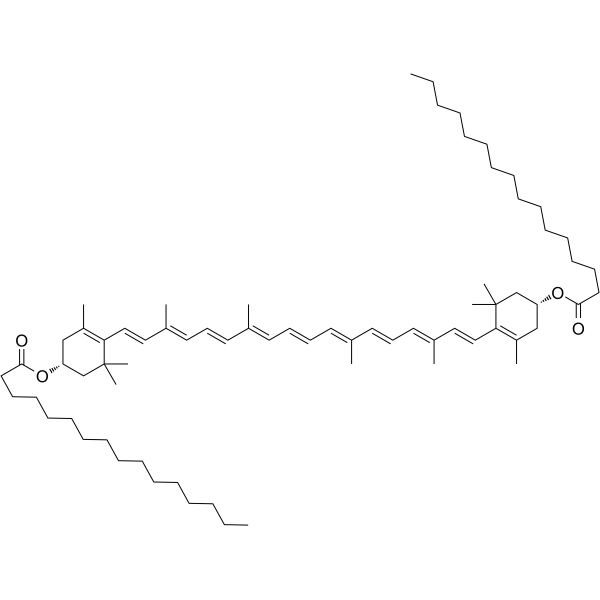 0 ImagesZeaxanthin dipalmitate (Physalien) is a wolfberry-derived carotenoid, has anti-inflammatory and anti-oxidative stress effects. Zeaxanthin dipalmitate directly interact with p2X7 receptor (Kd=81.2 nM) and adiponectin receptor 1 (AdipoR1; Kd=533 nM) in a positive dose-dependent manner. Zeaxanthin dipalmitate restores mitochondrial autophagy functions suppressed by ethanol intoxication. Zeaxanthin dipalmitate can be used in the research of alcoholic fatty liver disease (AFLD) and retinitis pigmentosa (RP).
-
PD-M6
 0 ImagesPD-M6 is a mTOR PROTAC degrader (DC50: 4.8 μM). PD-M6 promotes ubiquitination and degradation of mTOR. PD-M6 downregulates MAPKAP1 and CASTOR1, and induces Autophagy. PD-M6 inhibits the proliferation of cervical cancer, breast cancer and liver cancer cell lines. PD-M6 can be used for the research of cervical cancer, breast cancer and liver cancer.
-
Malvidin-3-O-arabinoside chloride
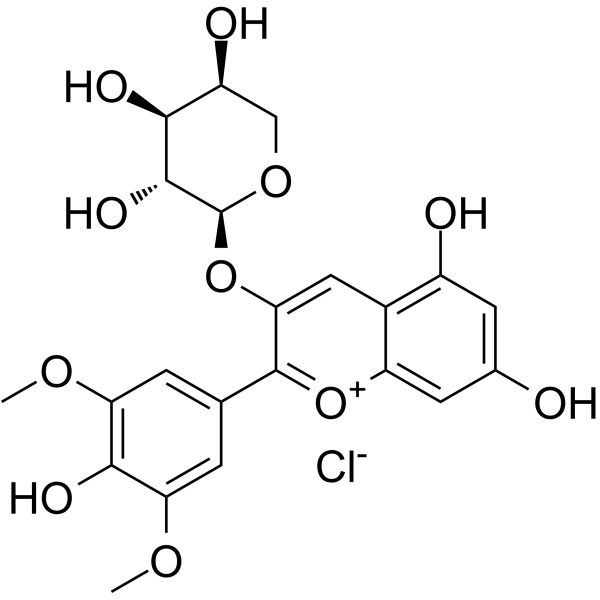 0 ImagesCat. No.: HY-N9349CAS No.: 28500-04-1Malvidin-3-O-arabinoside chloride ameliorates ethyl carbamate-induced oxidative damage by stimulating AMPK-mediated autophagy.
-
Episilvestrol
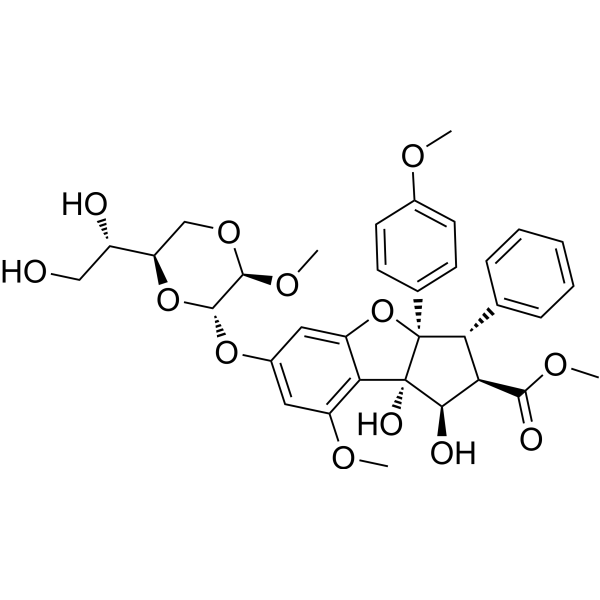 0 ImagesEpisilvestrol is a derivative of silvestrol, isolated from the fruits and twigs of Aglaia perviridis, and is a specific eIF4A-targeting translation inhibitor, with antitumor activity.
-
Oxybenzone-d5
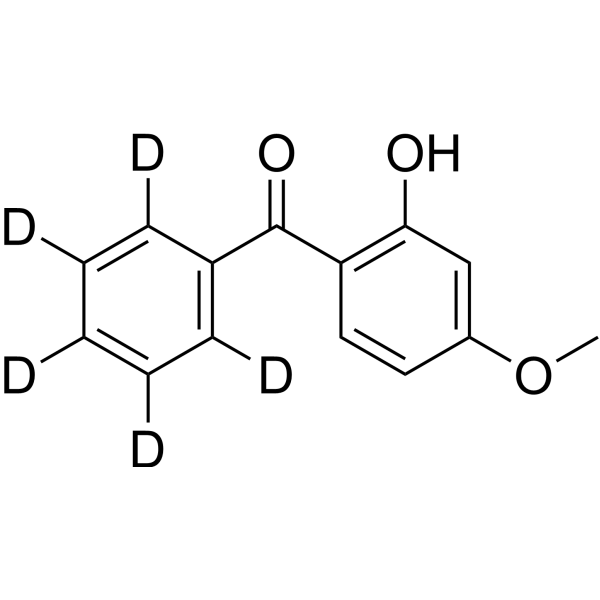 0 ImagesOxybenzone-d5 is the deuterium labeled Oxybenzone. Oxybenzone (Benzophenone 3) is a commonly used UV filter in sun tans and skin protectants. Oxybenzone act as endocrine disrupting chemicals (EDCs) and can pass through the placental and blood-brain barriers. Benzophenone-3 impairs autophagy, alters epigenetic status, and disrupts retinoid X receptor signaling in apoptotic neuronal cells.
-
Veratramine (Standard)
 0 ImagesSynonyms: NSC17821 (Standard); NSC23880 (Standard)Veratramine (NSC17821; NSC23880) (Standard) is the analytical standard of Veratramine (HY-N0837). This product is intended for research and analytical applications. Veratramine (NSC17821; NSC23880) is an orally active inhibitor of the PI3K/Akt/mTOR signaling pathway and a SIGMAR1 modulator. Veratramine induces autophagic apoptosis of tumor cells, arrests the cell cycle at the G0/G1 phase, and inhibits epithelial-mesenchymal transition (EMT)-related proteins to reduce tumor migration. Veratramine reduces spinal cord and sciatic nerve pathological damage in a neuropathy model by inhibiting SIGMAR1 binding to NMDAR and phosphorylation of NMDAR Ser896. Veratramine has anti-tumor proliferation, apoptosis induction, anti-inflammatory and neuroprotective activities, and can be used in the study of cancers such as liver cancer and osteosarcoma, as well as diabetic peripheral neuropathy.
-
PDL1 degrader-2
 0 ImagesCat. No.: HY-169363Purity: 99.41%PD-L1 degrader-2 (Compound B3) is an orally active AUTAC degrader, that degrades PD-L1 through autophagy-lysosome pathway with a DC50 of 0.5 μM. PD-L1 degrader-2 exhibits inhibitory activity against PD-1/PD-L1 interaction with an IC50 of 22.8 nM. PD-L1 degrader-2 upregulates the expressions of Atg9b, Lamp1 and Mitf, and activates the autophagy lysosome system. PD-L1 degrader- exhibits antitumor efficacy in CT26 mouse model. (Pink: autophagy-lysosome activator (HY-159894); Black: linker (HY-W015088); Blue: PD-L1 ligand (HY-169365))
-
Isopimaric acid
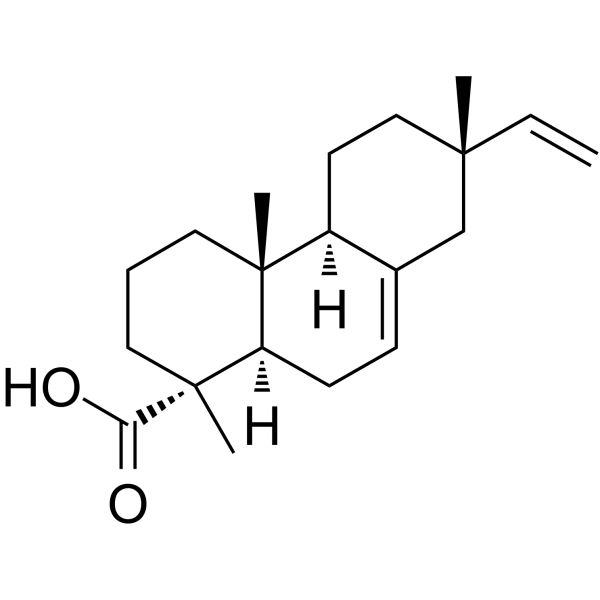 0 ImagesIsopimaric acid is a coniferous tree defense compound. Isopimaric acid binds to AKT and inhibits mTOR phosphorylation, thereby regulating the AKT/mTOR pathway. Isopimaric acid inhibits oxidative stress, inflammation, microglial migration, apoptosis, autophagic flux, ornithine decarboxylase activity, breast cancer proliferation and metastasis, and fungal spore germination. Isopimaric acid also induces M2 microglial polarization, mitochondrial damage, ROS accumulation, starvation-induced colon cancer cell apoptosis, and breast cancer cell cycle arrest. Isopimaric acid activates potassium channels, regulates sodium channels and calcium channels, reduces myocardial excitability, and improves arrhythmia. Isopimaric acid acts as an oxidative substrate for CYP6BW1/3, down-regulates PINK1/Parkin, and regulates calcium homeostasis, oxidative phosphorylation, EMT, and the Wnt pathway. Isopimaric acid exhibits activity against drug-resistant Staphylococcus aureus, repels feeding, and promotes the growth of rice seedlings. Isopimaric acid is suitable for research related to epilepsy, tumors, drug-resistant bacterial infections, atrial fibrillation, hypertension, hyperlipidemia, pulmonary tuberculosis, etc.
-
Isosorbide mononitrate (Standard)
 0 ImagesSynonyms: Isosorbide-5-mononitrate (Standard)Isosorbide mononitrate (Standard) is the analytical standard of Isosorbide mononitrate. This product is intended for research and analytical applications. Isosorbide mononitrate (Isosorbide-5-mononitrate) is a nitric acid compound used for angina pectoris by dilating blood vessels and lowering blood pressure.
-
Thalidomide-O-amido-C8-NH2 TFA
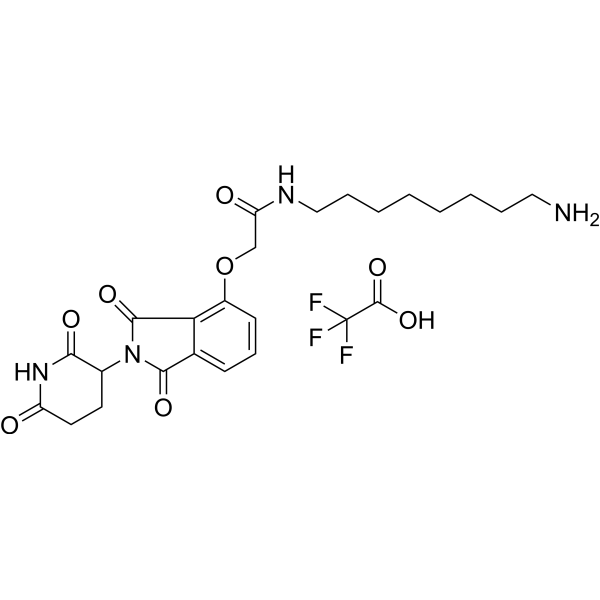 0 ImagesSynonyms: Cereblon Ligand -Linker Conjugates 2 TFA; E3 Ligase Ligand-Linker Conjugates 20 TFAThalidomide-O-amido-C8-NH2 TFA (Cereblon Ligand -Linker Conjugates 2 TFA) is a synthesized E3 ligase ligand-linker conjugate that incorporates the Thalidomide based cereblon ligand and a linker used in PROTAC technology.
-
Indophagolin
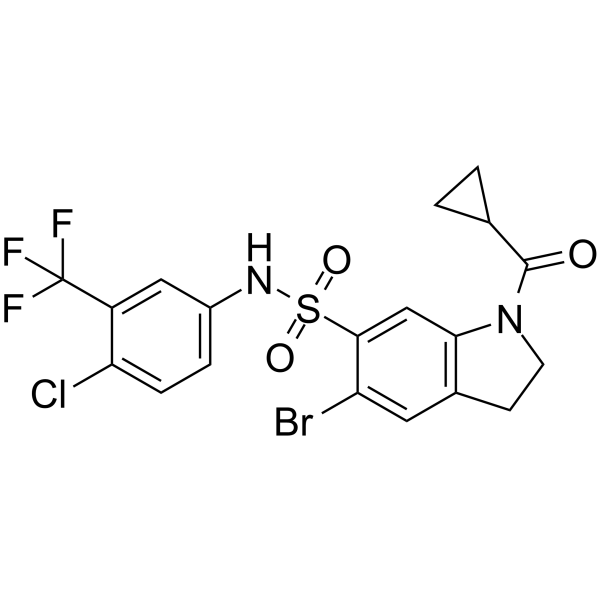 0 ImagesIndophagolin is a potent, indoline-containing autophagy inhibitor (IC50=140 nM). Indophagolin antagonizes the purinergic receptor P2X4 as well as P2X1 and P2X3 with IC50s of 2.71, 2.40 and 3.49 μM, respectively. Indophagolin also antagonizes the Gq-protein-coupled P2Y4, P2Y6, and P2Y11 receptors (IC50s =3.4~15.4 μM). Indophagolin has a strong antagonistic effect on serotonin receptor 5-HT6 (IC50=1.0 μM) and a moderate effect on receptors 5-HT1B, 5-HT2B, 5-HT4e, and 5-HT7.
-
Lumefantrine-d9
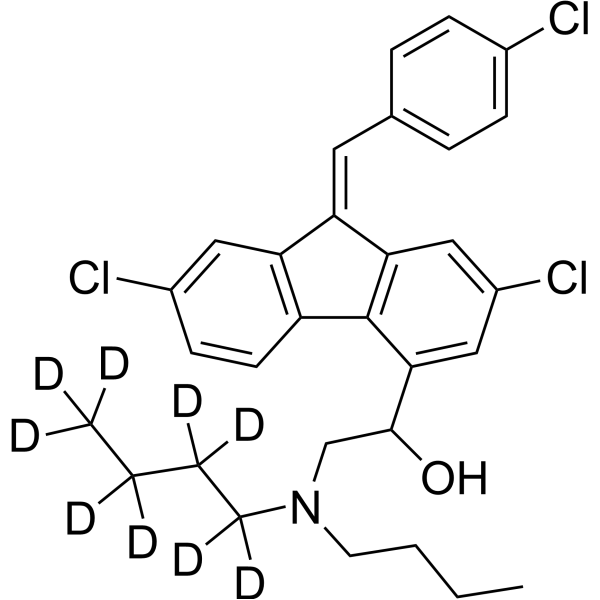 0 ImagesCat. No.: HY-B0803S1CAS No.: 2477594-24-2Synonyms: Benflumetol-d9Lumefantrine-d9 is the deuterium labeled Lumefantrine. Lumefantrine is an antimalarial drug, used in combination with Artemether. The artemether-lumefantrine (AL) as the first- and second-line anti-malarial drugs.
-
Thalidomide-NH-PEG1-NH2 hydrochloride
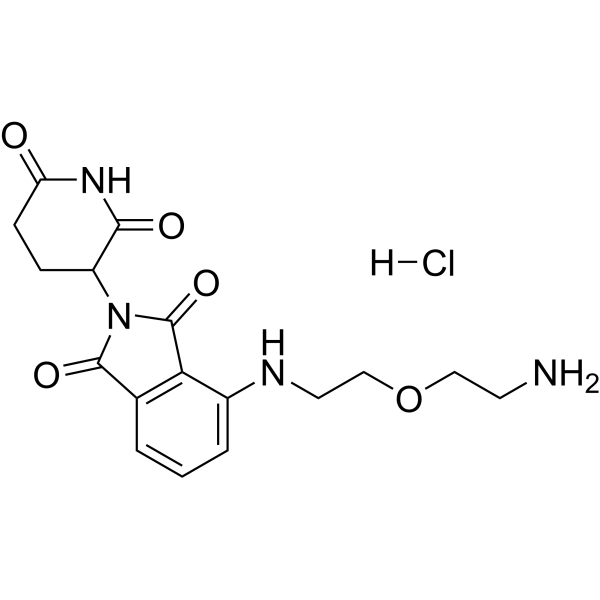 0 ImagesThalidomide-NH-PEG1-NH2 hydrochloride is a synthesized E3 ligase ligand-linker conjugate that incorporates the Thalidomide based cereblon ligand and a linker used in PROTAC technology.