



CDK
Cyclin dependent kinase
CDKs (Cyclin-dependent kinases) are serine-threonine kinases first discovered for their role in regulating the cell cycle. They are also involved in regulating transcription, mRNA processing, and the differentiation of nerve cells. CDKs are relatively small proteins, with molecular weights ranging from 34 to 40 kDa, and contain little more than the kinase domain. In fact, yeast cells can proliferate normally when their CDK gene has been replaced with the homologous human gene. By definition, a CDK binds a regulatory protein called a cyclin. Without cyclin, CDK has little kinase activity; only the cyclin-CDK complex is an active kinase.
There are around 20 Cyclin-dependent kinases (CDK1-20) known till date. CDK1, 4 and 5 are involved in cell cycle, and CDK 7, 8, 9 and 11 are associated with transcription.
CDK levels remain relatively constant throughout the cell cycle and most regulation is post-translational. Most knowledge of CDK structure and function is based on CDKs of S. pombe (Cdc2), S. cerevisia (CDC28), and vertebrates (CDC2 and CDK2). The four major mechanisms of CDK regulation are cyclin binding, CAK phosphorylation, regulatory inhibitory phosphorylation, and binding of CDK inhibitory subunits (CKIs).
CDK Isoform Specific Products
-
CDK
(488)
View all products
-
CDK1
(187)
View all products
-
CDK2
(302)
View all products
-
CDK3
(28)
View all products
-
CDK4
(223)
View all products
-
CDK5
(96)
View all products
-
CDK6
(168)
View all products
-
CDK7
(115)
View all products
-
CDK8
(55)
View all products
-
CDK9
(200)
View all products
-
CDK11
(8)
View all products
-
CDK12
(50)
View all products
-
CDK13
(25)
View all products
-
CDK14
(6)
View all products
-
CDK16
(8)
View all products
-
CDK19
(25)
View all products
-
CDC
(21)
View all products
-
CLK
(31)
View all products
-
Pho85
(1)
View all products
-
CDK10
(1)
View all products
-
CDK15
(1)
View all products
-
CDK17
(2)
View all products
-
CDK18
(1)
View all products
-
CDK20
(1)
View all products
-
PITSLRE
(1)
View all products
All Product Categories
-
CDK Inhibitors
(1060)
View all products
-
CDK Agonists
(3)
View all products
-
CDK Antagonists
(2)
View all products
-
CDK Activators
(15)
View all products
-
CDK Modulators
(14)
View all products
-
CDK Degraders
(83)
View all products
-
CDK Controls
(4)
View all products
-
CDK Substrate
(1)
View all products
-
CDK Ligands
(15)
View all products
-
Cyclin-Dependent Kinases (CDKs) Proteins
(81)
View all products
-
Cyclin Dependent Kinase 1 (CDK1) Proteins
(9)
View all products
-
Cyclin-Dependent Kinase 2 (CDK2) Proteins
(12)
View all products
-
Cyclin-Dependent Kinase 3 (CDK3) Proteins
(6)
View all products
-
Cyclin-Dependent Kinase 4 (CDK4) Proteins
(5)
View all products
-
Cyclin-Dependent Kinase 5 (CDK5) Proteins
(5)
View all products
-
Cyclin-Dependent Kinase 6 (CDK6) Proteins
(6)
View all products
-
Cyclin-Dependent Kinase 7 (CDK7) Proteins
(4)
View all products
-
CDK Related Products (1316)
Related Products (1316)

-
Recombinant Proteins (83)
-
Antibodies (42)
-
CDK Isoform Comparison
-
DEG-77
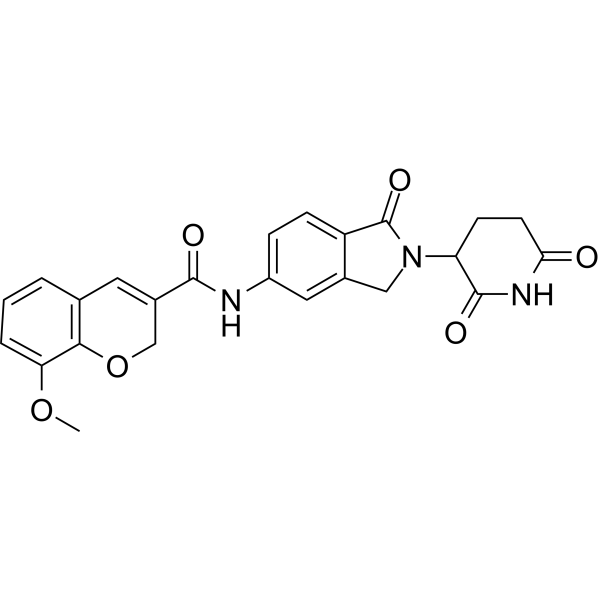 0 ImagesDEG-77 is a molecular glue targeting IKZF2 and CK1α, with DC50 values of 15.3 nM and 10 nM, respectively. DEG-77 exhibits significant anti-tumor activity, inducing increased transcriptional levels of the pro-apoptotic protein Bax and the cell cycle arrest protein p21. DEG-77 is applicable to the research of acute myeloid leukemia (AmL), diffuse large B-cell lymphoma and ovarian cancer.
-
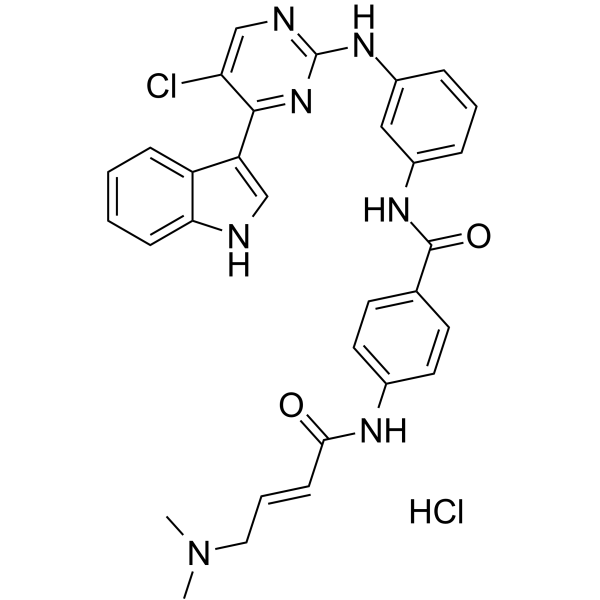
Dalpiciclib hydrochloride
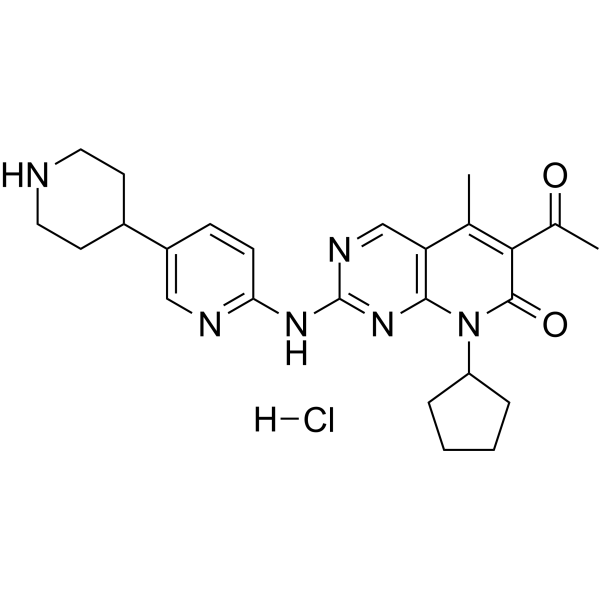 0 ImagesSynonyms: SHR-6390 hydrochloride
-
Bromosporine
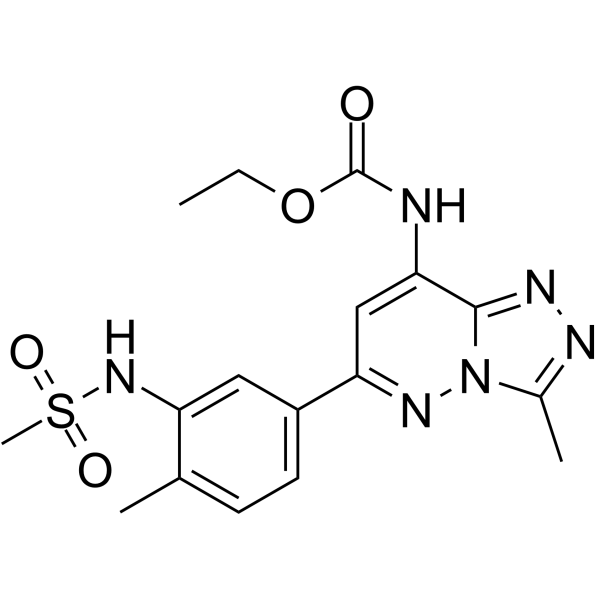 0 ImagesBromosporine, a chemical probe, is a potent BET inhibitor with an IC50 value of 2.1 μM for PCAF. Bromosporine can arrest cell cycle and induce apoptosis in cancer cells. Bromosporine exhibits excellent antitumor activity in xenograft mice model when combined with 5-Fluorouracil (HY-90006). Bromosporine can increase CDK9 T-loop phosphorylation in HIV-1 latency models, resulting the protection of reactivate HIV-1 replication from latency. Bromosporine can be used to research colorectal cancer, acute myeloid leukemia (AML) and AIDS.
-
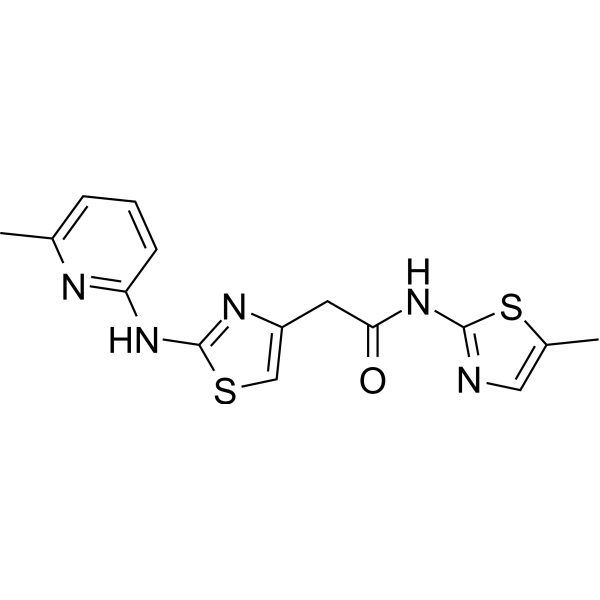
T025
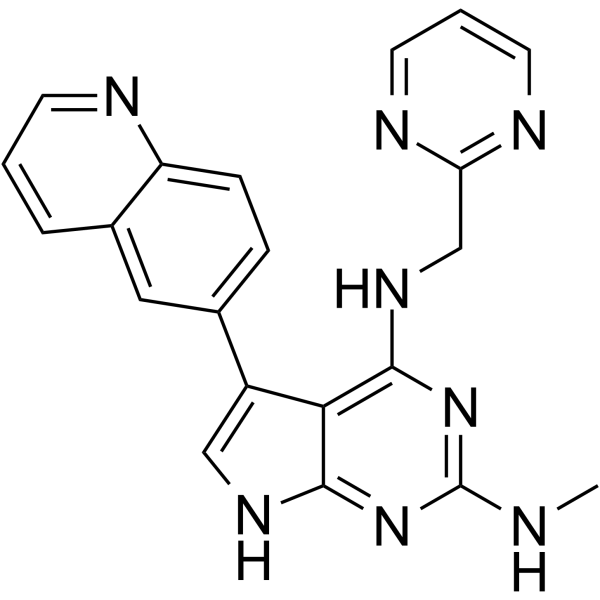 0 ImagesT025 is an orally active and highly potent inhibitor of Cdc2-like kinase (CLKs), with Kd values of 4.8, 0.096, 6.5, 0.61, 0.074, 1.5 and 32 nM for CLK1, CLK2, CLK3, CLK4, DYRK1A, DYRK1B and DYRK2, respectively. T025 induces caspase-3/7-mediated cell apoptosis. T025 reduces CLK-dependent phosphorylation. T025 exerts anti-proliferative activities in both hematological and solid cancer cell lines (IC50 values: 30-300 nM). T025 has an anti-tumor efficiency, mainly for MYC-driven disease research.
-
CDK2 degrader 1
 0 ImagesCDK2 degrader 1 (Compound 3) is a selective CDK2 molecular glue degrader with a Dmax (CDK2) of > 80% and a Ki (CRBN) > 1 μM. CDK2 degrader 1 binds to cereblon to induce ubiquitination and subsequent proteasomal degradation of the CDK2. CDK2 degrader 1 is used in the research of a wide range of cancers.
-
Raddeanin A
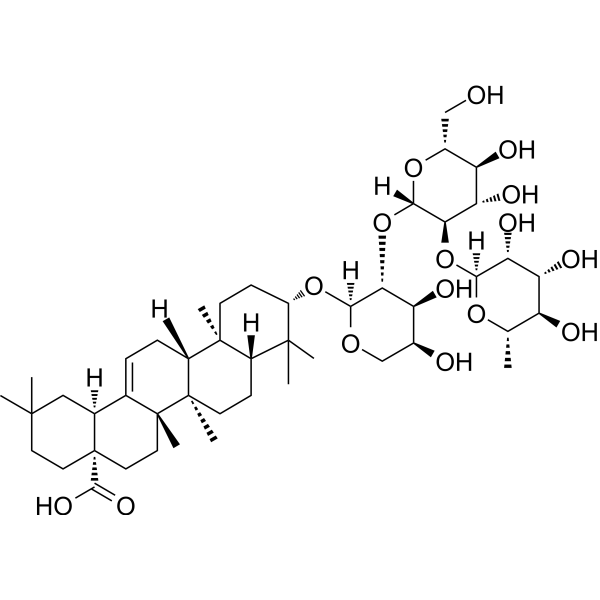 0 ImagesRaddeanin A is an oleanane-type triterpenoid saponin with oral activity. Raddeanin A inhibits SRC, mTOR, JNK, VEGFR2, NLRP3 inflammasome, Wnt/β-catenin, Wee1, PI3K/AKT signaling pathway, MAPK/ERK signaling pathway, AR-FL, AR-Vs, and downregulates the expression of p-PI3K and p-AKT. Raddeanin A inhibits osteoclast formation, bone resorption, osteolysis, cancer cell invasion, migration, proliferation, angiogenesis and epithelial-mesenchymal transition, while induces apoptosis, cell cycle arrest, ROS production, immunogenic cell death and dendritic cell maturation. Raddeanin A improves blood-retinal barrier function, alleviates inflammation, regulates the tumor microenvironment, and enhances the activity of anti-PD-1 antibody. Raddeanin A is applicable to the research of breast cancer-associated osteolysis, human osteosarcoma, colorectal cancer, glioblastoma, Alzheimer's disease, cholangiocarcinoma, melanoma, non-small cell lung cancer, castration-resistant prostate cancer and multiple myeloma.
-
Alsterpaullone
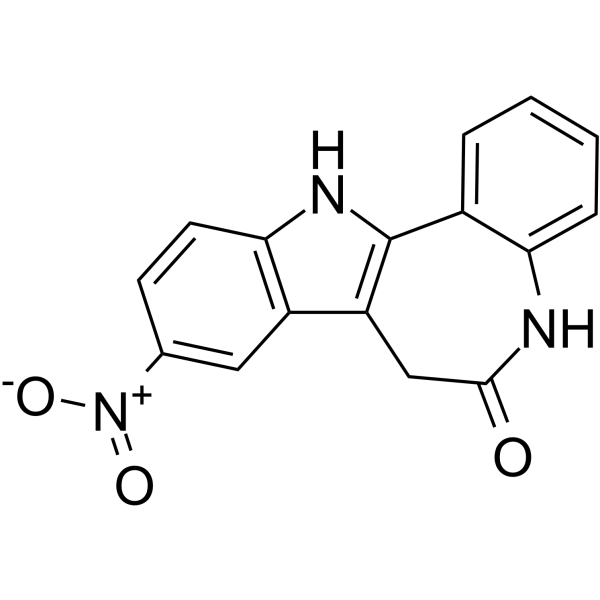 0 ImagesSynonyms: 9-Nitropaullone; NSC 705701Alsterpaullone (9-Nitropaullone) is a potent CDK inhibitor, with IC50s of 35 nM, 15 nM, 200 nM and 40 nM for CDK1/cyclin B, CDK2/cyclin A, CDK2/cyclin E and CDK5/p35, respectively. Alsterpaullone also competes with ATP for binding to GSK-3alpha/GSK-3beta with IC50s of both 4 nM. Alsterpaullone has antitumor activity, and possesses potential for the study in neurodegenerative and proliferative disorders. Alsterpaullone induces apoptosis in leukemia cell line.
-
(E/Z)-Zotiraciclib
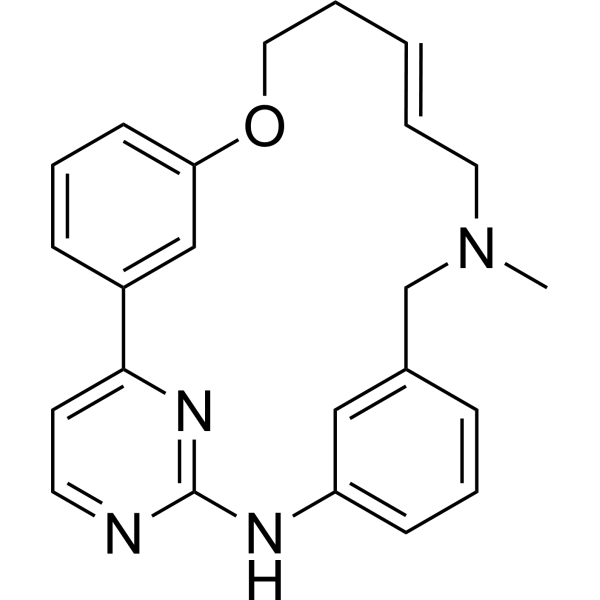 0 ImagesSynonyms: (E/Z)-TG02; (E/Z)-SB1317
-
Trilaciclib hydrochloride
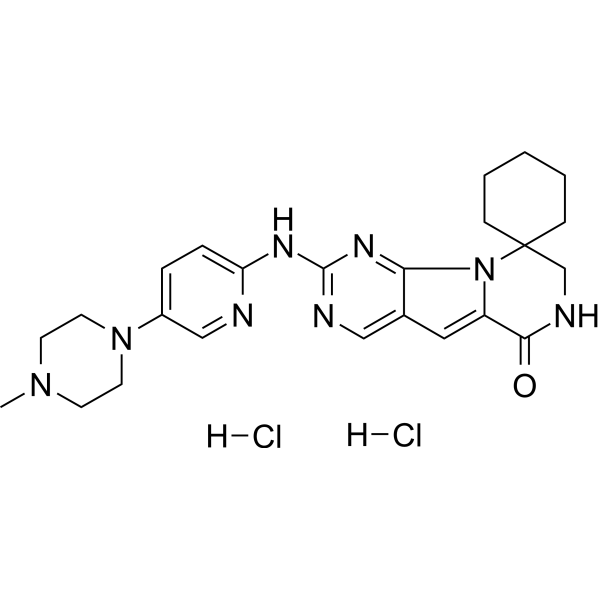 0 ImagesSynonyms: G1T28 hydrochlorideTrilaciclib (G1T28) hydrochloride is an orally active CDK4/6 inhibitor with IC50 values of 1 nM and 4 nM for CDK4 and CDK6, respectively. Trilaciclib hydrochloride can effectively inhibit tumor cell proliferation and reduce the hematological toxicity caused by chemotherapy. Trilaciclib hydrochloride attenuates apoptosis and myelosuppression induced by 5FU (HY-90006) chemotherapy.
-
BSJ-04-132
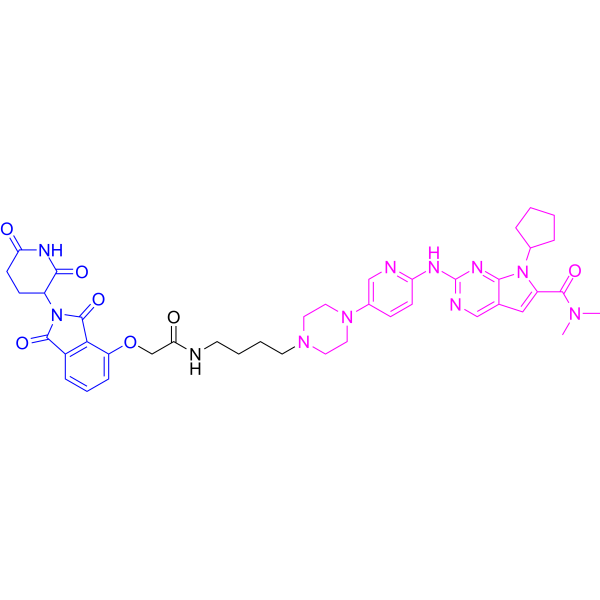 0 ImagesBSJ-04-132 is a PROTAC connected by ligands for Cereblon and CDK. BSJ-04-132 is a potent and selective Ribociclib-based CDK4 degrader (PROTAC), with IC50s of 50.6 nM and 30 nM for CDK4/D1 and CDK6/D1, respectively. BSJ-04-132 does not induce CDK6 and IKZF1/3 degradation. BSJ-04-132 has anti-cancer activity.
-
PHA-793887
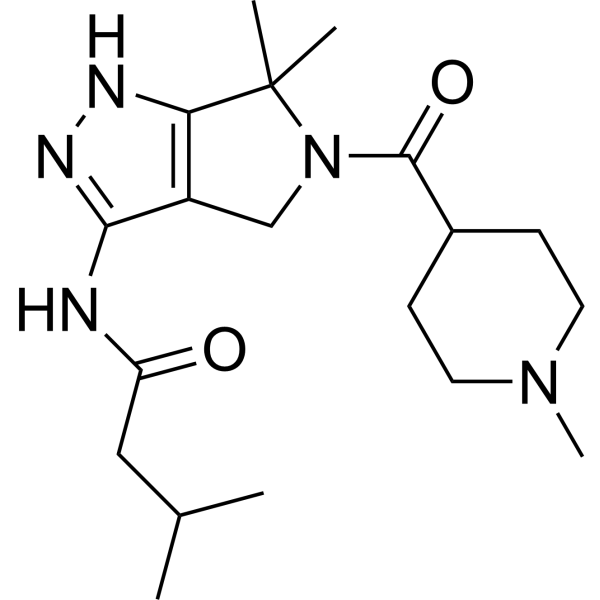 0 ImagesPHA-793887 is a CDK inhibitor (with IC50 values of 8 nM for Cdk2, 60 nM for Cdk1, 62 nM for Cdk4, 138 nM for Cdk9). PHA-793887 inhibits purified GSK3β (IC50 79 nM). PHA-793887 reduces the phosphorylation level of nucleophosmin/cdc6, induces G1/G2/M phase arrest, and triggers Apoptosis by activating Caspase-3. PHA-793887 exhibits anticancer activity against leukemia. PHA-793887 can be used in research related to acute leukemia, chronic myeloid leukemia, and advanced/metastatic solid tumors.
-
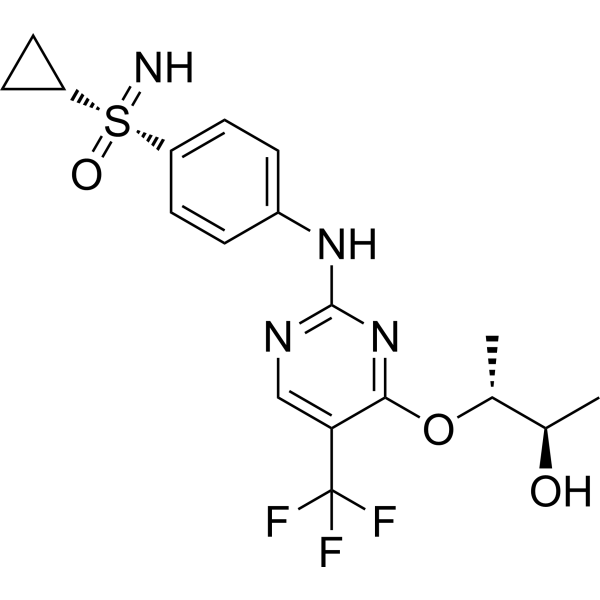
Atuveciclib
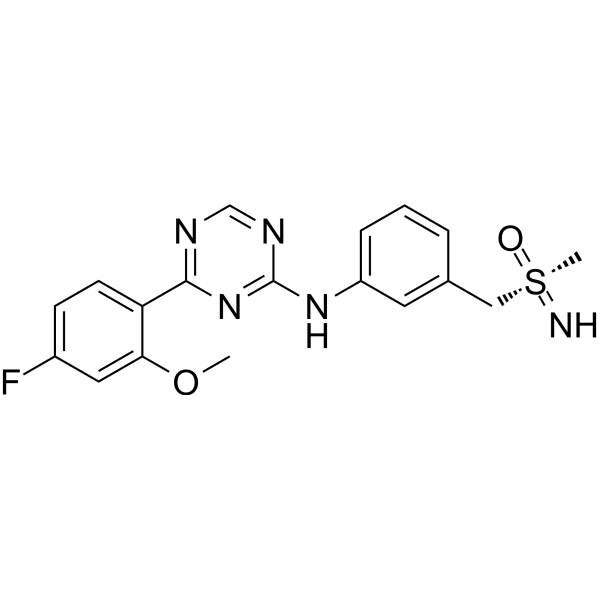 0 ImagesSynonyms: BAY-1143572




