



Fungal
An antifungal agent is a drug that selectively eliminates fungal pathogens from a host with minimal toxicity to the host.
Classes: 1. Polyene Antifungal Drugs: Amphotericin, nystatin, and pimaricin interact with sterols in the cell membrane (ergosterol in fungi, cholesterol in humans) to form channels through which small molecules leak from the inside of the fungal cell to the outside. 2. Azole Antifungal Drugs: Fluconazole, itraconazole, and ketoconazole inhibit cytochrome P450-dependent enzymes (particularly C14-demethylase) involved in the biosynthesis of ergosterol, which is required for fungal cell membrane structure and function. 3. Allylamine and Morpholine Antifungal Drugs: lylamines (naftifine, terbinafine) inhibit ergosterol biosynthesis at the level of squalene epoxidase. The morpholine drug, amorolfine, inhibits the same pathway at a later step. 4. Antimetabolite Antifungal Drugs: 5-Fluorocytosine acts as an inhibitor of both DNA and RNA synthesis via the intracytoplasmic conversion of 5-fluorocytosine to 5-fluorouracil.
All Product Categories
-
Fungal Related Products (2768)
Related Products (2768)

-
Antibodies (1)
-
Related Compound Screening Libraries (1)
-
Koninginin D
 0 ImagesCat. No.: HY-N19824CAS No.: 119903-56-9Koninginin D is a potent antifungal agent that can be isolated from fungi including Trichoderma applanatum. Koninginin D inhibits growth of various fungal species including Gaeumannomyces graminis var. tritici, Bipolaris sorokiniana and so on. Koninginin D can be used for the research of fungal infection.
-
(Rac)-CPI-098
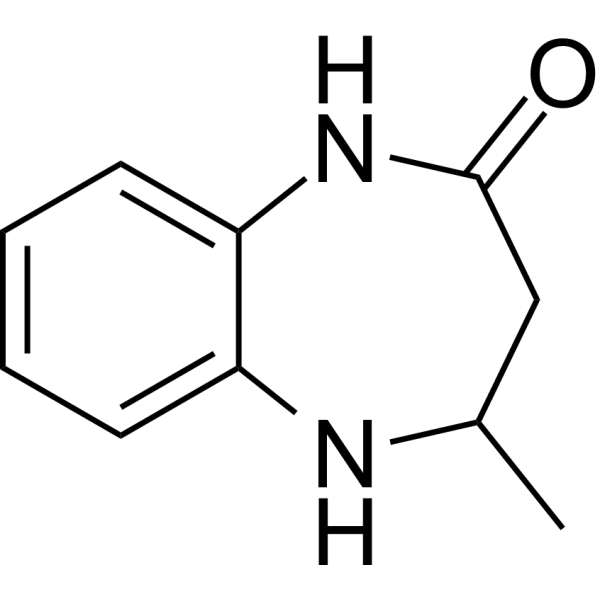 0 Images(Rac)-CPI-098 shows antibacterial activity. (Rac)-CPI-098 exhibits superior anti-fungal activity against Monascus ruber, better activity against Aspergillus fumigates, good activity against Aspergillus niger and Aspergillus parasites and moderate activity against Candida albicans.
-
SDH-IN-3
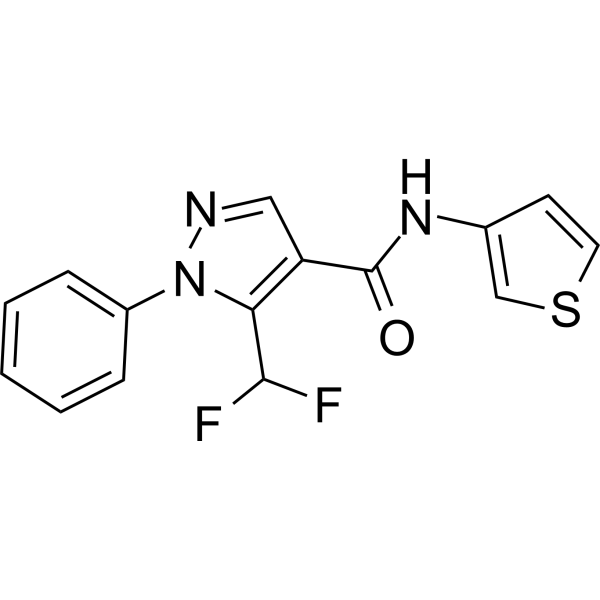 0 ImagesCat. No.: HY-155004CAS No.: 2805297-11-2SDH-IN-3 is a succinate dehydrogenase (SDH) inhibitor with an IC50 of 7.2 μg/mL. SDH-IN-3 exhibits excellent antifungal activities against Nigrospora oryzae with an EC50 of 1.9 μg/mL. SDH-IN-3 can be used for anti-infection research.
-
Ansatrienin A
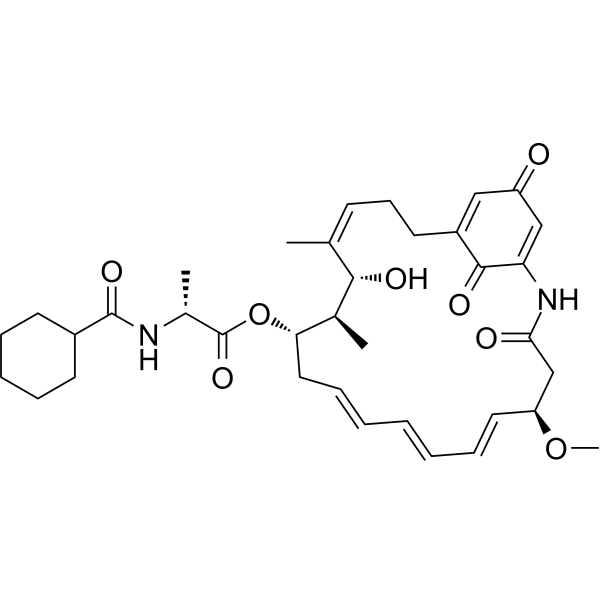 0 ImagesCat. No.: HY-126559CAS No.: 82189-03-5Synonyms: Mycotrienin IAnsatrienin A is an antifungal antibiotic that can be isolated from Streptomyces collinus.
-
Nidulol
 0 ImagesCat. No.: HY-N16432CAS No.: 17811-38-0Nidulol is a compound that can be isolated from the fungus Aspergillus nidulans metabolites. Nidulol shows no phytotoxic activity against Zea mays and Medicago polymorpha L. at a concentration of 5 mM.
-
Penicolinate B
 0 ImagesCat. No.: HY-N12230CAS No.: 1418291-70-9Penicolinate B is a picolinic acid derivative that can be isolated from Penicillium sp. Penicolinate B exhibits antimalarial activity (IC50: 1.40 μg/mL), antitubercular activity (MIC: 25.0 μg/mL), activity against Bacillus cereus (IC50: 25.0 μg/mL), and activity against Candida albicans (IC50: 1.45 μg/mL). Penicolinate B also has certain cytotoxicity against cancer cells such as MCF-7, KB, and NCI-H187. Penicolinate B can be used in research on malaria, tuberculosis, bacterial/fungal infections and tumors.
-
Calcimycin hemimagnesium
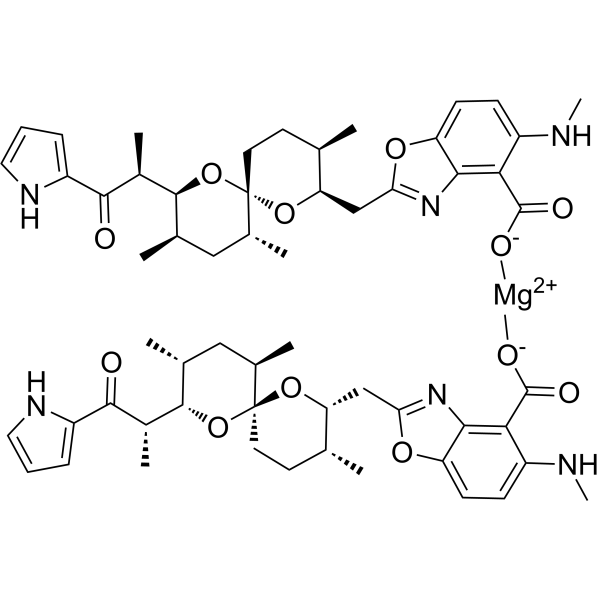 0 ImagesCat. No.: HY-N6687BCAS No.: 72124-77-7Synonyms: A-23187 hemimagnesium; Antibiotic A-23187 hemimagnesiumCalcimycin (A-23187) hemimagnesium is an antibiotic and a unique divalent cation ionophore (like calcium and magnesium). Calcimycin hemimagnesium induces Ca2+-dependent cell death by increasing intracellular calcium concentration. Calcimycin hemimagnesium inhibits the growth of Gram-positive bacteria and some fungi. Calcimycin hemimagnesium also inhibits the activity of ATPase and uncouples oxidative phosphorylation (OXPHOS) of mammalian cells. Calcimycin hemimagnesium induces apoptosis and autophagy.
-
1-Heptadecene
 0 ImagesCat. No.: HY-W540874CAS No.: 6765-39-51-Heptadecene is a metabolite found in Aporosa cardiosperma. 1-Heptadecene has antifungal and antibacterial activities.
-
SARS-CoV-2 3CLpro-IN-4
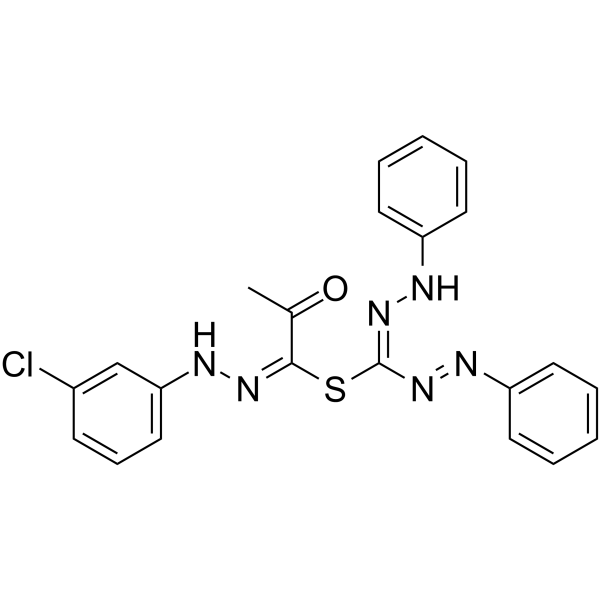 0 ImagesCat. No.: HY-147805CAS No.: 2505241-31-4SARS-CoV-2 3CLpro-IN-4 (Compound 5g) is a SARS CoV-2 3CLpro inhibitor with antiviral, antibacterial and antifungal activities.
-
CHNQD-02204
 0 ImagesCat. No.: HY-183333CAS No.: 3094676-22-6CHNQD-02204 is a potent and selective antifungal agent with in vitro activity against Candida albicans, with a MIC of 0.025 μg/mL. CHNQD-02204 inhibits ergosterol biosynthesis, disrupts the membrane integrity and biofilm formation of Candida albicans, and suppresses the morphological transition of Candida albicans from yeast to hyphal form. CHNQD-02204 can be used in studies related to candidal infections.
-
Cytosporone C
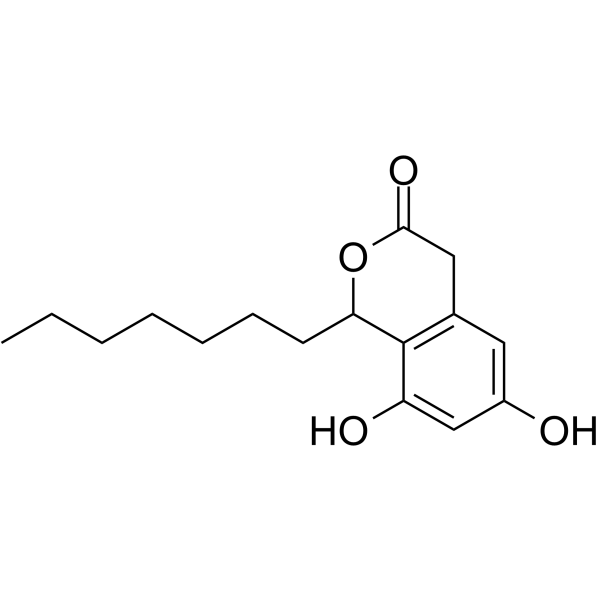 0 ImagesCat. No.: HY-N10289CAS No.: 321661-63-6Cytosporone C is an antifungal metabolite from the Melia azedarach-Associated Fungus Diaporthe eucalyptorum. Cytosporone C exhibits antifungal activities against Alternaria solani.
-
Antifungal agent 46
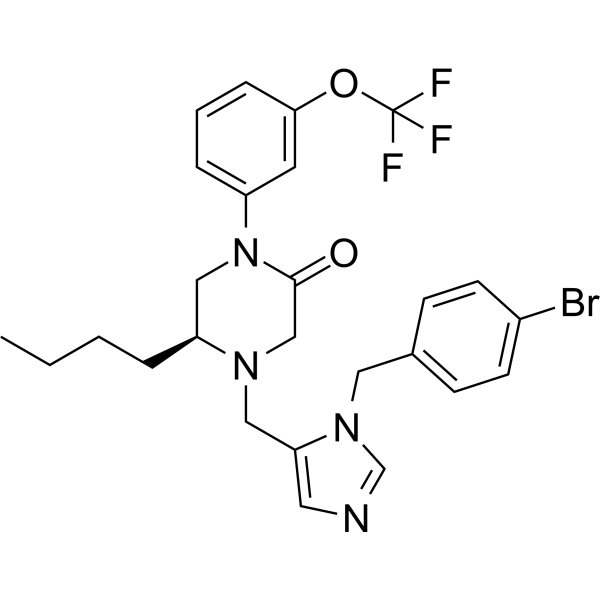 0 ImagesCat. No.: HY-151566CAS No.: 2842067-19-8Antifungal agent 46 (compound 2f) is a potent antifungal agent. Antifungal agent 46 prevents Ras signaling by inhibiting protein farnesyltransferase.
-
Monogalactosyl diglyceride
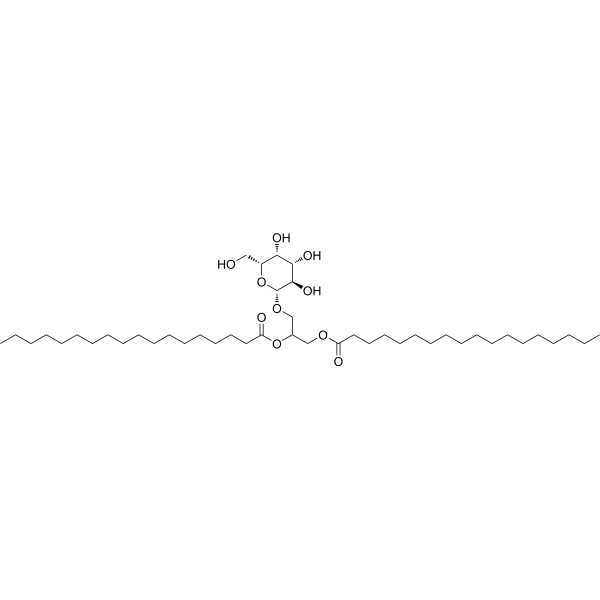 0 ImagesCat. No.: HY-148294CAS No.: 41670-62-6Monogalactosyl diglyceride is a antimicrobial. Monogalactosyl diglyceride has antibacterial activity and antifungal activity in vitro.
-
Antibacterial agent 188
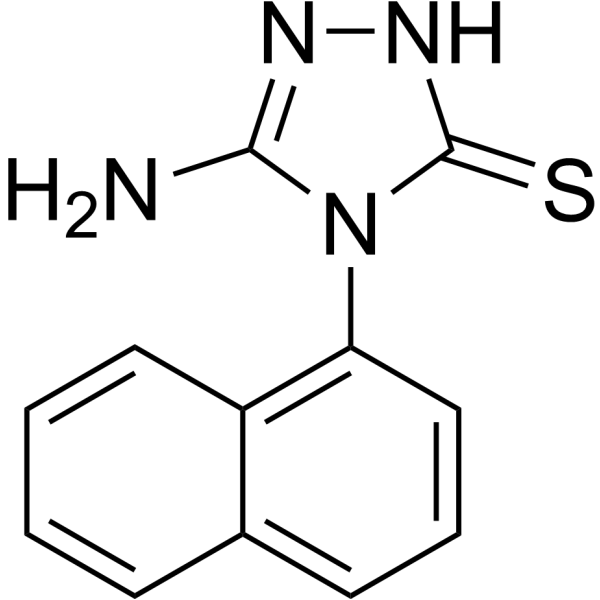 0 ImagesCat. No.: HY-162296CAS No.: 88312-54-3Antibacterial agent 188 (compound 2d) is an antibacterial agent that inhibits dermatophyte activity.
-
Harzianopyridone
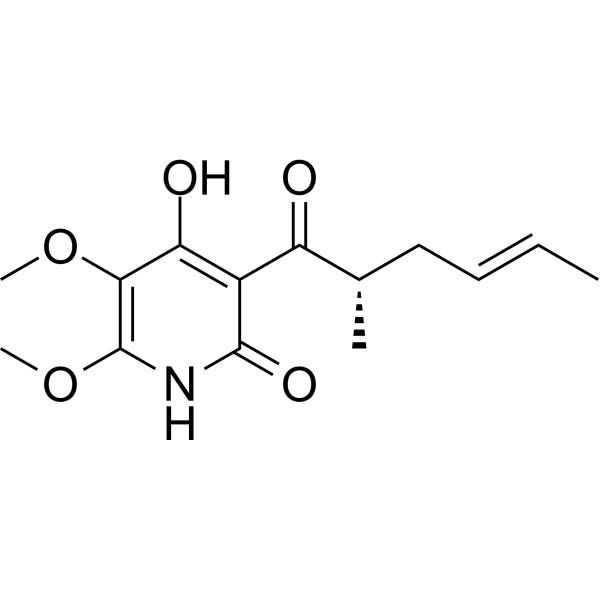 0 ImagesCat. No.: HY-120183CAS No.: 137813-88-8Harzianopyridone is a compound that can be isolated from Trichoderma harzianum. Harzianopyridone is a succinate dehydrogenase (SDH) inhibitor with an IC50 of 80 nM. Harzianopyridone has antifungal, antibacterial, and herbicidal activities.
-
Undecanoic acid-d2
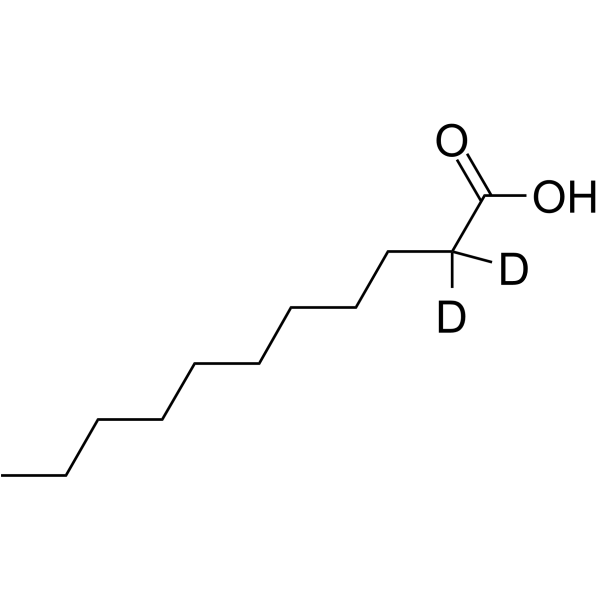 0 ImagesCat. No.: HY-W004282S2CAS No.: 64118-43-0Synonyms: Undecanoate-d2; Hendecanoic acid-d2Undecanoic acid-d2 (Undecanoate-d2) is the deuterium labeled Undecanoic acid (HY-W004282). Undecanoic acid is a monocarboxylic acid with antifungal property. Undecanoic acid inhibits the production of exocellular keratinase, lipase and the biosynthesis of several phospholipids in T. rubrum.
-
Antifungal agent 30
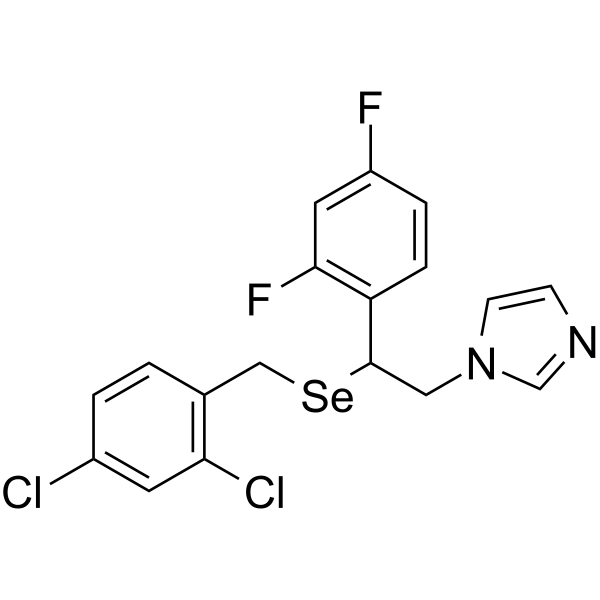 0 ImagesCat. No.: HY-146464CAS No.: 2422019-91-6Antifungal agent 30 (compound A18) is a potent antifungal agent. Antifungal agent 30 shows excellent antifungal activity against Candida albicans (CPCC400616) and Aspergillus fumigatus, with MIC of 0.03 and 0.5 μg/mL, respectively. Antifungal agent 30 also shows excellent antifungal activity against fluconazole-resistant strains. The potent antifungal activity of Antifungal agent 30 mainly causes by hydrogen and coordination bond interaction with the CYP51.
-
Cepafungin III
 0 ImagesCat. No.: HY-N15263CAS No.: 130743-09-8Cepafungin III is an acylpeptide antibiotic that can be isolated from the culture broth of Pseudomonas species. Cepafungin III exhibits inhibitory activity against yeast and fungi, and antitumor activity against P388 leukemia in mice, when mixed with Cepafungin I and II.
-
Gamma-Glutamyl Transferase-IN-1
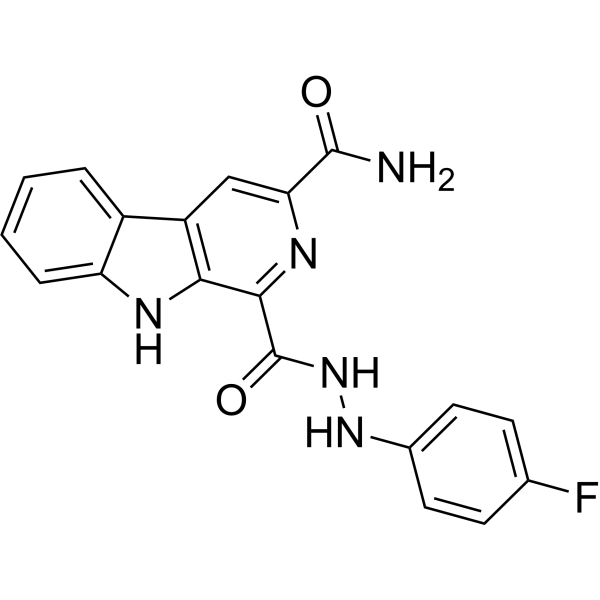 0 ImagesCat. No.: HY-154993CAS No.: 2956809-71-3Gamma-Glutamyl Transferase-IN-1 (compound 4de) is a β-carboline 1-hydrazide inhibitor with antifungal and antibacterial activities, targeting to glutamyltransferase. Gamma-Glutamyl Transferase-IN-1 acts function by resulting the accumulation of reactive oxygen species, destruction of cell membranes, and dysregulation of histone acetylation.
-
Antiproliferative agent-18
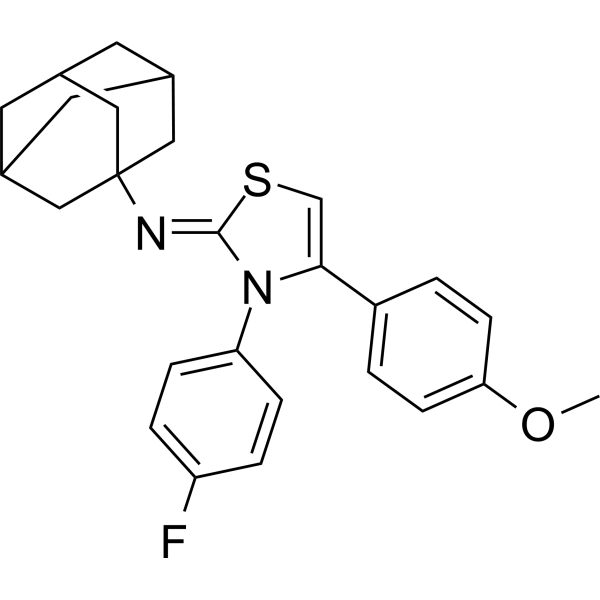 0 ImagesCat. No.: HY-152091CAS No.: 2882206-14-4Antiproliferative agent-18 (Compound 5k) is an anti-proliferative agent. Antiproliferative agent-18 also displays moderate anti-bacterial and anti-fungi activity.




