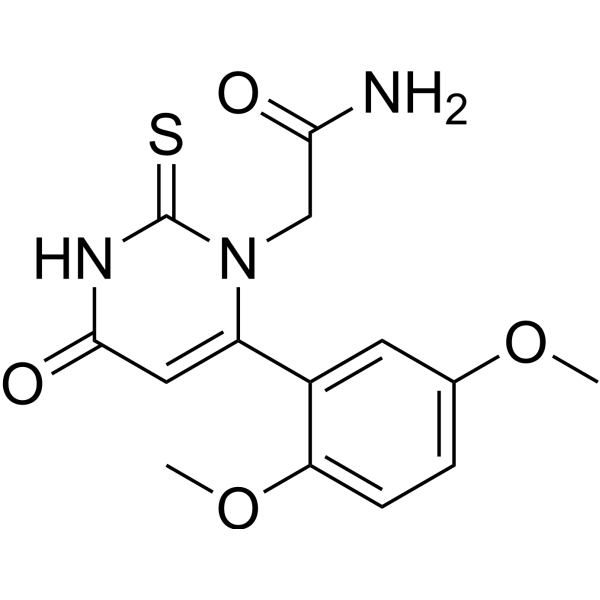
Glutathione Peroxidase Inhibitor
-
RSL3
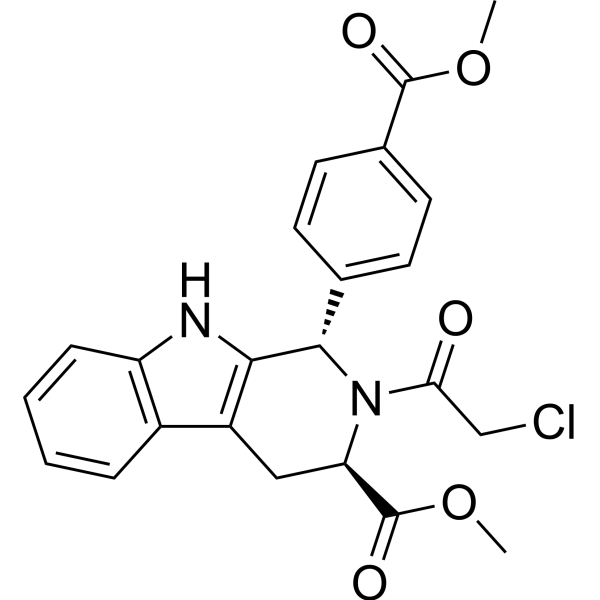 0 ImagesSynonyms: (1S,3R)-RSL3
RSL3 ((1S,3R)-RSL3) is an inhibitor of glutathione peroxidase 4 (GPX4) (ferroptosis activator), reduces the expression of GPX4 protein, and induces ferroptotic death of head and neck cancer cell. RSL3 increases the expression of p62 and Nrf2 and inactivates Keap1 in HN3-rslR cells.
-
Z-VAD-FMK
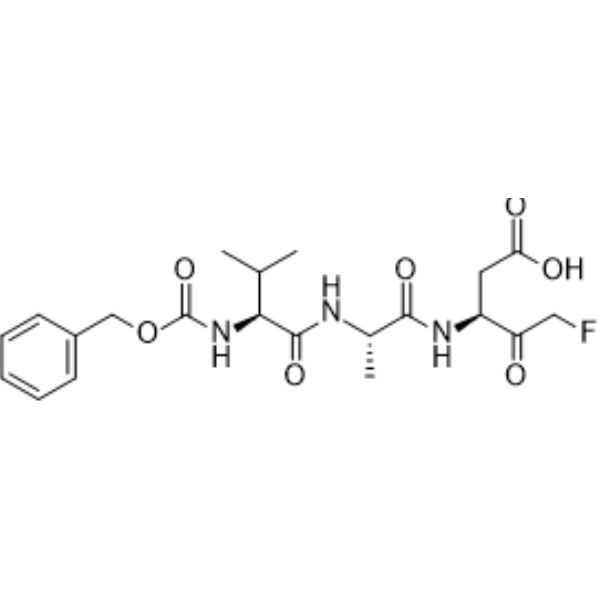 0 ImagesSynonyms: Z-VAD(OH)-FMK
Z-VAD-FMK is a pan-caspase inhibitor and also an ICE-like protease inhibitor, which inhibits apoptosis by preventing the processing of CPP32 to its active form. Z-VAD-FMK sensitivity varies primarily due to differential expression of receptor-interacting protein 1 (RIP1). Z-VAD-FMK limits the cryopreservation-induced apoptosis by reducing caspase-3 activity of in vitro produced bovine embryos. Z-VAD-FMK is immunosuppressive in vitro and inhibits T cell proliferation without blocking the processing of caspase-8 and caspase-3. Z-VAD-FMK leads to a decrease in intracellular glutathione (GSH) with a concomitant increase in reactive oxygen species (ROS) levels in activated T cells. Z-VAD-FMK is due to oxidative stress via the depletion of GSH. Z-VAD-FMK can be used for the study of acute pancreatitis.
-
DOPE
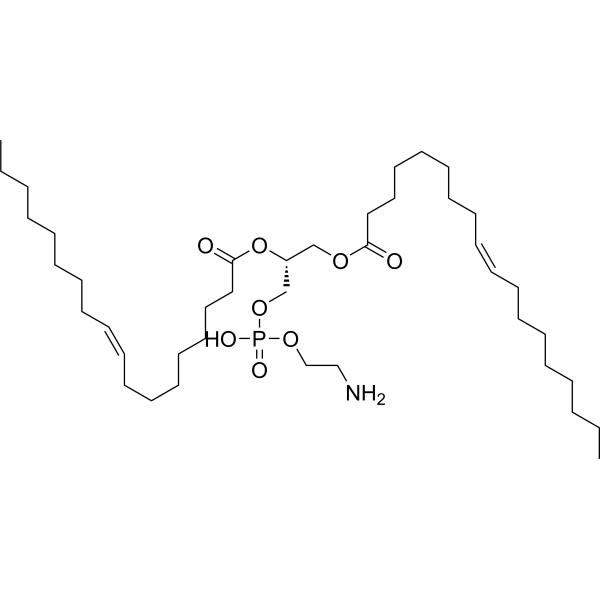 0 ImagesSynonyms: Dioleoylphosphatidylethanolamine; 1,2-Dioleoyl-sn-glycero-3-phosphoethanolamine
DOPE (Dioleoylphosphatidylethanolamine; 1,2-Dioleoyl-sn-glycero-3-phosphoethanolamine) is an orally active inhibitor of ferroptosis with anti-inflammatory and intestinal barrier maintenance activities. DOPE regulates the expression of ACSL4, SLC7A11 and GPX4 to restore the redox system balance, thereby reducing the levels of lipid peroxides, iron ions and intestinal inflammatory factors (IL-1β and IL-6). DOPE promotes the migration and proliferation of intestinal epithelial cells and increases the level of tight junction proteins; it also destabilizes endosomal membranes, mediates the conjugation of RVG peptides with mesenchymal stem cell-derived exosomes to enhance brain targeting. DOPE can be applied to research related to neonatal necrotizing enterocolitis and Alzheimer's disease.
-
4-Aminobenzohydrazide
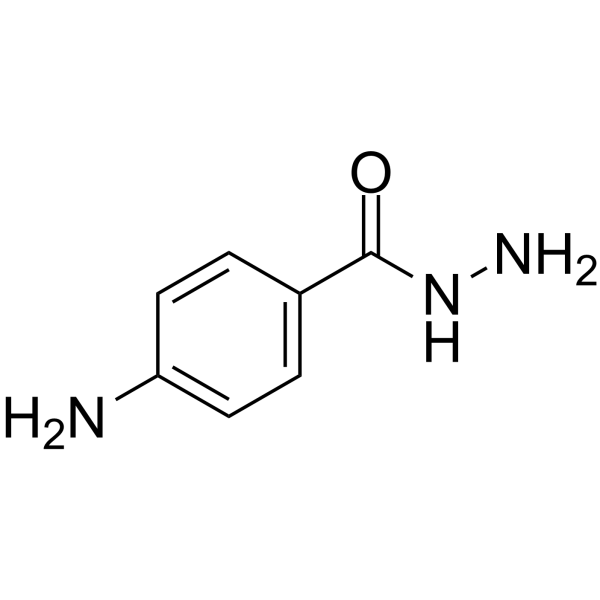 0 ImagesSynonyms: p-Aminobenzohydrazide; p-Aminobenzoic acid hydrazide
4-Aminobenzohydrazide (p-Aminobenzohydrazide) is an irreversible myeloperoxidase (MPO) inhibitor (IC50=0.3 μM) that induces oxidative stress burst in neutrophils (ROS IC50=43.6 μM). 4-Aminobenzohydrazide has been used in subacute stroke research.
-
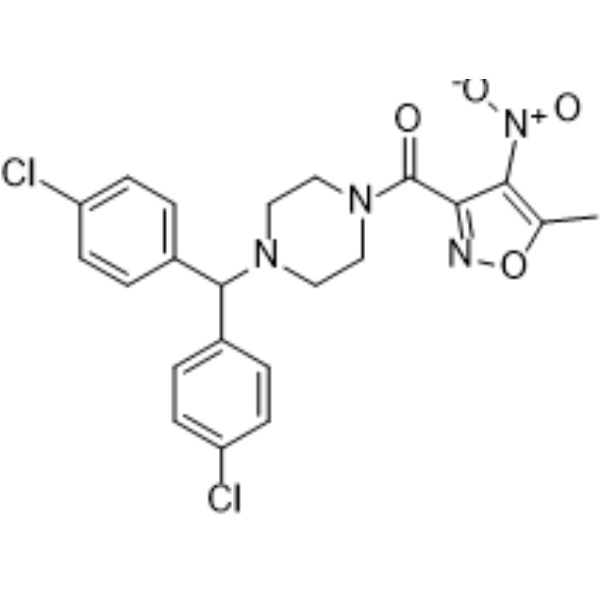
ML-210
 0 Images
ML-210 is a selective and covalent glutathione peroxidase 4 (GPX4) inhibitor with an EC50 of 30 nM. ML-210 binds the GPX4 selenocysteine residue. ML-210 has anti-cancer activity.
-
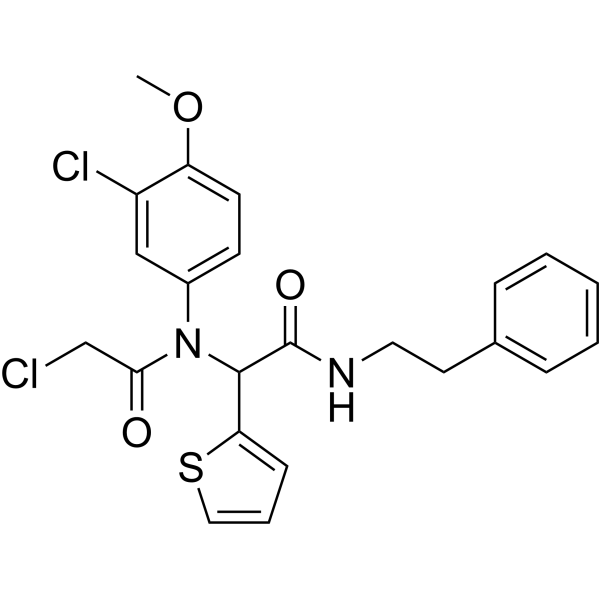
ML162
 0 Images
ML162 is a covalent glutathione peroxidase 4 (GPX4) inhibitor. ML162 has a selective lethal effect on mutant RAS oncogene-expressing cell lines
-
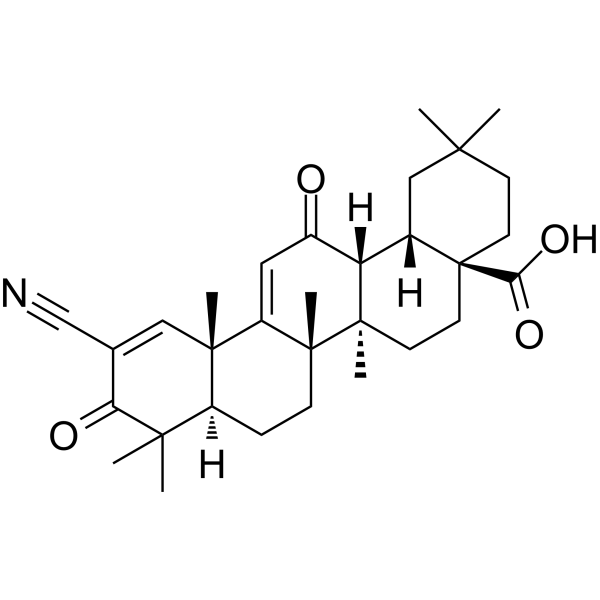
Bardoxolone
 0 ImagesSynonyms: CDDO; RTA 401
Bardoxolone (CDDO; RTA 401) is a Nrf2 activator. Bardoxolone shows anti-SARS-CoV-2 3CLpro with IC50 of 27.99 μM. Bardoxolone activates the Nrf2 pathway and inhibits the NF-κB pathway. Bardoxolone can induce cells differentiation, apoptosis and shows antiproliferative activity against cancer cells. Bardoxolone can increase ROS and decrease intracellular GSH levels. Bardoxolone inhibits Z-VAD-FMK (HY-16658B)-induced necroptosis. Bardoxolone can be used for the research of cancer, inflammation and infection, such as SARS-CoV infection and glioblastoma.
-
Pipecolic acid
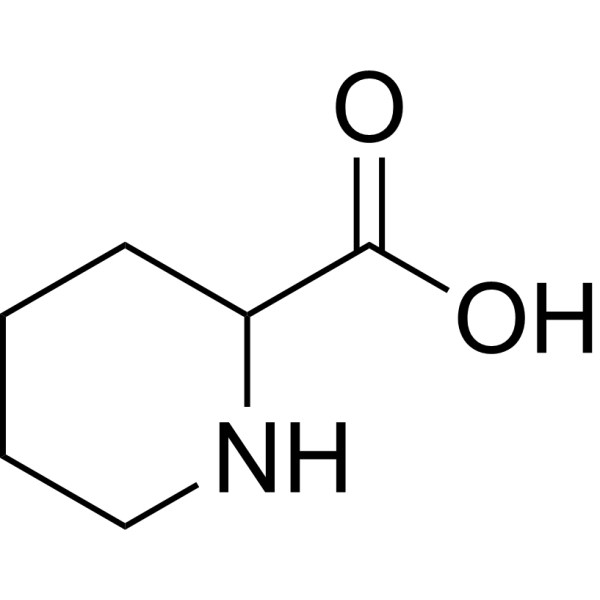 0 Images
Pipecolic acid is an orally bioavailable, blood-brain barrier-permeable metabolite of lysine with antioxidant, inhibitor, and inducer activity. Pipecolic acid modulates the YAP-GPX4 signaling pathway, reduces retinal vascular tube formation, and mitigates ferroptosis. Pipecolic acid potentiates voltage-sensitive Ca2+ channel currents and induces neuronal apoptosis. Pipecolic acid can be used for the research of diabetic retinopathy.
-
JKE-1674
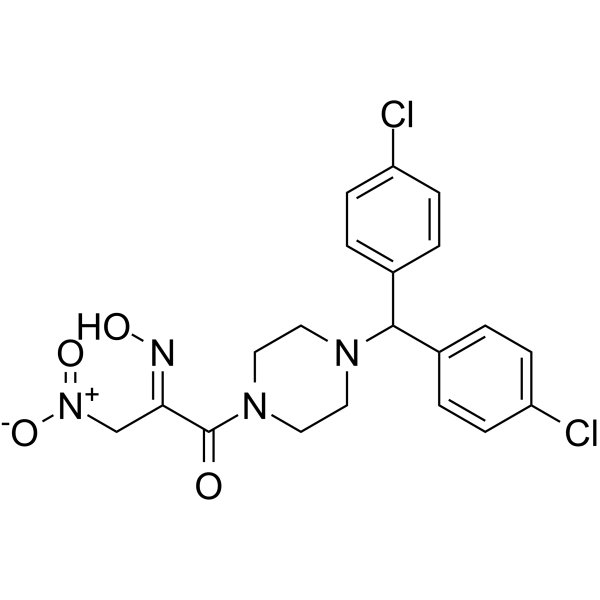 0 Images
JKE-1674 is an orally active glutathione peroxidase 4 (GPX4) inhibitor and an active metabolite of GPX4 inhibitor ML-210. JKE-1674, an analog of ML-210 in which the nitroisoxazole ring is replaced with an α-nitroketoxime. JKE-1674 can convert into a nitrile oxide JKE-1777. JKE-1674 kills LOX-IMVI cells in a manner that is equipotent to ML-210 and is completely rescued by ferroptosis inhibitors.
-
Alkaline phosphatase, Bovine intestine
 0 Images
Alkaline phosphatase, Bovine intestine (Apase) is an orally active membrane-bound glycoprotein that catalyzes the hydrolysis of phosphate monoesters at alkaline pH. Alkaline phosphatase, Bovine intestine reduces myeloperoxidase activity and bacterial translocation. Alkaline phosphatase, Bovine intestine improves survival rate of mice infected with E. coli. Alkaline phosphatase, Bovine intestine improves TNBS-induced colon inflammation.
-
GPX4-IN-3
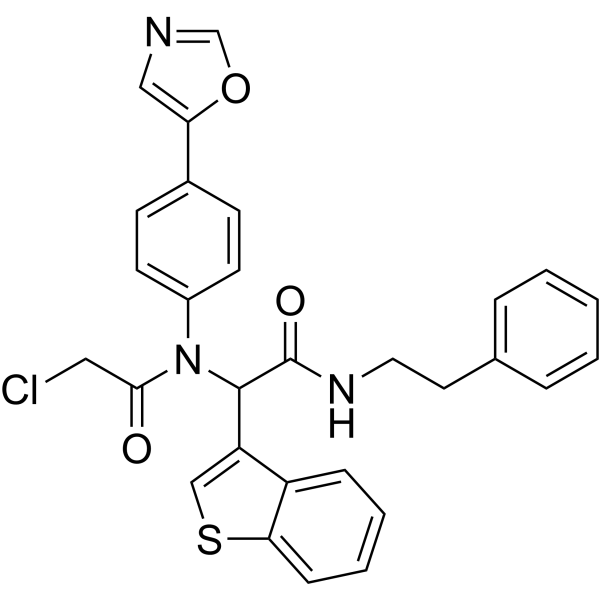 0 Images
GPX4-IN-3 (26a) is a potent glutathione peroxidase 4 (GPX4) inhibitor as a selective ferroptosis inducer. GPX4-IN-3 (26a) exhibits 71.7% inhibition for GPX4 with 1 μM.
-
Carmofur
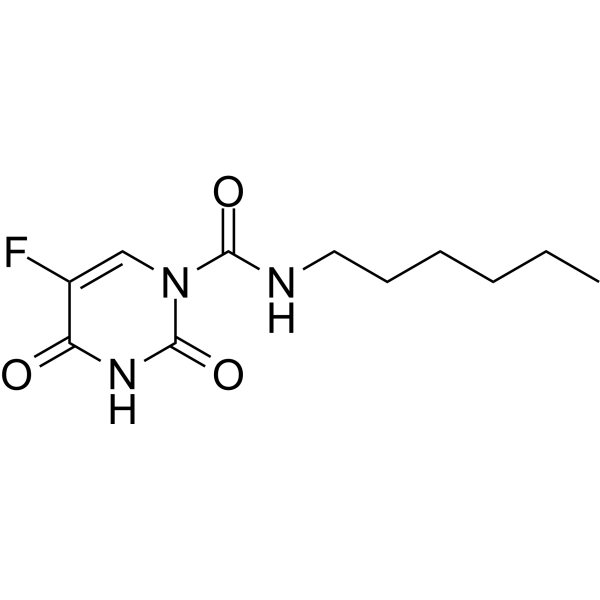 0 ImagesSynonyms: HCFU
Carmofur (HCFU) is a rat recombinant acid ceramidase inhibitor with an IC50 of 29 nM. Carmofur is also a protease inhibitor of SARS-CoV-2 main protease (Mpro), fatty acid amide hydrolase (FAAH) and N-acylethanolamine acid amidase (NAAA). Carmofur has anti-cancer, anti-inflammatory and anti-virus activities, and can be used for the study of COVID-19 and acute lung injury (ALI).
-
Mitiperstat
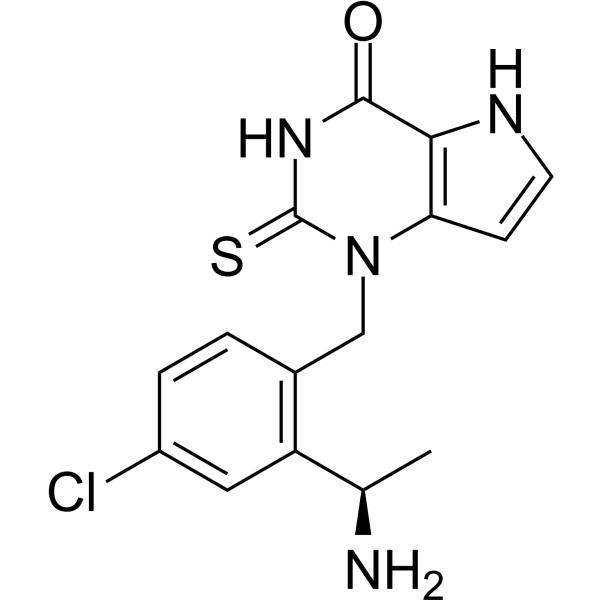 0 ImagesSynonyms: AZD4831
Mitiperstat (AZD4831) is an effective oral inhibitor of myeloperoxidase (MPO). Mitiperstat inhibits MPO and thyroid peroxidase (TPO) with IC50s of 1.5 nM and 0.69 μM. Mitiperstat exhibits a weak inhibitory activity against CYP3A4 with an IC50 of 6 μM. Mitiperstat can reduce inflammation and improve microvascular function, and it can be used in studies related to heart failure, preserved or mildly reduced ejection fraction, non-alcoholic fatty liver disease, and chronic obstructive pulmonary disease.
-
Solasonine
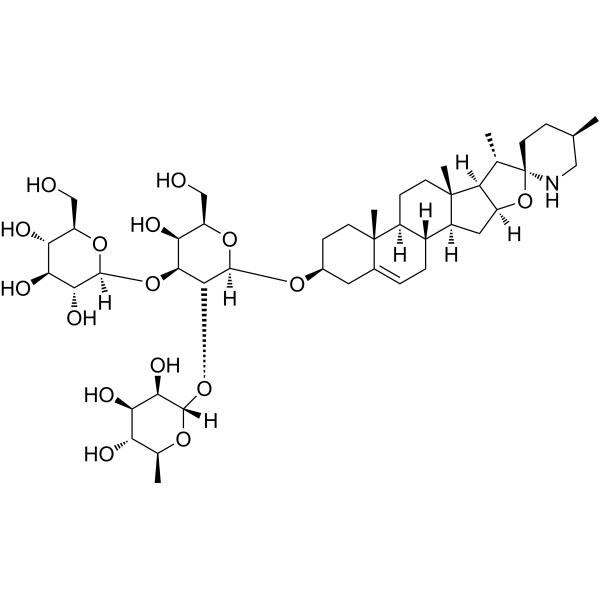 0 Images
Solasonine is a ferroptosis inducer which can be isolated from Solanum melongena that has anti-infection, anti-cancer, and neurogenesis promoting properties. Solasonine promotes ferroptosis of HCC cells via destruction of the glutathione redox system induced by inhibiting GPX4, and can be used for cancer research.
-
Taurohyodeoxycholic acid
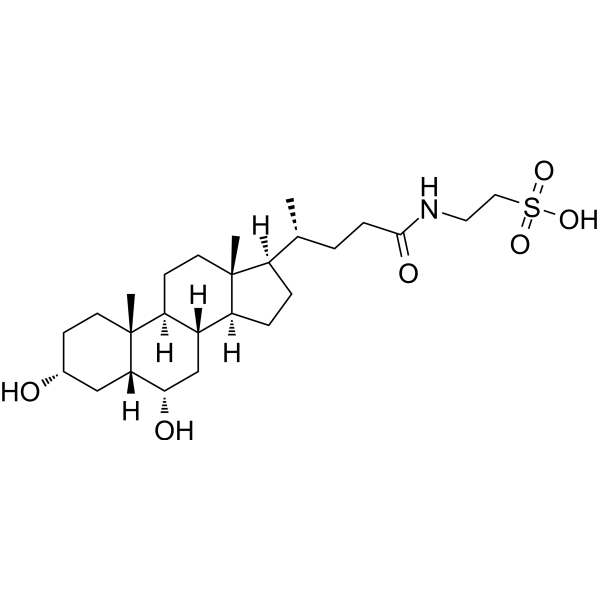 0 Images
Taurohyodeoxycholic acid is an orally active 6 alpha-hydroxylated bile acid. Taurohyodeoxycholic acid decreases colonic MPO activity, TNF-α, lL-6 serum levels and the expression of COX-2. Taurohyodeoxycholic acid alleviates trinitrobenzene sulfonic acid induced ulcerative colitis via regulating Th1/Th2 and Th17/Treg cells balance. Taurohyodeoxycholic acid ameliorates high-fat diet-induced nonalcoholic fatty liver disease in mice. Taurohyodeoxycholic acid prevents Taurochenodeoxycholic acid (HY-N2027)-induced hepatotoxicity in bile fistula rats. Taurohyodeoxycholic acid can be used for the study of nonalcoholic fatty liver disease (NAFLD), colitis and biliary fistula.
-
AZD5904
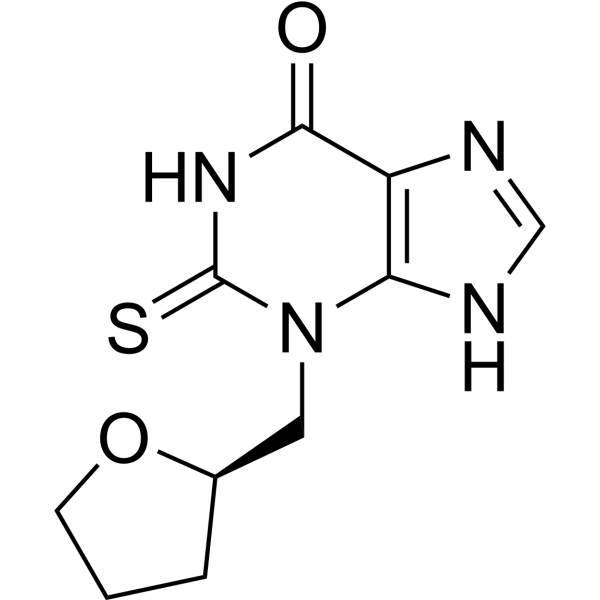 0 Images
AZD5904 is a selective and irreversible inhibitor of human Myeloperoxidase (MPO) with an IC50 of 140 nM and has similar potency in mouse and rat.
-
Verdiperstat
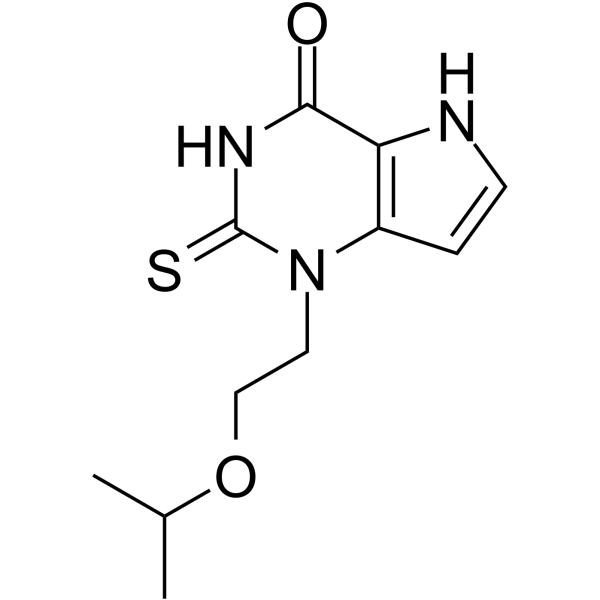 0 ImagesSynonyms: AZD3241
Verdiperstat (AZD3241) is a selective, irreversible and orally active myeloperoxidase (MPO) inhibitor, with an IC50 of 630 nM, and can be used in the research of neurodegenerative brain disorders.
-
Lubiprostone
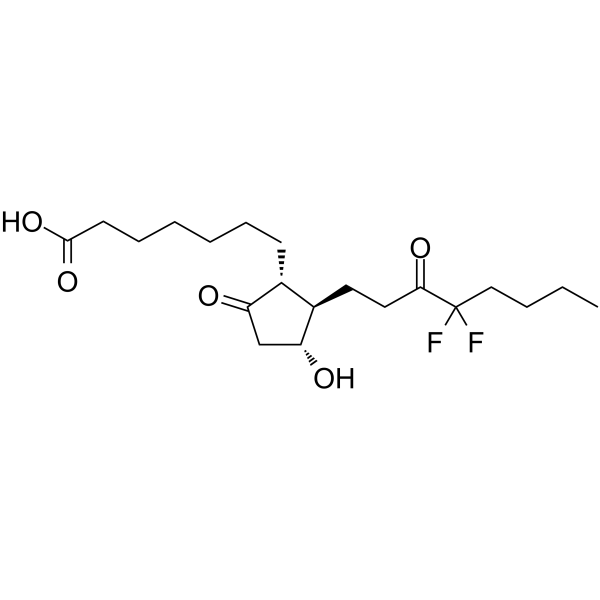 0 ImagesSynonyms: RU-0211; SPI-0211
Lubiprostone (SPI-0211) increases intestinal fluid secretion through generation of CIC-2/CFTR and activation of cAMP signaling pathway. Lubiprostone inhibits myeloperoxidase (MPO) activity, downregulates Indomethacin (HY-14397)-induced iNOS and TNFα expression. Lubiprostone can be used for chronic constipation research.
-
Cephaeline
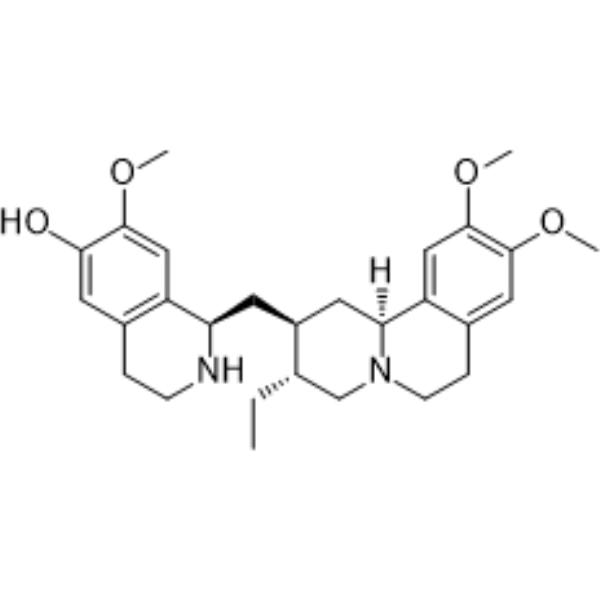 0 Images
Cephaeline ((-)-Cephaeline; NSC 32944) is a ferroptosis inducer, with broad-spectrum anticancer and antiviral activities. Cephaeline induces ferroptosis (Ferroptosis) by upregulating p53, inhibiting NRF2, activating ULK3, downregulating the expressions of SLC7A11 and GPX4 in a p53-dependent manner, reducing GSH and mitochondrial membrane potential, and increasing lipid peroxidation and iron accumulation. Cephaeline inhibits cancer cell proliferation, migration and tumor growth. Cephaeline inhibits Ebola virus (EBOV) VLP entry and infection, with IC50 values of 3.27 μM and 22.18 μM respectively; it also inhibits Zika virus (ZIKV) NS5 RdRp activity (IC50 = 976 nM), and binds to severe acute respiratory syndrome coronavirus 2 (SARS-CoV-2) RdRp and N protein, with Kd values of 8.9 μM and 53.8 μM respectively. Cephaeline can be used in studies related to breast cancer, lung cancer, COVID-19, EBOV and ZIKV infections.