



MMP
Matrix metalloproteinases
MMPs (Matrix metalloproteinases) are zinc-dependent endopeptidases. The MMPs belong to a larger family of proteases known as the metzincin superfamily. MMPs are capable of degrading all kinds of extracellular matrix proteins, but also can process a number of bioactive molecules. They are known to be involved in the cleavage of cell surface receptors, the release of apoptotic ligands and chemokine/cytokine inactivation. MMPs are also thought to play a major role on cell behaviors such as cell proliferation, migration, differentiation, angiogenesis, apoptosis, and host defense. MMP-2 and MMP-9 are thought to be important in metastasis. MMP-1 is thought to be important in rheumatoid arthritis and osteoarthritis. Recent data suggests active role of MMPs in the pathogenesis of Aortic Aneurysm. Excess MMPs degrade the structural proteins of the aortic wall. Disregulation of the balance between MMPs and TIMPs is also a characteristic of acute and chronic cardiovascular diseases.
MMP Isoform Specific Products
-
MMP-1
(62)
View all products
-
MMP-2
(143)
View all products
-
MMP-3
(55)
View all products
-
MMP-8
(30)
View all products
-
MMP-9
(178)
View all products
-
MMP-13
(54)
View all products
-
MMP-14
(23)
View all products
-
MMP-17
(3)
View all products
-
ADAM10
(9)
View all products
-
ADAM17
(10)
View all products
-
MMP-7
(22)
View all products
-
MMP-12
(18)
View all products
-
MMP-10
(8)
View all products
-
MMP
(438)
View all products
-
ADAM8
(1)
View all products
-
MMP-19
(1)
View all products
All Product Categories
-
MMP Inhibitors
(585)
View all products
-
MMP Agonists
(2)
View all products
-
MMP Antagonist
(1)
View all products
-
MMP Activators
(35)
View all products
-
MMP Modulators
(3)
View all products
-
MMP Chemicals
(2)
View all products
-
MMP Inducers
(13)
View all products
-
MMP Degrader
(1)
View all products
-
MMP Controls
(5)
View all products
-
MMP Substrates
(14)
View all products
-
MMP Ligands
(2)
View all products
-
Matrix Metalloproteinases Proteins
(42)
View all products
-
MMP-1 Proteins
(2)
View all products
-
MMP-2 Proteins
(7)
View all products
-
MMP-3 Proteins
(2)
View all products
-
MMP-7 Proteins
(2)
View all products
-
MMP-10 Proteins
(2)
View all products
-
MMP-12 Proteins
(2)
View all products
-
MMP-8 Proteins
(7)
View all products
-
MMP-9 Proteins
(11)
View all products
-
MMP-13 Proteins
(1)
View all products
-
MMP-14 Proteins
(1)
View all products
-
ADAM8 Proteins
(4)
View all products
-
ADAM10 Proteins
(1)
View all products
-
ADAM17/TACE Proteins
(3)
View all products
-
MMP Related Products (782)
Related Products (782)

-
Recombinant Proteins (50)
-
Antibodies (15)
-
MMP Isoform Comparison
-
Saikosaponin C
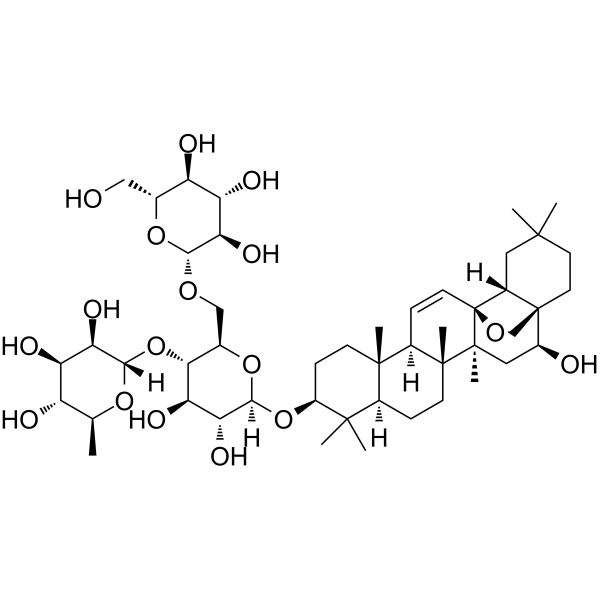 0 ImagesSaikosaponin C is an orally active MMP-2 inducer. Saikosaponin C induces the survival, growth, migration and capillary tube formation of endothelial cells. Saikosaponin C inhibits the early stage of hepatitis C virus infection. Saikosaponin C can be used in research related to ischemic tissue diseases, chronic kidney diseases and hepatitis C virus infection.
-
Tianeptine
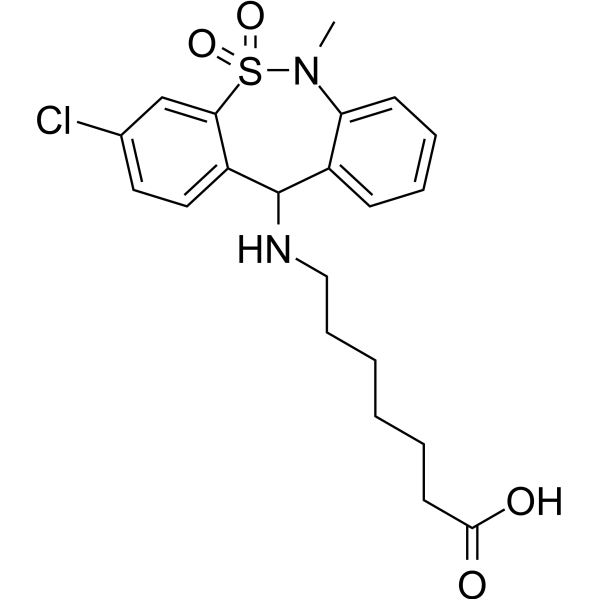 0 ImagesTianeptine is an atypical antidepressant. Tianeptine is a moderate-intensity agonist of the μ-opioid receptor (MOR), and to a lesser extent, is an agonist of the δ-opioid receptor (DOR). Tianeptine is a glutamate modulator that can enhance AMPA receptor and antagonize NMDA receptor. tianeptine increases sensitivity of the α1 adrenergic receptor, which only manifests in chronic treatment. Tianeptine exerts neuroprotective effects under stress/inflammation-induced conditions, exhibiting anti-inflammatory and antioxidant properties. Tianeptine inhibits MMP-9 by suppressing the PI3K/Akt-mediated NF-κB pathway. Tianeptine can be used to alleviate symptoms of depression and anxiety, but does not cause sedative effects.
-
Eupatorin
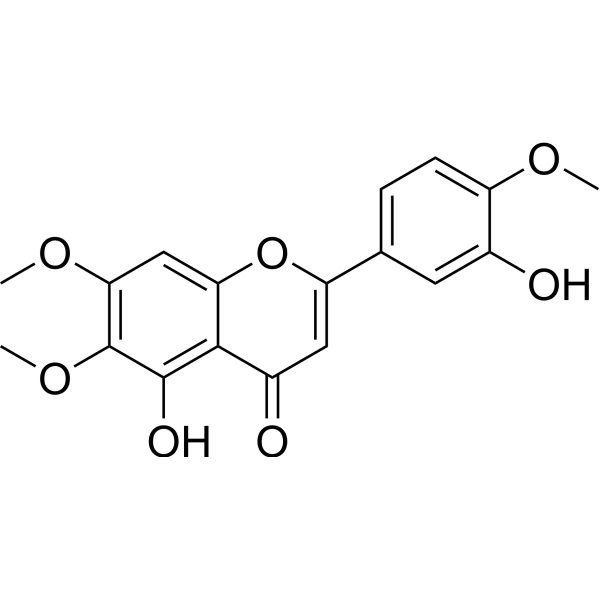 0 ImagesEupatorin is an orally active flavonoid with antiproliferative and vasodilatory properties. Eupatorin downregulates the expression levels of NF-κB, MMP9, IL-1β and TNF-α. Eupatorin induces apoptosis, G2/M phase cell cycle arrest, and reactive oxygen species (ROS) production. Eupatorin modulates the activities of muscarinic receptors and β-adrenergic receptors; inhibits sarcoplasmic reticulum calcium release and calcium channels; and activates the NO/sGC/cGMP pathway, indomethacin-sensitive pathway, and potassium channel pathway. Eupatorin exerts cytotoxic effects on cancer cell lines, and is metabolized by CYP1A1 and CYP1 family enzymes to form metabolites with antiproliferative activity. Eupatorin can be used in research related to breast cancer, hypertension, and leukemia.
-
Vorbipiprant
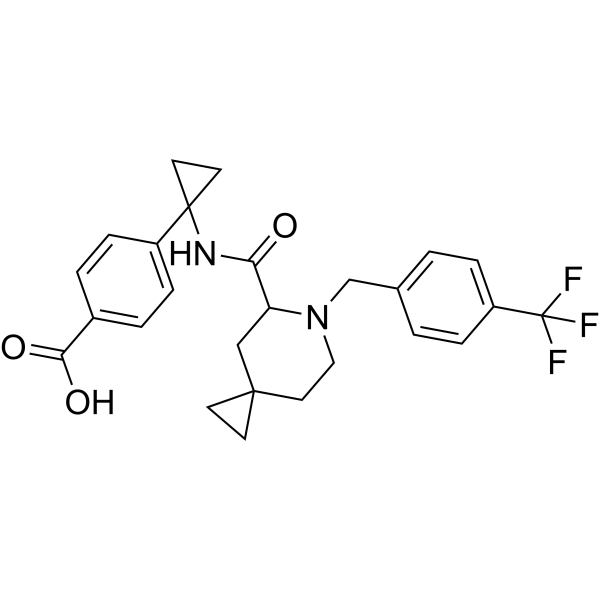 0 ImagesSynonyms: CR6086Vorbipiprant (CR6086) is an orally active EP4 receptor antagonist with high selectivity for the human EP4 receptor (Ki: 16.6 nM). Vorbipiprant has immunomodulatory, anti-inflammatory, antitumor, and anti-angiogenic activities. Vorbipiprant can inhibit the expression of multiple pro-inflammatory cytokines and the activation of immune cells, and convert "cold" tumors unresponsive to immune checkpoint inhibitors into "hot" tumors. Vorbipiprant is used in the research of diseases such as rheumatoid arthritis and colon cancer.
-
Gallic aldehyde
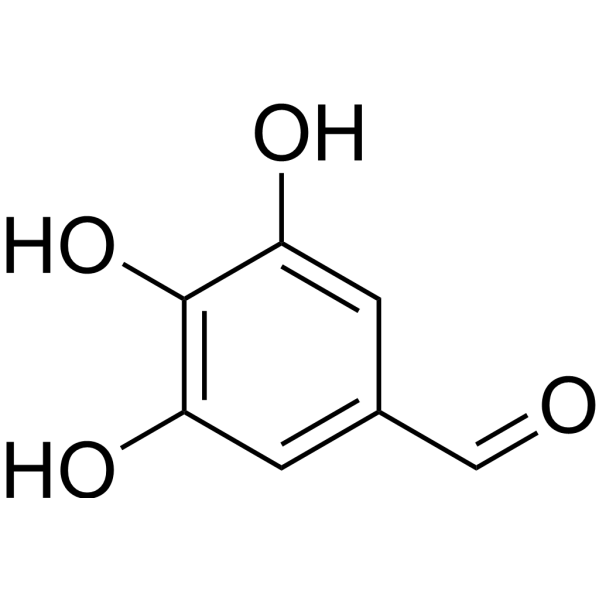 0 ImagesGallic aldehyde (3,4,5-Trihydroxybenzaldehyde) is a phenolic aldehyde. Gallic aldehyde can be isolated from Geum japonicum. Gallic aldehyde inhibits the gelatinolytic activity and expression of MMP-9. Gallic aldehyde also inhibits ERK1/2, p38, and JNK. Gallic aldehyde has potent anti-HSV-1 and antioxidant activities. Gallic aldehyde also exhibits antibacterial activity against Oenococcus oeni VF.
-
Sodium hippurate, 98%
 0 ImagesSynonyms: N-Benzoylglycine sodium, 98%Sodium hippurate, 98% is an orally active metabolite. Sodium hippurate, 98% can be produced by intestinal microorganisms from the metabolism of polyphenols, benzoic acid. Sodium hippurate, 98% decreases NRF2, MMP9 and leads to ROS accumulation. Sodium hippurate, 98% activates TGFβ/SMAD signaling. Sodium hippurate, 98% improves hyperuricemia and colitis. Sodium hippurate, 98% can also be used in cardiovascular disease research. .
-
5-Methoxytryptophol
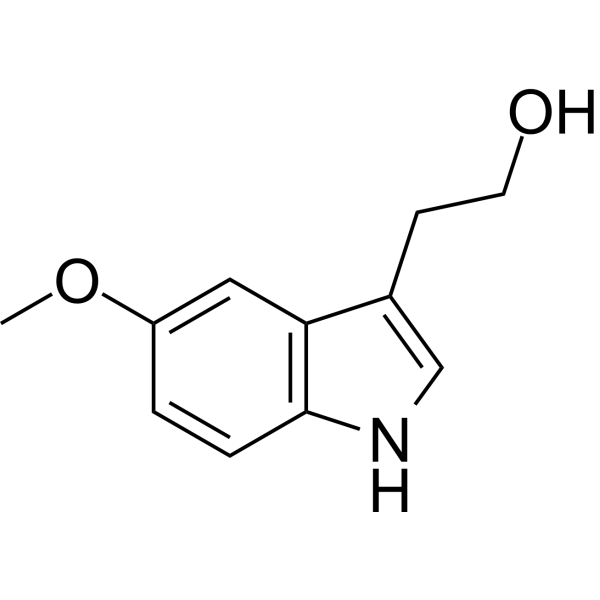 0 Images5-Methoxytryptophol is a 5-methoxyindole alcohol structurally homologous to Melatonin (HY-B0075). It is secreted by the mammalian pineal gland and exhibits an inverse circadian rhythm. 5-Methoxytryptophol regulates bone metabolism by activating the ERK1/2 pathway. It reduces the levels of pro-inflammatory cytokines TNF-α and IL-1β, as well as proteolytic enzymes MMP-1 and MMP-2, in serum and dental pulp tissues, thereby ameliorating acute pulpitis. 5-Methoxytryptophol induces rapid sleep in mice, while high doses cause respiratory depression and death. 5-Methoxytryptophol. 5-Methoxytryptophol can be used in studies related to acute pulpitis, hypnosis, and bone metabolism.
-
Loliolide
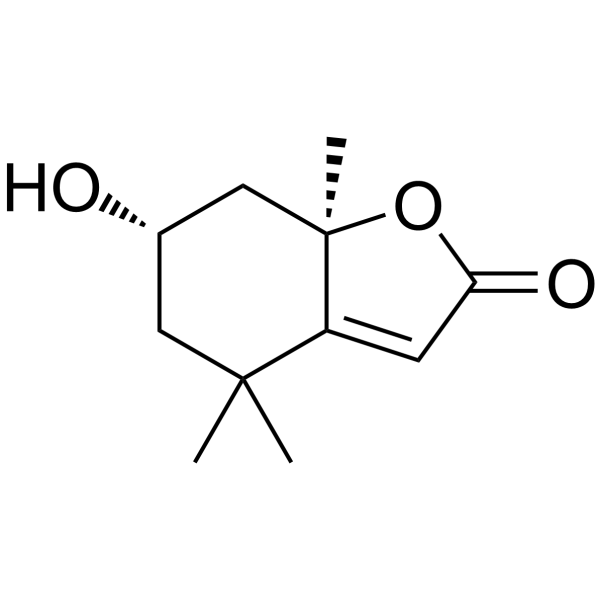 0 ImagesSynonyms: Loliolid; DigiprolactoneLoliolide (Loliolid) is a β-carotene metabolite. Loliolide reduces caspase 3, 8, 9 expression, enhances PI3K, AKT, SIRT1, inhibits ROS, apoptosis, and blocks NF-κB p65 nuclear translocation. Loliolide protects mitochondria, reduces oxidative stress, and increases cell viability in neuroblastoma cells. Loliolide can be used for the research of UV-induced skin damage and Parkinson’s disease.
-
Doxycycline (hydrochloride) (Standard)
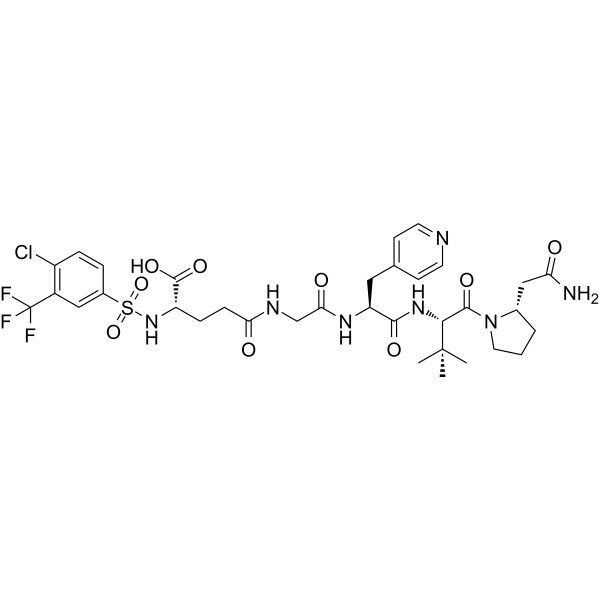
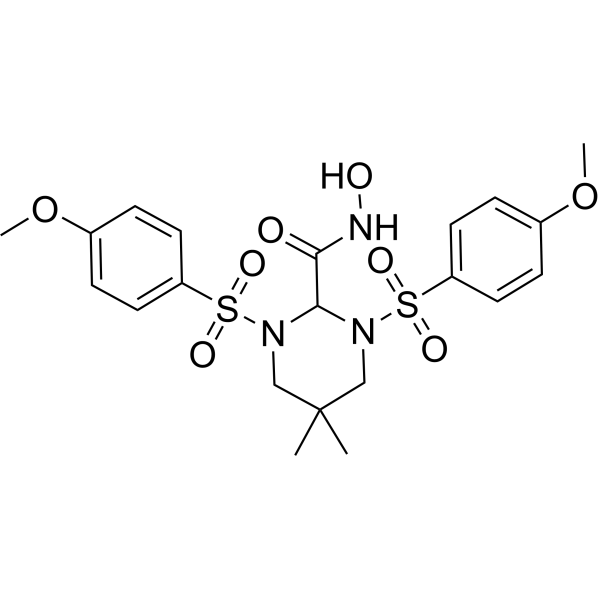
 0 ImagesDoxycycline hydrochloride (Standard) is the analytical standard of Doxycycline hydrochloride (HY-N0565A). This product is intended for research and analytical applications. Doxycycline hydrochloride is an orally active highly lipophilic, tissue-permeable MMP inhibitor with broad-spectrum antibacterial activity. Doxycycline hydrochloride is also a semi-synthetic antibiotic with chelating properties, which blocks bacterial protein synthesis and inhibits extracellular matrix degradation through interactions with zinc and calcium atoms. Doxycycline hydrochloride also inhibits mitochondrial biogenesis, translation, and the expression of respiratory chain proteins. Doxycycline hydrochloride induces apoptosis, inhibits autophagy and EMT, downregulates stem cell markers, and activates the PI3K-AKT pathway, thereby effectively inhibiting the viability and proliferation of cancer cells such as breast cancer cells. Doxycycline hydrochloride also promotes the survival and self-renewal of embryonic stem cells and neural stem cells, and reduces the frequency of medium changes in culture. Doxycycline hydrochloride has been applied in studies related to breast cancer, prostate cancer, bladder cancer, and other cancers.
-
Trilinolein
 0 ImagesTrilinolein is an orally active triglyceride that inhibits the PI3K/Akt, Ras/MEK/ERK signaling pathways, and MMP-2. Trilinolein can reduce oxidative stress, induce apoptosis, and inhibit cell migration. Trilinolein can be used in the research fields of cardiovascular disease, cerebrovascular disease (such as cerebral ischemia), and non-small cell lung cancer.
-
Chondroitin sulfate (from chicken)
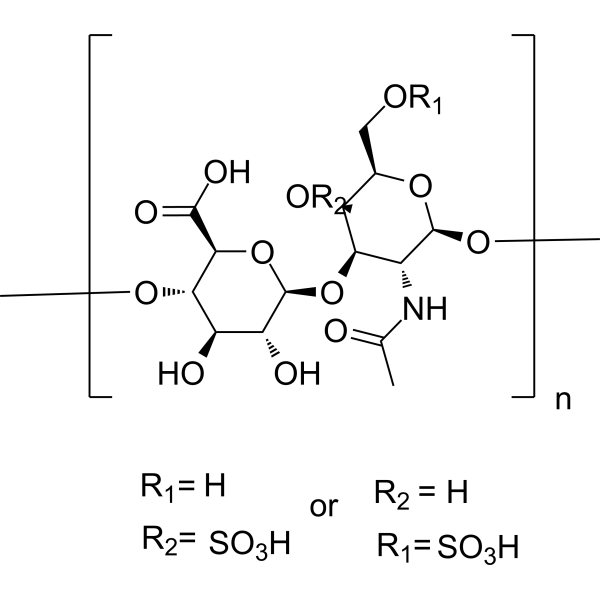 0 ImagesSynonyms: Chondroitin polysulfate (from chicken)Chondroitin sulfate (from chicken) (Chondroitin polysulfate (from chicken)) is an orally active, sulfated linear polysaccharide extracted from chickens, which belongs to glycosaminoglycans. Chondroitin sulfate (from chicken) reduces the phosphorylation levels of ERK1/2 and p38MAPK, inhibits the expression of inflammatory cytokines and MMP, and downregulates the levels of IL-1β, IL-6, TNF-α and PGE2. Chondroitin sulfate (from chicken) improves motor function, protects cartilage tissue, reverses chondrocyte aggregation, and regulates the structure of intestinal flora. Chondroitin sulfate (from chicken) can be used in research related to osteoarthritis.
-
Methylisothiazolinone
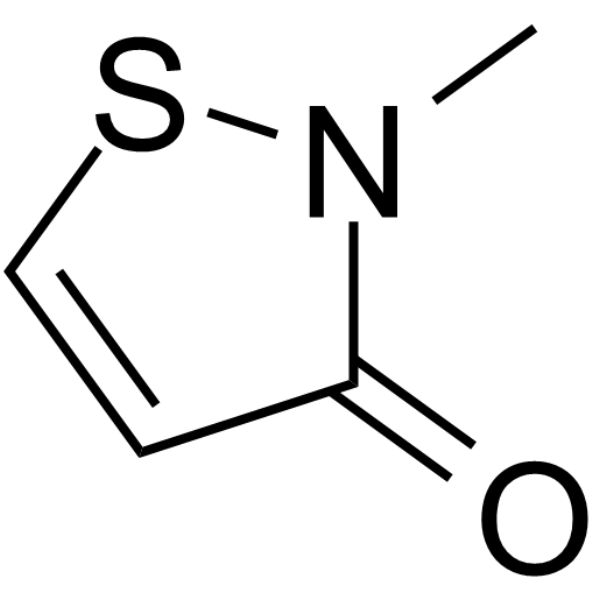 0 ImagesMethylothiazolinone is a bacterial and fungal inhibitor and preservative, as well as a sensitizer. Methylisothiazolinone can activate matrix metalloproteinases (MMPs) in human bronchial epithelial cells to induce apoptosis and inflammatory response. Methylisothiazolinone can promote the development of atopic dermatitis in mice by disrupting Th2/Th17 related immune responses. Methylisothiazolinone can cause mitochondrial damage in the endothelium of rat cerebral blood vessels.
-
Flavokawain B
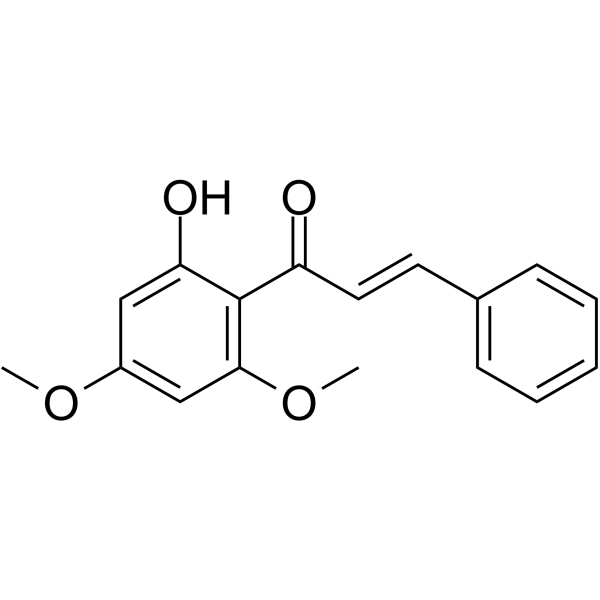 0 ImagesFlavokawain B (Flavokavain B) is an orally active chalcone. Flavokawain B results in activation of caspase-9, -3 and -8, cleavage of PARP. Flavokawain B down-regulates Bcl-2 with concomitant increase in Bax level. Flavokawain B inhibits NF-κB, PI3K/Akt and MAPK signaling pathway. Flavokawain B exhibits Apoptotic effects. Flavokawain B inhibits MMP-9 and promotes ROS generation. Flavokawain B inhibits multiple tumors and inflammation.
-
Tenidap
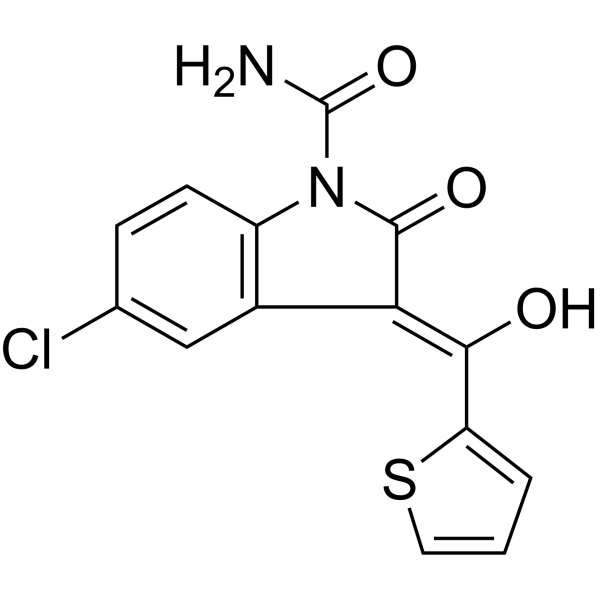 0 ImagesSynonyms: CP-66248Tenidap (CP-66248) is an orally active dual inhibitor of 5-LOX and COX with anti-inflammatory and immunomodulatory properties. Tenidap downregulates the expression of IL-1 receptors in chondrocytes, reduces the release of pro-inflammatory cytokines such as IL-1, IL-6 and TNF-α, and inhibits MMP production and cartilage degradation. Tenidap also blocks bone resorption and leukocyte adhesion to vascular endothelium, interferes with ion and pH changes associated with mouse sperm capacitation, and selectively enhances the activity of hKir2.3 channels (EC50=1.3 μM). Tenidap is applicable to research related to rheumatoid arthritis.




