



PARP
PARP-1 (poly(ADP-ribose) polymerase 1) is a nuclear ADP-ribosyl transferase that functions as an early sensor of DNA strand breaks and coordinates cellular responses to genomic damage through poly(ADP-ribosyl)ation-dependent signaling[1][2]. Mechanistically, PARP-1 participates in multiple DNA repair pathways, including base excision repair (BER), homologous recombination (HR), and non-homologous end joining (NHEJ), where it promotes chromatin remodeling and recruitment of repair factors to damaged DNA sites[1][2][3]. Through these activities, PARP-1 contributes to genome surveillance and maintenance of genomic stability, processes that are frequently disrupted during tumor development[1][2]. In cancer biology, dysregulated PARP-1 function has been associated with disease progression, and inhibition of PARP-mediated DNA repair can reduce tumor cell viability by exploiting defects in homologous recombination repair pathways[1][4]. Compared with the closely related isoform PARP-2, PARP-1 is the dominant mediator of single-strand break repair, whereas PARP-2 shares DNA repair functions but also displays distinct roles in biological processes including inflammation, metabolism, oxidative stress responses, and cancer progression[3][5]. This functional distinction is important for understanding isoform-specific biology and for designing selective therapeutic strategies[5]. For experimental and translational applications, PARP inhibitors have become widely used tools to interrogate DNA damage responses and to target tumors with DNA repair deficiencies, particularly those characterized by homologous recombination defects[1][4].
References:
- [1]. Conceição CJF, et al. PARP1: A comprehensive review of its mechanisms, therapeutic implications and emerging cancer treatments. Biochim Biophys Acta Rev Cancer. 2025 Apr;1880(2):189282. [Content Brief]
- [2]. Pazzaglia S, et al. Multifaceted Role of PARP-1 in DNA Repair and Inflammation: Pathological and Therapeutic Implications in Cancer and Non-Cancer Diseases. Cells. 2020;9(1):41.
- [3]. Szántó M, et al. Specific and shared biological functions of PARP2 - is PARP2 really a lil' brother of PARP1? Expert Rev Mol Med. 2024;26:e13.
- [4]. Rose M, et al. PARP Inhibitors: Clinical Relevance, Mechanisms of Action and Tumor Resistance. Front Cell Dev Biol. 2020 Sep 9;8:564601. [Content Brief]
- [5]. Yelamos J, et al. PARP-1 and PARP-2: New players in tumour development. Am J Cancer Res. 2011;1(3):328-346. Epub 2011 Jan 8. PMID: 21968702; PMCID: PMC3180065. [Content Brief]
All Product Categories
-
PARP Related Products (308)
Related Products (308)

-
Antibodies (2)
-
5,7-Dihydroxychromone
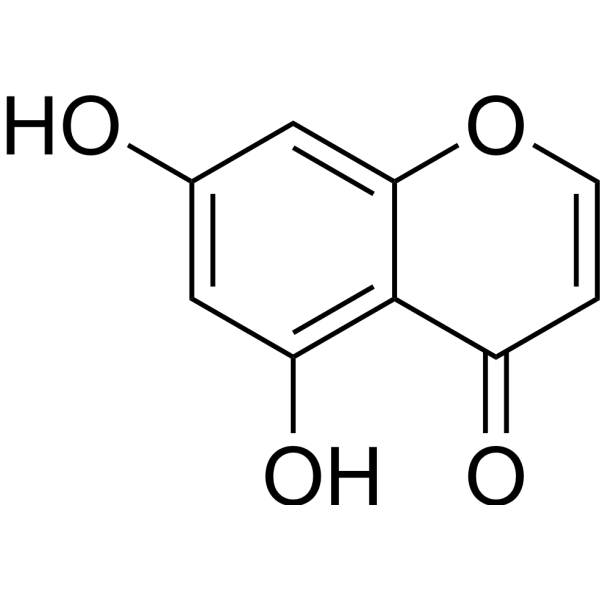 0 Images5,7-Dihydroxychromone is a flavonoid compound with antioxidant properties. 5,7-Dihydroxychromone induces Nrf2 nuclear translocation, increases Nrf2/ARE binding activity, and up-regulates Nrf2-dependent antioxidant genes HO-1, NQO1, GCLc. 5,7-Dihydroxychromone attenuates excessive ROS generation, inhibits activated caspase-3, caspase-9, cleaved PARP expression, and prevents neuronal apoptosis and cell death. 5,7-Dihydroxychromone increases LXRα and PPARγ mRNA expression, induces preadipocyte differentiation, and regulates blood glucose levels. 5,7-Dihydroxychromone inhibits radial growth of soil pathogenic fungi, radicle elongation of select seedlings, and transiently inhibits Bradyrhizobium sp. growth in high mannitol medium. 5,7-Dihydroxychromone can be used for the research of Parkinson’s disease, type 2 diabetes mellitus and pathogenic fungal infection.
-
PD128763
 0 ImagesCat. No.: HY-W041672CAS No.: 129075-56-5PD128763 is a selective poly(ADP-ribose) polymerase inhibitor. PD128763 results in an enhancement of Streptozotocin (HY-13753)-induced cytotoxicity. PD128763 can be used in leukemia research.
-
PI-1840
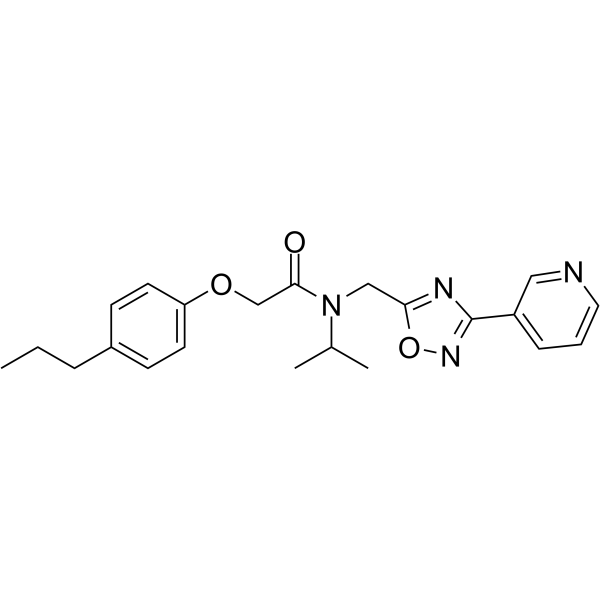 0 ImagesPI-1840 is a potent and selective chymotrypsin-like (CT-L) inhibitor for with an IC50 value of 27 nM. PI-1840 inhibits cell proliferation and arrest cell cycle at G2/M phase. PI-1840 induces apoptosis and induces autophagy. PI-1840 induces the accumulation of proteasome substrates p27, Bax, and IκB-α.
-
Tankyrase-IN-2
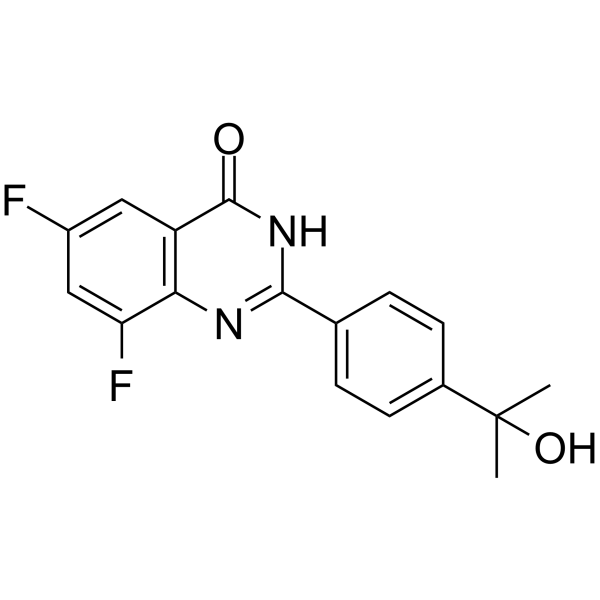 0 ImagesTankyrase-IN-2 (compound 5k) is a potent, selective, and orally active tankyrase inhibitor (IC50s of 10, 7, and 710 nM for TNKS1, TNKS2 as well as PARP1, respectively). Tankyrase-IN-2 has favorable physicochemical profile and pharmacokinetic properties modulating Wnt pathway activity in a colorectal xenograft model.
-
Continentalic acid
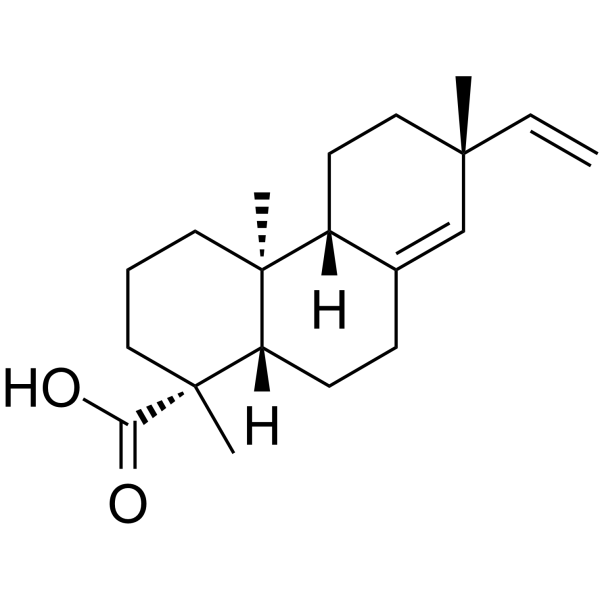 0 ImagesContinentalic acid is a diterpenoid organic acid. Continentalic acid exhibits multiple activities including anti-inflammatory, antioxidant, neuroprotective, antibacterial and antitumor effects. Continentalic acid alleviates oxidative stress, reduces pro-inflammatory cytokine production, inhibits MAPK phosphorylation and neutrophil infiltration, and induces growth inhibition and apoptosis of cancer cells. Continentalic acid can be used in research related to traumatic brain injury, cancer, inflammation and infections.

-
E7016
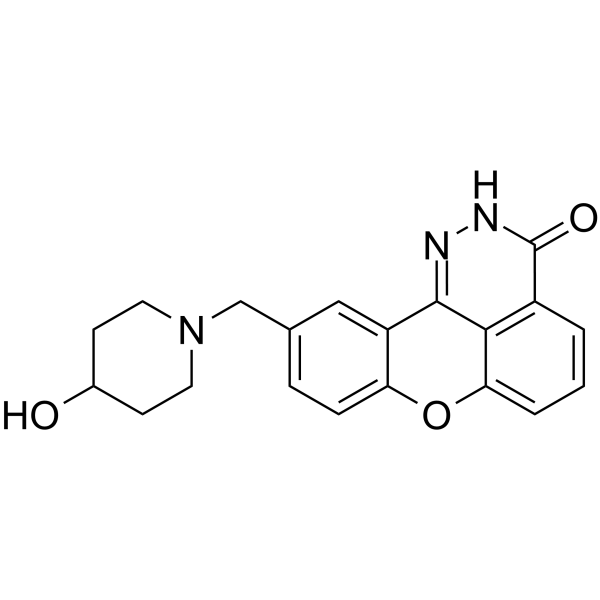 0 ImagesSynonyms: GPI 21016E7016 (GPI 21016) is an orally available PARP inhibitor. E7016 can enhance tumor cell radiosensitivity in vitro and in vivo through the inhibition of DNA repair. E7016 acts as a potential anticancer agent.
-
5-AIQ
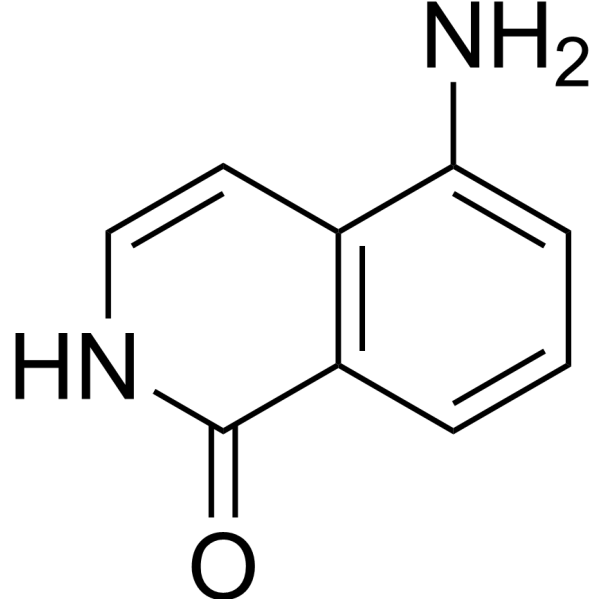 0 ImagesSynonyms: 5-Aminoisoquinolin-1-one5-AIQ (5-Aminoisoquinolin-1-one) is a PARP-1 inhibitor. 5-AIQ is an important functional group in various drugs. 5-AIQ reduces the tissue injury associated with ischemia-reperfusion of the liver, it can be used for the research of the research conditions associated with ischemia-reperfusion of the liver.
-
Taurodeoxycholic acid (Standard)
 0 ImagesTaurodeoxycholic acid (Standard) is the analytical standard of Taurodeoxycholic acid. This product is intended for research and analytical applications. Taurodeoxycholate sodium salt is a bile salt-related anionic detergent. Taurodeoxycholic acid is formed in the liver by conjugation of deoxycholate with Taurine (HY-B0351). Taurodeoxycholic acid is used for isolation of membrane proteins including inner mitochondrial membrane proteins. Taurodeoxycholic acid (TDCA) exhibits anti-inflammatory and neuroprotective effects[1][2][3][9][10].
-
G-631
 0 ImagesG-631 is an orally active tankyrase(TNKS1/TNKS2) inhibitor. G-631 stabilizes AXIN and inhibits the Wnt/β-catenin signaling pathway. G-631 can be used in studies related to cancers such as colorectal cancer.
-
PFKFB4-IN-1
 0 ImagesPFKFB4-IN-1 is a potent and selective ATP-competitive PFKFB4 inhibitor (IC50 = 4.50 μM) that reduces intracellular PFKFB4 protein levels. PFKFB4-IN-1 exhibits >12-fold selectivity over PFKFB1/4 and PFKFB3/4. PFKFB4-IN-1 inhibits cancer cell proliferation, induces apoptosis, and inhibits cell migration. PFKFB4-IN-1 inhibits tumor growth in the MDA-MB-231 xenograft mouse model. PFKFB4-IN-1 can be used for breast, lung and liver cancer research.
-
Dehydrocorydaline nitrate
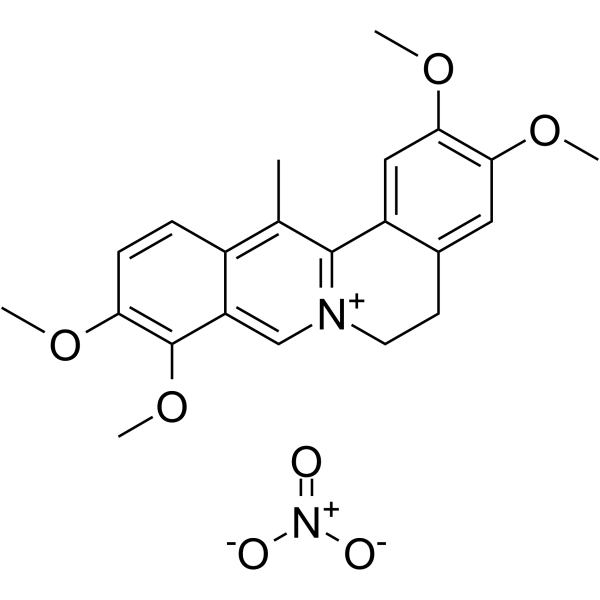 0 ImagesSynonyms: 13-Methylpalmatine nitrateDehydrocorydaline nitrate (13-Methylpalmatine nitrate) is an alkaloid. Dehydrocorydaline regulates protein expression of Bax, Bcl-2; activates caspase-7, caspase-8, and inactivates PARP. Dehydrocorydaline nitrate elevates p38 MAPK activation. Anti-inflammatory and anti-cancer activities.. Dehydrocorydaline nitrate shows strong anti-malarial effects (IC50 =38 nM), and low cytotoxicity (cell viability > 90%) using P. falciparum 3D7 strain.
-
Trifloxystrobin (Standard)
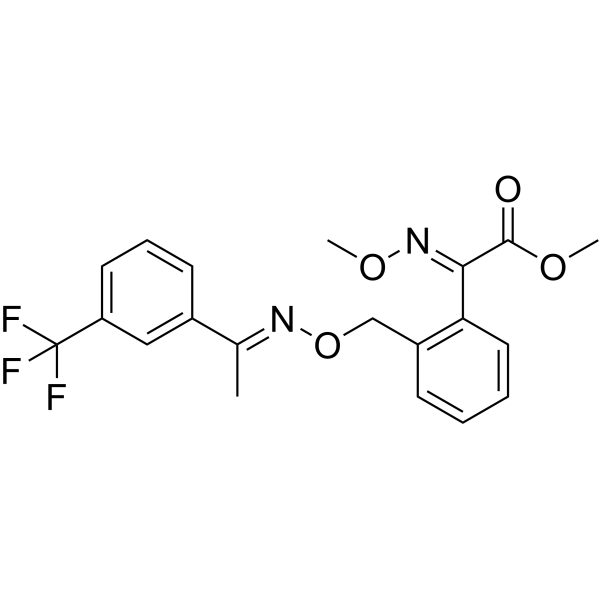 0 ImagesSynonyms: CGA 279202 (Standard)Trifloxystrobin (Standard) is the analytical standard of Trifloxystrobin. This product is intended for research and analytical applications. Trifloxystrobin (CGA 279202) is a type of fungicide. Trifloxystrobin has toxicity, antiparasitic activity and induce apoptosis, oxidative stress and DNA damage. Trifloxystrobin can be used for the reaesrch of fungal diseases.
-
Olaparib-d4-1
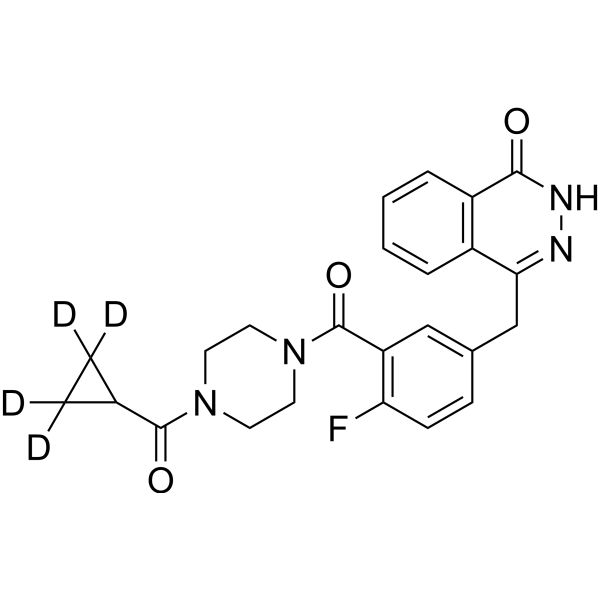 0 ImagesSynonyms: AZD2281-d4-1; KU0059436-d4-1
-
TNKS-2-IN-2
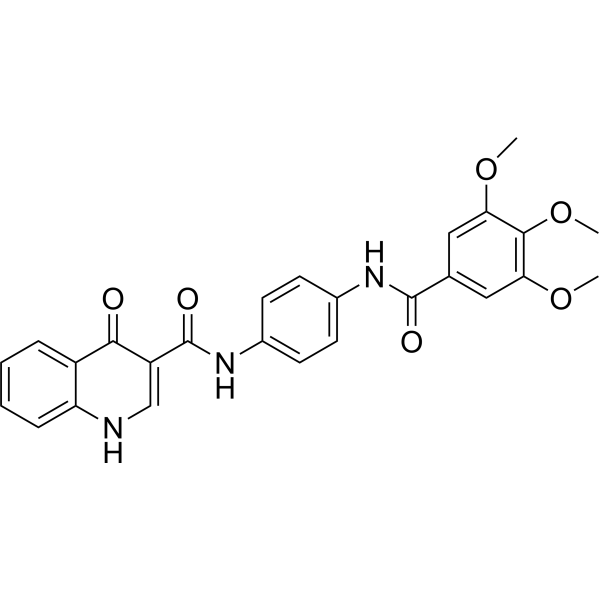 0 ImagesTNKS-2-IN-2 is a potent and selective inhibitor of TNKS2 with an IC50 of 22 nM.
-
(2S,3R,4S)-ASX-173
 0 Images(2S,3R,4S)-ASX-173 is the (2S,3R,4S)-enantiomer of ASX-173 (HY-175282). ASX-173 is an orally active inhibitor of asparagine synthetase (ASNS) (IC50 = 0.113 μM, Ki = 0.4 nM). ASX-173 enhances the anticancer activity of L-asparaginase (ASNase) (HY-P1923). ASX-173 disrupts nucleotide synthesis and induces leukemia cell cycle arrest, apoptosis and autophagy in leukemia cells in combination with ASNase. ASX-173 slows the growth of OCI-AML2 xenografts in combination with ASNase. ASX-173 is indicated for the study of acute lymphoblastic leukemia, acute myeloid leukemia, colorectal cancer, and other cancers.




