



PI3K
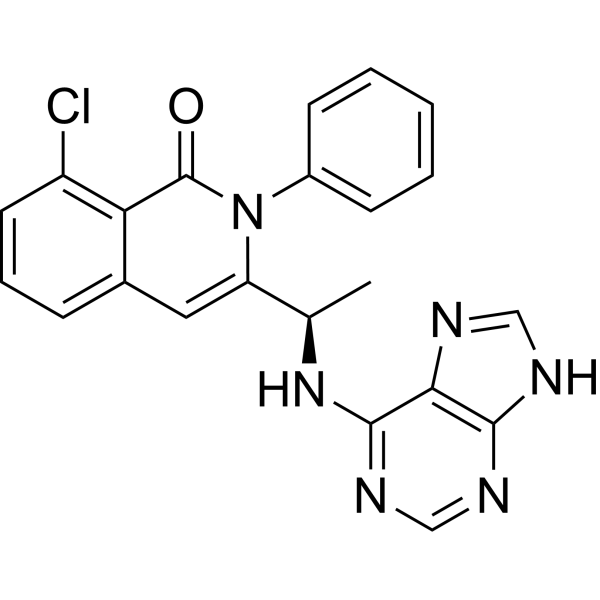
PI3K signaling regulates cellular function by linking growth factors, GPCRs, and oncogene products to intracellular lipid signaling[1]. Mechanistically, class I PI3K isoforms generate PIP3, a second messenger that controls cell movement, growth, survival, and differentiation[2][3]. Therefore, PI3K biology provides a practical framework for studying metabolism, immune-system function, cancer, and inflammation[1][2]. In disease-focused models, PI3K pathway activation supports cancer-cell growth, survival, motility, and metabolism, making pathway inhibition relevant for genetically and clinically defined cancers[2]. Compared with related isoforms, PI3Kα inhibition is most effective in cancers with genetic activation of this isoform, whereas PI3Kδ inhibition acts mainly through B-cell antigen receptor signaling and tumor-stroma interactions[4]. PI3Kδ and PI3Kγ also function prominently in leukocytes, and dual blockade with IPI-145 suppressed immune responses in autoimmune and inflammatory disease models[5]. For experimental applications, IPI-145 inhibited PI3K/AKT/S6 signaling, reduced CLL-cell chemokine secretion and chemotaxis, and promoted apoptosis in BCR-stimulated or stromal co-cultured primary CLL cells[6].
References:
- [1]. Vanhaesebroeck B, et al. PI3K signalling: the path to discovery and understanding. Nat Rev Mol Cell Biol. 2012 Feb 23;13(3):195-203. [Content Brief]
- [2]. Fruman DA, et al. The PI3K Pathway in Human Disease. Cell. 2017 Aug 10;170(4):605-635. [Content Brief]
- [3]. Hawkins PT, et al. PI3K signalling in inflammation. Biochim Biophys Acta. 2015 Jun;1851(6):882-97. [Content Brief]
- [4]. Vanhaesebroeck B, et al. PI3K inhibitors are finally coming of age. Nat Rev Drug Discov. 2021 Oct;20(10):741-769. [Content Brief]
- [5]. Winkler DG, et al. PI3K-δ and PI3K-γ inhibition by IPI-145 abrogates immune responses and suppresses activity in autoimmune and inflammatory disease models. Chem Biol. 2013 Nov 21;20(11):1364-74. [Content Brief]
- [6]. Balakrishnan K, et al. The phosphoinositide-3-kinase (PI3K)-delta and gamma inhibitor, IPI-145 (Duvelisib), overcomes signals from the PI3K/AKT/S6 pathway and promotes apoptosis in CLL. Leukemia. 2015 Sep;29(9):1811-22. [Content Brief]
All Product Categories
-
PI3K Inhibitors
(465)
View all products
-
PI3K Agonists
(8)
View all products
-
PI3K Antagonist
(1)
View all products
-
PI3K Activators
(103)
View all products
-
PI3K Modulators
(19)
View all products
-
PI3K Inducers
(3)
View all products
-
PI3K Degraders
(2)
View all products
-
PI3K Controls
(4)
View all products
-
PI3K Ligands
(4)
View all products
-
PI3K Related Products (659)
Related Products (659)

-
Antibodies (6)
-
Galloylpaeoniflorin
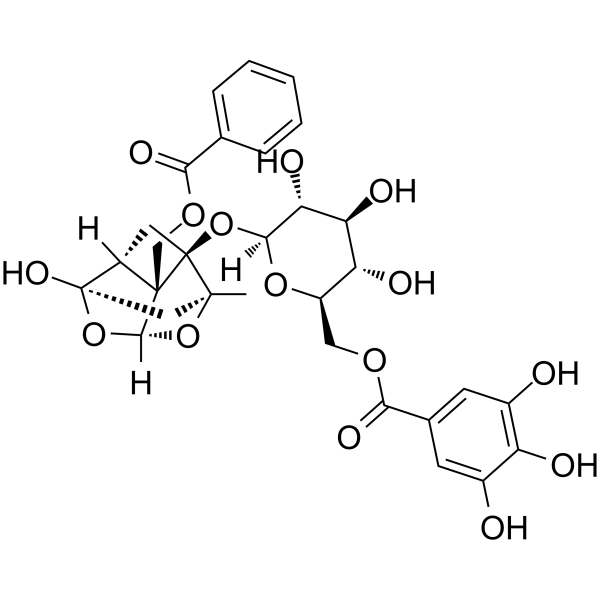 0 ImagesSynonyms: 6'-O-Galloyl paeoniflorinGalloylpaeoniflorin (6'-O-Galloyl paeoniflorin) is an orally active galloylated derivative of Paeoniflorin (HY-N0293) found in peony roots with various anti-inflammatory and antioxidant activities. Galloylpaeoniflorin suppresses RANKL-induced activation of ERK, JNK, c-Fos, c-Jun, and NFATc1, and reduces osteoclast-specific gene expression. Galloylpaeoniflorin activates Nrf2 and PI3K/Akt pathways, inhibits NF-κB activation, and scavenges ROS to reduce oxidative DNA, lipid, and protein damage. Galloylpaeoniflorin attenuates neuroinflammation, inhibits apoptosis, reduces Helicobacter pylori-induced gastric mucosa injury and UVB-induced cell damage. Galloylpaeoniflorin can be used for the research of osteoporosis, gastritis, ischemic stroke and skin diseases.
-
Hyaluronic acid sodium (MW 200-1560)
 0 ImagesHyaluronic acid sodium (MW 200-1560) is a biopolymer composed of repeating disaccharide units, with a molecular weight of 200-1560. Hyaluronic acid sodium is a major component of the extracellular matrix (ECM). It is synthesized on the plasma membrane. Hyaluronic acid sodium exerts its effects by binding to receptors CD44 and RHAMM. Hyaluronic acid sodium activates PI3K-Akt signaling. Hyaluronic acid sodium also enhances cell invasion and angiogenesis by promoting or stimulating the binding of proteolytic MMP-9 to the cell surface. Elevated hyaluronic acid levels are associated with tumor cell growth, adhesion, migration, invasion, and angiogenesis in digestive system cancers. Hyaluronic acid sodium is involved in tissue remodeling and rapid cell proliferation in several physiological processes, including embryonic morphogenesis and wound healing. Hyaluronic acid sodium can be used as a regulator of cancer-associated lymphangiogenesis. Hyaluronic acid sodium can be used as a drug delivery carrier for sodium butyrate, enhancing its anti-proliferative activity against breast cancer cell lines. Hyaluronic acid sodium can lubricate the corneal endothelium. Hyaluronic acid sodium can improve tissue hydration and enhance the resistance of cells to mechanical damage. Hyaluronic acid sodium has been conjugated with antibodies to ensure that the active compound continues to exert its effects at the site of inflammation. Hyaluronic acid sodium can be used in research in the fields of osteoarthritis, ophthalmology, cosmetic dermatology, oncology, and liver diseases.
-
α-Linolenic acid (Standard)
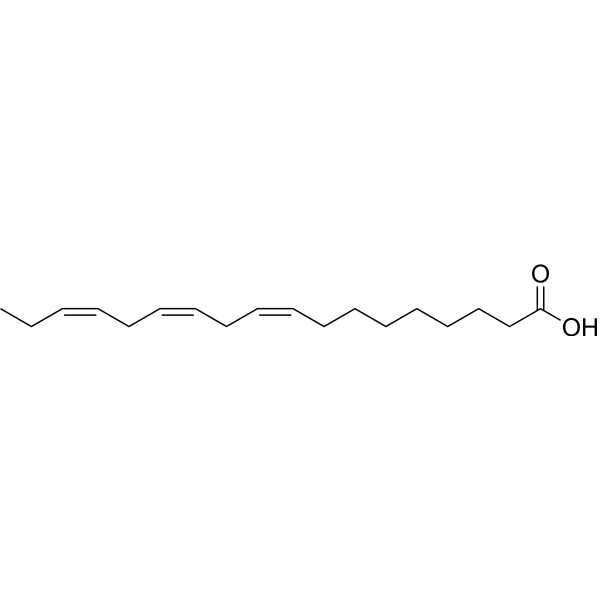 0 Imagesα-Linolenic acid (Standard) is the analytical standard of α-Linolenic acid. This product is intended for research and analytical applications. α-Linolenic acid, isolated from Perilla frutescens, is an essential fatty acid that cannot be synthesized by humans. α-Linolenic acid can affect the process of thrombotic through the modulation of PI3K/Akt signaling. α-Linolenic acid possess the anti-arrhythmic properties and is related to cardiovascular disease and cancer.
-
Flavokawain A
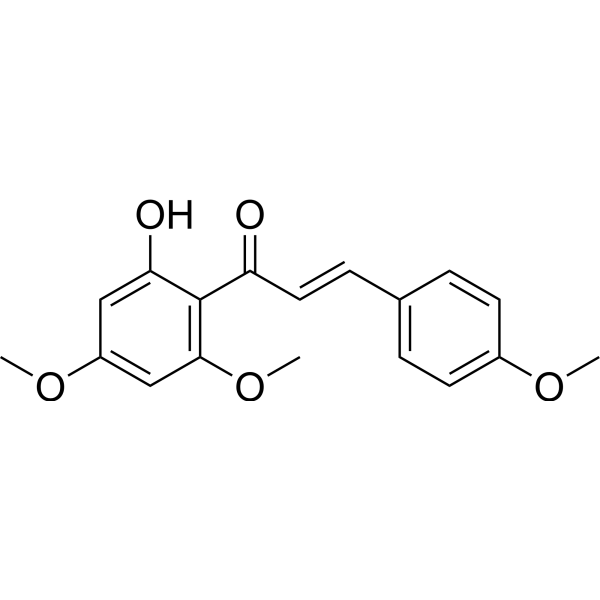 0 ImagesFlavokawain A is a chalcone compound and an orally active inhibitor of PRMT5 and cytochrome P450. Flavokawain A has anti-inflammatory, anti-tumor, and immunomodulatory effects. Flavokawain A can inhibit the proliferation of tumor cells and induce apoptosis. Flavokawain A can be used in the research of diseases such as bladder cancer.
-
Ifupinostat
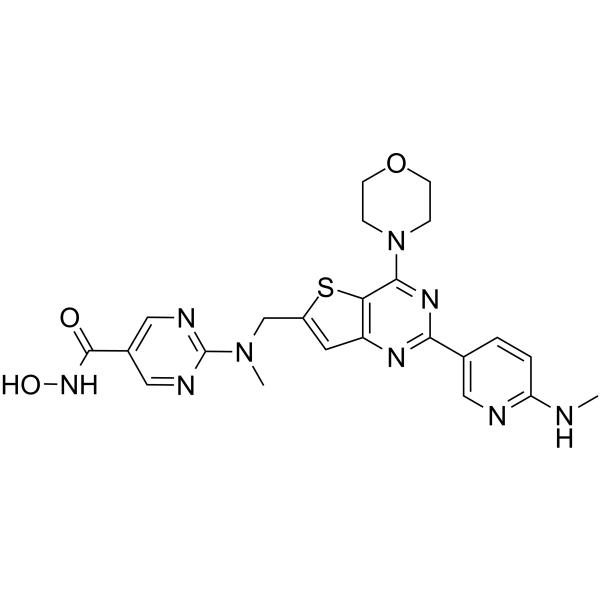 0 ImagesSynonyms: BEBT-908Ifupinostat (BEBT-908) is a blood-brain barrier-permeable PI3K/HDAC inhibitor. Ifupinostat exerts anticancer activity against hematologic malignancies, lung cancer, colon cancer, brain cancer and other cancers. Ifupinostat inhibits the PI3K/AKT/mTOR signaling pathway, suppresses c-Myc expression and induces ferroptosis. Ifupinostat can be used in tumor research.
-
Doxycycline hydrochloride (Standard)
 0 ImagesDoxycycline hydrochloride (Standard) is the analytical standard of Doxycycline hydrochloride (HY-N0565A). This product is intended for research and analytical applications. Doxycycline hydrochloride is an orally active highly lipophilic, tissue-permeable MMP inhibitor with broad-spectrum antibacterial activity. Doxycycline hydrochloride is also a semi-synthetic antibiotic with chelating properties, which blocks bacterial protein synthesis and inhibits extracellular matrix degradation through interactions with zinc and calcium atoms. Doxycycline hydrochloride also inhibits mitochondrial biogenesis, translation, and the expression of respiratory chain proteins. Doxycycline hydrochloride induces apoptosis, inhibits autophagy and EMT, downregulates stem cell markers, and activates the PI3K-AKT pathway, thereby effectively inhibiting the viability and proliferation of cancer cells such as breast cancer cells. Doxycycline hydrochloride also promotes the survival and self-renewal of embryonic stem cells and neural stem cells, and reduces the frequency of medium changes in culture. Doxycycline hydrochloride has been applied in studies related to breast cancer, prostate cancer, bladder cancer, and other cancers.
-
(S)-1-Boc-3-aminopiperidine
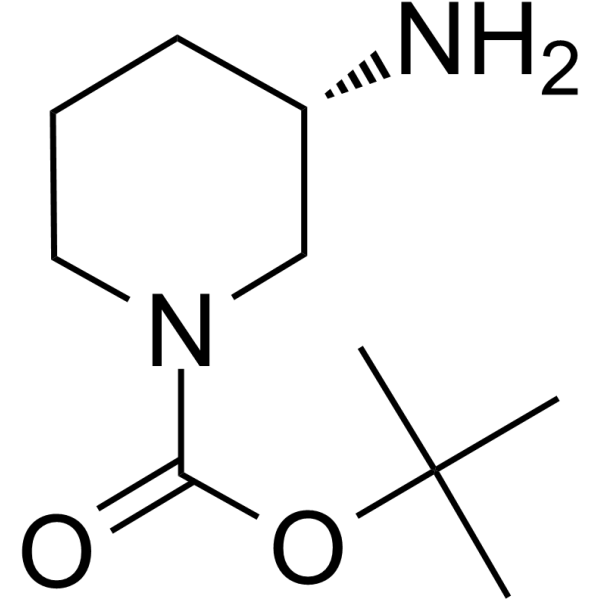 0 ImagesSynonyms: (S)-(+)-3-Amino-1-boc-piperidine
-
Curzerenone
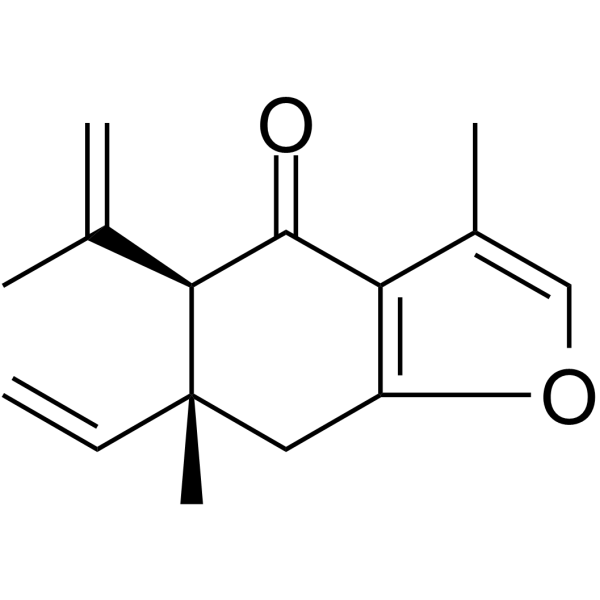 0 ImagesCurzerenone is an orally active sesquiterpene compound and Antibacterial agent. Curzerenone can be isolated from Curcuma zedoaria and Curcuma aeruginosa plants. Curzerenone increases ROS levels, activates Apoptotic signaling pathways, and attenuates the PI3K/AKT/mTOR signaling pathway. Curzerenone exhibits anticancer activity against liver cancer and cervical cancer. Curzerenone has antioxidant effects. Curzerenone shows weak antibacterial activity against Escherichia coli. Curzerenone can be used in research related to hepatocellular carcinoma, cervical cancer, and Escherichia coli infection.
-
1-Deoxynojirimycin hydrochloride
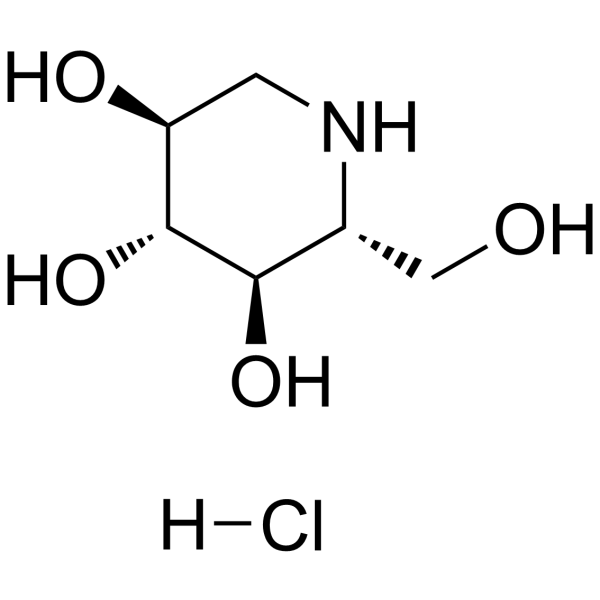 0 ImagesSynonyms: Duvoglustat hydrochloride1-Deoxynojirimycin hydrochloride (Duvoglustat hydrochloride) is a potent and orally active α-glucosidase inhibitor. 1-Deoxynojirimycin hydrochloride suppresses postprandial blood glucose and is widely used for diabetes mellitus. 1-Deoxynojirimycin hydrochloride possesses antihyperglycemic, anti-obesity, and antiviral features.
-
HZX-02-059
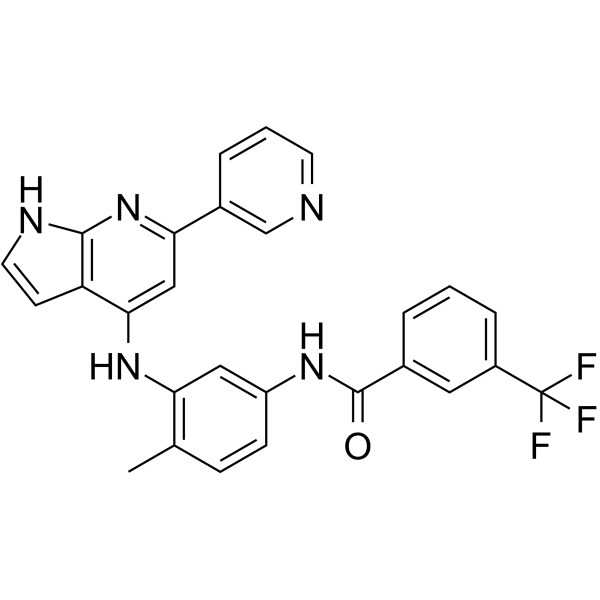 0 ImagesSynonyms: Methuosis inducer 1HZX-02-059 is an allosteric inhibitor of PIKFYVE, and a methuosis inducer. HZX-02-059 disrupts the PIKfyve/TFEB axis, suppresses tubulin polymerization, reduces phosphorylated mTOR levels, downregulates p53, PI3K/AKT, c-Myc, and NF-κB pathways. HZX-02-059 induces G2/M cell cycle arrest, apoptosis, and inhibits cancer cell proliferation. HZX-02-059 can be used for the research of lymphoma, double-hit lymphoma, and B-cell acute lymphoblastic leukemia.
-
Flavokawain B
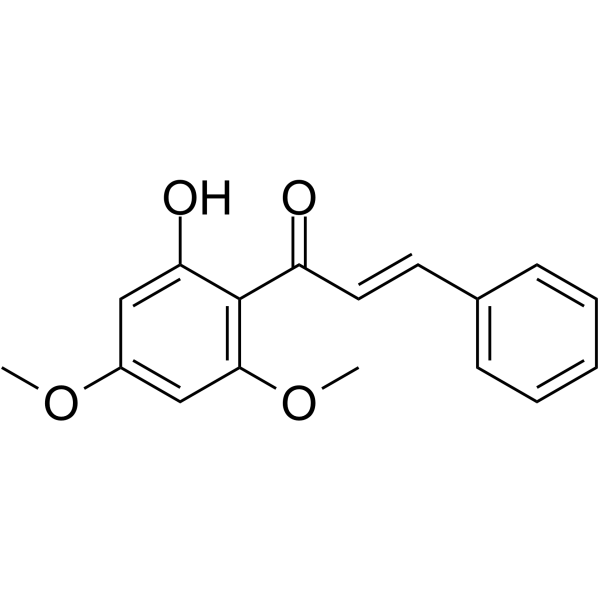 0 ImagesFlavokawain B (Flavokavain B) is an orally active chalcone. Flavokawain B results in activation of caspase-9, -3 and -8, cleavage of PARP. Flavokawain B down-regulates Bcl-2 with concomitant increase in Bax level. Flavokawain B inhibits NF-κB, PI3K/Akt and MAPK signaling pathway. Flavokawain B exhibits Apoptotic effects. Flavokawain B inhibits MMP-9 and promotes ROS generation. Flavokawain B inhibits multiple tumors and inflammation.
-
Orobol
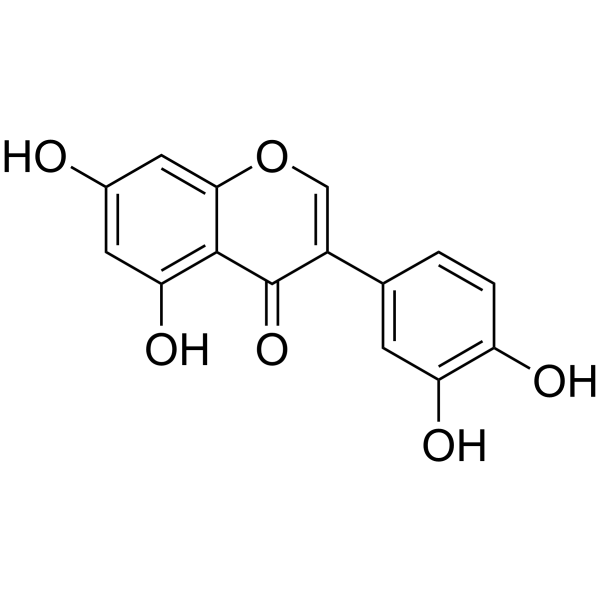 0 ImagesOrobol is one of the major soy isoflavones and has various pharmacological activities, including anti-skin-aging and anti-obesity effects. Orobol inhibits CK1ε, VEGFR2, MAP4K5, MNK1, MUSK, TOPK, and TNIK (IC50=1.24-4.45 μM). Orobol also inhibits PI3K isoforms (IC50=3.46-5.27 μM for PI3K α/β/γ/K/δ).
-
Hyaluronic acid sodium (MW 800kDa)
 0 ImagesHyaluronic acid sodium (MW 800kDa) is a biopolymer composed of repeating units of disaccharides with various applications. Hyaluronic acid sodium is a major component of the extracellular matrix (ECM). Hyaluronic acid sodium is synthesized at the plasma membrane. Increased hyaluronic acid sodium levels are associated with tumor cell growth, adhesion, migration, invasion and angiogenesis in digestive cancers. Hyaluronic acid sodium participates in tissue remodeling and rapid cell proliferation in some physiological processes including embryonic morphogenesis and wound-healing. Hyaluronic acid sodium activates the PI3K-Akt signaling. Hyaluronic acid sodium acts as a regulator of cancer-associated lymphangiogenesis. Hyaluronic acid sodium also enhances cell invasion and angiogenesis by promoting proteolytic MMP-9 binding to cell surface or stimulating MMP-9 binding to cell surface. Hyaluronic acid sodium can be used as drug delivery for sodium butyrate to improve the anti-proliferative activity on breast cancer cell line. Hyaluronic acid sodium can be studied in joint diseases, wound healing and cancer.
-
Vasicine
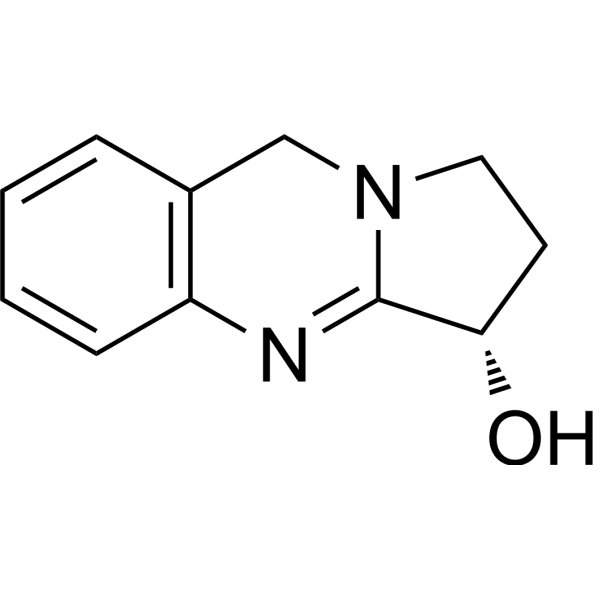 0 ImagesVasicine (peganine) is a quinazoline alkaloid isolated from Justicia adhatoda. Vasicine activates PI3K/Akt signaling pathway, exhibits antioxidant, anti-inflammatory and antibacterial activities.
-
Sophocarpine monohydrate
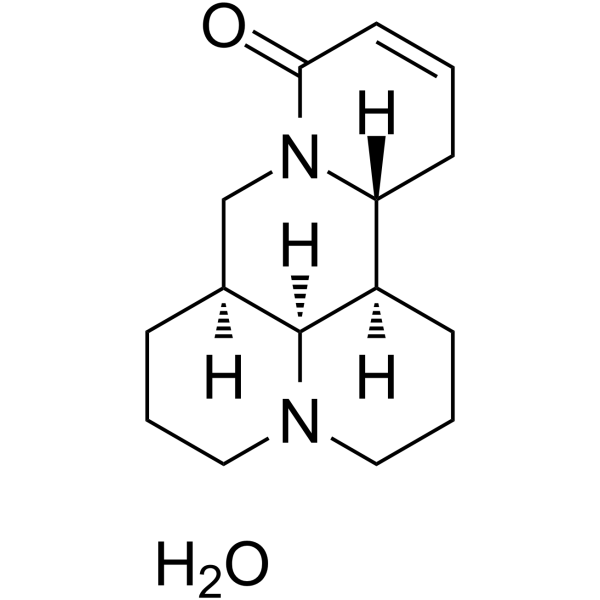 0 ImagesSophocarpine monohydrate is a PTEN activator and an inhibitor of PI3K/Akt, MEK/ERK, and NF-κB signaling pathways. Sophocarpine monohydrate upregulates PTEN expression and inhibits PI3K/Akt phosphorylation, arrests tumor cell cycle and induces apoptosis. Sophocarpine monohydrate inhibits MEK/ERK phosphorylation and VEGF secretion, reducing tumor cell migration. Sophocarpine monohydrate can also inhibit NF-κB activation and p38 and JNK phosphorylation, reduce the expression of inflammatory factors such as iNOS and COX-2, and activate the Nrf2/HO-1 pathway to reduce oxidative stress. Sophocarpine monohydrate has anti-tumor, anti-inflammatory, antioxidant and anti-apoptotic effects, and can be used in the research of cancers such as glioblastoma and colorectal cancer, inflammation-related diseases, and Doxorubicin (HY-15142A)-induced cardiac damage.
-
Daphnoretin
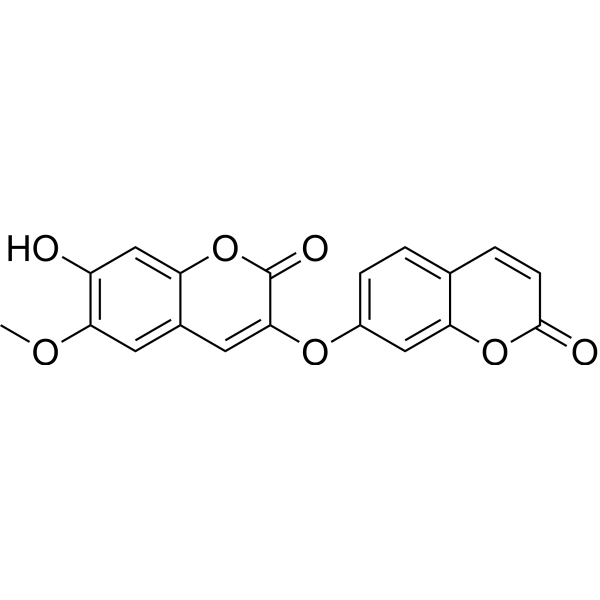 0 ImagesDaphnoretin (Dephnoretin; Thymelol) is a protein kinase C (PKC) activator that inhibits the expression of hepatitis B virus (HBV) surface antigen (HBsAg) and exhibits antiviral activity. Daphnoretin exerts its antitumor effects by inhibiting the activation of the PI3K/AKT signaling pathway and triggers the mitochondrial apoptosis pathway. Daphnoretin alleviates chondrocyte apoptosis and inflammatory responses by inhibiting endoplasmic reticulum stress and activation of the NLRP3 inflammasome. Daphnoretin regulates the differentiation and maturation of dendritic cells, inhibits their immunostimulatory function by downregulating the phosphorylation level of JNK, and thus exerts a protective effect in skin graft rejection.
-
GSK-F1
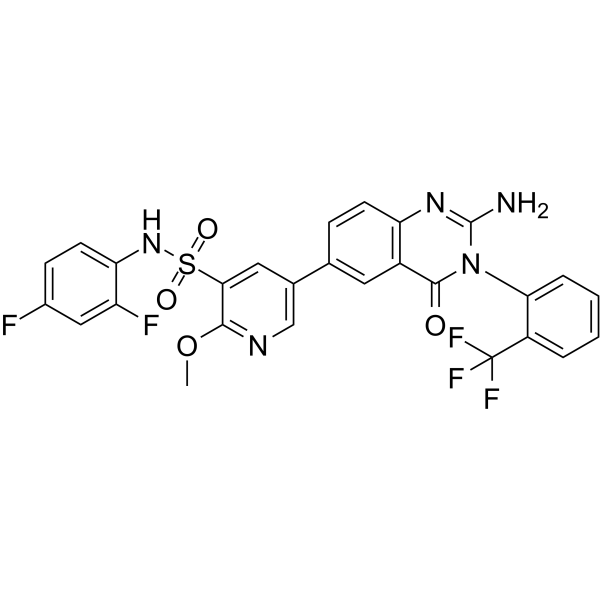 0 ImagesCat. No.: HY-100603CAS No.: 1402345-92-9GSK-F1 (Compound F1) is an orally active PI4KA inhibitor with pIC50 values of 8.0, 5.9, 5.8, 5.9, 5.9 and 6.4 against PI4KA, PI4KB, PI3KA, PI3KB, PI3KG and PI3KD, respectively. GSK-F1 can be used for HCV infection research.
-
4-Methylbenzylidene camphor
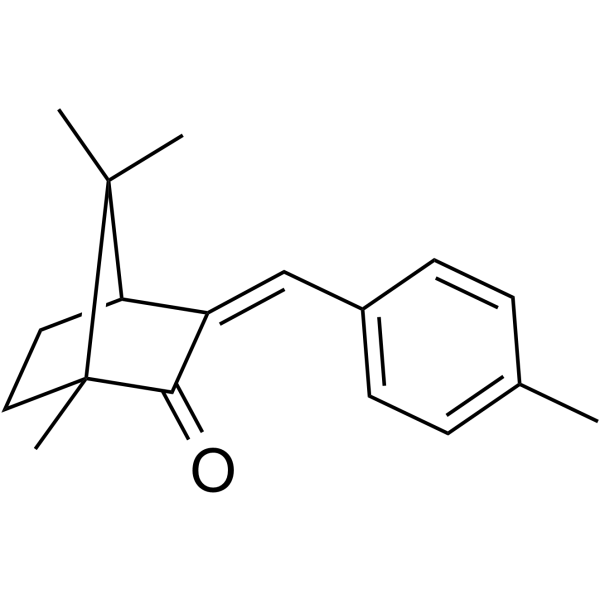 0 ImagesSynonyms: 4-MBC; Enzacamene4-Methylbenzylidene camphor (4-MBC) is an endocrine disrupter that produces estrogen-like effects. 4-Methylbenzylidene camphor decreases the proliferation of human trophoblast cells and induces apoptosis. 4-Methylbenzylidene camphor activates PI3K/AKT and ERK1/2 signaling pathways and elevates intracellular ROS production. 4-Methylbenzylidene camphor is a ultraviolet (UV) filter and may hamper normal placental formation during early pregnancy.
-
Tegafur-gimeracil-oteracil potassium
 0 ImagesSynonyms: S-1; TS-1Tegafur-gimeracil-oteracil potassium (S-1; TS-1) is an orally active anticancer agent composed of Tegafur (HY-17400), Gimeracil (HY-17469), and Oteracil potassium (HY-17511). Tegafur-gimeracil-oteracil potassium inhibits the proliferation, migration and invasion of endometrial cancer cells and induces apoptosis by blocking the PI3K/AKT/mTOR signaling pathway. Tegafur-gimeracil-oteracil potassium can be used in research related to endometrial cancer and gastric cancer with peritoneal metastasis.




