



Biochemical Assay Reagents
Biochemical agents refers to the life science research related to biological material or organic compounds. Due to a wide range of life sciences, rapid development, and therefore a wide variety of such agents, complex in nature. There are electrophoresis reagents, chromatography reagents, centrifuged reagents, immunological reagent, labeled reagent, staining agents, penetration agents and carcinogens variable, insecticides, culture, buffering agents, electron microscopy reagents, protein and nucleic acid precipitating agent, condensing agent ultrafiltration membrane, clinical diagnostic reagents, dyes, antioxidants, preservatives, detergents and surfactants, standard biochemical reagents, biochemical reagents quality control materials, separation material, etc..
All Product Categories
-
Biochemical Assay Reagents Inhibitors
(10)
View all products
-
Biochemical Assay Reagents Modulator
(1)
View all products
-
Biochemical Assay Reagents Chemicals
(7)
View all products
-
Biochemical Assay Reagents Inducer
(1)
View all products
-
Biochemical Assay Reagents Controls
(59)
View all products
-
Biochemical Assay Reagents Substrates
(4)
View all products
-
Biochemical Assay Reagents Ligands
(2)
View all products
-
Biochemical Assay Reagents Related Products (16057)
Related Products (16057)

-
Antibodies (44)
-
Gelatins
 0 ImagesGelatins is a non-toxic, non carcinogenic, biodegradable, and non irritating natural polymer derived from partial hydrolysis of collagen. Due to its strong liquid absorption and swelling ability, Gelatins has excellent hemostatic properties and can be used as a matrix material for the reduction, growth, and stability of metal nanoparticles. Gelatins can also be used for tumor cell culture and tumor therapy.
-
Polyvinylpyrrolidone K30
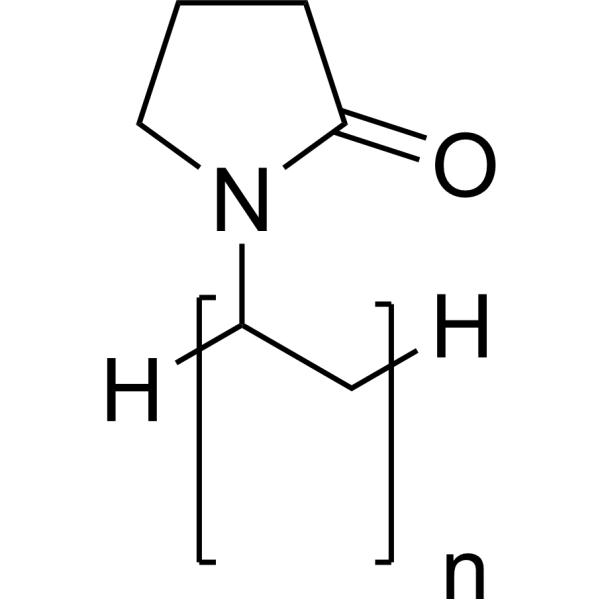 0 ImagesPolyvinylpyrrolidone K30 is a compound which has been widely tested and used in human and veterinary medicine as an effective wound healing accelerator and disinfectant when combined with iodine and other compounds.
-
Silver trifluoromethanesulfonate
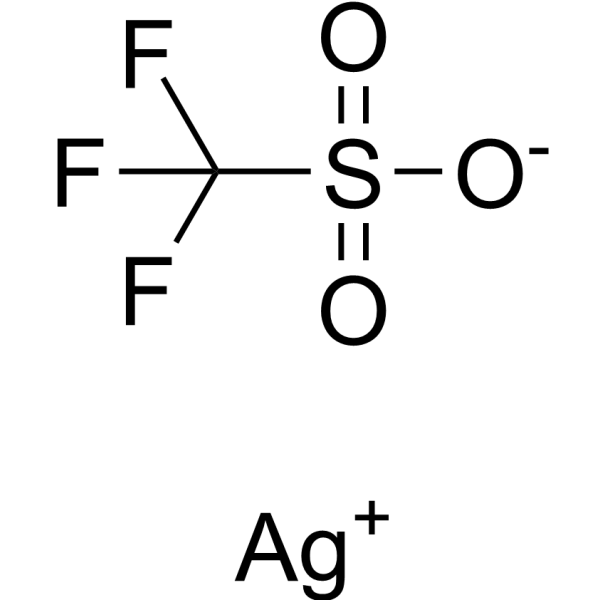 0 ImagesSynonyms: Triflic acid silver; Perfluoromethanesulfonic acid silver; Fluorad FC 24 silverSilver trifluoromethanesulfonate, a perfluoroalkanesulfonic acid, is one of the superior catalysts for C- or O-acylation. Silver trifluoromethanesulfonate is widely used as a cationic catalyst in promoting Friedel-Crafts reactions and esterification reactions.
-
Tin(II) chloride, 98%
 0 ImagesSynonyms: Stannous chloride, 98%; Tin(II) chloride, anhydrous, 98%; Anhydrous stannous chloride, 98%Tin(II) chloride, 98% (Stannous chloride) is a biochemical reagent with genotoxicity, mutagenicity, mitotic recombinogenicity, and reactive oxygen species-inducing activity.
-
Tyramide Amplification Buffer
 0 ImagesCat. No.: HY-D1840Tyramide Amplification Buffer is a ready-to-use buffer primarily intended for immunostaining of cells and tissues by the technique of tyramide signal amplification (TSA). Tyramide Amplification Buffer enables the reaction between tyramide-labeled antibodies and fluorescently labeled tyramide substitutes (tyramide) using peroxidase, resulting in a highly amplified fluorescent signal. Tyramide Amplification Buffer can be used for signal enhancement in detection methods such as immunofluorescence (IF), immunohistochemistry (IHC), or in situ hybridization (FISH).
-
PEG4000
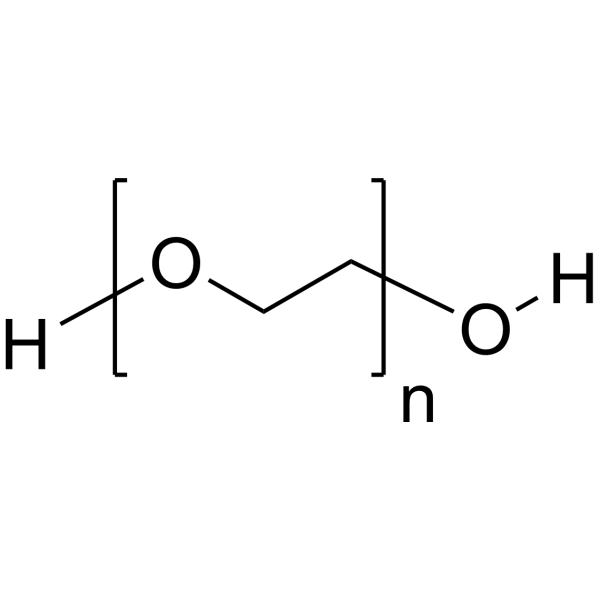 0 ImagesCat. No.: HY-Y0873HCAS No.: 25322-68-3Synonyms: Polyethylene glycol 4000PEG4000 can be used as an excipient, such as Ointment base, lubricant, etc. Pharmaceutical excipients, or pharmaceutical auxiliaries, refer to other chemical substances used in the pharmaceutical process other than pharmaceutical ingredients. Pharmaceutical excipients generally refer to inactive ingredients in pharmaceutical preparations, which can improve the stability, solubility and processability of pharmaceutical preparations. Pharmaceutical excipients also affect the absorption, distribution, metabolism, and elimination (ADME) processes of co-administered drugs.
-
N,N-Dicyclohexylcarbodiimide(DCC)
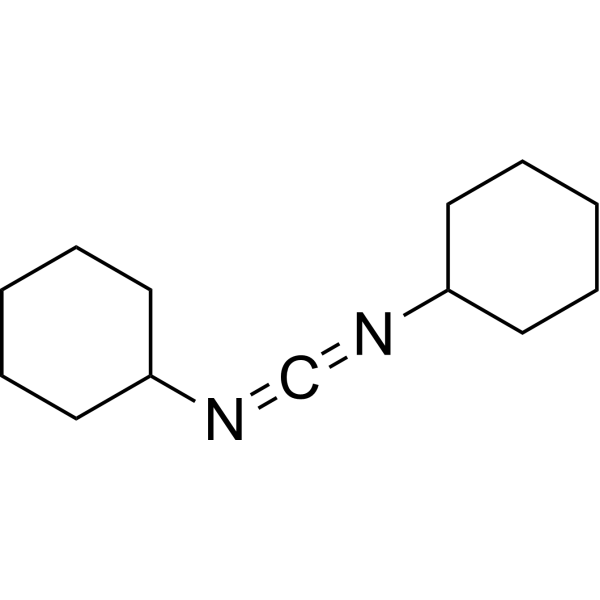 0 ImagesN,N-Dicyclohexylcarbodiimide(DCC) is a dehydrating and condensing agent. N,N-Dicyclohexylcarbodiimide(DCC) enhances adenylate cyclase activity. N,N-Dicyclohexylcarbodiimide(DCC) inhibits amine accumulation. N,N-Dicyclohexylcarbodiimide(DCC) is used to prepare 3-phenylcoumarin derivatives, sulfated derivatives of purslane polysaccharides.
-
Bathocuproine disulfonate disodium
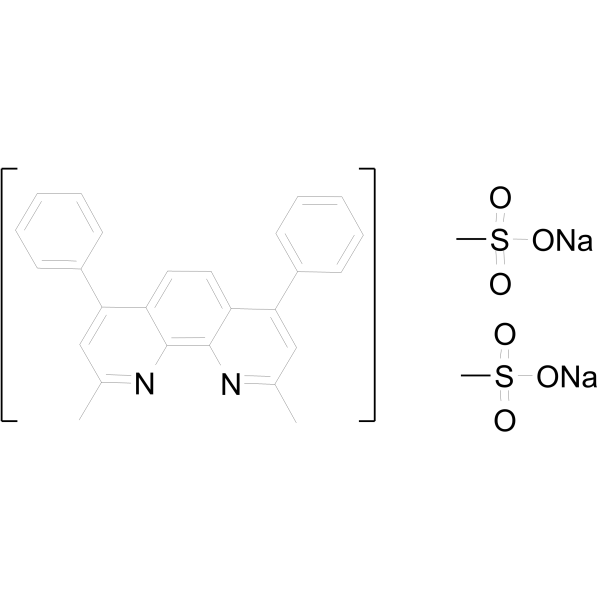 0 ImagesBathocuproine disulfonate disodium (BCS) is an organic compound used as a highly sensitive colorimetric reagent for copper ions in biochemical and analytical applications. It has a bright yellow color and absorbs light at specific wavelengths, so it can be used to detect and quantify trace copper. In biochemical applications, BCS is commonly used to study the role of copper ions in various biological processes. Copper is an essential nutrient for many organisms, but it can also be toxic in high concentrations, so accurate measurement of copper levels is important to understand its impact on living systems. In terms of analysis, BCS is often used in environmental monitoring and water quality testing to detect copper pollution. It can detect copper even at very low concentrations, making it an invaluable tool for identifying potential sources of pollution and assessing the impact of industrial activities on aquatic ecosystems.
-
Polyethylenimine (branched) (MW 25000)
 0 ImagesCat. No.: HY-W250110ECAS No.: 9002-98-6Synonyms: PEI (branched) (MW 25000)Polyethylenimine (branched) (MW 25000) is a organic macromolecule with high cationic-charge-density potential. Polyethylenimine (branched) (MW 25000) can ensnare DNA as well as attach to cell membrane.
-
4-Azido-L-phenylalanine
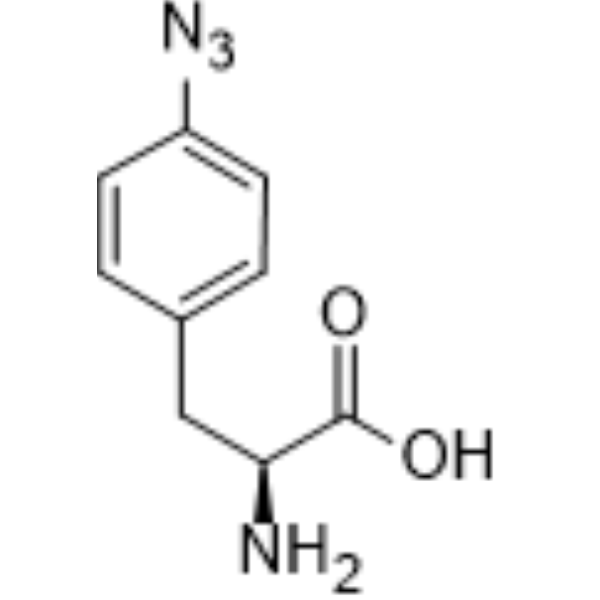 0 ImagesSynonyms: p-Azidophenylalanine; p-Azido-L-phenylalanine4-Azido-L-phenylalanine is an unnatural amino acid, which is used as an effective vibrational reporter of local protein environments. 4-Azido-L-phenylalanine is a click chemistry reagent, it contains an Azide group and can undergo copper-catalyzed azide-alkyne cycloaddition reaction (CuAAc) with molecules containing Alkyne groups. It can also undergo strain-promoted alkyne-azide cycloaddition (SPAAC) reactions with molecules containing DBCO or BCN groups.
-
DBCO-acid
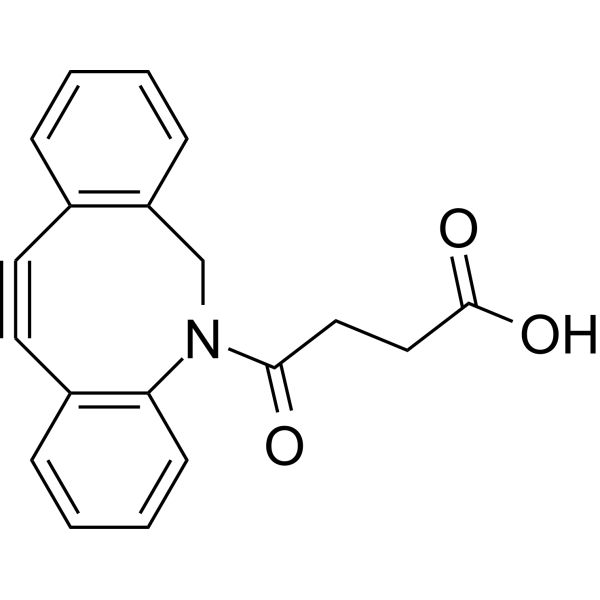 0 ImagesDBCO-acid is a click chemistry reagent used in the synthesis of ADC linker DBCO-NHS ester ((HY-115524) and (HY-115545)), and agent-linker conjugates DBCO-PEG-MMAE (HY-111012 and HY-126690). DBCO-acid contains a DBCO group that can undergo strain-promoted alkyne-azide cycloaddition (SPAAC) with molecules containing Azide groups.
-
Glucose oxidase
 0 ImagesGlucose oxidase is used in the food and beverage industry as a preservative and stabilizer and is commonly derived from the fungus Aspergillus niger. Glucose oxidase can react with intracellular glucose and oxygen (O2) to produce hydrogen peroxide (H2O2) and gluconic acid, which can cut off the nutrition source of cancer cells and consequently inhibit their proliferation.
-
Hexane-1,6-diol
 0 ImagesHexane-1,6-diol is a 6-carbon straight-chain diol with hydroxyl groups at both ends. Hexane-1,6-diol can be used as an additive for drilling fluids. Hexane-1,6-diol can also be used as a substrate in life science-related research.
-
MOPS
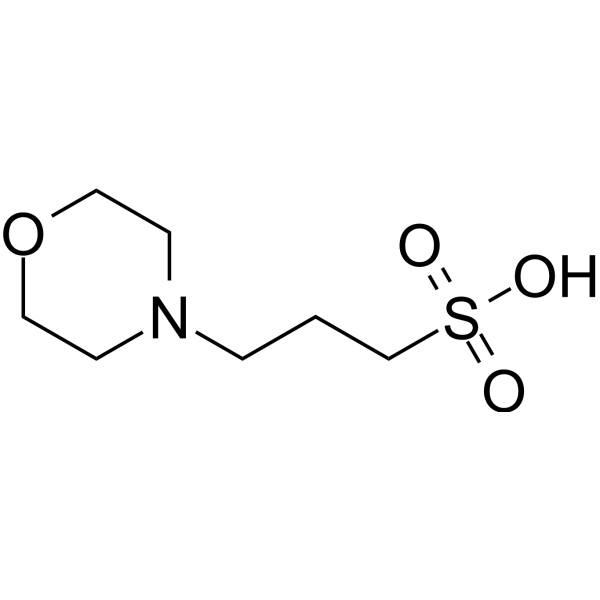 0 ImagesMOPS is a buffering agent used in biology. MOPS buffer maintains the pH of mammalian cell culture media. MOPS significantly improves the thermal stability of BSA (HY-D0842).

-
D-Trehalose, Carrier Protein
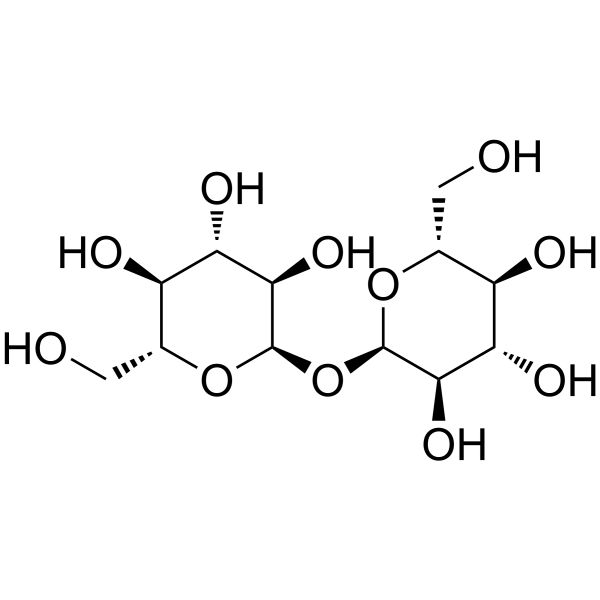 0 ImagesD-Trehalose is a disaccharide formed by a 1,1-glycosidic bond between two α-glucose units and is widely used as a food ingredient and pharmaceutical excipient. D-Trehalose is known to protect and stabilise proteins. For long-term storage, recombinant protein solution should be diluted further with 5% D-Trehalose, Carrier Protein.
-
PLGA (75:25)
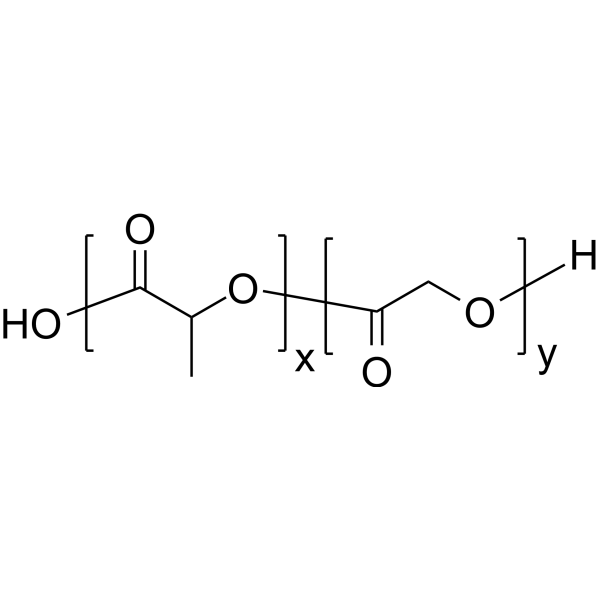 0 ImagesSynonyms: poly(lactic-co-glycolic acid) (75:25)PLGA (75:25) is a low toxicity, biocompatible and biodegradable controlled drug delivery carrier, can achieve slow release in the organism. PLGA (75:25) is a copolymer of 75% poly lactic acid (PLA) and 25% poly glycolic acid (PGA). PLGA (75:25) has been extensively studied as delivery vehicles for agents, proteins and various other macromolecules such as DNA, RNA and peptides.
-
Di-tert-butyl dicarbonate
 0 ImagesDi-tert-butyl dicarbonate (tBOC) is a covalent modification agent for hydroxyl groups (-OH) on the chitosan molecular chain. Di-tert-butyl dicarbonate selectively modifies chitosan and stabilizes the material structure through hydrophobic encapsulation. Di-tert-butyl dicarbonate reacts with the -OH groups of chitosan to form a hydrophobic layer, and in conjunction with triethylamine (TEA), removes trifluoroacetic acid (TFA) salts produced during the electrospinning process, preserving the nanofiber structure and high porosity of the membrane, and improving the material's cytocompatibility and mineralization-promoting ability. Di-tert-butyl dicarbonate can be used in research in the field of guided bone regeneration (GBR).
-
Zinc sulfate heptahydrate
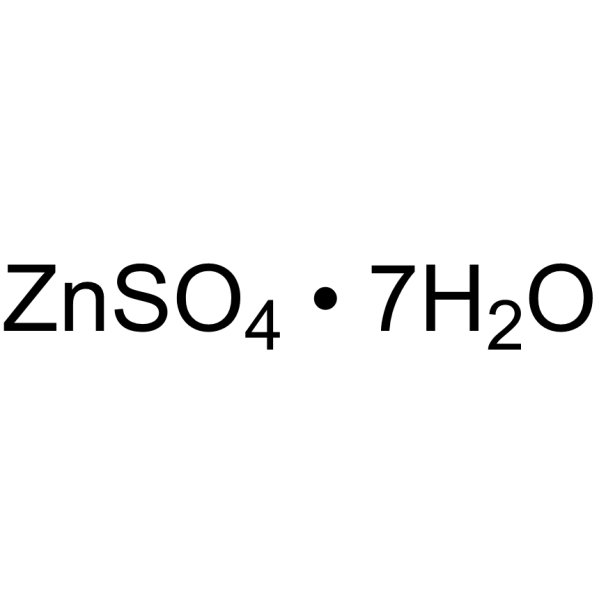 0 ImagesZinc sulfate heptahydrate is a hydrate that is the heptahydrate form of zinc sulfate. Zinc sulfate heptahydrate is a dietary supplement used for zinc deficiency and to prevent the condition in those at high risk.




