



Tau Protein
Tau is well established as a microtubule-associated protein in neurons. They have roles primarily in maintaining the stability of microtubules in axons and are abundant in the neurons of the central nervous system (CNS). However, under pathological conditions, aberrant assembly of tau into insoluble aggregates is accompanied by synaptic dysfunction and neural cell death in a range of neurodegenerative disorders, collectively referred to as tauopathies.
All Product Categories
-
Tau Protein Related Products (217)
Related Products (217)

-
Antibodies (5)
-
Ganglioside GQ1b (bovine) sodium
 0 ImagesSynonyms: Tetrasialoganglioside GQ1b sodiumGanglioside GQ1b (Tetrasialoganglioside GQ1b) (bovine) sodium is a central and peripheral nervous system ganglioside and an immunostimulator. Ganglioside GQ1b (bovine) sodium modulates NMDA receptor signaling via ERK1/2, PKA, CREB, NR2A, NR2B, and GSK3β, and increases BDNF expression. Ganglioside GQ1b (bovine) sodium reduces Aβ pathology, tau phosphorylation, and APP levels. Ganglioside GQ1b (bovine) sodium can be used for the research of Alzheimer’s disease.
-
Drofenine hydrochloride
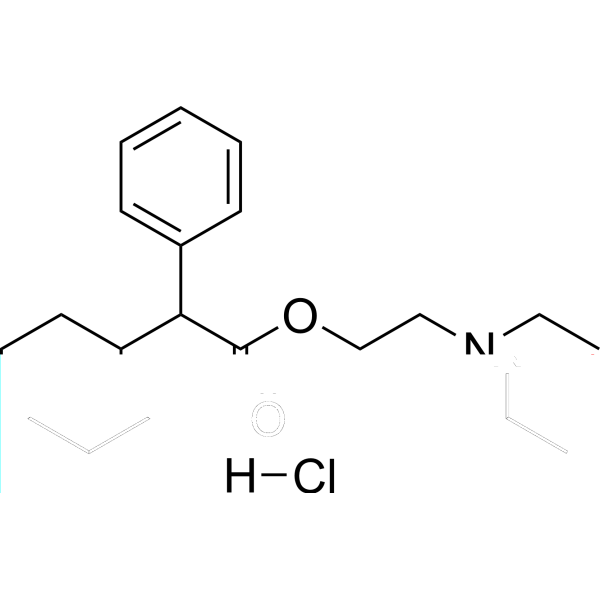 0 ImagesDrofenine (Cycloadiphene; Hexahydroadiphenine) hydrochloride is an brain-penetrant antispasmodic agent. Drofenine hydrochloride is a Kv2.1 channel inhibitor with human IC50 of 9.53 μM. Drofenine hydrochloride is a butyrylcholinesterase (BChE) inhibitor with Ki of 0.003 mM, and is a TRPV3 activator. Drofenine hydrochloride blocks Kv2.1-dependent potassium efflux, inhibits Kv2.1/JNK/NF-κB and IkBa/NF-kB signaling, suppresses Kv2.1 mRNA/protein expression. Drofenine suppresses oligomeric Aβ-induced microglial NLRP3 inflammasome activation and neuronal Tau hyperphosphorylation, improves cognitive impairment, promotes neurite outgrowth. Drofenine hydrochloride induces calcium influx in keratinocytes and exert cytotoxicity against keratinocytes. Drofenine hydrochloride ameliorates diabetic peripheral neuropathy -like pathology. Drofenine hydrochloride can be used for the researches of Alzheimer's disease, diabetic peripheral neuropathy and smooth muscle spasm.
-
Tau protein (592-597), human TFA
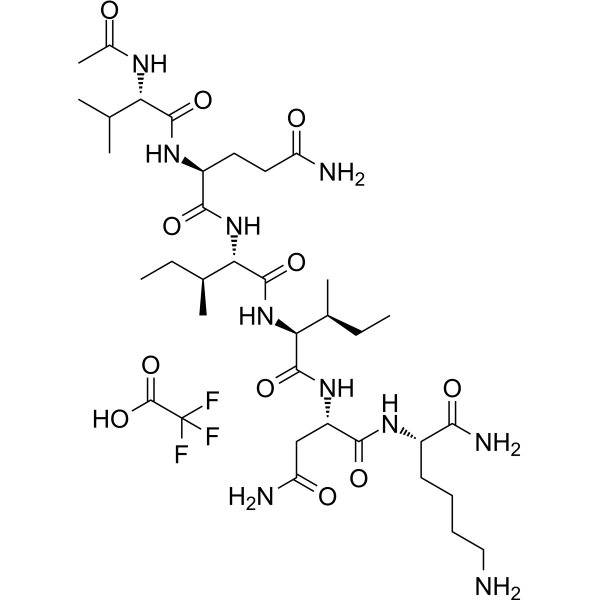 0 ImagesCat. No.: HY-P1707ACAS No.: 2703746-44-3Tau protein (592-597), human TFA is a peptide fragment of human Tau protein. The dysfunction of Tau protein is involved in neurodegeneration and dementia.
-
CHIPOpt
 0 ImagesCat. No.: HY-175552Purity: 99.49%CHIPOpt, a peptide, is an orthosteric CHIP TPR domain inhibitor with a Kd of ∼16 nM. CHIPOpt has anti-aggregation activity and decreases p.tau ubiquitination with little effect on unmodified tau. CHIPOpt can be used for Alzheimer’s disease research.
-
ONC-841
 0 ImagesCat. No.: HY-P991480ONC-841 is a blood-brain barrier-permeable, humanized monoclonal antibody targeting SIGLEC10. As an immune checkpoint inhibitor, ONC-841 restores the functions of immune effector cells such as T cells and enhances anti-tumor immune responses by blocking inhibitory signals mediated by SIGLEC10. ONC-841 restores the phagocytic and migratory activities of microglia, and promotes the phagocytosis of Amyloid-β and Tau protein aggregates by microglia. ONC-841 is applicable to research related to solid tumors and Alzheimer's disease.
-
VP3.15 dihydrobromide
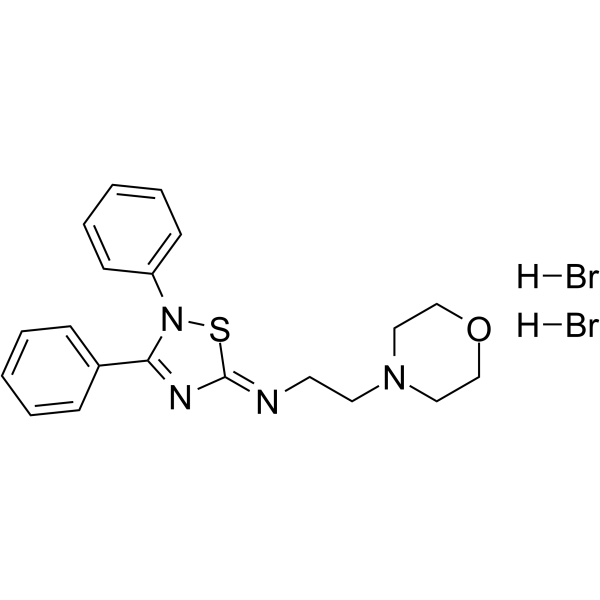 0 ImagesVP3.15 dihydrobromide is a highly potent, orally bioavailable, and CNS-penetrant PDE7-GSK3 dual inhibitor, with IC50 values of 1.59 μM and 0.88 μM against PDE7 and GSK3, respectively. VP3.15 dihydrobromide elevates intracellular cAMP levels, suppresses immune responses, enhances remyelination, limits excessive tau phosphorylation, and alleviates neuroinflammation and neuronal loss. VP3.15 dihydrobromide promotes oligodendrocyte precursor cell differentiation, improves in vivo remyelination, inhibits autoimmune encephalomyelitis, and mitigates germinal matrix-intraventricular hemorrhage-related brain injury, cerebral atrophy, ventricular enlargement, and cognitive impairment. VP3.15 dihydrobromide can be used in research related to multiple sclerosis and germinal matrix-intraventricular hemorrhage.
-
Azure C
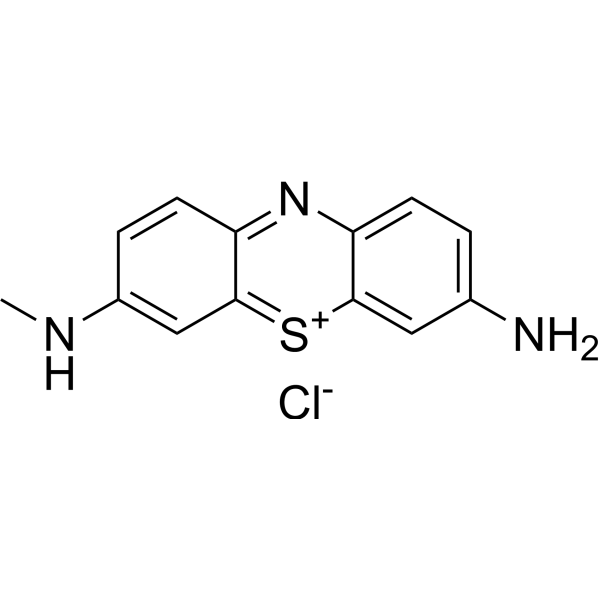 0 ImagesCat. No.: HY-W143216CAS No.: 531-57-7Synonyms: MonomethylthionineAzure C (Monomethylthionine) acts as a tau oligomer inhibitor and Aβ42 oligomerization inhibitor. Azure C regulates hsp70 ATPase activity, thereby mediating the clearance of tau protein. Azure C reduces the levels of toxic tau oligomers by promoting the formation of non-toxic tau aggregates, rescues neuroblastoma cells from tau oligomer-induced toxicity, and binds to and inhibits Aβ42 oligomerization. Azure C is generated via continuous oxidation of methylene blue or azure B through a horseradish peroxidase-mediated reaction. Azure C can be used in research related to tauopathies, including Alzheimer's disease.
-
CNS-11
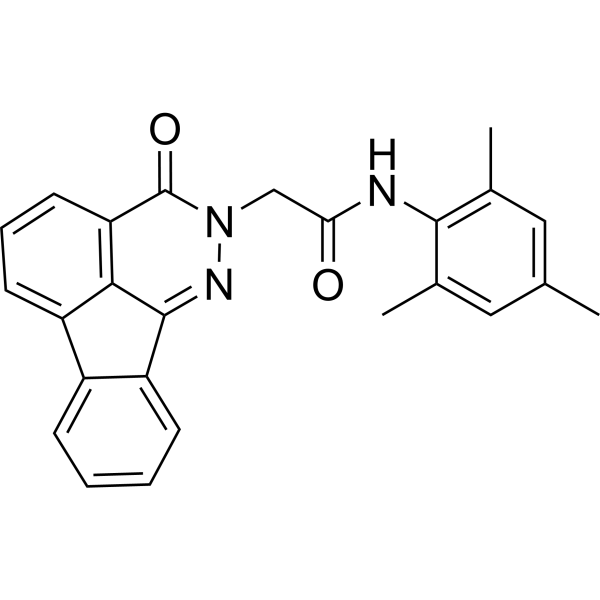 0 ImagesCNS-11 is a brain-penetrant tau fibril-degrading compound. CNS-11 reduces α-synuclein. CNS-11 can be used in Alzheimer's and Parkinson's disease research.
-
DDL-357
 0 ImagesDDL-357 is a potent secreted clusterin enhancer. DDL-357 reduces phospho-tau in brain and improves memory in the murine 3xTg-AD model.
-
Simufilam
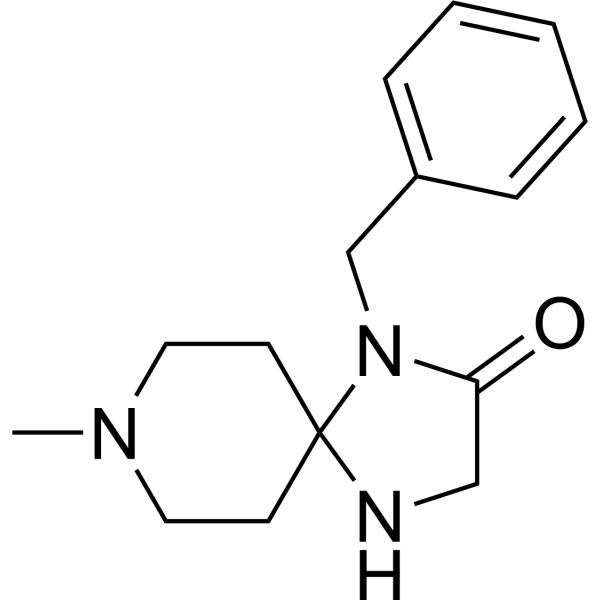 0 ImagesSynonyms: PTI-125Simufilam (PTI-125) is an orally active FLNA modulator. Simufilam restores NMDAR signaling and Arc expression. Simufilam inhibits overactive mTOR signaling by restoring the normal conformation of FLNA, improves insulin sensitivity, reduces Aβ42-induced neuroinflammation and tau protein hyperphosphorylation. Simufilam can be used for research of Alzheimer's disease.
-
GSK-3 inhibitor 3
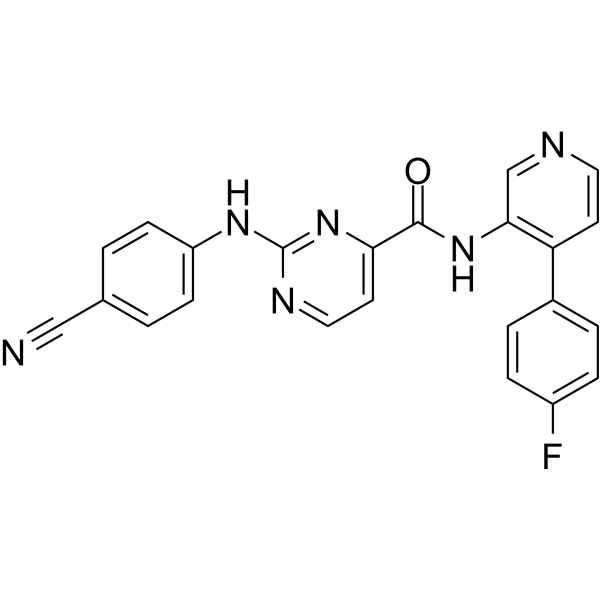 0 ImagesGSK-3 inhibitor 3 is a selective, orally active and brain-penetrant inhibitor of GSK-3, with IC50s of 0.35 nM and 0.25 nM for GSK-3α and GSK-3β, respectively. GSK-3 inhibitor 3 lowers levels of tau protein phosphorylation at S396 in a triple-transgenic mouse Alzheimer’s disease model, with IC50 of 10 nM. GSK-3 inhibitor 3 can be used for neurological disease research.
-
Anandamide-d8
 0 ImagesSynonyms: AEA-d8Anandamide-d8 is a deuterated labeled Anandamide. Anandamide is an endocannabinoid. Anandamide modulates both neuronal and immune functions through two protein-coupled cannabinoid receptors (CB1 and CB2). Anandamide can activate numerous other receptors like PPARS, TRPV1, and GPR18/GPR55. Anandamide also has potential anti-fungal and anti-inflammatory activities. Anandamide can be used for the research of Alzheimer’s disease (AD) and ulcerative colitis.
-
APNmAb005
 0 ImagesCat. No.: HY-P991373APNmAb005 is a human monoclonal antibody (mAb) targeting MAPT/Tau/PHF-tau. APNmAb005 blocks tau seeding in vitro and rescues neuronal loss in rTG4510 mice. APNmAb005 can be used in Alzheimer’s disease (AD) research.
-
Diranersen scramble control
 0 ImagesCat. No.: HY-132582DSynonyms: IONIS-MAPTRx scramble controlScrambled IONIS-MAPTRx (sodium) is a scrambled sequence of IONIS-MAPTRx sodium (HY-132582C). Scrambled IONIS-MAPTRx (sodium) has the same amino acid composition as the active IONIS-MAPTRx sodium fragment, but the sequence is randomly scrambled. Scrambled IONIS-MAPTRx (sodium) is typically used as a negative control. Scrambled IONIS-MAPTRx (sodium) has potential for studying Alzheimer's disease.
-
Florzolotau
 0 ImagesCat. No.: HY-137557CAS No.: 1565797-16-1Synonyms: APN1607; PM-PBB3Florzolotau (APN1607) is a positron emission tomography (PET) ligand that can be used for the detection of Alzheimer's disease (AD) and other tau proteinopathies. Its binding sites are located in the β-sheet of paired helical filaments (PHFs) and straight filaments (SFs) of tau protein, as well as in the C-shaped cavity of SFs. In addition, APN-1607 binds to intraneuronal inclusions in Alzheimer's disease (AD), primary age-related tauopathy (PART) and posterior cortical atrophy (PCA). Florzolotau shows promise for PET imaging studies of neurological disorders, particularly tau proteinopathies.
-
Tau ASO-12 (murine) sodium
 0 ImagesCat. No.: HY-132582ATauASO-12 (murine) (sodium) is a Tau-lowering antisense oligonucleotide (ASO) for murine use, and it has the potential for the research of Alzheimer Disease. (TauASO-12 sequence – 5′ GCTTTTACTGACCATGCGAG 3′ )
-
T808
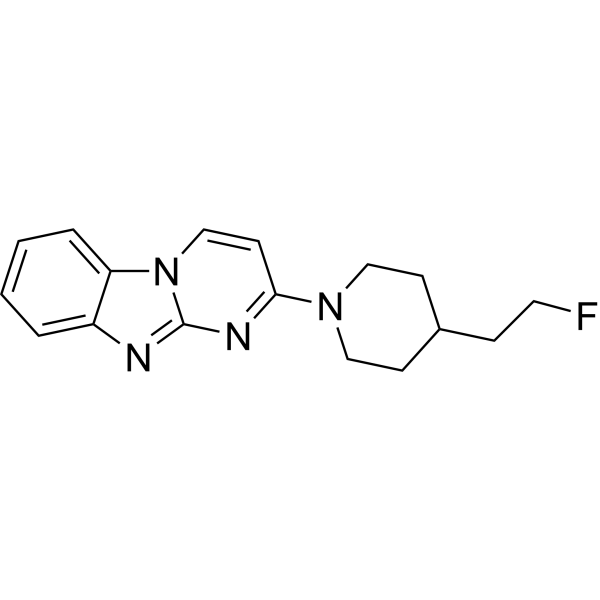 0 ImagesT808 is a selective tau protein-targeting ligand. T808 can be used to synthesize [18F]-T808, a highly selective tau protein positron emission tomography (PET) tracer. T808 can also be used to synthesize [3H]-T808, a marker for in vitro experiments. T808 can be used for the research of alzheimer’s disease.
-
BSc3094
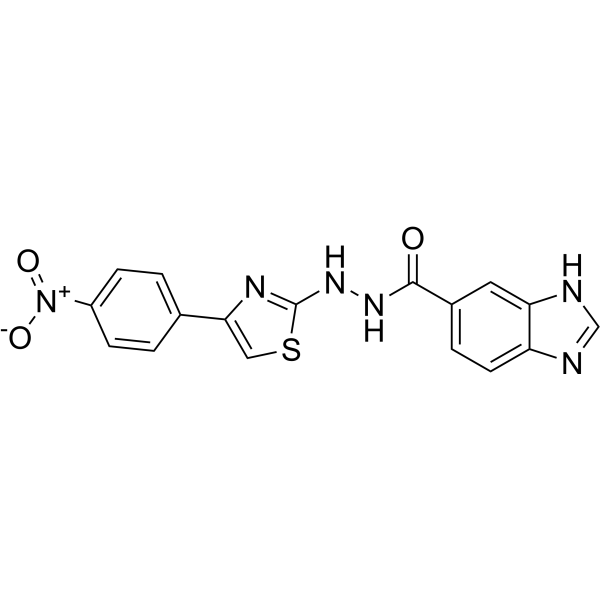 0 ImagesBSc3094 is a Tau aggregation inhibitor. BSc3094 can be used for the research of Alzheimer's disease (AD).
-
ZJCK-6-46
 0 ImagesZJCK-6-46 (32) is a potential and orally activeDYRK1A inhibitor (IC50 = 0.68 nM) with high BBB permeability (CNS+). ZJCK-6-46 (32) reduces tau phosphorylation. ZJCK-6-46 (32) ameliorates cognitive dysfunction by obviously reducing the expression of phosphorylated tau and neuronal loss in vivo.
-
NQTrp
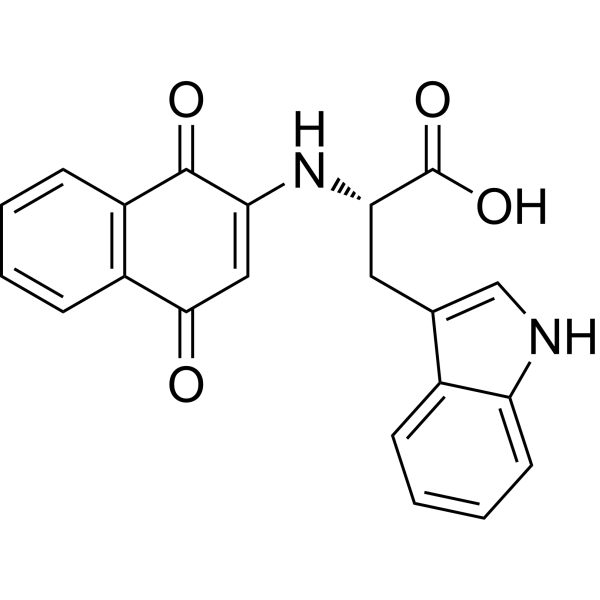 0 ImagesNQTrp, an aromatic naphthoquinone-tryptophan hybrid molecule, an inhibitor of the aggregation of the tau protein with generic anti-amyloidogenic effects. NQTrp inhibits the in vitro aggregation of hexapeptide (41GCWMLY46 within the N-terminus of γD-crystallin) as well as full-length γD-crystallin.




