



Chloramphenicol
Based on 20 publication(s) in Google Scholar
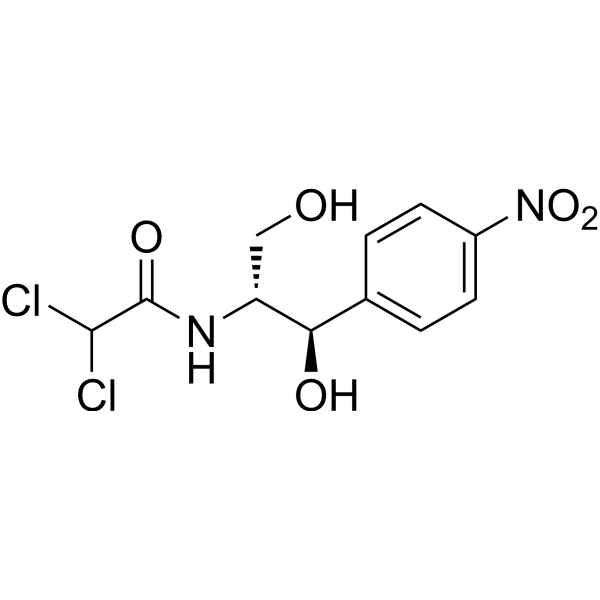
Chloramphenicol is an orally active, potent and broad-spectrum antibiotic. Chloramphenicol shows antibacterial activity. Chloramphenicol represses the oxygen-labile transcription factor and hypoxia inducible factor-1 alpha (HIF-1α) in hypoxic A549 and H1299 cells. Chloramphenicol suppresses the mRNA levels of vascular endothelial growth factor (VEGF) and glucose transporter 1, eventually decreasing VEGF release. Chloramphenicol can be used for anaerobic infections and lung cancer research.
For research use only. We do not sell to patients.
- Purity : 99.96%
- CAS No.: 56-75-7
- Formula: C11H12Cl2N2O5
- Molecular Weight:323.13
-
Storage:Powder -20°C, 3 years , 4°C, 2 years
* The compound is unstable in solutions, freshly prepared is recommended.

To place orders, for customer services and technical support, please contact: MedChemExpress USA
Tel: 609-228-6898 E-mail: [email protected] [email protected]


-
 Biological Activity
-
Chemical Information
-
Solvent & Solubility
- Protocols
- Purity & Documentation
- References
-
 Help & FAQs


-
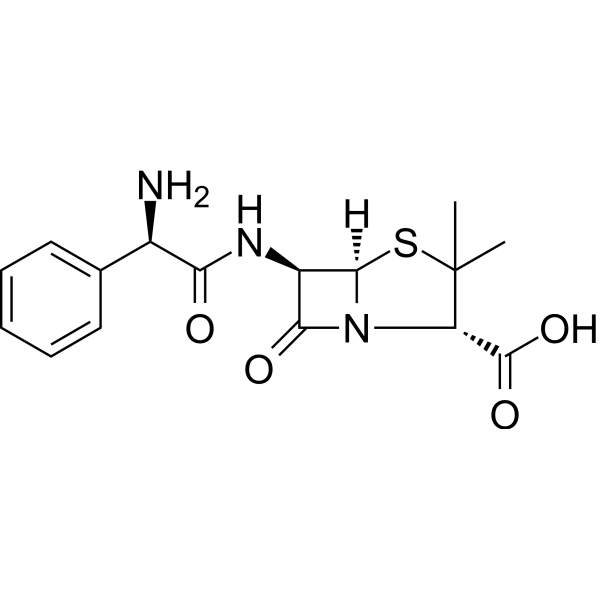
HY-B0522
AmpicillinBacterial Inhibitor -

HY-B0239R
Chloramphenicol (Standard)HIF-1α Inhibitor -
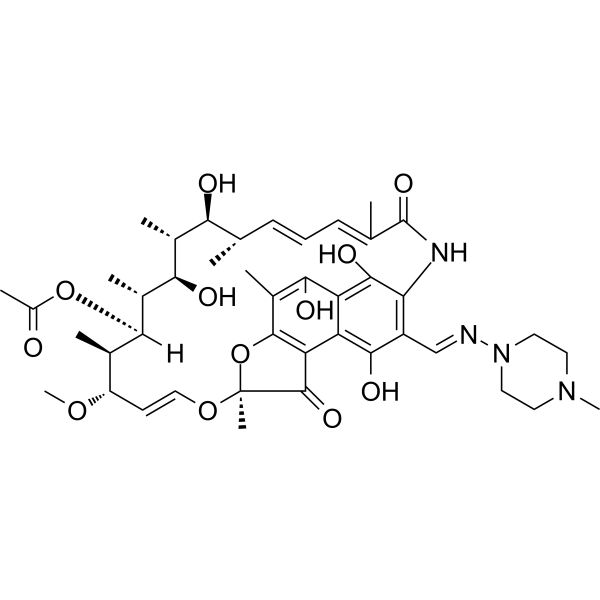
HY-B0272
RifampicinAntivirus Agent -
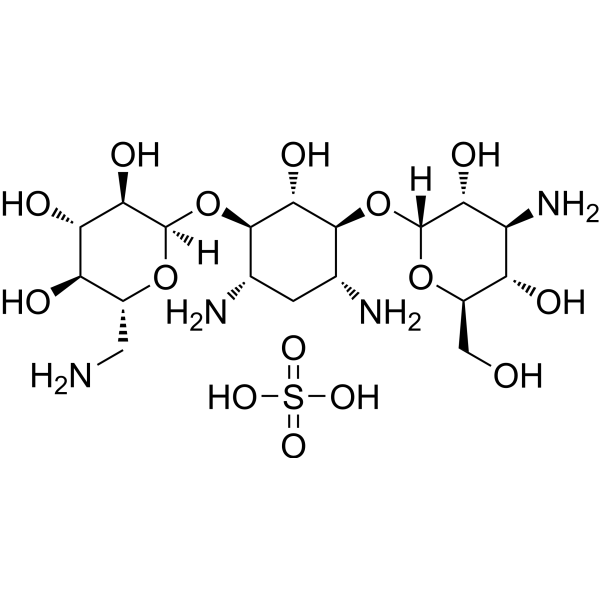
HY-16566A
Kanamycin sulfateAntibacterial Agent -
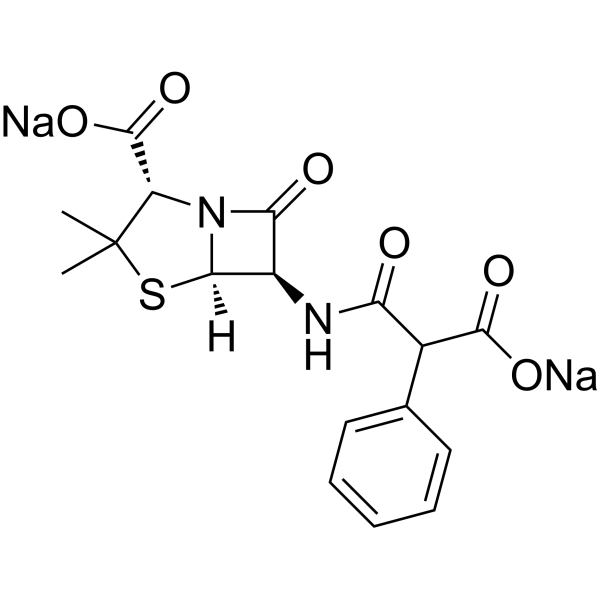
HY-B0525A
Carbenicillin disodiumAntibiotic -
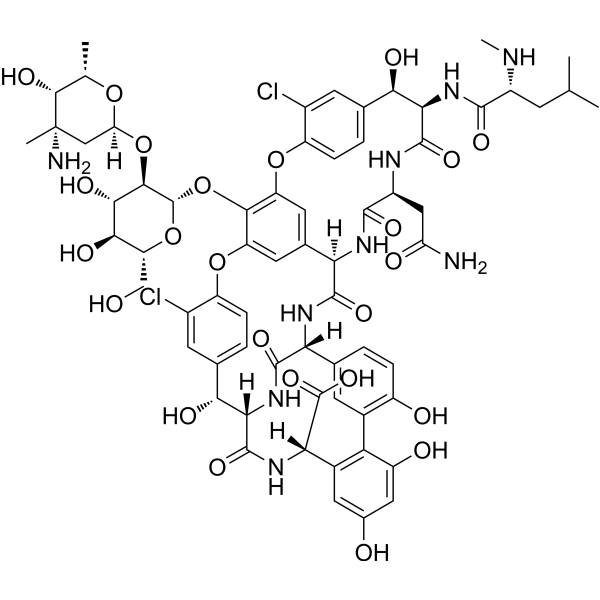
HY-B0671
VancomycinAntibiotic -
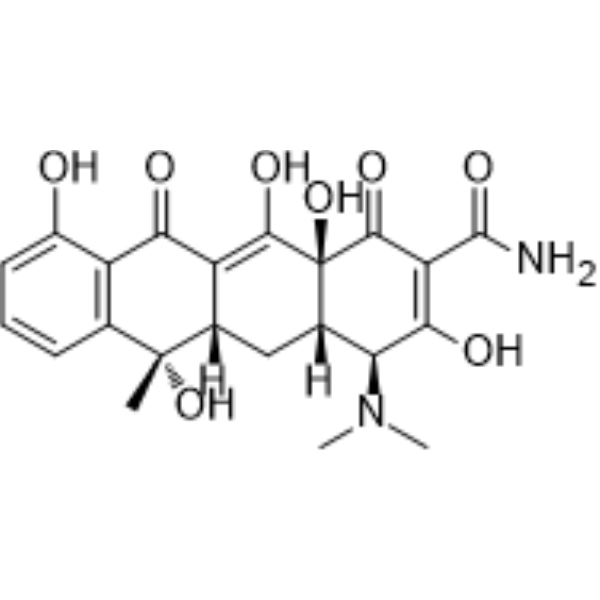
HY-A0107
TetracyclineAntibiotic -
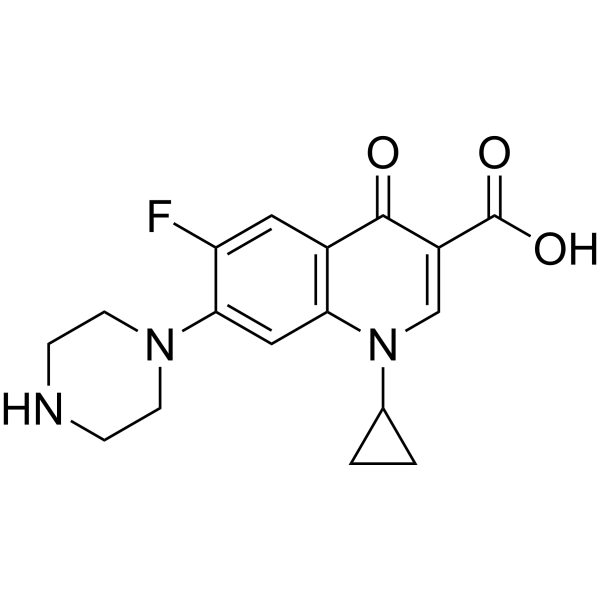
HY-B0356
CiprofloxacinTopoisomerase IV Inhibitor -
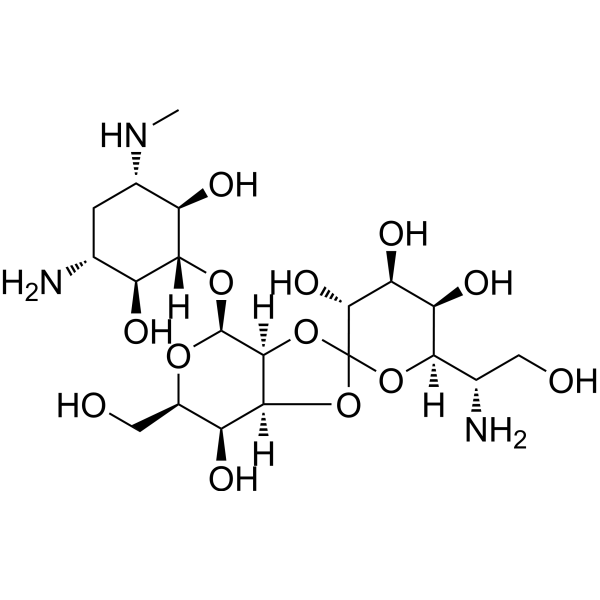
HY-B0490
Hygromycin BAntibiotic -
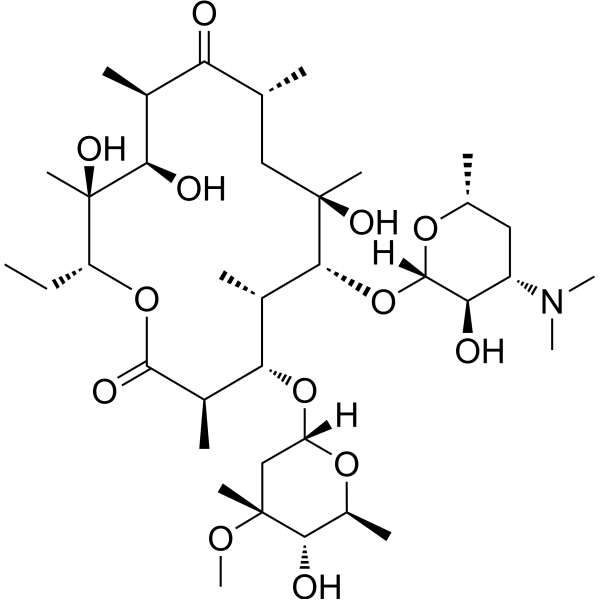
HY-B0220
ErythromycinAntibiotic -
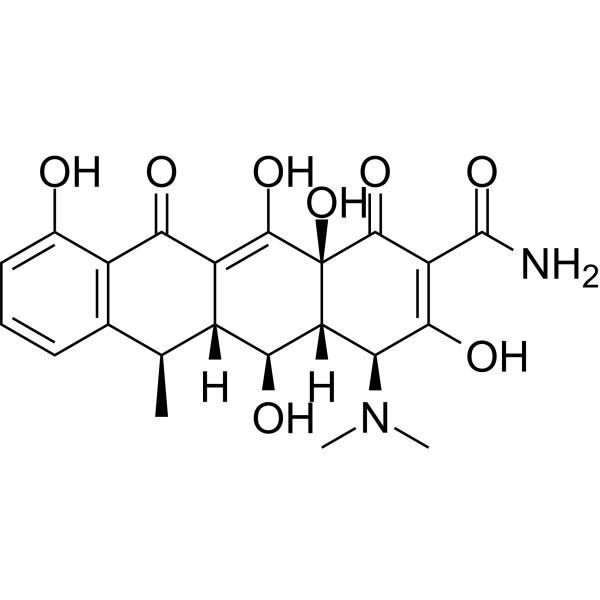
HY-N0565
DoxycyclineMMP Inhibitor -
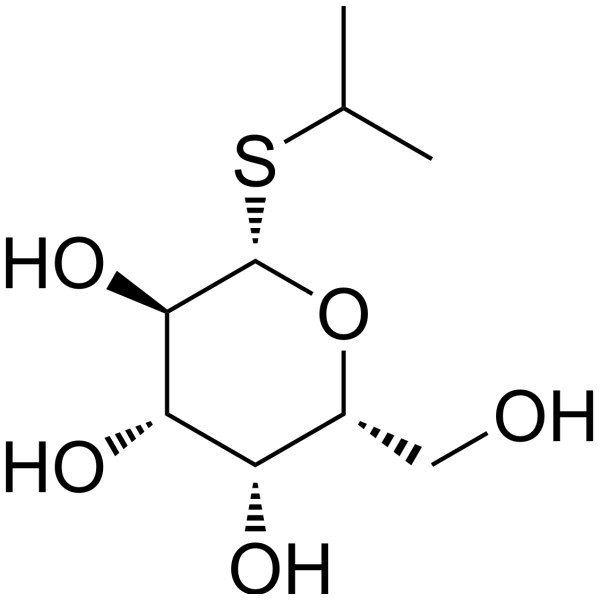
HY-15921
IPTGAllolactose Mimic
Publications Citing Use of MedChemExpress (MCE) Chloramphenicol
More- Exploration. 2025 Dec 18;5(6):20240396. [Abstract]
- Nat Commun. 2022 Mar 2;13(1):1116. [Abstract]
- Theranostics. 2022 Jan 1;12(3):1187-1203. [Abstract]
- J Biomed Sci. 2024 May 13;31(1):50. [Abstract]
- Sci Adv. 2023 Feb 17;9(7):eade4770. [Abstract]
- Mol Psychiatry. 2026 Mar 7. [Abstract]
- Food Chem X. 2026 Feb 8:34:103646. [Abstract]
- Emerg Contam. 2026 Feb 23.
- Clin Transl Med. 2026 May;16(5):e70683. [Abstract]
- Cell Rep. 2025 Aug 12;44(8):116147. [Abstract]
- Anal Chem. 2025 Jun 3;97(21):11099-11109. [Abstract]
- Environ Pollut. 2020 Feb:257:113614. [Abstract]
- Microb Biotechnol. 2021 Nov;14(6):2538-2551. [Abstract]
- Cell Rep Methods. 2023 Oct 23;3(10):100599. [Abstract]
- Front Microbiol. 2020 Feb 14:11:196. [Abstract]
- Int J Mol Sci. 2026 Jul 22;27(14):6515.
- Int J Antimicrob Agents. 2025 Oct;66(4):107551. [Abstract]
- Sci Rep. 2026 Jul 26.
- Aquat Toxicol. 2025 Mar:280:107284. [Abstract]
- Antibodies. 2026 Aug;15(4):52.
 Customer Validation & Images

-
WB
-
IF
All Antibiotic Isoforms
MoreAll VEGFR Isoforms
More

Biological Activity
Description
IC50 & Target
|
JNK |
MMP13 |
Cellular Effect
|
Cell Line

|
Type | Value | Description | References |
|---|---|---|---|---|
| HeLa | IC50 |
>400 μg/mL
Compound: Chloramphenicol
|
Antiproliferative effect against HeLa cells after 48 hrs
Antiproliferative effect against HeLa cells after 48 hrs
|
[PMID: 17088489] |
| HeLa | IC50 |
340 μg/mL
Compound: Chloramphenicol
|
Inhibition of metabolic activity in HeLa cells assessed as MTT reduction after 48 hrs
Inhibition of metabolic activity in HeLa cells assessed as MTT reduction after 48 hrs
|
[PMID: 17088489] |
| L02 | IC50 |
>64 μg/mL
Compound: CL
|
Cytotoxicity against human L02 cells assessed as inhibition of cell growth incubated for 24 hrs by MTT assay
Cytotoxicity against human L02 cells assessed as inhibition of cell growth incubated for 24 hrs by MTT assay
|
[PMID: 38096652] |
| MG-63 | IC50 |
>400 μg/mL
Compound: Chloramphenicol
|
Antiproliferative effect against MG63 cells assessed as BrdU incorporation into DNA after 48 hrs after 48 hrs
Antiproliferative effect against MG63 cells assessed as BrdU incorporation into DNA after 48 hrs after 48 hrs
|
[PMID: 17088489] |
| MG-63 | IC50 |
400 μg/mL
Compound: Chloramphenicol
|
Inhibition of metabolic activity in MG63 cells assessed as MTT reduction after 48 hrs
Inhibition of metabolic activity in MG63 cells assessed as MTT reduction after 48 hrs
|
[PMID: 17088489] |
| Osteoblast | IC50 |
>400 μg/mL
Compound: Chloramphenicol
|
Inhibition of metabolic activity in primary human osteoblasts assessed as MTT reduction after 48 hrs
Inhibition of metabolic activity in primary human osteoblasts assessed as MTT reduction after 48 hrs
|
[PMID: 17088489] |
| Osteoblast | IC50 |
230 μg/mL
Compound: Chloramphenicol
|
Antiproliferative effect against primary human osteoblasts assessed as BrdU incorporation into DNA after 48 hrs
Antiproliferative effect against primary human osteoblasts assessed as BrdU incorporation into DNA after 48 hrs
|
[PMID: 17088489] |
In Vitro
Chloramphenicol (1-100 μg/mL, 18-24 h) inhibits the HIF-1α pathway in NSCLC cells in a concentration-dependent manner[1].
Chloramphenicol (100 μg/mL, 0-24 h) induces autophagy in NSCLC cells, substantially increases the levels of autophagic biomarkers (beclin-1, Atg12-Atg5 conjugates, and LC3-II)[1].
Chloramphenicol induces abnormal differentiation and inhibits apoptosis in activated T cells[2].
Chloramphenicol can inhibit both bacterial and mitochondrial protein synthesis, causing mitochondrial stress and decreased ATP biosynthesis[3].
chloramphenicol (1-100 μg/mL) can induce matrix metalloproteinase (MMP)-13 expression and increase MMP-13 protein[3].
chloramphenicol (1-100 μg/mL) can activate c-Jun N-terminal kinases (JNK) and phosphatidylinositol 3-kinase (PI-3K)/Akt signaling, leading to c-Jun protein phosphorylation[3].
Chloramphenicol acts primarily on the 50S subunit of bacterial 70S rihosomes and inhibits peptide bond formation by suppressing peptidyl transferase activity[5].
MedChemExpress (MCE) has not independently confirmed the accuracy of these methods. They are for reference only.
-
Cell Line:A549 and H1299 cells
-
Concentration:0, 1, 10, 100 μg/mL
-
Incubation Time:3 h and 24 h
-
Result:In the 3-h-treated group, the viability of A549 and H1299 cells at 100 μg/mL concentration was 97.0 ± 3.9% and 98.1 ± 5.0%, respectively. The viability of A549 cells was 102.9 ± 1.3% and 99.2 ± 0.9%, whereas the viability of H1299 cells was 103.3 ± 1.9% and 93.8 ± 4.5%, under hypoxia and treatment with CoCl2, respectively.
-
Cell Line:A549 and H1299 cells
-
Concentration:0, 1, 10, 50, 100 μg/mL
-
Incubation Time:18-24 h
-
Result:Inhibited HIF-1α protein accumulation in NSCLC cells in a concentration-dependent manner, while the expression levels of ARNT remained unaltered. Had no effect on CoCl2 (250 μM, 3 h treatment)-mediated HIF-1α protein accumulation and SENP-1 protein reduction.
-
Cell Line:A549 and H1299 cells
-
Concentration:100 μg/mL
-
Incubation Time:0, 6, 12, 24 h
-
Result:Induced autophagy in NSCLC cells in a time-dependent manner. Upregulats the expression of beclin-1 and increased the levels of Atg12-Atg5 conjugates in both NSCLC cell lines, both in a time dependent and concentration-dependent manner. Augmented LC3-II and downregulated p62/STSQM1 in A549 cells. Induced an augmentation of p62/STSQM1, and a decrease in LC3-II levels in H1299 cells.
In Vivo
MedChemExpress (MCE) has not independently confirmed the accuracy of these methods. They are for reference only.
-
Animal Model:Female B6C3F1 mice (12-14 weeks old)[4]
-
Dosage:0, 2500 and 3500 mg/kg
-
Administration:Gavage, daily, for 5 days
-
Result:Cessation of erythropoiesis was evident at day 1 post-dosing. A recovery was seen at day 7 post-dosing at the 2500 mg/kg dose level and at between 7 and 14 days at the 3500 mg/kg dose level. Myelotoxicity was most pronounced in the erythroid series at each dose level. Depressed femoral marrow BFU-E and CFU-E at day 1 post-dosing. All the blood and marrow parameters in the present study returned to normal by 14 days post-dosing.
Clinical Trial
| NCT Number | Sponsor | Condition | Start Date |
Phase
|
|---|---|---|---|---|
| NCT01329991 | Plexxikon| | 2011-05 | PHASE1 |


Chemical Information
-
CAS No. 56-75-7
-
Appearance Solid
-
Molecular Weight 323.13
-
Formula C11H12Cl2N2O5
-
Color White to off-white
-
SMILES
O=C(N[C@H](CO)[C@H](O)C1=CC=C([N+]([O-])=O)C=C1)C(Cl)Cl
-
Initial Source
-
Shipping
Room temperature in continental US; may vary elsewhere.
-
Storage
Powder -20°C 3 years 4°C 2 years * The compound is unstable in solutions, freshly prepared is recommended.


Publications (20)
-
Journal Impact Factor
-
Most Recent
-
Exploration
A Bioorthogonal and Programmable Bacterial Delivery System for Spatiotemporally Targeted Therapy of Solid Tumors. [Abstract]2025 Dec 18;5(6):20240396. PMID: 41476656 -
Nat Commun
Antimicrobial resistance and population genomics of multidrug-resistant Escherichia coli in pig farms in mainland China. [Abstract]2022 Mar 2;13(1):1116. PMID: 35236849 -
Theranostics
Antibiotic Azithromycin inhibits brown/beige fat functionality and promotes obesity in human and rodents. [Abstract]2022 Jan 1;12(3):1187-1203. PMID: 35154482 -
J Biomed Sci
A G-quadruplex-binding platinum complex induces cancer mitochondrial dysfunction through dual-targeting mitochondrial and nuclear G4 enriched genome. [Abstract]2024 May 13;31(1):50. PMID: 38741159
Chloramphenicol purchased from MedChemExpress. Usage Cited in: J Biomed Sci. 2024 May 13;31(1):50. [Abstract]
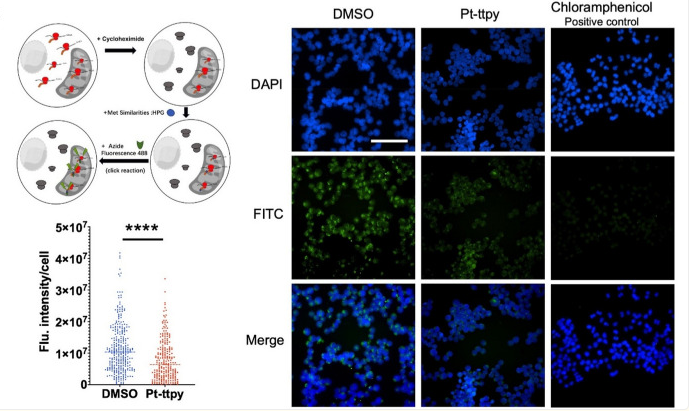
Left up: Schematic illustration of studying flow of mt ribosome function by the Click-chemistry based IF assay. Left: down: Single-cell quantification showed Pt-ttpy significantly inhibited mitochondrial translation, DMSO group (> 200), Pt-ttpy group (n > 200). Data represents three independent experiments. Right: represented figures of fluorescent imaging of the mitochondria under Pt-ttpy and DMSO treatments. A Positive control of blocking the synthesis of mitochondrial proteins by Chloramphenicol (80 µg/mL) was also presented. Line indicates the median Flu. intensity value, P values were calculated toward the DMSO group: *P < 0.05, **P < 0.01, ****P < 0.0001, unpaired t-Student test
-
Sci Adv
Imaging of Escherichia coli K5 and glycosaminoglycan precursors via targeted metabolic labeling of capsular polysaccharides in bacteria. [Abstract]2023 Feb 17;9(7):eade4770. PMID: 36800421 -
Mol Psychiatry
Correction of eIF4E overactivation rescues translatome imbalance and core ASD-like behaviors in valproic acid-induced offspring mice. [Abstract]2026 Mar 7. PMID: 41795048 -
Food Chem X
Machine learning prioritization of antibiotic residues in aquatic foods reveals exposure-driven genotoxic risk mediated by BCL2. [Abstract]2026 Feb 8:34:103646. PMID: 41756597 -
-
Clin Transl Med
Niacin promotes motor function recovery after spinal cord injury via Hcar2-dependent microglia immunometabolic regulation. [Abstract]2026 May;16(5):e70683. PMID: 42068080 -
Cell Rep
SUCLG1 deficiency-induced histone succinylation impairs oncogene expression in acute myeloid leukemia. [Abstract]2025 Aug 12;44(8):116147. PMID: 40811057
Chloramphenicol purchased from MedChemExpress. Usage Cited in: Cell Rep. 2025 Aug 12;44(8):116147. [Abstract]
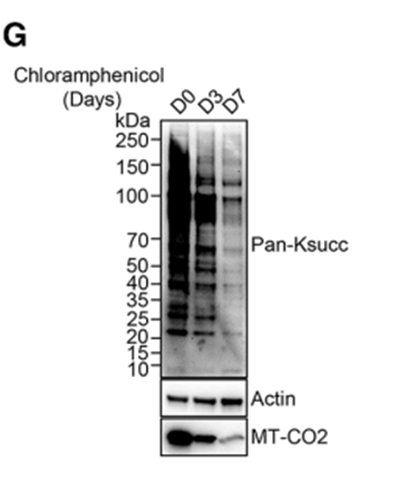
Immunoblot analysis of lysine succinylation in MOLM13 cells treated with 0.5 mM Chloramphenicol for the indicated number of days. MT-CO2 was probed to assess the effect of chloramphenicol treatment.
-
Anal Chem
Exposome-Scale Investigation of Cl-/Br-Containing Chemicals Using High-Resolution Mass Spectrometry, Multistage Machine Learning, and Cloud Computing. [Abstract]2025 Jun 3;97(21):11099-11109. PMID: 40401576 -
Environ Pollut
Impact of atrazine concentration on bioavailability and apparent isotope fractionation in Gram-negative Rhizobium sp. CX-Z. [Abstract]2020 Feb:257:113614. PMID: 31761577 -
Microb Biotechnol
Attenuator LRR - a regulatory tool for modulating gene expression in Gram-positive bacteria. [Abstract]2021 Nov;14(6):2538-2551. PMID: 33720523 -
Cell Rep Methods
RECOVER identifies synergistic drug combinations in vitro through sequential model optimization. [Abstract]2023 Oct 23;3(10):100599. PMID: 37797618 -
Front Microbiol
Radezolid Is More Effective Than Linezolid Against Planktonic Cells and Inhibits Enterococcus faecalis Biofilm Formation. [Abstract]2020 Feb 14:11:196. PMID: 32117185 -
-
Int J Antimicrob Agents
Elucidating adaptive compensatory tigecycline resistance mechanisms of RamA, RarA and SoxS in Klebsiella pneumoniae. [Abstract]2025 Oct;66(4):107551. PMID: 40499596 -
-
Aquat Toxicol
Antibacterials exert toxic effects on aquatic organisms by inhibiting respiration, inducing oxidative stress, mitochondrial dysfunction and autophagy. [Abstract]2025 Mar:280:107284. PMID: 39951902 -


Solvent & Solubility
In Vitro:
DMSO : ≥ 150 mg/mL (464.21 mM; Hygroscopic DMSO has a significant impact on the solubility of product, please use newly opened DMSO)
Ethanol : 100 mg/mL (309.47 mM; Need ultrasonic)
H2O : 3.06 mg/mL (9.47 mM; Need ultrasonic)
* "≥" means soluble, but saturation unknown.
Please refer to the solubility information to select the appropriate solvent. The compound is unstable in solutions, freshly prepared is recommended.
* Note: If you choose water as the stock solution, please dilute it to the working solution, then filter and sterilize it with a 0.22 μm filter before use.
Please refer to the solubility information to select the appropriate solvent. The compound is unstable in solutions, freshly prepared is recommended.
* Note: If you choose water as the stock solution, please dilute it to the working solution, then filter and sterilize it with a 0.22 μm filter before use.
Concentration (start) × Volume (start) = Concentration (final) × Volume (final)
In Vivo:
Select the appropriate dissolution method based on your experimental animal and administration route.
- For the following dissolution methods, please ensure to first prepare a clear stock solution using an In Vitro approach and then sequentially add co-solvents:
- To ensure reliable experimental results, the clarified stock solution can be appropriately stored based on storage conditions. As for the working solution for In Vivo experiments, it is recommended to prepare freshly and use it on the same day.
- The percentages shown for the solvents indicate their volumetric ratio in the final prepared solution. If precipitation or phase separation occurs during preparation, heat and/or sonication can be used to aid dissolution.
Add each solvent one by one: 10% DMSO 40% PEG300 5% Tween-80 45% Saline
Solubility: ≥ 2.5 mg/mL (7.74 mM); Clear solution
This protocol yields a clear solution of ≥ 2.5 mg/mL (saturation unknown).
Taking 1 mL working solution as an example, add 100 μL DMSO stock solution (25.0 mg/mL) to 400 μL PEG300, and mix evenly; then add 50 μL Tween-80 and mix evenly; then add 450 μL Saline to adjust the volume to 1 mL.
Preparation of Saline: Dissolve 0.9 g sodium chloride in ddH₂O and dilute to 100 mL to obtain a clear Saline solution.
Add each solvent one by one: 10% DMSO 90% (20% SBE-β-CD in Saline)
Solubility: ≥ 2.5 mg/mL (7.74 mM); Clear solution
This protocol yields a clear solution of ≥ 2.5 mg/mL (saturation unknown).
Taking 1 mL working solution as an example, add 100 μL DMSO stock solution (25.0 mg/mL) to 900 μL 20% SBE-β-CD in Saline, and mix evenly.
Preparation of 20% SBE-β-CD in Saline (4°C, storage for one week): 2 g SBE-β-CD powder is dissolved in 10 mL Saline, completely dissolve until clear.
Add each solvent one by one: 10% EtOH 40% PEG300 5% Tween-80 45% Saline
Solubility: ≥ 2.5 mg/mL (7.74 mM); Clear solution
This protocol yields a clear solution of ≥ 2.5 mg/mL (saturation unknown).
Taking 1 mL working solution as an example, add 100 μL EtOH stock solution (25.0 mg/mL) to 400 μL PEG300, and mix evenly; then add 50 μL Tween-80 and mix evenly; then add 450 μL Saline to adjust the volume to 1 mL.
Preparation of Saline: Dissolve 0.9 g sodium chloride in ddH₂O and dilute to 100 mL to obtain a clear Saline solution.
Add each solvent one by one: 10% EtOH 90% (20% SBE-β-CD in Saline)
Solubility: ≥ 2.5 mg/mL (7.74 mM); Clear solution
This protocol yields a clear solution of ≥ 2.5 mg/mL (saturation unknown).
Taking 1 mL working solution as an example, add 100 μL EtOH stock solution (25.0 mg/mL) to 900 μL 20% SBE-β-CD in Saline, and mix evenly.
Preparation of 20% SBE-β-CD in Saline (4°C, storage for one week): 2 g SBE-β-CD powder is dissolved in 10 mL Saline, completely dissolve until clear.
Add each solvent one by one: 10% EtOH 90% Corn Oil
Solubility: ≥ 2.5 mg/mL (7.74 mM); Clear solution
This protocol yields a clear solution of ≥ 2.5 mg/mL (saturation unknown). If the continuous dosing period exceeds half a month, please choose this protocol carefully.
Taking 1 mL working solution as an example, add 100 μL EtOH stock solution (25.0 mg/mL) to 900 μL Corn oil, and mix evenly.
For the following dissolution methods, please prepare the working solution directly:
It is recommended to prepare fresh solutions and use them promptly within a short period of time.
The percentages shown for the solvents indicate their volumetric ratio in the final prepared solution. If precipitation or phase separation occurs during preparation, heat and/or sonication can be used to aid dissolution.
Add each solvent one by one: PBS
Solubility: 2.5 mg/mL (7.74 mM); Clear solution; Need ultrasonic
In Vivo Dissolution Calculator
Please enter the basic information of animal experiments:
-
-
-
-
Recommended: Prepare an additional quantity of animals to account for potential losses during experiments.
Please enter your animal formula composition:
-
%DMSO +
Recommended: Keep the proportion of DMSO in working solution below 2% if your animal is weak.
-
%+
-
+%Tween-80 + +
-
%Saline +
The co-solvents required include: DMSO, . All of co-solvents are available by MedChemExpress (MCE). , Tween 80. All of co-solvents are available by MedChemExpress (MCE).
Working solution concentration: 0.22 mg/mL
Method for preparing stock solution: mg drug dissolved in μL DMSO. Stock solution concentration: mg/mL. * The compound is unstable in solutions, freshly prepared is recommended.
1. Take μL DMSO stock solution;
2. Add μL .
μL , mix evenly;
3. Then add μL Tween 80, mix evenly;
4. Then add μL
Please ensure that the stock solution in the first step is dissolved to a clear state, and add co-solvents in sequence. You can use ultrasonic heating (ultrasonic cleaner, recommended frequency 20-40 kHz), vortexing, etc. to assist dissolution.


Purity & Documentation
-
Data Sheet (284 KB)
-
SDS (580 KB)
- English - EN (580 KB)
- Français - FR (580 KB)
- Deutsch - DE (580 KB)
- Norwegian - NO (580 KB)
- Español - ES (580 KB)
- Swedish - SV (580 KB)
- Italian - IT (580 KB)
- Korean - KR (580 KB)
- Portuguese - PT (580 KB)
-
Handling Instructions (2659 KB)
References
[1]. Hsu HL, et al. Chloramphenicol Induces Autophagy and Inhibits the Hypoxia Inducible Factor-1 Alpha Pathway in Non-Small Cell Lung Cancer Cells. Int J Mol Sci. 2019 Jan 3;20(1):157. [Content Brief]
[2]. Yuan ZR, et al. Chloramphenicol induces abnormal differentiation and inhibits apoptosis in activated T cells. Cancer Res. 2008 Jun 15;68(12):4875-81. [Content Brief]
[3]. Li CH, et al. Chloramphenicol causes mitochondrial stress, decreases ATP biosynthesis, induces matrix metalloproteinase-13 expression, and solid-tumor cell invasion. Toxicol Sci. 2010 Jul;116(1):140-50. [Content Brief]
[4]. Turton JA, et al. Characterization of the myelotoxicity of chloramphenicol succinate in the B6C3F1 mouse. Int J Exp Pathol. 2006 Apr;87(2):101-12. [Content Brief]
[5]. Bartlett JG. Chloramphenicol. Med Clin North Am. 1982;66(1):91-102. [Content Brief]


Complete Stock Solution Preparation Table
Please refer to the solubility information to select the appropriate solvent. The compound is unstable in solutions, freshly prepared is recommended.
| Optional Solvent | Concentration Solvent Mass | 1 mg | 5 mg | 10 mg | 25 mg |
|---|---|---|---|---|---|
| H2O / Ethanol / DMSO | 1 mM | 3.0947 mL | 15.4736 mL | 30.9473 mL | 77.3682 mL |
| 5 mM | 0.6189 mL | 3.0947 mL | 6.1895 mL | 15.4736 mL | |
| Ethanol / DMSO | 10 mM | 0.3095 mL | 1.5474 mL | 3.0947 mL | 7.7368 mL |
| 15 mM | 0.2063 mL | 1.0316 mL | 2.0632 mL | 5.1579 mL | |
| 20 mM | 0.1547 mL | 0.7737 mL | 1.5474 mL | 3.8684 mL | |
| 25 mM | 0.1238 mL | 0.6189 mL | 1.2379 mL | 3.0947 mL | |
| 30 mM | 0.1032 mL | 0.5158 mL | 1.0316 mL | 2.5789 mL | |
| 40 mM | 0.0774 mL | 0.3868 mL | 0.7737 mL | 1.9342 mL | |
| 50 mM | 0.0619 mL | 0.3095 mL | 0.6189 mL | 1.5474 mL | |
| 60 mM | 0.0516 mL | 0.2579 mL | 0.5158 mL | 1.2895 mL | |
| 80 mM | 0.0387 mL | 0.1934 mL | 0.3868 mL | 0.9671 mL | |
| 100 mM | 0.0309 mL | 0.1547 mL | 0.3095 mL | 0.7737 mL |
* Note: If you choose water as the stock solution, please dilute it to the working solution, then filter and sterilize it with a 0.22 μm filter before use.


Chloramphenicol Related Classifications
HY-B0239 Related Classifications
 Powered by Bioz