



SHIN1
Based on 26 publication(s) in Google Scholar
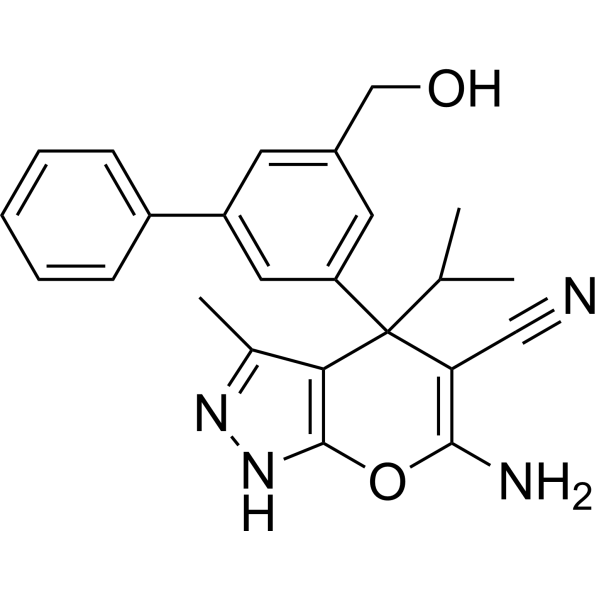
SHIN1 (RZ-2994) is a human serine hydroxymethyltransferse 1 and 2 (SHMT1/2) inhibitor with IC50s of 5 and 13 nM, respectively, in an in vitro assay.
For research use only. We do not sell to patients.
- Purity : 98.63%
- CAS No.: 2146095-85-2
- Formula: C24H24N4O2
- Molecular Weight:400.47
-
Storage:Powder -20°C, 3 years , 4°C, 2 years ; In solvent -80°C, 2 years , -20°C, 1 year

To place orders, for customer services and technical support, please contact: MedChemExpress USA
Tel: 609-228-6898 E-mail: [email protected] [email protected]


-
 Biological Activity
-
Chemical Information
-
Solvent & Solubility
- Purity & Documentation
- References
-
 Help & FAQs


-
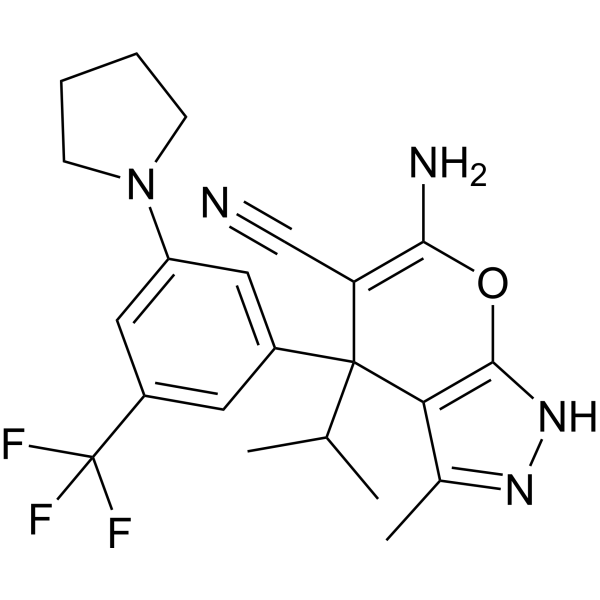
HY-129226
SHMT-IN-2SHMT1/2 Inhibitor -
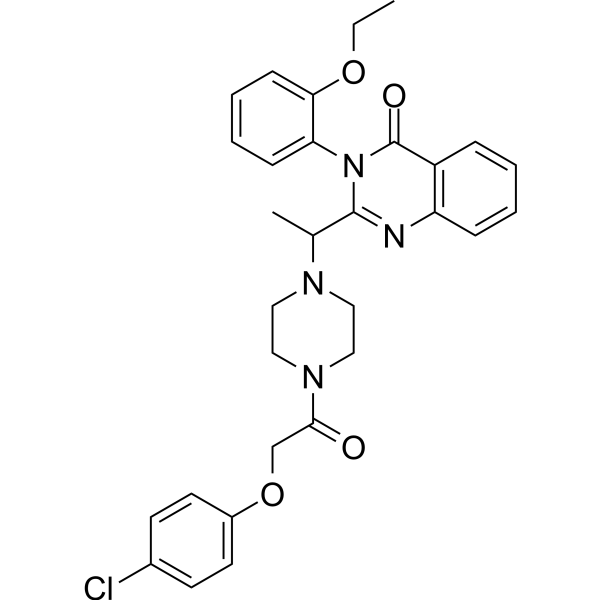
HY-15763
ErastinFerroptosis Inducer -
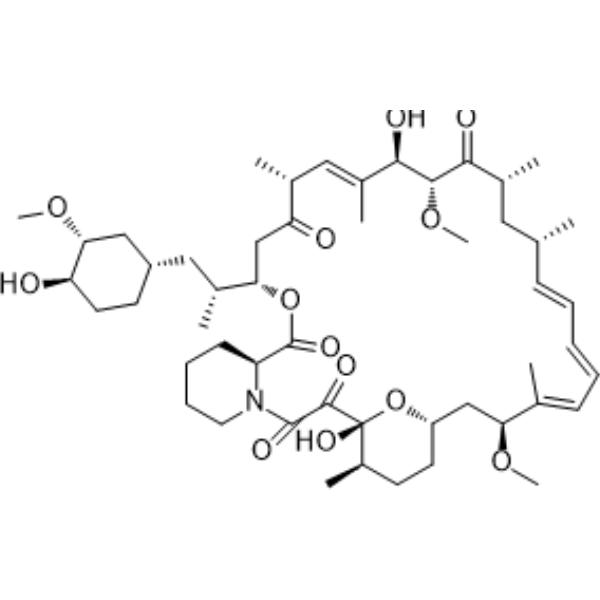
HY-10219
RapamycinmTOR Inhibitor -
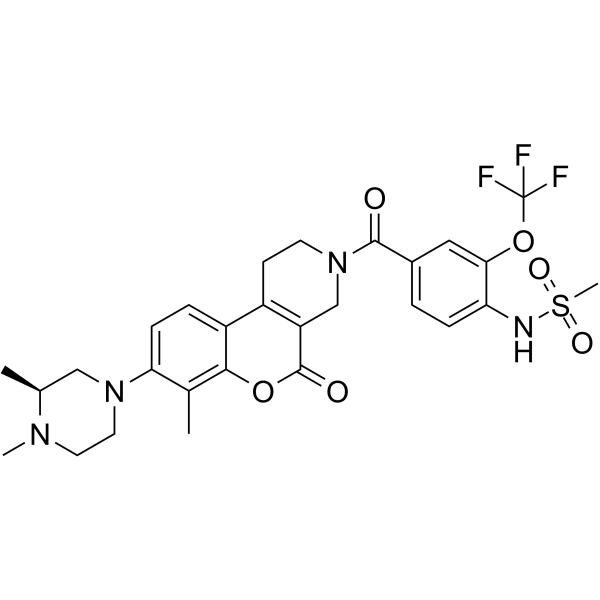
HY-130251
DS18561882MTHFD2 Inhibitor -
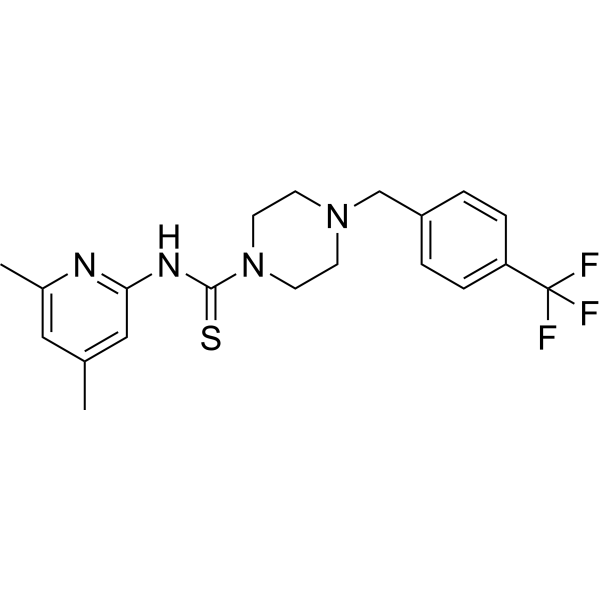
HY-101966
NCT-503PHGDH Inhibitor -

HY-K0301
Cell Counting Kit-8 -
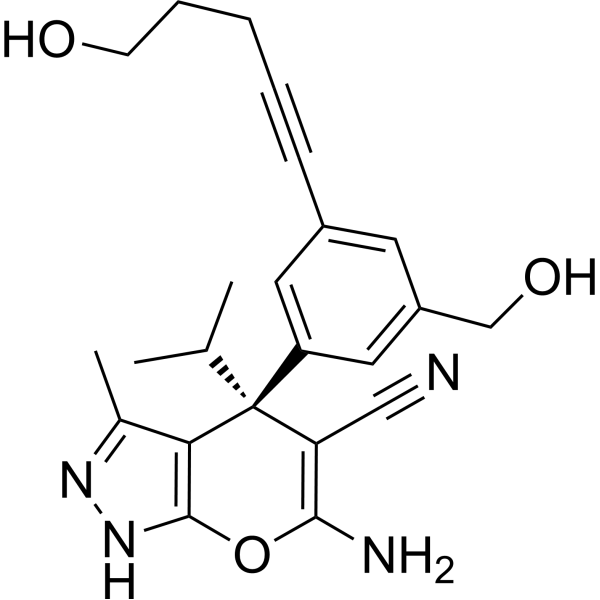
HY-134978A
(+)SHIN2SHMT Inhibitor -
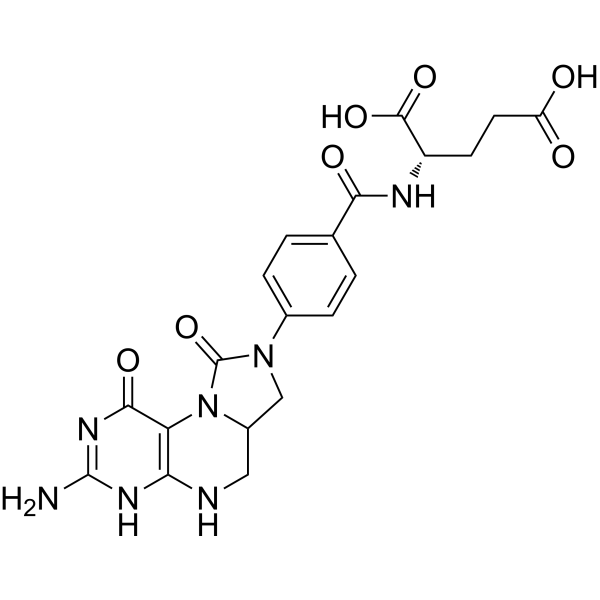
HY-101943
LY 345899MTHFD1/2 Inhibitor -
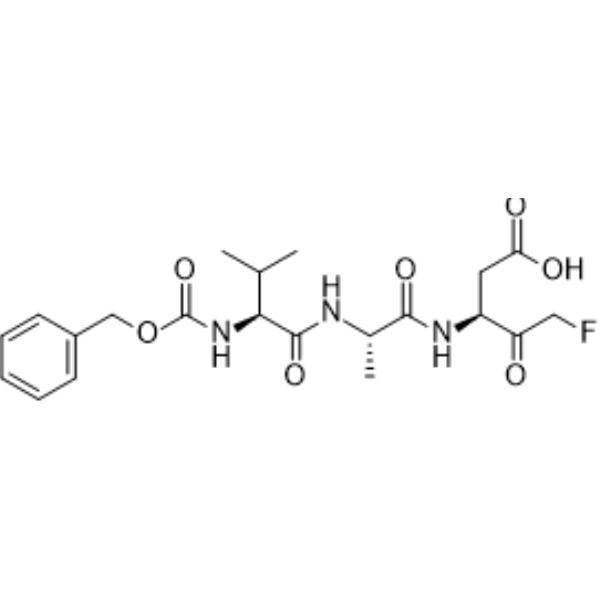
HY-16658B
Z-VAD-FMKPan-Caspase Inhibitor -
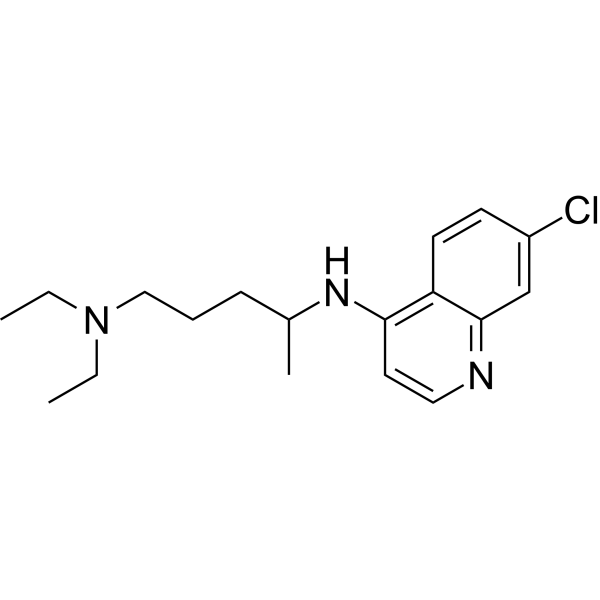
HY-17589A
ChloroquineAntimalarial Agent -
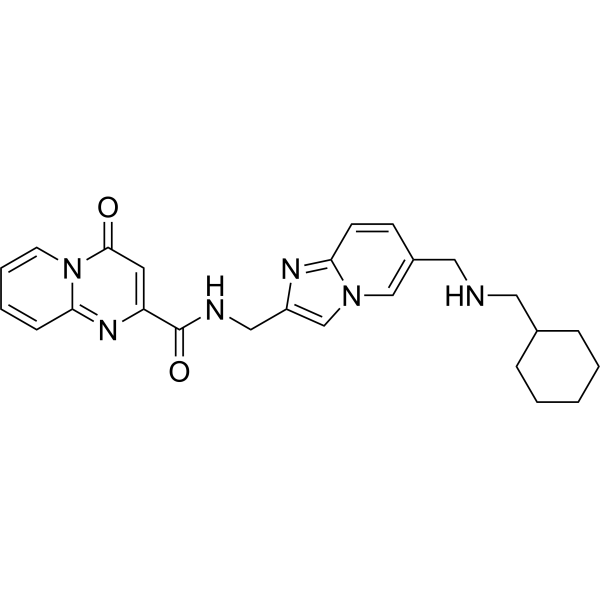
HY-134836
STM2457METTL3 Inhibitor -
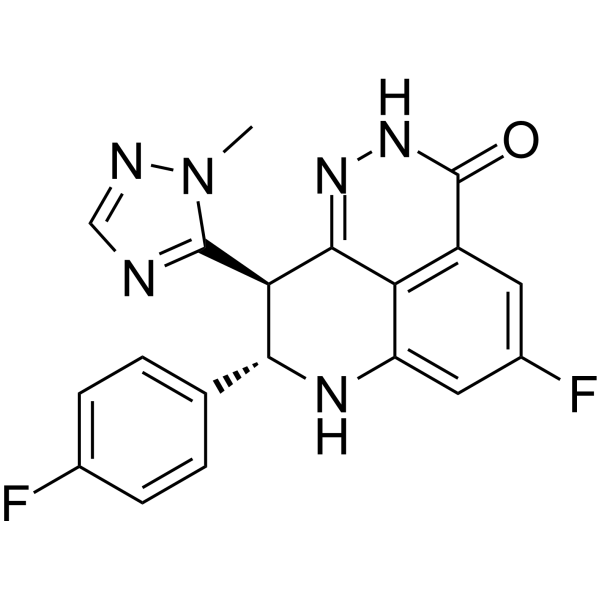
HY-16106
TalazoparibPARP Inhibitor
Publications Citing Use of MedChemExpress (MCE) SHIN1
More- Mol Cancer. 2025 Nov 20;24(1):295. [Abstract]
- Nat Metab. 2024 Jul;6(7):1310-1328. [Abstract]
- Cell Mol Immunol. 2023 Jul;20(7):794-807. [Abstract]
- Mol Cell. 2025 Jul 17;85(14):2759-2775.e12. [Abstract]
- Mol Cell. 2023 Nov 16;83(22):4123-4140.e12. [Abstract]
- Mol Cell. 2019 Sep 19;75(6):1147-1160.e5. [Abstract]
- J Clin Invest. 2026 Mar 10;136(9):e196094. [Abstract]
- J Clin Invest. 2023 Jul 3;133(13):e169993. [Abstract]
- Sci Adv. 2022 Dec 16;8(50):eabm7902. [Abstract]
- Cell Death Dis. 2026 Sep 11.
- Cell Death Discov. 2026 May 8;12(1):289. [Abstract]
- Free Radic Biol Med. 2026 Nov:255:872-883.
- Cell Mol Life Sci. 2024 Aug 13;81(1):349. [Abstract]
- Cancer Metab. 2020 Sep 21:8:20. [Abstract]
- Commun Biol. 2022 Jun 23;5(1):619. [Abstract]
- J Biol Chem. 2023 Jul;299(7):104909. [Abstract]
- J Reprod Dev. 2025 Feb 5;71(1):55-61. [Abstract]
- Wayne State University. 2026.
- Harvard University. 2026.
- Res Sq. 2026 Jun 15.
- Res Sq. 2026 Mar 5.
- bioRxiv. 2025 July 11.
- Biomed Pharmacother. 2024 Nov:180:117606. [Abstract]
- bioRxiv. 2024 Jun 28:2024.06.23.600101. [Abstract]
- Research Square Preprint. 2023 Jul 7.
- Research Square Preprint. 2023 Mar 29.
 Customer Validation & Images

-
Cell Imaging/Staining
-
Cell Proliferation/Viability Assay
-
In Vivo Efficacy Study
-
Bio/Physico-chemical Assay
-
Histological Imaging/Staining


Biological Activity
Description
IC50 & Target
IC50: 5 nM (SHMT1), 13 nM (SHMT2)[1]
In Vitro
SHIN1 (RZ-2994) inhibits human SHIN1 SHMT1/2 with IC50s of 5 and 13 nM, respectively in an in vitro assay. SHIN1 inhibits the growth of SHMT2 deletion HCT-116 cells with an IC50 of 10 nM. SHIN1 (RZ-2994) inhibits SHMT1/2 in HCT-116 cells. SHIN1 (RZ-2994) is particularly active against B-cell malignancies. SHIN1 blocks cell growth through a progressive depletion of purines, leading to loss of nucleotide triphosphates[1].
MedChemExpress (MCE) has not independently confirmed the accuracy of these methods. They are for reference only.


Chemical Information
-
CAS No. 2146095-85-2
-
Appearance Solid
-
Molecular Weight 400.47
-
Formula C24H24N4O2
-
Color White to off-white
-
SMILES
OCC1=CC(C2=CC=CC=C2)=CC(C3(C(C(C)=NN4)=C4OC(N)=C3C#N)C(C)C)=C1
-
Synonyms
RZ-2994
-
Shipping
Room temperature in continental US; may vary elsewhere.
-
Storage
Powder -20°C 3 years 4°C 2 years In solvent -80°C 2 years -20°C 1 year


Publications (26)
-
Journal Impact Factor
-
Most Recent
-
Mol Cancer
ZNF526 drives tumor growth by enhancing SHMT1-dependent serine metabolism and antioxidant capability in TNBC. [Abstract]2025 Nov 20;24(1):295. PMID: 41267037
SHIN1 purchased from MedChemExpress. Usage Cited in: Mol Cancer. 2025 Nov 20;24(1):295. [Abstract]
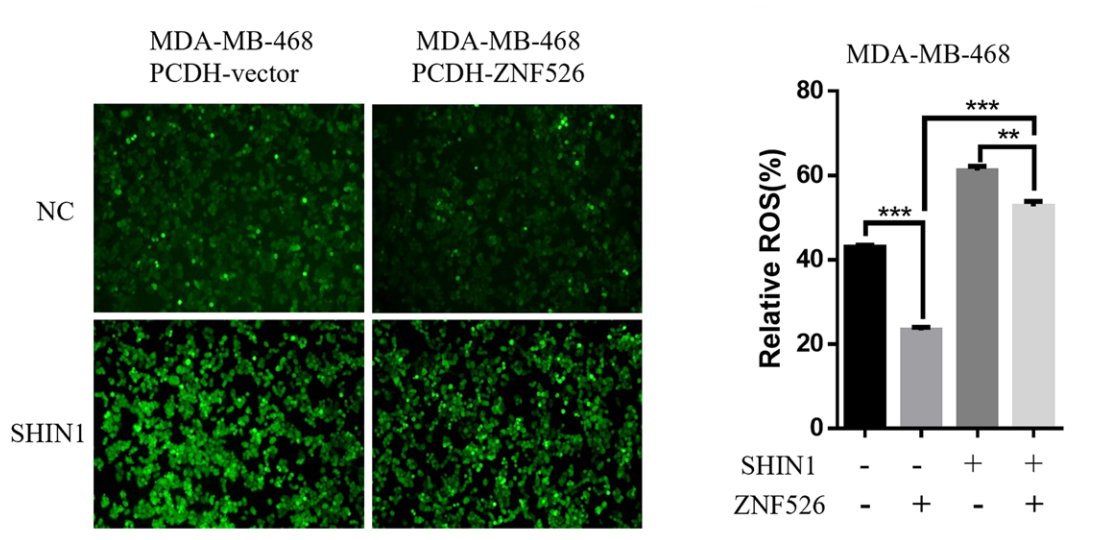
SHIN1 (10 nM; 48 h) impaired ZNF526's ability to suppress ROS levels in MDA-MB-468 cells.
SHIN1 purchased from MedChemExpress. Usage Cited in: Mol Cancer. 2025 Nov 20;24(1):295. [Abstract]
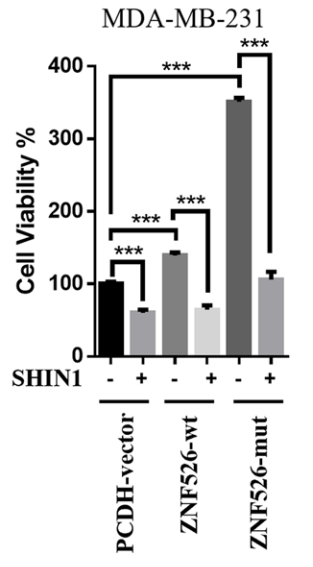
SHIN1 (10 nM; 72 h) profoundly suppressed ZNF526-mediated growth promotion in MDA-MB-231 cells.
-
Nat Metab
Concurrent loss of LKB1 and KEAP1 enhances SHMT-mediated antioxidant defence in KRAS-mutant lung cancer. [Abstract]2024 Jul;6(7):1310-1328. PMID: 38877143
SHIN1 purchased from MedChemExpress. Usage Cited in: Nat Metab. 2024 Jul;6(7):1310-1328. [Abstract]
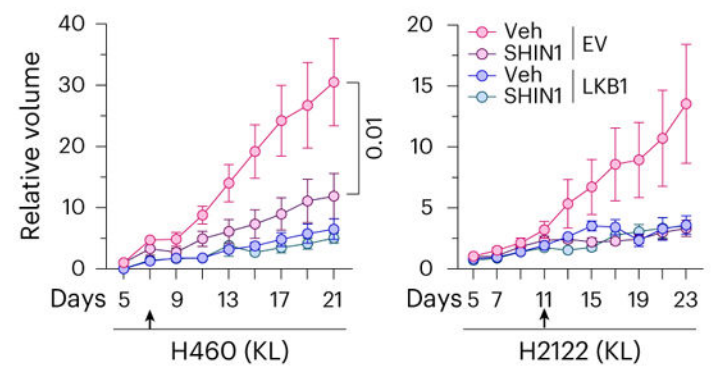
Growth of KL xenografts following treatment with SHIN1 (100 mg/kg; i.p.; once daily) or vehicle (Veh).
SHIN1 purchased from MedChemExpress. Usage Cited in: Nat Metab. 2024 Jul;6(7):1310-1328. [Abstract]
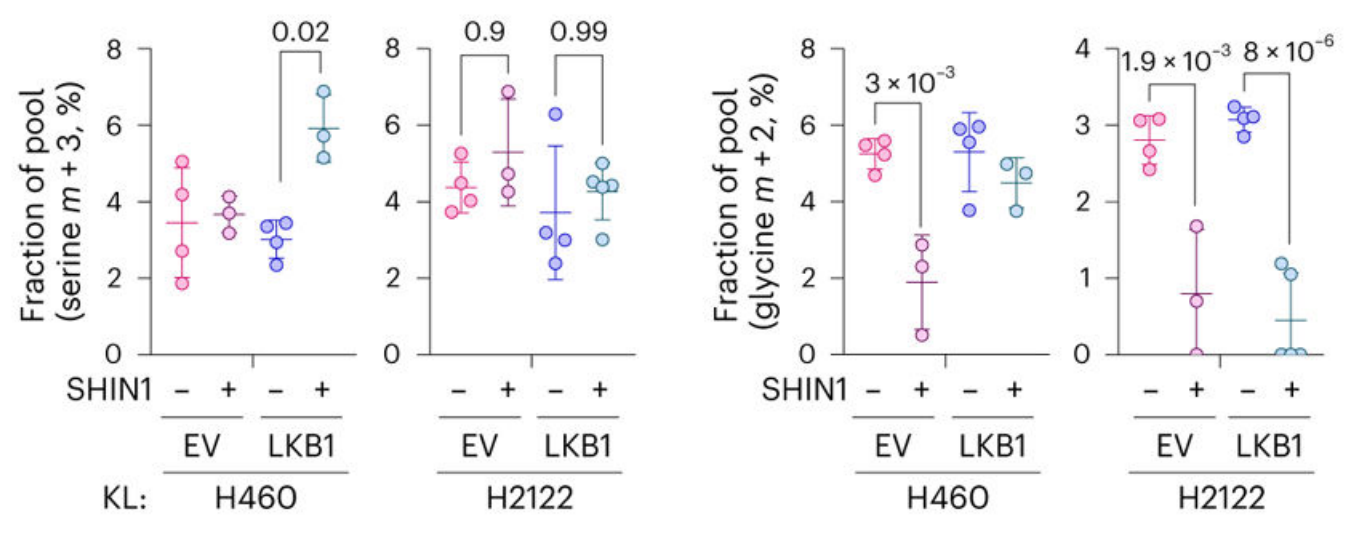
SHIN1 (100 mg/kg; i.p.; once daily) inhibited SHMT activity and decreased incorporation of 13C into glycine from [U-13C] serine in SHIN1-injected mice than in control mice.
SHIN1 purchased from MedChemExpress. Usage Cited in: Nat Metab. 2024 Jul;6(7):1310-1328. [Abstract]
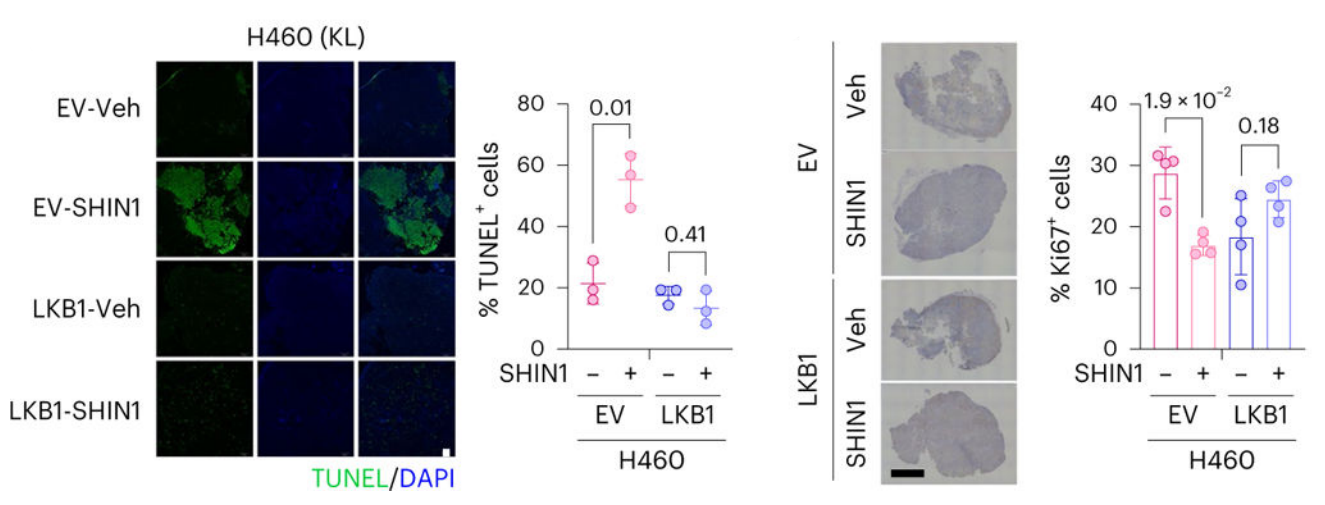
SHIN1 (100 mg/kg; i.p.; once daily) increased apoptosis and decreased proliferation of KL tumours in athymic nude mice.
-
Cell Mol Immunol
2023 Jul;20(7):794-807. PMID: 37217797 -
Mol Cell
Microprotein SMIM26 drives oxidative metabolism via serine-responsive mitochondrial translation. [Abstract]2025 Jul 17;85(14):2759-2775.e12. PMID: 40578345 -
Mol Cell
2023 Nov 16;83(22):4123-4140.e12. PMID: 37848033 -
Mol Cell
One-Carbon Metabolism Supports S-Adenosylmethionine and Histone Methylation to Drive Inflammatory Macrophages. [Abstract]2019 Sep 19;75(6):1147-1160.e5. PMID: 31420217 -
J Clin Invest
SHMT2 deficiency disrupts transcriptional regulation through homocysteine-mediated suppression of histone lactylation in Huntington's disease models. [Abstract]2026 Mar 10;136(9):e196094. PMID: 41805887 -
J Clin Invest
Therapeutic targeting of metabolic vulnerabilities in cancers with MLL3/4-COMPASS epigenetic regulator mutations. [Abstract]2023 Jul 3;133(13):e169993. PMID: 37252797 -
Sci Adv
2022 Dec 16;8(50):eabm7902. PMID: 36525488 -
-
Cell Death Discov
Targeting serine/glycine metabolism to attenuate IFN-γ- and IL-22-driven inflammation and hyperproliferation in psoriasis. [Abstract]2026 May 8;12(1):289. PMID: 42103703 -
-
Cell Mol Life Sci
Lys-63-specific deubiquitinase BRCC36 enhances the sensitivity of multiple myeloma cells to lenalidomide by inhibiting lysosomal degradation of cereblon. [Abstract]2024 Aug 13;81(1):349. PMID: 39136771 -
Cancer Metab
The conversion of formate into purines stimulates mTORC1 leading to CAD-dependent activation of pyrimidine synthesis. [Abstract]2020 Sep 21:8:20. PMID: 32974014 -
Commun Biol
Serine hydroxymethyltransferase as a potential target of antibacterial agents acting synergistically with one-carbon metabolism-related inhibitors. [Abstract]2022 Jun 23;5(1):619. PMID: 35739195 -
J Biol Chem
Mitochondrial folate metabolism-mediated α-linolenic acid exhaustion masks liver fibrosis resolution. [Abstract]2023 Jul;299(7):104909. PMID: 37307917 -
J Reprod Dev
Supplementation with serine-enriched non-essential amino acids from minimum essential medium promotes blastocyst development of in vitro-fertilized bovine embryos. [Abstract]2025 Feb 5;71(1):55-61. PMID: 39756999 -
-
-
-
-
-
Biomed Pharmacother
Cereblon mediates macrophage differentiation and microglial phagocytosis by regulating calpain protease activity. [Abstract]2024 Nov:180:117606. PMID: 39454366 -
bioRxiv
Phosphoglycerate mutase regulates Treg differentiation through control of serine synthesis and one-carbon metabolism. [Abstract]2024 Jun 28:2024.06.23.600101. PMID: 38979375 -
-


Solvent & Solubility
In Vitro:
DMSO : 66.67 mg/mL (166.48 mM; Need ultrasonic; Hygroscopic DMSO has a significant impact on the solubility of product, please use newly opened DMSO)
Please refer to the solubility information to select the appropriate solvent. Once prepared, please aliquot and store the solution to prevent product inactivation from repeated freeze-thaw cycles.
Storage method and period of stock solution: -80°C, 2 years; -20°C, 1 year. When stored at -80°C, please use it within 2 years. When stored at -20°C, please use it within 1 year.
Please refer to the solubility information to select the appropriate solvent. Once prepared, please aliquot and store the solution to prevent product inactivation from repeated freeze-thaw cycles.
Storage method and period of stock solution: -80°C, 2 years; -20°C, 1 year. When stored at -80°C, please use it within 2 years. When stored at -20°C, please use it within 1 year.
Concentration (start) × Volume (start) = Concentration (final) × Volume (final)
In Vivo:
Select the appropriate dissolution method based on your experimental animal and administration route.
- For the following dissolution methods, please ensure to first prepare a clear stock solution using an In Vitro approach and then sequentially add co-solvents:
- To ensure reliable experimental results, the clarified stock solution can be appropriately stored based on storage conditions. As for the working solution for In Vivo experiments, it is recommended to prepare freshly and use it on the same day.
- The percentages shown for the solvents indicate their volumetric ratio in the final prepared solution. If precipitation or phase separation occurs during preparation, heat and/or sonication can be used to aid dissolution.
Add each solvent one by one: 10% DMSO 40% PEG300 5% Tween-80 45% Saline
Solubility: ≥ 1.25 mg/mL (3.12 mM); Clear solution
This protocol yields a clear solution of ≥ 1.25 mg/mL (saturation unknown).
Taking 1 mL working solution as an example, add 100 μL DMSO stock solution (12.5 mg/mL) to 400 μL PEG300, and mix evenly; then add 50 μL Tween-80 and mix evenly; then add 450 μL Saline to adjust the volume to 1 mL.
Preparation of Saline: Dissolve 0.9 g sodium chloride in ddH₂O and dilute to 100 mL to obtain a clear Saline solution.
Add each solvent one by one: 10% DMSO 90% (20% SBE-β-CD in Saline)
Solubility: ≥ 1.25 mg/mL (3.12 mM); Clear solution
This protocol yields a clear solution of ≥ 1.25 mg/mL (saturation unknown).
Taking 1 mL working solution as an example, add 100 μL DMSO stock solution (12.5 mg/mL) to 900 μL 20% SBE-β-CD in Saline, and mix evenly.
Preparation of 20% SBE-β-CD in Saline (4°C, storage for one week): 2 g SBE-β-CD powder is dissolved in 10 mL Saline, completely dissolve until clear.
For the following dissolution methods, please prepare the working solution directly:
It is recommended to prepare fresh solutions and use them promptly within a short period of time.
The percentages shown for the solvents indicate their volumetric ratio in the final prepared solution. If precipitation or phase separation occurs during preparation, heat and/or sonication can be used to aid dissolution.
Add each solvent one by one: 50% PEG300 50% Saline
Solubility: 2.5 mg/mL (6.24 mM); Suspended solution; Need ultrasonic
In Vivo Dissolution Calculator
Please enter the basic information of animal experiments:
-
-
-
-
Recommended: Prepare an additional quantity of animals to account for potential losses during experiments.
Please enter your animal formula composition:
-
%DMSO +
Recommended: Keep the proportion of DMSO in working solution below 2% if your animal is weak.
-
%+
-
+%Tween-80 + +
-
%Saline +
The co-solvents required include: DMSO, . All of co-solvents are available by MedChemExpress (MCE). , Tween 80. All of co-solvents are available by MedChemExpress (MCE).
Working solution concentration: 0.22 mg/mL
Method for preparing stock solution: mg drug dissolved in μL DMSO. Stock solution concentration: mg/mL.
1. Take μL DMSO stock solution;
2. Add μL .
μL , mix evenly;
3. Then add μL Tween 80, mix evenly;
4. Then add μL
Please ensure that the stock solution in the first step is dissolved to a clear state, and add co-solvents in sequence. You can use ultrasonic heating (ultrasonic cleaner, recommended frequency 20-40 kHz), vortexing, etc. to assist dissolution.


Purity & Documentation
-
Data Sheet (279 KB)
-
SDS (393 KB)
- English - EN (393 KB)
- Français - FR (393 KB)
- Deutsch - DE (393 KB)
- Norwegian - NO (393 KB)
- Español - ES (393 KB)
- Swedish - SV (393 KB)
- Italian - IT (393 KB)
- Korean - KR (393 KB)
- Portuguese - PT (393 KB)
-
Handling Instructions (2659 KB)
References


Complete Stock Solution Preparation Table
Please refer to the solubility information to select the appropriate solvent. Once prepared, please aliquot and store the solution to prevent product inactivation from repeated freeze-thaw cycles.
Storage method and period of stock solution: -80°C, 2 years; -20°C, 1 year. When stored at -80°C, please use it within 2 years. When stored at -20°C, please use it within 1 year.
| Optional Solvent | Concentration Solvent Mass | 1 mg | 5 mg | 10 mg | 25 mg |
|---|---|---|---|---|---|
| DMSO | 1 mM | 2.4971 mL | 12.4853 mL | 24.9707 mL | 62.4266 mL |
| 5 mM | 0.4994 mL | 2.4971 mL | 4.9941 mL | 12.4853 mL | |
| 10 mM | 0.2497 mL | 1.2485 mL | 2.4971 mL | 6.2427 mL | |
| 15 mM | 0.1665 mL | 0.8324 mL | 1.6647 mL | 4.1618 mL | |
| 20 mM | 0.1249 mL | 0.6243 mL | 1.2485 mL | 3.1213 mL | |
| 25 mM | 0.0999 mL | 0.4994 mL | 0.9988 mL | 2.4971 mL | |
| 30 mM | 0.0832 mL | 0.4162 mL | 0.8324 mL | 2.0809 mL | |
| 40 mM | 0.0624 mL | 0.3121 mL | 0.6243 mL | 1.5607 mL | |
| 50 mM | 0.0499 mL | 0.2497 mL | 0.4994 mL | 1.2485 mL | |
| 60 mM | 0.0416 mL | 0.2081 mL | 0.4162 mL | 1.0404 mL | |
| 80 mM | 0.0312 mL | 0.1561 mL | 0.3121 mL | 0.7803 mL | |
| 100 mM | 0.0250 mL | 0.1249 mL | 0.2497 mL | 0.6243 mL |


SHIN1 Related Classifications
HY-112066 Related Classifications
 Powered by Bioz