



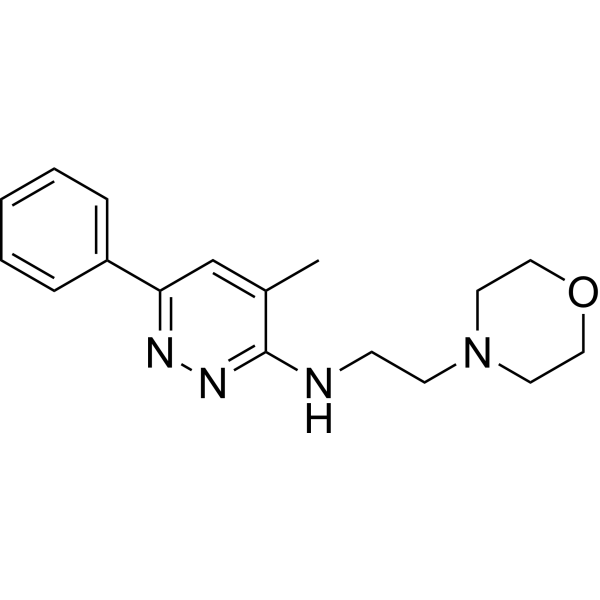
Minaprine
Minaprine is a brain-penetrant monoamine oxidase inhibitor. Minaprine also weakly inhibits acetylcholinesterase (AChE) activity. Minaprine reduces intraneuronal dopamine metabolism, lowers striatal homovanillic acid and dihydroxyphenylacetic acid levels, and raises striatal 3-methoxytyramine and 5-hydroxytryptamine levels. Minaprine exhibits convulsant, antidepressant properties.
At equivalent molar concentrations, both the salt and free forms of a compound exhibit comparable biological activity. Nevertheless, the salt form (Minaprine dihydrochloride) usually boasts enhanced water solubility and stability.
Nos produits utilisent uniquement pour la recherche. Nous ne vendons pas aux patients.
- CAS No.: 25905-77-5
- Formule: C17H22N4O
- Masse moléculaire:298.38
-
Stockage:
Please store the product under the recommended conditions in the Certificate of Analysis.

To place orders, for customer services and technical support, please contact: MedChemExpress USA
Tel: 609-228-6898 E-mail: [email protected] [email protected]
Other In-stock Forms of Minaprine


-
 Activité biologique
-
Chemical Information
-
Solvant et solubilité
- Pureté et documentation
- Références
-
 Help & FAQs


-
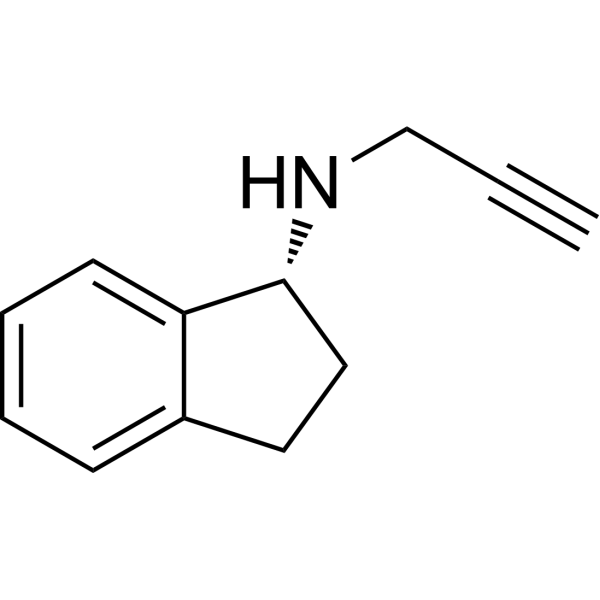
HY-14605A
RasagilineMAO Inhibitor -
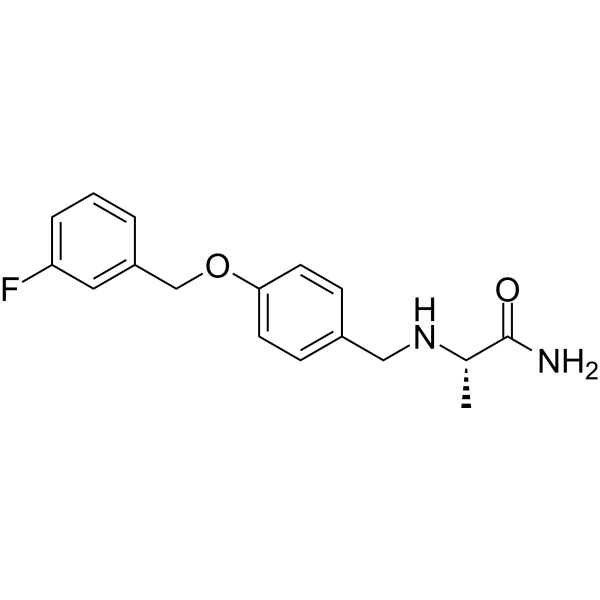
HY-70057
SafinamideMAO-B Inhibitor -
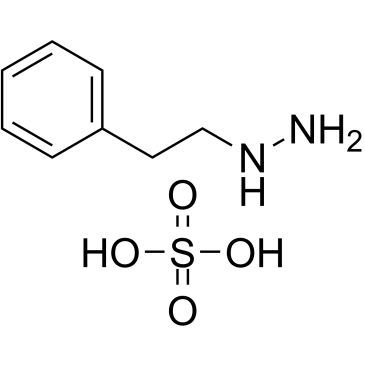
HY-B1018A
Phenelzine sulfateMAO Inhibitor -
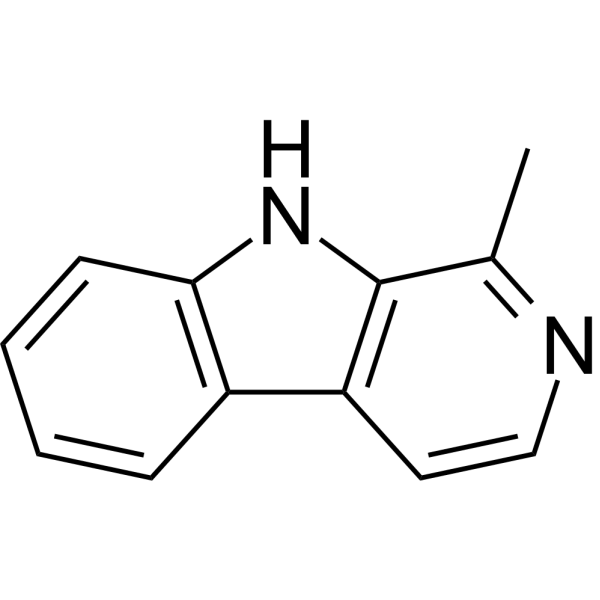
HY-101392
HarmaneMAO Inhibitor -
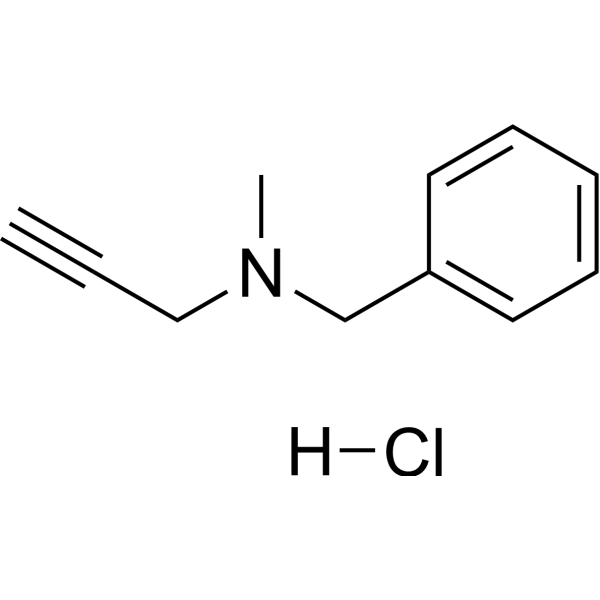
HY-A0091
Pargyline hydrochlorideMonoamine Oxidase Inhibitor -
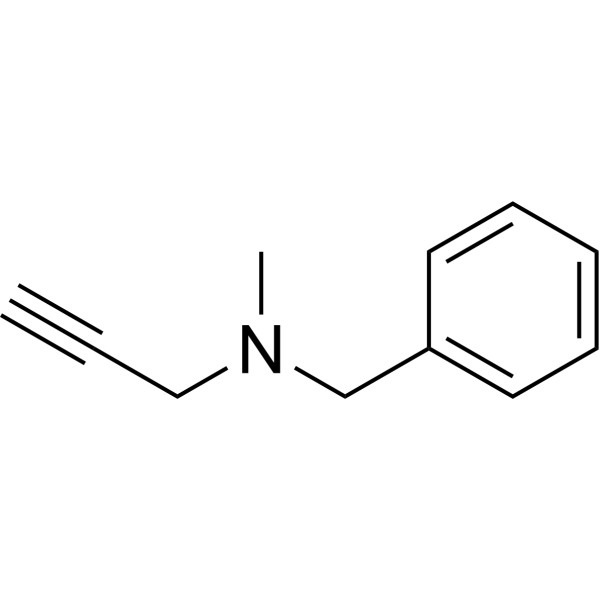
HY-A0091A
PargylineMonoamine Oxidase Inhibitor -
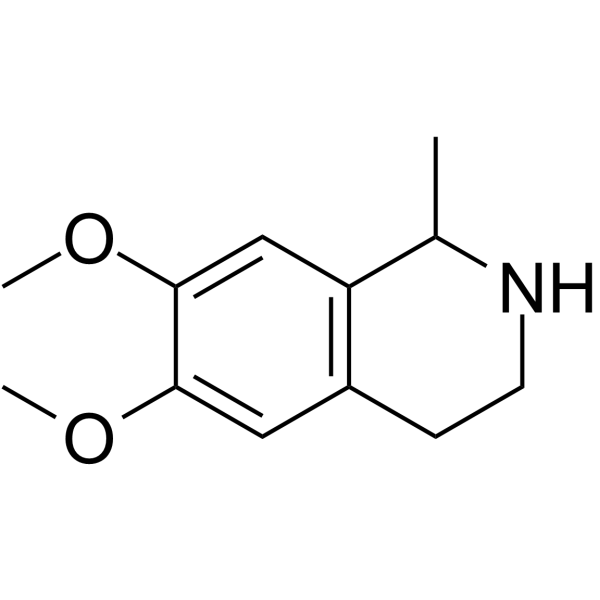
HY-22385
SalsolidineMAO A Inhibitor -
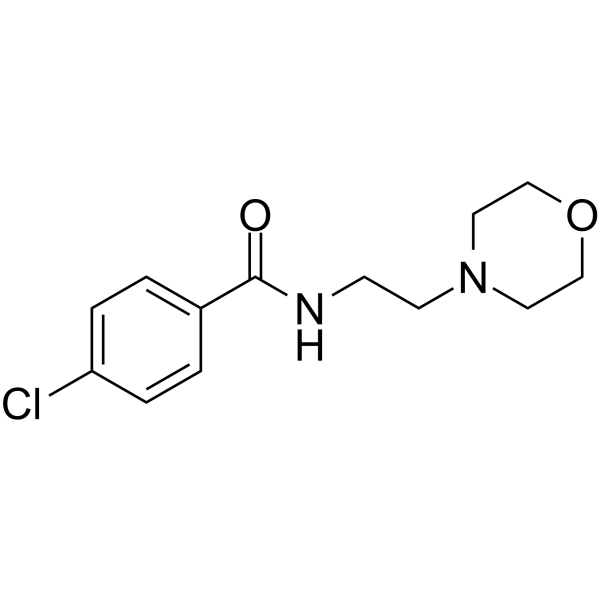
HY-B0534
MoclobemideMAOI Antidepressant -
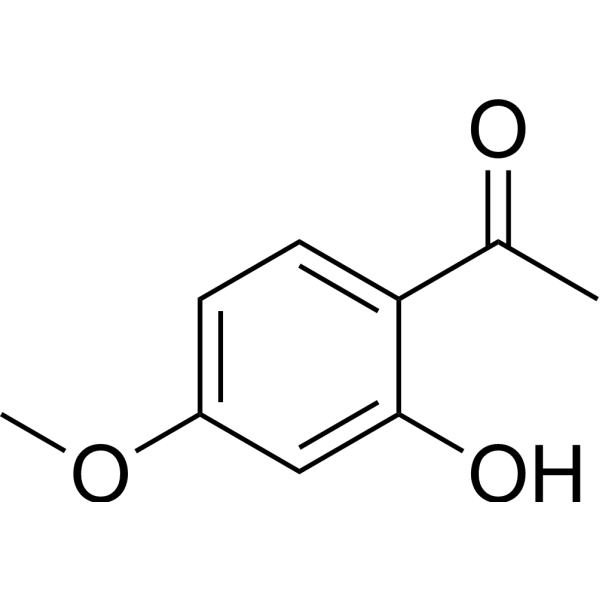
HY-N0159
PaeonolAutophagy Inducer -
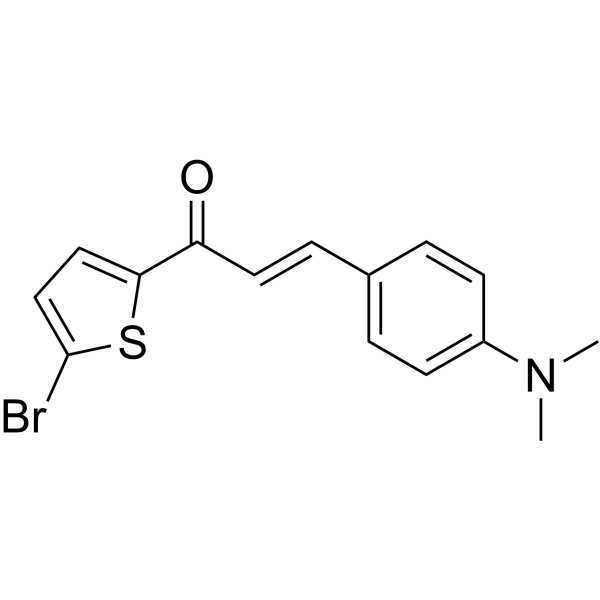
HY-100975
TB5hMAO-B Inhibitor -
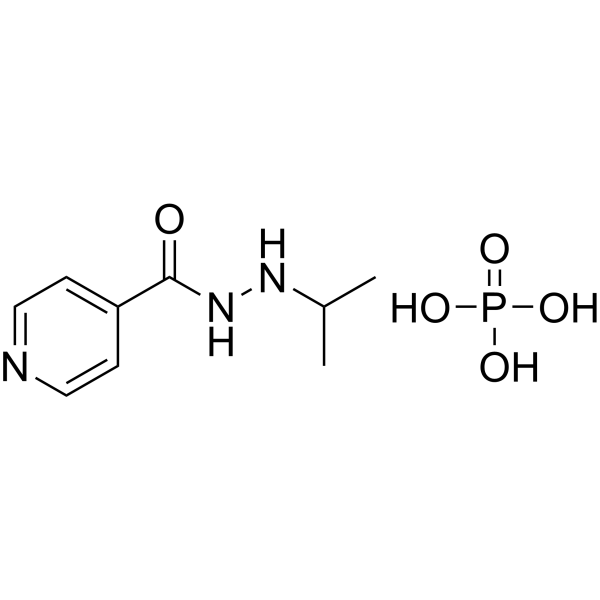
HY-B0886
Iproniazid phosphateMAO Inhibitor -
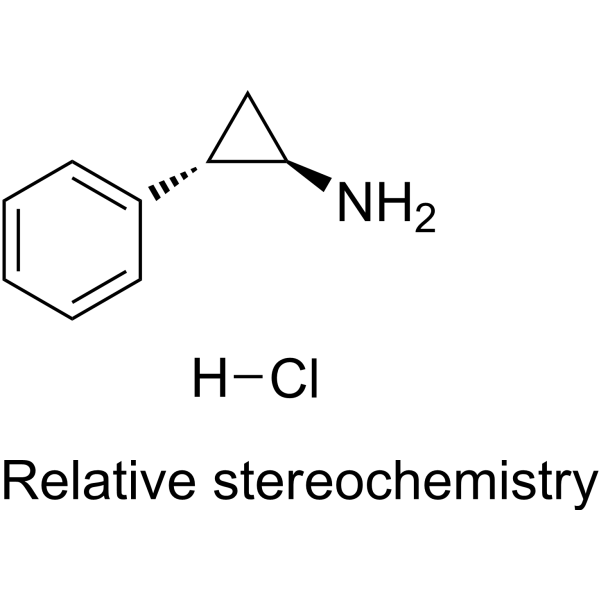
HY-17447A
Tranylcypromine hydrochlorideLSD1/MAO Inhibitor


Activité biologique
Description
IC50 & Target
[1]|
AChE |
In Vitro
Minaprine (5×10⁻⁴ M) does not interact with dopaminergic receptors in rat striatal membranes, as it fails to displace [3H]spiperone binding[1].
Minaprine (40-160 μM) does not alter choline acetyltransferase activity in rat striatal or hippocampal tissue preparations in vitro[2].
Minaprine (40-160 μM) inhibits acetylcholinesterase activity in rat striatal and hippocampal tissue preparations in vitro[2].
Minaprine weakly displaces (3H) dexetimide from specific muscarinic receptors in rat striatal homogenates in vitro, with an IC50 of 2×10⁻⁴ M[2].
MedChemExpress (MCE) has not independently confirmed the accuracy of these methods. They are for reference only.
In Vivo
Minaprine (7.5-30 mg/kg; i.p.; single dose or once daily for 10 consecutive days) dose-dependently increases acetylcholine levels in multiple rat brain regions[2].
MedChemExpress (MCE) has not independently confirmed the accuracy of these methods. They are for reference only.
-
Animal Model:CD-COBS (male, 225-250 g)[1]
-
Dosage:2.5, 5, 10, 15, 30 mg/kg
-
Administration:i.p.; single dose
-
Result:Reduced striatal DOPAC to 403 ± 32 ng/g wet tissue (P < 0.01 vs control) and increased 3-MT to 19.1 ± 1.2 ng/g wet tissue at 2.5 mg/kg, 30 minutes post-administration.
Reduced striatal DOPAC to 364 ± 11 ng/g wet tissue (P < 0.01 vs control) and increased 3-MT to 24.5 ± 3.5 ng/g wet tissue (P < 0.05 vs control) at 5 mg/kg, 30 minutes post-administration.
Reduced striatal HVA to 355 ± 37 ng/g wet tissue (P < 0.05 vs control) and DOPAC to 294 ± 12 ng/g wet tissue (P < 0.01 vs control), and increased 3-MT to 35 ± 2.5 ng/g wet tissue (P < 0.01 vs control) at 10 mg/kg, 30 minutes post-administration.
Reduced striatal HVA to 321 ± 34 ng/g wet tissue (P < 0.01 vs control) and DOPAC to 239 ± 25 ng/g wet tissue (P < 0.01 vs control), and increased 3-MT to 43.6 ± 2.8 ng/g wet tissue (P < 0.01 vs control) at 15 mg/kg, 30 minutes post-administration.
Reduced striatal HVA to 312 ± 16 ng/g wet tissue (P < 0.01 vs control) and DOPAC to 241 ± 12 ng/g wet tissue (P < 0.01 vs control), and increased 3-MT to 56.6 ± 2.3 ng/g wet tissue (P < 0.01 vs control) at 30 mg/kg, 30 minutes post-administration.
Reduced striatal HVA to 283 ± 13 ng/g wet tissue (P < 0.05 vs control) and DOPAC to 471 ± 13 ng/g wet tissue (P < 0.01 vs control), and increased 3-MT to 66 ± 5 ng/g wet tissue (P < 0.01 vs control) at 15 mg/kg, 15 minutes post-administration.
Reduced striatal HVA to 190 ± 26 ng/g wet tissue (P < 0.01 vs control) and DOPAC to 288 ± 14 ng/g wet tissue (P < 0.01 vs control), and increased 3-MT to 86 ± 8 ng/g wet tissue (P < 0.01 vs control) at 15 mg/kg, 30 minutes post-administration.
Reduced striatal HVA to 222 ± 28 ng/g wet tissue (P < 0.01 vs control) and DOPAC to 339 ± 57 ng/g wet tissue (P < 0.01 vs control), and increased 3-MT to 73 ± 14 ng/g wet tissue (P < 0.01 vs control) at 15 mg/kg, 60 minutes post-administration.
Reduced striatal HVA to 231 ± 24 ng/g wet tissue (P < 0.01 vs control) and DOPAC to 488 ± 21 ng/g wet tissue (P < 0.01 vs control), and increased 3-MT to 41 ± 3 ng/g wet tissue (P < 0.01 vs control) at 15 mg/kg, 90 minutes post-administration.
Reduced striatal HVA to 247 ± 27 ng/g wet tissue (P < 0.01 vs control) and DOPAC to 442 ± 31 ng/g wet tissue (P < 0.01 vs control) at 15 mg/kg, 120 minutes post-administration; 3-MT was not significantly different from control.
Did not alter pargyline-induced changes in striatal HVA, DOPAC, or 3-MT levels when administered 5 minutes after Pargyline (HY-A0091A) (100 mg/kg i.p.) at 15 mg/kg.
Did not significantly alter striatal DA concentrations at any dose or time point tested.
-
Animal Model:CD-COBS (female, 200-300 g)[2]
-
Dosage:7.5 mg/kg; 15 mg/kg; 30 mg/kg; 15 mg/kg (daily for 10 days) followed by 30 mg/kg (challenge dose)
-
Administration:i.p.; single dose or once daily for 10 consecutive days
-
Result:Showed no significant change in striatal acetylcholine or choline levels at 7.5 mg/kg.
Produced a 17% increase in striatal acetylcholine levels; showed no change in choline levels at 15 mg/kg.
Produced a 59% increase in striatal acetylcholine levels, which persisted for at least 2 h; decreased striatal choline levels by 20% (significant only at 30 min post-administration) at 30 mg/kg.
Increased acetylcholine levels by 35% in the hippocampus, 14% in the midbrain-hindbrain, and 37% in the forebrain (excluding striatum and hippocampus), without altering choline levels in these regions at 30 mg/kg.
Caused an 18% inhibition of striatal acetylcholinesterase activity at 5 min post-administration (corresponding to peak brain drug levels), which resolved by 30 min at 30 mg/kg.
Showed no change in choline acetyltransferase activity after in vivo administration of 30 mg/kg.
Produced an increase in striatal acetylcholine comparable to that seen in drug-naive rats (no tolerance) after 10 days of daily 15 mg/kg treatment followed by a 30 mg/kg challenge dose.


Chemical Information
-
CAS No. 25905-77-5
-
Masse moléculaire 298.38
-
Formule C17H22N4O
-
SMILES
CC1=CC(C2=CC=CC=C2)=NN=C1NCCN3CCOCC3
-
Livraison
Room temperature in continental US; may vary elsewhere.
-
Stockage
Please store the product under the recommended conditions in the Certificate of Analysis.


Solvant et solubilité
In Vitro:
DMSO : ≥ 35 mg/mL (117.30 mM; Hygroscopic DMSO has a significant impact on the solubility of product, please use newly opened DMSO)
* "≥" means soluble, but saturation unknown.
Concentration (start) × Volume (start) = Concentration (final) × Volume (final)
In Vivo Dissolution Calculator
Please enter the basic information of animal experiments:
-
-
-
-
Recommended: Prepare an additional quantity of animals to account for potential losses during experiments.
Working solution concentration: 0.22 mg/mL


Pureté et documentation


Références
[1]. Ferretti P, et al. Biochemical effects of minaprine on striatal dopaminergic neurons in rats. J Pharm Pharmacol. 1984;36(1):48-50. [Content Brief]
[2]. Garattini S, et al. Neurochemical effects of minaprine, a novel psychotropic drug, on the central cholinergic system of the rat. Psychopharmacology (Berl). 1984;82(3):210-214. [Content Brief]

Complete Stock Solution Preparation Table
| Optional Solvent | Concentration Solvent Mass | 1 mg | 5 mg | 10 mg | 25 mg |
|---|---|---|---|---|---|
| DMSO | 1 mM | 3.3514 mL | 16.7572 mL | 33.5143 mL | 83.7858 mL |
| 5 mM | 0.6703 mL | 3.3514 mL | 6.7029 mL | 16.7572 mL | |
| 10 mM | 0.3351 mL | 1.6757 mL | 3.3514 mL | 8.3786 mL | |
| 15 mM | 0.2234 mL | 1.1171 mL | 2.2343 mL | 5.5857 mL | |
| 20 mM | 0.1676 mL | 0.8379 mL | 1.6757 mL | 4.1893 mL | |
| 25 mM | 0.1341 mL | 0.6703 mL | 1.3406 mL | 3.3514 mL | |
| 30 mM | 0.1117 mL | 0.5586 mL | 1.1171 mL | 2.7929 mL | |
| 40 mM | 0.0838 mL | 0.4189 mL | 0.8379 mL | 2.0946 mL | |
| 50 mM | 0.0670 mL | 0.3351 mL | 0.6703 mL | 1.6757 mL | |
| 60 mM | 0.0559 mL | 0.2793 mL | 0.5586 mL | 1.3964 mL | |
| 80 mM | 0.0419 mL | 0.2095 mL | 0.4189 mL | 1.0473 mL | |
| 100 mM | 0.0335 mL | 0.1676 mL | 0.3351 mL | 0.8379 mL |


Minaprine Related Classifications
HY-B0884 Related Classifications
 Powered by Bioz