



181591-59-3

Chemical Structure
GIP (mouse)
Synonym(s): Gastric inhibitory polypeptide(mouse);GIP(1-42) (mouse)
- CAS No.: 181591-59-3
- Formula:C225H342N62O66S
- Molecular Weight:5003.56
SMILES: O=C(N[C@@H](C)C(N[C@@H](CCC(O)=O)C(NCC(N[C@@H]([C@H](O)C)C(N[C@@H](CC1=CC=CC=C1)C(N[C@@H]([C@@H](C)CC)C(N[C@@H](CO)C(N[C@@H](CC(O)=O)C(N[C@@H](CC2=CC=C(C=C2)O)C(N[C@@H](CO)C(N[C@@H]([C@@H](C)CC)C(N[C@@H](C)C(N[C@@H](CCSC)C(N[C@@H](CC(O)=O)C(N[C@@H](CCCCN)C(N[C@@H]([C@@H](C)CC)C(N[C@@H](CCCNC(N)=N)C(N[C@@H](CCC(N)=O)C(N[C@@H](CCC(N)=O)C(N[C@@H](CC(O)=O)C(N[C@@H](CC3=CC=CC=C3)C(N[C@@H](C(C)C)C(N[C@@H](CC(N)=O)C(N[C@@H](CC4=CNC5=CC=CC=C45)C(N[C@@H](CC(C)C)C(N[C@@H](CC(C)C)C(N[C@@H](C)C(N[C@@H](CCC(N)=O)C(N[C@@H](CCCNC(N)=N)C(NCC(N[C@@H](CCCCN)C(N[C@@H](CCCCN)C(N[C@@H](CO)C(N[C@@H](CC(O)=O)C(N[C@@H](CC6=CNC7=CC=CC=C67)C(N[C@@H](CCCCN)C(N[C@@H](CC8=CNC=N8)C(N[C@@H](CC(N)=O)C(N[C@@H]([C@@H](C)CC)C(N[C@@H]([C@H](O)C)C(N[C@@H](CCC(N)=O)C(O)=O)=O)=O)=O)=O)=O)=O)=O)=O)=O)=O)=O)=O)=O)=O)=O)=O)=O)=O)=O)=O)=O)=O)=O)=O)=O)=O)=O)=O)=O)=O)=O)=O)=O)=O)=O)=O)=O)=O)=O)=O)[C@H](CC9=CC=C(C=C9)O)N
Biological Activity: GIP (Gastric inhibitory polypeptide) (mouse) is a gastrointestinal hormone that is secreted by the intestinal K cells, and also expressed in and secreted from pancreatic islets. GIP (mouse) promotes insulin secretion from pancreatic β cells via the G-protein-coupled GIP receptor (GIPR). GIP (mouse) promotes pancreatic β cell proliferation and inhibits apoptosis. GIP (mouse) also exerts direct lipogenic effects on adipose tissue[1][2][3].
| Cat. No. | Product Name | Purity | Description | Pricing | |||||||||||||||||||
|---|---|---|---|---|---|---|---|---|---|---|---|---|---|---|---|---|---|---|---|---|---|---|---|
|
|
GIP (mouse) | 98.79% | GIP (Gastric inhibitory polypeptide) (mouse) is a gastrointestinal hormone that is secreted by the intestinal K cells, and also expressed in and secreted from pancreatic islets. GIP (mouse) promotes insulin secretion from pancreatic β cells via the G-protein-coupled GIP receptor (GIPR). GIP (mouse) promotes pancreatic β cell proliferation and inhibits apoptosis. GIP (mouse) also exerts direct lipogenic effects on adipose tissue. | ||||||||||||||||||||
|
loading...
/
|
|||||||||||||||||||||||
-
Similarity Score 0.98
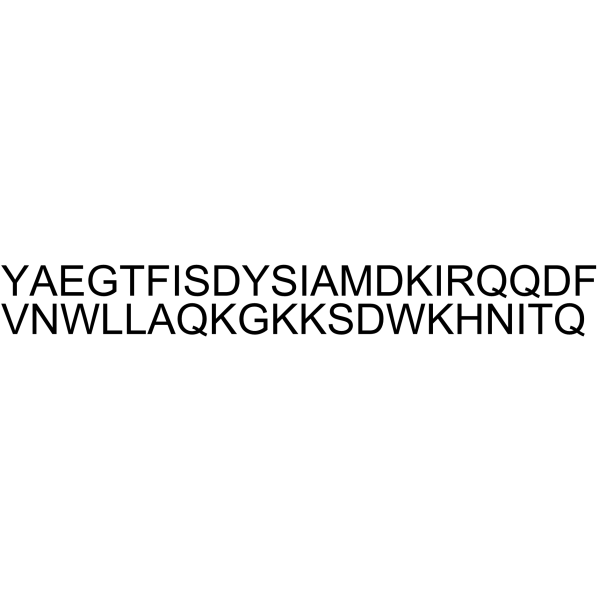 HY-P3579Gastric Inhibitory Peptide, porcine
-
Similarity Score 0.95
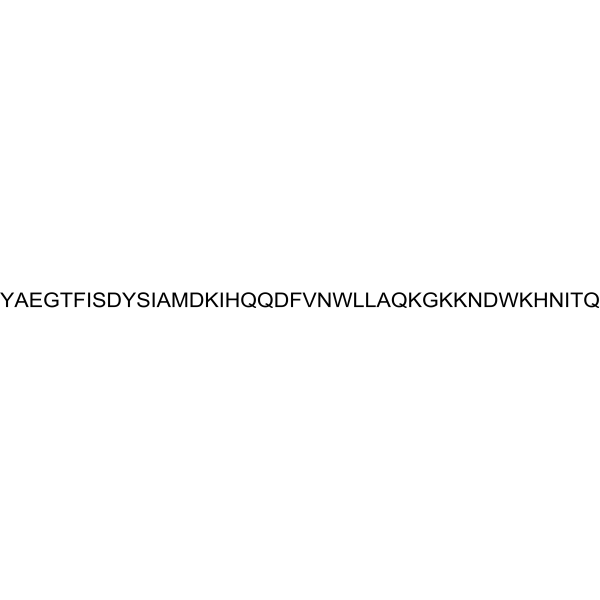 HY-P0276GIP, human
-
Similarity Score 0.95
 HY-P3247[D-Ala2]-GIP (human)
-
Similarity Score 0.94
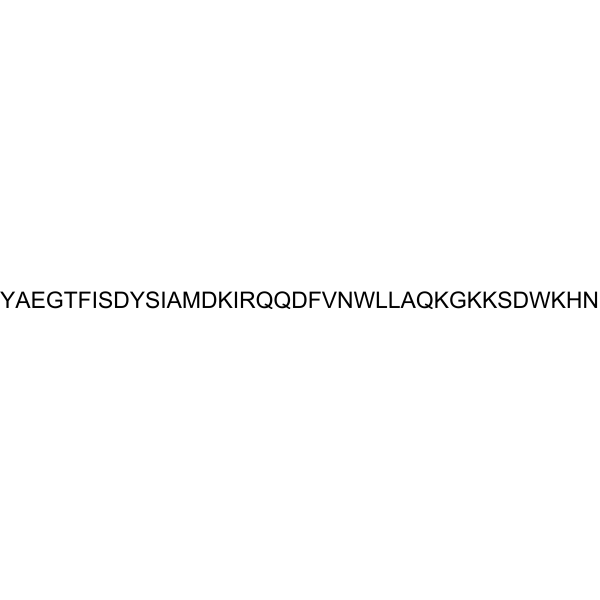 HY-103545GIP (1-39)
-
Similarity Score 0.94
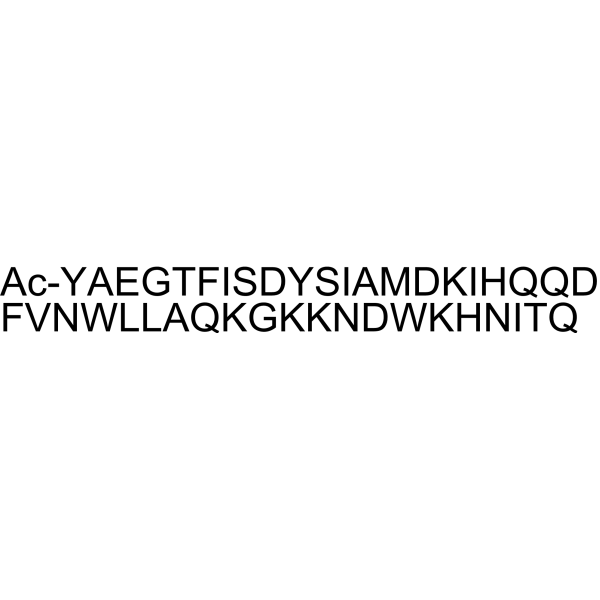 HY-P3580Acetyl Gastric Inhibitory Peptide (human)
-
Similarity Score 0.93
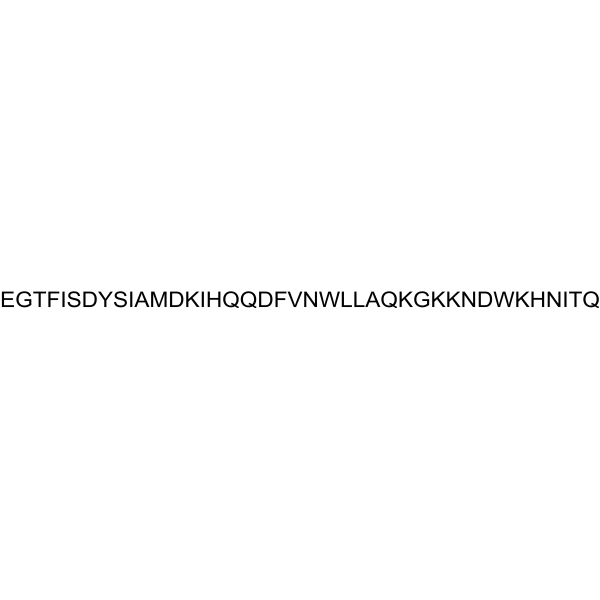 HY-P2542GIP (3-42), human
-
Similarity Score 0.90
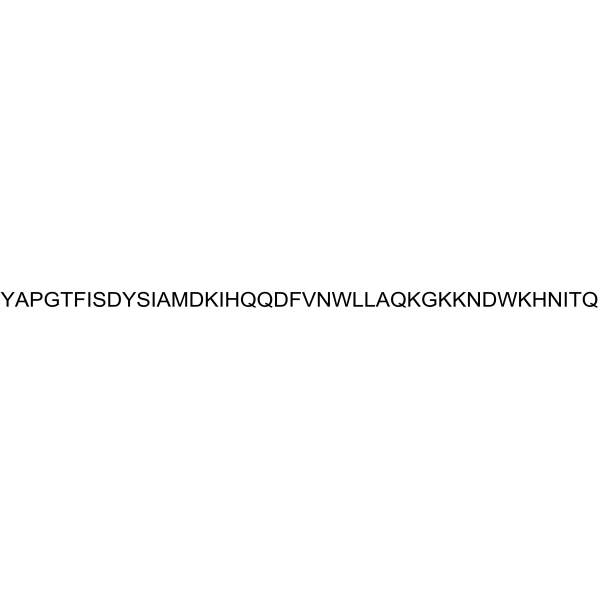 HY-P3584(Pro3) GIP, human
-
Similarity Score 0.86
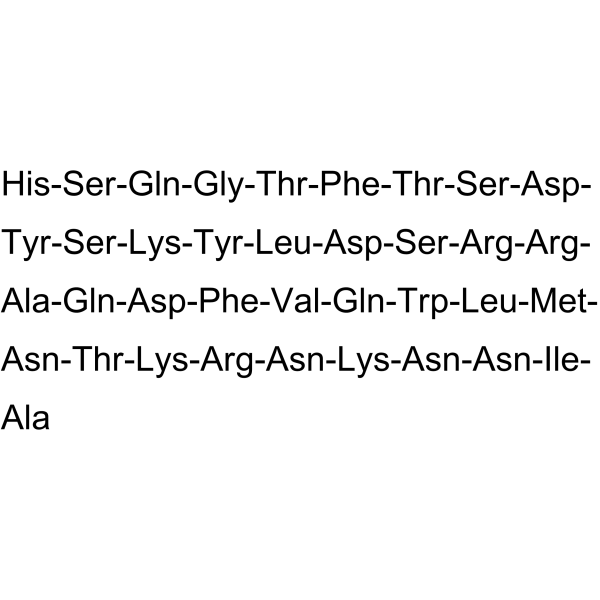 HY-P1144Oxyntomodulin (bovine, porcine)
-
Similarity Score 0.85
 HY-P4796Oxyntomodulin (human, mouse, rat)
-

Explore the MedChemAI to find more analogs


References
- [1]. Yukihiro Fujita, et al. Glucose-dependent insulinotropic polypeptide is expressed in pancreatic islet alpha-cells and promotes insulin secretion. Gastroenterology. 2010 May;138(5):1966-75. [Content Brief]
- [2]. Seino Y, et al. GIP and GLP-1, the two incretin hormones: Similarities and differences. J Diabetes Investig. 2010 Apr 22;1(1-2):8-23. [Content Brief]
- [3]. Kim SJ, et al. Resistin is a key mediator of glucose-dependent insulinotropic polypeptide (GIP) stimulation of lipoprotein lipase (LPL) activity in adipocytes. J Biol Chem. 2007 Nov 23;282(47):34139-47. [Content Brief]



