



Licoflavone A
Based on 3 publication(s) in Google Scholar
Licoflavone A is an orally active PTP1B/VEGFR-2 inhibitor, with an IC50 of 54.5 μM against PTP1B, an IC50 of 14.36 μM and a Kd of 142.38 nM against human VEGFR-2. Licoflavone A blocks the PI3K/AKT and MEK/ERK signaling pathways. Licoflavone A induces G1 phase cell cycle arrest, apoptosis via the intrinsic mitochondrial pathway (apoptosis), and inhibits migration, invasion and epithelial-mesenchymal transition (EMT) of gastric cancer cells. Licoflavone A inhibits the proliferation of gastric cancer cells in vitro and in xenograft models. Licoflavone A reduces the expression levels of HIF-1α, GLUT1, LDHA, PKM2 and HK2 in hypoxic gastric cancer cells, decreases glucose uptake and suppresses glycolysis. Licoflavone A can be used in research related to gastric cancer, type 2 diabetes and obesity.
Nur für Forschungszwecke. Wir verkaufen nicht an Patienten.
- Reinheit : 99.95%
- CAS. Nr.: 61153-77-3
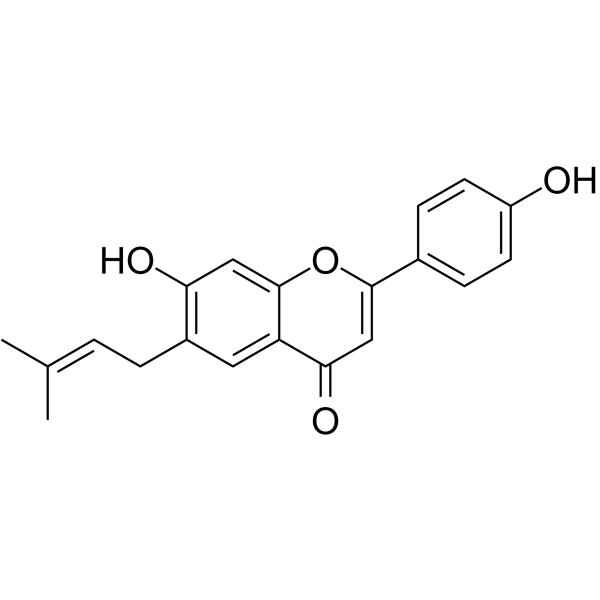
- Formel: C20H18O4
- Molecular Weight:322.35
-
Speicherung:
4°C, protect from light
* In solvent : -80°C, 6 months; -20°C, 1 month (protect from light)

To place orders, for customer services and technical support, please contact: MedChemExpress USA
Tel: 609-228-6898 E-mail: [email protected] [email protected]


-
 Biologische Aktivität
-
Chemical Information
-
Lösungsmittel & Löslichkeit
- Protokoll
- Reinheit & Dokumentation
- Verweise
-
 Help & FAQs


-
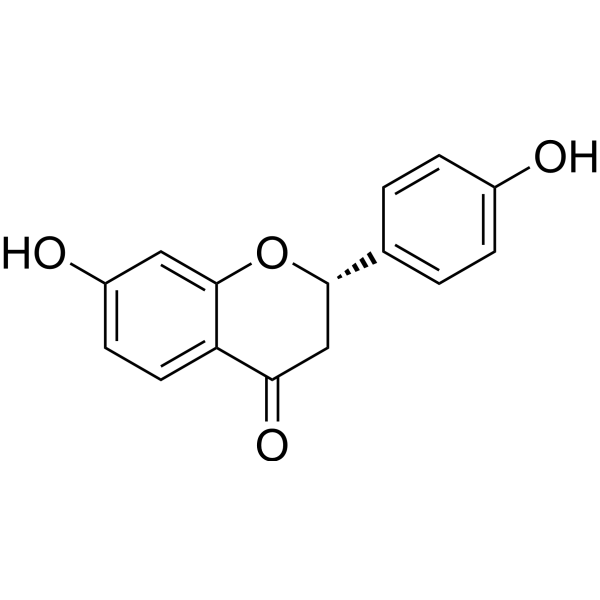
HY-N0377
LiquiritigeninEstrogen Receptor/ERR Agonist -
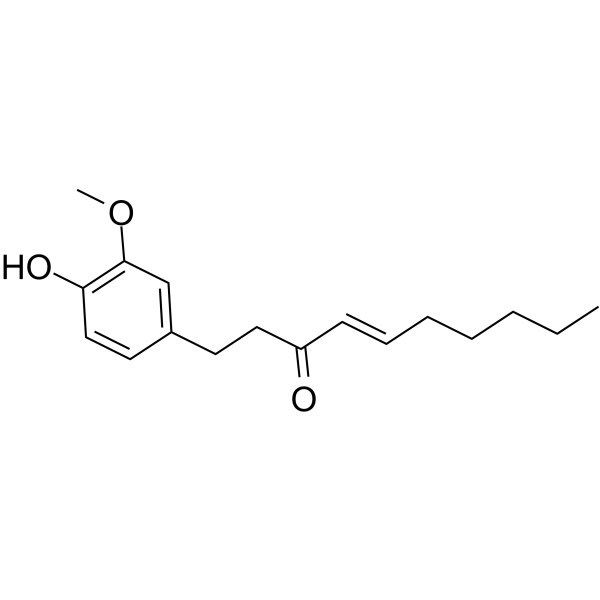
HY-14616
ShogaolAutophagy Inducer -
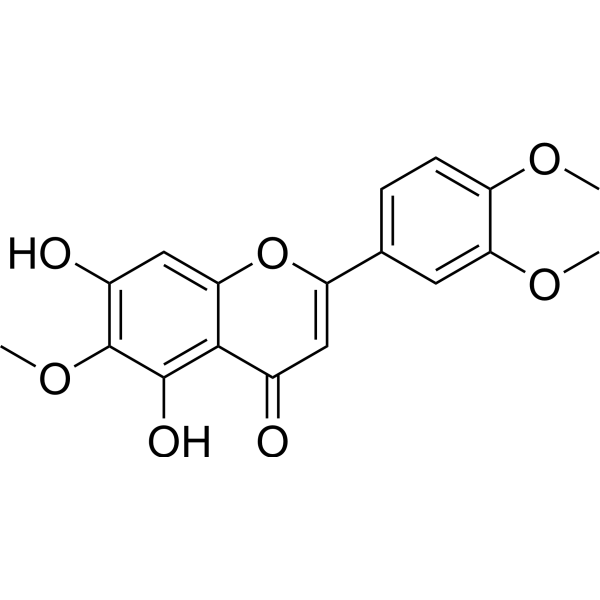
HY-N0783
EupatilinAutophagy Inducer -
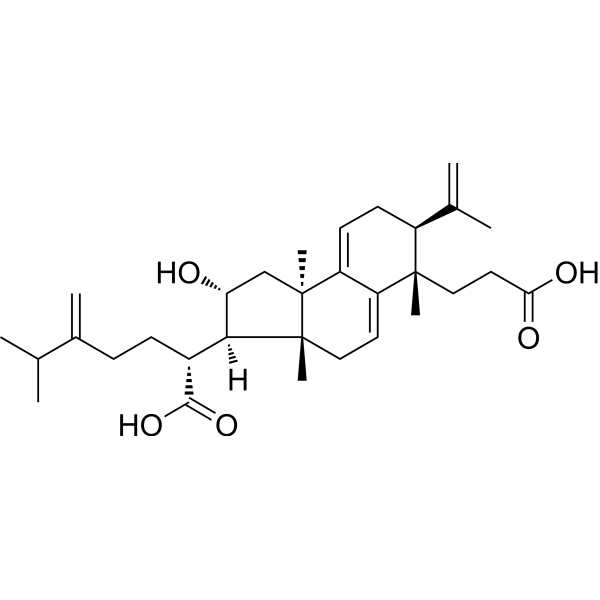
HY-N2995
Poricoic acid ANatural Product -
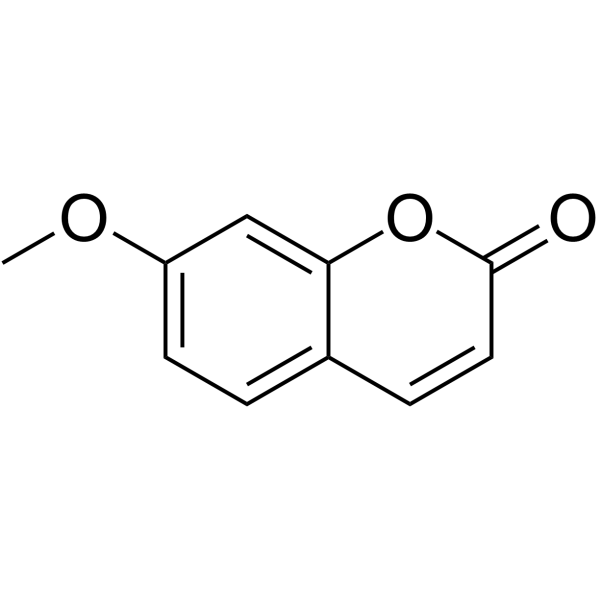
HY-N1366
HerniarinAnticancer Agent -
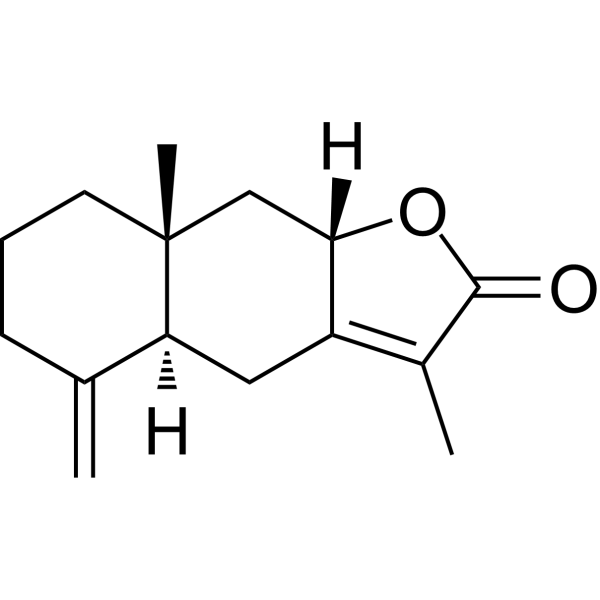
HY-N0202
Atractylenolide IIApoptosis Inducer -
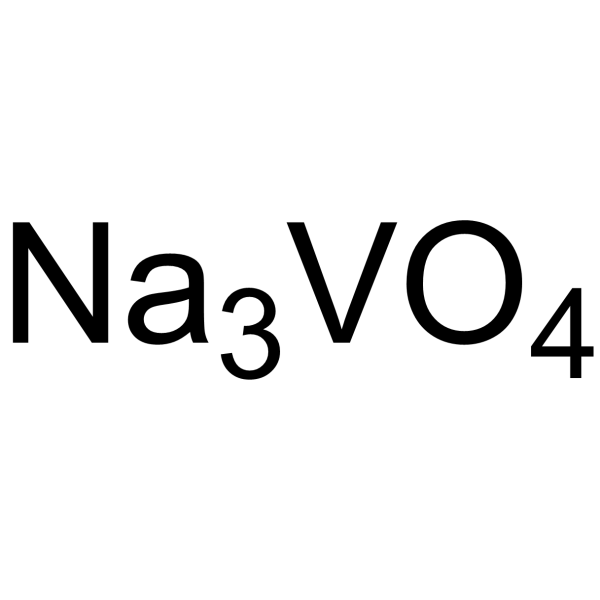
HY-D0852
Sodium orthovanadateProtein Tyrosine/Alkaline Phosphatase Inhibitor -
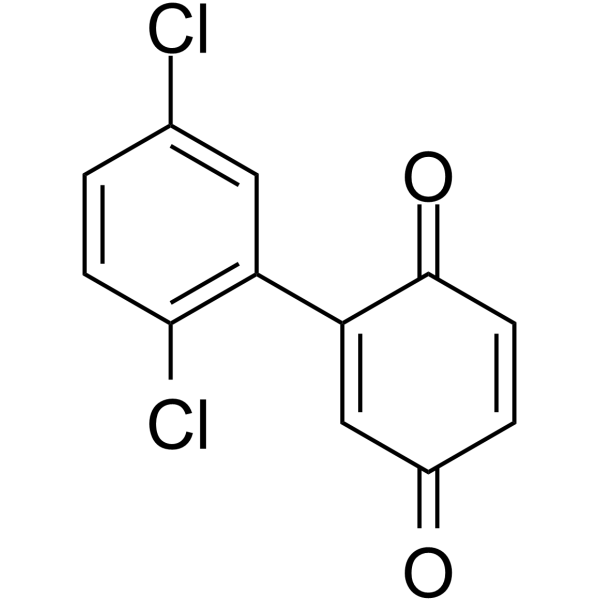
HY-100463
TPI-1SHP-1 Inhibitor -
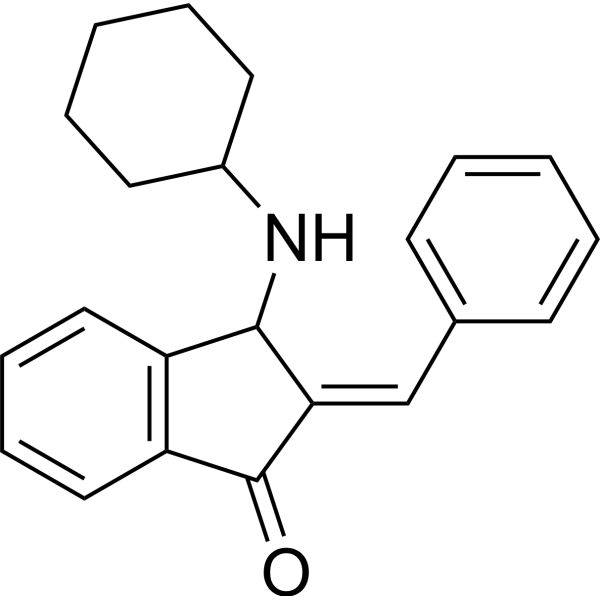
HY-115502
BCIDUSP6 Inhibitor -
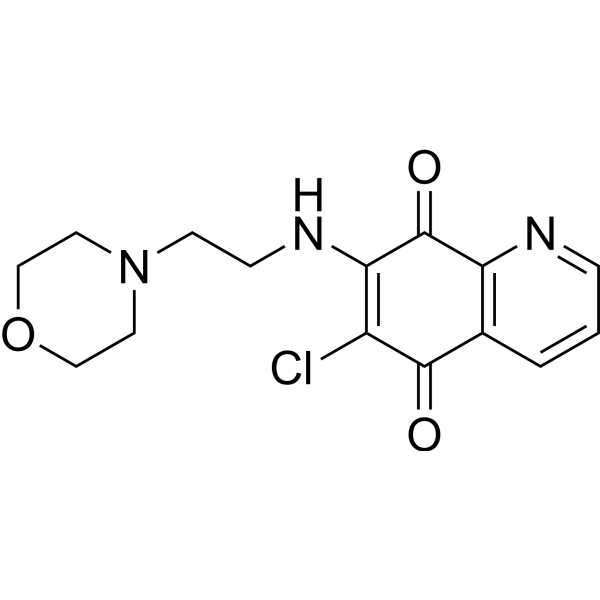
HY-100034
NSC 663284Cdc25 Inhibitor -
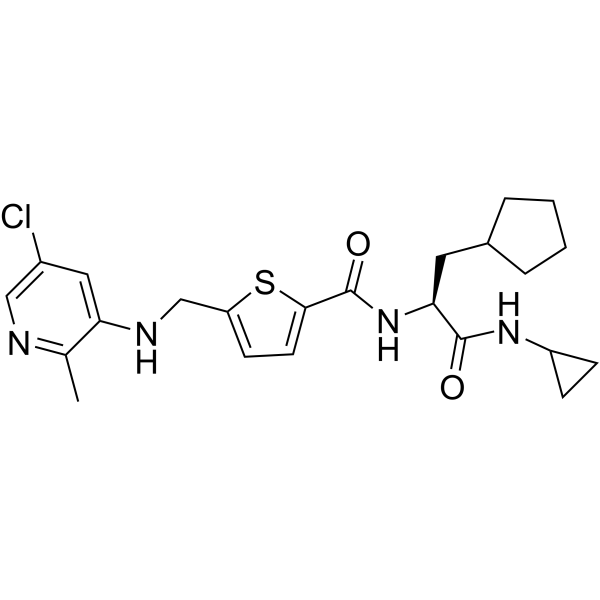
HY-15832
GSK 2830371Wip1 Phosphatase Inhibitor -
HY-19776
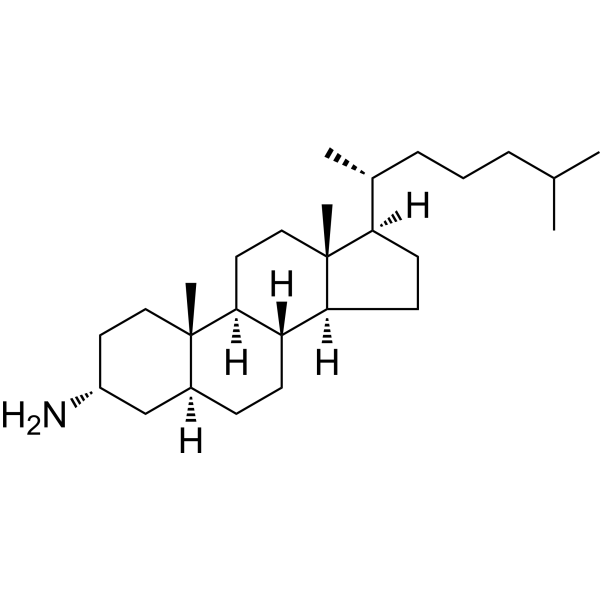
3α-AminocholestanePhosphatase Inhibitor
Publications Citing Use of MedChemExpress (MCE) Licoflavone A
MoreAlle VEGFR Isoform-spezifische Produkte anzeigen
MoreAlle MEK Isoform-spezifische Produkte anzeigen
More

Biologische Aktivität
Beschreibung
|
VEGFR2 14.36 μM (IC50) |
VEGFR2 142.38 nM (Kd) |
PTP1B 54.5 μM (IC50) |
GLUT1 |
HIF-1α |
LDHA |
PKM2 |
In Vitro
Licoflavone A (25-100 μM; 14 days) dose-dependently inhibits colony formation of human gastric cancer MKN-45 cells stimulated by VEGF[1].
Licoflavone A (25-100 μM; 0-96 h) inhibits VEGF-stimulated 3D spheroid formation in human gastric cancer MKN-45 cells in a dose-dependent manner[1].
Licoflavone A (25-100 μM; 24-48 h) inhibits the proliferation of hypoxic human gastric cancer AGS cells in a time- and concentration-dependent manner[3].
Licoflavone A (25-100 μM; 10-14 d) reduces the colony-forming ability of human gastric cancer AGS cells under hypoxic conditions in a dose-dependent manner, and the 100 μM concentration decreases the colony formation rate to 38.78%[3].
Licoflavone A (25-100 μM; 24-48 h) potently and dose-dependently inhibits the migration of human gastric cancer AGS cells under hypoxic conditions, and the 100 μM concentration reduces the 48 h scratch wound healing rate to 14.31%[3].
Licoflavone A (25-100 μM; 72 h) inhibits epithelial-mesenchymal transition (EMT) in VEGF-stimulated human gastric cancer MKN-45 cells in a dose-dependent manner by regulating EMT-related proteins[1].
Licoflavone A (25-100 μM; 48 h) significantly downregulates the expression of HIF-1α and key glycolysis-related proteins in hypoxic human gastric cancer AGS cells at the concentration of 100 μM[3].
Licoflavone A (25-100 μM; 48 h) inhibits glucose uptake and HK activity in hypoxic human gastric cancer AGS cells at the concentration of 100 μM[3].
MedChemExpress (MCE) has not independently confirmed the accuracy of these methods. They are for reference only.
-
Cell Line:human gastric cancer SGC-7901, MKN-45, MGC-803 cells, normal human GES-1 cells
-
Concentration:6.25, 12.5, 25, 50, 100 μM
-
Incubation Time:24 h, 48 h, 72 h
-
Result:Decreased cell viability in a dose-dependent and time-dependent manner across all four cell lines.
Exhibited stronger inhibitory effect on gastric cancer cells than normal GES-1 cells, with effect increasing with longer incubation times.
Achieved IC50 values of 78.08 μM (SGC-7901, 24 h), 40.83 μM (SGC-7901, 48 h), 23.74 μM (SGC-7901, 72 h), 43.26 μM (MKN-45, 24 h), 23.67 μM (MKN-45, 48 h), 12.19 μM (MKN-45, 72 h), 124.50 μM (MGC-803, 24 h), 75.75 μM (MGC-803, 48 h), 47.19 μM (MGC-803, 72 h), 180.30 μM (GES-1, 24 h), 130.30 μM (GES-1, 48 h), 110.00 μM (GES-1, 72 h).
-
Cell Line:VEGF-stimulated human gastric cancer MKN-45 cells
-
Concentration:25, 50, 100 μM
-
Incubation Time:72 h
-
Result:Dose-dependently inhibited the proliferation of VEGF-stimulated MKN-45 cells, with statistically significant reductions compared to VEGF-only controls (p < 0.01).
-
Cell Line:VEGF-stimulated human gastric cancer MKN-45 cells
-
Concentration:25, 50, 100 μM
-
Incubation Time:72 h
-
Result:Dose-dependently blocked the G1 to S cell cycle transition, increasing the proportion of cells in G0 phase and decreasing the proportion in S phase.
Dose-dependently downregulated G1 phase proteins cyclin D1 and c-Myc via Western blot analysis.
-
Cell Line:VEGF-stimulated human gastric cancer MKN-45 cells
-
Concentration:25, 50, 100 μM
-
Incubation Time:72 h
-
Result:Induced dose-dependent increases in apoptotic features (apoptotic bodies, condensed/fragmented nuclei) detected via Hoechst 33342 staining.
Increased apoptotic cell populations in a dose-dependent manner, with apoptosis rates rising from ~2% in VEGF-only controls to ~50% at 100 μM, detected via flow cytometry.
Caused dose-dependent decreases in mitochondrial membrane potential, with increased green fluorescence (JC-10 monomer) indicating depolarization, detected via MMP assay.
Dose-dependently upregulated Bax, Cyt C, caspase 9, and cleaved-caspase 3, and downregulated Bcl-2, increasing the Bax/Bcl-2 ratio, detected via Western blot.
-
Cell Line:VEGF-stimulated human gastric cancer MKN-45 cells
-
Concentration:25, 50, 100 μM
-
Incubation Time:72 h
-
Result:Dose-dependently downregulated the expression of MMP2, MMP9, and N-cadherin.
Dose-dependently upregulated the expression of E-cadherin.
-
Cell Line:human gastric cancer AGS cells (hypoxic conditions)
-
Concentration:25, 50, 100 μM
-
Incubation Time:24 h, 48 h
-
Result:Inhibited cell proliferation by 7.98% at 25 μmol·L-1 for 24 h (no significant difference), 13.99% at 25 μM for 48 h, 21.94% at 50 μM for 24 h, 25.02% at 50 μM for 48 h, 23.00% at 100 μM for 24 h, and 41.74% at 100 μM for 48 h.
-
Cell Line:human gastric cancer AGS cells (hypoxic conditions)
-
Concentration:25, 50, 100 μM
-
Incubation Time:48 h
-
Result:Downregulated HK2 mRNA expression to 1.50 at 25 μM; downregulated GLUT1 mRNA expression to 1.00, LDHA mRNA expression to 2.23, and HK2 mRNA expression to 1.36 at 50 μM; downregulated GLUT1 mRNA expression to 0.84, LDHA mRNA expression to 1.98, PKM2 mRNA expression to 2.93, and HK2 mRNA expression to 1.04 at 100 μmol·L-1.
-
Cell Line:human gastric cancer AGS cells (hypoxic conditions)
-
Concentration:25, 50, 100 μM
-
Incubation Time:48 h
-
Result:Reduced HK2 protein expression to 1.00 at 25 μM; reduced HK2 protein expression to 1.14 at 50 μM; reduced HIF-1α protein expression to 0.82, GLUT1 protein expression to 1.11, LDHA protein expression to 0.87, PKM2 protein expression to 0.99, and HK2 protein expression to 0.53 at 100 μmol·L-1.
In Vivo
MedChemExpress (MCE) has not independently confirmed the accuracy of these methods. They are for reference only.
-
Animal Model:BALB/c-nude (male, 4-6 weeks old, 18 g, subcutaneous xenograft model)[1]
-
Dosage:50 mg/kg
-
Administration:p.o.; daily; 14 days
-
Result:Reduced tumor volume significantly.
Reduced tumor weight significantly.
Caused no significant changes in body weight.
- RNA extraction experimental
- Annexin V plus membrane-impermeant dye apoptosis staining
- BrdU Incorporation Assay
- Cell migration
- Protocol for Cell Cycle
- Research Protocol for Metabolic Diseases
- Cell Viability Determination by MTT Colorimetric Assay
- Detection of Apoptosis
- TUNEL staining for apoptotic DNA fragmentation
- Flow cytometric DNA-content cell-cycle staining
- Patient-Derived Xenograft (PDX)
- Apoptosis Solutions
- Cell invasion
- Splenic/Portal-Vein Liver Metastasis Xenograft
- Subcutaneous Cell-Line-Derived Xenograft
- Orthotopic Cell-Line Xenograft
- Intraperitoneal/Peritoneal Dissemination Xenograft


Chemical Information
-
CAS. Nr. 61153-77-3
-
Appearance Solid
-
Molecular Weight 322.35
-
Formel C20H18O4
-
Color Off-white to yellow
-
SMILES
O=C1C=C(C2=CC=C(O)C=C2)OC3=CC(O)=C(C/C=C(C)\C)C=C13
-
Structure Classification
-
Versand
Room temperature in continental US; may vary elsewhere.
-
Speicherung
4°C, protect from light
* In solvent : -80°C, 6 months; -20°C, 1 month (protect from light)


Publications (3)
-
Journal Impact Factor
-
Most Recent
-
Food Chem
Effects of sun drying combined with baking processes on the flavor quality of Chongqing Tuocha raw tea. [Abstract]2025 Dec 30:497:146992. PMID: 41285060 -
Food Chem
Flavonoid-mediated metabolic underpinning quality variation in red bud-sport pear mutants. [Abstract]2025 Oct 15:489:144992. PMID: 40466530 -
Genomics
Transcriptomics and metabolomics reveal the induction of flavonoid biosynthesis pathway in the interaction of Stylosanthes-Colletotrichum gloeosporioides. [Abstract]2021 Jul;113(4):2702-2716. PMID: 34111523


Lösungsmittel & Löslichkeit
In Vitro:
DMSO : 100 mg/mL (310.22 mM; Need ultrasonic; Hygroscopic DMSO has a significant impact on the solubility of product, please use newly opened DMSO)
H2O : < 0.1 mg/mL (insoluble)
* Licoflavone A is usually formulated as a suspension.
Please refer to the solubility information to select the appropriate solvent. Once prepared, please aliquot and store the solution to prevent product inactivation from repeated freeze-thaw cycles.
Storage method and period of stock solution: -80°C, 6 months; -20°C, 1 month (protect from light). When stored at -80°C, please use it within 6 months. When stored at -20°C, please use it within 1 month.
Please refer to the solubility information to select the appropriate solvent. Once prepared, please aliquot and store the solution to prevent product inactivation from repeated freeze-thaw cycles.
Storage method and period of stock solution: -80°C, 6 months; -20°C, 1 month (protect from light). When stored at -80°C, please use it within 6 months. When stored at -20°C, please use it within 1 month.
Konzentration (Stammlösung) × Volumen (Stammlösung) = Konzentration (Ziellösung) × Volumen (Ziellösung)
In Vivo:
Select the appropriate dissolution method based on your experimental animal and administration route.
- For the following dissolution methods, please ensure to first prepare a clear stock solution using an In Vitro approach and then sequentially add co-solvents:
- To ensure reliable experimental results, the clarified stock solution can be appropriately stored based on storage conditions. As for the working solution for In Vivo experiments, it is recommended to prepare freshly and use it on the same day.
- The percentages shown for the solvents indicate their volumetric ratio in the final prepared solution. If precipitation or phase separation occurs during preparation, heat and/or sonication can be used to aid dissolution.
Add each solvent one by one: 10% DMSO 40% PEG300 5% Tween-80 45% Saline
Solubility: ≥ 2.5 mg/mL (7.76 mM); Clear solution
This protocol yields a clear solution of ≥ 2.5 mg/mL (saturation unknown).
Taking 1 mL working solution as an example, add 100 μL DMSO stock solution (25.0 mg/mL) to 400 μL PEG300, and mix evenly; then add 50 μL Tween-80 and mix evenly; then add 450 μL Saline to adjust the volume to 1 mL.
Preparation of Saline: Dissolve 0.9 g sodium chloride in ddH₂O and dilute to 100 mL to obtain a clear Saline solution.
In Vivo Dissolution Calculator
Please enter the basic information of animal experiments:
-
-
-
-
Recommended: Prepare an additional quantity of animals to account for potential losses during experiments.
Please enter your animal formula composition:
-
%DMSO +
Recommended: Keep the proportion of DMSO in working solution below 2% if your animal is weak.
-
%+
-
+%Tween-80 + +
-
%Saline +
The co-solvents required include: DMSO, . All of co-solvents are available by MedChemExpress (MCE). , Tween 80. All of co-solvents are available by MedChemExpress (MCE).
Working solution concentration: 0.22 mg/mL
Method for preparing stock solution: mg drug dissolved in μL DMSO. Stock solution concentration: mg/mL. * In solvent : -80°C, 6 months; -20°C, 1 month (protect from light)
1. Take μL DMSO stock solution;
2. Add μL .
μL , mix evenly;
3. Then add μL Tween 80, mix evenly;
4. Then add μL
Please ensure that the stock solution in the first step is dissolved to a clear state, and add co-solvents in sequence. You can use ultrasonic heating (ultrasonic cleaner, recommended frequency 20-40 kHz), vortexing, etc. to assist dissolution.


Reinheit & Dokumentation
-
Data Sheet (295 KB)
-
SDS (252 KB)
- English - EN (252 KB)
- Français - FR (252 KB)
- Deutsch - DE (252 KB)
- Norwegian - NO (252 KB)
- Español - ES (252 KB)
- Swedish - SV (252 KB)
- Italian - IT (252 KB)
- Korean - KR (252 KB)
- Portuguese - PT (252 KB)
-
Handling Instructions (2659 KB)
Verweise
[1]. Hongxia G, et al. Licoflavone A Suppresses Gastric Cancer Growth and Metastasis by Blocking the VEGFR-2 Signaling Pathway. J Oncol. 2022 Apr 25;2022:5497991. [Content Brief]
[2]. Li S, et al. Prenylflavonoids from Glycyrrhiza uralensis and their protein tyrosine phosphatase-1B inhibitory activities. Bioorg Med Chem Lett. 2010 Sep 15;20(18):5398-401. [Content Brief]


Complete Stock Solution Preparation Table
Please refer to the solubility information to select the appropriate solvent. Once prepared, please aliquot and store the solution to prevent product inactivation from repeated freeze-thaw cycles.
Storage method and period of stock solution: -80°C, 6 months; -20°C, 1 month (protect from light). When stored at -80°C, please use it within 6 months. When stored at -20°C, please use it within 1 month.
| Optional Solvent | Concentration Solvent Mass | 1 mg | 5 mg | 10 mg | 25 mg |
|---|---|---|---|---|---|
| DMSO | 1 mM | 3.1022 mL | 15.5111 mL | 31.0222 mL | 77.5555 mL |
| 5 mM | 0.6204 mL | 3.1022 mL | 6.2044 mL | 15.5111 mL | |
| 10 mM | 0.3102 mL | 1.5511 mL | 3.1022 mL | 7.7555 mL | |
| 15 mM | 0.2068 mL | 1.0341 mL | 2.0681 mL | 5.1704 mL | |
| 20 mM | 0.1551 mL | 0.7756 mL | 1.5511 mL | 3.8778 mL | |
| 25 mM | 0.1241 mL | 0.6204 mL | 1.2409 mL | 3.1022 mL | |
| 30 mM | 0.1034 mL | 0.5170 mL | 1.0341 mL | 2.5852 mL | |
| 40 mM | 0.0776 mL | 0.3878 mL | 0.7756 mL | 1.9389 mL | |
| 50 mM | 0.0620 mL | 0.3102 mL | 0.6204 mL | 1.5511 mL | |
| 60 mM | 0.0517 mL | 0.2585 mL | 0.5170 mL | 1.2926 mL | |
| 80 mM | 0.0388 mL | 0.1939 mL | 0.3878 mL | 0.9694 mL | |
| 100 mM | 0.0310 mL | 0.1551 mL | 0.3102 mL | 0.7756 mL |


Licoflavone A Related Classifications
HY-N4185 Related Classifications
 Powered by Bioz
Keywords
- Licoflavone A
- 61153-77-3
- Phosphatase
- VEGFR
- PI3K
- Akt
- MEK
- ERK
- Apoptosis
- HIF/HIF Prolyl-Hydroxylase
- GLUT
- Lactate Dehydrogenase
- Pyruvate Kinase
- Hexokinase
- c-Myc
- Bcl-2 Family
- type 2 diabetes mellitus
- PTP1B
- MGC-803
- PI3K/AKT signaling pathways
- VEGFR-2
- GES-1
- SGC-7901
- MKN-45
- gastric cancer cells
- MEK/ERK signaling pathways
- Inhibitor
- inhibitor
- inhibit