
226 Results for "

T cell function

" in MedChemExpress (MCE) Product Catalog:
Products (226)

226 Results for "T cell function" in MCE Product Catalog:

69
69 Publications Verification
Art. -Nr.: HY-50876
CAS. Nr.: 658084-64-1
Synonyms: FK866; APO866
Forschungsgebiete:  

Cancer

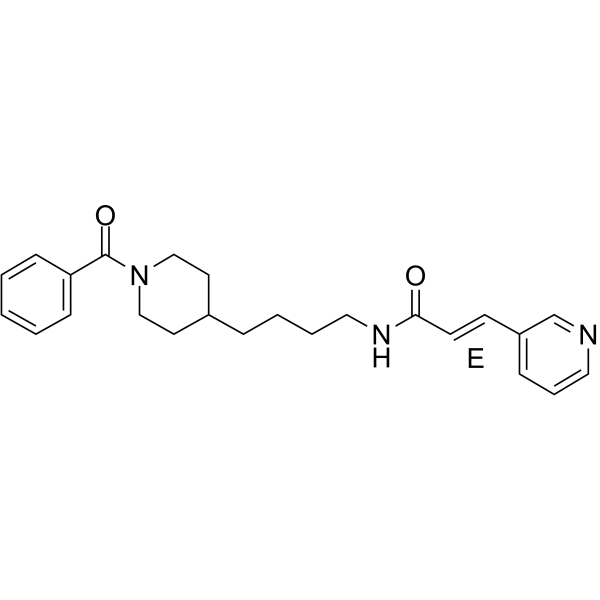
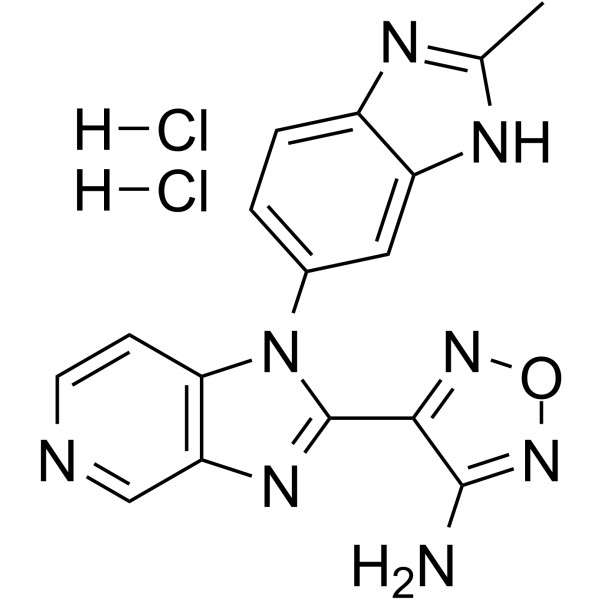
Daporinad (FK866) is a non-competitive inhibitor of nicotinamide phosphoribosyltransferase (Nampt), with a Ki value of 0.3 nM. Daporinad depletes NAD+ and ATP levels, inhibits mTORC1 and MAPK/ERK pathways, and activates TFEB to induce autophagy. Daporinad causes the depletion of the endoplasmic reticulum Ca²⁺ pool, ultimately weakening the mitogen-induced Ca²⁺ signal and the activation and function of T cells. Daporinad induces cell cycle arrest and apoptosis, and inhibits cell proliferation. Daporinad can be used for the study of myeloma, liver cancer, and immunosuppression .
loading...
    loading...
65
65 Cited Publications
Art. -Nr.: HY-A0003
CAS. Nr.: 191732-72-6
Synonyms: CC-5013
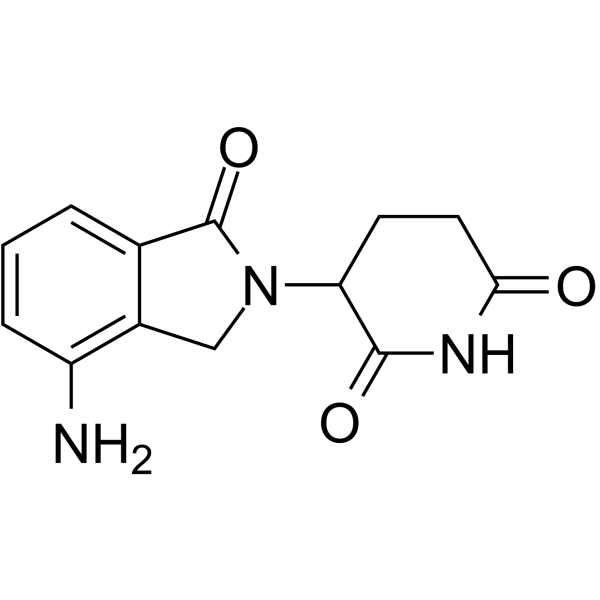
Lenalidomide (CC-5013) is an orally active immunomodulatory agent that binds CRBN as a molecular glue to alter substrate specificity, inducing ubiquitination and proteasome-dependent degradation of IKZF1, IKZF3 and CK1α. Lenalidomide induces apoptosis by degrading IKZF1/3, and activates p53 by degrading CK1α. Lenalidomide promotes IL-2 release and effector functions of CD8 + T/NK cells, while inhibiting TNF-α secretion and M1-type pyroptosis. Lenalidomide can be used in research related to hematological malignancies, acute liver failure and acute kidney injury .
loading...
    loading...
65
65 Cited Publications
Art. -Nr.: HY-A0003B
CAS. Nr.: 847871-99-2
Synonyms: CC-5013 hemihydrate
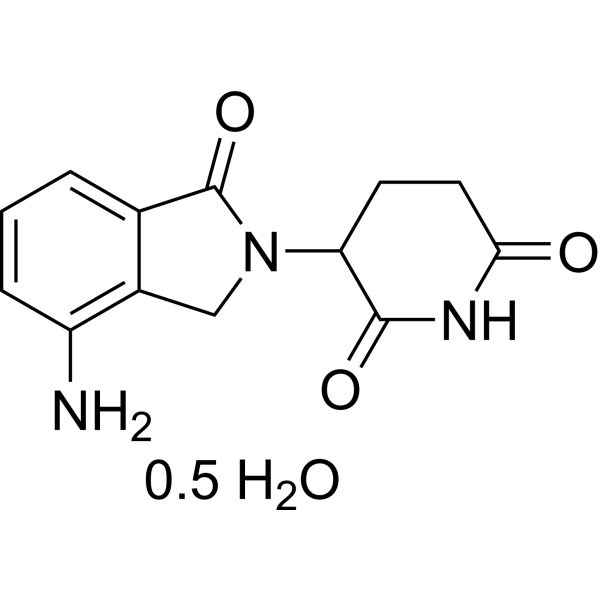
Lenalidomide hemihydrate (CC-5013 hemihydrate) is an orally active immunomodulatory agent that binds CRBN as a molecular glue to alter substrate specificity, inducing ubiquitination and proteasome-dependent degradation of IKZF1, IKZF3 and CK1α. Lenalidomide hemihydrate induces apoptosis by degrading IKZF1/3, and activates p53 by degrading CK1α. Lenalidomide hemihydrate promotes IL-2 release and effector functions of CD8 + T/NK cells, while inhibiting TNF-α secretion and M1-type pyroptosis. Lenalidomide hemihydrate can be used in research related to hematological malignancies, acute liver failure and acute kidney injury .
loading...
    loading...
34
34 Cited Publications
Art. -Nr.: HY-19356
CAS. Nr.: 84573-16-0
Synonyms: Roc-A
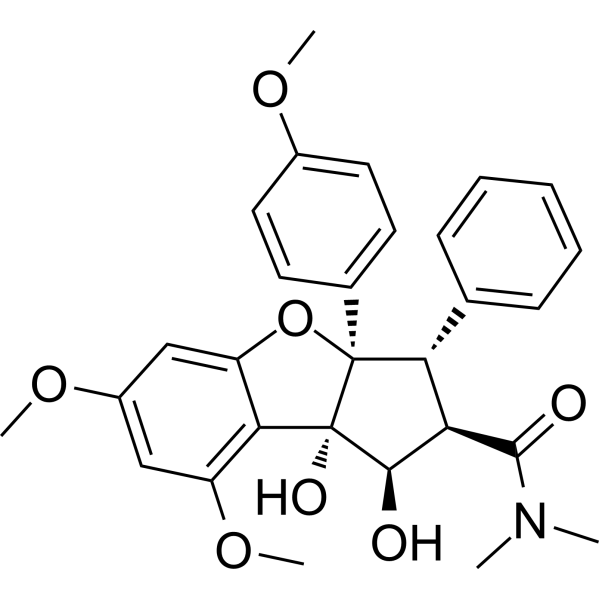
Rocaglamide (Roc-A) is isolated from the genus Aglaia and can be used for coughs, injuries, asthma and inflammatory skin diseases. Rocaglamide is a potent inhibitor of NF-κB activation in T-cells. Rocaglamide is a potent and selective heat shock factor 1 (HSF1) activation inhibitor with an IC50 of ~50 nM. Rocaglamide inhibits the function of the translation initiation factor eIF4A. Rocaglamide also has anticancer properties in leukemia .
loading...
    loading...
12
12 Cited Publications
Art. -Nr.: HY-19344
CAS. Nr.: 1025967-78-5
Synonyms: SAR 1118; SHP-606
Target:  

Integrin

Forschungsgebiete:  

Inflammation/Immunology

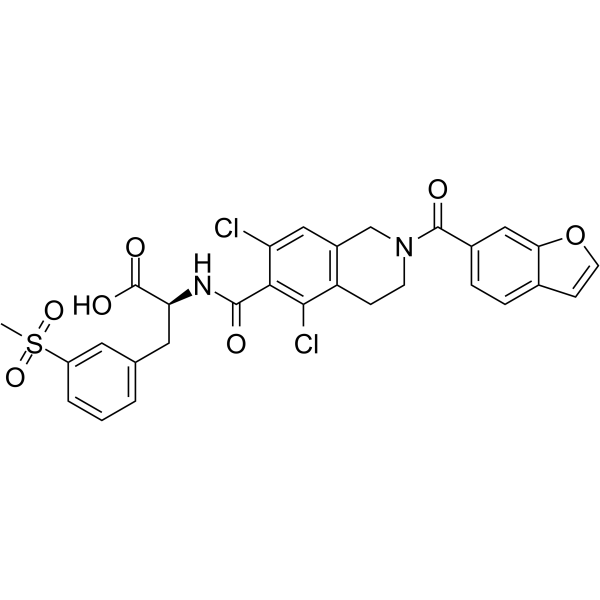
Lifitegrast (SAR 1118) is a potent integrin antagonist. Lifitegrast blocks the binding of intercellular adhesion molecule 1 (ICAM-1) to lymphocyte function-associated antigen 1 (LFA-1), interrupting the T cell-mediated inflammatory cycle. Lifitegrast inhibits Jurkat T cell attachment to ICAM-1 with an IC50 of 2.98 nM. Lifitegrast can be used for researching dry eye disease .
loading...
    loading...
12
12 Cited Publications
Art. -Nr.: HY-19344A
CAS. Nr.: 1119276-80-0
Synonyms: SAR 1118 sodium; SHP-606 sodium
Target:  

Integrin

Forschungsgebiete:  

Inflammation/Immunology

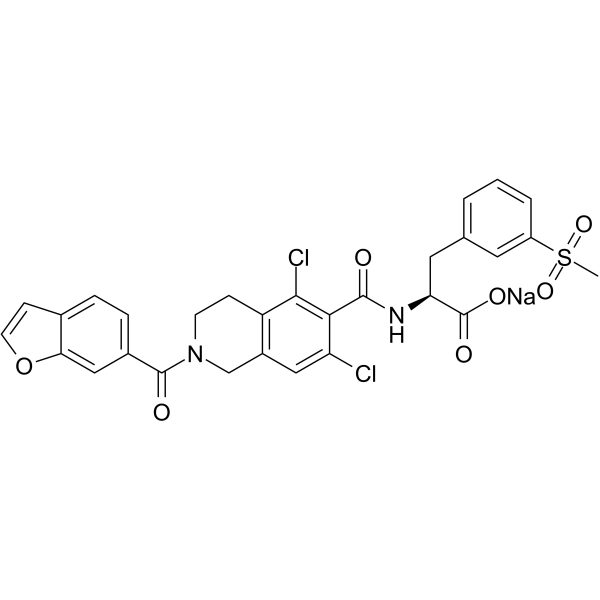
Lifitegrast (SAR 1118) sodium is a potent integrin antagonist. Lifitegrast sodium blocks the binding of intercellular adhesion molecule 1 (ICAM-1) to lymphocyte function-associated antigen 1 (LFA-1), interrupting the T cell-mediated inflammatory cycle. Lifitegrast sodium inhibits Jurkat T cell attachment to ICAM-1 with an IC50 of 2.98 nM. Lifitegrast sodium can be used for researching dry eye disease .
loading...
    loading...
9
9 Cited Publications
Art. -Nr.: HY-104037
CAS. Nr.: 2055536-64-4
Reinheit:  99.14%
Synonyms: LYC-55716
Target:  

ROR

Forschungsgebiete:  

Cancer

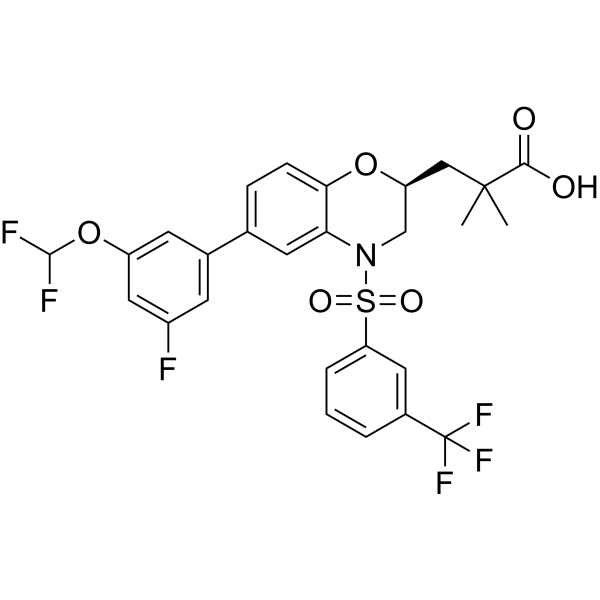
Cintirorgon (LYC-55716) is a first-in-class, selective and orally bioavailable RORγ agonist. Cintirorgon (LYC-55716) modulates gene expression of RORγ expressing T lymphocyte immune cells, resulting in enhanced effector function, as well as decreased immunosuppression, resulting in decreased tumor growth, and improved survival .
loading...
    loading...
8
8 Cited Publications
Art. -Nr.: HY-14668
CAS. Nr.: 202914-84-9
Reinheit:  99.57%
Synonyms: AEGR-733 mesylate; BMS-201038 mesylate
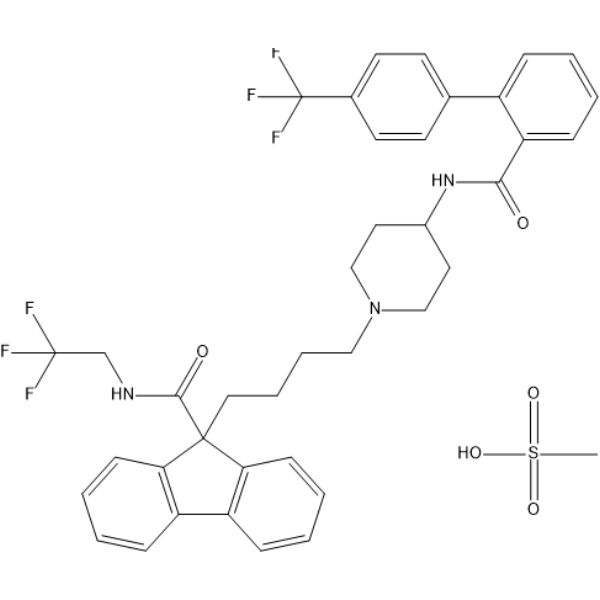
Lomitapide (AEGR-733; BMS-201038) mesylate is an orally active microsomal triglyceride transfer protein (MTP) inhibitor and a selective mTORC1 inhibitor with lipid-lowering activity and BBB permeability. Lomitapide mesylate significantly reduces plasma LDL levels by blocking the assembly and secretion of very-low-density lipoprotein (VLDL). Lomitapide mesylate inhibits mTORC1 in an ATP-dependent manner, thereby inducing AMPK-independent autophagic cell death and suppressing cancer cell growth and apoptosis. Lomitapide mesylate also enhances tumor infiltration of CD8 + T cells. In addition, Lomitapide mesylate inhibits HDAC, improves endothelial function, effectively alleviates vascular inflammation and oxidative stress, and exerts neuroprotective effects in a cerebral ischemia/reperfusion injury model. Lomitapide mesylate can be used in research on related diseases such as colorectal cancer, breast cancer, melanoma, ischemic stroke, and familial hypercholesterolemia .
loading...
    loading...
7
7 Cited Publications
Art. -Nr.: HY-126675A
CAS. Nr.: 2241300-51-4
Reinheit:  99.94%
Forschungsgebiete:  

Inflammation/Immunology

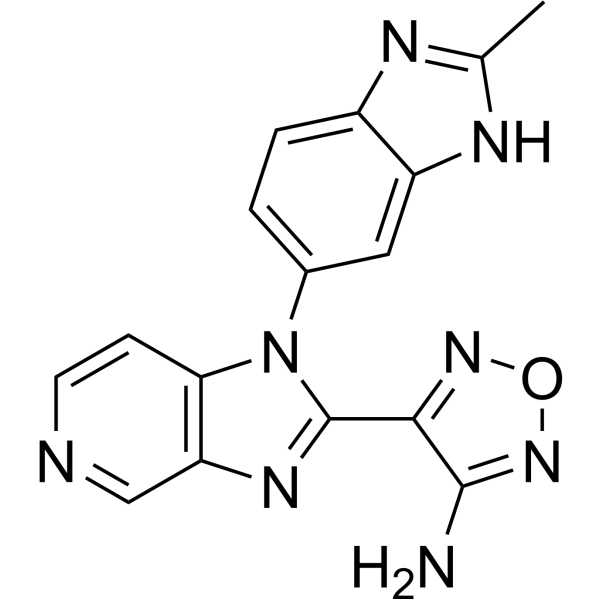
AS2863619 is an orally active CDK8/19 inhibitor that also inhibits BMP2, MDA5 and RIG-I receptors. AS2863619 targets Stat5a-CDK8/19 to promote the differentiation of CD4 + T cells into regulatory T cells and induce FOXP3 expression, thereby restoring immune homeostasis and establishing transplant immune tolerance. AS2863619 also enhances the BMP2/SMAD signaling pathway to promote osteogenic differentiation and inhibit adipogenic differentiation. AS2863619 exerts osteoprotective effects by alleviating inflammation-induced impairment of osteogenic function and inducing neutrophil apoptosis (apoptosis). AS2863619 can be applied to research in related fields such as periodontitis-induced bone defects .
loading...
    loading...
7
7 Cited Publications
Art. -Nr.: HY-126675
CAS. Nr.: 2241300-50-3
Reinheit:  99.68%
Forschungsgebiete:  

Inflammation/Immunology

AS2863619 free base is an orally active CDK8/19 inhibitor that also inhibits BMP2, MDA5 and RIG-I receptors. AS2863619 free base targets Stat5a-CDK8/19 to promote the differentiation of CD4 + T cells into regulatory T cells and induce FOXP3 expression, thereby restoring immune homeostasis and establishing transplant immune tolerance. AS2863619 free base also enhances the BMP2/SMAD signaling pathway to promote osteogenic differentiation and inhibit adipogenic differentiation. AS2863619 free base exerts osteoprotective effects by alleviating inflammation-induced impairment of osteogenic function and inducing neutrophil apoptosis (apoptosis). AS2863619 free base can be applied to research in related fields such as periodontitis-induced bone defects .
loading...
    loading...
6
6 Cited Publications
Art. -Nr.: HY-P1956
CAS. Nr.: 70024-90-7
Synonyms: Human serum albumin
HSA Protein (Human serum albumin) is the most abundant protein in plasma and is a major determinant of plasma oncotic pressure. HSA Protein exhibits antioxidant, anticoagulant, anti-inflammatory, anti-platelet aggregation activities as well as colloid osmotic action. HSA Protein can block the inhibitory effect of GML on human T cells, providing protective function for T cells. HSA Protein is also associated with cardiovascular diseases and can partially prevent the LPS (HY-D1056) induced oxidative stress, as well as the upregulation of NF-κB, NF-κB, and peroxynitrite (ONOO -) in the vascular wall, contributing to the reduction of blood pressure .
This product is recombinant HSA Protein expressed in a microbial expression system.
loading...
    loading...
6
6 Cited Publications
Art. -Nr.: HY-N9933
CAS. Nr.: 25696-60-0
Synonyms: TβMCA
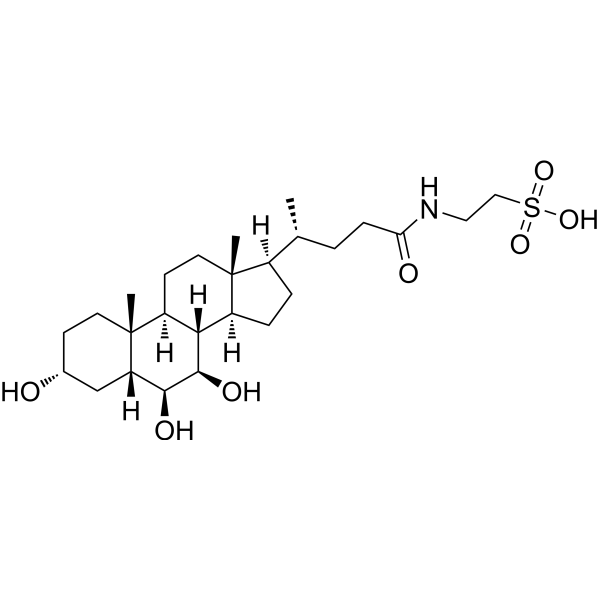
Tauro-β-muricholic acid (TβMCA) is an orally active trihydroxylated bile acid and a competitive, reversible FXR antagonist (IC50=40 μM). Tauro-β-muricholic acid inhibits bile acid-induced hepatocyte apoptosis by maintaining mitochondrial membrane potential, while simultaneously inhibiting intestinal FXR signaling, affecting bile acid synthesis, hepatic lipid metabolism, and insulin sensitivity. Accumulation of tauro-β-muricholic acid disrupts metabolic homeostasis, promoting cancer stem cell proliferation and tumor progression. The mechanisms of tauro-β-muricholic acid involve two aspects: first, inhibiting the translocation of the pro-apoptotic protein Bax to mitochondria and maintaining mitochondrial membrane potential (MMP); and second, blocking the FXR signaling pathway to regulate bile acid metabolism, reduce serum ceramide production, and downregulate the hepatic SREBP1C/CIDEA pathway. Tauro-β-muricholic acid possesses anti-hepatocyte apoptosis, bile acid homeostasis regulation, and liver fat accumulation reduction properties, and also functions as a biomarker, making it useful in the study of diseases such as bile acid metabolism disorders, non-alcoholic fatty liver disease, colorectal cancer, and liver fibrosis .
loading...
    loading...
5
5 Cited Publications
Art. -Nr.: HY-17009
CAS. Nr.: 123663-49-0
Synonyms: T614
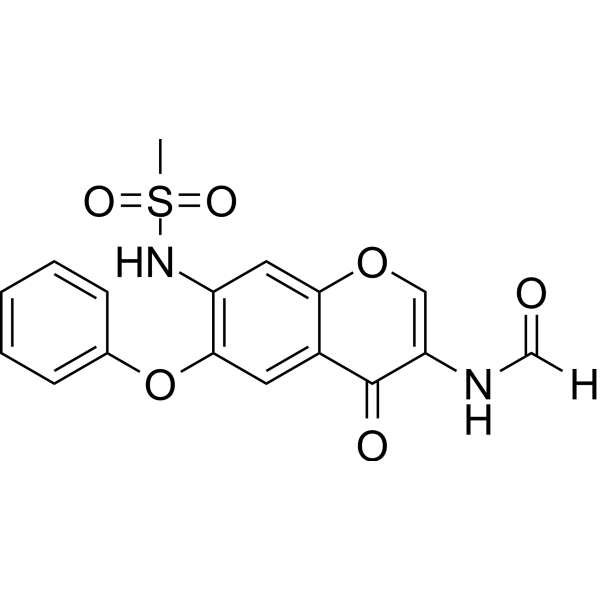
Iguratimod (T614) is an orally active anti-rheumatic agent. Iguratimod modulates T and B lymphocytes, inhibits the production of inflammatory cytokines and autoantibodies, and downregulates T cell-dependent cellular immunity. Iguratimod targets the IL-17 signaling axis, reduces MAPK phosphorylation and the mRNA stability of pro-inflammatory genes in fibroblast-like synoviocytes, and alleviates synovial inflammation in collagen-induced arthritis. Iguratimod blocks RANKL- and TNF-α-induced osteoclastogenesis by inhibiting the p38, ERK, and NF-κB signaling pathways, suppresses the bone resorption function of mature osteoclasts, and protects ovariectomized mice from bone loss. Iguratimod inhibits MIF tautomerase activity and exerts a steroid-sparing effect. Iguratimod inhibits COX-2, reduces PGE2 release, and also possesses anti-pulmonary fibrosis effects. Iguratimod can be used in research on various diseases such as rheumatoid arthritis, systemic lupus erythematosus, and interstitial lung disease .
loading...
    loading...
4
4 Cited Publications
Art. -Nr.: HY-N0454
CAS. Nr.: 7200-25-1
Synonyms: (±)-Arginine
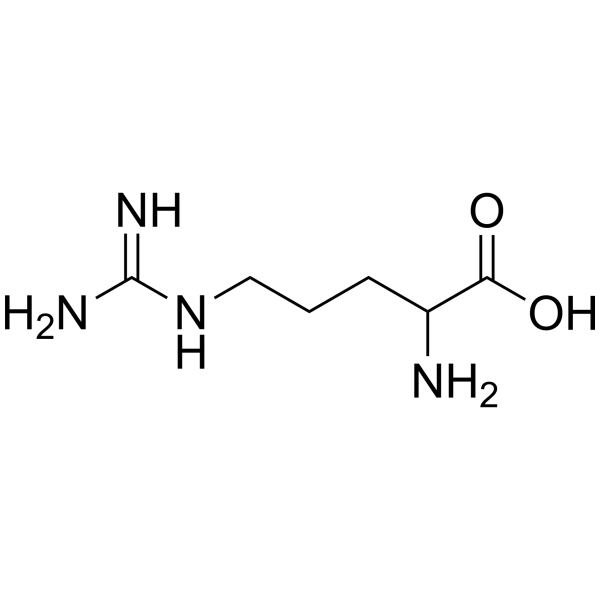
DL-Arginine is the racemic compound of L-Arginine (HY-N0455) and D-Arginine (HY-W016781). Arginine is an essential amino acid that requires additional supplementation in traumatic or diseased conditions. Arginine is involved in T cell activation, proliferation, and differentiation, and affects the function of immune cells .
loading...
    loading...
4
4 Cited Publications
Art. -Nr.: HY-W014375
CAS. Nr.: 32042-43-6
Synonyms: (±)-Arginine hydrochloride
Target:  

Endogenous Metabolite

Forschungsgebiete:  

Cardiovascular Disease

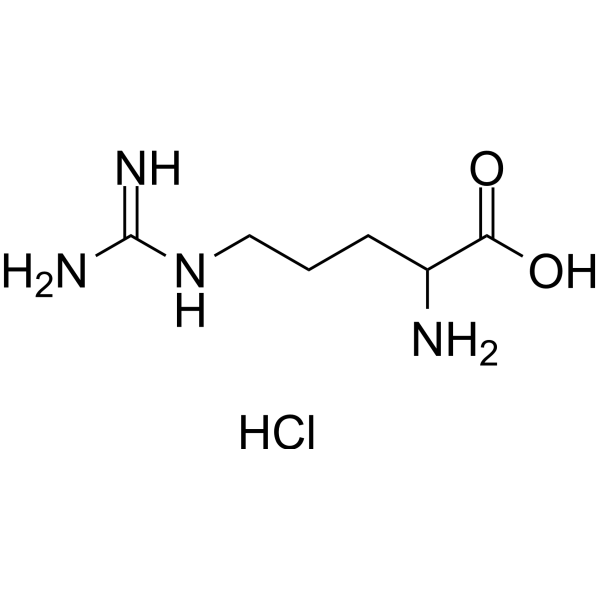
DL-Arginine ((±)-Arginine) hydrochloride is the racemic compound of L-Arginine (HY-N0455) and D-Arginine (HY-W016781). Arginine is an essential amino acid that requires additional supplementation in traumatic or diseased conditions. Arginine is involved in T cell activation, proliferation, and differentiation, and affects the function of immune cells .
loading...
    loading...
3
3 Cited Publications
Art. -Nr.: HY-150298
CAS. Nr.: 2226636-04-8
Reinheit:  99.71%
Synonyms: CPI-818
Target:  

Itk

Forschungsgebiete:  

Inflammation/Immunology Cancer

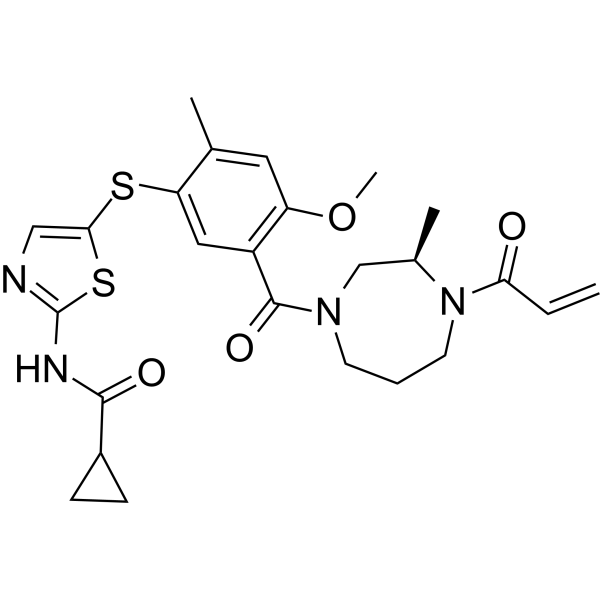
Soquelitinib (CPI-818) is an orally active and highly selective covalent interleukin-2-inducible kinase (ITK) inhibitor. Soquelitinib is active in six different models of T cell-mediated inflammatory and immune disease, including acute and chronic asthma, pulmonary fibrosis, systemic sclerosis (scleroderma), psoriasis, and acute graft versus host disease with Th2 cytokine product inhibition. Soquelitinib increases tumor infiltration of normal CD8 + cells that possess enhanced T effector function .
loading...
    loading...
3
3 Cited Publications
Art. -Nr.: HY-P99132

Target:  

CTLA-4

Forschungsgebiete:  

Inflammation/Immunology Cancer

Anti-Mouse CTLA-4 Antibody (9D9) is an anti-mouse CTLA-4 IgG2b monoclonal antibody. Anti-Mouse CTLA-4 Antibody (9D9) can bind to CTLA-4 and block its binding to B7. Anti-Mouse CTLA-4 Antibody (9D9) enhances T cell function by increasing the ratio of CD8 + T cells to regulatory T cells (Tregs). Anti-Mouse CTLA-4 Antibody (9D9) can be used for research on cancer such as colon cancer and melanoma .
loading...
    loading...
3
3 Cited Publications
Art. -Nr.: HY-B1180
CAS. Nr.: 4880-88-0
Synonyms: (-)-Eburnamonine; (-)-Vincamone
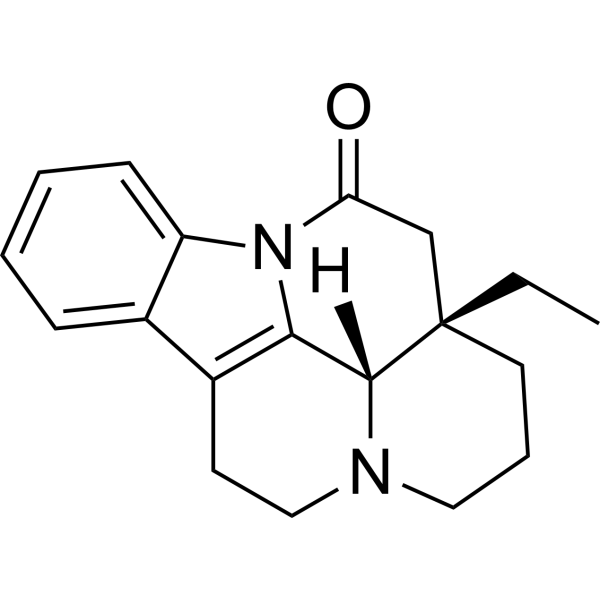
Vinburnine ((-)-Eburnamonine; (-)-Vincamone) is an orally active, blood-brain barrier permeable immunomodulator and apoptosis inducer. Vinburnine drives the secretion of IL-24 by activating the P38/MAPK/ATF3 signaling axis. Vinburnine induces reactive oxygen species production and DNA damage in cancer cells, thereby inhibiting cancer cell proliferation, activating the apoptotic cascade, and enhancing CD8+ T cell function to remodel the tumor immune microenvironment. Vinburnine can be used in the research of diseases such as melanoma .
loading...
    loading...
2
2 Cited Publications
Art. -Nr.: HY-101093
CAS. Nr.: 1673534-76-3
Reinheit:  99.39%
Target:  

PD-1/PD-L1

Forschungsgebiete:  

Inflammation/Immunology Cancer

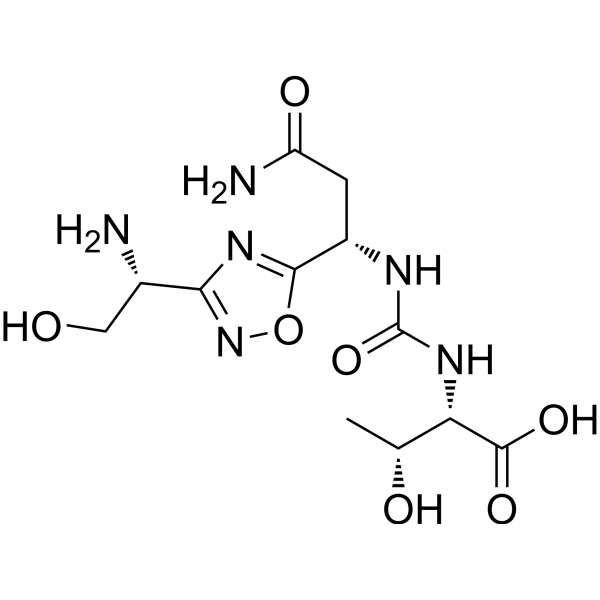
CA-170 is an orally delivered dual inhibitor of VISTA and PD-L1. CA-170 exhibits potent rescue of proliferation and effector functions of T cells inhibited by PD-L1/L2 and VISTA with selectivity over other immune checkpoint proteins as well as a broad panel of receptors and enzymes .
loading...
    loading...
2
2 Cited Publications
Art. -Nr.: HY-P990587

Forschungsgebiete:  

Inflammation/Immunology

FR104 is a selective CD28 inhibitor (binding to CD28 with a Kd value of 4.6 nM; ED50 value of 7.5 ng/mL). FR104 blocks the binding of CD28 to CD80/CD86 and ICOSL, inhibiting conventional T cell costimulation, proliferation, IL-2 secretion, alloantigen responses, and donor-specific alloantibody production. FR104 does not affect the CTLA-4/PD-L1 pathway, preserves the suppressive function of regulatory T cells, and accumulates Helios-negative Foxp3-positive regulatory T cells. FR104 has a prolonged half-life via pegylation (PEG300) (HY-Y0873) and sustained receptor occupancy, and alleviates central nervous system inflammation, demyelinating lesions, and anti-rhMOG responses. FR104 can be used for research on graft-versus-host disease, renal allograft rejection, and experimental autoimmune encephalomyelitis .
loading...
    loading...
