



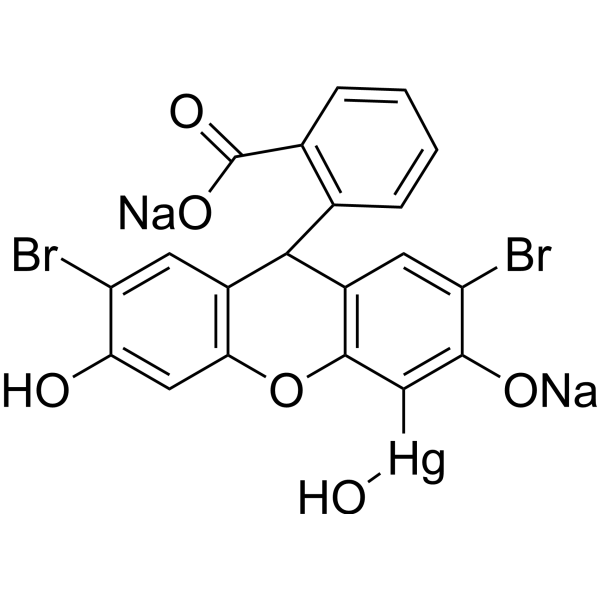
- Formula: C20H10Br2HgNa2O6
- Molecular Weight: 752.67
Merbromin is a mixed inhibitor of the 3-chymotrypsin-like protease (3CLpro) of SARS-CoV-2, with an IC50 of 2.7 μM. Merbromin effectively inhibits the replication of the Zika virus (ZIKV) and shows anti-ZIKV activity by inhibiting ZIKVpro. Merbromin can also be used as a topical disinfectant for cuts and scrapes, and it serves as a biological dye.
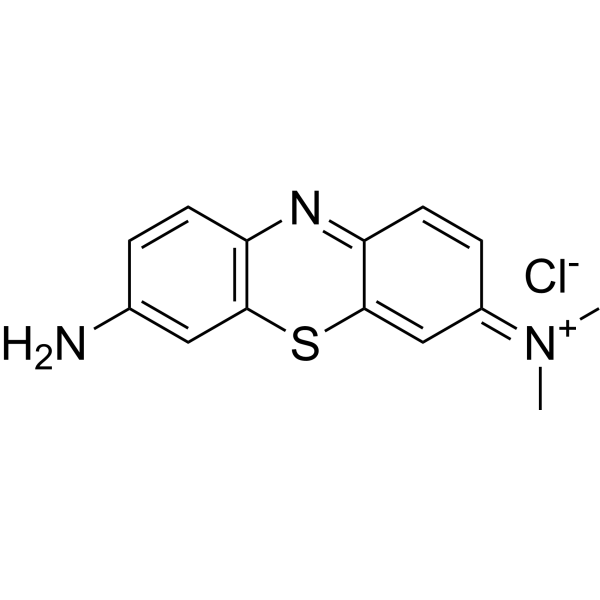
- Formula: C14H14ClN3S
- Molecular Weight: 291.80
Giemsa stain is a composite dye composed of methylene azure, methylene blue, eosin and other components. Giemsa stain stains chromatin, nuclear membranes, specific cytoplasmic components and microorganisms. Giemsa stain is used in research on cytological and parasitological staining.
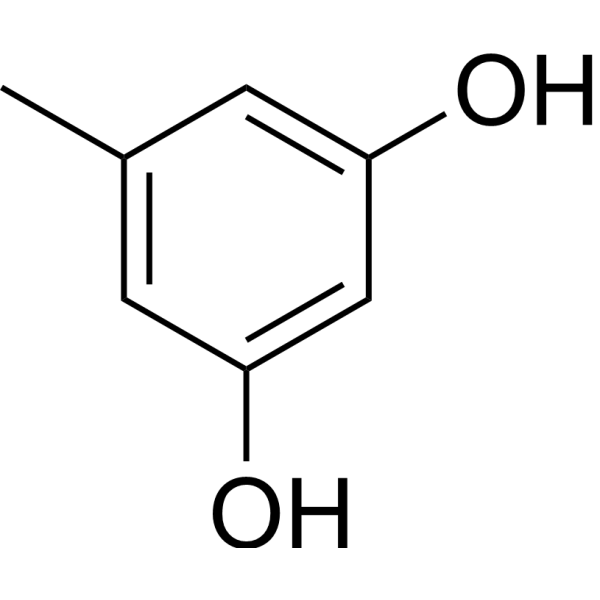
- Formula: C7H8O2
- Molecular Weight: 124.14
Orcinol (3,5-Dihydroxytoluene) is an organic compound used in biological dyeing and proteomics research. Orcinol inhibits melanogenesis in B16F10 cells by upregulating the MAPK/ERK signaling pathway, and suppresses the expression of MITF, tyrosinase (TYR), TRP1, and DCT. Orcinol exhibits certain DPPH radical scavenging activity. In addition, Orcinol can alter nitrogen balance in animals. Orcinol holds promise for research in cancer and metabolic diseases.
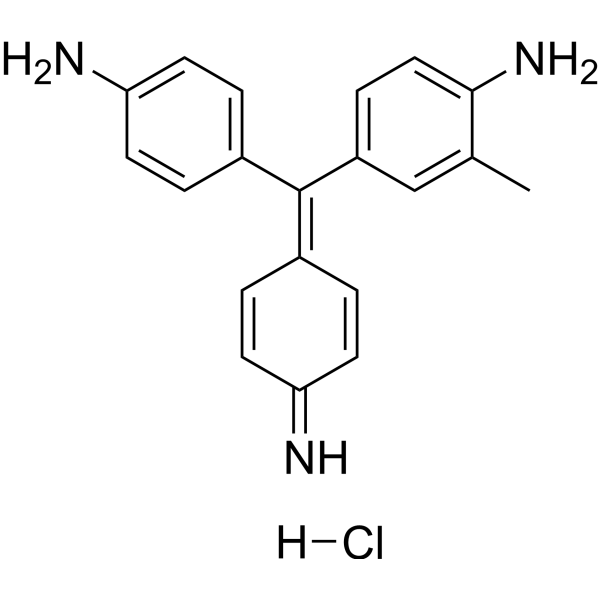
- Formula: C20H20ClN3
- Molecular Weight: 337.85
Fuchsine base (Magenta base; Basic Fuchsin) monohydrochloride is a triaminotriphenylmethane dye. Fuchsine base monohydrochloride has anesthetic, bactericidal and fungicidal properties. Fuchsine base monohydrochloride can be used for the staining of collagen, muscle, mitochondria and tuberculosis. Fuchsine base monohydrochloride is commonly used as a counterstain in Gram staining.
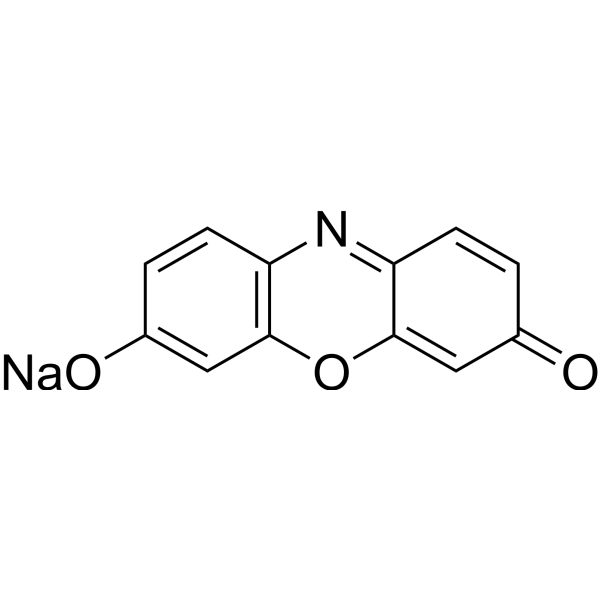
- Formula: C12H6NNaO3
- Molecular Weight: 235.17
Resorufin sodium salt (NSC 12097) is a highly fluorescent pink dye. Resorufin sodium salt shows favorable properties such as water solubility, red-shifted absorption/emission signals. Resorufin sodium salt is used for the detection of ROS/RNS and a second analyte.
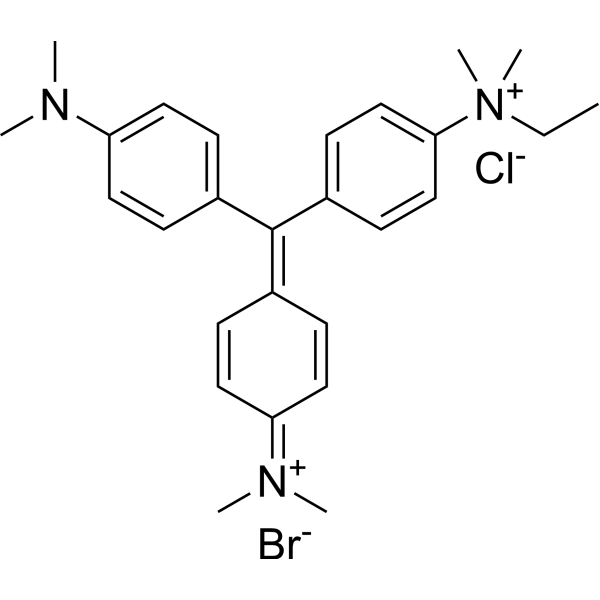
- Formula: C27H35BrClN3
- Molecular Weight: 516.94
Methyl Green is a non-intercalating fluorescent labeling agent that selectively binds to the major groove of DNA. Methyl Green electrostatically interacts with the major groove of DNA through positively charged groups, exhibiting key activities such as high affinity, resistance to photobleaching, and stable fluorescence emission. Methyl Green can be directly measured by microscopy and flow cytometry, with peaks at 633 and 677 nm. Methyl Green can be used for fluorescent labeling of the nuclei of embryonic tissues or cells, or DNA staining and cell activity detection in gel electrophoresis[1][2][3].

- Formula: C26H32N2O12
- Molecular Weight: 564.54
DMN-Tre is a conjugate of a solvatochromic fluorescent dye and trehalose. DMN-Tre takes advantage of the substrate promiscuity of the endogenous antigen 85 protein complex in mycobacteria to be metabolically integrated into the hydrophobic mycobacterial membrane. Once entering this hydrophobic environment, the linked DMN dye fluorescence is "turned on", enabling specific labeling. DMN-Tre can be used to reflect bacterial metabolic activity and support physiological studies of Mycobacterium tuberculosis.

Wright's stain is a composite cell stain that mainly binds to intracellular nucleic acids, proteins and other components through thiazine dyes (such as methylene blue) and eosin. Wright's stain is pH-dependent (optimal pH 6.4-6.7) and achieves cell morphology resolution by differentially staining the cytoplasm and nucleus. Under alkaline conditions, thiazine dyes bind to nucleic acids to form purple, and acidic eosin binds to cytoplasmic proteins to form red, which can form contrasting cell morphological features. Wright's stain can clearly display the fine structures of blood cells and bone marrow cells (such as nuclear chromatin and granules) and quickly evaluate cell morphological abnormalities.
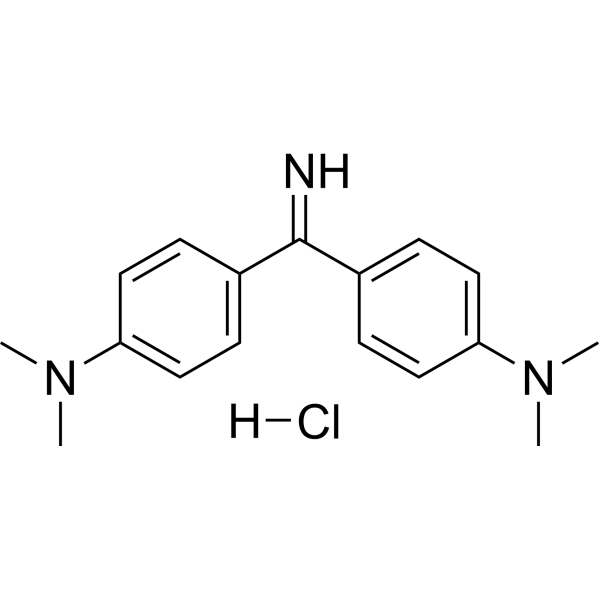
- Formula: C17H22ClN3
- Molecular Weight: 303.84
Auramine O is a yellow fluorescent dye. Auramine O is used to detect amyloid fibrils. Auramine O promotes lung malignancy. Auramine O is also used to determine algal cell viability and stain acid-fast bacteria.
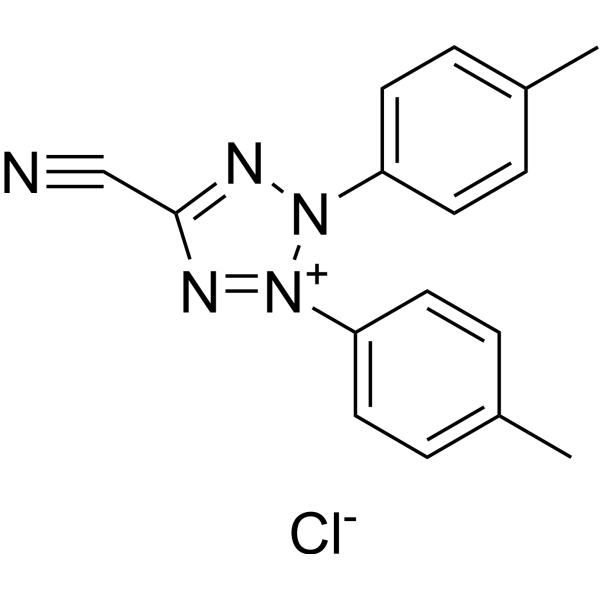
- Formula: C16H14ClN5
- Molecular Weight: 311.77
5-Cyano-2,3-di-(p-tolyl)tetrazolium chloride (CTC) is a redox-sensitive red fluorescent dye. 5-Cyano-2,3-di-(p-tolyl)tetrazolium chloride can be used for detecting metabolic activity in microorganisms. The emission maximum of 5-Cyano-2,3-di-(p-tolyl)tetrazolium chloride is 602 nm.
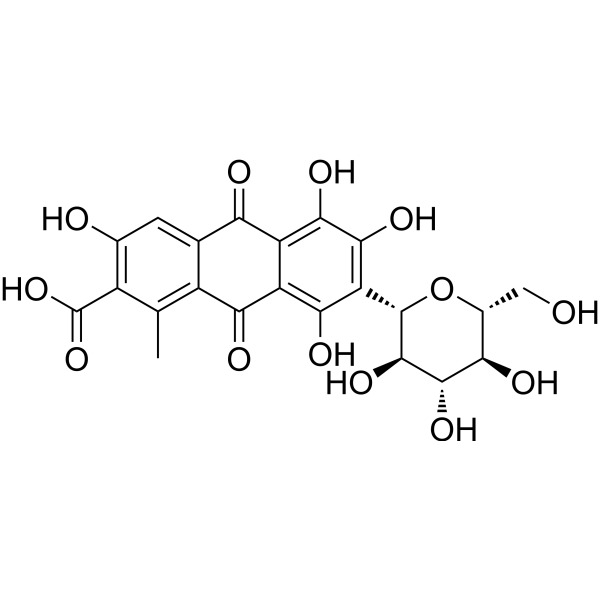
- Formula: C22H20O13
- Molecular Weight: 492.39
Carminic acid is a widely used and orally active natural red pigment that can be used in industries such as food, cosmetics, and pharmaceuticals. In addition, carminic acid has anti-inflammatory and antioxidant activities.
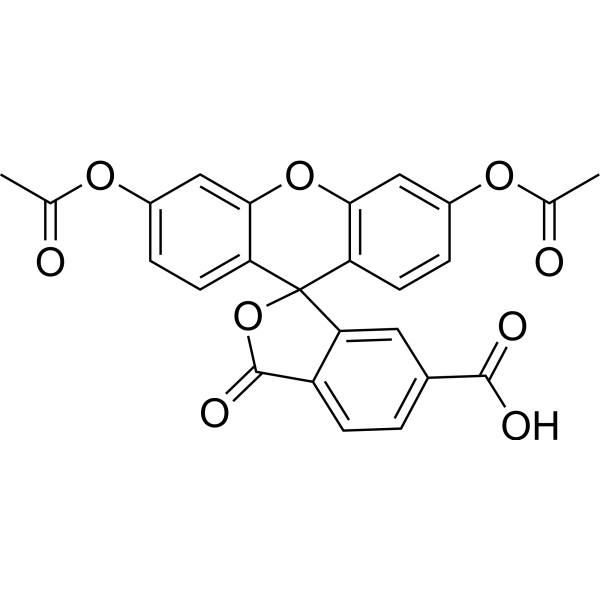
- Formula: C25H16O9
- Molecular Weight: 460.39
6-CFDA is a common aliphatic luciferin-line organism. CFDA conducts free diffusion into cells, and then it is hydrolyzed into carboxyl fluorescein (CF) by intracellular non-specific lipase. CF containing portion contains an additional negative charge so that it is better retained in cells, compared to fluorescein dyes.
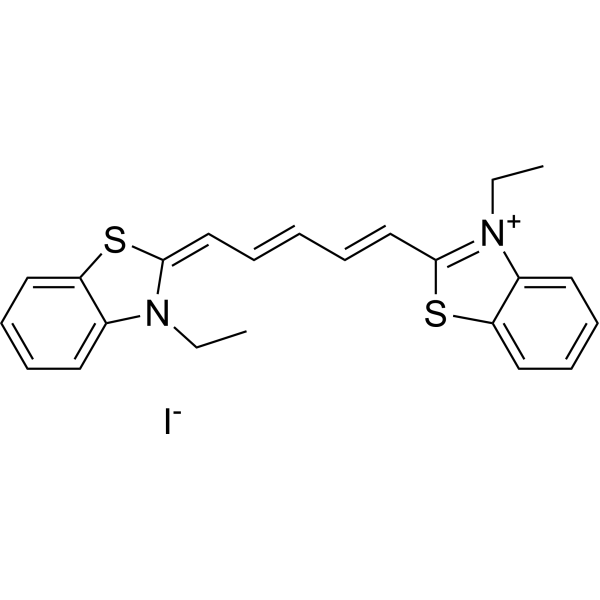
- Formula: C23H23IN2S2
- Molecular Weight: 518.48
Dithiazanine iodide is a broad-spectrum anthelmintic that induces irreversible relaxation and death of Trichuris trichiura. Dithiazanine iodide is used in research related to trichuriasis, strongyloidiasis, ascariasis, enterobiasis and hookworm infections.
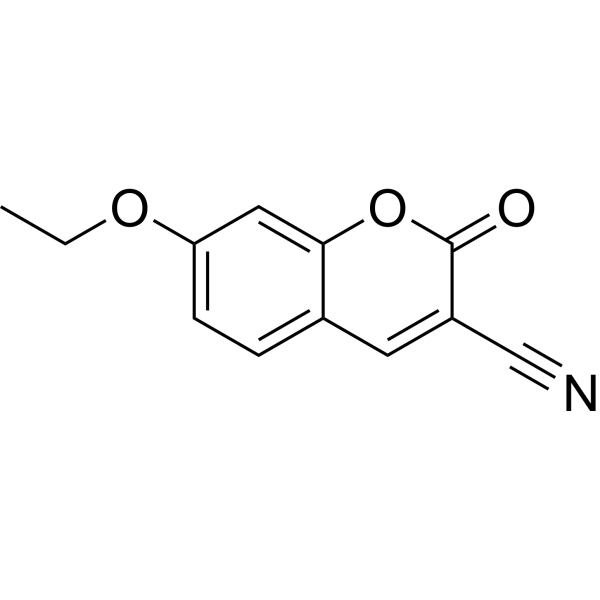
- Formula: C12H9NO3
- Molecular Weight: 215.20
3-Cyano-7-ethoxycoumarin is a fluorescent cytochrome P-450 substrate that generates a blue fluorescent product upon enzymatic cleavage. 3-Cyano-7-ethoxycoumarin is used to detect the activity of mixed-function oxidases in isolated rat hepatocytes. 3-Cyano-7-ethoxycoumarin serves as a biological dye and indicator for research.
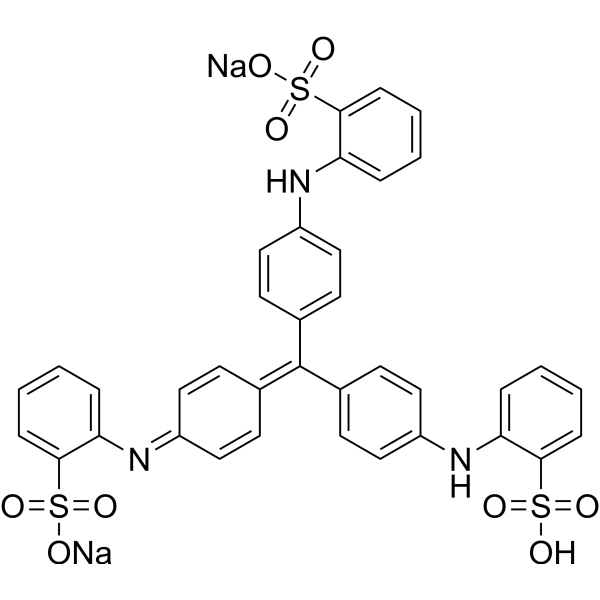
- Formula: C37H27N3Na2O9S3
- Molecular Weight: 799.80
Methyl blue belongs to the group of triaminotriphenylmethane dyes. Methyl blue is widely used as antiseptic dye in polychrome staining method and has applications in histological and microbiological staining solutions. Methyl blue has been used as a model to study the effect of various catalysts on photodegradation of dyes.
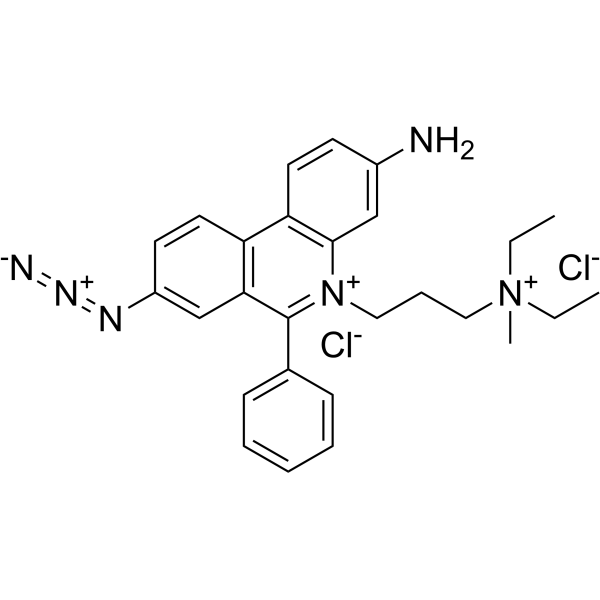
- Formula: C27H32Cl2N6
- Molecular Weight: 511.49
Propidium monoazide is a cell-impermeant photoreactive DNA-binding dye that preferentially binds to dsDNA. Propidium monoazide (PMA) prevents DNA from dead bacteria from being amplified during the PCR. PMA-PCR enhanced both the specificity and the sensitivity of PCR. Propidium monoazide is a click chemistry reagent, it contains an Azide group and can undergo copper-catalyzed azide-alkyne cycloaddition reaction (CuAAc) with molecules containing Alkyne groups. It can also undergo strain-promoted alkyne-azide cycloaddition (SPAAC) reactions with molecules containing DBCO or BCN groups.
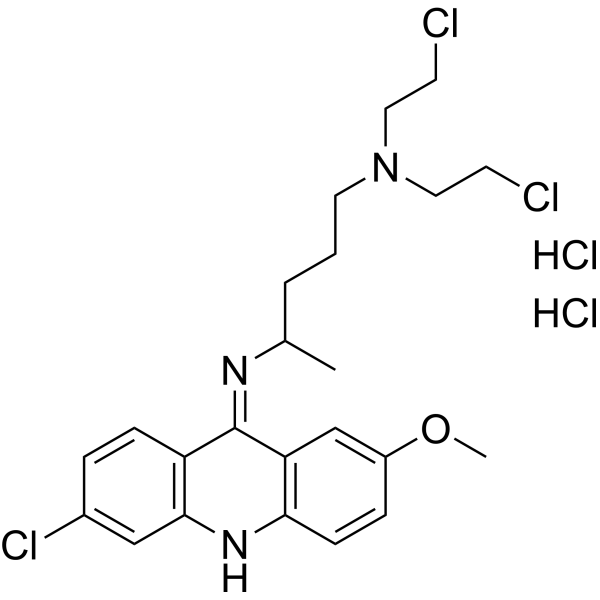
- Formula: C23H30Cl5N3O
- Molecular Weight: 541.77
Quinacrine mustard dihydrochloride is a fluorochrome. Quinacrine mustard dihydrochloride as a polycyclic aromatic agent can be used as mutagenic agent induces the mutants of bacteria. Quinacrine mustard dihydrochloride induces cell cycle arrest at G2/M-phase. Quinacrine mustard dihydrochloride has the potential for the research of plant, animal, or human chromosomes.
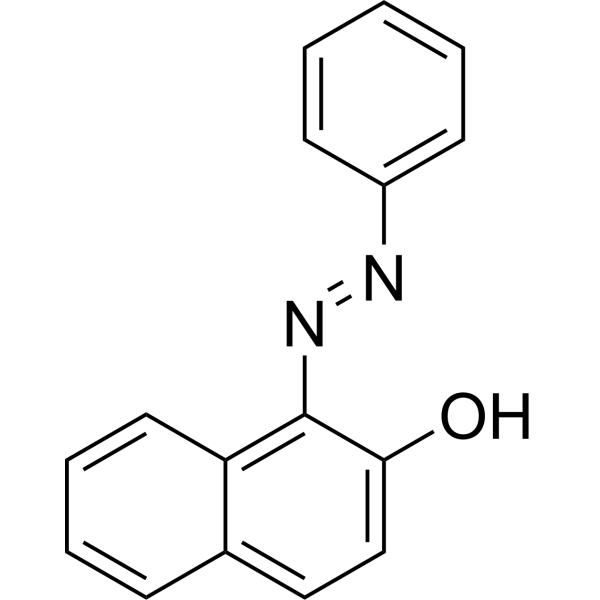
- Formula: C16H12N2O
- Molecular Weight: 248.28

Jenner's Stain is a dye that is used in microscopy for staining blood smears. Jenner's Stain can be used for the chromosome stain by C-banding technique. Jenner's Stain can be used for the stain for routine blood examinations and malarial staining.



