



Tafamidis
Based on 2 publication(s) in Google Scholar
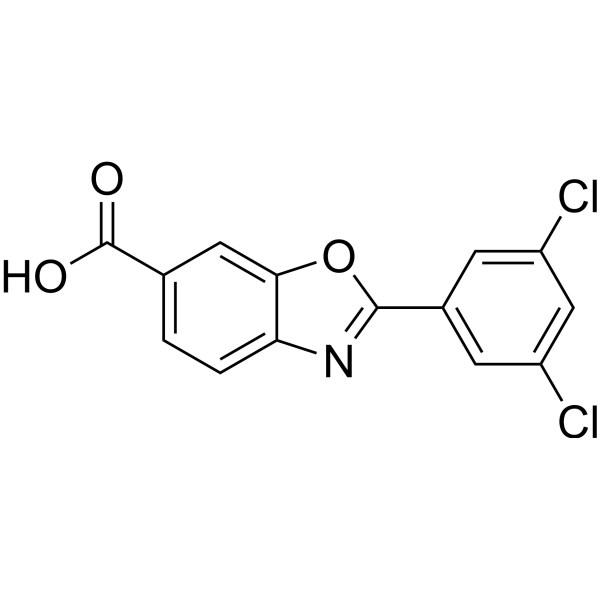
Tafamidis (Fx-1006A (free acid)) is an orally active and selective transthyretin (TTR) stabilizer. Tafamidis binds to the thyroxine binding site with negative cooperativity, stabilizes the TTR tetramer, slows TTR tetramer dissociation and subunit exchange, and inhibits TTR fibril formation. Tafamidis can be used in research on nervous system-related diseases.
Para uso exclusivo en investigación. No vendemos a pacientes.
- Pureza : 99.93%
- No. CAS: 594839-88-0
- Fòrmula: C14H7Cl2NO3
- Peso molecular:308.12
-
Almacenamiento:Powder -20°C, 3 years , 4°C, 2 years ; In solvent -80°C, 2 years , -20°C, 1 year

To place orders, for customer services and technical support, please contact: MedChemExpress USA
Tel: 609-228-6898 E-mail: [email protected] [email protected]


-
 Actividad biológica
-
Chemical Information
-
Solvente y solubilidad
- Pureza y Documentación
- Referencias
-
 Help & FAQs


-
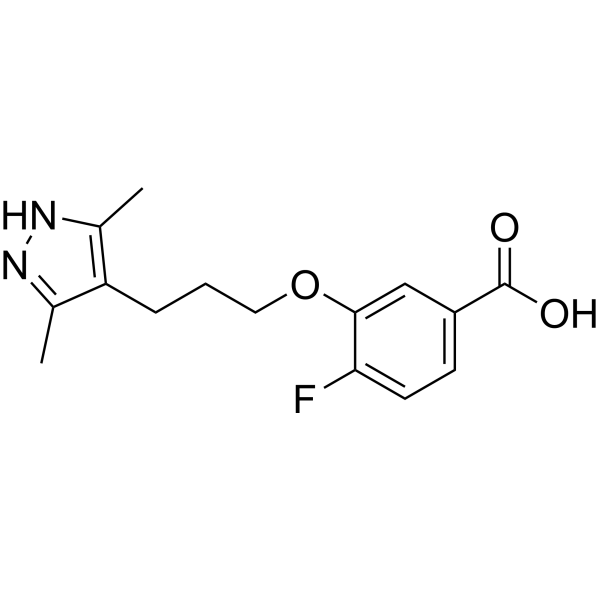
HY-109165
AcoramidisTransthyretin Stabilizer -
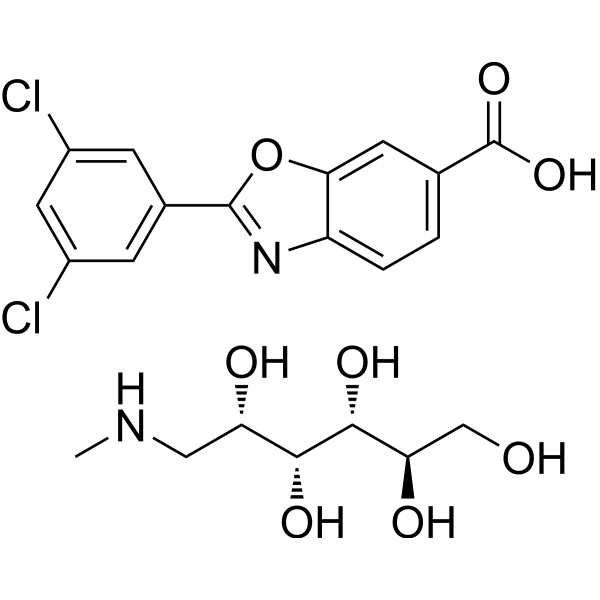
HY-14852A
Tafamidis meglumineTTR Stabilizer -
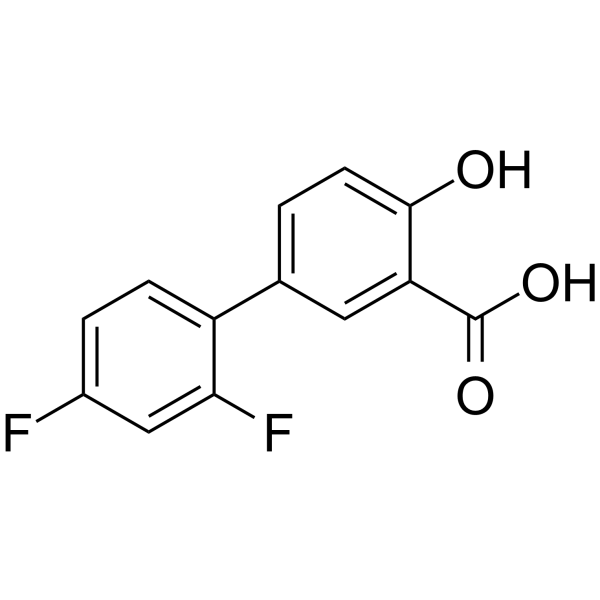
HY-18342
DiflunisalCOX Inhibitor -
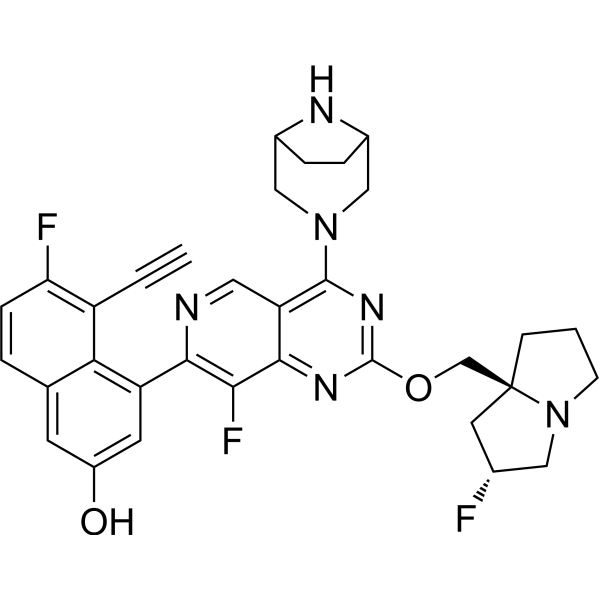
HY-134813
MRTX1133KRAS G12D Inhibitor -
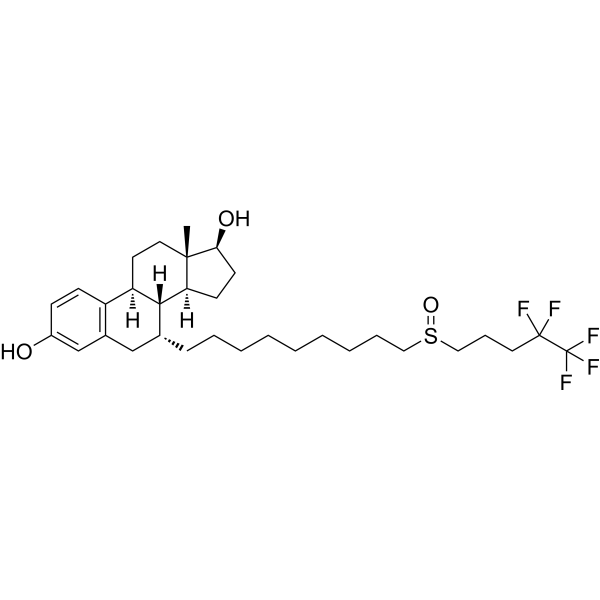
HY-13636
FulvestrantEstrogen Receptor Antagonist -
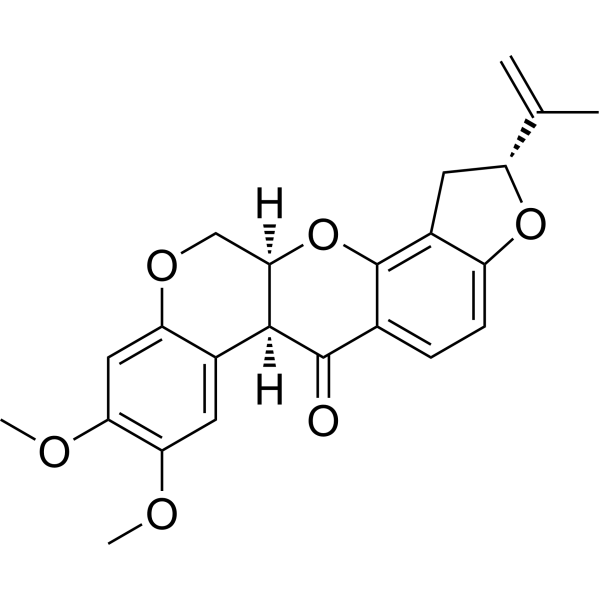
HY-B1756
RotenoneMitochondrial Complex I Inhibitor -
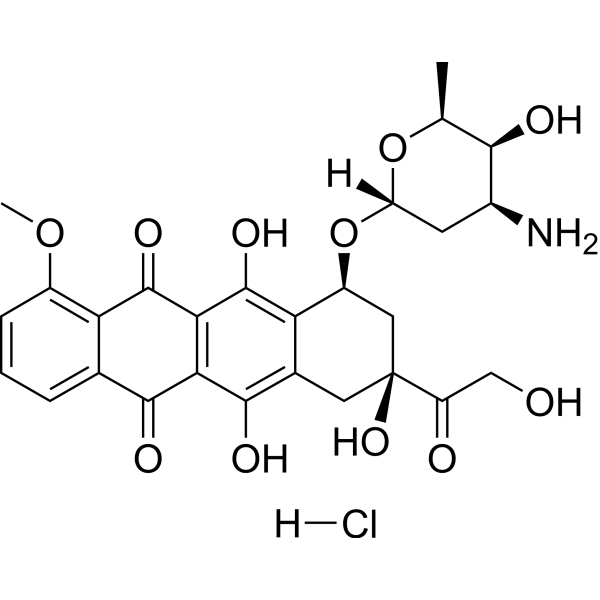
HY-15142
Doxorubicin hydrochlorideTopoisomerase Inhibitor -
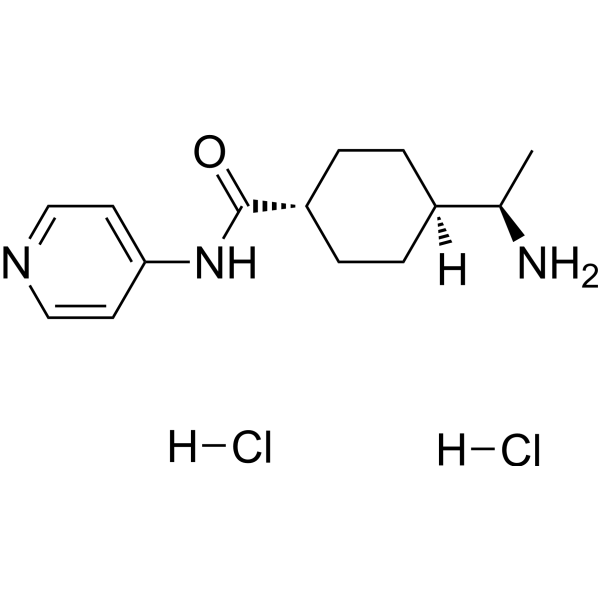
HY-10583
Y-27632 dihydrochlorideROCK Inhibitor -

HY-14852R
Tafamidis (Standard)Reference Standard -
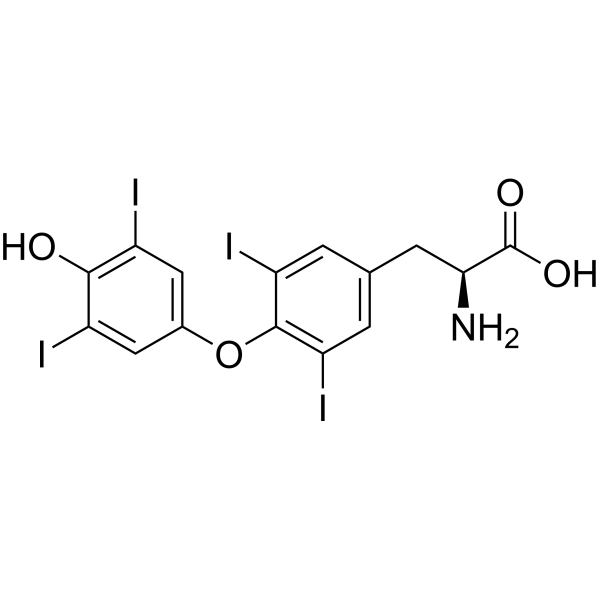
HY-18341
L-ThyroxineThyroid Hormone -
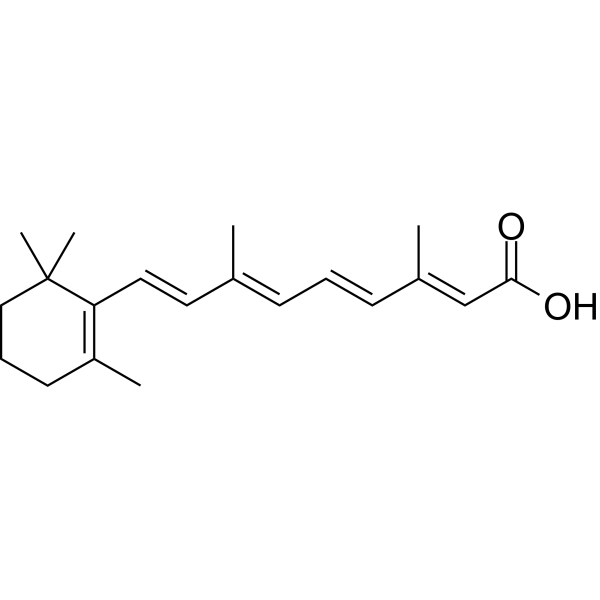
HY-14649
Retinoic acidRAR Agonist -
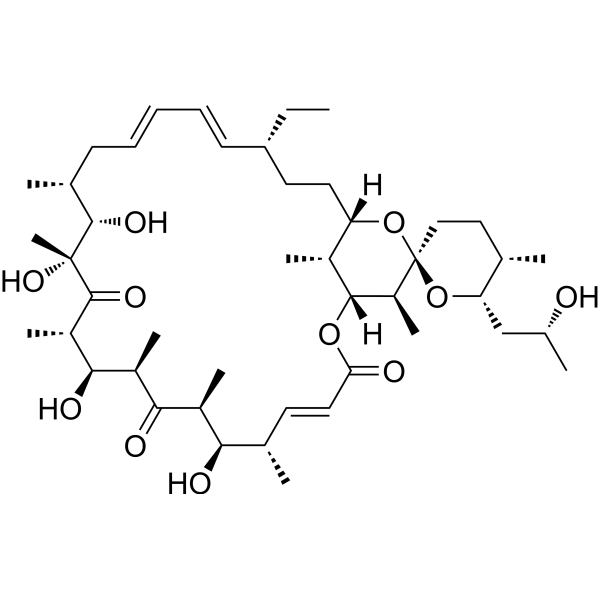
HY-16589
Oligomycin AMitochondrial ATP Synthase Inhibitor
Publications Citing Use of MedChemExpress (MCE) Tafamidis
More

Actividad biológica
Descripciòn
In Vitro
Tafamidis is highly bound to rat plasma proteins, with a binding rate of 99.8% at 2 μg/mL and a blood-to-plasma partition ratio of 56.6%[1].
Tafamidis binds recombinant wild-type TTR and human plasma TTR with high selectivity and high affinity, and effectively inhibits the dissociation of wild-type TTR and more than 35 TTR mutant heterotetramers, including Val30Met and Val122Ile; it stabilizes TTR tetramers by slowing subunit exchange of the TTR tetramer and inhibiting tetramer dissociation[2].
Tafamidis inhibits WT, V30M, and V122I TTR fibril formation with an EC50 of 2.7-3.2 μM[3].
Tafamidis shows a dose-dependent kinetic stabilization effect on WT-TTR under 6.5 M urea conditions, reducing dissociation to 33% at a 1:1 molar ratio and to below 3% at 2:1[3].
Tafamidis binds WT-TTR with negative cooperativity, yielding Kd1 = 2 nM and Kd2 = 154 nM as derived from subunit exchange modeling[3].
Tafamidis binding to TTR exhibits negative cooperativity, and the dissociation constants of its two binding sites are determined by two methods: single-exponential fitting of binding and second-order binding polynomial fitting yield Kd1 = 2 nM and Kd2 = 154 nM; isothermal titration calorimetry measurements yield Kd1 = 3 nM and Kd2 = 278 nM[3].
Tafamidis selectively binds TTR in human plasma; in human plasma systems, it resists 4.8 M urea denaturation and exerts a stabilizing effect on wild-type, V30M, and V122I TTR tetramers; moreover, in a urea-denaturing environment, it also stabilizes various TTR variants in human plasma, including V30M, Y69H, F64S, I84S, V122I, and L111M[3].
MedChemExpress (MCE) has not independently confirmed the accuracy of these methods. They are for reference only.
Parmacokinetics
| Species | Dose | Route | Tmax | Cmax | T1/2 | AUClast | AUCinf | MRT | Clearance (CL) | Vss | F |
|---|---|---|---|---|---|---|---|---|---|---|---|
| Rat[1] | 0.3 mg/kg | i.v. | 0.0833 h | 2.51 μg/mL | 46.9 h | 39.3 μg·h/mL | 43.3 μg·h/mL | 51.6 h | 7.03 mL/h/kg | 354 mL/kg | / |
| Rat[1] | 1 mg/kg | i.v. | 0.0833 h | 11.4 μg/mL | 39.5 h | 146 μg·h/mL | 155 μg·h/mL | 44.0 h | 6.52 mL/h/kg | 286 mL/kg | / |
| Rat[1] | 3 mg/kg | i.v. | 0.0833 h | 31.6 μg/mL | 48.6 h | 436 μg·h/mL | 470 μg·h/mL | 42.4 h | 6.41 mL/h/kg | 270 mL/kg | / |
| Rat[1] | 0.3 mg/kg | p.o. | 1.63 h | 1.65 μg/mL | 61.9 h | 40.3 μg·h/mL | 47.7 μg·h/mL | 71.8 h | / | / | 103 % |
| Rat[1] | 1 mg/kg | p.o. | 2.00 h | 6.57 μg/mL | 34.8 h | 146 μg·h/mL | 153 μg·h/mL | 41.4 h | / | / | 99.7 % |
| Rat[1] | 3 mg/kg | p.o. | 0.583 h | 22.6 μg/mL | 35.4 h | 455 μg·h/mL | 474 μg·h/mL | 36.5 h | / | / | 104 % |


Chemical Information
-
No. CAS 594839-88-0
-
Appearance Solid
-
Peso molecular 308.12
-
Fòrmula C14H7Cl2NO3
-
Color White to off-white
-
SMILES
O=C(C1=CC=C2N=C(C3=CC(Cl)=CC(Cl)=C3)OC2=C1)O
-
Synonyms
Fx-1006A free acid
-
Envío
Room temperature in continental US; may vary elsewhere.
-
Almacenamiento
Powder -20°C 3 years 4°C 2 years In solvent -80°C 2 years -20°C 1 year


Publications (2)
-
Journal Impact Factor
-
Most Recent
-
J Med Chem
Repositioning of the Anthelmintic Drugs Bithionol and Triclabendazole as Transthyretin Amyloidogenesis Inhibitors. [Abstract]2021 Oct 14;64(19):14344-14357. PMID: 34547896 -
Vascul Pharmacol
Antithrombotic properties of Tafamidis: An additional protective effect for transthyretin amyloid cardiomyopathy patients. [Abstract]2024 Jul 17:107411. PMID: 39029855


Solvente y solubilidad
In Vitro:
DMSO : 37.5 mg/mL (121.71 mM; Need ultrasonic; Hygroscopic DMSO has a significant impact on the solubility of product, please use newly opened DMSO)
Ethanol : 1 mg/mL (3.25 mM; ultrasonic and warming and heat to 60°C)
Please refer to the solubility information to select the appropriate solvent. Once prepared, please aliquot and store the solution to prevent product inactivation from repeated freeze-thaw cycles.
Storage method and period of stock solution: -80°C, 2 years; -20°C, 1 year. When stored at -80°C, please use it within 2 years. When stored at -20°C, please use it within 1 year.
Concentration (start) × Volume (start) = Concentration (final) × Volume (final)
In Vivo:
Select the appropriate dissolution method based on your experimental animal and administration route.
- For the following dissolution methods, please ensure to first prepare a clear stock solution using an In Vitro approach and then sequentially add co-solvents:
- To ensure reliable experimental results, the clarified stock solution can be appropriately stored based on storage conditions. As for the working solution for In Vivo experiments, it is recommended to prepare freshly and use it on the same day.
- The percentages shown for the solvents indicate their volumetric ratio in the final prepared solution. If precipitation or phase separation occurs during preparation, heat and/or sonication can be used to aid dissolution.
Add each solvent one by one: 10% DMSO 40% PEG300 5% Tween-80 45% Saline
Solubility: 2.5 mg/mL (8.11 mM); Suspended solution; Need ultrasonic
This protocol yields a suspended solution of 2.5 mg/mL. Suspended solution can be used for oral and intraperitoneal injection.
Taking 1 mL working solution as an example, add 100 μL DMSO stock solution (25.0 mg/mL) to 400 μL PEG300, and mix evenly; then add 50 μL Tween-80 and mix evenly; then add 450 μL Saline to adjust the volume to 1 mL.
Preparation of Saline: Dissolve 0.9 g sodium chloride in ddH₂O and dilute to 100 mL to obtain a clear Saline solution.
Add each solvent one by one: 10% DMSO 90% (20% SBE-β-CD in Saline)
Solubility: 2.5 mg/mL (8.11 mM); Suspended solution; Need ultrasonic
This protocol yields a suspended solution of 2.5 mg/mL. Suspended solution can be used for oral and intraperitoneal injection.
Taking 1 mL working solution as an example, add 100 μL DMSO stock solution (25.0 mg/mL) to 900 μL 20% SBE-β-CD in Saline, and mix evenly.
Preparation of 20% SBE-β-CD in Saline (4°C, storage for one week): 2 g SBE-β-CD powder is dissolved in 10 mL Saline, completely dissolve until clear.
In Vivo Dissolution Calculator
Please enter the basic information of animal experiments:
-
-
-
-
Recommended: Prepare an additional quantity of animals to account for potential losses during experiments.
Please enter your animal formula composition:
-
%DMSO +
Recommended: Keep the proportion of DMSO in working solution below 2% if your animal is weak.
-
%+
-
+%Tween-80 + +
-
%Saline +
The co-solvents required include: DMSO, . All of co-solvents are available by MedChemExpress (MCE). , Tween 80. All of co-solvents are available by MedChemExpress (MCE).
Working solution concentration: 0.22 mg/mL
Method for preparing stock solution: mg drug dissolved in μL DMSO. Stock solution concentration: mg/mL.
1. Take μL DMSO stock solution;
2. Add μL .
μL , mix evenly;
3. Then add μL Tween 80, mix evenly;
4. Then add μL
Please ensure that the stock solution in the first step is dissolved to a clear state, and add co-solvents in sequence. You can use ultrasonic heating (ultrasonic cleaner, recommended frequency 20-40 kHz), vortexing, etc. to assist dissolution.


Pureza y Documentación
-
Ficha de datos (287 KB)
-
SDS (396 KB)
- English - EN (396 KB)
- Français - FR (396 KB)
- Deutsch - DE (396 KB)
- Norwegian - NO (396 KB)
- Español - ES (396 KB)
- Swedish - SV (396 KB)
- Italian - IT (396 KB)
- Korean - KR (396 KB)
- Portuguese - PT (396 KB)
-
Instrucciones de manejo (2659 KB)
Referencias


Complete Stock Solution Preparation Table
Please refer to the solubility information to select the appropriate solvent. Once prepared, please aliquot and store the solution to prevent product inactivation from repeated freeze-thaw cycles.
Storage method and period of stock solution: -80°C, 2 years; -20°C, 1 year. When stored at -80°C, please use it within 2 years. When stored at -20°C, please use it within 1 year.
| Optional Solvent | Concentration Solvent Mass | 1 mg | 5 mg | 10 mg | 25 mg |
|---|---|---|---|---|---|
| Ethanol / DMSO | 1 mM | 3.2455 mL | 16.2274 mL | 32.4549 mL | 81.1372 mL |
| DMSO | 5 mM | 0.6491 mL | 3.2455 mL | 6.4910 mL | 16.2274 mL |
| 10 mM | 0.3245 mL | 1.6227 mL | 3.2455 mL | 8.1137 mL | |
| 15 mM | 0.2164 mL | 1.0818 mL | 2.1637 mL | 5.4091 mL | |
| 20 mM | 0.1623 mL | 0.8114 mL | 1.6227 mL | 4.0569 mL | |
| 25 mM | 0.1298 mL | 0.6491 mL | 1.2982 mL | 3.2455 mL | |
| 30 mM | 0.1082 mL | 0.5409 mL | 1.0818 mL | 2.7046 mL | |
| 40 mM | 0.0811 mL | 0.4057 mL | 0.8114 mL | 2.0284 mL | |
| 50 mM | 0.0649 mL | 0.3245 mL | 0.6491 mL | 1.6227 mL | |
| 60 mM | 0.0541 mL | 0.2705 mL | 0.5409 mL | 1.3523 mL | |
| 80 mM | 0.0406 mL | 0.2028 mL | 0.4057 mL | 1.0142 mL | |
| 100 mM | 0.0325 mL | 0.1623 mL | 0.3245 mL | 0.8114 mL |


Tafamidis Related Classifications
HY-14852 Related Classifications
 Powered by Bioz