



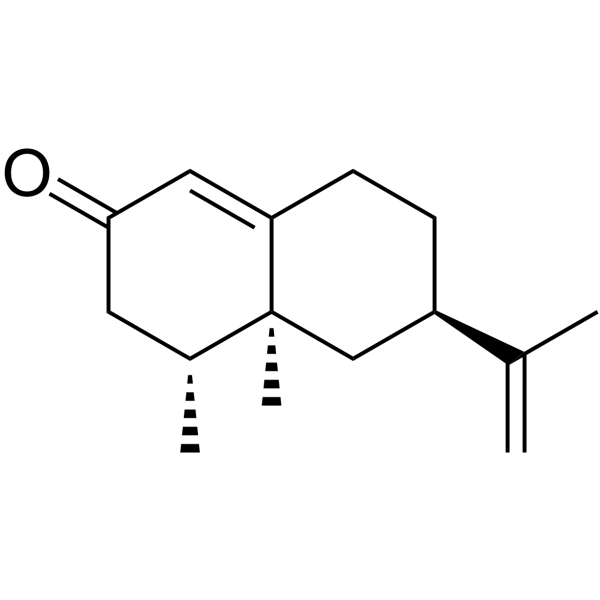
Nootkatone
Based on 4 publication(s) in Google Scholar
Nootkatone, a neuroprotective agent from Vitis vinifera, has antioxidant and anti-inflammatory effects. Nootkatone improves cognitive impairment in lipopolysaccharide-induced mouse model of Alzheimer's disease.
For research use only. We do not sell to patients.
- Purity : 99.81%
- CAS No.: 4674-50-4
- Formula: C15H22O
- Molecular Weight:218.33
-
Storage:Pure form -20°C, 3 years , 4°C, 2 years ; In solvent -80°C, 2 years , -20°C, 1 year

To place orders, for customer services and technical support, please contact: MedChemExpress USA
Tel: 609-228-6898 E-mail: [email protected] [email protected]


-
 Biological Activity
-
Chemical Information
-
Solvent & Solubility
- Protocols
- Purity & Documentation
- References
-
 Help & FAQs


-
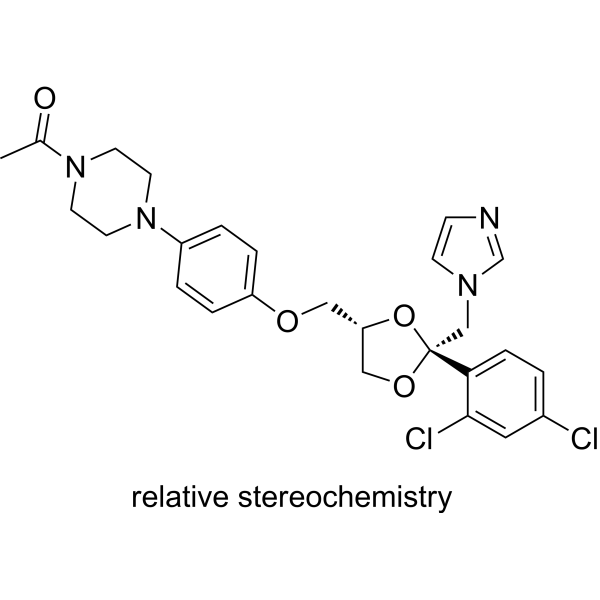
HY-B0105
KetoconazoleCYP3A4 Inhibitor -
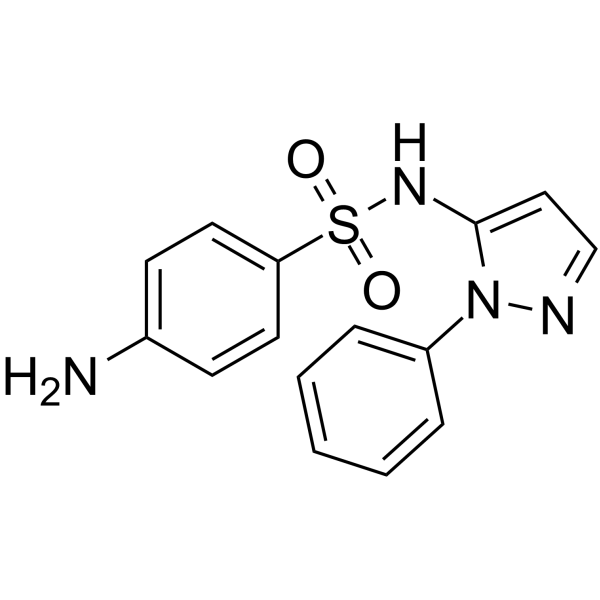
HY-B1218
SulfaphenazoleCYP2C9 Inhibitor -
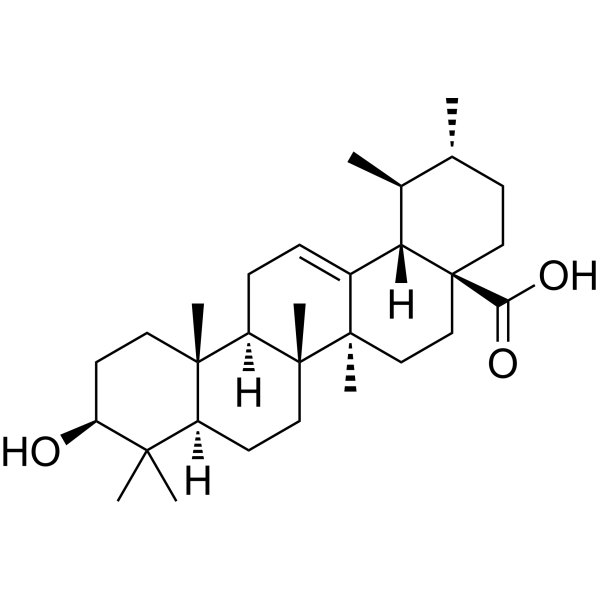
HY-N0140
Ursolic acidAutophagy Inducer -
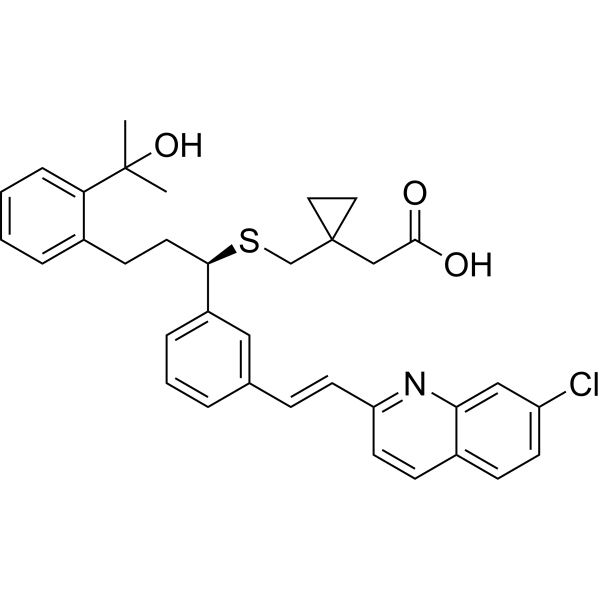
HY-13315A
MontelukastCysLT1 Antagonist -
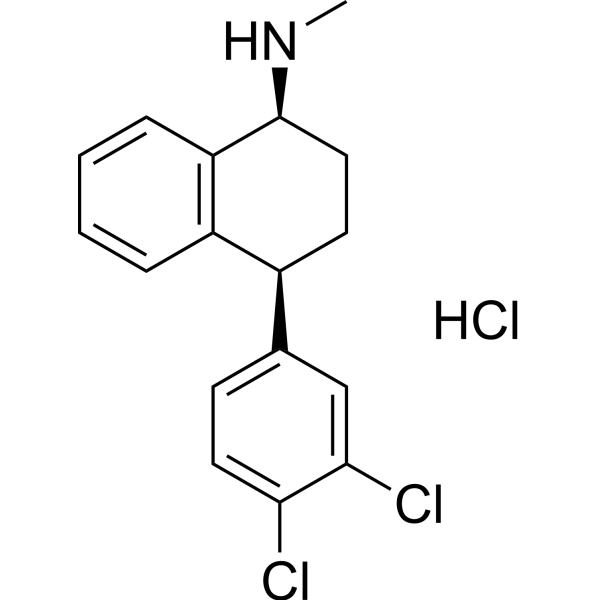
HY-B0176A
Sertraline hydrochlorideSSRI -
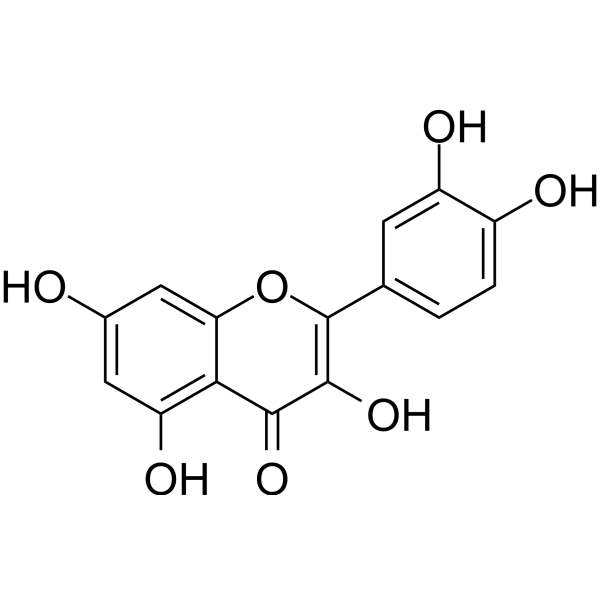
HY-18085
QuercetinFlavonoid Antioxidant -
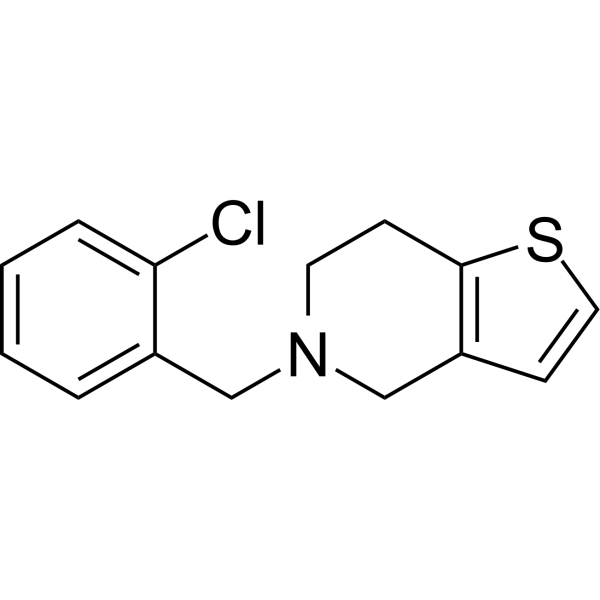
HY-100386
TiclopidineCD39 Inhibitor -
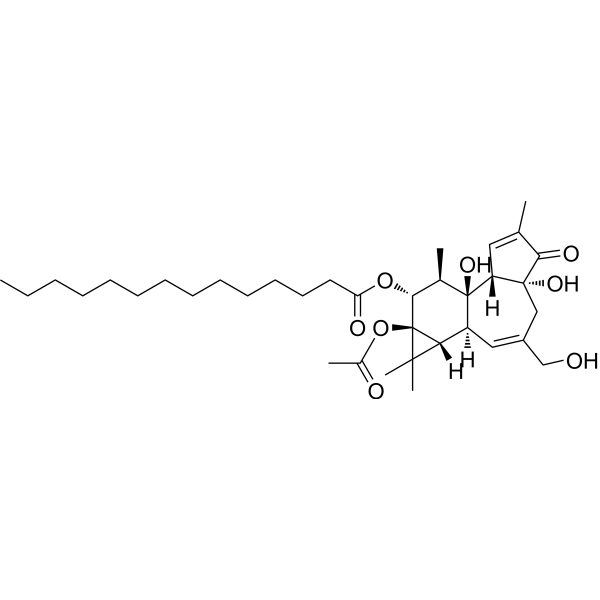
HY-18739
Phorbol 12-myristate 13-acetatePKC Activator -
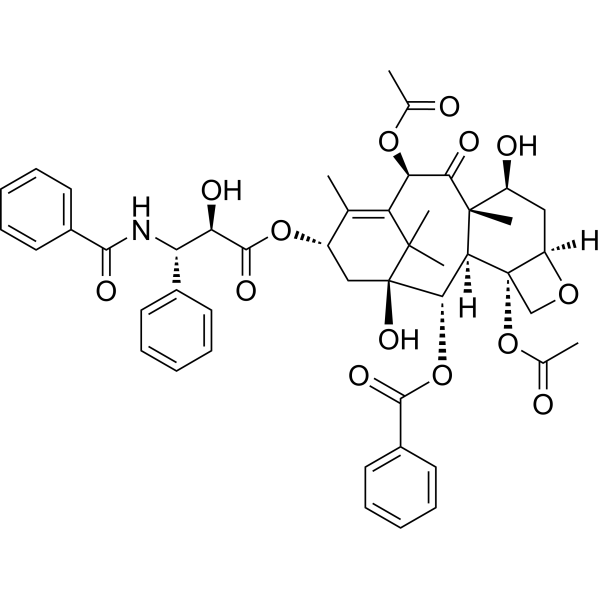
HY-B0015
PaclitaxelAntitumor Agent -
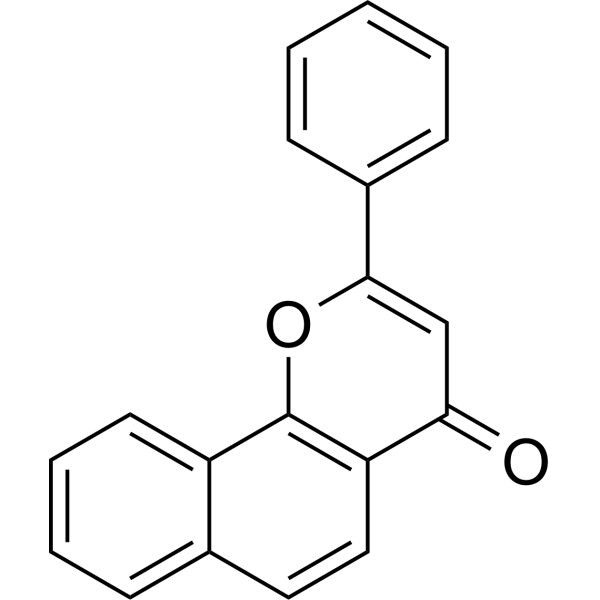
HY-125833
Alpha-NaphthoflavoneAromatase Inhibitor -
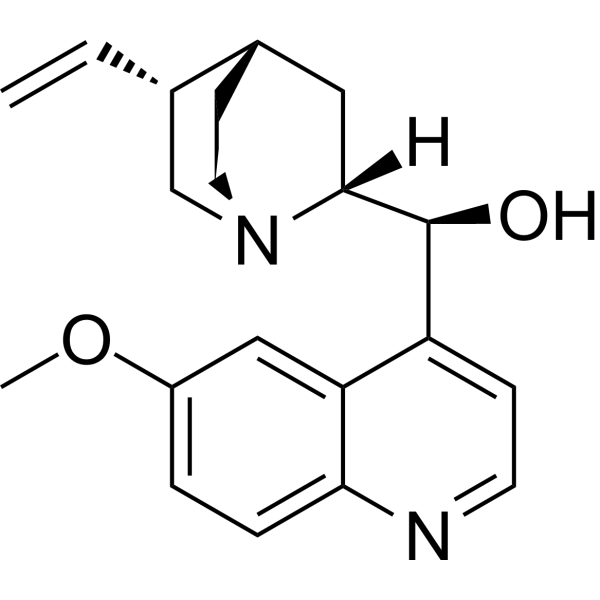
HY-B1751
Quinidine (15% dihydroquinidine)Anti-arrythmic Agent -

HY-N2195R
Nootkatone (Standard)Antioxidant Agent
Publications Citing Use of MedChemExpress (MCE) Nootkatone
More Customer Validation & Images

-
Cell Proliferation/Viability Assay
-
IF
-
Cell Migration/Invasion Assay
-
Flow Cytometry
-
WB


Biological Activity
Description
Cellular Effect
|
Cell Line

|
Type | Value | Description | References |
|---|---|---|---|---|
| Macrophage | IC50 |
34 μM
Compound: 4
|
Inhibition of LPS-induced NO production in ddY mouse macrophages assessed as nitrate accumulation after 20 hrs by Griess reagent method
Inhibition of LPS-induced NO production in ddY mouse macrophages assessed as nitrate accumulation after 20 hrs by Griess reagent method
|
[PMID: 12398545] |
In Vivo
MedChemExpress (MCE) has not independently confirmed the accuracy of these methods. They are for reference only.


Chemical Information
-
CAS No. 4674-50-4
-
Appearance <35°C Solid, >39°C Liquid
-
Molecular Weight 218.33
-
Formula C15H22O
-
Color White to yellow
-
SMILES
O=C1C=C2CC[C@@H](C(C)=C)C[C@@]2(C)[C@H](C)C1
-
Synonyms
(+)-Nootkatone
-
Structure Classification
-
Initial Source
-
Shipping
Room temperature in continental US; may vary elsewhere.
-
Storage
Pure form -20°C 3 years 4°C 2 years In solvent -80°C 2 years -20°C 1 year


Publications (4)
-
Journal Impact Factor
-
Most Recent
-
Mol Med
Nootkatone inhibits the progression of glioblastoma by activating the ATF4-CHOP-CHAC1 pathway. [Abstract]2025 Jan 16;31(1):13. PMID: 39819316
Nootkatone purchased from MedChemExpress. Usage Cited in: Mol Med. 2025 Jan 16;31(1):13. [Abstract]
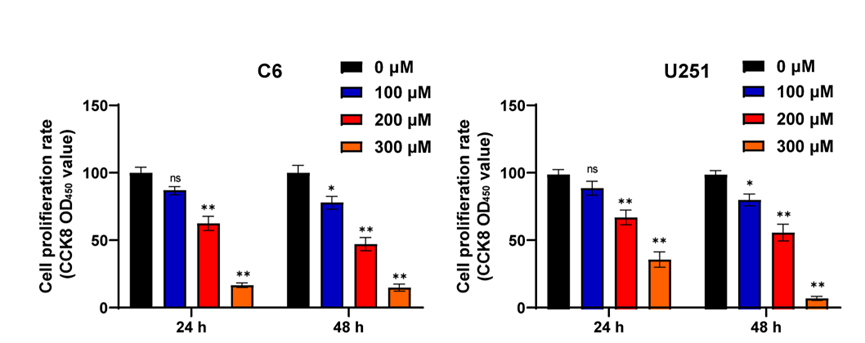
The cell viability of C6 cells and U251 cells treated with gradient concentrations (0 µM, 100 µM, 200 µM, 300 µM) of Nootkatone detected by CCK8 assays.
Nootkatone purchased from MedChemExpress. Usage Cited in: Mol Med. 2025 Jan 16;31(1):13. [Abstract]
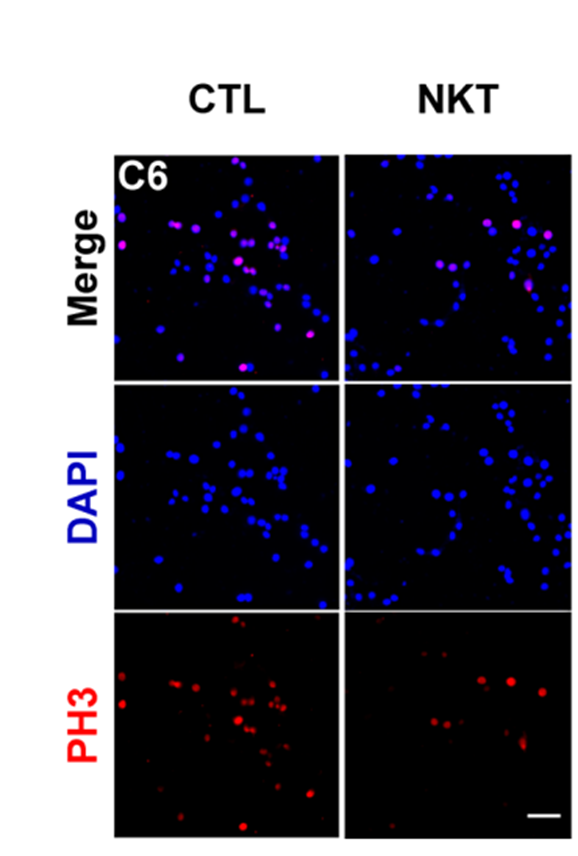
Representative images of PH3 staining (red) in C6 cells after being treated with DMSO or 200 µM Nootkatone for 48 h.
Nootkatone purchased from MedChemExpress. Usage Cited in: Mol Med. 2025 Jan 16;31(1):13. [Abstract]
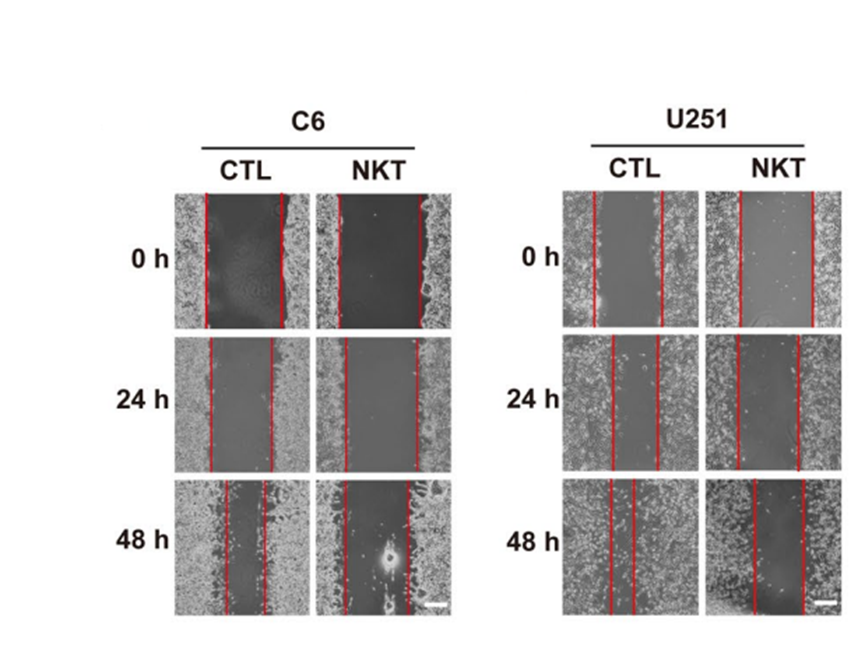
Representative images of C6 cells and U251 cells treated with 200 µM Nootkatone (NKT) in wound healing assays.
Nootkatone purchased from MedChemExpress. Usage Cited in: Mol Med. 2025 Jan 16;31(1):13. [Abstract]
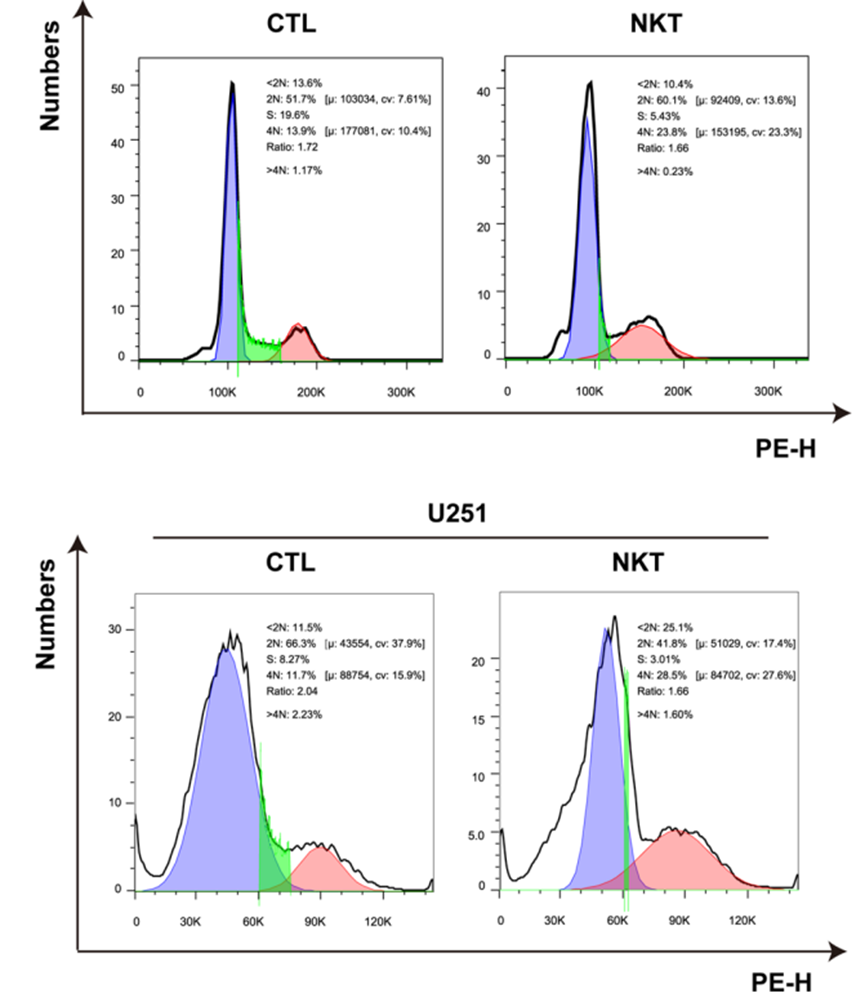
Quantitative analysis in C6 cells and U251 cells after Nootkatone (NKT) (200 μM) treatment for 48 h.
Nootkatone purchased from MedChemExpress. Usage Cited in: Mol Med. 2025 Jan 16;31(1):13. [Abstract]
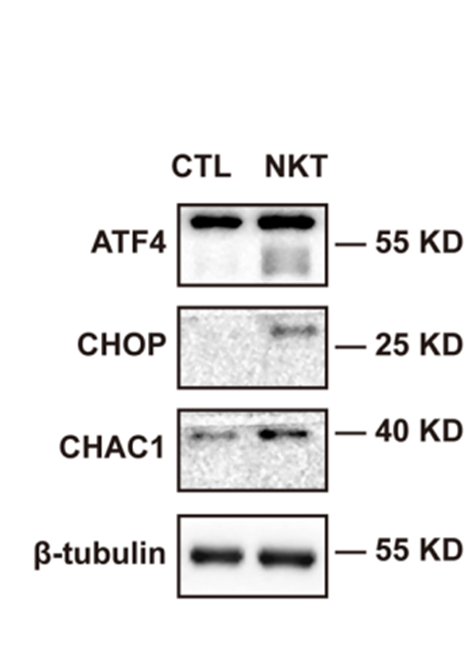
The expression of ATF4, CHOP, CHAC1 in U251 cells was detected after being treated with 200 µM Nootkatone (NKT) for 48 h by western blot.
-
Environ Pollut
Enantioselective metabolic mechanism and metabolism pathway of tetraconazole in human liver microsomes: In vitro and in silico study. [Abstract]2026 May 1:396:127849. PMID: 41720237 -
PLoS Biol
2024 Jun 27;22(6):e3002672. PMID: 38935621 -
bioRxiv
An efficient behavioral screening platform classifies natural products and other chemical cues according to their chemosensory valence in C. elegans. [Abstract]2024 Apr 3:2023.06.02.542933. PMID: 37333363


Solvent & Solubility
In Vitro:
DMSO : 100 mg/mL (458.02 mM; Need ultrasonic; Hygroscopic DMSO has a significant impact on the solubility of product, please use newly opened DMSO)
Please refer to the solubility information to select the appropriate solvent. Once prepared, please aliquot and store the solution to prevent product inactivation from repeated freeze-thaw cycles.
Storage method and period of stock solution: -80°C, 2 years; -20°C, 1 year. When stored at -80°C, please use it within 2 years. When stored at -20°C, please use it within 1 year.
Please refer to the solubility information to select the appropriate solvent. Once prepared, please aliquot and store the solution to prevent product inactivation from repeated freeze-thaw cycles.
Storage method and period of stock solution: -80°C, 2 years; -20°C, 1 year. When stored at -80°C, please use it within 2 years. When stored at -20°C, please use it within 1 year.
Concentration (start) × Volume (start) = Concentration (final) × Volume (final)
In Vivo:
Select the appropriate dissolution method based on your experimental animal and administration route.
- For the following dissolution methods, please ensure to first prepare a clear stock solution using an In Vitro approach and then sequentially add co-solvents:
- To ensure reliable experimental results, the clarified stock solution can be appropriately stored based on storage conditions. As for the working solution for In Vivo experiments, it is recommended to prepare freshly and use it on the same day.
- The percentages shown for the solvents indicate their volumetric ratio in the final prepared solution. If precipitation or phase separation occurs during preparation, heat and/or sonication can be used to aid dissolution.
Add each solvent one by one: 10% DMSO 40% PEG300 5% Tween-80 45% Saline
Solubility: ≥ 2.5 mg/mL (11.45 mM); Clear solution
This protocol yields a clear solution of ≥ 2.5 mg/mL (saturation unknown).
Taking 1 mL working solution as an example, add 100 μL DMSO stock solution (25.0 mg/mL) to 400 μL PEG300, and mix evenly; then add 50 μL Tween-80 and mix evenly; then add 450 μL Saline to adjust the volume to 1 mL.
Preparation of Saline: Dissolve 0.9 g sodium chloride in ddH₂O and dilute to 100 mL to obtain a clear Saline solution.
Add each solvent one by one: 10% DMSO 90% (20% SBE-β-CD in Saline)
Solubility: ≥ 2.5 mg/mL (11.45 mM); Clear solution
This protocol yields a clear solution of ≥ 2.5 mg/mL (saturation unknown).
Taking 1 mL working solution as an example, add 100 μL DMSO stock solution (25.0 mg/mL) to 900 μL 20% SBE-β-CD in Saline, and mix evenly.
Preparation of 20% SBE-β-CD in Saline (4°C, storage for one week): 2 g SBE-β-CD powder is dissolved in 10 mL Saline, completely dissolve until clear.
In Vivo Dissolution Calculator
Please enter the basic information of animal experiments:
-
-
-
-
Recommended: Prepare an additional quantity of animals to account for potential losses during experiments.
Please enter your animal formula composition:
-
%DMSO +
Recommended: Keep the proportion of DMSO in working solution below 2% if your animal is weak.
-
%+
-
+%Tween-80 + +
-
%Saline +
The co-solvents required include: DMSO, . All of co-solvents are available by MedChemExpress (MCE). , Tween 80. All of co-solvents are available by MedChemExpress (MCE).
Working solution concentration: 0.22 mg/mL
Method for preparing stock solution: mg drug dissolved in μL DMSO. Stock solution concentration: mg/mL.
1. Take μL DMSO stock solution;
2. Add μL .
μL , mix evenly;
3. Then add μL Tween 80, mix evenly;
4. Then add μL
Please ensure that the stock solution in the first step is dissolved to a clear state, and add co-solvents in sequence. You can use ultrasonic heating (ultrasonic cleaner, recommended frequency 20-40 kHz), vortexing, etc. to assist dissolution.

Protocols
-
Research Protocol for Inflammation-related Diseases
The NLRP3 inflammasome is a cytosolic innate immune signaling platform that integrates priming signals and danger-signal activation to promote caspase-1 activation, maturation of IL-1β and IL-18, and gasdermin D-mediated pyroptotic cell death. The core experimental logic is to determine whether inflammatory disease phenotypes are driven by increased NLRP3 expression, ASC-containing inflammasome assembly, caspase-1 cleavage, GSDMD cleavage, and extracellular release of IL-1β/IL-18 rather than by nonspecific cell injury alone. The pathway is strongly linked to inflammation-related disease phenotypes because monosodium urate crystals activate NALP3/NLRP3 inflammasome signaling in gout-like crystal inflammation, cholesterol crystals activate NLRP3 inflammasomes in atherogenesis models, and DSS-induced intestinal inflammation has been reported to involve NLRP3 inflammasome activity. However, experimental colitis studies also show context-dependent protective effects of NLRP3 inflammasome co
-
Alzheimer’s Disease Modeling
Alzheimer’s Disease (AD) is a neurodegenerative disorder characterized by a progressive decline in cognitive functions and loss of specific types of neurons and synapses. Alzheimer's symptoms can be simulated in mice by injecting drugs (such as Aβ) or genetically modified.
-
How to Choose the Right Model Animal
Choosing the right model animal is a validity-driven decision in which the species, strain, sex, age, genetic background, disease-induction method, outcome measures, and welfare burden must match the scientific question rather than laboratory tradition or convenience. A model should be selected by judging face validity, construct validity, and predictive validity: whether it resembles the human phenotype, whether it reproduces relevant mechanisms, and whether results are likely to predict human biology or treatment response. Animal studies often fail to translate because of species differences, weak disease resemblance, poor experimental design, inadequate reporting, publication bias, and underuse of randomization, blinding, and sample-size justification. Unresolved questions include how to rank competing models objectively, how much human-disease complexity must be reproduced for a given objective, and when non-animal systems such as organoids, ex vivo tissue, or computational models


Purity & Documentation
-
Data Sheet (273 KB)
-
SDS (393 KB)
- English - EN (393 KB)
- Français - FR (393 KB)
- Deutsch - DE (393 KB)
- Norwegian - NO (393 KB)
- Español - ES (393 KB)
- Swedish - SV (393 KB)
- Italian - IT (393 KB)
- Korean - KR (393 KB)
- Portuguese - PT (393 KB)
-
Handling Instructions (2659 KB)
References


Complete Stock Solution Preparation Table
Please refer to the solubility information to select the appropriate solvent. Once prepared, please aliquot and store the solution to prevent product inactivation from repeated freeze-thaw cycles.
Storage method and period of stock solution: -80°C, 2 years; -20°C, 1 year. When stored at -80°C, please use it within 2 years. When stored at -20°C, please use it within 1 year.
| Optional Solvent | Concentration Solvent Mass | 1 mg | 5 mg | 10 mg | 25 mg |
|---|---|---|---|---|---|
| DMSO | 1 mM | 4.5802 mL | 22.9011 mL | 45.8022 mL | 114.5056 mL |
| 5 mM | 0.9160 mL | 4.5802 mL | 9.1604 mL | 22.9011 mL | |
| 10 mM | 0.4580 mL | 2.2901 mL | 4.5802 mL | 11.4506 mL | |
| 15 mM | 0.3053 mL | 1.5267 mL | 3.0535 mL | 7.6337 mL | |
| 20 mM | 0.2290 mL | 1.1451 mL | 2.2901 mL | 5.7253 mL | |
| 25 mM | 0.1832 mL | 0.9160 mL | 1.8321 mL | 4.5802 mL | |
| 30 mM | 0.1527 mL | 0.7634 mL | 1.5267 mL | 3.8169 mL | |
| 40 mM | 0.1145 mL | 0.5725 mL | 1.1451 mL | 2.8626 mL | |
| 50 mM | 0.0916 mL | 0.4580 mL | 0.9160 mL | 2.2901 mL | |
| 60 mM | 0.0763 mL | 0.3817 mL | 0.7634 mL | 1.9084 mL | |
| 80 mM | 0.0573 mL | 0.2863 mL | 0.5725 mL | 1.4313 mL | |
| 100 mM | 0.0458 mL | 0.2290 mL | 0.4580 mL | 1.1451 mL |


Nootkatone Related Classifications
HY-N2195 Related Classifications
 Powered by Bioz