255 Results for "

Embryonic

" in MedChemExpress (MCE) Product Catalog:
Products (255)

255 Results for "Embryonic" in MCE Product Catalog:

  • Categories Recommended:
    More
Cat. No.: HY-173062
CAS No.: 2994635-04-8
Research Areas:  

Others

BRD4 Inhibitor-40 (Compound 23) is the inhibitor for BRD that inhibits BRD4-BD1, BRD4-BD2, BRD2-BD1 and BRD2-BD2 with IC50s of 16.1, 142.18, 29.35 and 302.35 nM, respectively. BRD4 Inhibitor-40 modulates the expression of c-Myc and p21, arrests cell cycle at G1 phase, inhibits Pkd1-null (PN) renal cystic epithelial cells, and blocks the renal cysts formation in Madin-Darby canine kidney and embryonic kidney vesicle models. BRD4 Inhibitor-40 exhibits renal cysts inhibitory activity in mouse models .
loading...
    loading...
Cat. No.: HY-P75749
Purity:  ≥ 90%, as determined by reducing SDS-PAGE.
Synonyms: EPHB3; Embryonic Kinase 2; Prev. ETK2; Human Embryo Kinase 2; Tyro6; EPH-Like Kinase 2; Hek2; EphB3; Tyrosine-Protein Kinase TYRO6; TYRO6; EPH-Like Tyrosine Kinase 2; HEK2; Ephrin Type-B Receptor 3; EPH Receptor B3; EK2
Species:  
Mouse
Source:  
HEK293
loading...
    loading...
Cat. No.: HY-P75750
Purity:  ≥ 95%, as determined by reducing SDS-PAGE.
Synonyms: EPHB3; Embryonic Kinase 2; Prev. ETK2; Human Embryo Kinase 2; Tyro6; EPH-Like Kinase 2; Hek2; EphB3; Tyrosine-Protein Kinase TYRO6; TYRO6; EPH-Like Tyrosine Kinase 2; HEK2; Ephrin Type-B Receptor 3; EPH Receptor B3; EK2
Species:  
Rat
Source:  
HEK293
loading...
    loading...
Cat. No.: HY-P77931
Purity:  ≥ 95%, as determined by Bis-Tris PAGE.
Synonyms: EPHB3; Embryonic Kinase 2; Prev. ETK2; Human Embryo Kinase 2; Tyro6; EPH-Like Kinase 2; Hek2; EphB3; Tyrosine-Protein Kinase TYRO6; TYRO6; EPH-Like Tyrosine Kinase 2; HEK2; Ephrin Type-B Receptor 3; EPH Receptor B3; EK2
Species:  
Human
Source:  
HEK293
loading...
    loading...
Cat. No.: HY-P78294
Purity:  ≥ 95%, as determined by Bis-Tris PAGE.
Synonyms: EPHB3; Embryonic Kinase 2; Prev. ETK2; Human Embryo Kinase 2; Tyro6; EPH-Like Kinase 2; Hek2; EphB3; Tyrosine-Protein Kinase TYRO6; TYRO6; EPH-Like Tyrosine Kinase 2; HEK2; Ephrin Type-B Receptor 3; EPH Receptor B3; EK2
Species:  
Mouse
Source:  
HEK293
loading...
    loading...
Cat. No.: HY-P702711
Purity:  ≥ 80%, as determined by reducing SDS-PAGE.
Synonyms: EPHB3; Embryonic Kinase 2; Prev. ETK2; Human Embryo Kinase 2; Tyro6; EPH-Like Kinase 2; Hek2; EphB3; Tyrosine-Protein Kinase TYRO6; TYRO6; EPH-Like Tyrosine Kinase 2; HEK2; Ephrin Type-B Receptor 3; EPH Receptor B3; EK2
Species:  
Human
Source:  
Sf9 insect cells
loading...
    loading...
Cat. No.: HY-P705820
Purity:  ≥ 90%, as determined by reducing SDS-PAGE.
Synonyms: EPHB3; Embryonic Kinase 2; Prev. ETK2; Human Embryo Kinase 2; Tyro6; EPH-Like Kinase 2; Hek2; EphB3; Tyrosine-Protein Kinase TYRO6; TYRO6; EPH-Like Tyrosine Kinase 2; HEK2; Ephrin Type-B Receptor 3; EPH Receptor B3; EK2
Species:  
Human
Source:  
sf9 insect cells
loading...
    loading...
Cat. No.: HY-P87103
Synonyms: Embryonic TEA domain containing factor antibody; Etdf antibody; ETEF 1 antibody; ETF antibody; TEA domain family member 2 antibody; TEAD 2 antibody; TEAD-2 antibody; TEAD2 antibody; Tead2 protein (TEA domain family member 2 (Mapped), isoform CRA_b) antibody; TEAD2_HUMAN antibody; Embryonic TEA domain containing factor antibody; Etdf antibody; ETEF 1 antibody; ETF antibody; TEA domain family member 2 antibody; TEAD 2 antibody; TEAD-2 antibody; TEAD2 antibody; Tead2 protein (TEA domain family member 2 (Mapped), isoform CRA_b) antibody; TEAD2_HUMAN antibody; TEF 4 antibody; TEF4 antibody; Transcriptional enhancer factor 4 antibody; Transcriptional enhancer factor TEF 4 antibody; Transcriptional enhancer factor TEF-4 antibody;

Host:  

Rabbit

Application:  

WB

Reactivity:  

Human, Mouse

loading...
    loading...
Cat. No.: HY-B2035
CAS No.: 51218-49-6
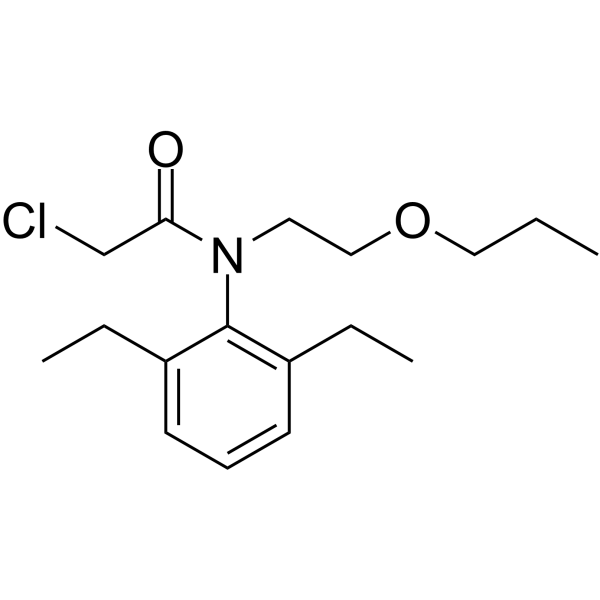
Pretilachlor is a chloroacetamide herbicide with biological activities including endocrine disruption, oxidative stress induction, apoptosis induction, and immunotoxicity. Pretilachlor exerts its effects by interfering with hormone metabolism, inducing oxidative stress, activating apoptotic pathways, and inhibiting immune functions. Pretilachlor upregulates the transcription of P53, Mdm2, and Bbc3, and increases the activities of Caspase3 and Caspase9; it upregulates the transcription of genes in the HPG/HPT axis and the activity of aromatase; it induces oxidative stress, elevates ROS levels, and upregulates CAT, SOD, and GPX. Pretilachlor downregulates the transcription of CXCL-C1C, IL-1β, and IL-8. Pretilachlor disrupts the normal physiological processes and embryonic development of fish, exhibiting significant toxicity. Pretilachlor can be used in studies related to weeding, environmental pollution, and behavioral toxicity in fish .
loading...
    loading...
Cat. No.: HY-P2040
CAS No.: 118399-22-7
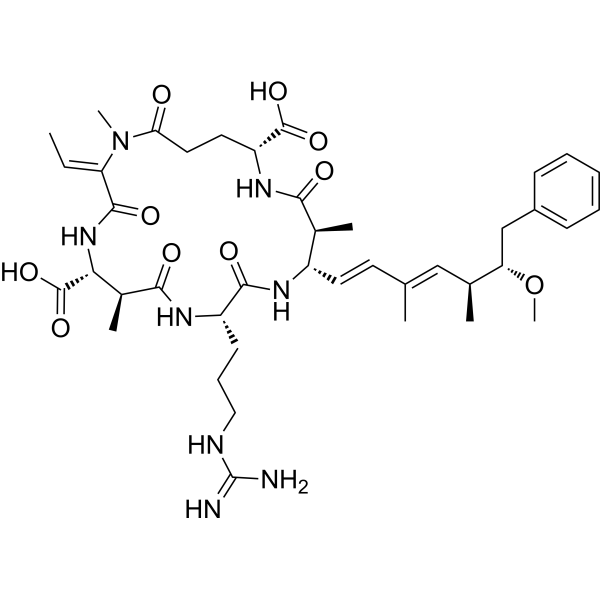
Nodularin is a hepatotoxin, tumor promoter, and protein phosphatase inhibitor. Nodularin induces apoptosis (apoptosis) in normal cells (including caspase activation, upregulation of Bcl-XS, and upregulation of BAX/P53), triggers hyperphosphorylation of the MAPK/ERK, mTOR/S6K and p38 MAPK signaling pathways, and induces oxidative stress, endoplasmic reticulum membrane instability, peroxisome proliferation and increased lysosomal enzyme activity. Nodularin promotes DEN (HY-N7434)-initiated hepatocyte proliferation and adenoma formation, and inhibits proliferation, phagocytosis and chemotaxis of normal lymphocytes, oocyte maturation and vitellogenesis, as well as angiogenesis. Nodularin exhibits hepatotoxicity, reproductive and endocrine toxicity, and embryonic developmental toxicity in various animal models. Nodularin can be used in studies related to liver cancer, hepatotoxicity and reproductive endocrine toxicity .
loading...
    loading...
Cat. No.: HY-139062
CAS No.: 486991-52-0
Synonyms: C6 Ceramide (d18:1/6:0) Urea; Cer(d18:1/6:0) Urea; D-erythro-Urea-C6-Ceramide
Research Areas:  

Cancer

C6 Urea Ceramide (Cer(d18:1/6:0) Urea) is an inhibitor of neutral ceramidase. C6 Urea Ceramide increases total ceramide levels in wild-type mouse embryonic fibroblasts (MEFs) and HT-29 colon cancer cells. C6 Urea Ceramide (5-10 μM) inhibits proliferation of HT-29 cells and induces apoptosis and autophagy, but is not toxic to non-cancerous cells. C6 Urea Ceramide decreases total and phosphorylated β-catenin levels in HT-29 and HCT116 cells, and induces colocalization of β-catenin with the 20S proteasome. C6 Urea Ceramide (1.25, 2.5, and 5 mg/kg) reduced tumor growth and increased C16, C18, C20, and C24 ceramide levels in tumor tissues in the HT-29 mouse xenograft model.
loading...
    loading...
Cat. No.: HY-B0633I
CAS No.: 9067-32-7
Hyaluronic acid sodium (MW 800kDa) is a biopolymer composed of repeating units of disaccharides with various applications. Hyaluronic acid sodium is a major component of the extracellular matrix (ECM). Hyaluronic acid sodium is synthesized at the plasma membrane. Increased hyaluronic acid sodium levels are associated with tumor cell growth, adhesion, migration, invasion and angiogenesis in digestive cancers. Hyaluronic acid sodium participates in tissue remodeling and rapid cell proliferation in some physiological processes including embryonic morphogenesis and wound-healing. Hyaluronic acid sodium activates the PI3K-Akt signaling. Hyaluronic acid sodium acts as a regulator of cancer-associated lymphangiogenesis. Hyaluronic acid sodium also enhances cell invasion and angiogenesis by promoting proteolytic MMP-9 binding to cell surface or stimulating MMP-9 binding to cell surface. Hyaluronic acid sodium can be used as drug delivery for sodium butyrate to improve the anti-proliferative activity on breast cancer cell line. Hyaluronic acid sodium can be studied in joint diseases, wound healing and cancer .
loading...
    loading...
Cat. No.: HY-B2035R
CAS No.: 51218-49-6
Pretilachlor (Standard) is the analytical standard of Pretilachlor (HY-B2035). This product is intended for research and analytical applications. Pretilachlor is a chloroacetamide herbicide with biological activities including endocrine disruption, oxidative stress induction, apoptosis induction, and immunotoxicity. Pretilachlor exerts its effects by interfering with hormone metabolism, inducing oxidative stress, activating apoptotic pathways, and inhibiting immune functions. Pretilachlor upregulates the transcription of P53, Mdm2, and Bbc3, and increases the activities of Caspase3 and Caspase9; it upregulates the transcription of genes in the HPG/HPT axis and the activity of aromatase; it induces oxidative stress, elevates ROS levels, and upregulates CAT, SOD, and GPX. Pretilachlor downregulates the transcription of CXCL-C1C, IL-1β, and IL-8. Pretilachlor disrupts the normal physiological processes and embryonic development of fish, exhibiting significant toxicity. Pretilachlor can be used in studies related to weeding, environmental pollution, and behavioral toxicity in fish .
loading...
    loading...
Cat. No.: HY-N0565C
CAS No.: 94088-85-4
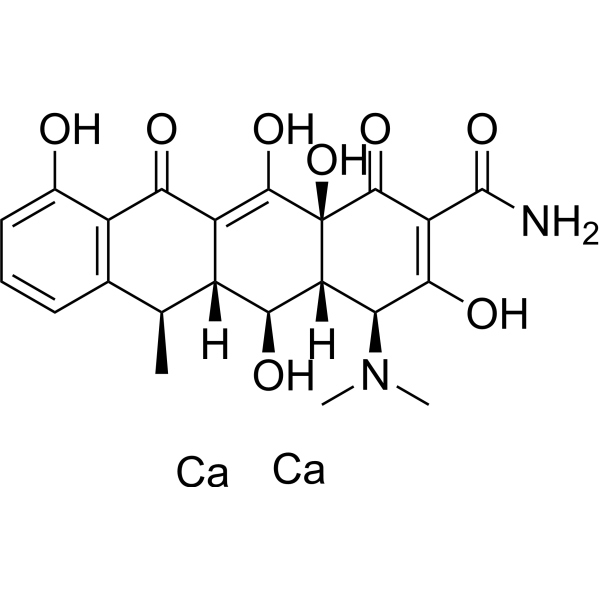
Doxycycline calcium is an orally active highly lipophilic, tissue-permeable MMP inhibitor with broad-spectrum antibacterial activity. Doxycycline calcium is also a semi-synthetic antibiotic with chelating properties, which blocks bacterial protein synthesis and inhibits extracellular matrix degradation through interactions with zinc and calcium atoms. Doxycycline calcium also inhibits mitochondrial biogenesis, translation, and the expression of respiratory chain proteins. Doxycycline calcium induces apoptosis, inhibits autophagy and EMT, downregulates stem cell markers, and activates the PI3K-AKT pathway, thereby effectively inhibiting the viability and proliferation of cancer cells such as breast cancer cells. Doxycycline calcium also promotes the survival and self-renewal of embryonic stem cells and neural stem cells, and reduces the frequency of medium changes in culture. Doxycycline calcium has been applied in studies related to breast cancer, prostate cancer, bladder cancer, and other cancers .
loading...
    loading...
Cat. No.: HY-N0565D
CAS No.: 83038-87-3
Doxycycline fosfatex is an orally active highly lipophilic, tissue-permeable MMP inhibitor with broad-spectrum antibacterial activity. Doxycycline fosfatex is also a semi-synthetic antibiotic with chelating properties, which blocks bacterial protein synthesis and inhibits extracellular matrix degradation through interactions with zinc and fosfatex atoms. Doxycycline fosfatex also inhibits mitochondrial biogenesis, translation, and the expression of respiratory chain proteins. Doxycycline fosfatex induces apoptosis, inhibits autophagy and EMT, downregulates stem cell markers, and activates the PI3K-AKT pathway, thereby effectively inhibiting the viability and proliferation of cancer cells such as breast cancer cells. Doxycycline fosfatex also promotes the survival and self-renewal of embryonic stem cells and neural stem cells, and reduces the frequency of medium changes in culture. Doxycycline fosfatex has been applied in studies related to breast cancer, prostate cancer, bladder cancer, and other cancers .
loading...
    loading...
Cat. No.: HY-W008923R
CAS No.: 17086-28-1
Doxycycline monohydrate (Standard) is the analytical standard of Doxycycline monohydrate (HY-W008923). Doxycycline monohydrate is an orally active highly lipophilic, tissue-permeable MMP inhibitor with broad-spectrum antibacterial activity. Doxycycline monohydrate is also a semi-synthetic antibiotic with chelating properties, which blocks bacterial protein synthesis and inhibits extracellular matrix degradation through interactions with zinc and calcium atoms. Doxycycline monohydrate also inhibits mitochondrial biogenesis, translation, and the expression of respiratory chain proteins. Doxycycline monohydrate induces apoptosis, inhibits autophagy and EMT, downregulates stem cell markers, and activates the PI3K-AKT pathway, thereby effectively inhibiting the viability and proliferation of cancer cells such as breast cancer cells. Doxycycline monohydrate also promotes the survival and self-renewal of embryonic stem cells and neural stem cells, and reduces the frequency of medium changes in culture. Doxycycline monohydrate has been applied in studies related to breast cancer, prostate cancer, bladder cancer, and other cancers .
loading...
    loading...
Cat. No.: HY-L088
3,660 compounds

Angiogenesis is the physiological process through which new blood vessels are formed from pre-existing vessels. It occurs in various physiological processes e.g. embryonic development, menstrual cycle, exercise and wound healing etc. Angiogenesis is regulated by both endogenous activators and inhibitors. Some key activators of angiogenesis include vascular endothelial growth factor (VEGF), basic fibroblast growth factor (bFGF), angiogenin, TGF-β, etc. whereas angiogenesis inhibitors are angiostatin, endostatin, interferon, platelet factor 4, etc. The loss of balance between these opposing signals leads to life threatening diseases like cancer, cardiovascular and ischemic diseases etc. which are thus controlled by exogenous angiogenesis activators (for cardiovascular/ischemic disorders) and inhibitors (for cancer).

MCE offers a unique collection of 3,660 compounds with validated angiogenesis targets modulating properties. MCE angiogenesis-related compound library is an effective tool for angiogenesis research and discovery of angiogenesis-related drugs.

Cat. No.: HY-L020
654 compounds

The developmental proteins Hedgehog, Notch and Wnt are key regulators of cell fate, proliferation, migration and differentiation in several tissues. Their related signaling pathways are frequently activated in tumors, and particularly in the rare subpopulation of cancer stem cells. The Wnt signaling pathway is a conserved pathway in animals. Deregulated Wnt signaling has catastrophic consequences for the developing embryo and it is now well appreciated that defective Wnt signaling is a causative factor for a number of pleiotropic human pathologies, including cancer. Hedgehog signaling pathway is linked to tumorigenesis and is aberrantly activated in a variety of cancers. The Notch signaling pathway is a highly conserved cell signaling system present in most animals. It plays an important role in cell-cell communication, and further regulates embryonic development.

MCE designs a unique collection of 654 Wnt/Hedgehog/Notch signaling pathway-related small molecules. Wnt/Hedgehog/Notch Compound Library serves as a useful tool for stem cell research and anti-cancer drug screening.

Cat. No.: HY-P810967
Synonyms: ATP6IP2, CAPER, ELDF10, HT028, MSTP009, PSEC0072, ATP6AP2, Renin receptor, ATPase H(+)-transporting lysosomal accessory protein 2, ATPase H(+)-transporting lysosomal-interacting protein 2, ER-localized type I transmembrane adapter, Embryonic liver differentiation factor 10, N14F, Renin/prorenin receptor, Vacuolar ATP synthase membrane sector-associated protein M8-9, ATP6M8-9, V-ATPase M8.9 subunit

Host:  

Rabbit

Application:  

IHC-P, ICC/IF

Reactivity:  

Human, Mouse, Rat, Chicken, Pig, Dog, Bovine

loading...
    loading...
Cat. No.: HY-12299G
CAS No.: 837422-57-8
Synonyms: Dual LCK/SRC inhibitor (GMP)
WH-4-023 GMP is WH-4-023 (HY-12299) produced by using GMP guidelines. GMP small molecules works appropriately as an auxiliary reagent for cell therapy manufacture. WH-4-023 (Dual LCK/SRC inhibitor) is a Lck/Src dual target inhibitor with functions in stem cell maintenance and differentiation regulation. WH-4-023 blocks epithelial-mesenchymal transition, supports the self-renewal of porcine embryonic stem cells, and inhibits their differentiation into mesoderm and endoderm. WH-4-023 is a key component of 3i/LAF medium, and enables the stable establishment and long-term maintenance of porcine pre-gastrulation epiblast stem cell lines. Removal of WH-4-023 reduces the expression of pluripotency factors in porcine and human extended pluripotent stem cells. WH-4-023 can be applied to relevant studies such as non-small cell lung cancer resistant to EGFR-TKIs .
loading...
    loading...

