
359 Results for "

Triglycerides

" in MedChemExpress (MCE) Product Catalog:
Products (359)

359 Results for "Triglycerides" in MCE Product Catalog:

Cat. No.: HY-N6660
CAS No.: 621-71-6
Synonyms: Tricaprin; Glyceryl tridecanoate
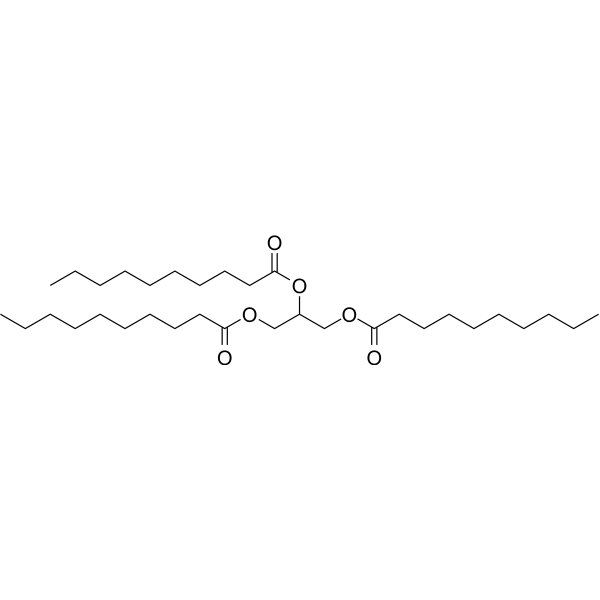
Trisdecanoin (Tricaprin; Glyceryl tridecanoate) is an orally available precursor of decanoic acid (DA precursor) that can be hydrolyzed to decanoic acid. Trisdecanoin and its metabolite capric acid not only provide the body with a quick source of energy, but can also affect lipid metabolism. Trisdecanoin is a major component of medium chain triglycerides (MCT), which has preventive or inhibitory properties for abdominal aortic aneurysms (AAA), inhibition of cardiovascular disease, and anti-androgen (NSAA) and anti-hyperglycemic properties. Trisdecanoin can be used as an additive in food, medicine and cosmetics .
loading...
    loading...
Cat. No.: HY-N8355
CAS No.: 154491-55-1
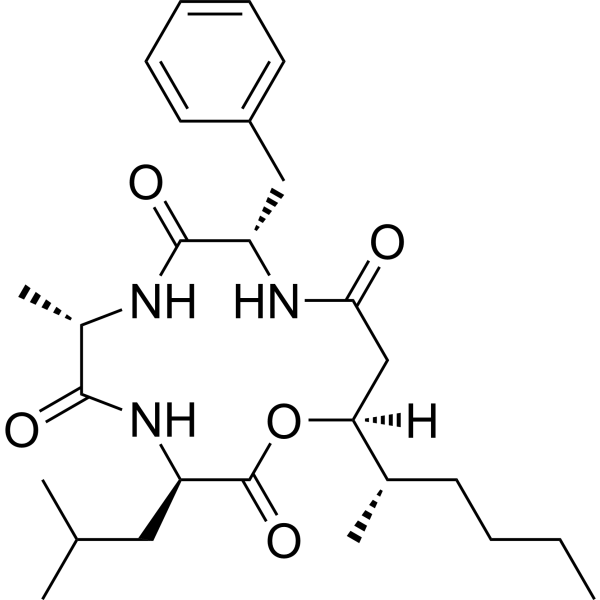
Beauveriolide I is an ACAT/SOAT inhibitor. Beauveriolide I selectively inhibits macrophage cholesteryl ester synthesis, blocks cholesteryl ester recycling, reduces cholesterol concentration, lipid droplet accumulation, and post-lysosomal cholesterol metabolism, and promotes the degradation of cholesteryl esters preferentially over triglycerides. Beauveriolide I reduces amyloid β peptide secretion. Beauveriolide I exhibits insecticidal and weak antibacterial activities. Beauveriolide I can be used in research on atherosclerosis, Alzheimer's disease, and cancer .
loading...
    loading...
Cat. No.: HY-W009732R
CAS No.: 530-59-6
Synonyms: Sinapic acid (Standard)
Sinapinic acid (Sinapic acid) is a phenolic compound isolated from Hydnophytum formicarum Jack. Rhizome, acts as an inhibitor of HDAC, with an IC50 of 2.27 mM , and also inhibits ACE-I activity . Sinapinic acid posssess potent anti-tumor activity, induces apoptosis of tumor cells . Sinapinic acid shows antioxidant and antidiabetic activities . Sinapinic acid reduces total cholesterol, triglyceride, and HOMA-IR index, and also normalizes some serum parameters of antioxidative abilities and oxidative damage in ovariectomized rats .
loading...
    loading...
Cat. No.: HY-100299
CAS No.: 197576-78-6
RPR107393 free base is an orally active potent selective squalene synthase (SQS) inhibitor. RPR107393 free base inhibits rat liver microsomal squalene synthase with an IC50 value of 0.8 nM. RPR107393 free base reduces triglyceride biosynthesis by suppressing fatty acid biosynthesis via an increase in intracellular farnesol and its derivatives. RPR107393 free base reduces plasma cholesterol in rats and marmosets. RPR107393 free base can be used for metabolic disease research, such as hypercholesterolemia, hypertriglyceridemia and atherosclerosis [1][2].
loading...
    loading...
Cat. No.: HY-100313AR
CAS No.: 182959-33-7
YM-53601 (Standard) is the analytical standard of YM-53601 (HY-100313A). This product is intended for research and analytical applications. YM-53601, a squalene synthase inhibitor, reduces plasma cholesterol and triglyceride levels in vivo . YM-53601 inhibits squalene synthase derived from human hepatoma cells with an IC50 of 79 nM. Lipid-lowering agent . YM-53601 is also an inhibitor of farnesyl-diphosphate farnesyltransferase 1 (FDFT1) enzyme activity and abrogates HCV propagation .
loading...
    loading...
Cat. No.: HY-106181
CAS No.: 185428-18-6
Purity:  98.59%
Synonyms: R-106056
Target:  

PPAR

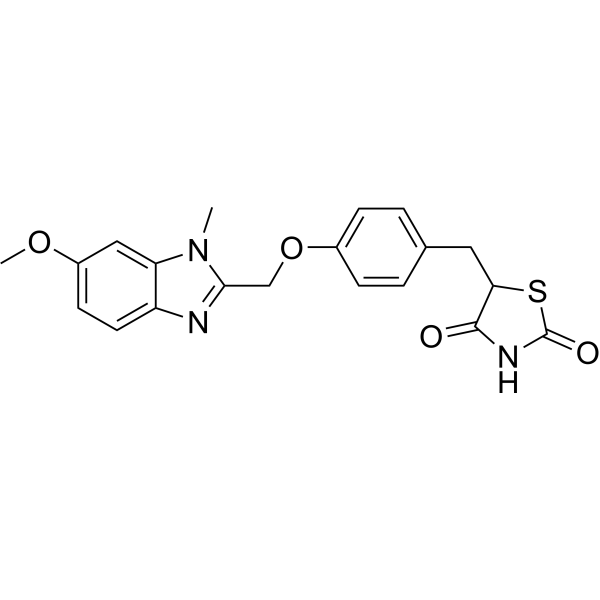
Rivoglitazone (R-106056) is an orally active, selective PPARγ agonist with an EC50 of 0.22 μM for hPPARγ. Rivoglitazone regulates fatty acid storage and uptake, glucose homeostasis, and cardiac glucose/fatty acid metabolism. Rivoglitazone reduces levels of hyperglycemia, hyperinsulinemia, and hypertriglyceridemia, decreases hepatic glucose production, and accelerates plasma triglyceride clearance. Rivoglitazone induces a reduction in glycated hemoglobin A1C, while causing peripheral edema and weight gain. Rivoglitazone can be used in research related to type 2 diabetes .
loading...
    loading...
Cat. No.: HY-12192
CAS No.: 461045-17-0
Target:  

Histamine Receptor

Research Areas:  

Metabolic Disease

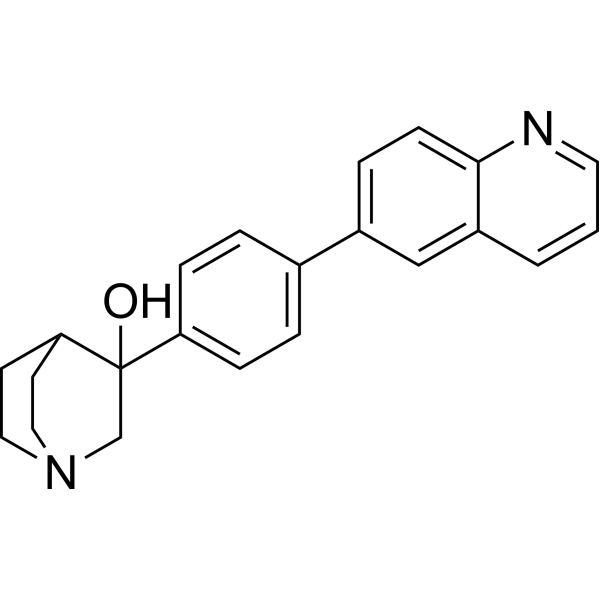
A-423579 is an orally active non-imidazole histamine H3 receptor antagonist. A-423579 exhibits high affinity and good selectivity for human and rat H3 receptors, and possesses both antagonistic and inverse agonistic activities. A-423579 can effectively reduce body weight in obese rodents, with concomitant decreases in fat content, plasma leptin levels, and triglycerides. A-423579 possesses anti-obesity activity and can be used in the research of obesity and related metabolic disorders .
loading...
    loading...
Cat. No.: HY-151997S
CAS No.: 2692624-36-3
Synonyms: 1,2-Olein-3-laurin-13C3; TG(18:1/18:1/12:0)-13C3
1,2-Dioleoyl-3-lauroyl-rac-glycerol- 13C3 is the 13C-labeled 1,2-Dioleoyl-3-lauroyl-rac-glycerol (HY-165089), 1,2-Dioleoyl-3-lauroyl-rac-glycerol (1,2-Olein-3-laurin) is a triglyceride identified by specific analytical methods in human milk, infant formula, other mammalian milk, and vegetable oils, with specific structural and distribution characteristics.
loading...
    loading...
Cat. No.: HY-153491
CAS No.: 2097587-83-0
Synonyms: ISIS 678354; IONIS-APOCIII-LRx; AKCEA-APOCIII-LRx
Target:  

Apolipoprotein

Research Areas:  

Cardiovascular Disease

Olezarsen (ISIS 678354;IONIS-APOCIII-LRx) is a GalNAc-modified antisense oligonucleotide. Olezarsen binds to APOC3 mRNA and induces its degradation via ribonuclease H1-mediated sense strand cleavage, thereby reducing hepatic apolipoprotein C-III (apoC-III) synthesis. Olezarsen reduces plasma triglyceride, apolipoprotein B and non-high-density lipoprotein cholesterol levels. Olezarsen is applicable to research related to familial chylomicronemia syndrome, hypertriglyceridemia and atherosclerotic cardiovascular disease .
loading...
    loading...
Cat. No.: HY-153491A
CAS No.: 2298451-31-5
Purity:  91.44%
Synonyms: ISIS 678354 sodium; IONIS-APOCIII-LRx sodium; AKCEA-APOCIII-LRx sodium
Target:  

Apolipoprotein

Research Areas:  

Cardiovascular Disease

Olezarsen (ISIS 678354;IONIS-APOCIII-LRx) sodium is a GalNAc-modified antisense oligonucleotide. Olezarsen sodium binds to APOC3 mRNA and induces its degradation via ribonuclease H1-mediated sense strand cleavage, thereby reducing hepatic apolipoprotein C-III (apoC-III) synthesis. Olezarsen sodium reduces plasma triglyceride, apolipoprotein B and non-high-density lipoprotein cholesterol levels. Olezarsen sodium is applicable to research related to familial chylomicronemia syndrome, hypertriglyceridemia and atherosclerotic cardiovascular disease .
loading...
    loading...
Cat. No.: HY-17504BR
CAS No.: 147098-18-8
Synonyms: ZD 4522 Sodium (Standard); X-Plended Sodium (Standard); Crestor Sodium (Standard)
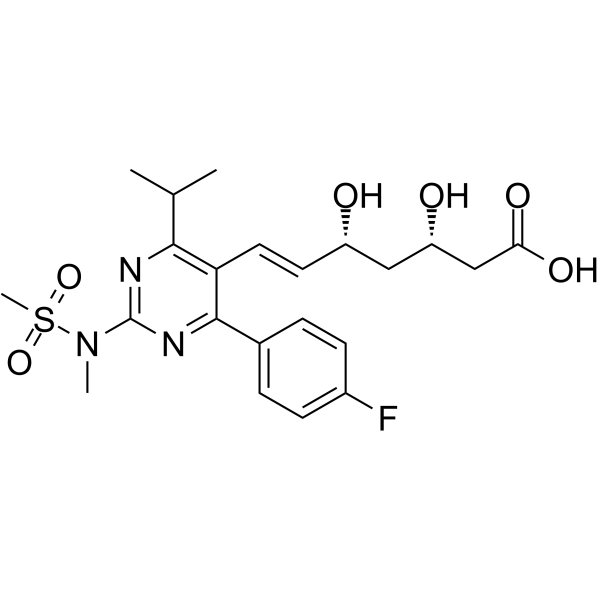
Rosuvastatin Sodium (Standard) (ZD 4522 Sodium (Standard)) is the analytical standard of Rosuvastatin Sodium (HY-17504B). This product is intended for research and analytical applications. Rosuvastatin Sodium is a competitive HMG-CoA reductase (HMGCR) inhibitor, with an IC50 of 11 nM. Rosuvastatin Sodium potently blocks hERG current with an IC50 of 195 nM . Rosuvastatin Sodium reduces the expression of the mature hERG and the interaction of heat shock protein 70 (Hsp70) with the hERG protein. Rosuvastatin Sodium effectively lowers low-density lipoprotein (LDL) cholesterol, triglycerides, and C-reactive protein levels .
loading...
    loading...
Cat. No.: HY-17504D
CAS No.: 1242184-42-4
(3S,5R)-Rosuvastatin is the (3S,5R)-enantiomer of Rosuvastatin. Rosuvastatin is a competitive HMG-CoA reductase inhibitor with an IC50 of 11 nM . Rosuvastatin potently blocks human ether-a-go-go related gene (hERG) current with an IC50 of 195 nM . Rosuvastatin reduces the expression of the mature hERG and the interaction of heat shock protein 70 (Hsp70) with the hERG protein. Rosuvastatin is very effective in lowering low-density lipoprotein (LDL) cholesterol, triglycerides, and C-reactive protein levels .
loading...
    loading...
Cat. No.: HY-186095
Target:  

ACSL Family

Research Areas:  

Metabolic Disease

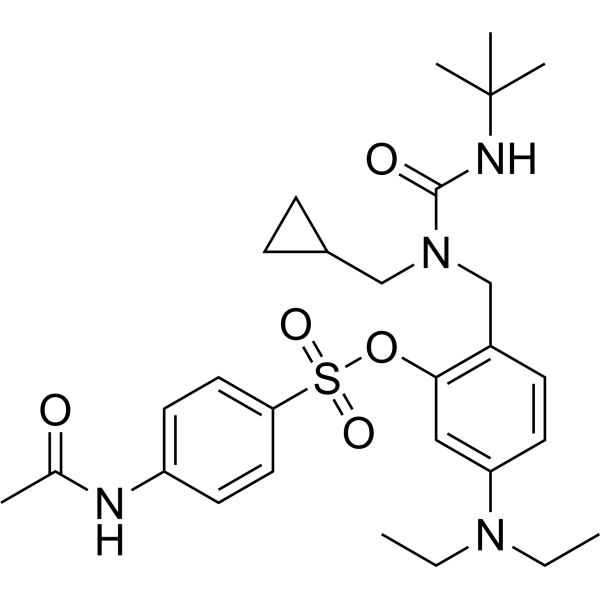
LP-911888 is an orally active ACSL5/ACSL1 inhibitor, with IC50 values of 1 nM and 3 nM against mouse and human ACSL5, and IC50 values of 2 nM and 9 nM against mouse and human ACSL1, respectively. LP-911888 inhibits intestinal triglyceride uptake; it also reduces body weight and food consumption in diet-induced obese mice, and delays gastric emptying by activating the ileal brake pathway. LP-911888 can be used in studies of diet-induced obesity .
loading...
    loading...
Cat. No.: HY-E70599
Research Areas:  

Metabolic Disease

Human CES2 Enzyme is a carboxylesterase involved in drug metabolism and lipid homeostasis. Human CES2 Enzyme hydrolyzes triglycerides, cholesteryl esters and retinyl esters to regulate lipid metabolism and energy homeostasis. Human CES2 Enzyme improves glucose tolerance and insulin sensitivity, reduces hepatic lipid accumulation, alleviates white adipose tissue steatitis, decreases plasma cholesterol levels, and reduces body weight and white adipose tissue weight. Human CES2 Enzyme can be used in the research of metabolic syndrome .
loading...
    loading...
Cat. No.: HY-W015309R
CAS No.: 334-48-5
Decanoic acid (Standard) is the analytical standard of Decanoic acid. This product is intended for research and analytical applications. Decanoic acid is a key component of the medium-chain triglyceride (MCT) found in coconut oil. Decanoic acid is a brain-penetrant and non-competitive inhibitor of AMPA receptor showing antiseizure activity in rats. Decanoic acid reduces tyrosinase activity and inhibits melanosome maturation. Decanoic acid suppresses the phosphorylation of c-Met and induced apoptosis in hepatocellular carcinoma (HCC) cells by inhibiting the expression of various oncogenic proteins, which is promising for research in the field of mTORC1 signaling, HCC and epilepsy .
loading...
    loading...
Cat. No.: HY-W339331
CAS No.: 272451-65-7
Synonyms: NNI-0001
Flubendiamide (NNI-0001) is an orally active phthalic diamide insecticide that acts by targeting insect ryanodine receptors (RyRs), causing insect muscle dysfunction, paralysis and death. Flubendiamide disrupts molting, metamorphosis and reproductive processes, induces oxidative stress by increasing the levels of ROS/RNS, MDA and 8OHdG and decreasing the levels of SOD, CAT and GST, activates the CncC/Maf apoptosis pathway, impairs calcium homeostasis, promotes adipogenesis, increases triglyceride accumulation, and upregulates the expression of regulatory factors for adipocyte differentiation and adipogenesis .
loading...
    loading...
Cat. No.: HY-133178
CAS No.: 131086-98-1
Purity:  99.72%
Synonyms: 3,4,8,9-Tetrahydroxy urolithin
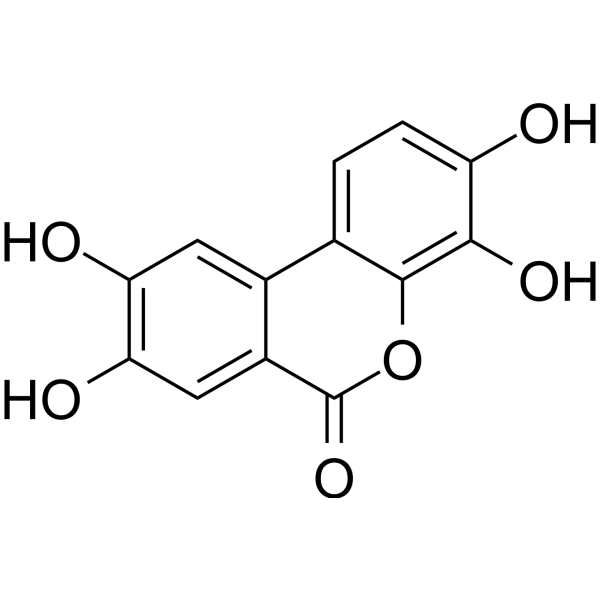
Urolithin D (3,4,8,9-Tetrahydroxy urolithin) is a colonic metabolite of Ellagitannins and a competitive, reversible, and selective antagonist of the EphA receptor. Urolithin D inhibits EphA2-ephrin-A1 binding with an IC50 of 0.9 μM. Urolithin D is also a potent antioxidant that scavenges free radicals and repairs oxidized DNA damage. Additionally, Urolithin D suppresses triglyceride accumulation and promotes fatty acid oxidation by activating the AMPK signaling pathway. Urolithin D can be used for research on tumors, metabolic, and inflammatory diseases .
loading...
    loading...
Cat. No.: HY-163436
CAS No.: 1338190-14-9
Research Areas:  

Metabolic Disease

F44-A13 is an orally active and highly selective farnesoid X receptor (FXR) antagonist with an IC50 value of 1.1 μM. F44-A13 can optimize cholesterol metabolism and reduce its activity by inducing CYP7A1 expression. F44-A13 reduces levels of cholesterol, triglycerides, and low-density lipoprotein cholesterol (LDL-C) in mouse models. F44-A13 can be used in the study of metabolic diseases associated with lipid disorders .
loading...
    loading...
Cat. No.: HY-17504AS
CAS No.: 1133429-16-9
Synonyms: ZD 4522 d3
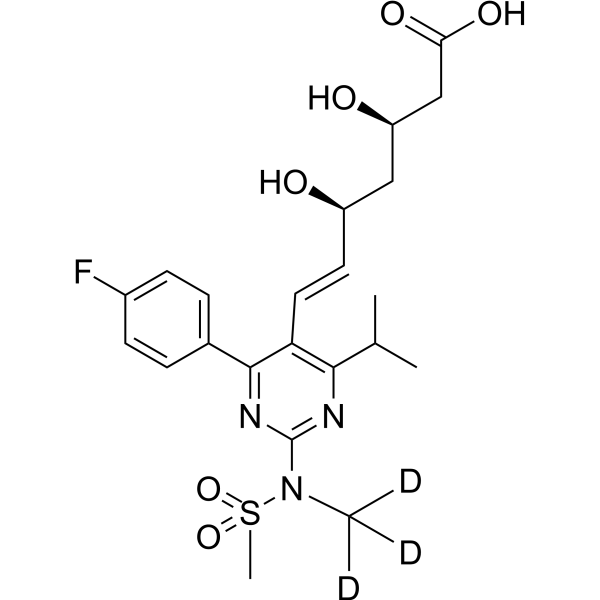
Rosuvastatin-d3 is the deuterated-labeled Rosuvastatin (HY-17504A). Rosuvastatin (ZD 4522) is a competitive HMG-CoA reductase inhibitor with an IC50 of 11 nM. Rosuvastatin potently blocks hERG current with an IC50 of 195 nM, delayed cardiac repolarization, and thereby prolonged action potential durations (APDs) and corrected QT interval (QTc) intervals. Rosuvastatin reduces the expression of the mature hERG and the interaction of heat shock protein 70 (Hsp70) with the hERG protein. Rosuvastatin effectively lowers low-density lipoprotein (LDL) cholesterol, triglycerides, and C-reactive protein levels .
loading...
    loading...
Cat. No.: HY-176817
CAS No.: 944559-31-3
Target:  

GPR109A

GPR109 receptor agonist-3 is an orally active GPR109 receptor agonist, with an IC50 of 310 nM. GPR109 receptor agonist-3 retains the antioxidation and cytoprotection of Lipoic acid (HY-18733). GPR109 receptor agonist-3 reduces total cholesterol (TC), triglyceride (TG), low-density lipoprotein cholesterol (LDL-C) and increases high-density lipoprotein cholesterol (HDL-C) in high-fat diet-fed rats. GPR109 receptor agonist-3 can be used for the study of atherosclerosis .
loading...
    loading...

